Search Result for: https://www.theverge.com/transportation/955822/zoox-robotaxi-refresh-updates-seats-audio-color
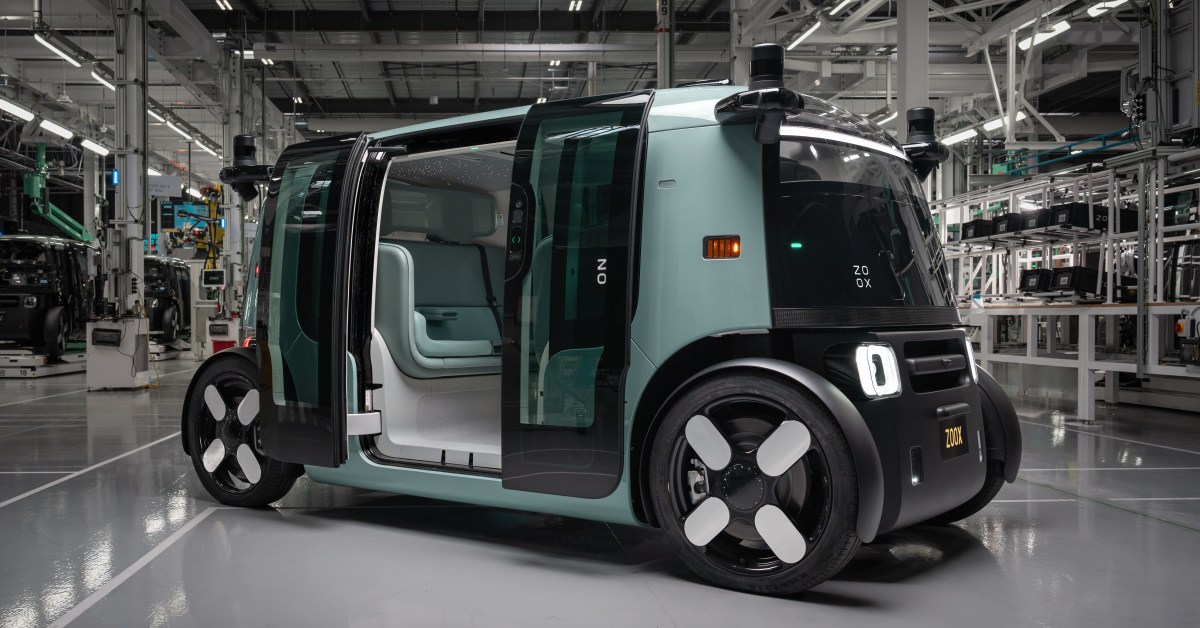
Zoox’s purpose-built robotaxi is getting a refresh
Zoox, the autonomous vehicle subsidiary of Amazon, has introduced an updated design for its bidirectional robotaxi, which it describes as the "next evolution" of the vehicle aimed at mass production. This announcement comes as the company continues to operate a complimentary robotaxi service in cities such as San Francisco, Las Vegas, Austin, and Miami. The rollout of the new vehicle design is part of Zoox's strategy to enhance its offerings while awaiting federal approval for broader operations. The innovative design reflects the company's commitment to advancing autonomous transportation solutions and expanding its market presence.
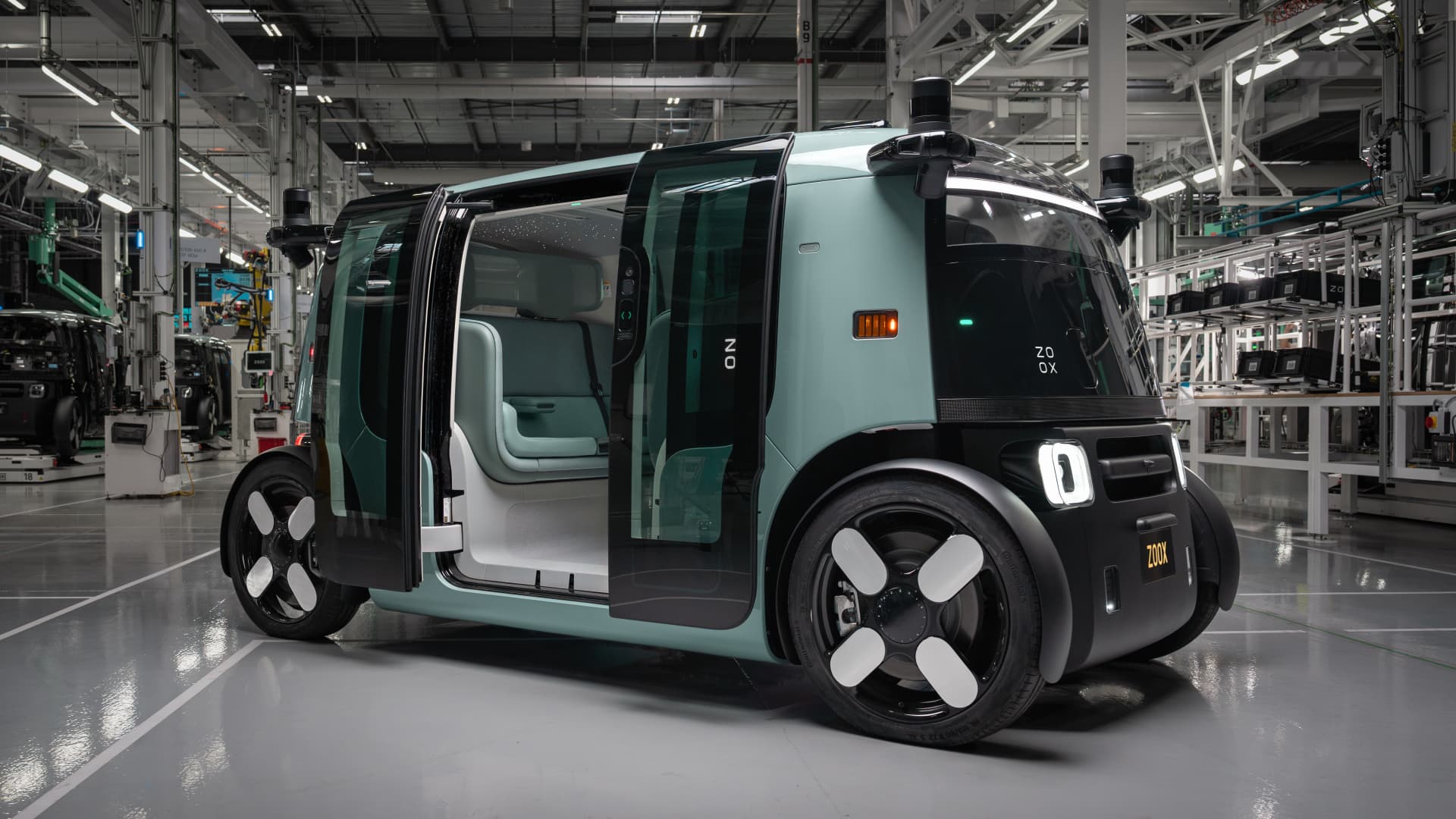
Amazon's Zoox unveils redesigned robotaxi ahead of upcoming expansion
Zoox, the autonomous vehicle division of Amazon, is set to enhance its robotaxi services as it plans to expand into new markets and introduce paid rides. The company aims to improve its technology and operational capabilities to meet growing demand for innovative transportation solutions. This strategic move comes as Zoox prepares to transition from a testing phase to a commercial model, allowing users to access rides for a fee. The expansion reflects Amazon's commitment to advancing its presence in the autonomous vehicle sector and capitalizing on the increasing interest in self-driving technology.
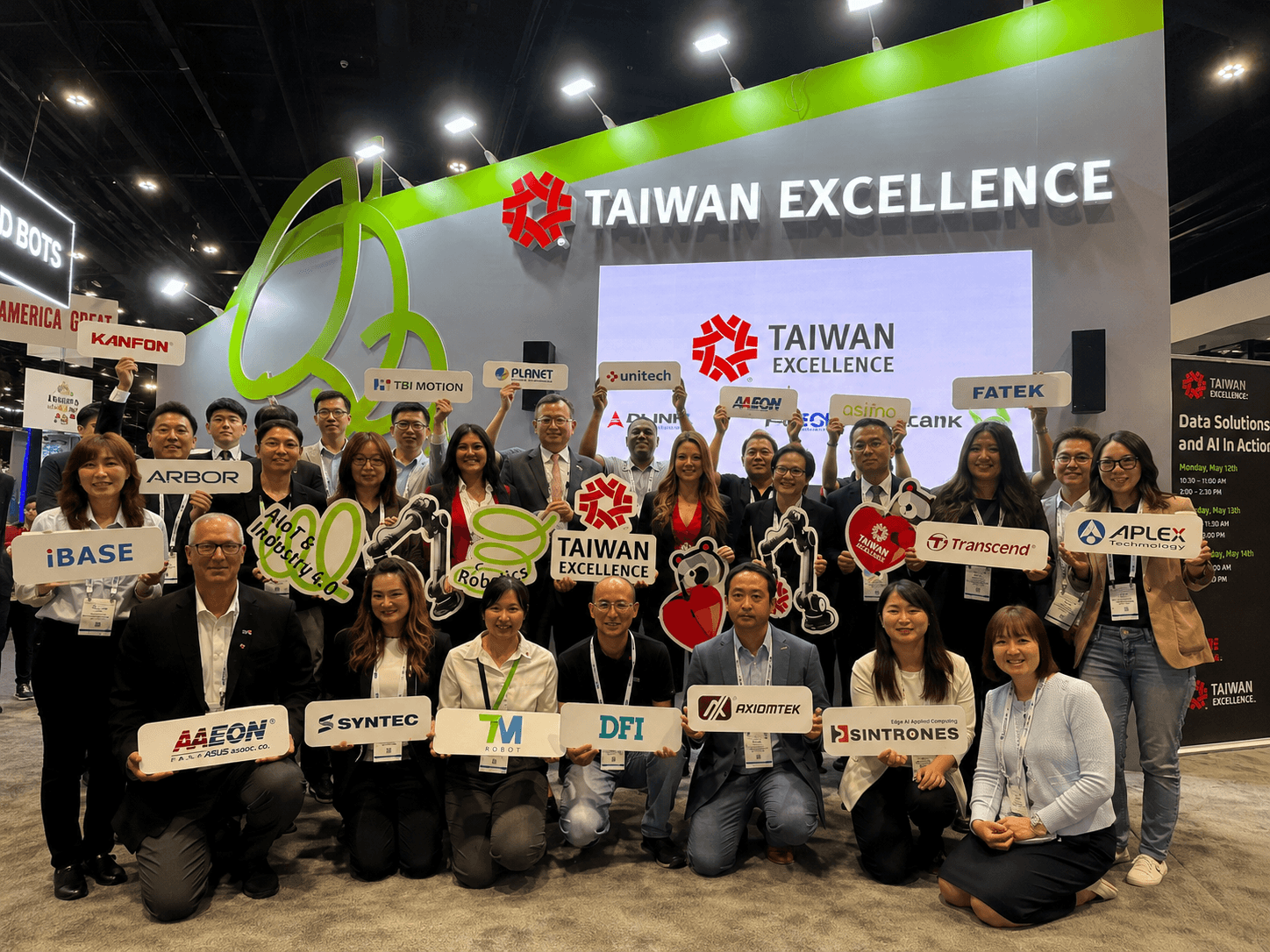
Taiwan Excellence Pavilion at Automate 2026: 23 Companies Showcase Edge AI and Robotics
Taiwan Excellence Pavilion brings 23 certified companies to Automate 2026 in Chicago (June 22–25), showcasing edge AI, collaborative robots, precision motion and industrial computing solutions for U.S. smart manufacturing.

Can Tesla beat Nvidia? New trademark reveals ambitious ‘megapod’ infrastructure plan
Elon Musk is expanding his vision beyond electric vehicles and humanoid robots, aiming to revolutionize multiple industries through advanced technology. At a recent event, Musk outlined his ambitious plans for the future of transportation, artificial intelligence, and sustainable energy. He emphasized the importance of innovation in addressing global challenges, such as climate change and resource scarcity. Scheduled for implementation over the next few years, Musk's initiatives will take place primarily at Tesla's headquarters in California, where the company is ramping up research and development efforts. By integrating cutting-edge AI and robotics into everyday life, Musk hopes to enhance productivity and improve living standards. The motivation behind these projects stems from Musk's belief in creating a sustainable future and reducing humanity's reliance on fossil fuels. He envisions a world where technology not only serves as a means of transportation but also contributes to a cleaner and more efficient way of living. Through strategic partnerships and investments in new technologies, Musk plans to accelerate the development and deployment of these innovations, making them accessible to a broader audience. As he continues to push the boundaries of what is possible, Musk's endeavors are set to reshape the landscape of various sectors, ultimately aiming to create a more sustainable and technologically advanced society.
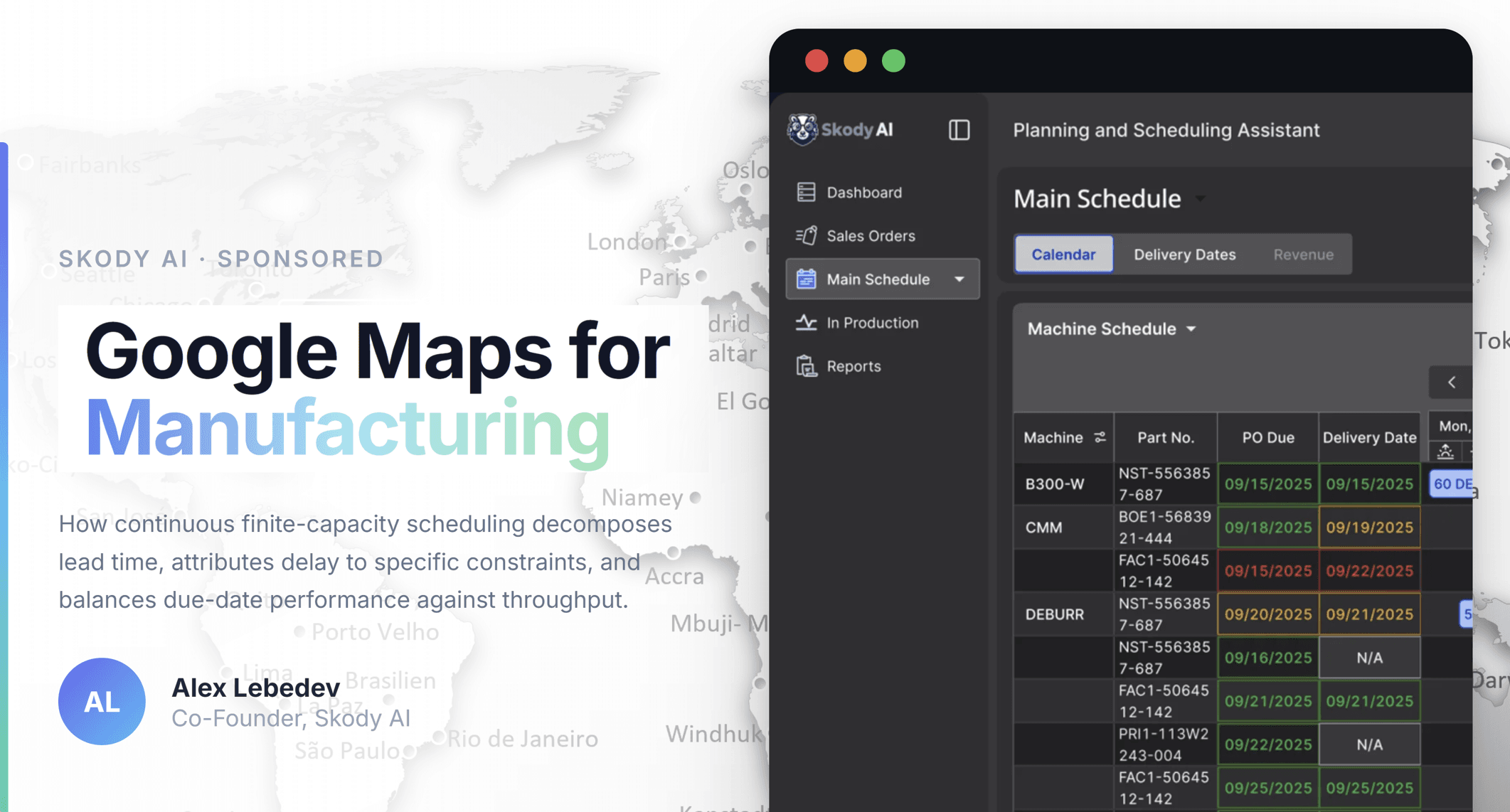
Beyond the Gantt Chart: How Skody AI Explains Why Orders Are Late
Skody AI goes beyond traditional APS by decomposing job lead times into specific delay causes — material waits, bottleneck queues, and off-shift gaps — giving discrete manufacturers a continuous, explainable finite-capacity schedule.

TechCrunch Mobility: A new robotaxi scorecard shows China’s dominance
TechCrunch Mobility has resumed its coverage, providing a comprehensive source for the latest news and insights related to the future of transportation. With a focus on emerging trends and innovations, the platform aims to keep readers informed about developments in the mobility sector. The relaunch comes as the industry faces rapid changes and advancements, making it essential for stakeholders to stay updated. By delivering timely information and expert analysis, TechCrunch Mobility seeks to empower its audience to navigate the evolving landscape of transportation effectively.
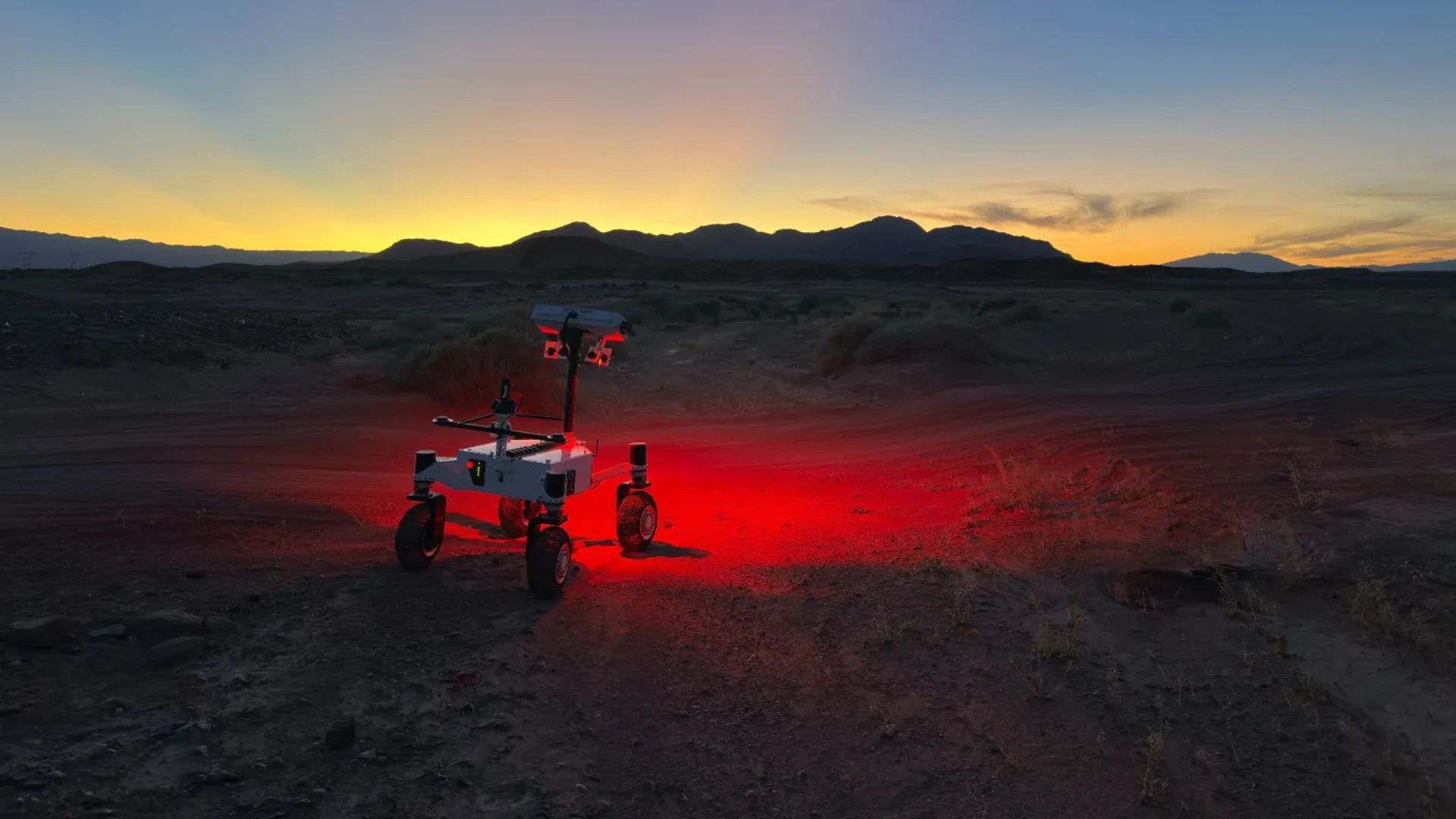
NASA’s new prototype rover completes 16-mile autonomous desert trek
NASA's Jet Propulsion Laboratory (JPL) has unveiled an innovative prototype, a four-wheeled vehicle measuring four feet in length, engineered for high-speed and long-distance travel. This development, announced recently, aims to enhance exploration capabilities on planetary surfaces, potentially paving the way for future missions to Mars and beyond. The vehicle's design incorporates advanced technology to navigate challenging terrains efficiently, addressing the need for faster and more reliable transportation in extraterrestrial environments. By leveraging cutting-edge engineering and robotics, JPL seeks to overcome the limitations of current exploration vehicles, ensuring that future missions can cover greater distances in shorter timeframes. The prototype is a significant step forward in NASA's ongoing efforts to expand human presence in space and improve the tools available for scientific discovery.

No driver, no operator: Inside redundant sensor infrastructure of a commercial robot bus
A significant initiative to expand the use of driverless shuttles beyond corporate campuses and testing sites is gaining momentum. This effort, which has been in progress for several years, aims to integrate autonomous vehicles into public transportation systems, thereby enhancing mobility options for urban residents. The push is particularly relevant as cities seek innovative solutions to address traffic congestion and reduce carbon emissions. Recent developments indicate that several municipalities are collaborating with technology companies to pilot driverless shuttle programs in urban environments. These trials are designed to assess the feasibility and safety of autonomous vehicles in real-world settings, with the goal of eventually implementing them as a regular mode of transport for the public. The motivation behind this initiative stems from the increasing demand for efficient and sustainable transportation solutions. By leveraging advancements in artificial intelligence and vehicle technology, proponents believe that driverless shuttles can provide a reliable alternative to traditional public transit, particularly in underserved areas. As cities prepare for these trials, stakeholders are focused on ensuring regulatory compliance and addressing public concerns regarding safety and privacy. The successful deployment of driverless shuttles could mark a transformative shift in urban mobility, paving the way for smarter, more sustainable cities.

Antaira Unveiling Over 30 New Products at Automate 2026
Antaira has announced its commitment to the automation market with the launch of a new line of rugged switches designed to enhance network reliability across a variety of applications. This debut comes as industries increasingly seek robust solutions to support their automation needs. The switches are engineered to withstand harsh environments, making them suitable for diverse sectors including manufacturing, transportation, and energy. By introducing these products, Antaira aims to address the growing demand for reliable networking equipment that can perform under challenging conditions. The launch reflects the company's strategy to expand its portfolio and reinforce its position in the automation sector, responding to the evolving technological landscape and the need for improved connectivity solutions.
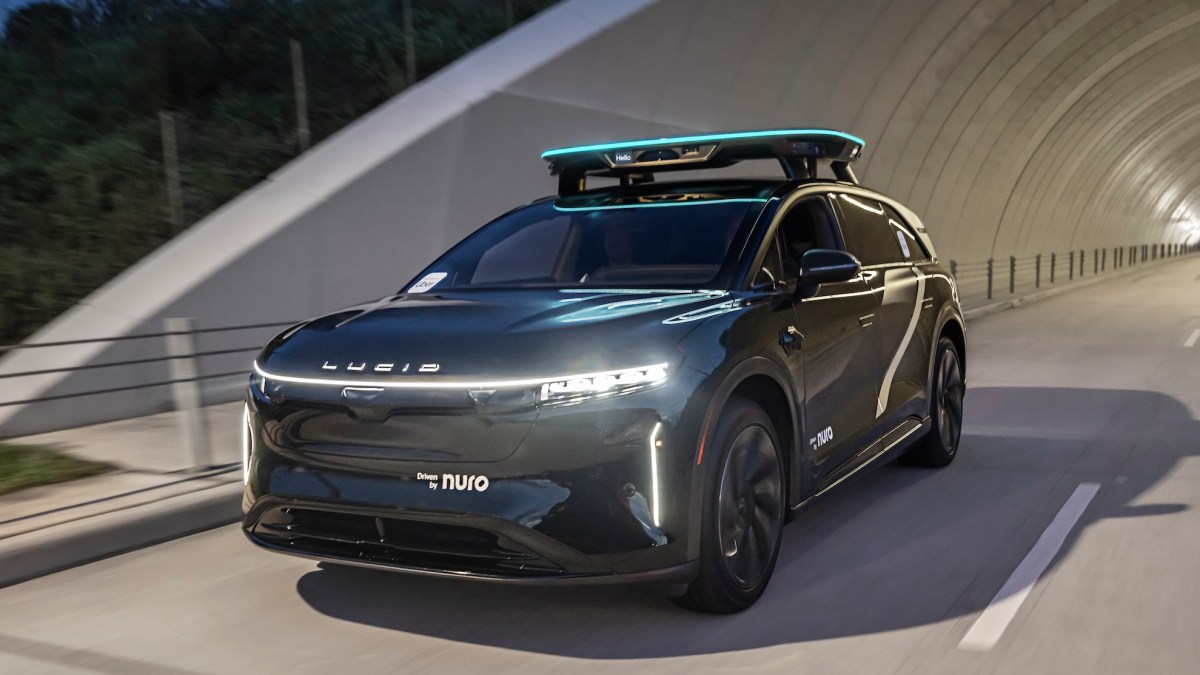
Uber will bring its premium robotaxi service to Houston in 2027
Uber is set to launch its second robotaxi service, featuring Lucid electric vehicles (EVs) equipped with a self-driving system developed by Nuro. This innovative service aims to enhance urban mobility by providing a reliable and efficient transportation option. The rollout is expected to take place in the coming months, following the success of the initial launch in another market. The collaboration between Uber and Nuro underscores a growing trend in the transportation sector towards autonomous vehicles, driven by the need for safer and more sustainable travel solutions. By integrating advanced technology into their fleet, Uber aims to meet increasing consumer demand for convenient and eco-friendly transport options.
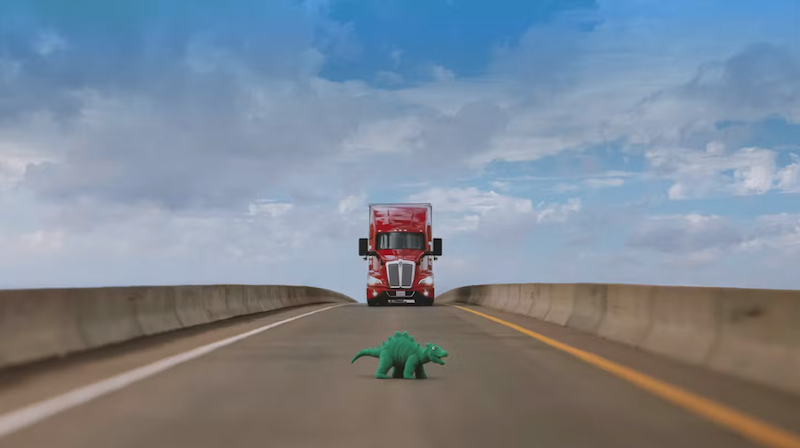
How Kodiak uses AI and probabilistic risk assessment to measure autonomous trucking safety
Recent advancements in artificial intelligence are significantly accelerating the development of autonomous driving technology, allowing engineers to innovate at an unprecedented pace. However, the critical challenge remains ensuring that these advancements are paired with robust safety measures. Industry experts emphasize that achieving depth and rigor in safety protocols does not necessarily depend on having the largest budgets or the most extensive vehicle fleets. Instead, the focus is shifting towards extracting precise insights from data to enhance safety standards. As the industry moves forward, the integration of rigorous safety assessments with cutting-edge technology will be essential for the successful deployment of autonomous vehicles on public roads.
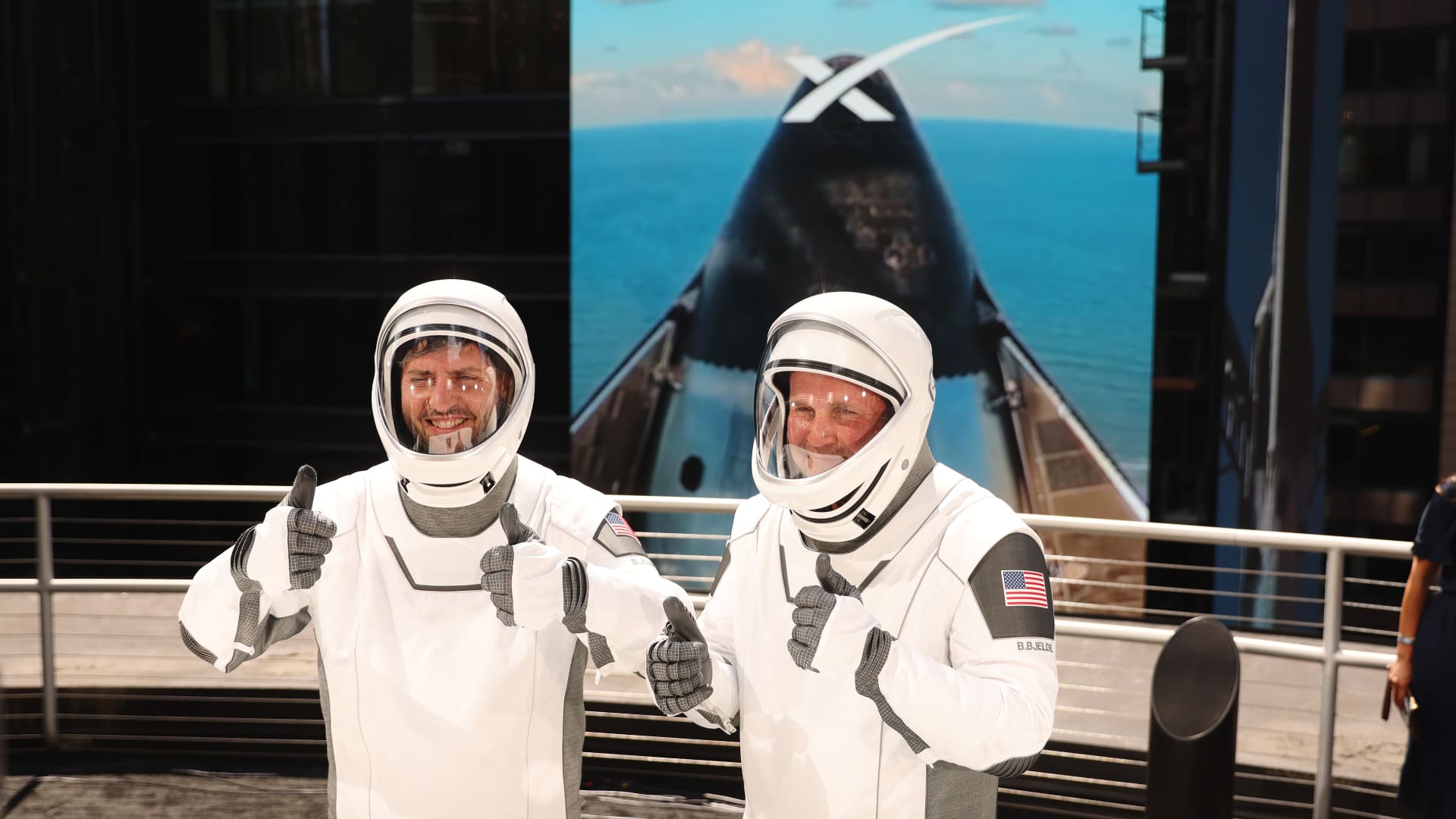
SpaceX leapfrogs Amazon in market cap, briefly jumps Microsoft among top U.S. companies
In a recent statement, CEO Elon Musk indicated that Tesla could potentially achieve around $1 trillion in revenue by the year 2030. This ambitious projection reflects the company's ongoing growth and expansion plans in the electric vehicle market and beyond. Musk's comments, made on Sunday, highlight the confidence he has in Tesla's future performance as it continues to innovate and capture market share. The announcement comes as the company prepares to navigate an increasingly competitive landscape, driven by advancements in technology and a growing demand for sustainable transportation solutions.
Self-driving tech supplier Mobileye targets U.S. robotaxi launch in 2027
Mobileye Global, a leading supplier of self-driving technology, announced on Tuesday its plans to launch a robotaxi service. This initiative marks a significant step in the company's efforts to expand its presence in the autonomous vehicle market. The service is expected to operate in urban areas, providing a new transportation option for city dwellers. Mobileye aims to enhance mobility and reduce traffic congestion through this innovative service, leveraging its advanced technology to ensure safety and efficiency. The launch of the robotaxi service reflects the growing demand for autonomous transportation solutions and the company's commitment to leading the industry in self-driving capabilities.
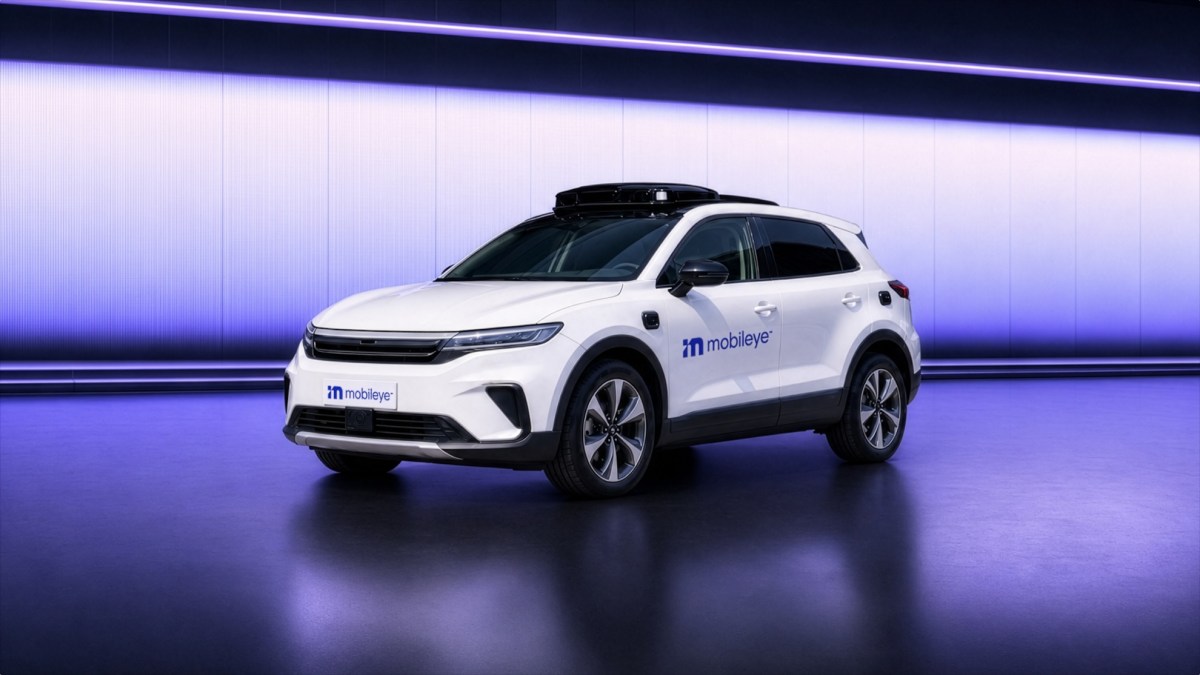
Mobileye’s US robotaxi launch will put it on both sides of the AV business
Mobileye is positioning itself to enter the robotaxi market, potentially competing with companies that currently utilize its self-driving technology. The move signals a strategic shift for the company, which has primarily focused on supplying autonomous driving systems to various partners. By venturing into the robotaxi sector, Mobileye aims to capitalize on the growing demand for autonomous transportation solutions. This decision reflects the company's ambition to expand its market presence and leverage its technological expertise in self-driving systems. The implications of this strategy could reshape the competitive landscape within the autonomous vehicle industry, as Mobileye directly challenges its existing clients while seeking to establish its own foothold in the emerging robotaxi market.
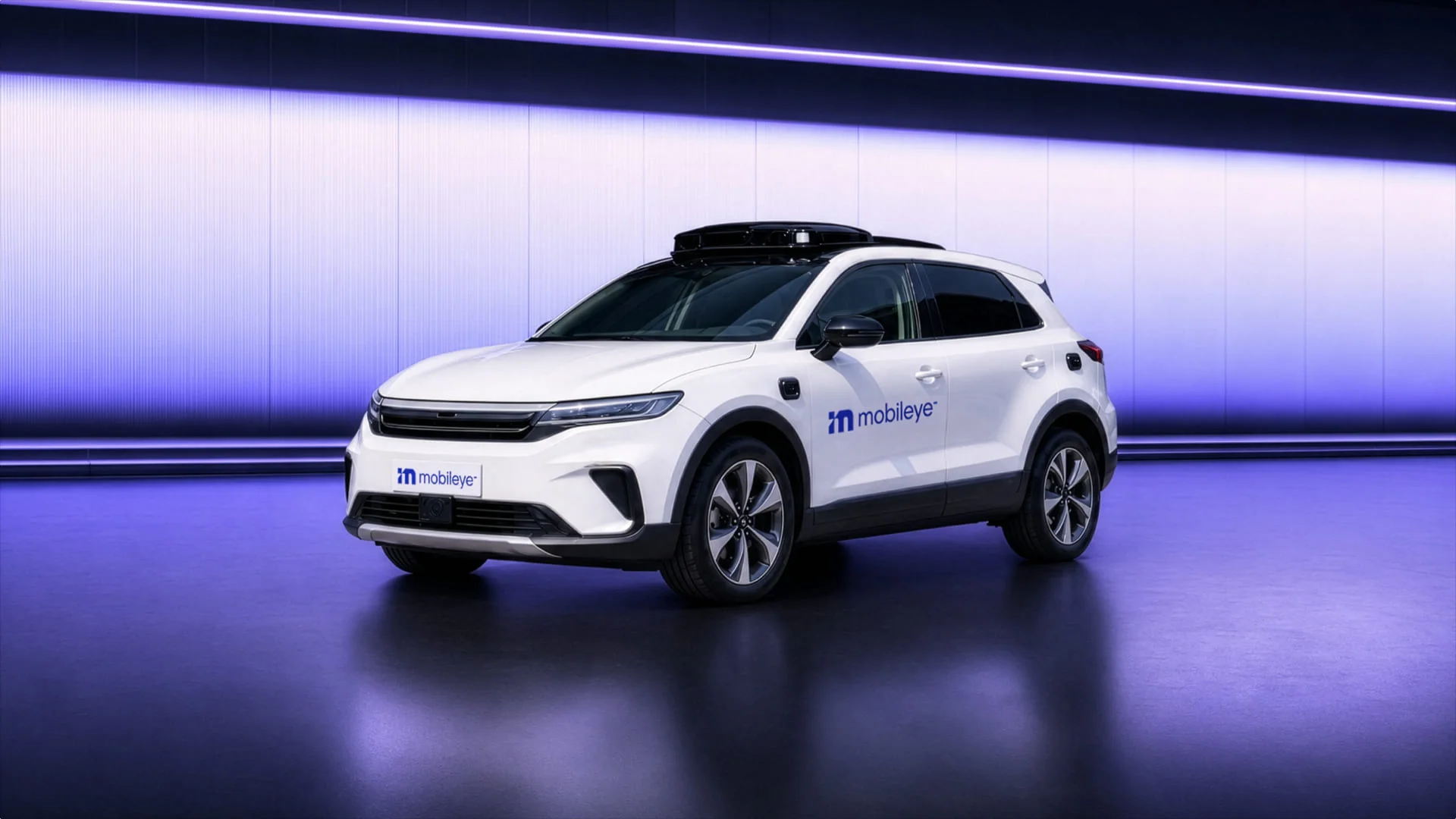
Mobileye To Establish Robotaxi Business
Mobileye, a prominent player in autonomous driving technology, is set to launch its own robotaxi service in the United States by 2027. This move marks a significant shift for the company, which has primarily operated as a supplier of self-driving technology. The new venture will integrate Mobileye's proprietary Drive self-driving system with advanced mobility software and fleet management tools, allowing the company to directly manage autonomous ride-hailing fleets. This expansion into the ride-hailing market reflects Mobileye's ambition to enhance urban mobility and capitalize on the growing demand for autonomous transportation solutions.

Japan ride-hailing app Go races toward robotaxis after successful IPO
Japanese ride-hailing app operator Go is set to accelerate its transition to a robotaxi business following a successful debut on the Tokyo Stock Exchange Growth Market. On June 17, 2026, the company’s shares closed 10% above their initial public offering price, generating significant funds to support its autonomous driving initiatives. The listing was celebrated by Go's Chairman Ichiro Kawanabe and President Hiroshi Nakajima, who rang the bell to mark the occasion. The strong market response reflects investor confidence in Go’s potential to innovate within the transportation sector, particularly as competition intensifies with other players in the autonomous vehicle space.
5 Common Truck Tire Problems and How to Fix Them
Truck owners are being urged to pay close attention to changes in ride quality, as neglecting these signs can significantly reduce tire lifespan and compromise safety on the highway. Experts warn that failing to address common tire issues can lead to sudden blowouts, posing a serious risk to drivers and others on the road. With the increasing reliance on trucks for transportation and logistics, understanding how to identify and resolve tire problems is crucial for maintaining optimal vehicle performance. Owners are encouraged to regularly inspect their tires and seek professional assistance when necessary to ensure their rigs operate safely and efficiently under pressure.
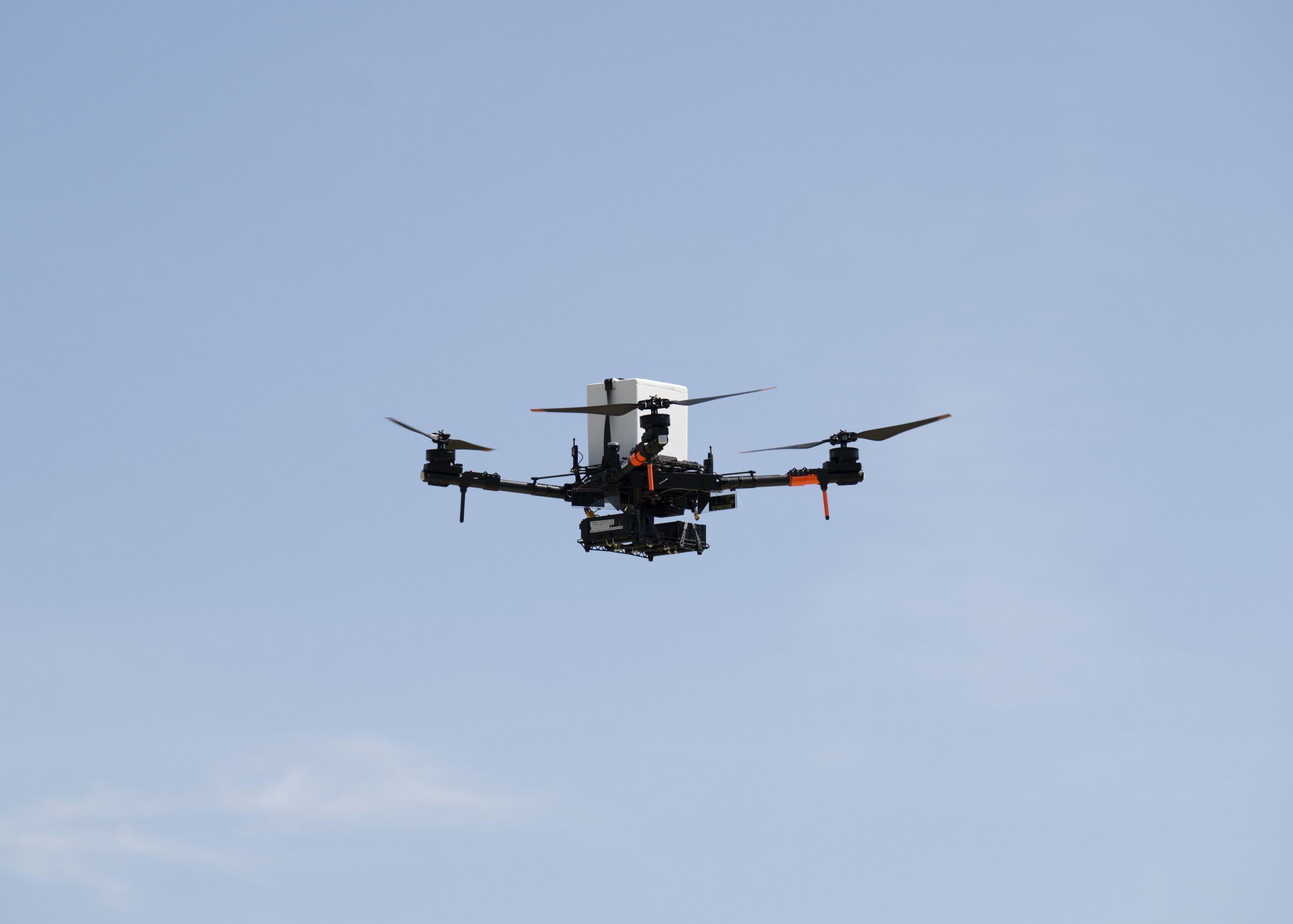
NASA, UNOS and LifeNet Complete Successful BVLOS Drone Flights Carrying Human Kidneys
A groundbreaking study involving the United Network for Organ Sharing (UNOS), NASA Langley Research Center, and LifeNet Health has successfully demonstrated the transportation of human kidneys via drone beyond visual line of sight (BVLOS). This significant advancement in transplant logistics was achieved through a collaborative research effort aimed at exploring innovative methods for organ delivery. The successful flights represent a promising step forward in enhancing the efficiency and speed of organ transportation, potentially improving outcomes for transplant patients. The research highlights the role of drone technology in addressing logistical challenges in the medical field, particularly in urgent situations where timely organ delivery is critical.
Is Tesla, Inc. (TSLA) A Good Stock To Buy Now?
Tesla, Inc. is currently a focal point for investors, with a recent bullish analysis by Gannon Capital highlighting its potential as more than just an electric vehicle manufacturer. As of June 12, 2026, Tesla's shares were trading at $406.43, with trailing and forward price-to-earnings ratios of 372.87 and 196.08, respectively. The company, which designs and sells electric vehicles and energy systems globally, is positioning itself as a leader in artificial intelligence, robotics, and autonomous transportation. Tesla's automotive division not only generates significant revenue but also serves as a data-collection network that supports its ambitions in Full Self-Driving technology and other innovations. The company has established competitive advantages through vertical integration, proprietary battery technology, and a global Supercharger network. With over five million connected vehicles, Tesla continuously collects real-world driving data, which is crucial for its autonomous driving initiatives. Financially, Tesla reported nearly $95 billion in revenue for 2025 and holds over $44 billion in cash, enabling substantial investments in AI and robotics. The bullish thesis suggests that successful commercialization of autonomous technology and the scaling of its Optimus robot could transform Tesla into a high-margin platform business, significantly enhancing profitability and market valuation. Despite potential risks from competition and regulatory challenges, proponents believe the market underestimates Tesla's capacity to evolve into a dominant AI-powered industrial platform. The stock remains popular among hedge funds, with 123 portfolios holding TSLA at the end of the first quarter of 2026.
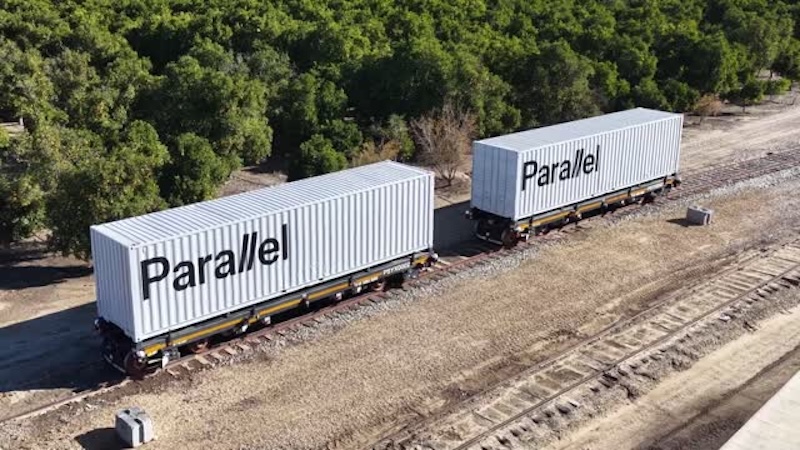
Interview: Parallel Systems CEO Matt Soule on building ‘the world’s first autonomous freight rail system’
In recent years, autonomous trucks have captured significant attention and investment in the freight transportation sector. However, freight rail is also experiencing a transformative shift, as highlighted by Matt Soule, founder and CEO of Parallel Systems. He asserts that autonomous rail technology could revolutionize the industry, offering a promising alternative to traditional freight methods. This development comes at a time when the logistics sector is increasingly seeking innovative solutions to enhance efficiency and reduce costs. As the demand for sustainable and automated transport solutions grows, the freight rail industry is positioning itself to leverage advancements in technology, potentially reshaping the future of cargo movement across the country.
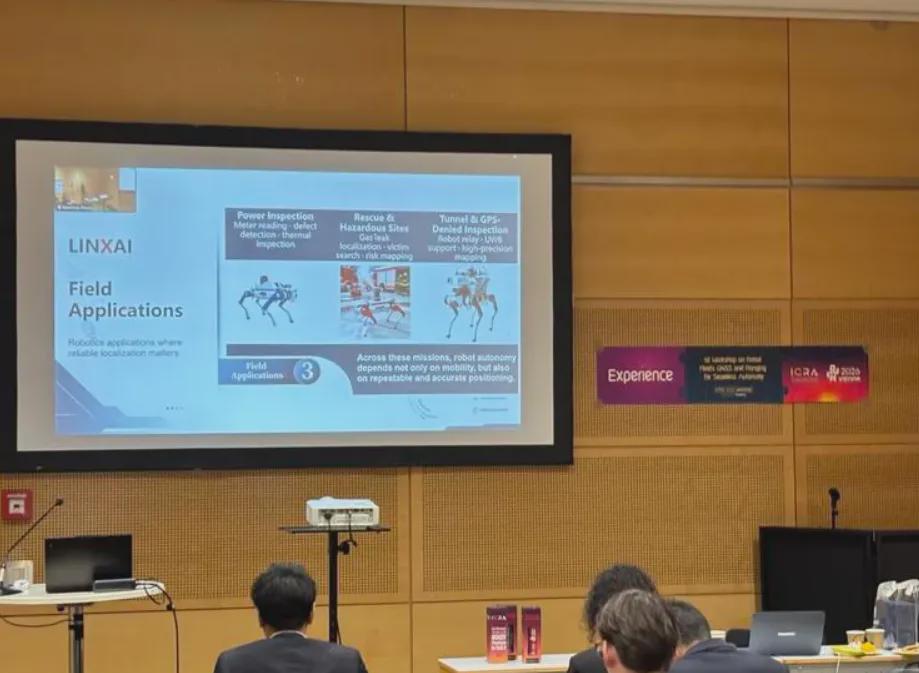
From Vienna to Industry: The Journey of LingSi Intelligent's Heavy-Duty Robotic Dog
At the ICRA 2026 conference in Vienna, LingSi Intelligent unveiled its cutting-edge four-legged robot designed for heavy load transportation. Established in 2023, the company has rapidly made a name for itself in the robotics sector by prioritizing practical applications and responding to customer demands, resulting in notable sales across multiple industries. The showcased models, D50 and D50WS, exemplify the company's commitment to enhancing heavy-duty performance in difficult environments, showcasing remarkable load-bearing capabilities and operational efficiency.
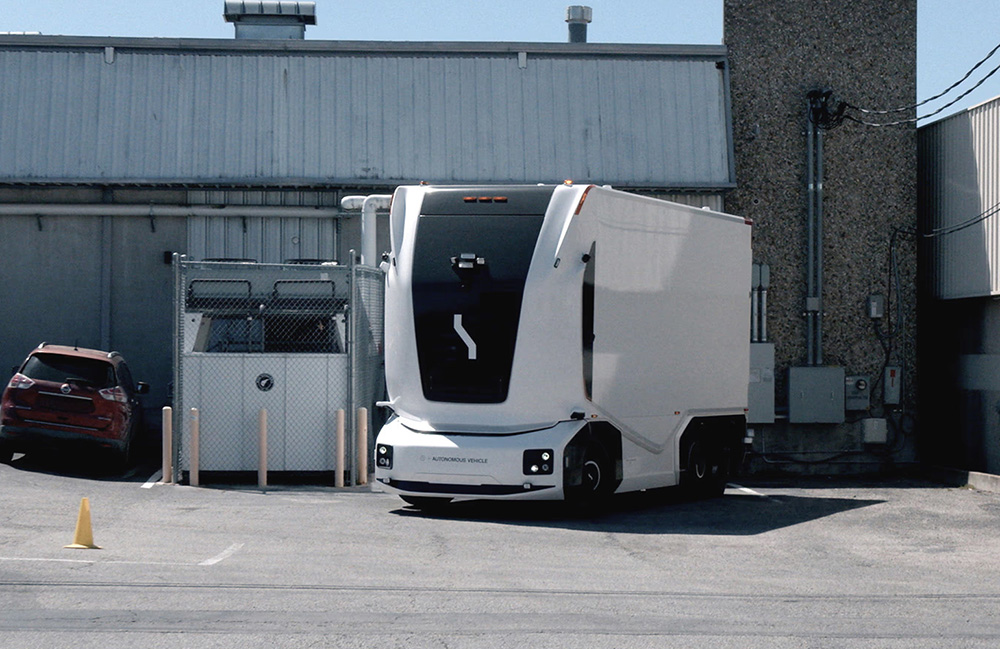
Autonomous freight developer Einride goes public via SPAC
Einride, a Stockholm-based developer of autonomous freight solutions, has announced its plans to go public through a Special Purpose Acquisition Company (SPAC). The company operates a fleet of heavy-duty electric trucks that service Global Fortune 500 companies across the United States and Europe. This strategic move aims to enhance its growth and expand its operations in the rapidly evolving electric and autonomous transportation sectors. By leveraging the SPAC route, Einride seeks to access capital markets more efficiently, positioning itself for future advancements in sustainable logistics.
Baidu, PostBus win approval for Swiss robotaxi service
A new transportation service is set to launch, utilizing app-booked electric RT6 vehicles designed to accommodate three passengers. This initiative aims to provide an eco-friendly and convenient travel option for urban commuters. The service is expected to begin operations in early 2024, primarily in metropolitan areas where demand for sustainable transport solutions is growing. By leveraging electric vehicles, the service seeks to reduce carbon emissions and promote greener urban mobility. Users will be able to book rides through a mobile application, streamlining the process and enhancing accessibility for riders. This innovative approach reflects a broader trend towards integrating technology with sustainable practices in the transportation sector.
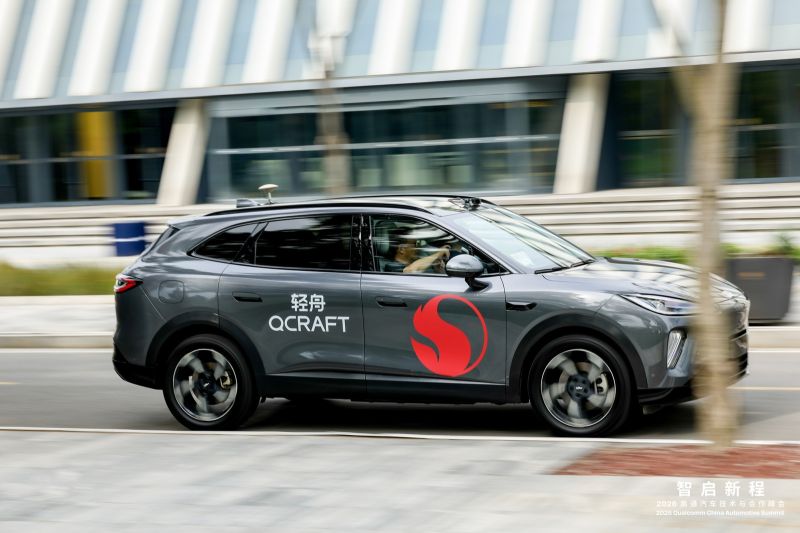
QCraft demonstrates urban NOA on Qualcomm’s latest Snapdragon Ride chip, targets 2026 global mass production
QCraft showcased its urban Navigate-on-Autopilot (NOA) system, powered by Qualcomm’s SA8650P Snapdragon Ride platform, during a live demonstration on June 5 at Qualcomm’s Automotive Technology and Cooperation Summit in Wuxi, China. This event marked a significant step for the autonomous driving company, which is aiming for global mass production of its technology within this year. Attendees had the opportunity to experience live test rides, highlighting the practical applications of QCraft's advancements in autonomous driving. The demonstration underscores the growing collaboration between technology and automotive sectors, as companies like QCraft seek to revolutionize urban transportation through innovative autonomous solutions.
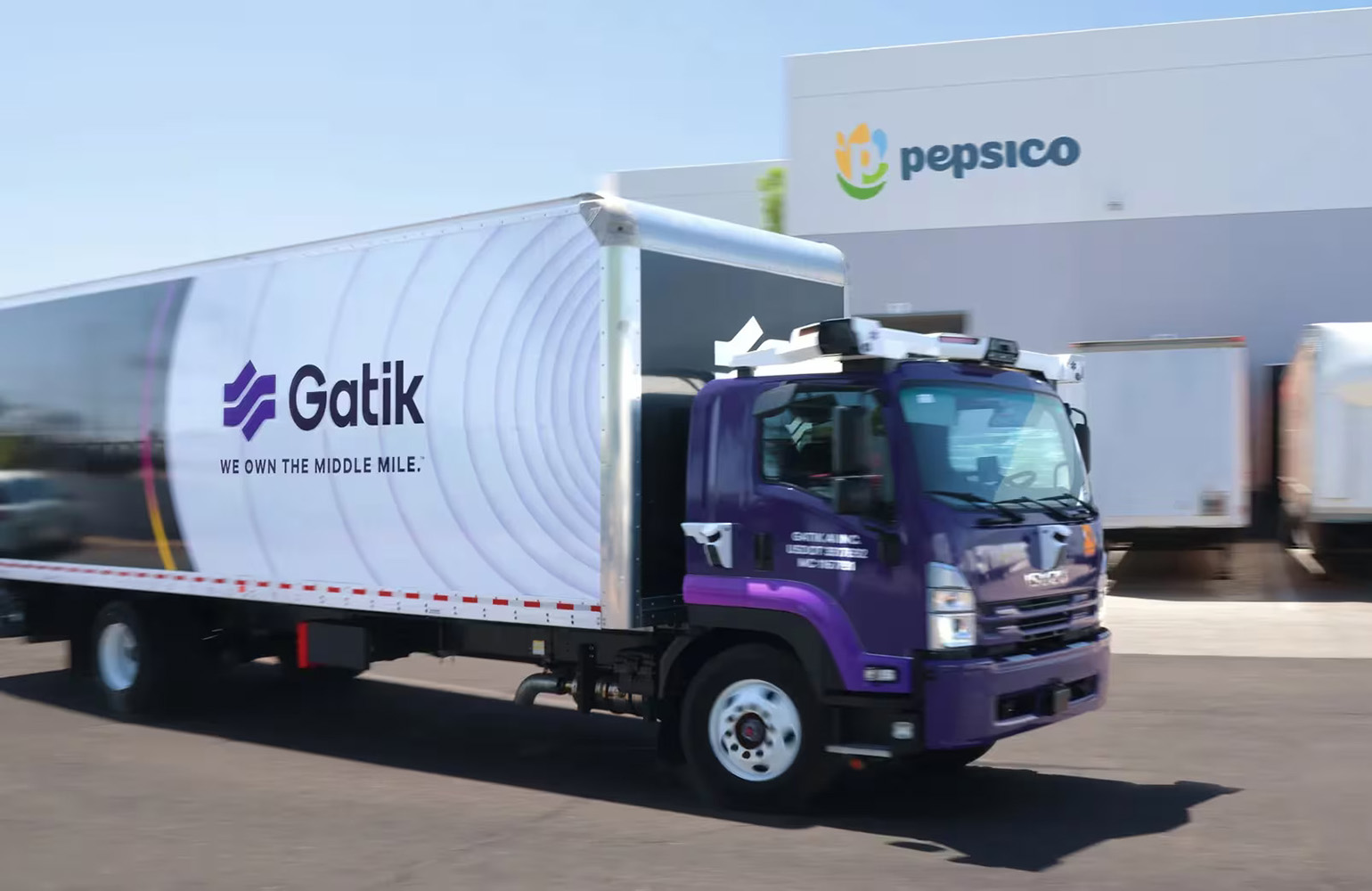
Gatik to bring autonomous freight to PepsiCo’s North American supply chain
PepsiCo has announced a partnership with Gatik to enhance its North American supply chain by integrating autonomous freight solutions. This collaboration aims to optimize PepsiCo's regional transportation networks, which facilitate the daily movement of products between various sites. By leveraging Gatik's technology, the beverage and snack giant seeks to improve efficiency and reduce operational costs in its logistics operations. The initiative reflects a growing trend in the industry to adopt automation in supply chain management, driven by the need for faster and more reliable delivery systems.
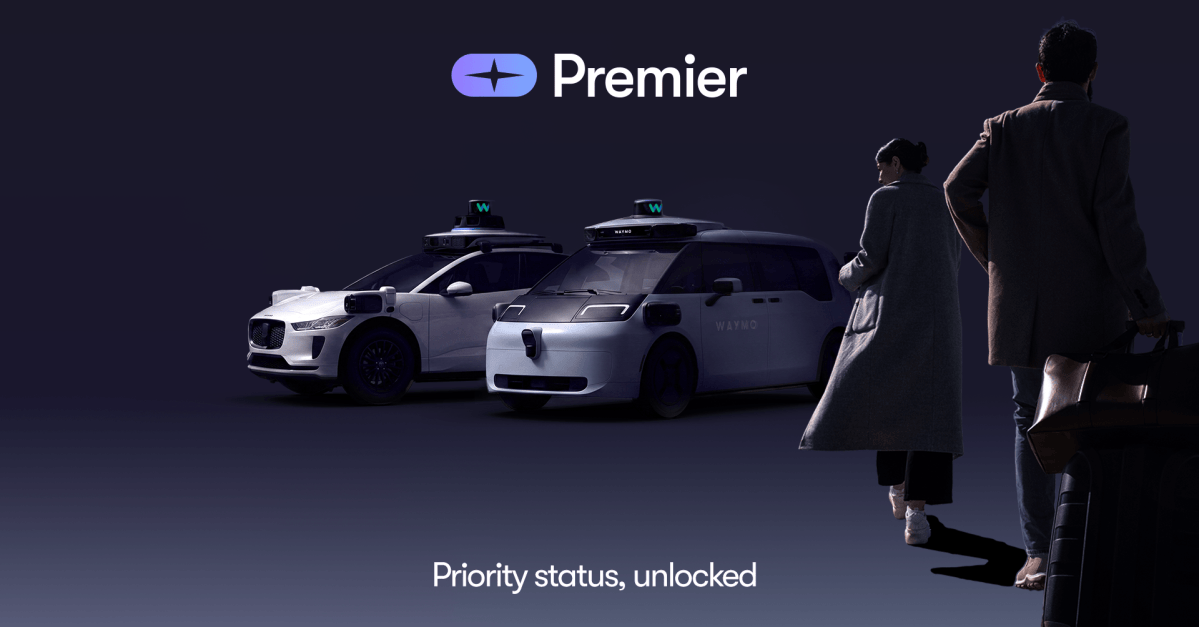
Waymo introduces $30-a-month premium tier for riders who want faster pickups
Waymo has launched a new premium membership service called Waymo Premier, priced at $29.99 per month, aimed at enhancing the experience for its most frequent riders. This invite-only program offers exclusive benefits such as priority pickups and a 10 percent cash back reward on every ride. The initiative is designed to cater to loyal customers seeking a more elevated and personalized autonomous transportation experience. By introducing this tier, Waymo seeks to strengthen customer loyalty and differentiate its services in the competitive robotaxi market.

NVIDIA Stockholder Meeting Set for June 24; Individuals Can Participate Online
NVIDIA has announced that its 2026 Annual Meeting of Stockholders will be conducted online on June 24, 2026, at 9 a.m. PT. The virtual meeting will be accessible to shareholders via the dedicated website, https://www.virtualshareholdermeeting.com/NVDA2026. This decision reflects the company's commitment to providing a convenient platform for stockholders to engage with corporate governance and participate in discussions regarding the company's future.
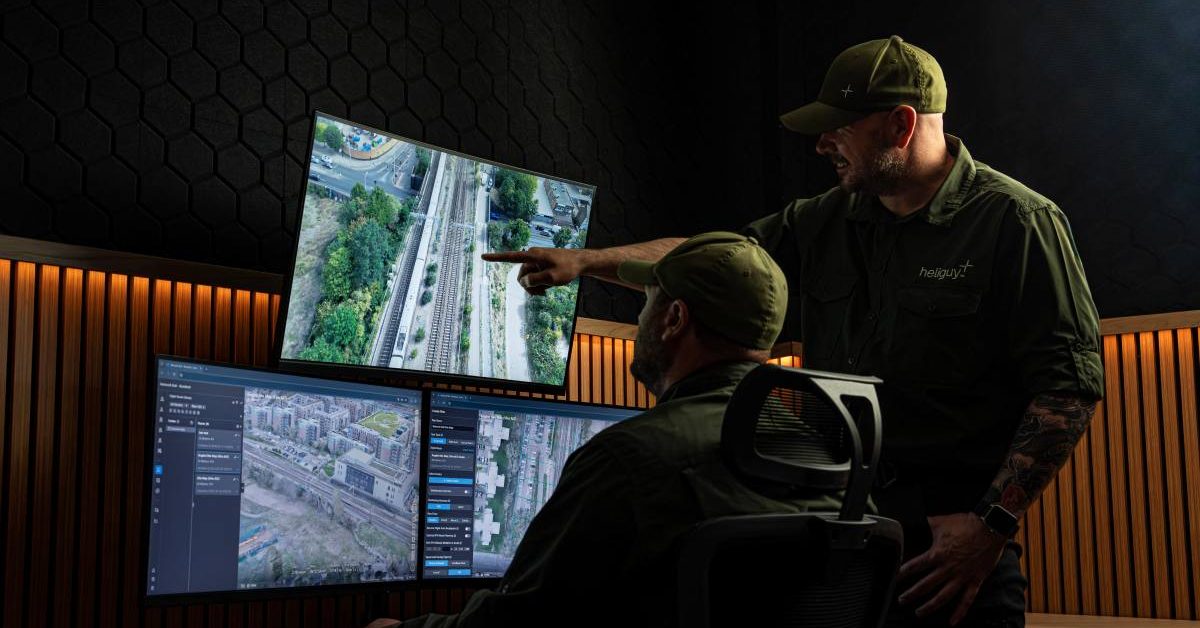
Automated DJI drones are now watching UK railways remotely
Heliguy, a UK-based drone solutions provider, has achieved a pivotal milestone by obtaining a Beyond Visual Line of Sight (BVLOS) authorization from the UK Civil Aviation Authority (CAA). This approval enables Heliguy to perform remote drone operations for Network Rail, a major player in rail infrastructure. The authorization marks a significant advancement in the use of drone technology for railway inspections, potentially eliminating the need for pilots to be physically present trackside. This innovative approach aims to enhance efficiency and safety in monitoring rail infrastructure, reflecting the growing trend of integrating advanced technology in transportation sectors.

World’s first: Rider-Bot sets record as first bike robot to perform unassisted front flip
In a groundbreaking development for robotics, researchers at the University of California have unveiled a bicycle-riding robot that has successfully completed the world's first unassisted ride. This remarkable feat took place on October 15, 2023, in a controlled environment at the university's robotics lab. The team aimed to demonstrate advancements in autonomous mobility and artificial intelligence, showcasing the robot's ability to balance, steer, and navigate without human intervention. The robot, equipped with sophisticated sensors and algorithms, mimics human cycling techniques, allowing it to adapt to varying terrains and obstacles. This achievement not only highlights the potential for robotics in everyday applications but also paves the way for future innovations in autonomous transportation. Researchers believe that this technology could eventually lead to safer and more efficient modes of travel, addressing challenges in urban mobility and logistics. The successful demonstration marks a significant milestone in the quest for fully autonomous machines capable of performing complex tasks in real-world environments.
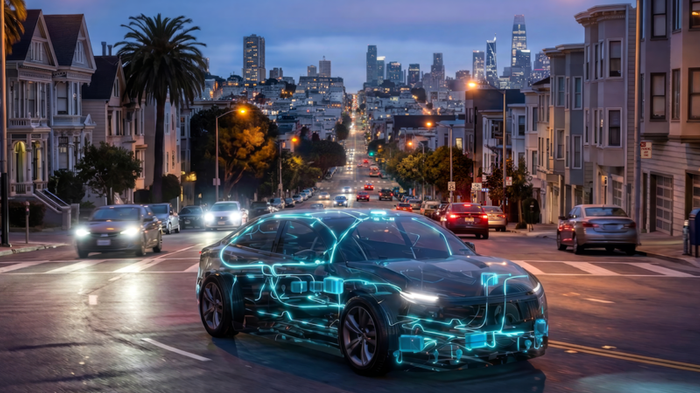
For Robotaxis, Safety Must Be Built In, Not Bolted On
In a significant advancement for urban transportation, the robotaxi industry has begun operating in numerous cities, offering a glimpse into the future of autonomous travel. As residents step outside, they are greeted by driverless vehicles arriving at their curbside, signaled by mobile apps notifying them that their ride has arrived. This innovative service marks a transition from experimental prototypes to practical applications, reflecting the growing confidence in autonomous vehicle technology. The rollout of these robotaxi services aims to provide convenient, efficient, and potentially safer transportation options, addressing the increasing demand for mobility solutions in densely populated areas. As cities embrace this technology, the integration of autonomous vehicles into everyday life is poised to reshape urban mobility and redefine the concept of personal transportation.
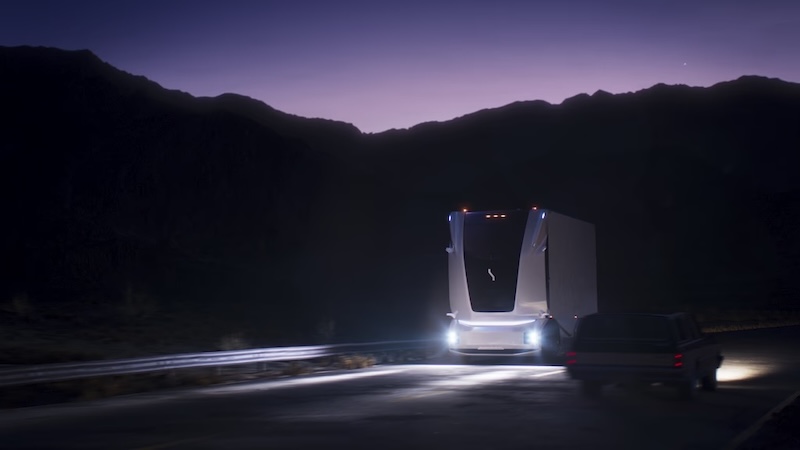
Autonomous truck company Einride now listed on Nasdaq
Einride, a technology firm focused on advancing electric and autonomous freight solutions, has officially launched its American depository shares and warrants on the Nasdaq Global Market and Nasdaq Capital Market. Trading commenced today under the ticker symbols “ENRD” for the shares and “ENRDW” for the warrants. This significant milestone marks Einride's entry into the public market, a move aimed at enhancing its visibility and attracting investment to further its mission of promoting cost-efficient freight solutions. The company's leadership is celebrating this achievement as a pivotal step in its growth strategy.
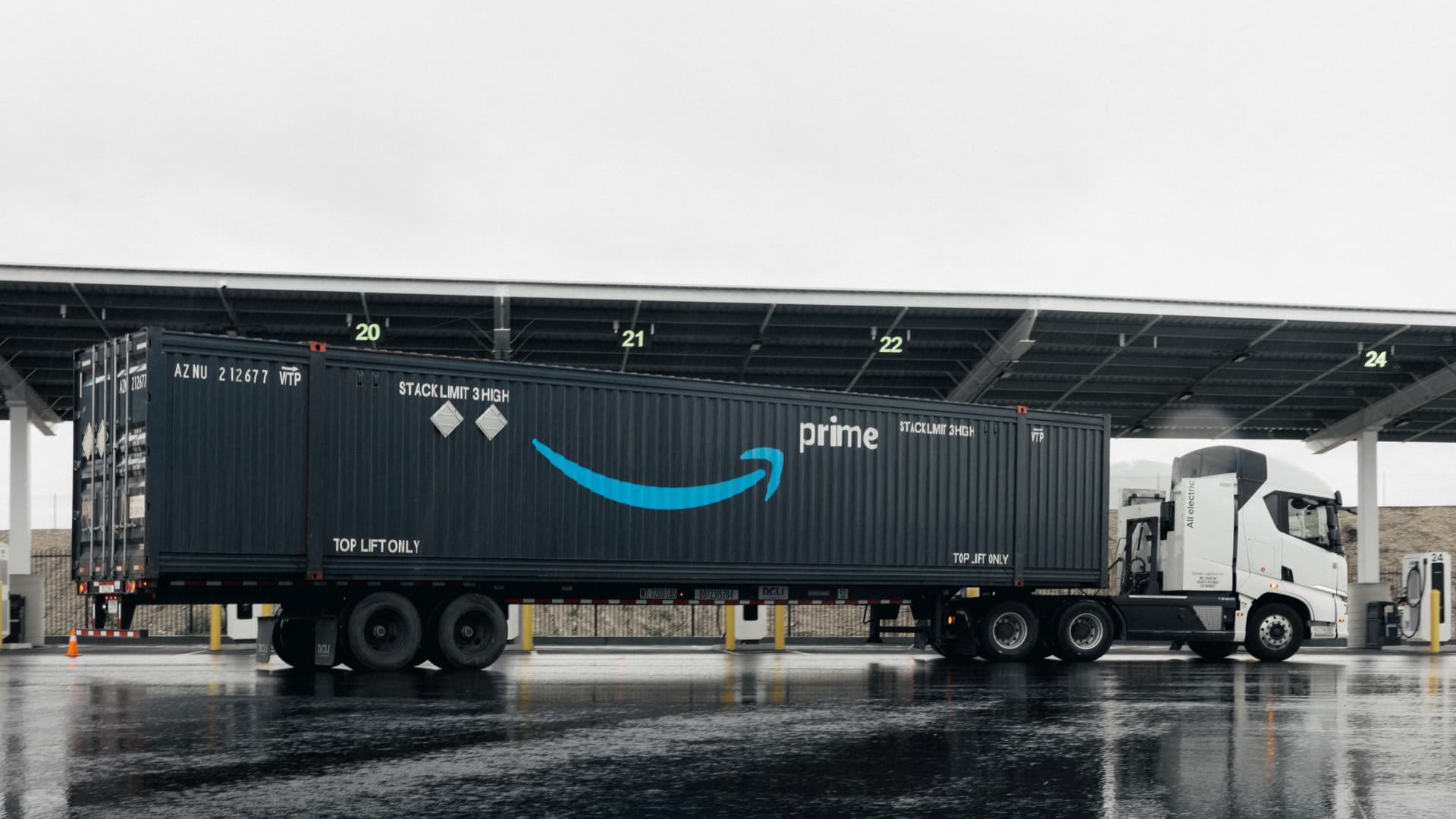
Autonomous freight trucking company Einride rises sharply in first trade on Nasdaq
Einride, a company specializing in self-driving freight truck technology, experienced a notable surge in its stock price during its inaugural day of trading on the Nasdaq. This milestone followed the completion of a merger with a special purpose acquisition company (SPAC), which facilitated its entry into the public market. The trading debut marks a significant moment for Einride as it seeks to expand its presence in the autonomous transportation sector, driven by increasing demand for innovative logistics solutions. The successful launch reflects investor confidence in the company's potential to revolutionize freight transport through automation and sustainability.
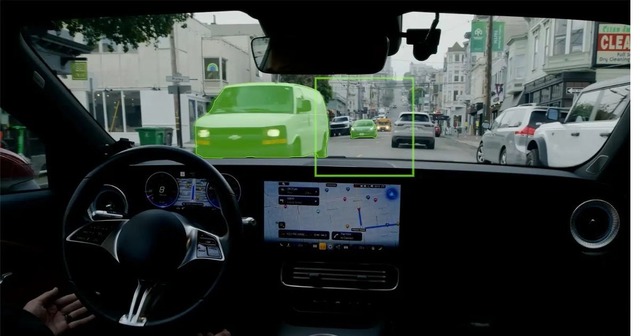
NVIDIA unveils 320 billion-parameter self-driving model "Alpamayo 2 Super" to accelerate Level 4 robo-taxi development.
NVIDIA announced a significant expansion of its open AI model family, "NVIDIA Alpamayo," aimed at developing safe Level 4 robotic taxis. The announcement was made during the NVIDIA GTC Taipei event held on June 1, 2026, in Taipei, Taiwan. This initiative reflects NVIDIA's commitment to advancing autonomous vehicle technology, enhancing safety and efficiency in transportation. The expansion of Alpamayo is expected to play a crucial role in the future of urban mobility, as the company seeks to address the growing demand for innovative transportation solutions.
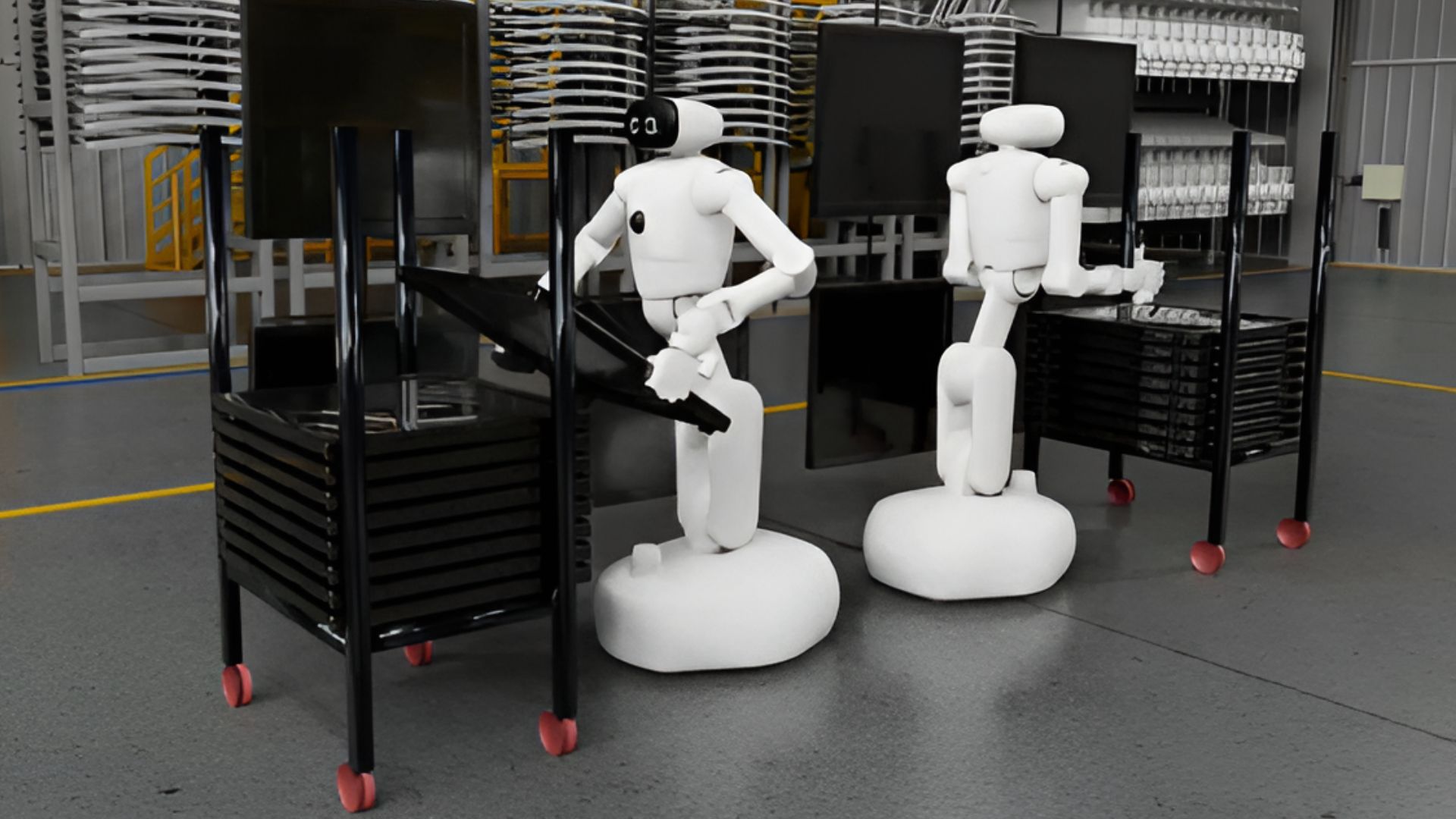
NVIDIA and LG Group build AI factory to train robots and power future mobility
Researchers and engineers are advancing the next frontier of artificial intelligence, focusing on the development of machines capable of movement, visual perception, and autonomous decision-making. This initiative, which has gained momentum in recent months, aims to enhance the functionality and adaptability of AI systems across various sectors, including healthcare, transportation, and robotics. The push for these advancements is driven by the increasing demand for intelligent systems that can operate in dynamic environments and perform complex tasks without human intervention. By integrating advanced sensors and machine learning algorithms, developers are working to create AI that not only processes information but also interacts with the physical world in real-time. This evolution in AI technology is taking place in research laboratories and tech hubs around the globe, with significant contributions from universities, private companies, and government agencies. As these entities collaborate, they are exploring innovative applications that could revolutionize industries and improve everyday life. The ongoing research is expected to culminate in prototypes and pilot programs by early 2024, showcasing the potential of these intelligent machines. As the field progresses, ethical considerations and safety measures are also being prioritized to ensure responsible deployment and integration into society. The ultimate goal is to create AI systems that enhance human capabilities and contribute positively to various aspects of life.

DSV partners with Exotec to modernise Dutch supply chain operations
Skypod, a leading technology company, has announced the launch of its innovative goods-to-person robotics system designed to enhance fulfillment processes in warehouses and distribution centers. This development comes as businesses increasingly seek to improve efficiency and reduce operational costs in response to rising consumer demand. The system, which utilizes intelligent robotics, was unveiled in October 2023 and is expected to revolutionize the way goods are handled and delivered. By automating the retrieval and transportation of products directly to workers, Skypod's technology aims to streamline workflows, minimize human error, and accelerate order processing times. The implementation of this system is particularly timely, given the ongoing challenges faced by the logistics sector, including labor shortages and the need for faster delivery solutions. Skypod's robotics are designed to integrate seamlessly with existing warehouse management systems, allowing for a smooth transition and immediate benefits. The company emphasizes that this advancement not only boosts productivity but also enhances worker safety by reducing the physical strain associated with manual handling tasks. As e-commerce continues to grow, Skypod's innovative approach positions it as a key player in the future of supply chain management.

Uber, Wayve and Waymo are headed towards a robotaxi showdown in London
Uber has announced a new initiative for its customers in the UK, allowing them to join an interest list aimed at enhancing their chances of being matched with a Wayve robotaxi. This development comes as part of Uber's ongoing efforts to integrate autonomous vehicle technology into its ride-hailing services. The interest list is designed to gauge customer interest and facilitate a smoother transition to the use of robotaxis in urban transportation. By signing up, users will potentially be among the first to experience this innovative service, which is expected to revolutionize the way people travel. The initiative reflects Uber's commitment to advancing mobility solutions and adapting to the evolving landscape of transportation technology.

Uber tells London to get ready for robotaxis
Uber is set to launch robotaxis in London, marking a significant milestone in its operations within one of its largest markets. The company has opened an interest list for riders eager to be among the first to experience Wayve's autonomous vehicles when the service becomes available later this year. This initiative not only aims to enhance urban mobility but also serves as an early test for the integration of self-driving technology in a bustling metropolitan environment. By inviting riders to sign up, Uber is gauging public interest and preparing for a smooth rollout of this innovative transportation option.

Robots move beyond mapped worlds with advanced lidar sensing
A lidar technology company has partnered with a robotics AI developer to enhance the capabilities of autonomous systems. This collaboration, announced recently, aims to integrate advanced lidar sensing with cutting-edge artificial intelligence to improve navigation and object recognition in various applications, including autonomous vehicles and drones. The partnership is expected to leverage the strengths of both companies, combining precise environmental mapping with intelligent decision-making algorithms. This initiative comes in response to the growing demand for more reliable and efficient autonomous solutions in industries such as transportation and logistics. The companies plan to begin testing their integrated systems in the coming months, with the goal of launching a prototype by early next year.

Europe unifies autonomous vehicle laws, speeds up robotaxi expansion
Autonomous taxi services have experienced significant growth in major metropolitan areas across the United States, revolutionizing urban transportation. As of October 2023, companies specializing in self-driving technology have expanded their fleets and operational zones, responding to increasing demand for efficient and cost-effective travel options. The rise of these services is driven by advancements in artificial intelligence and robotics, enabling safer and more reliable rides without human drivers. Cities such as San Francisco, Los Angeles, and New York have become key testing grounds, where regulatory frameworks are evolving to accommodate this innovative mode of transport. The integration of autonomous taxis into public transit systems aims to alleviate traffic congestion and reduce carbon emissions, aligning with broader environmental goals. As these services continue to develop, stakeholders are closely monitoring their impact on urban mobility and the potential challenges they may pose to existing transportation infrastructures.
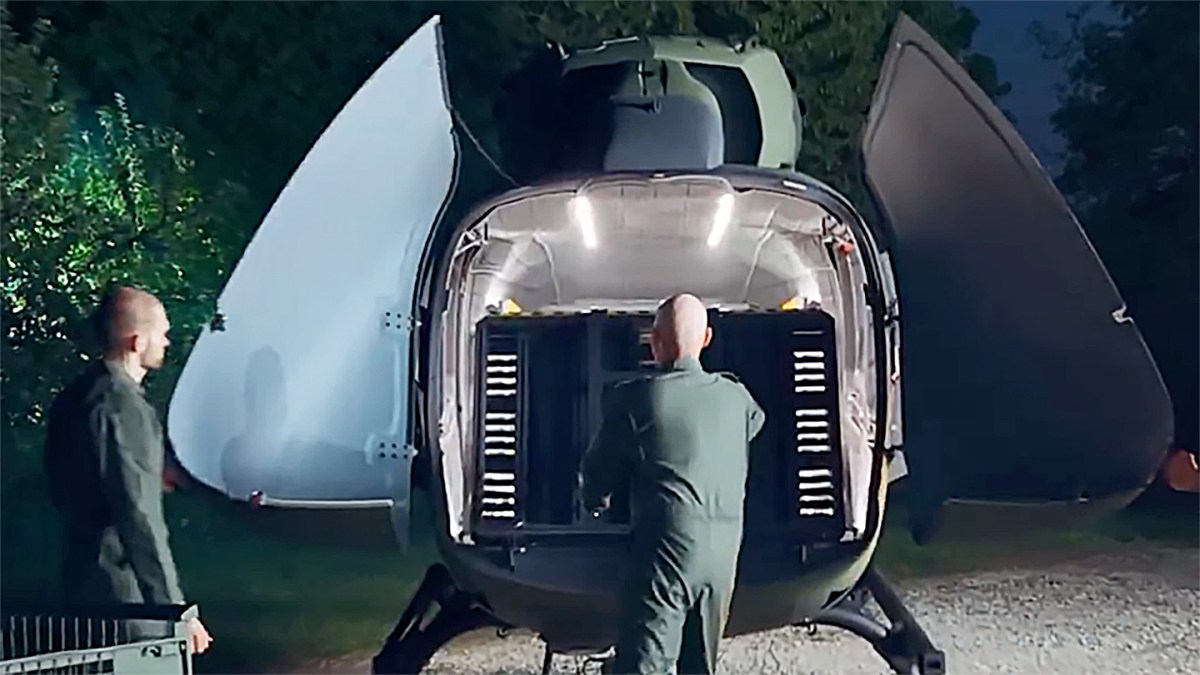
Airbus Unveils U145 Uncrewed Cargo Helicopter
Airbus has introduced the U145, an uncrewed version of one of Europe’s most successful helicopters, designed specifically for high-risk cargo missions. This innovative aircraft aims to enhance operational safety and efficiency by removing the need for a pilot in potentially dangerous environments. The unveiling of the U145 marks a significant advancement in aerospace technology, showcasing Airbus's commitment to developing cutting-edge solutions for the evolving demands of cargo transportation. The announcement comes as industries increasingly seek to leverage unmanned systems to mitigate risks and improve logistics capabilities.
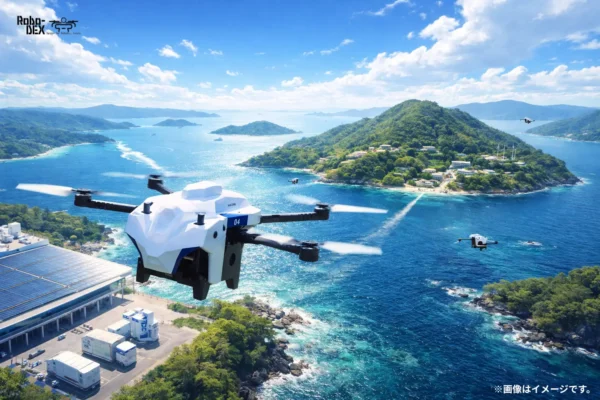
Robodex and Tokyu Land Open Japan’s First Hydrogen Drone Port in Hiroshima
Robodex and Tokyu Land Corporation have announced the opening of Japan's first permanent hydrogen drone port along the Seto Inland Sea coast. This innovative facility aims to enhance connectivity between Hiroshima's mainland and the nearby islands, including Osakikamijima. The collaboration between the two companies marks a significant step in the development of drone technology, leveraging hydrogen as a sustainable fuel source. The port is expected to facilitate efficient transportation and logistics in the region, promoting economic growth and technological advancement.
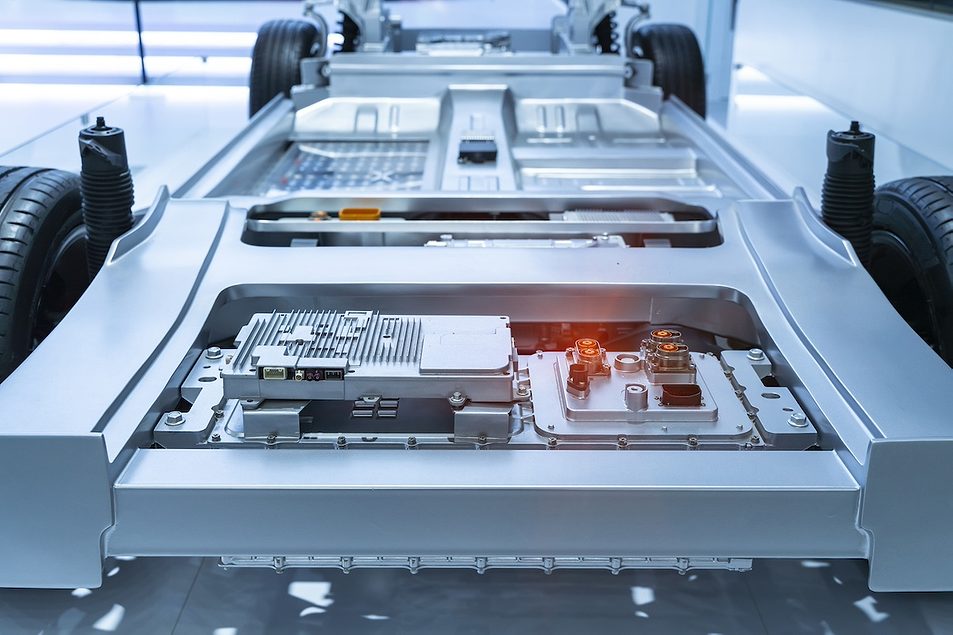
Canada Sees Shrinking EV Manufacturing Prospects, Despite Subsidies
Recent pullbacks in the electric vehicle (EV) industry have raised concerns among analysts and policymakers regarding the effectiveness of Canada's substantial government subsidies, which amount to billions of dollars. As the market faces challenges, stakeholders are increasingly questioning whether these financial incentives will yield the anticipated benefits for the sector. The scrutiny comes at a crucial time when the government is evaluating its investment strategies to support the transition to cleaner transportation. The ongoing discussions highlight the need for a thorough assessment of the subsidies' impact on the industry’s growth and sustainability.
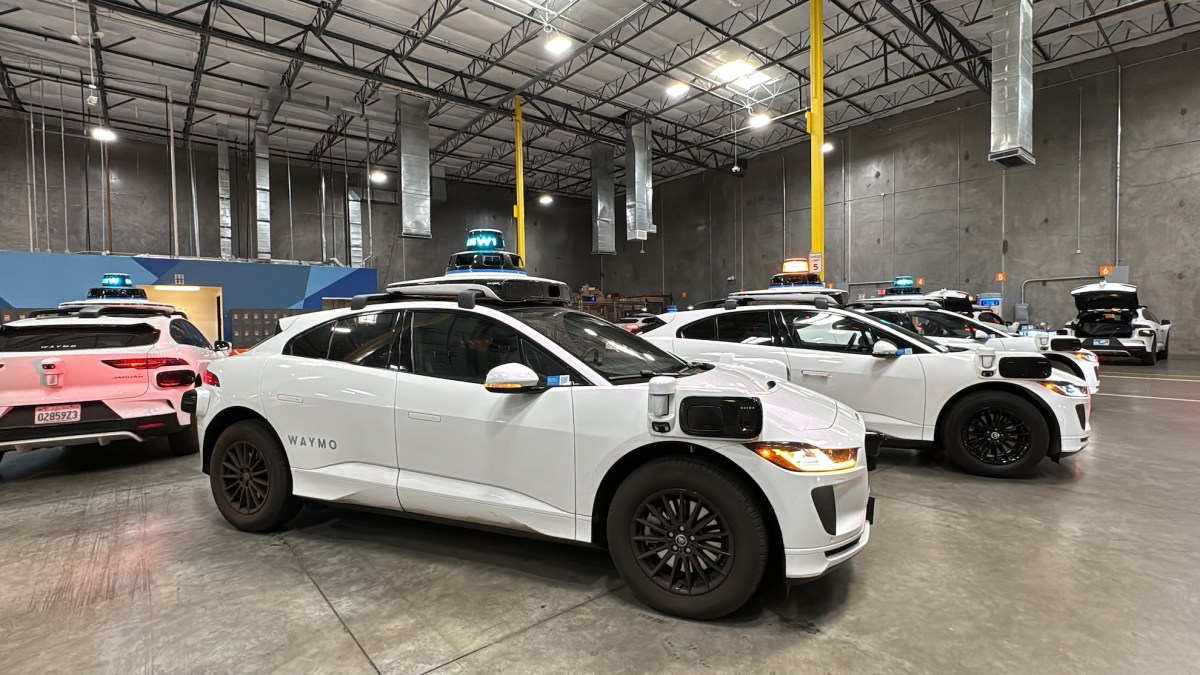
Waymo’s spent robotaxi batteries will be used as grid storage
Waymo has entered into a partnership with B2U Storage Solutions to repurpose battery packs that are being removed from its autonomous vehicles. This initiative reflects Waymo's commitment to sustainability and innovation in the face of evolving technology demands. The deal aims to ensure that the decommissioned battery packs are utilized effectively, contributing to a circular economy and reducing waste. By collaborating with B2U Storage Solutions, Waymo seeks to enhance the lifecycle of its battery technology while addressing environmental concerns associated with battery disposal. The announcement comes as the company continues to refine its fleet and adapt to changing operational needs, signaling a proactive approach to resource management in the rapidly advancing field of autonomous transportation.
Amazon’s Proteus warehouse robot now plans tasks directly from worker text prompts
Amazon has introduced an upgraded version of its autonomous Proteus robot, designed to enhance warehouse operations by interpreting plain-language commands. This announcement was made during a recent tech showcase, highlighting the company's commitment to advancing automation in its logistics processes. The new Proteus robot aims to streamline tasks such as inventory management and product transportation within Amazon's fulfillment centers, ultimately improving efficiency and reducing operational costs. The development comes as part of Amazon's broader strategy to leverage cutting-edge technology to meet the increasing demand for faster delivery services. By enabling the robot to understand natural language, Amazon hopes to simplify interactions between human workers and machines, making it easier for staff to deploy and manage robotic assistance in their daily tasks. The Proteus robot's enhanced capabilities are expected to play a crucial role in optimizing warehouse workflows, allowing for quicker response times and improved accuracy in handling inventory. As Amazon continues to invest in automation, this latest innovation reflects the company's ongoing efforts to stay at the forefront of the e-commerce industry and address the challenges posed by rising consumer expectations.

WeRide and Uber to launch Spain’s first Robotaxi service
WeRide and Uber have announced a partnership to introduce Spain's inaugural commercial robotaxi pilot service in Madrid. This initiative represents the first collaboration between the two companies in the European market and positions Madrid as the 12th city in WeRide’s expanding global robotaxi network. The regional government of Madrid is backing the project, which is set to commence in 2026. The service aims to enhance urban mobility and provide innovative transportation solutions for users in the city.

Tesla Robotaxi Concerns Under Texas SB 2807
Texas has enacted Senate Bill 2807, which establishes stringent requirements for commercial autonomous vehicles, mandating Level 4 or 5 SAE automation. This legislation poses a significant challenge to Tesla's ambitions in the robotaxi sector, as the company currently lags behind competitors in the state. As of now, Tesla has only 42 authorized autonomous vehicles, while Waymo leads with 577 and AV Ride follows with 317. The new law requires clearly defined Operational Design Domains, which undermines Tesla's strategy for unrestricted robotaxi deployment. Official registration data highlights Tesla's struggles in the Texas autonomous vehicle market, raising concerns about its competitive position. The bill was passed by the 89th Texas Legislature and took effect on May 28, reflecting the state's commitment to regulating the rapidly evolving landscape of autonomous transportation.

Squishmallows, dentures, and an ‘I Heart Hot Dads’ bag: Uber has found thousands of items left in robotaxis
As the era of robot taxis approaches, the challenge of managing lost items left by passengers remains a pressing concern. Companies developing autonomous ride-hailing services are recognizing the need for a systematic approach to retrieve and return belongings that riders inadvertently forget. This issue is particularly relevant as the technology is set to roll out in urban areas, with pilot programs expected to launch in major cities by early 2024. The motivation behind addressing this problem stems from the desire to enhance customer satisfaction and trust in autonomous transportation systems. By ensuring that lost items are returned promptly, companies aim to foster a positive user experience and encourage wider adoption of robot taxis. To tackle this challenge, firms are exploring various solutions, including the implementation of tracking technology within vehicles and partnerships with local courier services for efficient item retrieval. Additionally, some companies are considering the establishment of dedicated lost-and-found departments to streamline the process. As the industry evolves, the focus on customer service in the realm of autonomous transportation highlights the ongoing human element in a technology-driven future, ensuring that even in a world dominated by robots, the needs of passengers are met with care and efficiency.

People are leaving a lot of weird stuff in their robotaxis
Uber's annual Lost and Found Index has revealed a quirky assortment of items left behind in its robotaxis over the past year, including a unicorn Beanie Baby, a 15-pound green bowling ball, and a pair of dentures. This year marks the first time the company has expanded its report to include items forgotten specifically in its autonomous vehicles. The index aims to highlight the unusual and often humorous items that riders inadvertently leave behind, reflecting the diverse experiences of passengers using Uber's services. The findings underscore the growing adoption of robotaxis and the unique challenges associated with them, as the company continues to innovate in the transportation sector.

Fraunhofer IIS and Nuremberg Airport test robot assistants for traveler support.
The Fraunhofer Institute for Integrated Circuits IIS has collaborated with Nuremberg's Albrecht Dürer Airport to test a mobile, AI-based robot designed to assist travelers. This initiative aims to enhance passenger support by providing information and guidance at the airport. The testing phase took place recently, showcasing the potential of robotic technology in improving customer service in transportation hubs. The project reflects a growing trend in utilizing artificial intelligence to streamline operations and enhance the travel experience.

China establishes a venture capital fund in Hangzhou with 1 billion yuan; Tianjin opens AI sensor industrial park; Zhejiang plans
ZTO Express has established a new logistics company, Guangzhou Zhongjing Logistics Co., Ltd., in Guangzhou with a registered capital of 500 million RMB. The company, wholly owned by ZTO Express, will engage in domestic freight transportation, equipment leasing, and computer system services. OpenAI has announced its entry into the robotics sector, focusing on developing assistive robots. CEO Sam Altman stated the company is looking for engineers to create robots that can aid in building future infrastructure. The initiative, which has evolved from a world simulation research project, aims to integrate hardware and machine learning for practical applications. Nan Er, Vice President of Zhejiang Chint Electric, has been recognized as a "2026 Zhejiang Youth Technology Entrepreneur" as part of a program to support technology entrepreneurs in the region. Foxconn and French company Bull will collaborate to manufacture AI and cloud infrastructure, with an initial investment of over 120 million euros. The project will utilize facilities in both France and the Czech Republic. On June 1, new regulations for online food delivery were implemented, with Taobao Flash collaborating with various local regulatory bodies to label the first batch of "no dine-in" merchants, enhancing compliance among 60,000 restaurants this year. Muyu Group has partnered with Alibaba Cloud to develop an AI model for the livestock industry, significantly improving the efficiency of health checks for pigs. In investment news, a new venture capital fund, Guoxin Qianjiang, has been established in Hangzhou with a capital of 1 billion RMB, while Zhi Mi has opened a financing window with a pre-IPO valuation of approximately 70 billion RMB. In product developments, a new automotive brand resulting from a collaboration between Sairus and ByteDance is set to launch a hybrid vehicle this year, while Sharpa has introduced a humanoid robot equipped with advanced tactile capabilities in partnership with NVIDIA. Lastly, the Tianjin AI Sensor Industrial Park has officially opened, with ten companies signing contracts, and Shanghai is focusing on advancing core software technologies as part of its development plan. Zhejiang Province is also seeking to implement the "Spark Plan" to accelerate the application of quantum technology products.