

Ultrium (Ultrium Technologies Inc.)
Ultrium develops an AI-powered predictive vehicle intelligence platform that processes real-time CAN bus data to monitor vehicle health, forecast maintenance requirements, and reduce costs (demonstrated 20% savings in prototypes), providing sovereign on-vehicle intelligence for automotive and mobility applications.

RobotToday Initiative
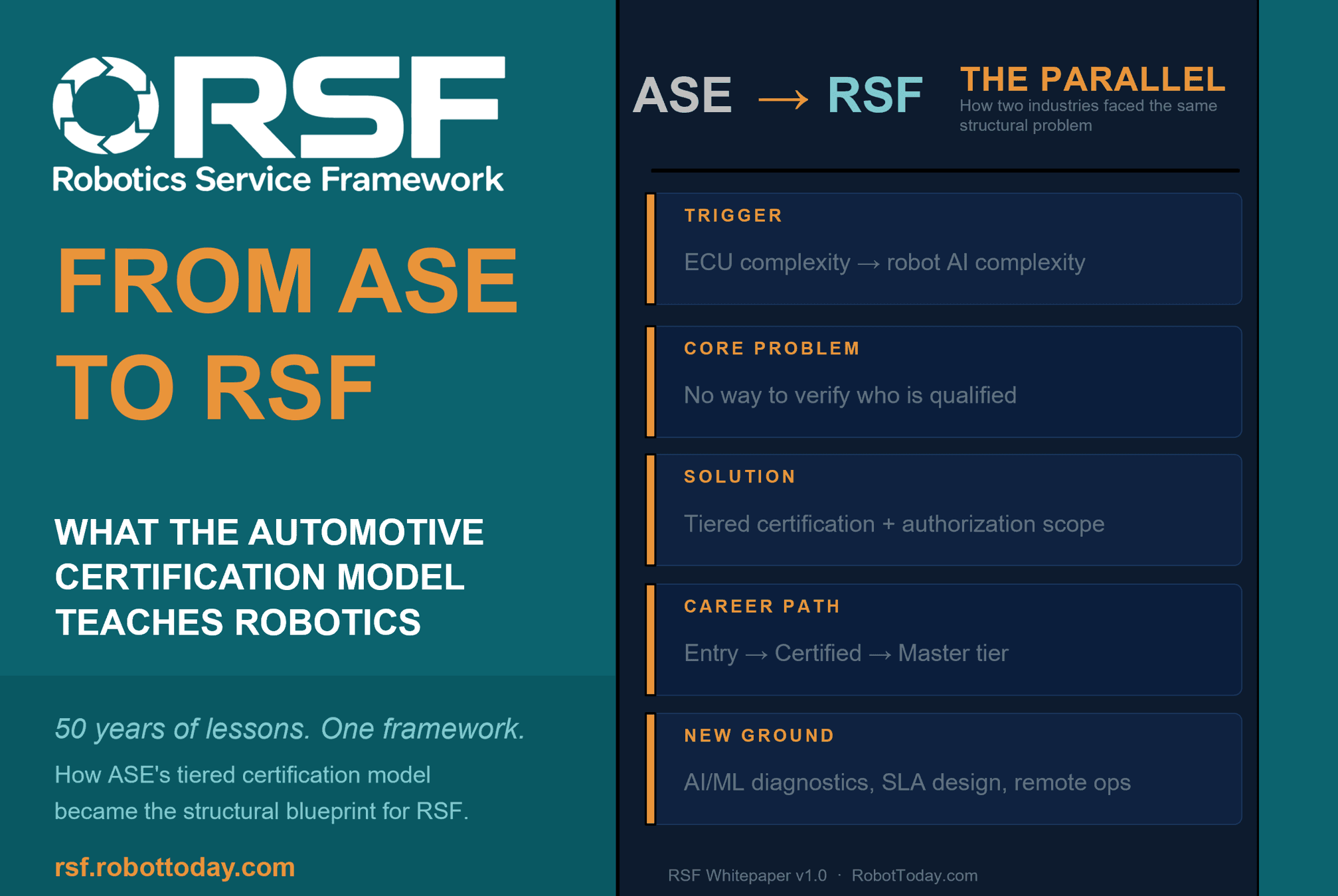
Robotics needs a service framework.
RSF defines a common language for robot service capability, lifecycle operations, certification pathways, and service-provider networks.
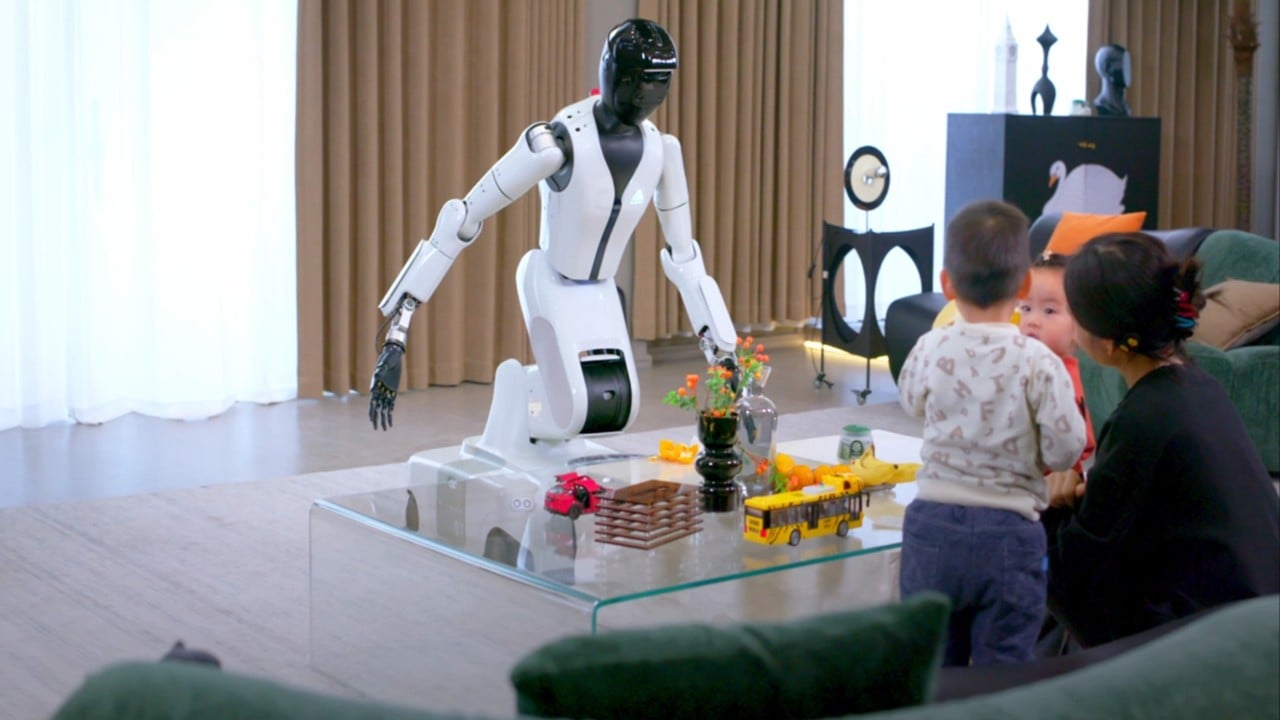
Chinese Companies Explore World Models for AI Simulation of Environments
Artificial intelligence is evolving with a focus on 'world models,' which simulate environmental responses to actions. This shift is gaining traction among Chinese companies, expanding the application of these models beyond traditional physics and robotics. The technology is still developing, with no clear consensus on its final form, indicating a significant area of exploration for AI advancements. The significance of world models lies in their potential to enhance AI's predictive capabilities, allowing systems to anticipate changes in both physical and digital environments. This could lead to improved decision-making processes across various sectors, as companies leverage these models to better understand and interact with their surroundings. The growing interest from major tech firms highlights the competitive landscape surrounding this emerging technology. Looking ahead, the development of world models is expected to progress, although specific timelines for advancements or implementations remain undisclosed. As the industry continues to explore this frontier, stakeholders should monitor the evolution of standards and applications that will shape the future of AI simulation technologies.
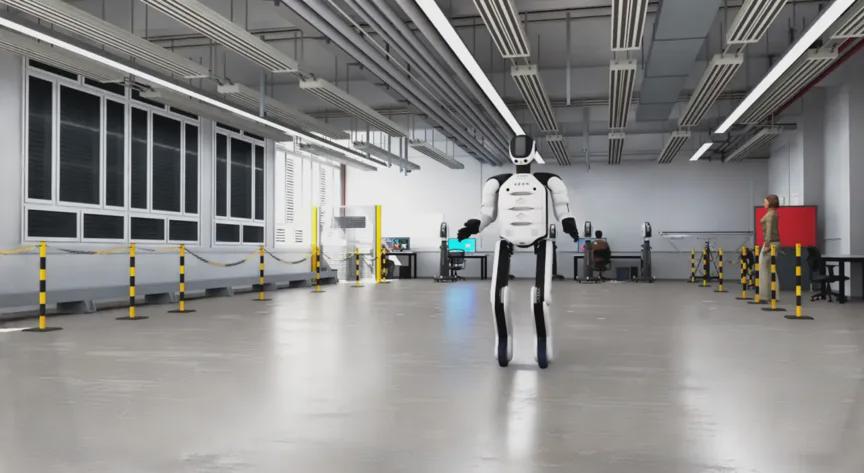
NVIDIA and DeepMind Lead Robotics Simulation Debate with New Industrial Applications
The field of embodied intelligence is witnessing a fierce debate over the best approach to training robots for industrial applications. One faction advocates for simulation-based training, leveraging structured environments to generate synthetic data, while the opposing view emphasizes the necessity of real-world data to handle complex physical interactions and unpredictable scenarios. Key players include NVIDIA, DeepMind, and Intrinsic, each with unique strategies and technologies. NVIDIA's Omniverse platform and Isaac Sim engine exemplify the simulation approach, enabling comprehensive digital twins of factories for training and optimization. Their collaboration with BMW on a digital twin project in Hungary showcases the potential of synthetic data in logistics and robotic movements. However, challenges remain in achieving the necessary fidelity for force control and physical interactions, prompting NVIDIA to seek partnerships with companies like Hexagon Robotics. Conversely, DeepMind's use of the MuJoCo physics engine has demonstrated that pure simulation can achieve industrial-grade precision in specific tasks, such as sorting with known rigid models. Yet, this method's effectiveness is limited to scenarios with minimal contact and force control. Intrinsic aims to transform simulation into a comprehensive development tool for industrial robots, focusing on lowering barriers for small manufacturers. The ongoing challenge of the SIM2REAL gap remains a critical factor in the success of these approaches.
Robotics Industrial Automation Simulation Technology AI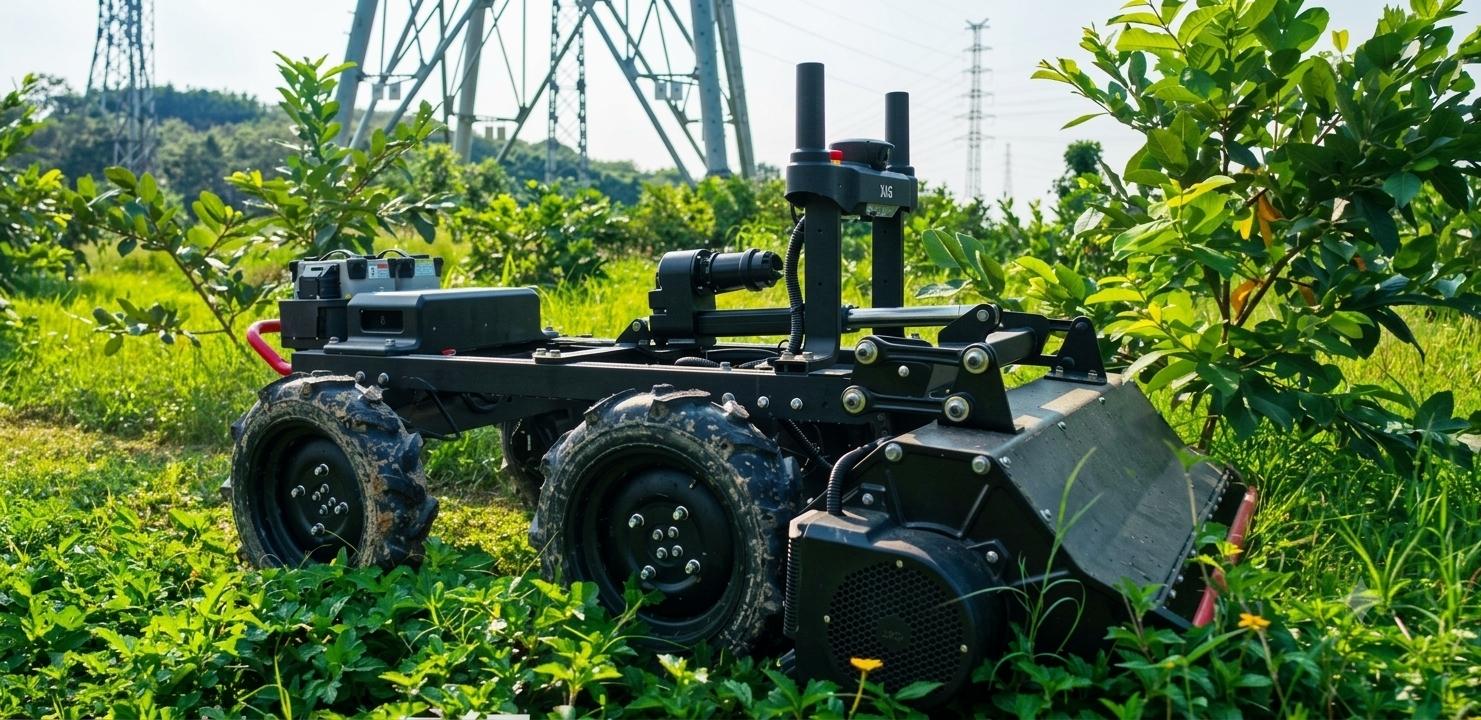
XAG Introduces RM80 Electric Mower and X Series Drone System for Autonomous Farming
XAG has launched the RM80, a 143 kg all-electric unmanned mower, at the Agricultural Robot Conference in Guangzhou, China. Designed for orchard management and land reclamation, the RM80 operates for up to 40 minutes per charge and can autonomously cover 0.33 to 0.53 hectares per hour. It features advanced navigation through the SuperX 5 Ultra control system and can also perform stubble removal for effective weed control. The introduction of the RM80 coincides with the unveiling of XAG's new X Series drone system, aimed at creating a fully autonomous farming workflow. This system includes the X Series drone, XA1 docking station, and LM1 chemical mixing unit, enhancing automation in tasks like charging and chemical refilling. The drone boasts improved computing power and perception capabilities, allowing it to survey up to 300 hectares in a single mission, while the docking station ensures precise automatic charging and refilling. XAG has not disclosed pricing details for the RM80 or the X Series system, with market packages expected to vary based on local dealer offerings. The company's strategy emphasizes integrating various robotic functions into a coordinated workflow, positioning its equipment as essential components of modern smart farming rather than standalone tools. No further timeline was disclosed at the time of publication.
Smart farming agricultural robots autonomous technology drone technology electric tractors robotic harvesting
Carnegie Mellon University Develops Open-Source Framework for AI Deployment in Robotics
Researchers at Carnegie Mellon University have created an open-source software framework aimed at streamlining the deployment of AI systems across various robots. This framework significantly reduces the time spent on setup, which can often take weeks or months, allowing researchers to focus on testing new behaviors more efficiently. The significance of this development lies in its potential to enhance collaboration and innovation in robotics. By eliminating the need to rebuild software for each robot, the framework facilitates easier integration of AI technologies, potentially accelerating advancements in robotic capabilities and applications. Looking ahead, the framework's adoption could lead to broader implications for the robotics field, including increased interoperability among different robotic systems. No further timeline was disclosed at the time of publication regarding additional features or updates to the framework.
Robotics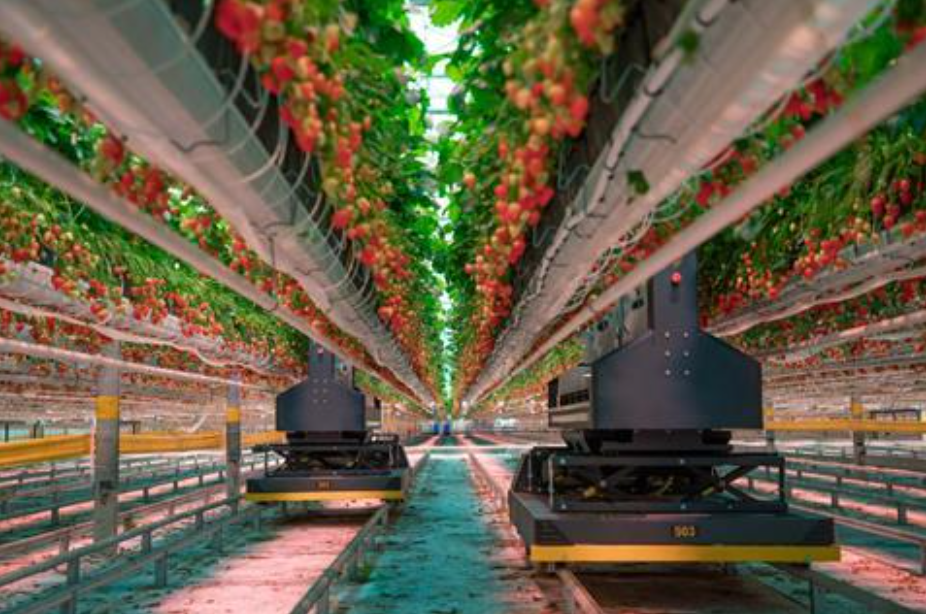
Dogtooth Technologies Secures £14 Million for AI-Powered Strawberry Harvesting
UK-based Dogtooth Technologies has successfully raised over £14 million in funding to enhance its AI-driven strawberry picking robots. The financing, provided by 24 Haymarket, EMV Capital, and ACF Investors, along with a grant from Innovate UK, aims to accelerate the deployment of these robots in both the UK and international markets. The company has already established a fleet of approximately 70 robots operating on commercial farms in the UK and Australia, harvesting tens of tons of fruit each season. The significance of this funding lies in addressing the ongoing labor shortages in agriculture, which have made robotic harvesting a necessity rather than a luxury. Dogtooth's robots utilize advanced computer vision and precision mechanical arms to autonomously navigate complex growing environments, identify ripe fruit, and perform harvesting without damage. This technology allows for continuous operation, even in cooler night conditions, thereby extending the shelf life of harvested produce. Looking ahead, Dogtooth Technologies is poised to expand its market presence, having recently delivered systems to Dyson Farming, a UK indoor berry producer. As the global horticultural industry grapples with seasonal labor shortages and rising costs, the successful deployment of these agricultural robots could signal a shift towards more widespread adoption of embodied intelligence in farming. No further timeline was disclosed at the time of publication.
Agricultural Robotics AI Technology Fruit Harvesting Embodied Intelligence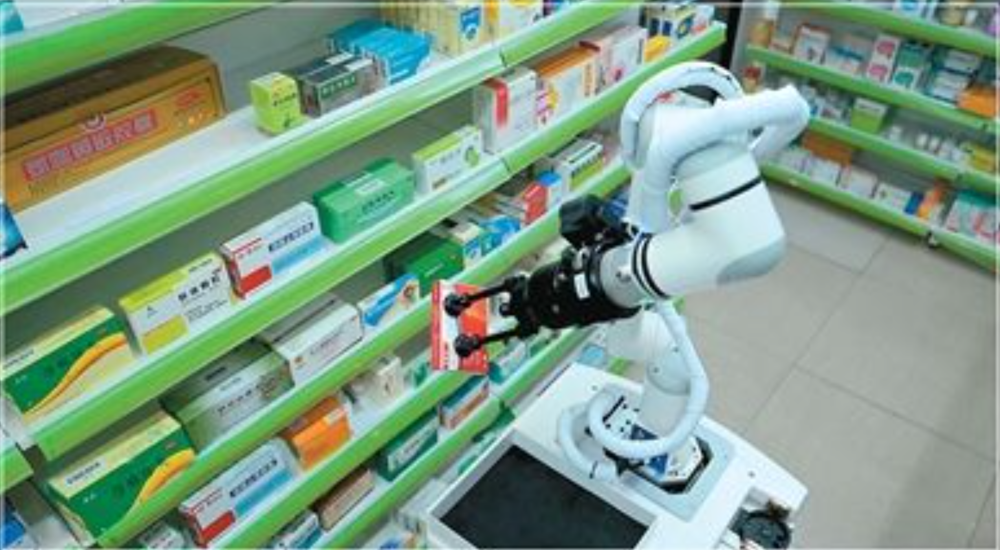
Lu Ce Wu Advances Embodied Intelligence at Qiongche Intelligent in China
Lu Ce Wu, a scientist from Chaoshan, has made significant strides in the field of embodied intelligence, establishing Qiongche Intelligent in 2023. This venture aims to enhance robotic capabilities, with a focus on real-world applications. In 2025, Qiongche's robots will be deployed in a pharmacy in Shenyang, demonstrating autonomous navigation and product recognition without altering existing systems. The significance of Lu's work lies in his commitment to embodied intelligence, a concept he believes should extend beyond digital confines to interact with the physical world. His journey began in 2012 when he recognized the potential of AI after witnessing AlexNet's success. Despite initial challenges in promoting embodied intelligence in China, Lu's persistence has led to recognition, including the Science Exploration Award in 2023, making him the first recipient in this field. Looking ahead, Lu plans to further develop Qiongche Intelligent's capabilities and has established the first AI doctoral program in China. He emphasizes the importance of strategic planning and talent cultivation to prepare for the future of embodied intelligence. No further timeline was disclosed at the time of publication.
Embodied Intelligence Robotics Artificial Intelligence Technology Innovation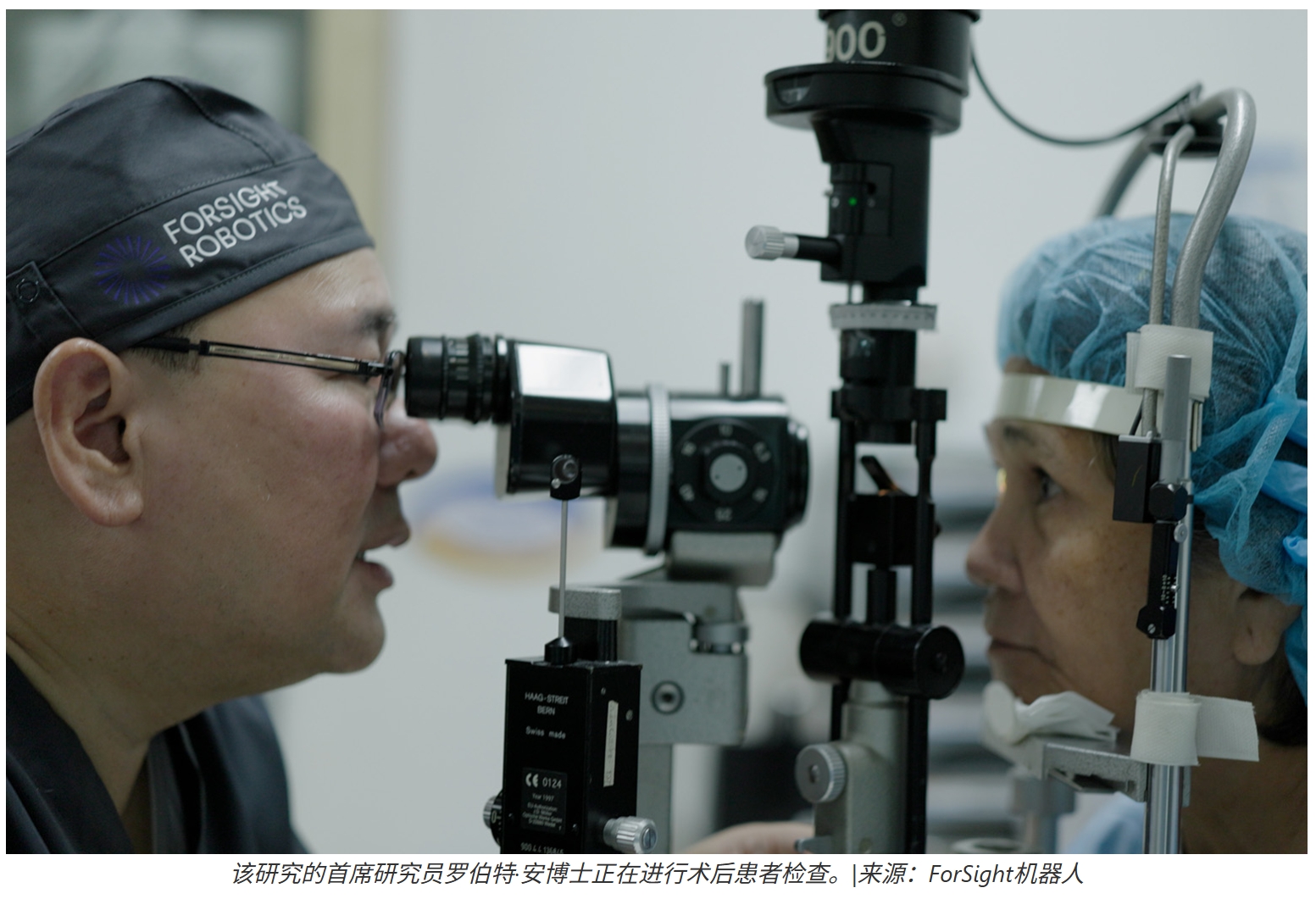
ForSight Robotics Completes First Fully Robotic Cataract Surgery with JASPER Platform
ForSight Robotics has successfully completed the world's first fully robotic cataract surgery using its JASPER platform, led by Dr. Alexey Rapoport in April 2026. This groundbreaking procedure was performed at the Asian Eye Institute in the Philippines, showcasing JASPER's ability to execute the entire surgery autonomously without general anesthesia, adhering to modern cataract surgery standards. The significance of this achievement lies in JASPER's unique design, which empowers surgeons rather than replacing them. By integrating AI algorithms, advanced computer vision, and miniature mechanical technology, JASPER provides enhanced imaging and precision control, allowing surgeons to perform with the accuracy of elite professionals. This innovation also addresses ergonomic concerns, as it enables surgeons to operate seated, potentially extending their careers and improving surgical outcomes. Looking ahead, ForSight Robotics aims to secure FDA approval for JASPER in the United States, with plans to bring this technology to market in the coming years. The company has raised $195 million since its founding in 2020, with significant investments from notable figures and organizations. No further timeline was disclosed at the time of publication.
Robotic Surgery Cataract Surgery AI in Healthcare Ophthalmology Medical Robotics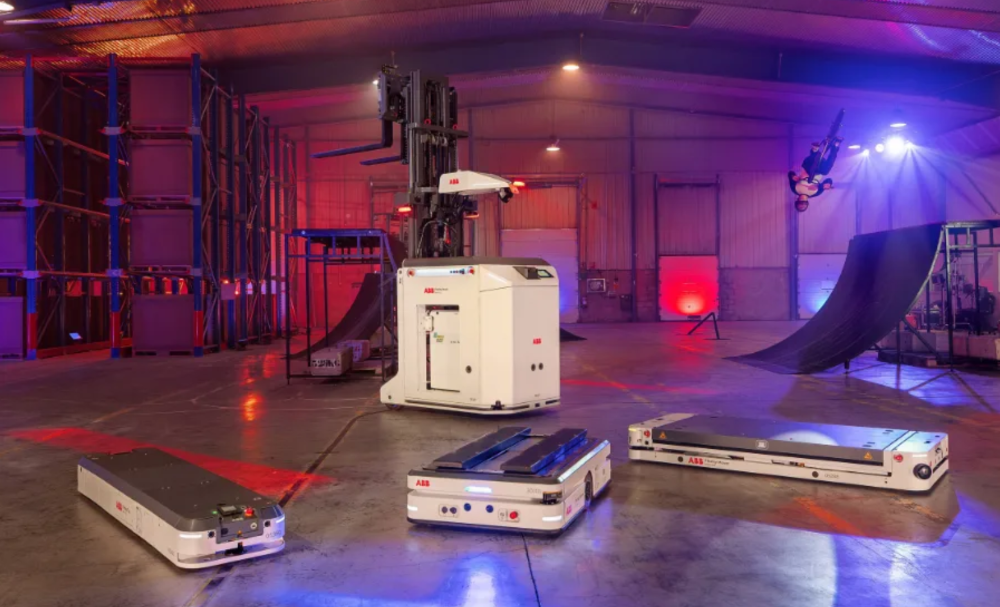
ABB Introduces Flexley Stack F712 AI-Powered Forklift with Visual SLAM Technology
On July 8, ABB Robotics launched the Flexley Stack F712, an AI-driven autonomous forklift utilizing visual SLAM technology. This product completes ABB's lineup of autonomous mobile robots (AMRs), which now includes forklifts, tuggers, and transport vehicles. The F712 can handle various load types, with a maximum capacity of 2000 kg and a lifting height of 8.5 meters, achieving a top speed of 1.7 meters per second under full load. The significance of the F712 lies in its advanced navigation capabilities, which eliminate the need for traditional infrastructure like reflective markers or magnetic strips. With a positioning accuracy of ±10 mm, the F712 can autonomously navigate complex warehouse environments. It integrates seamlessly with the AMR Studio software, allowing for rapid deployment and fleet coordination, reducing debugging time by 20% compared to traditional systems. Looking ahead, the F712 is designed to support various internal logistics tasks, including warehousing and production line operations, and is compliant with the latest ISO and ANSI safety standards. No further timeline was disclosed at the time of publication, but the F712 represents a significant step towards more autonomous and capable robotic solutions in smart manufacturing environments.
Autonomous Forklifts AI Robotics Warehouse Automation Visual SLAM Logistics Technology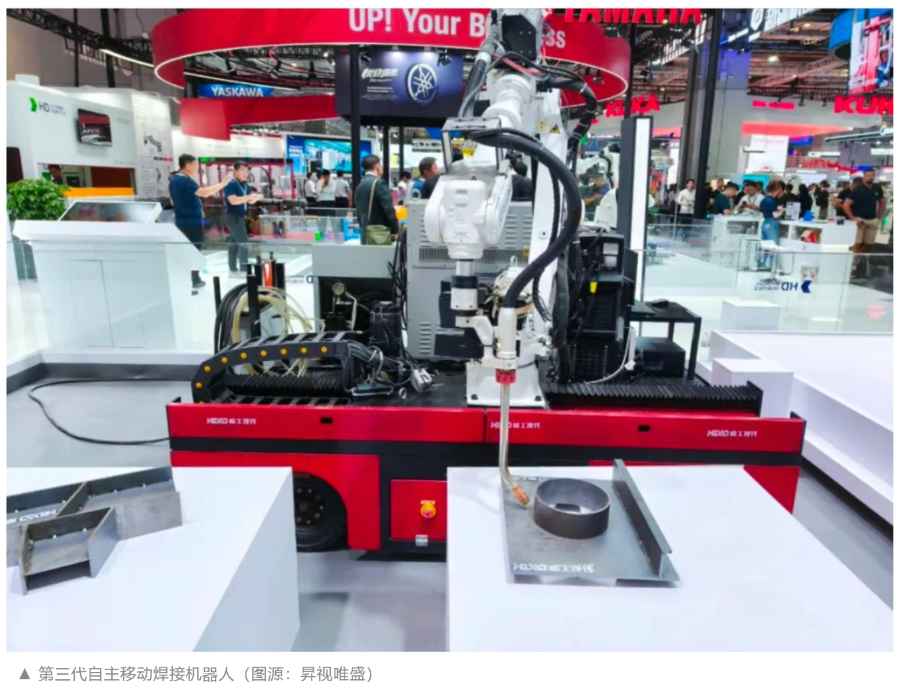
3Srobotics Secures Hundreds of Millions in Series B Funding for Smart Welding Solutions
3Srobotics, a company specializing in embodied intelligent robotics for industrial manufacturing, announced the completion of a Series B funding round on July 9, raising hundreds of millions. The round was led by Shanghai Semiconductor Investment and Jinqiao Fund, with participation from several venture capital firms. The funding aims to enhance their smart welding robotics capabilities and expand production capacity. The significance of this investment lies in addressing the critical shortage of skilled welders in China, where the average age of registered welders exceeds 45. With an estimated shortfall of millions of welding engineers by 2025, 3Srobotics' technology aims to improve welding quality, efficiency, and stability. The smart welding robot market is projected to reach hundreds of billions in the next decade, highlighting the urgent need for automation in this sector. Looking ahead, 3Srobotics plans to leverage its smart welding robots to introduce a range of industrial automation products, including grinding, cutting, assembly, and handling robots. The company aims to penetrate the entire manufacturing process, with a revenue target of several hundred million by 2026. No further timeline was disclosed at the time of publication.
Smart Welding Robots Industrial Automation AI Robotics Manufacturing Technology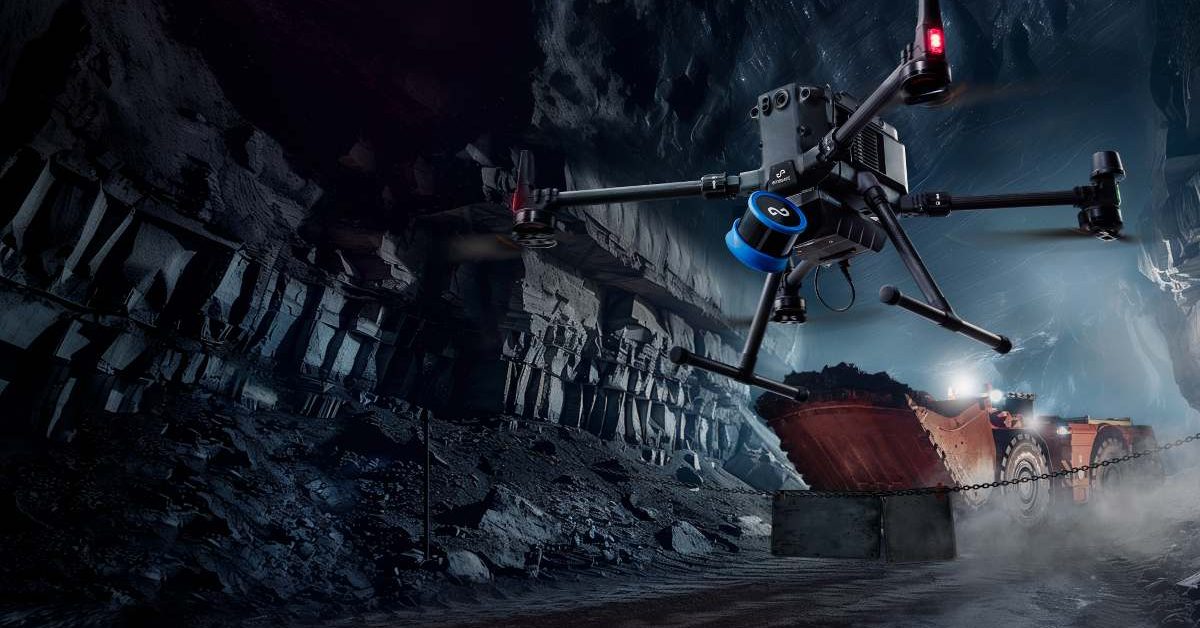
Emesent Secures $17 Million to Enhance AI-Driven Drone Operations and Expand Manufacturing
Emesent, an Australian drone mapping company, has raised $17 million to boost its AI-powered autonomous operations. This funding includes a $7 million venture debt facility from the National Reconstruction Fund Corporation and a $10 million equity round from notable investors such as Main Sequence and QIC Ventures. The investment aims to enhance the capabilities of drones in complex environments with minimal human intervention. The significance of this funding lies in Emesent's strategy to focus on software advancements alongside hardware improvements. The company plans to develop its Cortex AI autonomy software and Aura cloud platform, which will enable drones to operate in GPS-denied areas and process 3D mapping data efficiently. Emesent's existing Hovermap LiDAR payload is already utilized in over 200 mine sites globally, showcasing its established presence in the industrial drone sector. Looking ahead, Emesent intends to expand its manufacturing capabilities in Queensland while pursuing growth in international markets. CEO Charles Miller emphasized the importance of this investment in enhancing AI and autonomy for industries such as mining and defense. No further timeline was disclosed at the time of publication for the anticipated developments from this funding round.
News





Leave a comment