

Tractonomy Robotics BV
"Not Robots, but Solutions"
Belgian robotics startup making omni-directional autonomous towing robots for intralogistics cart and pallet transport.
Contact Tractonomy Robotics BV
WEBSITE
https://www.tractonomy.comPHONE
32471827669HEADQUARTERS
Belgium

Company Facts
Founded
2018
Primary Role
Manufacturer
Company Size
-
Primary Region
Europe
Annual Sales
-
Funding Stage
-
Funding Total
-
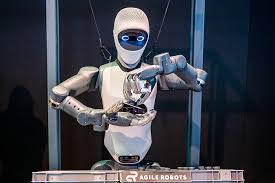
Agility Robotics' Digit 5 Robot Enhances Safety for Human Interaction in Factories
Agility Robotics has introduced the Digit 5 humanoid robot, designed to prioritize safety by avoiding human interference. The robot employs a sophisticated safety motion system that responds to the presence of humans by either navigating around them, stopping, or sitting down, depending on the proximity. This approach aims to create a more integrated environment for robots and humans in industrial settings. The significance of Digit 5 lies in its ability to address safety concerns that have historically hindered the deployment of humanoid robots in factories. With over 65,000 hours of operational and commercial deployment, Agility emphasizes the reliability of its product. The endorsement from the Occupational Safety and Health Administration (OSHA) further strengthens its appeal to industrial clients, as safety compliance is often a critical factor in procurement decisions. Looking ahead, Agility Robotics aims to eliminate the barriers to widespread humanoid robot adoption in industrial environments. The Digit 5's features, such as a 90-minute battery life and the ability to lift 50 pounds, are tailored for warehouse and logistics tasks. As the industry evolves, the focus will remain on ensuring that human workers feel safe and confident working alongside these advanced robots.
Humanoid Robots Industrial Automation Safety Systems AI Technology
Over 70 Robot Training Facilities Established in China, Facing Sustainability Challenges
As of June 2023, China has established over 70 robot training facilities, with more than 40 additional sites planned or under construction. These facilities are primarily located in regions like the Yangtze River Delta, Beijing-Tianjin-Hebei, and the Pearl River Delta, with Zhejiang leading in numbers. The trend shows a shift from traditional AI hubs in major cities to smaller cities, reflecting a new collaborative approach to training. The significance of these training facilities lies in their role as 'robot schools,' where robots are trained for real-world applications. They facilitate connections between robot manufacturers and various industries, helping to identify suitable deployment scenarios. The National AI Application Pilot Base in Hangzhou exemplifies this collaborative model, providing resources for companies to develop application scenarios more efficiently. Looking ahead, the implementation of new industry standards for data quality on November 1 is expected to enhance training outcomes. However, many facilities struggle with sustainability, relying heavily on data sales for revenue. Experts suggest transitioning to a training-as-a-service model to diversify income streams and ensure operational viability, as the industry faces challenges in scaling and adapting to real-world applications.
Embodied Intelligence Robot Training AI Standards Data Quality Sustainable Business Models
Over 40 Robotics Companies Present Innovations at Bund Conference; Youdi Robot Surges 150% on Debut
The Bund Conference showcased over 40 robotics firms from September 9 to 12, emphasizing practical applications in pharmacies and factories. This shift from traditional demonstrations to real-world tasks highlights the industry's evolution towards operational efficiency. Youdi Robot made a significant debut on the Hong Kong Stock Exchange, surging over 150%, marking it as the first AI-conscious robot stock in the market. This performance has positively influenced investor sentiment in the robotics sector, with related ETFs and stocks experiencing gains. The conference's focus on practical applications signals a shift in the robotics industry, moving from mere demonstrations to addressing specific business processes. As robotics firms increasingly engage in real-world tasks, the implications for market valuations and investor expectations are noteworthy. No further timeline was disclosed at the time of publication.
Robotics AI Stock Market Industrial Automation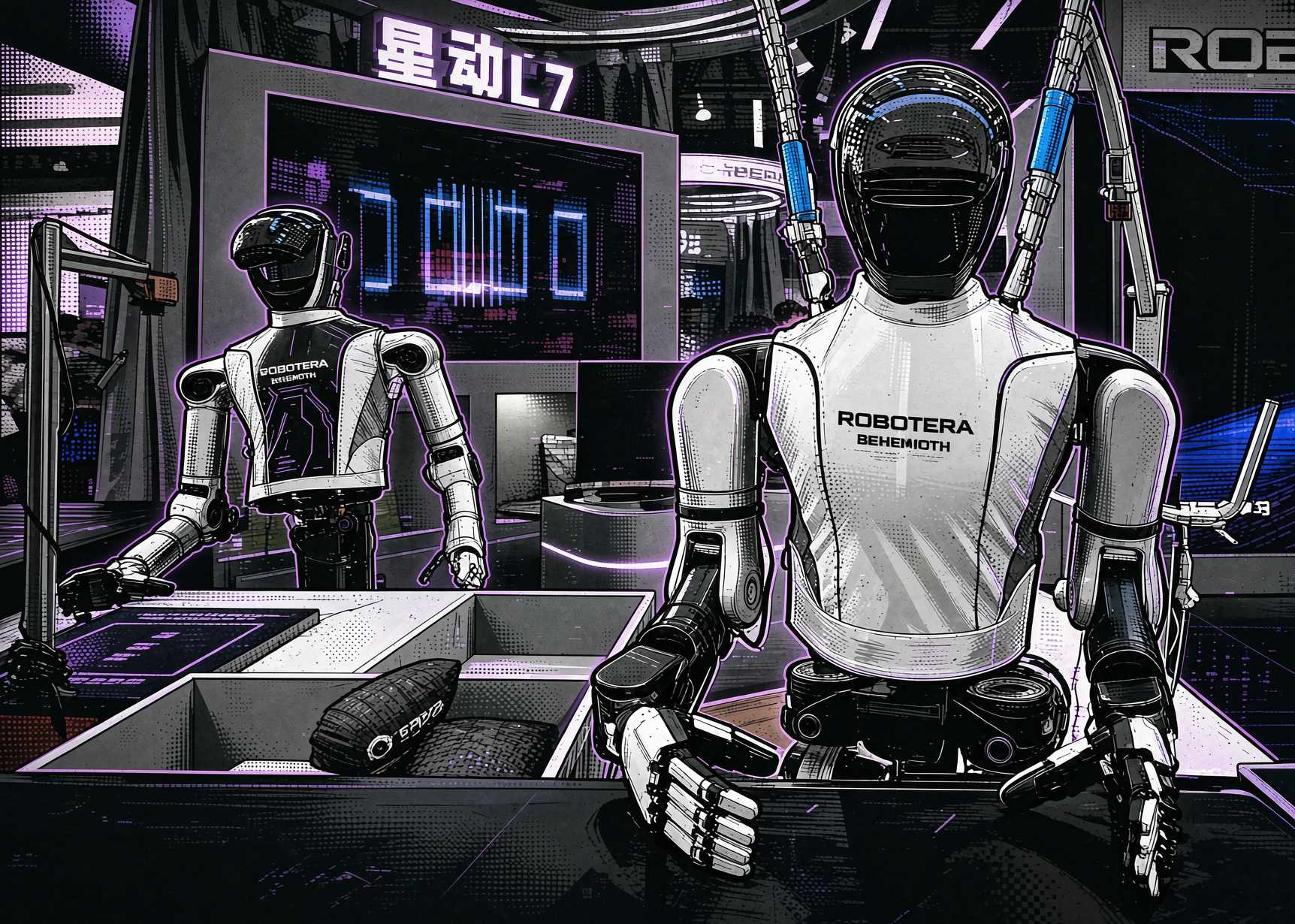
Xingdong Era Reports 50% International Business, Serving Nine of Top Ten Tech Firms
At CES 2026, Xingdong Era showcased four products: Xingdong L7, Xingdong Q5, Xingdong XHAND 1, and Xingdong XHAND 1 Lite. The company revealed that its international business accounts for 50%, covering key markets in North America, Europe, the Middle East, and Japan and South Korea. Notably, nine of the top ten global tech companies are clients, alongside firms like Skild AI and Humanoid AI, and research institutions such as MIT and Stanford have adopted its products. The Xingdong L7, a full-sized bipedal robot, stands 171 cm tall and weighs 65 kg. It features high degrees of freedom for remote operation, demonstrated at CES through various tasks such as handing out water and picking up objects. The L7 has previously set a world record for vertical jumping at the inaugural World Humanoid Robot Conference. Its design allows for multiple configurations, enabling businesses to select between full-sized and half-body forms based on specific needs. The Xingdong XHAND 1, equipped with a pioneering all-direct-drive joint system, is designed for AI applications and mimics human hand functionality. It boasts 12 active degrees of freedom and can perform intricate tasks, achieving a maximum grip strength of 80N. The company’s self-developed end-to-end VLA embodied model, ERA-42, supports various logistics and manufacturing tasks, with a significant order nearing 50 million yuan in the logistics sector. Future developments to watch include the potential for repeat orders and improvements in task completion efficiency in manufacturing scenarios.
Humanoid Robots AI Logistics Automation Robotic Hands
Israel's National AI Plan Prioritizes Physical AI Amidst Electromagnetic Challenges
Israel's new national AI initiative has identified physical AI as a strategic focus, emphasizing the need for machines to perceive, decide, and act in the real world. This encompasses various sectors including transportation, healthcare, space, and agriculture. The plan proposes the establishment of a sandbox and national physical testing ground to validate autonomous systems under conditions that closely mimic reality. The initiative highlights the importance of understanding the electromagnetic environment, which affects navigation and communication for autonomous machines. Engineers have recognized that radio waves, which are often overlooked, play a crucial role in how machines operate. The ability to navigate this invisible environment is essential for the reliability of autonomous systems, especially in complex scenarios like those faced in Ukraine, where interference can disrupt operations. Looking ahead, the integration of advanced modeling tools for radio signal propagation is crucial. By creating digital twins that account for the effects of physical structures on signal behavior, the aim is to enhance the testing of autonomous machines before deployment. This proactive approach could significantly reduce failures in the field, ensuring that AI systems are better equipped to navigate both visible and invisible challenges.
Physical AI Autonomous Systems Wireless Communication AI Testing Digital Twins
RoboStrategy Leads Series A Investment in Maven Robotics for Intelligent Automation
RoboStrategy has announced its lead investment in Maven Robotics' Series A funding round. Maven Robotics specializes in designing, building, and deploying intelligent robots tailored for logistics and manufacturing sectors. Emerging from stealth mode, the company claims to possess the key to developing general-purpose robotics aimed at enterprise customers. This investment is significant as it highlights the ongoing challenge within the robotics industry, where despite substantial talent and capital, few robots are effectively performing real work. The focus on large enterprises as the primary market for robotics solutions underscores the need for reliable and cost-effective automation that can meet specific job requirements. Looking ahead, the challenge remains for robotics startups to transition from innovation projects to scalable solutions that deliver tangible results. The ability to convert initial interest into substantial contracts will be crucial for the success of Maven Robotics and its competitors in the evolving landscape of intelligent automation. No further timeline was disclosed at the time of publication.
market analysis Maven Robotics RoboStrategy Investment
RobotPlusPlus Secures Series C Funding, Expands Climbing Robot Deployment Globally
RobotPlusPlus announced the successful closure of its Series C funding round. The company has reported that its climbing robots are currently deployed in over 100 shipyards around the globe. This development is significant as it highlights the growing adoption of specialized robotics solutions in the maritime sector. The deployment of climbing robots in shipyards enhances operational efficiency and safety, addressing critical needs in ship maintenance and construction. Looking ahead, industry observers will be keen to see how RobotPlusPlus leverages this funding to further expand its technology and market reach. No further timeline was disclosed at the time of publication.
Investments News Robotics Startups China Funding
Humanoid Robot Manufacturers Face Profit Challenges Amid Shift to Dexterous Hands
Humanoid robot manufacturers are struggling with profitability as they face high costs and low margins. A humanoid robot priced at 85,000 yuan typically yields a gross margin of around 10%, with some companies like Yushu Technology projecting a rise to 60.13% by 2025, despite risks from price wars. The cost of dexterous hands, which accounts for 10% to 15% of the overall robot cost, is decreasing rapidly, dropping from 100,000 yuan to below 10,000 yuan. This decline is attributed to economies of scale in the supply chain, contrasting with the slower price reductions for complete robots due to brand premiums and service costs. Market growth for dexterous hands is significant, with sales expected to reach approximately 19,200 units in China by 2025, a 236.84% increase year-on-year. By 2030, sales could exceed 430,000 units, indicating a much faster growth rate compared to complete humanoid robots. The future will reveal whether manufacturers will develop their own dexterous hands to reclaim profits or continue sourcing from suppliers.
Humanoid Robots Dexterous Hands Robotics Manufacturing AI Components
How AI is Transforming the Maintenance Technician Role by 2030
The role of maintenance technicians is rapidly evolving due to advancements in predictive maintenance, intelligent assistants, and augmented reality. The focus has shifted from merely automating machines to enhancing the capabilities of the personnel who operate and maintain them. Initial industrial deployments have already shown measurable gains. By 2030, maintenance technicians will still require skills in mechanics, electricity, automation, and electrotechnics, but their work environment may be significantly different. In the event of a malfunction, technicians will have immediate access to equipment history, similar incident reports, manufacturer documentation, sensor data analysis, and tailored diagnostic procedures. This evolution builds on a transformation initiated years ago with industrial IoT, CMMS, predictive maintenance, and augmented reality. The introduction of generative AI and agent-based AI marks a new phase in this transformation, where systems not only present information but also assist in diagnostics and take on some intervention tasks. This shift addresses a pressing issue: as industrial equipment becomes more sophisticated, finding the necessary maintenance skills is increasingly challenging. According to Deloitte's Smart Manufacturing and Operations 2025 study, 35% of industrial leaders view employee adaptation to the 'Factory of the Future' as a major concern.
À la une Humanoide IA Robotique agents IA Assistant IA
InOrbit.AI Launches OpenRobOps for Standard-Compliant Robot Fleet Management
InOrbit.AI has unveiled OpenRobOps (ORO), an open-source software aimed at enhancing robot operations and fleet management. This new tool is designed to facilitate scaled deployments within the robotics community, ensuring compliance with industry standards. The introduction of OpenRobOps is significant as it addresses the growing need for standardized solutions in robot orchestration. By providing a framework that supports fleet management, InOrbit.AI aims to streamline operations and improve efficiency for enterprises utilizing robotic systems. Looking ahead, stakeholders in the robotics sector should monitor the adoption of OpenRobOps and its impact on operational practices. The effectiveness of this software in real-world applications will be crucial in determining its success and influence on future developments in robot management solutions. No further timeline was disclosed at the time of publication.
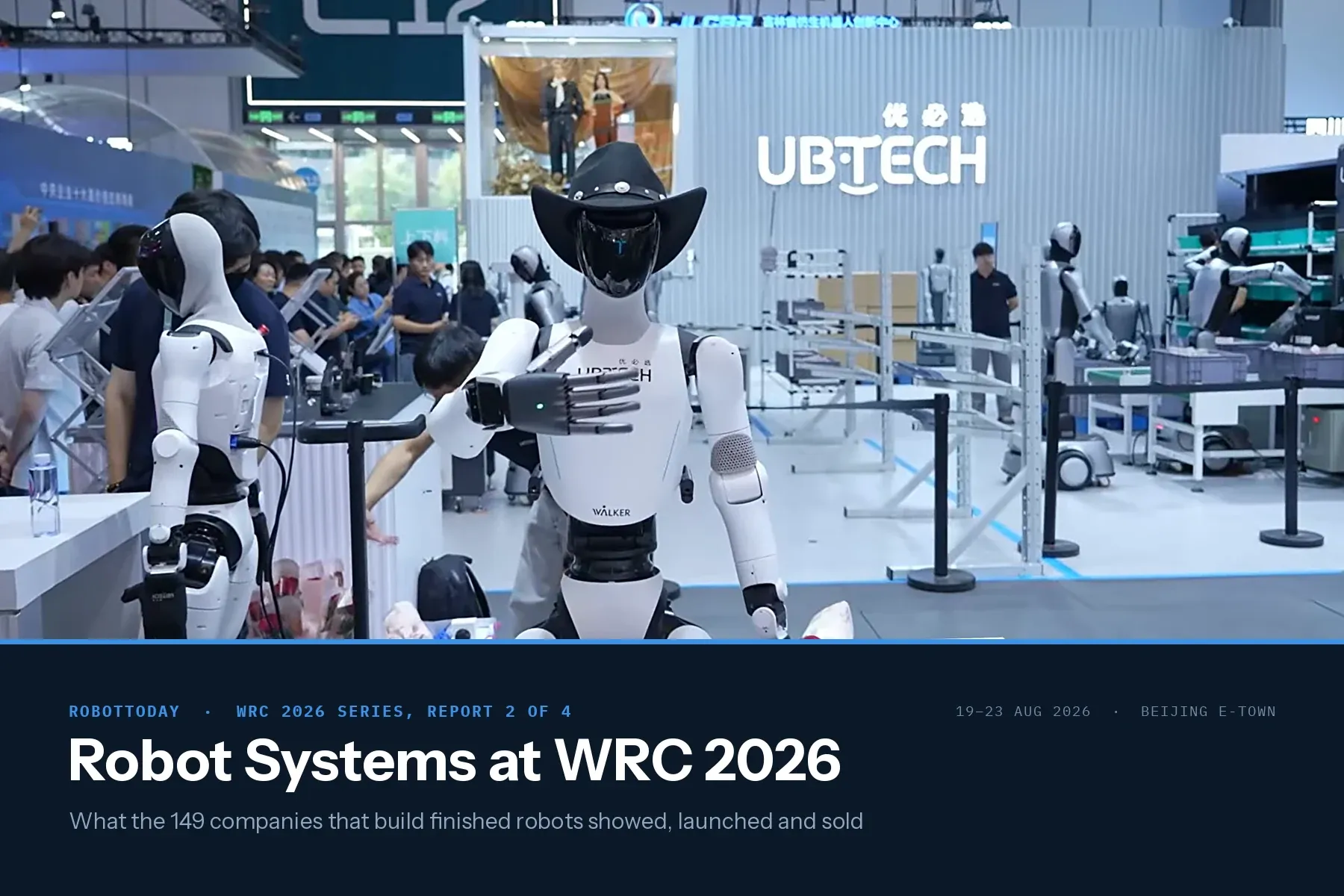
WRC 2026 Robot Systems: 149 Companies That Build Robots
149 of the 248 classified WRC 2026 exhibitors build finished robots. 93 build humanoid or legged machines. The audited humanoid sales number is one unit.
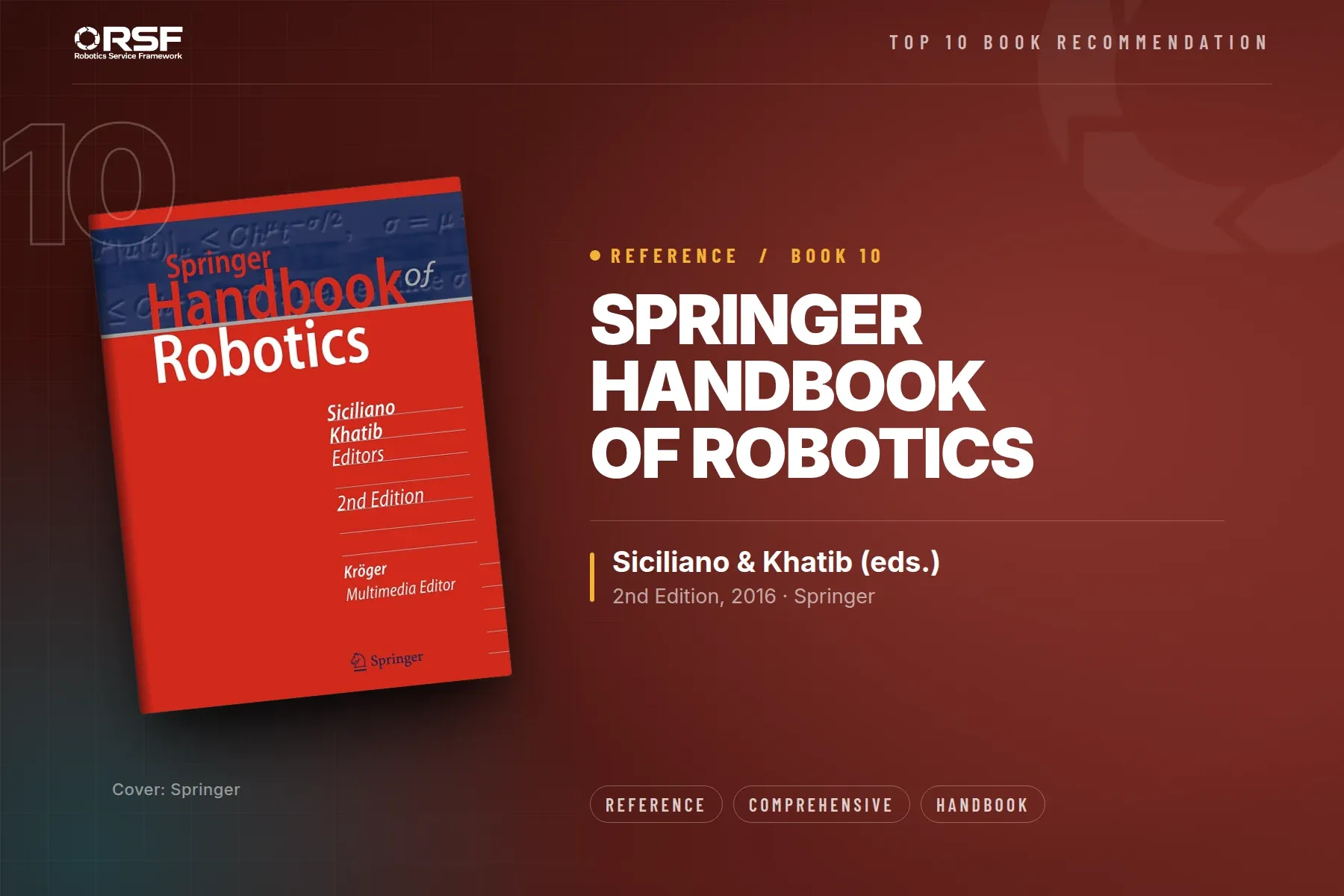
Springer Handbook of Robotics B. Siciliano & O. Khatib (eds.) — RSF Top 10 Robot Education Textbooks · No. 10
Eighty-plus chapters, 2,300 pages, nobody reads it cover to cover. It ranks for one reason: when a fault crosses domains, this is the reference of record.

Autonomous Mobile Robots Siegwart, Nourbakhsh & Scaramuzza — RSF Top 10 Robot Education Textbooks · No. 3
AMR and AGV fleets are the biggest robot service market. Siegwart decodes the vendor manual: odometry, localization, cost maps.

Robotics, Vision and Control Peter Corke — RSF Top 10 Robot Education Textbooks · No. 5
Most books you read; Corke's you run. Every concept ships as executable Python via the open Robotics Toolbox. The code softens the maths.
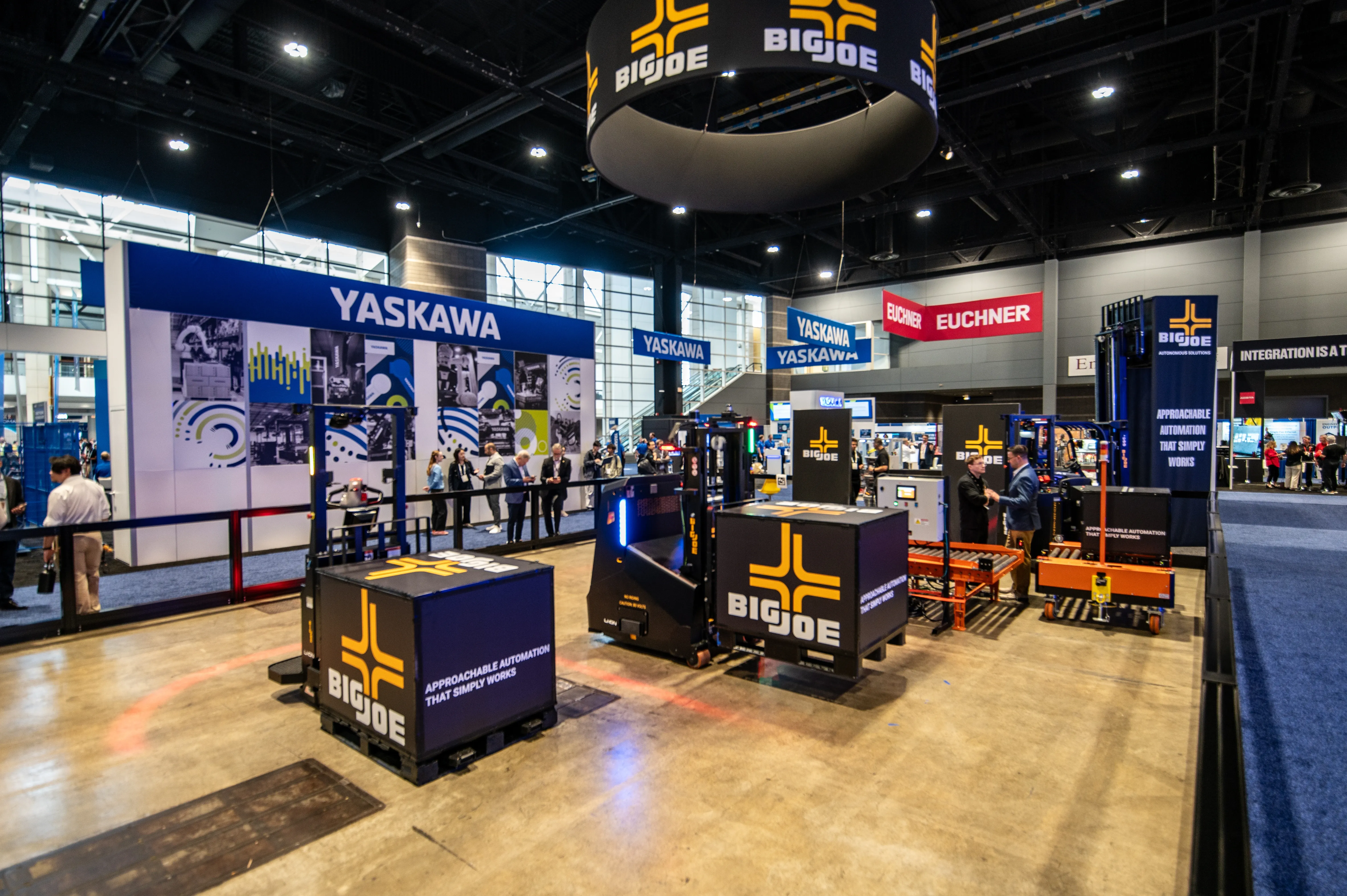
Big Joe's Four-Product AMR Push at Automate 2026: What It Reveals About the North American Warehouse Automation Market
RobotToday analyzes Big Joe's four new autonomous vehicles launched at Automate 2026 — AP44, ASC40, ATC100, ACV40 — in the context of North America's warehouse labor shortage and AMR market growth.
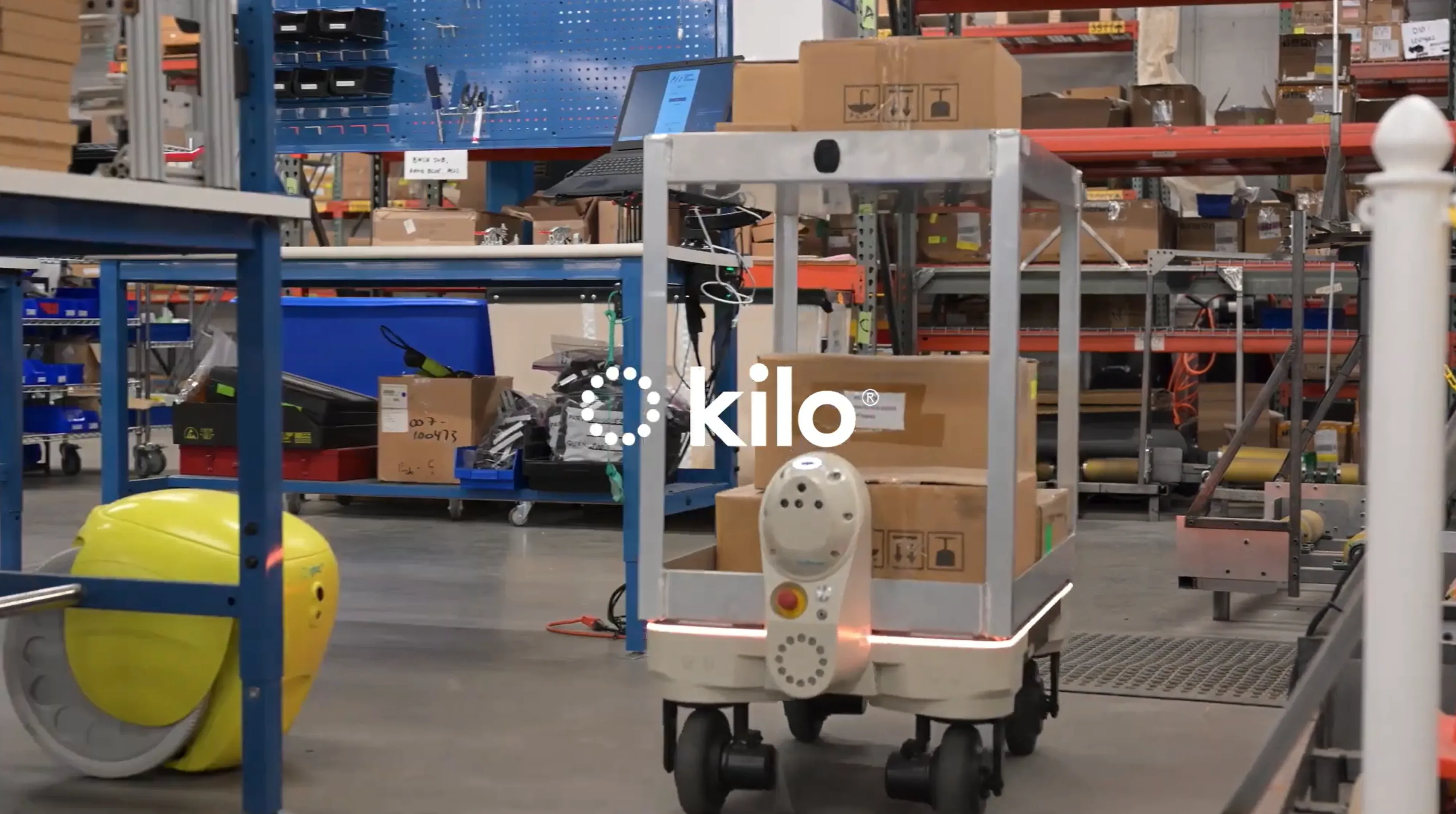
Piaggio Fast Forward Brings kilo® Autonomous Mobile Robot to Automate 2026
Piaggio Fast Forward showcases kilo®, an infrastructure-free collaborative AMR (300 lb payload, 360° LiDAR), at Automate 2026 booth #17054.
When a Materials Giant Meets Robotics: Covestro at Automate 2026
At Automate 2026, Covestro brought Makrolon, Bayblend, Baysafe BEF and Vulkollan to robotics — tackling weight, heat, sensing and sustainability for humanoids and AGV/AMRs.
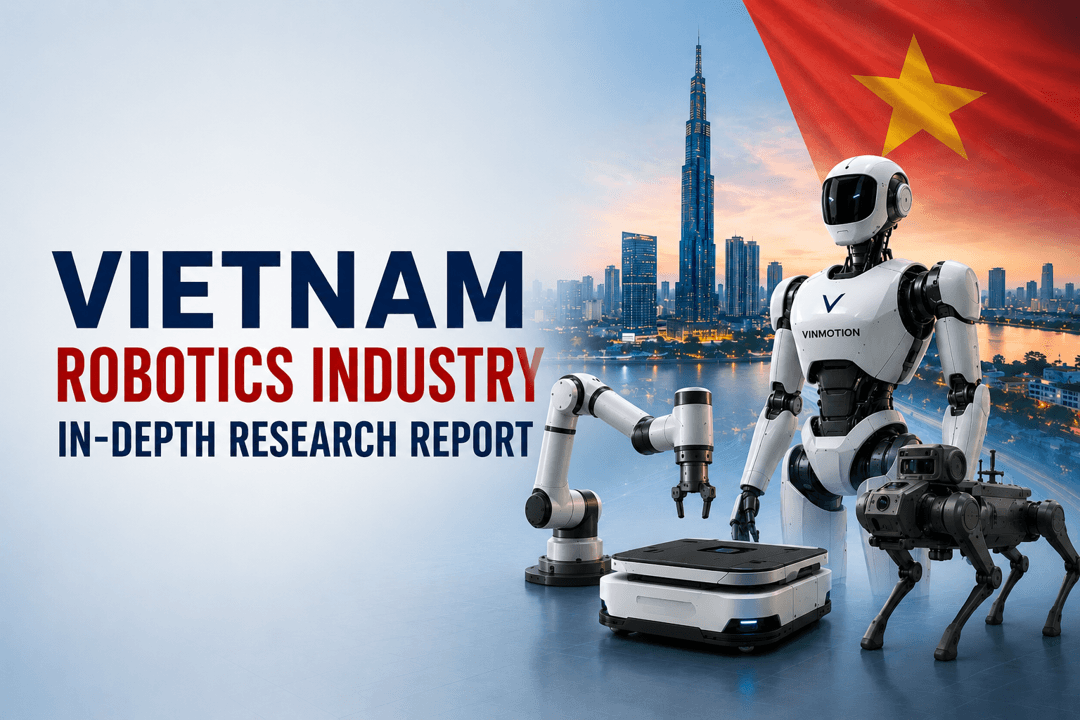
Vietnam Robotics Industry Report 2026
Comprehensive analysis of Vietnam's robotics industry: market size, industrial policy, key companies (Vingroup, Apicoo, Phenikaa-X), geopolitical dynamics, and 2030 growth opportunities.

CIIF 2026 | China International Industry Fair | Oct 12–16, Shanghai | CIROS Robot Show
CIIF 2026 — the 26th China International Industry Fair — takes place October 12–16 at Shanghai NECC. 10,000+ exhibitors, 280,000 sqm, including the CIROS Robot Show covering industrial robots, AMR, cobots, and intelligent manufacturing.
GLOBAL ROBOTICS INDUSTRY Comprehensive Sector Overview
A comprehensive global robotics industry overview for 2025, analyzing 14 key market segments — from industrial and humanoid robots to logistics AMRs, military systems, and service robots — with expert market sizing, US case studies, five-year forecasts, and bilingual English-Chinese analysis for executives and investors.


