

Theseus
San Francisco defense-tech startup (YC S24) building GPS-denied visual navigation hardware and software for drones, used by US Special Forces.
Contact Theseus
WEBSITE
https://theseus.usHEADQUARTERS
United States


Company Facts
Founded
2024
Primary Role
Manufacturer
Company Size
-
Primary Region
North America
Annual Sales
-
Funding Stage
-
Funding Total
-
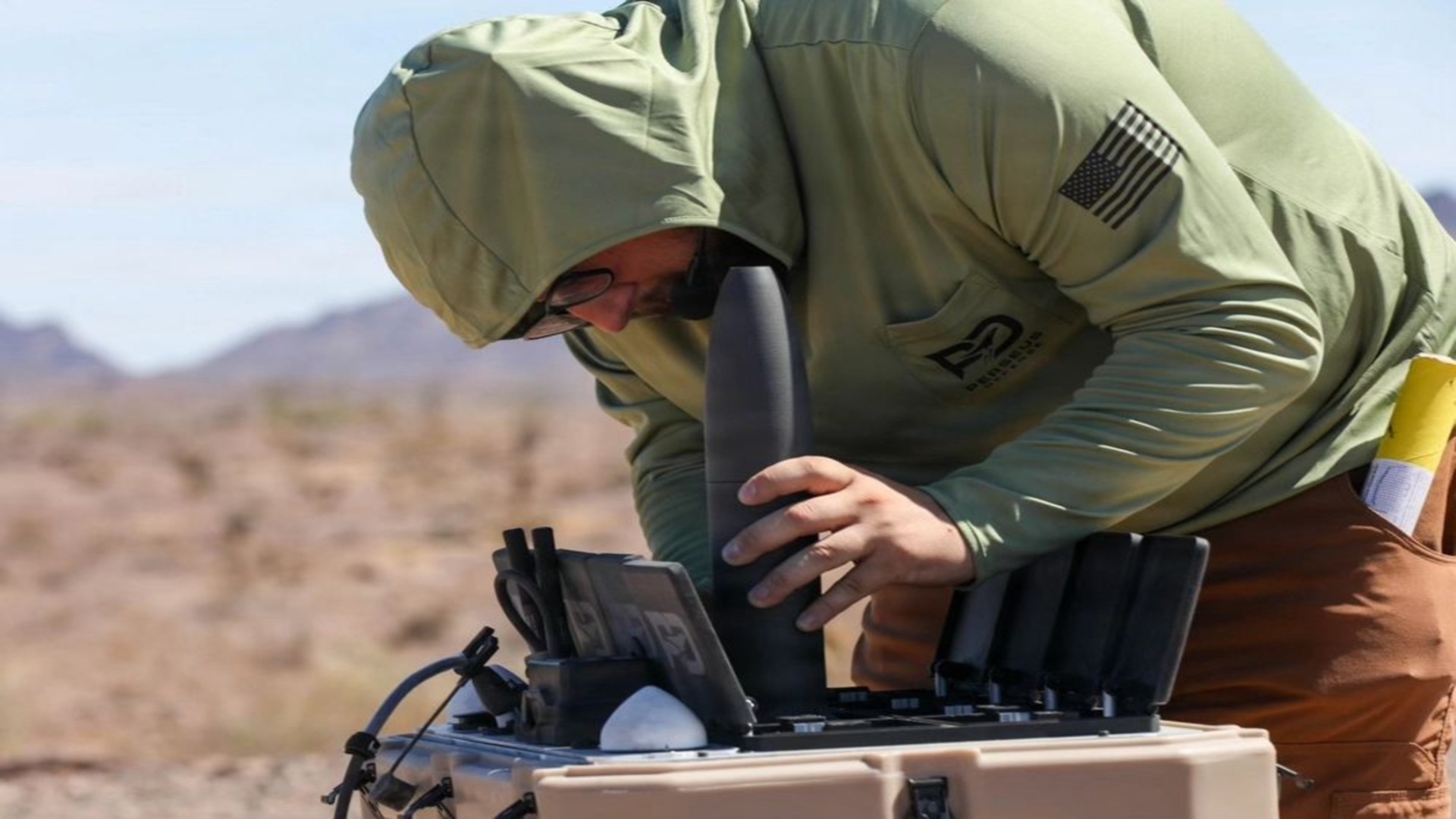
Perseus Defense Tests Low-Cost Mk-III Interceptor Against Drones at Yuma Proving Ground
Perseus Defense has successfully tested its Mk-III interceptor missile, designed to physically destroy small drones, at the Yuma Proving Ground in Arizona. This demonstration, part of Falcon Peak 26.2, showcases a cost-effective solution for military installations facing aerial threats, with each interceptor costing around $2,500. The Mk-III's kinetic hit-to-kill approach offers a significant advantage over traditional electronic warfare systems, which can struggle against drones using preprogrammed routes or fiber-optic communications. This capability is crucial as militaries seek affordable means to counter drones that typically cost only a few hundred dollars, compared to the high price of conventional missiles. Looking ahead, the demand for effective domestic counter-drone systems is expected to grow, especially following recent drone incursions over US military bases. No further timeline was disclosed at the time of publication.
Military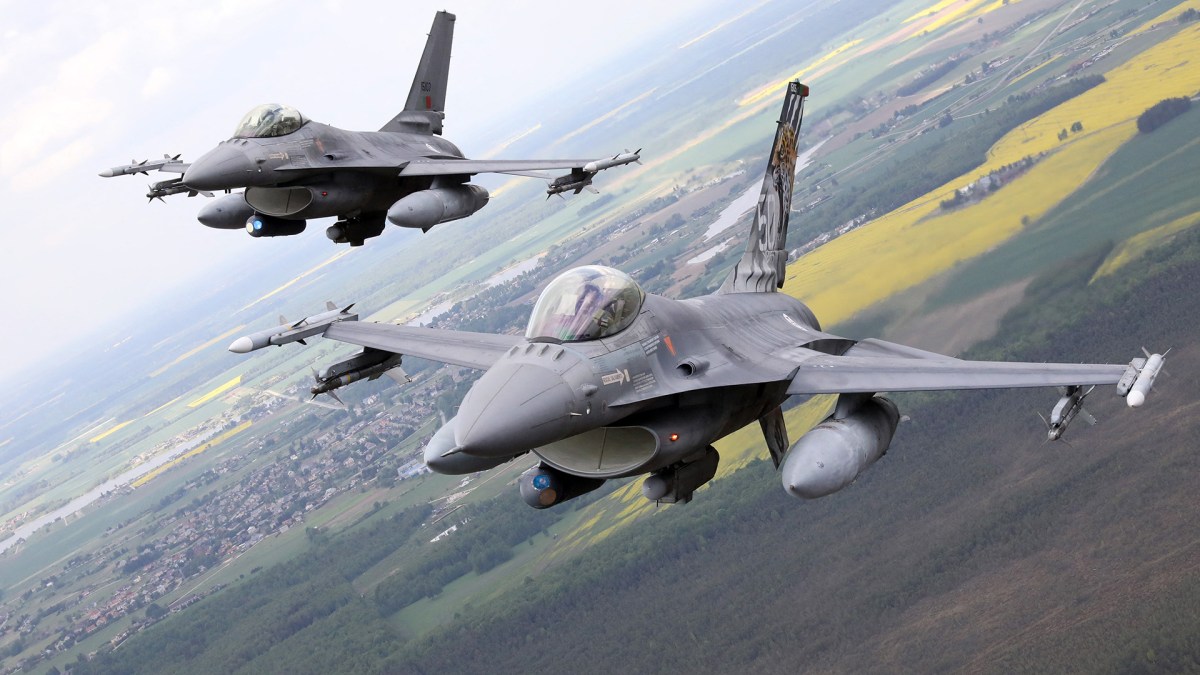
U.S. Air Force Leader in Europe to Implement NATO's New Air Defense Strategy
The top U.S. Air Force officer in Europe, Lt. Gen. Jason T. Hinds, has been assigned to implement NATO's new air defense plans aimed at countering threats from cruise missiles and drones. This directive follows a recent incident where NATO had to intercept a drone that entered Lithuanian airspace, highlighting ongoing security concerns amid Russian aggression in Europe. The significance of this initiative lies in NATO's response to increasing hybrid threats from Russia, particularly in light of the ongoing conflict in Ukraine. European Commission President Ursula von der Leyen emphasized that such incidents are indicative of a broader pattern of Russian provocations, testing NATO's readiness and resolve. Lt. Gen. Hinds noted that the Enhanced Vigilance Activity (EVA) Eastern Sentry and Standing Defense Plan 12000 are crucial for providing member nations with the necessary capabilities to defend their airspace. Looking ahead, NATO aims to enhance its integrated air and missile defense systems, which currently rely heavily on air power to counter drone threats. Lt. Gen. Hinds expressed the need for more efficient and cost-effective solutions, such as lower-cost interceptors. No further timeline was disclosed at the time of publication.
Air Air Force Munitions Air Forces Air-To-Air Around The Globe Europe
IMTS 2026 Preview: Record Orders and the Automation Story
IMTS 2026 opens in Chicago with 1,788 exhibitors and record H1 machine tool orders. What the USMTO data says about automation, and the booths to see.
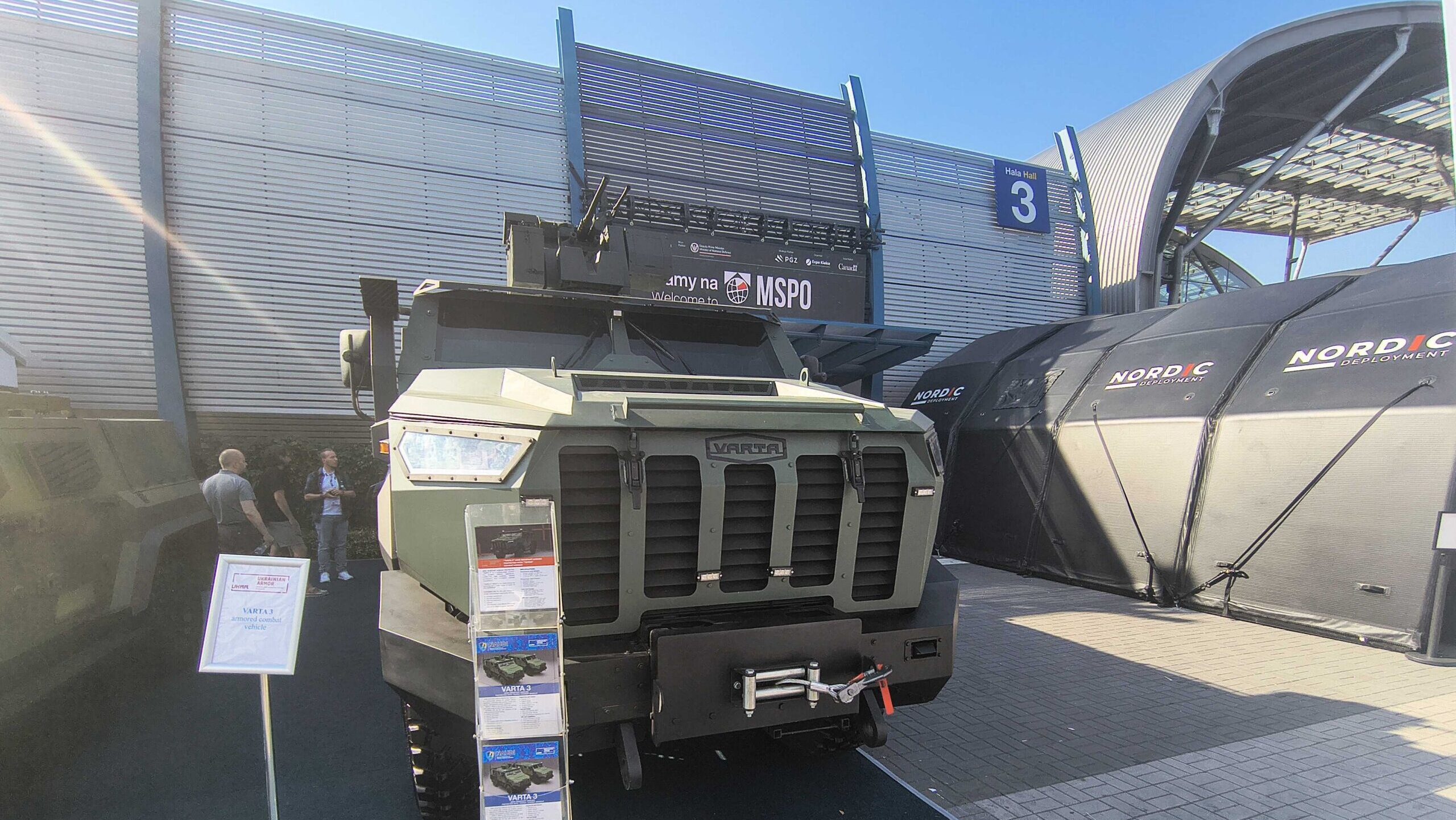
Ukrainian Armor Pursues Partnership with German Industry for New Land Vehicles
Ukrainian Armor's CEO, Vladyslav Belbas, announced plans to collaborate with German industry, potentially with Mercedes-Benz, to manufacture two newly unveiled land vehicles at the MSPO trade show. The Saigak Armored Personnel Carrier (APC) and Varta 3 Mine Resistant Ambush Protected (MRAP) vehicle were highlighted, with the Saigak designed to counter drone threats using an active protection system. The significance of this partnership lies in Ukraine's ongoing conflict, where the Saigak aims to transform civilian vehicles into protected units against drone attacks, which have become prevalent in the war. The Varta 3 offers ballistic protection and can withstand significant explosive impacts, showcasing the need for advanced military vehicles amid the current security challenges. Looking ahead, Belbas expressed hope that these new products would attract market interest and emphasized the importance of cooperation with German industry, especially given Germany's role as a major donor to Ukraine. However, he noted that no discussions have occurred with the German government regarding future vehicle orders. No further timeline was disclosed at the time of publication.
Global Land Warfare Army Europe Germany MSPO 2026
Chinese Military Scientists Support Trump's Battleship Plan with Large-Caliber Gun Defense Against Drones
Chinese military scientists have endorsed a segment of Donald Trump’s proposed battleship fleet, suggesting that large-caliber naval guns could effectively counter drone swarms. Their research indicates that explosive shells could scatter fragments over a wide area, potentially damaging multiple drones in a single shot. This approach aligns with ongoing discussions within the US Navy regarding the need to adapt naval defense strategies in response to the increasing threat posed by inexpensive drones. The significance of this research lies in its implications for naval warfare, particularly as modern warships typically rely on advanced missile systems and lasers. The study highlights the potential for large-caliber guns to serve as area weapons, offering a cost-effective solution to engage swarms of drones without the need for direct hits. The findings suggest that a single shell could damage approximately 1.19 drones in a swarm of 30, emphasizing the need for a reevaluation of ammunition expenditure in the face of mass drone attacks. Looking ahead, the researchers advocate for a comprehensive defense strategy that integrates large-caliber guns with electronic warfare and laser systems. This multi-layered approach could enhance the defensive capabilities of warships, addressing the challenge posed by the cost disparity between inexpensive drones and costly interceptors. No further timeline was disclosed at the time of publication.
Military
Army Grants $465M Contract to AeroVironment for First High-Energy Laser Production
The Army has awarded AeroVironment (AV) a $464.8 million contract for the Enduring-High Energy Laser (E-HEL) program, marking the first production contract for a high-energy laser weapon. This program aims to enhance the Army's capabilities to counter unmanned systems effectively, as stated by Gen. Christopher LaNeve, the acting chief of staff. The contract will enable the delivery of AV's LOCUST X3 laser counter-drone systems, which are designed to operate in various combat environments. This contract is significant as it introduces production-directed energy systems for the first time in U.S. history, according to AV's vice president of directed-energy systems, John Garrity. The E-HEL system, powered by electric energy, is capable of defeating drones at a lower cost compared to traditional kinetic weapons. AV is expected to deliver initial capabilities within the year and scale production significantly in the coming months. Looking ahead, the Army plans to deploy dozens of LOCUST X3 systems across combatant commands globally. The system is designed to counter drone threats, including those from Group 3 drones weighing up to 1,320 pounds. No further timeline was disclosed at the time of publication.
Land Warfare Aerovironment Army Counter UAS cUAS directed energy Drones
Scott Walter Introduces the Humanoid Decathlon Challenge to Standardize Robot Performance
Dr. Scott Walter has proposed the Humanoid Decathlon Challenge, aiming to establish a comprehensive benchmark for humanoid robots. This initiative comes in response to recent athletic achievements in robotics, where humanoid robots have excelled in isolated tasks but lack a unified performance standard. The challenge requires a single bipedal robot to autonomously complete all ten events of the men's decathlon, adhering to World Athletics rules without any hardware modifications. Walter's proposal includes the No Bot of Theseus rule, which prohibits the use of modular engineering shortcuts, ensuring that the same robot must perform every event without altering its physical components. Additionally, the robots must demonstrate self-sufficiency by dressing themselves in athletic uniforms and managing their clothing. This rigorous standard aims to create a fair comparison with human athletes and push the boundaries of humanoid robotics. No further timeline was disclosed at the time of publication.
Scott Walter WHRG
WRC 2026 Robot Systems: 149 Companies That Build Robots
149 of the 248 classified WRC 2026 exhibitors build finished robots. 93 build humanoid or legged machines. The audited humanoid sales number is one unit.

WRC 2026 Exhibitor Map: 248 Robotics Companies Mapped
We classified 248 WRC 2026 exhibitors with the RobotToday taxonomy. Motion & Actuation leads at 75 companies, Humanoid at 72, and compute stays thin at 12. (Modified 2026-08-27)

Aetina Enhances Edge AI with Support for NVIDIA Jetson Orin Nano 2 Platform
Aetina Corporation has announced its support for the NVIDIA Jetson Orin Nano 2, enhancing its edge AI capabilities. This new platform allows for higher-performance generative AI and multimodal inference, which are crucial for compact Physical AI systems. The introduction of the Jetson Orin Nano 2 marks a significant advancement in entry-level edge AI robotics computers. It enables developers to create sophisticated applications such as delivery and inspection drones, robots, and vision AI systems that can perceive their environment and respond in real time. Looking ahead, the integration of the Jetson Orin Nano 2 into Aetina's offerings is expected to drive innovation in the edge AI sector. No further timeline was disclosed at the time of publication.

Perceptual Robotics Secures Over £4 Million for Wind Turbine Inspection Drone Expansion
Perceptual Robotics, a Bristol-based drone company, has successfully raised over £4 million (approximately $5.3 million) as of July 28, 2026. This funding, which includes investment from Innovate UK, Loggerhead Ventures, One Planet Capital, and new investor Investing for Purpose, will be used to enhance its wind turbine inspection platform. The significance of this funding lies in its potential to bolster the company's capabilities in both onshore and offshore wind turbine inspections. Matthew Jellicoe from One Planet Capital highlighted the strong investor support and the company's momentum, indicating that Perceptual Robotics is well-positioned for expansion into various verticals over the next two years. Looking ahead, Perceptual Robotics aims to accelerate product development and deepen its offshore support. The company plans to leverage this funding to enhance its autonomous drones and AI services, which are crucial for managing wind turbine blade inspections and extending service life for operators. No further timeline was disclosed at the time of publication.
Drone News Drone News Feeds Inspection News UK Drone Industry UK Drone Space
ROBOTTODAY Weekly July 13 – 17, 2026
This week in robotics: Hyundai takes full ownership of Boston Dynamics, Xpeng targets 1,000 Iron humanoids a month, LimX Dynamics raises $200M pre-IPO, and Agility opens a Silicon Valley physical-AI hub. July 13–17, 2026.

Physical AI Landscape: From Digital Intelligence to the Embodied Physical World
A comprehensive industry analysis of Physical AI — covering Embodied AI, Field AI, Factory AI, VLM, World Model, VLA, and the VLA vs WAM architecture debate. Includes 20+ companies, 28 references, and the RobotToday Physical AI Landscape diagram. July 2026.

Automate 2026 | Amprius SiCore SA88 Competes for Innovation Award in Robotics Battery Category
At Automate 2026 in Chicago, Amprius Technologies exhibited its SiCore SA88 silicon-anode pouch cell — 358 Wh/kg, 750 Wh/L — as a finalist in the Components, Hardware & Enabling Technologies category. Analysis of implications for AMR, UAV, and aerial mobility platforms.

Vietnam Robotics Industry Report 2026
Comprehensive analysis of Vietnam's robotics industry: market size, industrial policy, key companies (Vingroup, Apicoo, Phenikaa-X), geopolitical dynamics, and 2030 growth opportunities.
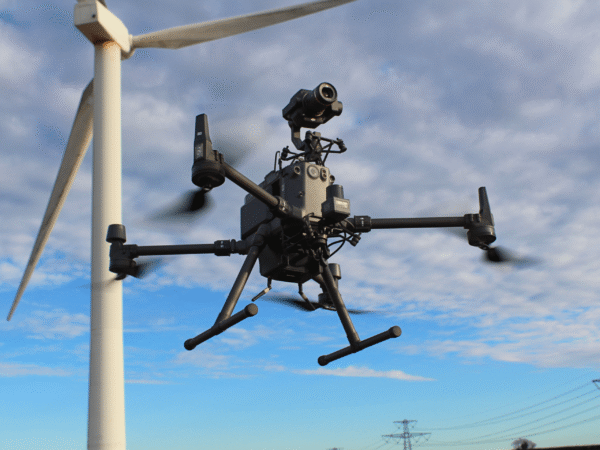
Perceptual Robotics Raises Funding to Automate Wind Turbine Inspection Drones
Perceptual Robotics, a Thessaloniki-based company, has successfully secured new funding to enhance its autonomous wind turbine inspection platform. The investment round, announced on May 5, 2026, was led by Loggerhead Ventures, with additional support from One Planet Capital. This financial backing aims to advance the development of AI-powered drones designed for wind farm maintenance, reflecting the growing demand for innovative solutions in renewable energy infrastructure. The funding will enable Perceptual Robotics to scale its operations and improve the efficiency of wind turbine inspections, ultimately contributing to the sustainability of wind energy production.
Drone News Drone News Feeds Europe Drone Industry European Union infrastructure Inspection
Laboratory Robotics in 2026: Technology, Companies & Vertical Maturity
From clinical diagnostics to self-driving labs: a deep analysis of laboratory robotics technologies, mass-production maturity timelines across 12 vertical sectors, 26 key companies, and the investment landscape shaping lab automation through 2030.
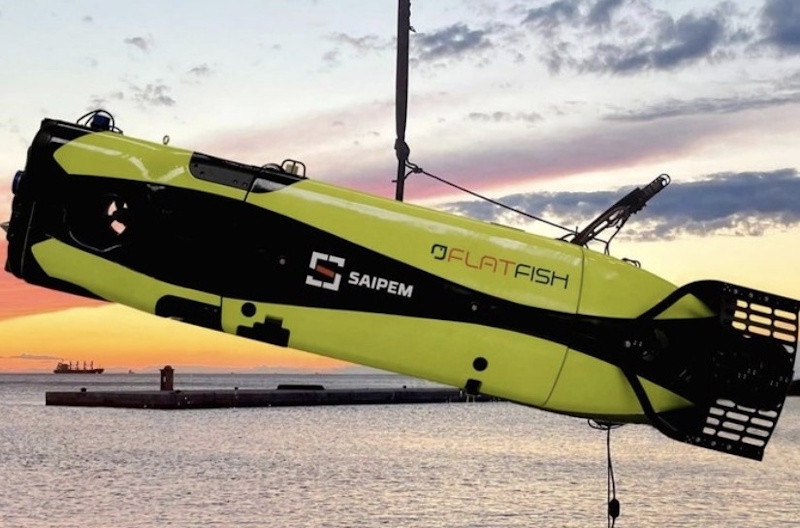
Saipem’s Subsea Drone Clears Tests with Petrobras Ahead of Offshore Deployment
Saipem's advanced underwater inspection drone, FlatFish, has successfully completed a significant milestone in its contract with Petrobras, awarded in 2023. The recent Functional Acceptance Tests were conducted in a controlled environment to ensure that the drone meets the technical and operational standards required for its autonomous robotic solution. These tests focused on verifying mission autonomy and data quality, essential components before the drone's deployment in the field. This achievement marks a critical step in the development and testing process, demonstrating Saipem's commitment to delivering innovative underwater inspection technology.
saipem subsea drone tests petrobras offshore deployment flatfish
RobotToday Weekly Industry Briefing: Feb 2 – 6, 2026
Robotics shifted from demos to deployment post-CES 2026, led by China’s humanoid scale, AI robot brains, and accelerating industrial adoption.
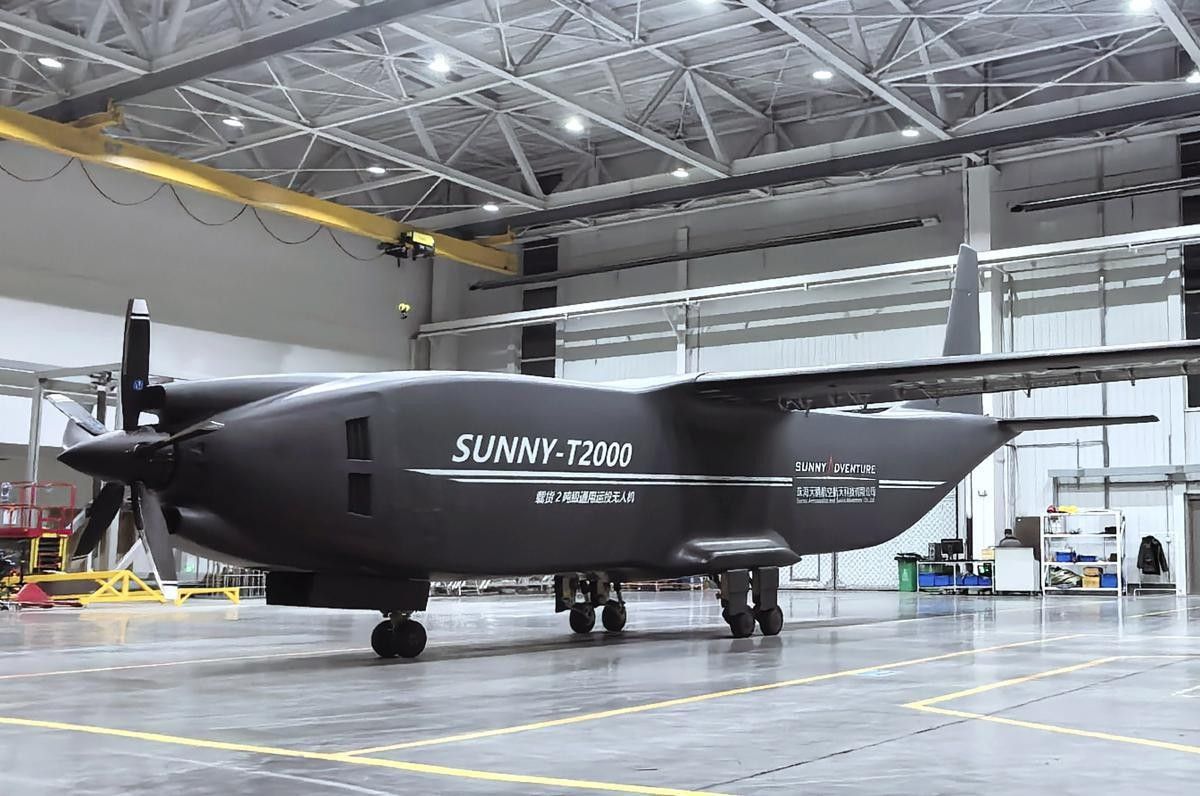
Sunny t2000 china s first 2 ton turboprop cargo uav signals a new era for heavy unmanned logistics
The SUNNY-T2000 signals a shift in heavy cargo UAVs, showing how two-ton unmanned aircraft are reshaping regional and industrial air logistics.


