SunFounder
Shenzhen STEAM education company making open-source robot kits (PiCar-X, robot dog) for Raspberry Pi and Arduino platforms.
Contact SunFounder
WEBSITE
https://www.sunfounder.comPHONE
+1 919-557-9129HEADQUARTERS
China

Company Facts
Founded
2012
Primary Role
Manufacturer
Company Size
employees 10-50
Primary Region
Asia-Pacific
Annual Sales
-
Funding Stage
Grant / Non-profit
Funding Total
$ 660,000
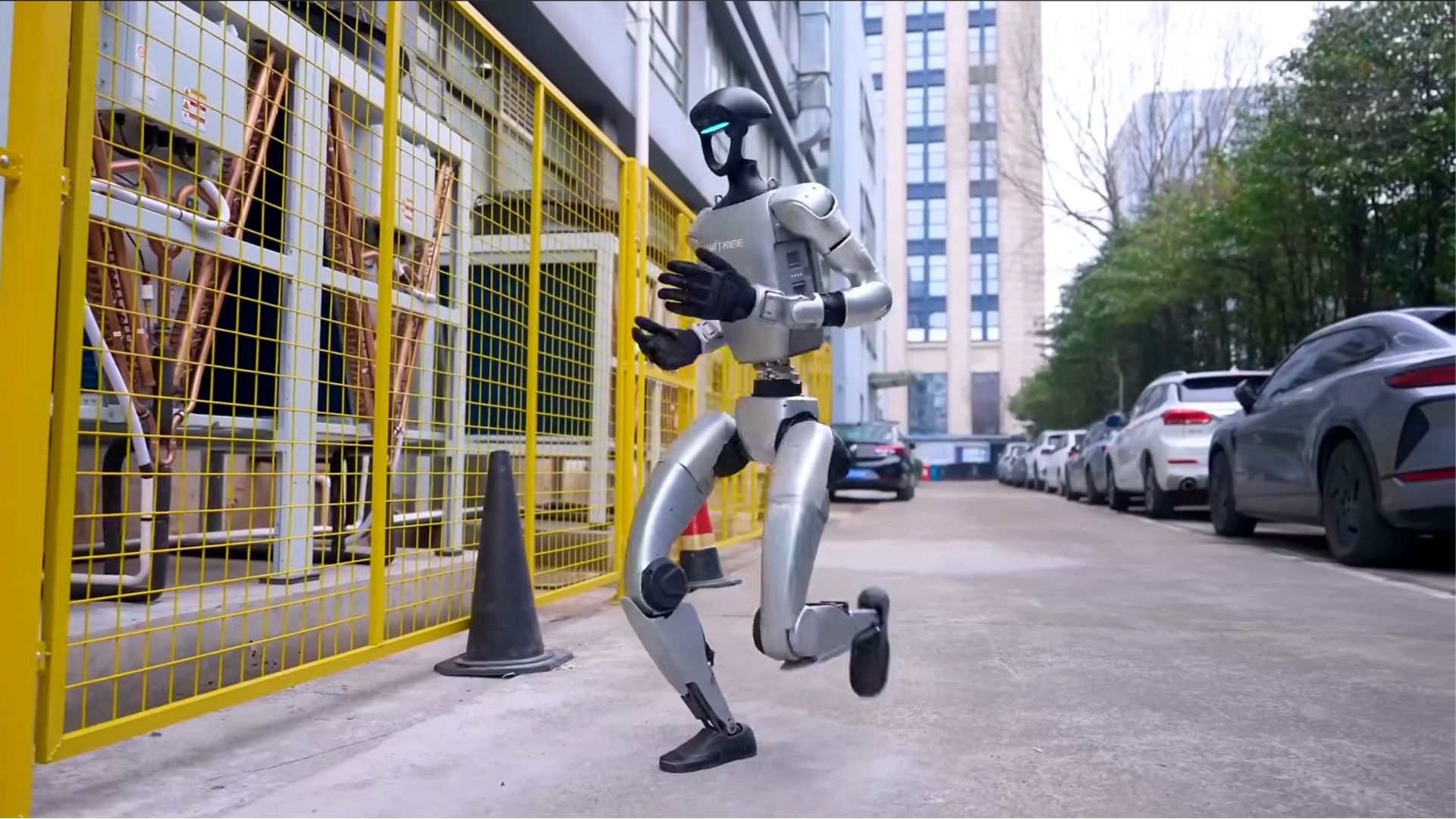
Researchers Develop BeyondMimic Framework for Humanoid Robots to Perform Agile Acrobatics
Researchers have introduced a new framework named BeyondMimic, enabling humanoid robots to execute agile, humanlike movements without the need for separate training for each skill. This system allows robots to perform complex maneuvers such as cartwheels and spin kicks by learning from human motion data, addressing the limitations of current humanoid control systems that often require extensive fine-tuning. The significance of BeyondMimic lies in its ability to teach robots a wide range of skills through a two-stage learning framework. The first stage employs reinforcement learning to track human motions, utilizing a shared reward structure to avoid the need for motion-specific tuning. The second stage introduces a latent diffusion model, allowing the robot to generate and adapt movements based on existing skills, thus overcoming challenges in natural skill transitions. Looking ahead, the BeyondMimic framework demonstrates promising capabilities, such as smoothly transitioning between walking and acrobatics. The potential for integrating waypoint tracking with obstacle avoidance suggests further applications in dynamic environments. No further timeline was disclosed at the time of publication.
AI and Robotics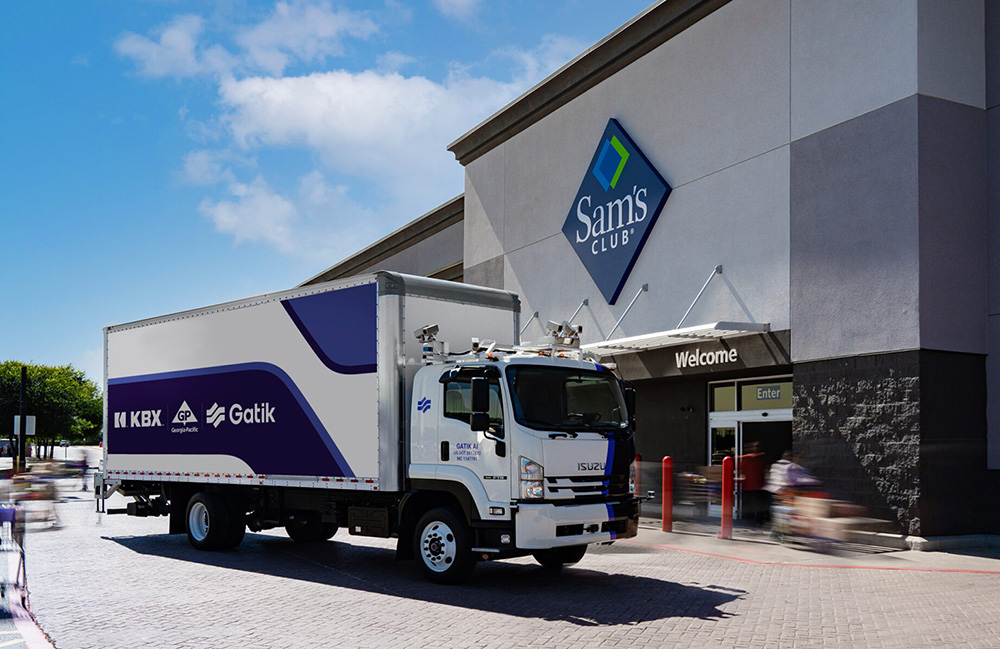
Gatik Secures $200 Million to Expand Autonomous Trucking Operations Nationwide
Gatik AI Inc. announced the successful completion of a $200 million Series D funding round aimed at enhancing its driverless commercial freight services. The investment will facilitate the expansion of Gatik's autonomous trucking operations across Fortune 50 retail and grocery supply chains, utilizing its AI-first vehicle technology designed for highways and surface streets. This funding round, led by prominent financial institutions, underscores Gatik's position as a leader in autonomous freight solutions. With over $600 million in contracted revenue and a track record of 85,000 fully driverless orders, Gatik is poised to scale its operations significantly. The company’s autonomous trucks are already operational across North America, providing reliable transportation solutions for major clients like PepsiCo, Kroger, and Tyson Foods. Looking ahead, Gatik plans to increase its fleet of driverless trucks to meet the growing demand for efficient supply chain solutions. The recent expansion of its partnership with PepsiCo highlights the company's commitment to enhancing regional transportation networks. No further timeline was disclosed at the time of publication.
Automotive Financial Investments Logistics Markets / Industries News
The 9th China Robot Summit Set to Begin in Hangzhou This September, Welcoming Exhibitors
The 9th China Robot Summit is scheduled to take place in Hangzhou this September, inviting exhibitors to showcase their innovations. This event aims to highlight advancements in robotics and intelligent manufacturing, providing a platform for industry leaders to connect and share insights. The significance of the summit lies in its potential to drive collaboration and investment in the robotics sector. As the industry continues to evolve, the summit serves as a critical venue for discussing trends and challenges, particularly in the context of recent funding developments and market dynamics. Looking ahead, attendees can expect to see a diverse range of exhibitors and presentations that will explore the future of robotics and intelligent systems. No further timeline was disclosed at the time of publication.
Robotics Automation AI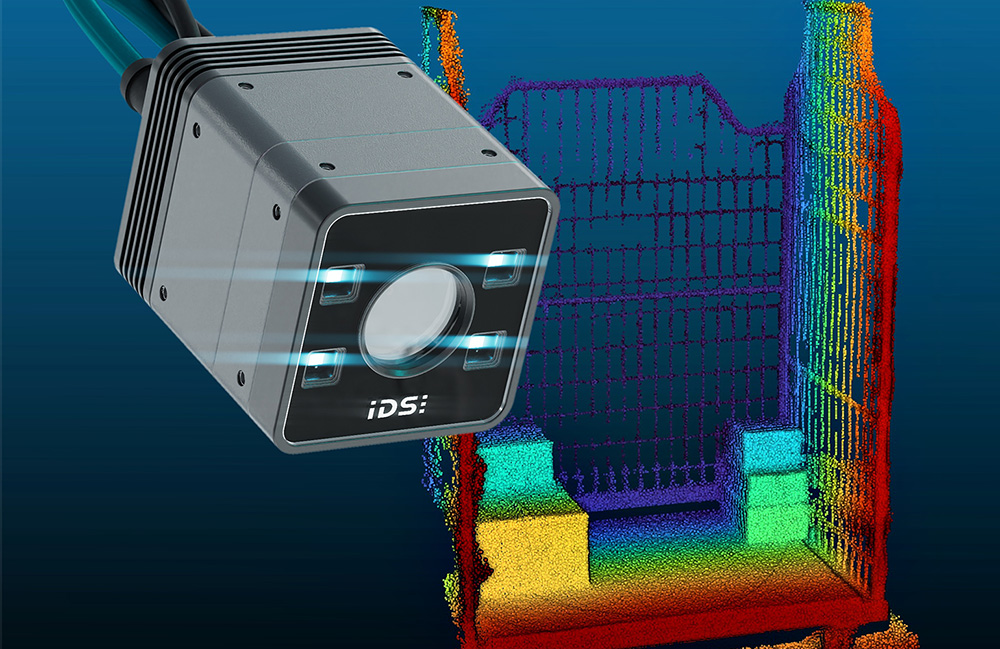
IDS Imaging Expands 3D Camera Line with Nion Time-of-Flight Sensor
IDS Imaging Development Systems GmbH has introduced the Nion, a new industrial time-of-flight (ToF) camera featuring 1.2-megapixel resolution and integrated depth processing. The Nion camera is now in series production and delivers high-resolution, stable depth information at 30 frames per second, even during rapid movements and varying lighting conditions. The introduction of the Nion is significant for industries requiring precise 3D data at real-world speeds, including logistics, automation, and robotics. Patrick Schick, product manager at IDS, emphasized that the Nion provides reliable depth data under variable lighting, which is crucial for automation processes that depend on fast and accurate 3D information. Looking ahead, the Nion's compact design and rugged IP67-rated housing make it suitable for demanding environments, while its Power over Ethernet (PoE) capability simplifies installation. No further timeline was disclosed at the time of publication.
Cameras / Imaging / Vision News Technologies IDS Imaging onsemi
Perceptron Launches Isaac 0.5 to Enhance Visual AI for Industrial Automation
Perceptron, a startup founded by former Meta scientists, has launched Isaac 0.5, a new model designed to enhance machine interaction in industrial environments. This software enables vision-guided robots to navigate complex settings like warehouses and factory floors, extracting visual intelligence from recorded videos. The significance of Isaac 0.5 lies in its general-purpose design, allowing flexibility in various tasks rather than being limited to repetitive functions. Co-founders Armen Aghajanyan and Akshat Shrivastava emphasize that their model addresses the limitations of existing AI solutions, which often require dedicated resources or are too narrow in scope. Looking ahead, Perceptron aims to revolutionize industrial automation with its innovative approach to visual AI. The model has been trained on a million hours of diverse video data, including ego and UMI video, to enhance its operational capabilities. No further timeline was disclosed at the time of publication.
AI Robotics Meta perceptron Startups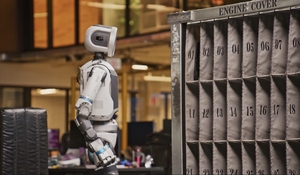
Hyundai's Atlas Robot Deployment Sparks Labor Concerns in Korea, Not in the US
Hyundai Motor Group plans to deploy Atlas humanoid robots at its Georgia plant in 2028, highlighting a significant labor debate between Korea and the US. In Korea, union workers are advocating for job protections amid rising automation concerns, while no organized resistance has emerged in Hyundai's nonunion US factories. The Korean union has raised issues regarding the impact of physical artificial intelligence and robotics during labor negotiations, seeking transparency and safeguards against job losses. Although the union has not outright rejected the technology, a tentative agreement acknowledges the necessity of AI and robotics for Hyundai's competitiveness, emphasizing shared information and joint management of the transition. In contrast, the US lacks a comparable collective response, attributed to the weak presence of organized labor in the South and Hyundai's expanding workforce. Experts question whether the current calm will persist as humanoid robots transition from demonstrations to actual factory operations. No further timeline was disclosed at the time of publication.
All News
Bill Gates Advocates for Robot Tax and Human Reserved Jobs to Address AI Impact
Bill Gates recently shared his thoughts on the social implications of AI in a detailed essay on Gates Notes. He supports the idea of a 'robot tax' to discourage employers from replacing human workers with machines, suggesting that this could help fund retraining programs and enhance the safety net for displaced workers. Additionally, Gates proposed the concept of 'Human Reserved' jobs, where certain roles would be protected from AI encroachment, ensuring that humans remain in positions that require empathy and nuanced understanding. These proposals are significant as they aim to mitigate the labor market disruptions caused by AI advancements. Gates' suggestions reflect a growing concern among industry leaders about the balance between technological progress and its effects on employment. The idea of a robot tax could slow the transition to automation, while Human Reserved jobs would safeguard certain professions from being automated, thus preserving job opportunities for workers in vulnerable sectors. Looking ahead, the implementation of these ideas could reshape the regulatory landscape surrounding AI and automation. However, many questions remain regarding the specifics of how such policies would be enforced and who would be responsible for establishing these guidelines. No further timeline was disclosed at the time of publication.
AI Bill Gates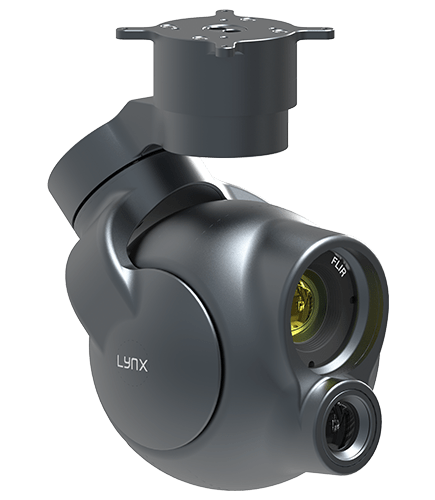
Gremsy USA Unveils Blue UAS-Cleared Payloads Amid Drone Supply Chain Changes
Gremsy USA has launched three drone payloads compliant with NDAA and Blue UAS standards for the U.S. market. This introduction responds to increasing federal pressure on drone manufacturers to establish domestic and reliable supply chains. The new products include the VIO F1, ORUS L NDAA, and LYNX NDAA, with pre-orders now being accepted. This development is significant as it aligns with the broader shift in U.S. drone policy, particularly following the Federal Communications Commission's December 2025 decision to include foreign-produced UAS and critical components on its Covered List. The White House has also emphasized the importance of domestic production, citing national security concerns regarding reliance on foreign drone components. Gremsy USA's strategy aims to meet these stringent sourcing requirements while leveraging its established international expertise. Looking ahead, Gremsy USA's U.S. operations focus on engineering and manufacturing compliant payloads domestically, integrating its gimbal technology with NDAA-compliant thermal imaging from Teledyne FLIR OEM. The VIO F1 is designed for industrial inspections and situational awareness, while the ORUS L NDAA targets long-range operations for surveillance and reconnaissance. No further timeline was disclosed at the time of publication.
defense Drone News Drone News Feeds NDAA Compliant News Products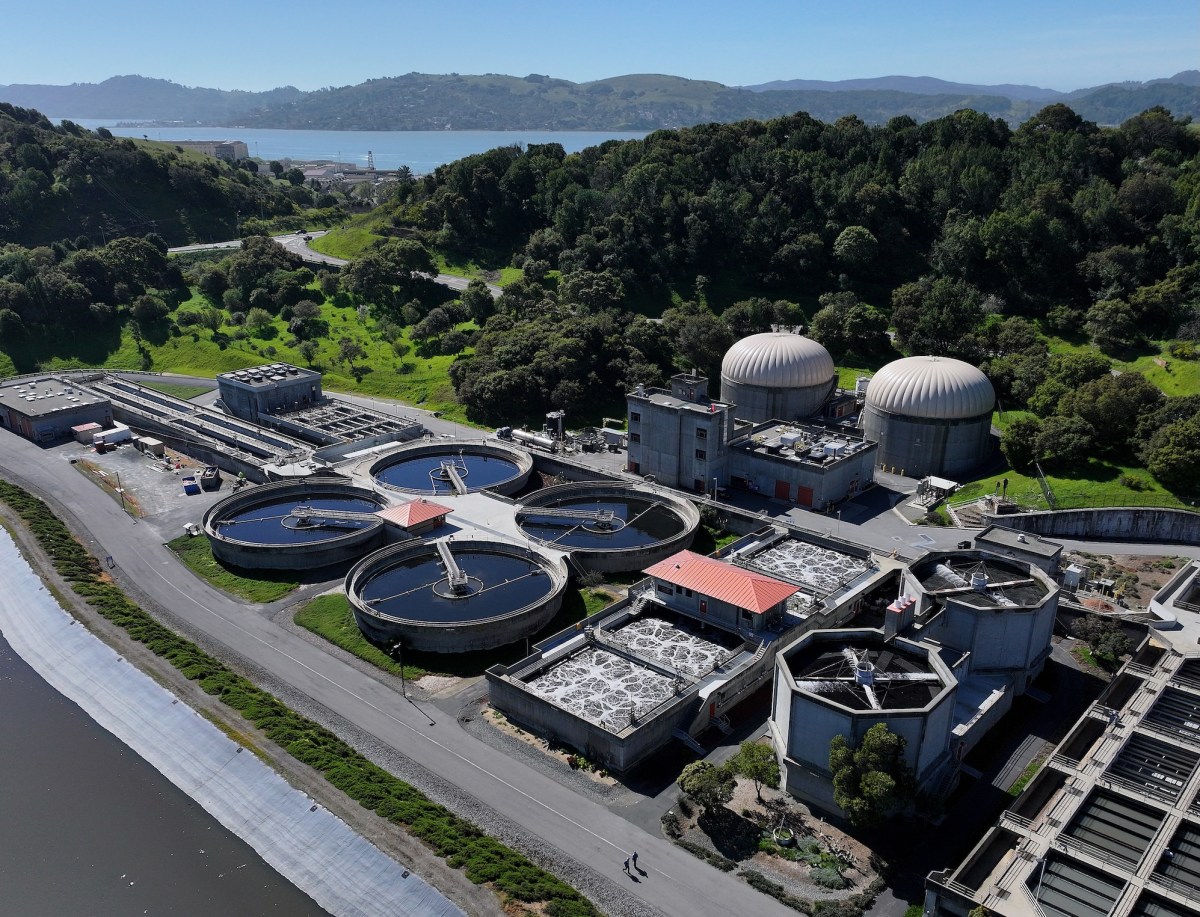
CISA Reports Cyberattacks Targeting Over 100 US Water Systems in July
The U.S. Cybersecurity and Infrastructure Security Agency (CISA) has confirmed that cyberattacks have targeted over 100 internet-exposed systems in the U.S. water and wastewater sector. This alarming trend highlights the scale of ongoing cyber threats against water providers in states such as Michigan and Minnesota, among others. These attacks primarily focus on programmable logic controllers (PLCs) that manage critical infrastructure, including water systems. CISA's advisory indicates that hackers have exploited vulnerabilities in PLCs from manufacturers like Rockwell, Schneider Electric, and Siemens, utilizing AI tools to develop targeted attack scripts. While the intrusions have not significantly disrupted water supplies, they have caused outages and raised safety concerns due to potential modifications of PLC shutdown processes. Looking ahead, the situation underscores the urgent need for enhanced cybersecurity measures across critical infrastructure. U.S. intelligence suggests that Iran may be behind these opportunistic attacks, raising broader concerns about the resilience of American infrastructure against foreign cyber threats. No further timeline was disclosed at the time of publication.
Security CISA critical infrastructure cybersecurity iran Water
Dreame Cancels Electric Hypercar Project After Brief Automotive Ambitions
Dreame, a Chinese company known for robot vacuums, has canceled its electric hypercar program, including the rocket-assisted version unveiled earlier this year. This decision marks a significant shift from the company's initial plans for a 1,876-horsepower electric supercar and a luxury SUV, which were first announced in 2025. The cancellation highlights the challenges faced by companies outside the traditional automotive sector when attempting to enter the electric vehicle market. Dreame's ambitious plans, including a hypercar capable of accelerating from 0 to 62 mph in just 1.8 seconds, faced practical hurdles that ultimately led to the project's termination. Reports indicate that the automotive division, known as the Star Project, expanded rapidly but was followed by layoffs as the project was wound down. Looking ahead, Dreame has stated that technologies developed during the automotive project may be integrated into its existing smart home and mobility products. The cancellation serves as a reminder of the complexities involved in transitioning from concept to mass production in the EV industry, where many companies have struggled despite initial enthusiasm.
Transportation