-
Website: https://www.stiwa.com/manufacturing
-
Email: [email protected]
-
Phone: +43 7674 603-0
STIWA Group engineers automation systems including assembly, testing, feeding, and logistics solutions with modular designs, high-precision handling, and integrated quality control for automotive and electronics production.
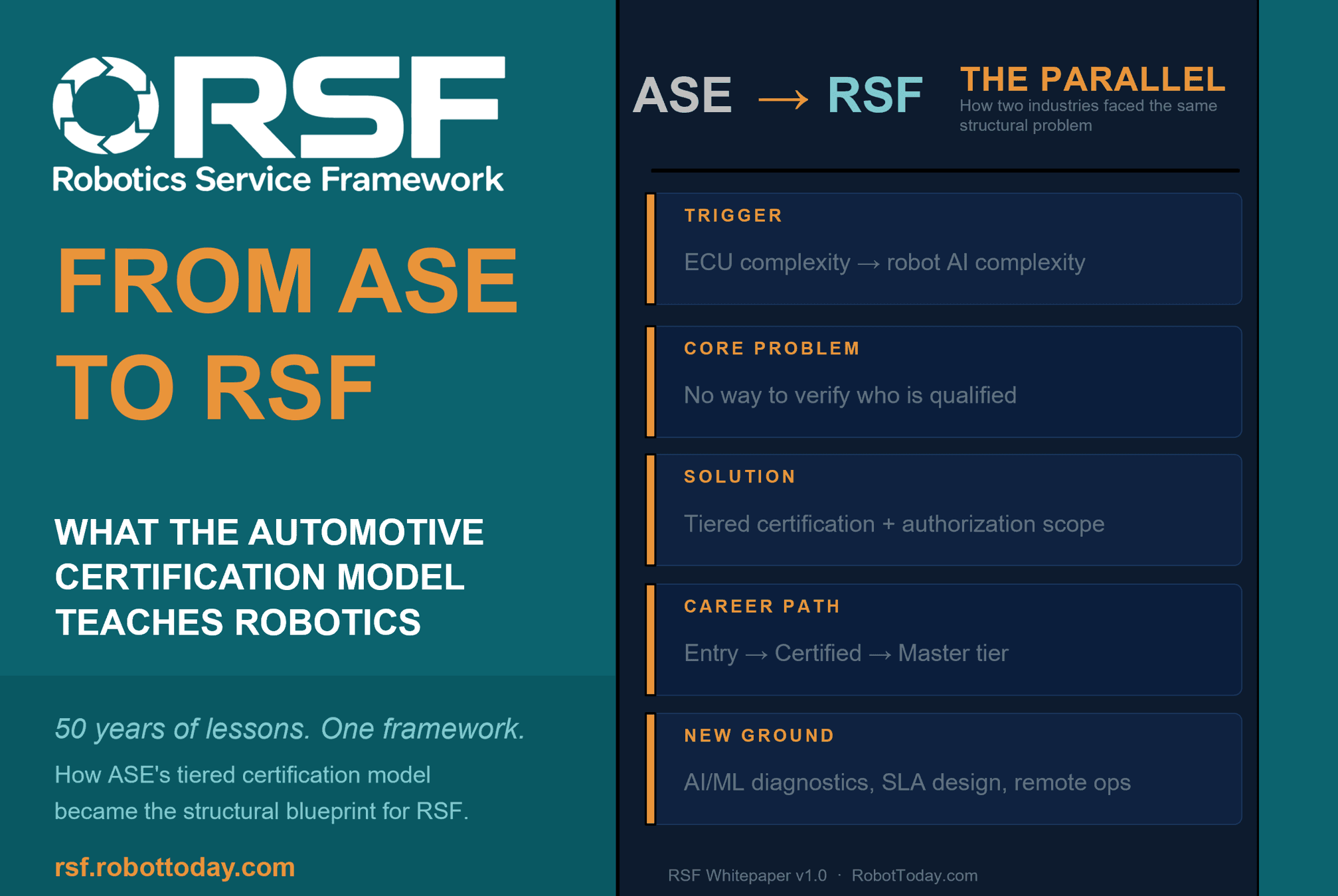
RSF defines a common language for robot service capability, lifecycle operations, certification pathways, and service-provider networks.
LG Energy has been confirmed to supply batteries for Google's largest solar and energy storage project, marking a significant expansion in energy infrastructure related to the rising power demands of AI data centers. This project, known as the Steel River Energy Center, is a collaboration between Google and Cypress Creek Energy in Arkansas. The initial phase of the project will feature 1.6 gigawatts (GW) of solar power generation capacity and approximately 2 gigawatt-hours (GWh) of battery storage, with plans to expand to 2.5 GW of solar and 2.9 GWh of storage by 2029. LG Energy is expected to provide its JF2 DC Link system, utilizing lithium iron phosphate battery technology, with the order valued at several hundred billion Korean won. As the demand for renewable energy solutions grows, this partnership highlights the increasing importance of energy storage systems in supporting sustainable infrastructure. No further timeline was disclosed at the time of publication.
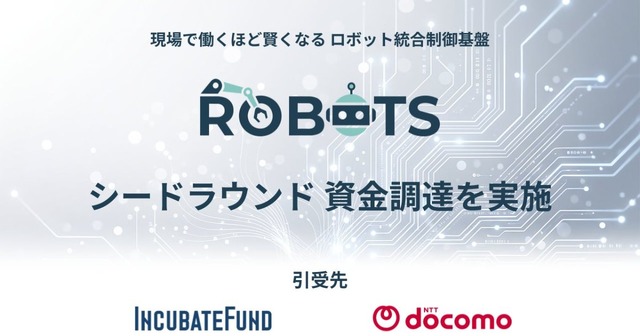
36kr.com 52 minutes agoROBOTS has announced the completion of a seed funding round through third-party allocation from Incubate Fund and NTT Docomo. The startup focuses on developing an integrated control platform for robots that become smarter through on-site operations. The funding will accelerate research and development of this platform and physical AI, particularly for implementation in the security sector. The significance of this development lies in addressing the severe labor shortages in the security industry, where high turnover rates and an aging workforce pose challenges. By integrating various robots and sensors into a cohesive system, ROBOTS aims to enhance operational efficiency and reduce the burden on security personnel. This approach allows for a flexible response to diverse on-site tasks, which is crucial given the unique demands of different environments. Looking ahead, ROBOTS plans to leverage insights gained from security applications to expand into other sectors such as equipment inspection and construction. CEO Koki Kawauchi emphasized the importance of robotics in addressing real-world challenges, aiming for a future where diverse robots work alongside humans seamlessly.
RobotStart.info 3 hours agoHangzhou New Sword Electromechanical Transmission Co., Ltd. has submitted its IPO application to the Shenzhen Stock Exchange, aiming to raise 2.822 billion yuan by issuing up to 27.99 million shares. Established in 1999, the Zhejiang-based company is recognized as one of the three major players in Tesla's humanoid robot supply chain, primarily supplying planetary roller screws for the Tesla Optimus robot. The significance of this IPO lies in New Sword's projected revenue growth, which is expected to rise from 263 million yuan in 2023 to 383 million yuan by 2025. The company anticipates a dramatic increase in revenue from the embodied intelligent robotics sector, with projections of 31.11 million yuan by 2025, marking a 346% year-on-year growth. The funds raised will primarily support the industrialization project for producing 1 million humanoid robots and automotive planetary roller screws, with a total planned investment of 2.6 billion yuan. Looking ahead, New Sword's business model is shifting as it evolves from a single screw supplier to a comprehensive assembly supplier, including sensors and motors, for Tesla. The company aims to capitalize on the anticipated demand for Tesla's Optimus robots, with CEO Elon Musk indicating a target of 1 million units annually by the end of 2026. However, the timeline for mass production has faced multiple adjustments since the project's announcement in 2021, leaving uncertainty in the market.
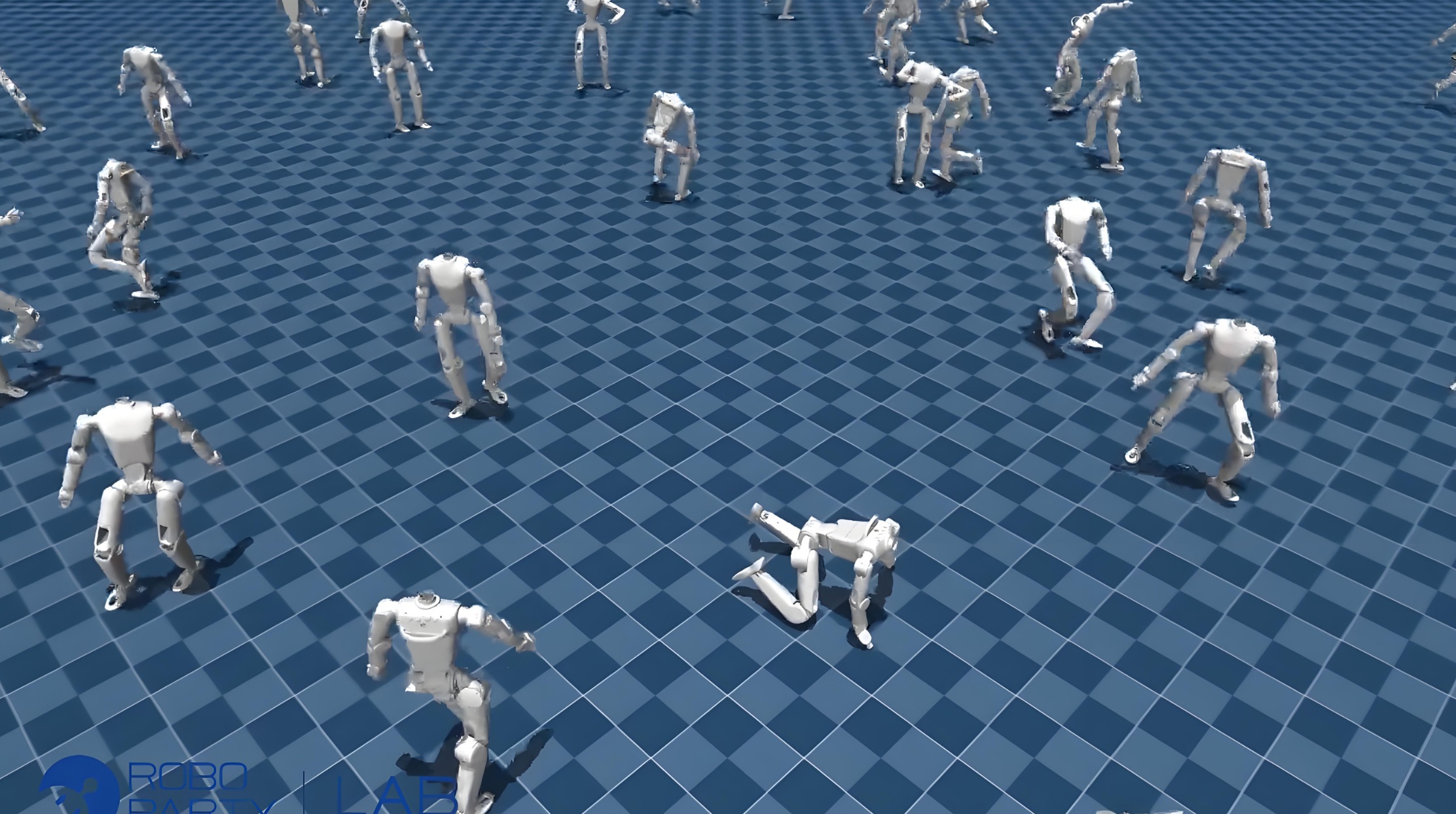
leaderobot.com 3 hours ago Humanoid Robots IPO Supply Chain Electromechanical ComponentsIn the past two years, the humanoid robot industry has seen numerous impressive demonstrations, but a shift is emerging in the second half of 2026. Companies are now focusing on developing training frameworks, development platforms, data tools, open-source models, and various R&D infrastructures. The competition is evolving from showcasing superior robots to enabling more developers to create robots faster. Recently, RoboParty established RoboParty Lab (RPLab) and introduced Party OS, an open-source embodied intelligence R&D foundation for next-generation humanoid robots. Alongside this, they released three R&D infrastructures: MimicLite, UFO, and hhtools. This move signifies a transition from merely demonstrating capabilities to building a robust R&D ecosystem that fosters collaboration and scalability within the developer community. As humanoid robots move from laboratories to practical applications in factories, warehouses, and homes, the industry is shifting its focus toward creating a reproducible, collaborative, and scalable R&D system. The emphasis is now on sustaining and accelerating development capabilities, marking a significant change in industry dynamics over the past year.
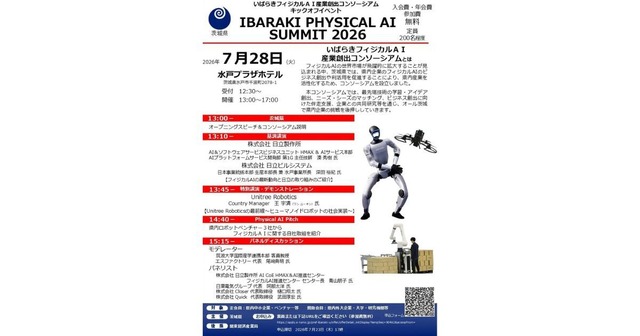
leaderobot.com 3 hours ago Humanoid Robots R&D Infrastructure Open Source Embodied AI Robot Development ToolsIbaraki Prefecture has established the 'Ibaraki Physical AI Industry Creation Consortium' to promote business development and utilization of physical AI by local companies. The kickoff event, 'IBARAKI PHYSICAL AI SUMMIT 2026', is scheduled for July 28, 2026, at the Mito Plaza Hotel in Mito City, Ibaraki Prefecture. This initiative is significant as physical AI, which integrates AI into physical devices like robots and autonomous vehicles, is expected to see substantial market growth globally. The consortium aims to create an environment that facilitates local companies in adopting physical AI technologies, aligning with current industry trends. The kickoff event will feature participation from related companies such as Hitachi and Unitree Robotics, along with robot demonstrations. A seminar discussing the evolution of RoboCup in the context of humanoid robots and physical AI will also take place, highlighting the challenges and advancements in the field as it prepares for the RoboCup 2026 World Championship in South Korea.
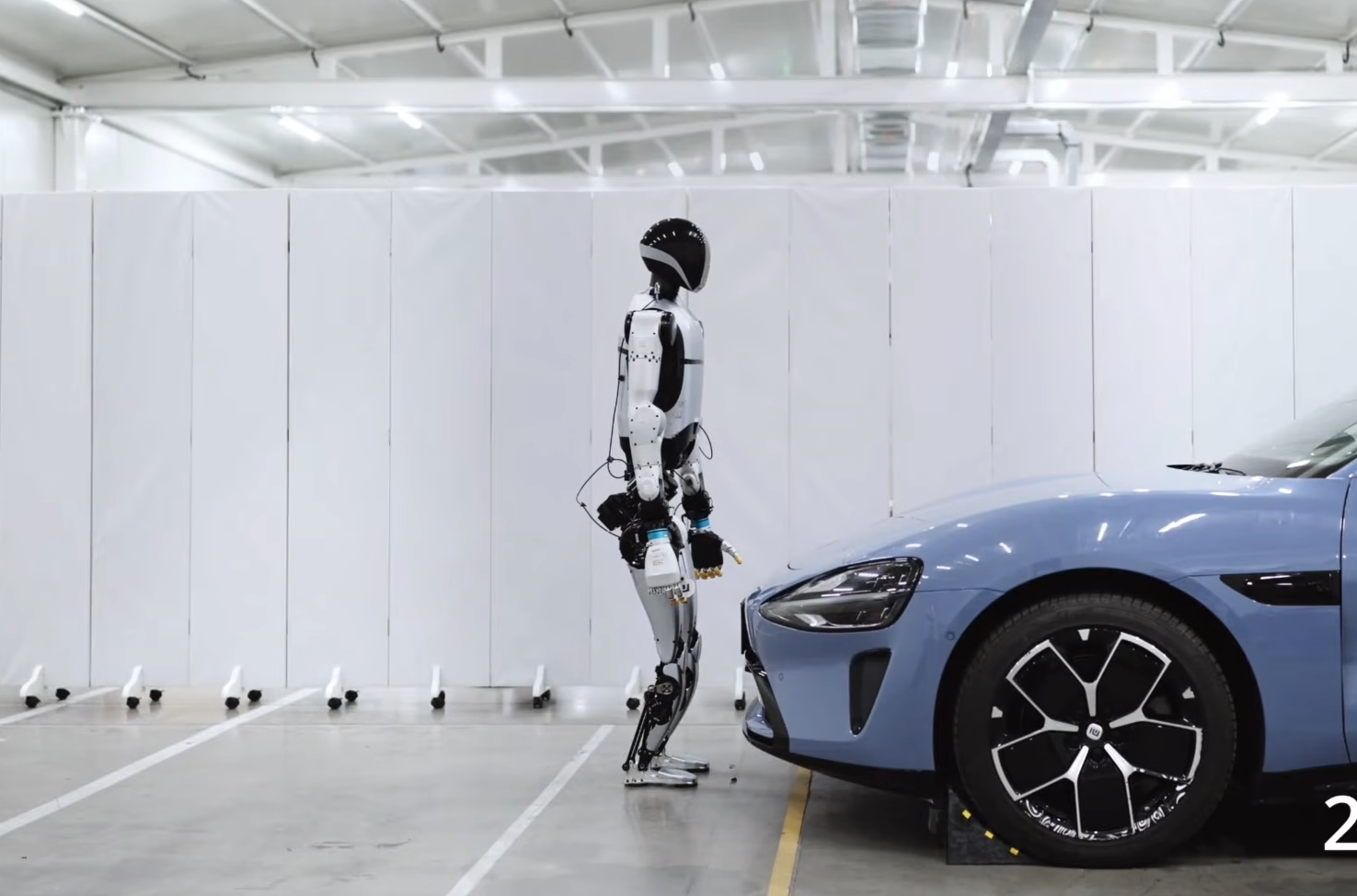
RobotStart.info 3 hours agoXiaomi has made significant advancements in deploying its humanoid robot on automotive production lines, achieving a 98% success rate at a self-tapping nut loading station. This improvement narrows the gap to human workers' qualification rates to just one percentage point, showcasing the robot's enhanced capabilities after four months of development. The importance of this development lies in Xiaomi's ability to expand the robot's role in manufacturing, as it has successfully taken on additional tasks such as center console side panel sorting and parts bin folding and recycling, both achieving a 90% success rate. This marks a significant milestone in the robot's operational capabilities, particularly in handling flexible workpieces, which are typically more challenging than rigid components. Looking ahead, Xiaomi's continued focus on refining its humanoid robot's perception and manipulation skills will be crucial for further integration into automotive assembly operations. No further timeline was disclosed at the time of publication.
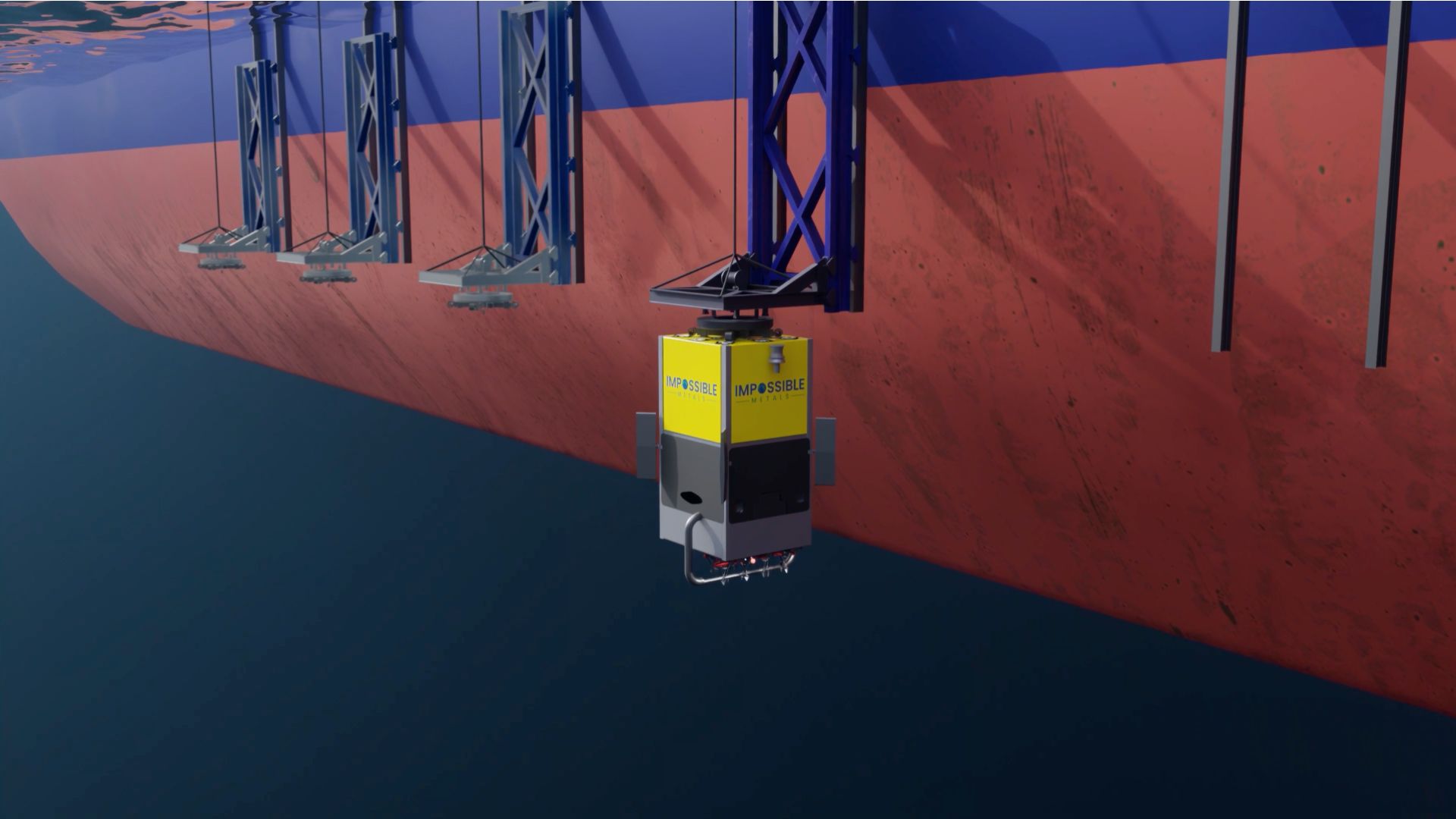
InterestingEngineering.com 3 hours ago AI and RoboticsImpossible Metals, a US mining technology company, has announced plans to establish an Advanced Marine Robotics Hub in Pittsburgh, Pennsylvania. This facility will focus on developing autonomous marine systems for the deep-sea collection of critical minerals, creating over a dozen high-paying engineering and science jobs. The hub aims to enhance US capabilities in marine robotics and critical mineral technologies through collaboration with local universities and researchers. The significance of this initiative lies in its potential to redefine deep-sea mining practices. According to Mike Regan, Chief Growth Officer at Impossible Metals, the hub will enable swarms of autonomous robots to harvest critical minerals like nickel, cobalt, copper, and manganese with minimal environmental impact. This approach not only promises to produce the lowest-cost critical metals on Earth but also aims to strengthen the US supply chain and reduce reliance on foreign sources of essential materials. Looking ahead, the Advanced Marine Robotics Hub will serve as the primary research center for advancing the Eureka autonomous underwater platform and Smart Launch and Recovery Systems. The company plans to continue developing dual-use technologies that cater to both commercial and naval applications. No further timeline was disclosed at the time of publication.
InterestingEngineering.com 6 hours ago AI and RoboticsRe:Build Manufacturing has initiated direct commercial sales of its new lithium-ion battery packs designed for unmanned aerial vehicles (UAVs). This product line includes the Core, Power, and Performance series, which cater to various energy configuration needs. The launch is part of a broader manufacturing expansion at the company's Pennsylvania facility, aimed at producing Group 1, Group 2, and Group 3 unmanned aircraft systems (UAS). The introduction of these battery packs is significant as it addresses supply chain vulnerabilities in domestic aerospace hardware. UAV developers, particularly in dual-use, public safety, and military sectors, face stringent procurement regulations regarding component origins. Re:Build's assembly protocol utilizes non-FEOC battery cells to ensure compliance with National Defense Authorization Act (NDAA) procurement frameworks, thus enhancing the reliability of UAV operations. Looking ahead, Re:Build Manufacturing is set to provide dedicated engineering support for custom energy storage solutions, including Battery Management System (BMS) development. The company's advanced manufacturing facility in New Kensington, spanning 175,000 square feet, is designed to facilitate the transition from UAV prototyping to mass production, addressing common scaling challenges in the industry. No further timeline was disclosed at the time of publication.
InterestingEngineering.com 6 hours ago MilitaryTesseract Ventures, a Kansas City-based robotics and drone company, has been chosen by the Defense Innovation Unit (DIU) to participate in a prototype program aimed at enhancing the U.S. military's use of autonomous drones. This initiative, known as the Containerized Autonomous Drone Delivery System (CADDS), focuses on deploying unmanned aerial systems in challenging environments with limited infrastructure. The CADDS project represents a significant advancement for Tesseract Ventures, as it seeks to transition from single-operator drone control to a system where one individual can manage multiple drones simultaneously. This approach aims to improve operational efficiency and reduce the personnel required for drone missions, aligning with the Pentagon's goal of utilizing unmanned systems more extensively in military operations. Looking ahead, Tesseract Ventures will demonstrate its NOMAD modular autonomous platform as part of the prototype project. This platform is designed to facilitate the deployment, launch, recovery, and management of multiple drones from transportable containers. No further timeline was disclosed at the time of publication.
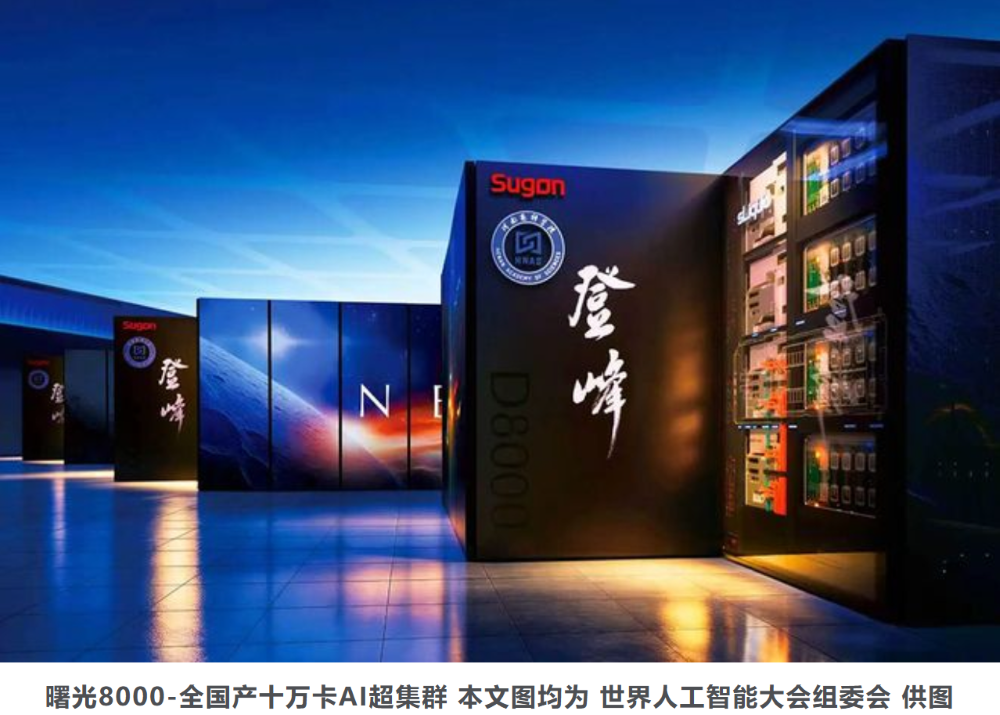
InterestingEngineering.com 6 hours ago MilitaryThe World Artificial Intelligence Conference (WAIC) 2026, held from July 17 to 20 in Shanghai, showcased groundbreaking advancements in AI and robotics. With over 1,100 exhibitors and more than 3,000 products, the event highlighted ten key innovations, including the Shuguang 8000 AI supercomputer cluster and Ant Group's robotic pharmacy that completes a full workflow in just 90 seconds. These innovations are significant as they represent a leap in computational power and collaborative robotics, pushing the boundaries of what is possible in AI applications. The Shuguang 8000, a domestically produced AI supercomputer, supports a range of applications from scientific computing to AI inference, while the robotic pharmacy exemplifies the efficiency of integrating multiple robotic configurations. Looking ahead, the advancements presented at WAIC 2026 indicate a transformative decade for AI, robotics, and their impact on various sectors. The event's focus on high-performance computing and intelligent robotics sets the stage for future developments that could redefine work and daily life. No further timeline was disclosed at the time of publication.
leaderobot.com 6 hours ago Supercomputing Robotics AI Technology Smart Pharmacy Biotechnology
Leave a comment