


Slip Robotics
"Load and unload any truck in 5 minutes"
Atlanta-based RaaS company offering autonomous truck loading/unloading robots (SlipBot, SlipLift) that complete dock operations in 5 minutes with no IT changes.
Contact Slip Robotics
WEBSITE
https://www.sliprobotics.com/PHONE
+1 404-446-2648HEADQUARTERS
United States

Company Facts
Founded
2020
Primary Role
Manufacturer
Company Size
-
Primary Region
North America
Annual Sales
-
Funding Stage
-
Funding Total
-

Astribot T1 Showcased at IROS 2026 with Diverse Applications in Logistics and Service
On October 3, 2026, Astribot showcased its humanoid robot, Astribot T1, at IROS 2026 in Pittsburgh, USA, releasing a video summarizing its applications. The video highlights three key use cases: Efficient Training, Rapid Deployment, and Long-Horizon Execution. These applications demonstrate the robot's capabilities in logistics sorting, where it can collect necessary data in just 10 hours, and in service tasks like autonomously serving popcorn while engaging in voice interaction. The robot's base model, Lumo-2, is designed for high-speed ball catching, showcasing its advanced World Action Model for accurate predictions. The T1 is priced starting at $18,000, and the company emphasizes its vision of "AI That Grows by Doing." No further timeline was disclosed at the time of publication.
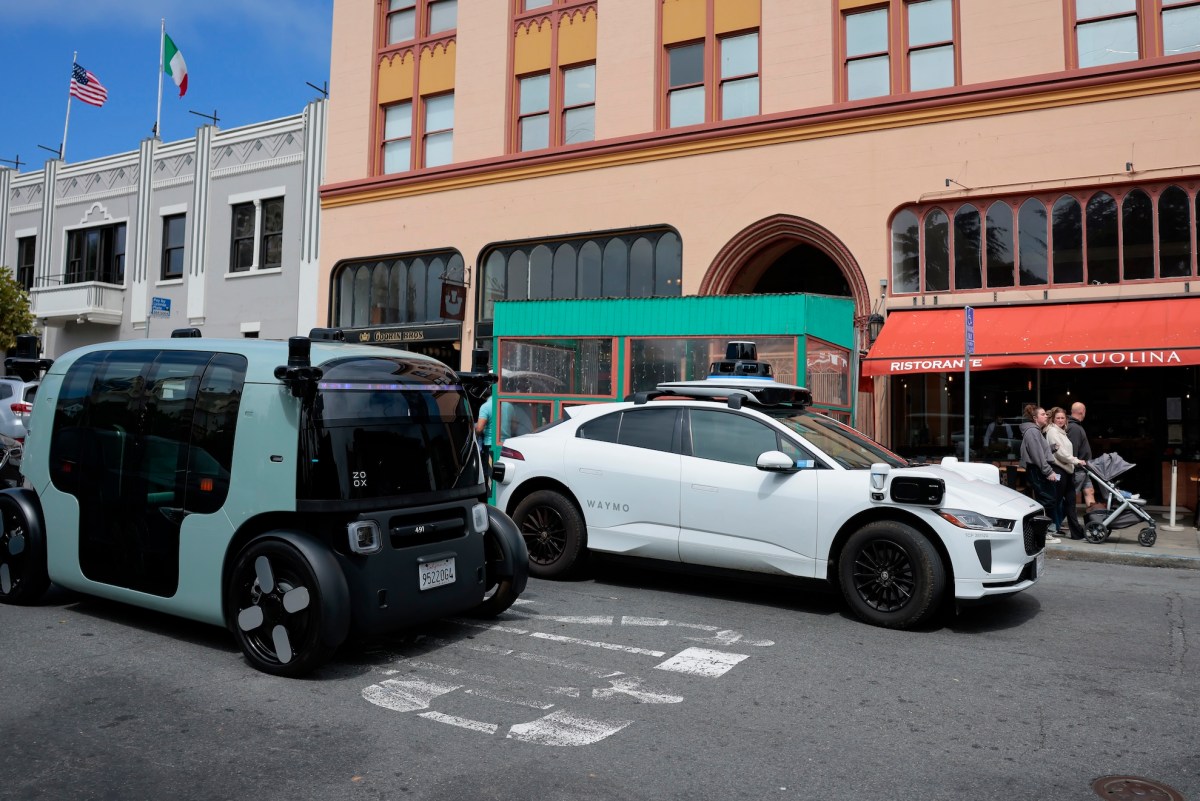
California Enacts New Regulations for Robotaxis to Enhance Emergency Response
California has introduced Senate Bill 1246, signed by Governor Gavin Newsom, to regulate autonomous vehicles, particularly robotaxis, to improve safety and emergency response. The law aims to address issues such as robotaxis obstructing traffic and interfering with first responders, which have been reported in various incidents across the state. This legislation is significant as it establishes accountability measures for autonomous vehicle companies like Waymo, Tesla, and Zoox, requiring them to provide local support during emergencies and face penalties for prolonged obstructions. The law also mandates that remote drivers must be U.S.-based and licensed, ensuring better oversight of robotaxi operations. As the law is set to take effect in July 2028, it remains to be seen if it will effectively mitigate disruptions caused by robotaxis. The potential for other states to adopt similar regulations or await federal guidance is also a key point to monitor in the evolving landscape of autonomous vehicle legislation.
Startups Transportation Tesla zoox Waymo robotaxis
UC3M and UPNA Develop Advanced Soft Robotic Gripper for Object Manipulation
Professors at Universidad Carlos III de Madrid (UC3M) and Universidad Pública de Navarra (UPNA) have created a soft robotic gripper that can pick up, hold, and manipulate objects. This innovative gripper is designed to reposition items securely between its fingers without losing grip. The development of this soft robotic gripper is significant as it enhances the dexterity and functionality of robotic systems, making them more versatile in handling various objects. This advancement could lead to improved applications in fields such as logistics, manufacturing, and healthcare, where precise manipulation is essential. Looking ahead, the implications of this technology could reshape how robots interact with their environment. No further timeline was disclosed at the time of publication.
Robotics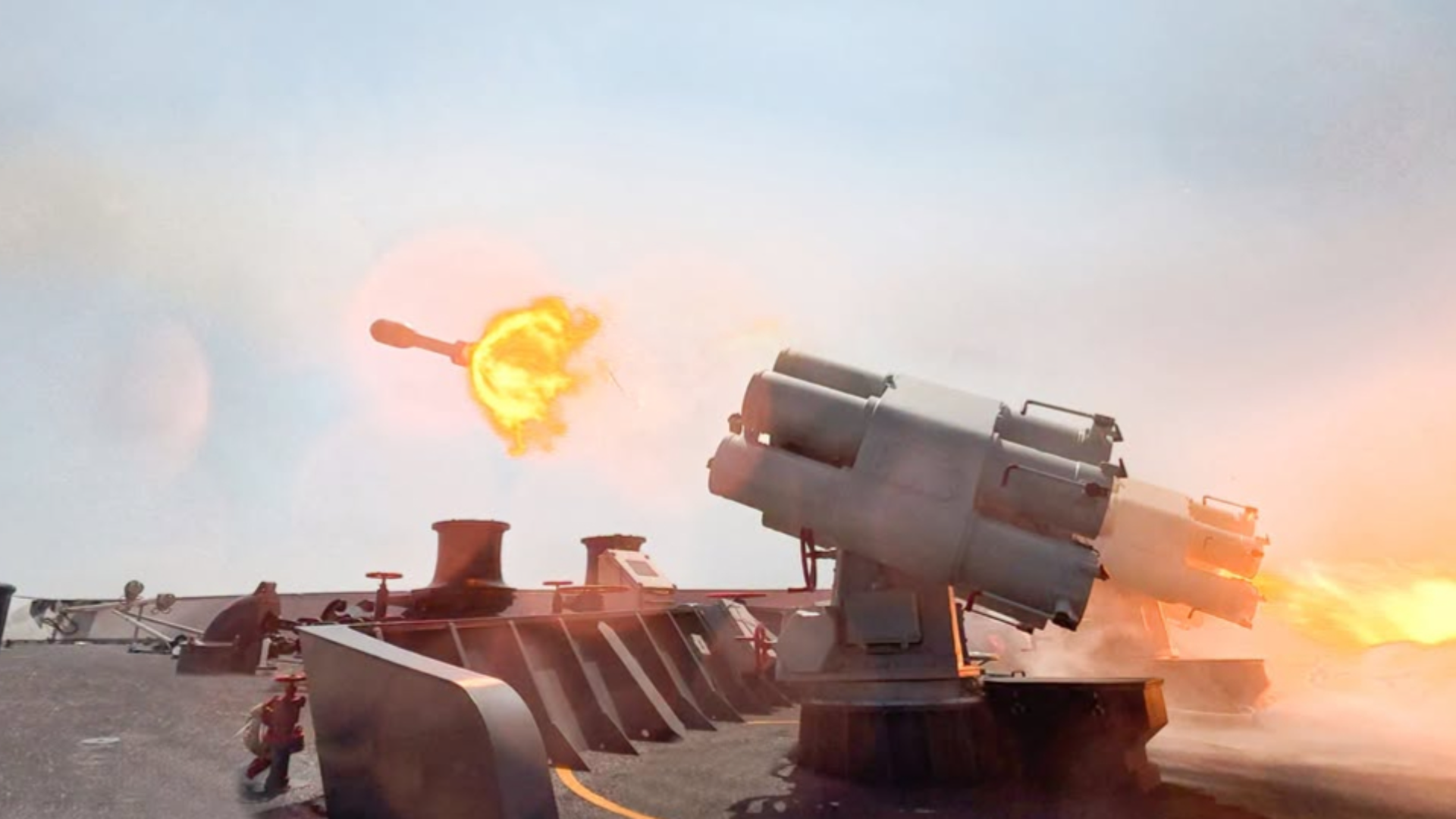
China and Russia Conduct Large-Scale Military Exercise Incorporating Drones and Unmanned Systems
China has deployed troops alongside Russian forces for the Centre-2026 military exercise, which involved over 47,000 personnel in Chelyabinsk, Russia. This exercise aims to enhance battlefield coordination and test the integration of unmanned systems and precision weapons, reflecting lessons learned from the Ukraine conflict. The significance of this exercise lies in its demonstration of the growing role of drones and electronic warfare in modern military operations. The People's Liberation Army (PLA) had the opportunity to train with Russian forces, gaining insights into large-scale operations and logistical challenges in unfamiliar environments. Looking ahead, the Centre-2026 exercise marks a continuation of military collaboration between China and Russia, with both nations focusing on improving interoperability and joint operational capabilities. No further timeline was disclosed at the time of publication.
Military
U.S. Coast Guard and FBI Investigate Cyber Breach of VL Prosperity Oil Tanker
In late August, a collaborative effort by the U.S. Coast Guard and FBI led to the boarding of the VL Prosperity oil tanker. This action was prompted by indications that the vessel's network had been compromised by hackers, raising significant security concerns. The breach of the VL Prosperity's propulsion system is alarming as it highlights vulnerabilities in maritime cybersecurity. The incident underscores the importance of safeguarding critical infrastructure against cyber threats, especially in the oil transportation sector. Moving forward, stakeholders in maritime security should closely monitor developments related to this incident. The response from authorities may lead to enhanced cybersecurity measures and protocols to prevent similar breaches in the future. No further timeline was disclosed at the time of publication.

US Navy Considers MQ-9B SeaGuardian Drone as Maritime Patrol Force Enhancer
The US Navy is evaluating the MQ-9B SeaGuardian drone as a potential force multiplier for maritime patrol operations. This drone, capable of taking off and landing on water, features an open architecture that allows for the integration of new sensors and effectors, enhancing its operational flexibility. The significance of the MQ-9B SeaGuardian lies in its advanced capabilities, which could greatly improve the Navy's surveillance and reconnaissance missions. With its delivery scheduled for 2030, the drone is expected to play a crucial role in future maritime operations, aligning with the Navy's strategic objectives. As the Navy continues to assess the MQ-9B SeaGuardian, stakeholders should monitor developments regarding its integration into existing maritime patrol frameworks. The drone's unique features and potential applications could reshape naval operations and enhance overall mission effectiveness.
Military
Frontline Robotics Introduces Frodo, a 6×6 UGV with 93-Mile Range and 25 MPH Speed
Frontline Robotics has unveiled Frodo, a new 6×6 unmanned ground vehicle (UGV) featuring an impressive range of 93 miles and a top speed of 25 mph. This innovative vehicle is designed to enhance operational capabilities in various environments, making it a significant addition to military technology. The introduction of Frodo is crucial as it represents advancements in unmanned vehicle technology, which are increasingly important for modern military operations. The UGV's capabilities could provide strategic advantages in reconnaissance and logistics, addressing the evolving needs of defense strategies. Looking ahead, the military sector will be keen to monitor the deployment and performance of Frodo in real-world scenarios. The effectiveness of this UGV in operational settings will likely influence future developments in unmanned systems and military technology. No further timeline was disclosed at the time of publication.
Military
Global Backlash Against Data Centers Grows Amid AI Boom and Local Resistance
Public opposition to data centers is escalating beyond the U.S., impacting investments in Europe and Asia. Concerns over electricity, water, and land use are leading to project delays and stricter regulations, with approximately $42 billion in European investments affected. The tension between the AI industry's growth and local community resistance is becoming increasingly pronounced, as seen in South Korea where residents are protesting against nearby data center constructions. The situation is critical as Europe faces heightened scrutiny due to its dense population and rising electricity costs. Over 70 data center projects in Europe were either rejected or restricted in early 2023, indicating a significant shift in public sentiment. Experts warn that this backlash could hinder the AI sector's ambitions, with Scotland pausing new approvals and Denmark implementing emergency laws to manage power applications for data centers. Looking ahead, the ongoing resistance in Asia, particularly in South Korea, highlights the challenges of balancing technological advancement with community concerns. As local governments introduce stricter regulations and residents continue to protest, the future of data center development remains uncertain. No further timeline was disclosed at the time of publication.

Recent Developments in South Korea's Physical AI Sector Highlight Key Innovations
This week, South Korea's physical AI sector saw significant advancements, including a collaboration between Semifive and Mobilint on outdoor robotics AI chips. Aidin Robotics joined a Doosan-led cobot initiative, while Hanwha Ocean and Korea Expressway Corp. signed agreements for shipbuilding robots and highway automation. These developments are crucial as they reflect South Korea's commitment to enhancing automation in various industries. The $7.2 million multi-agent autonomous-manufacturing project led by SKPack and the successful KOSDAQ IPO of Brills, which raised approximately $17 million, further underscore the growing investment in physical AI technologies. Looking ahead, stakeholders should monitor the progress of these projects, particularly the ongoing work on AI chips and the integration of robotics in manufacturing and infrastructure. No further timeline was disclosed at the time of publication.
AI Funding & Investment Humanoids Physical AI AI Aidin Robotics Brills
China’s Dexterous Hand Industry, 2026 Part 2 — The Technology
Linkage, tendon, direct drive or hybrid — and why hardware is converging while the DL1–DL5 manipulation scale decides who wins. Part 2 of 3.
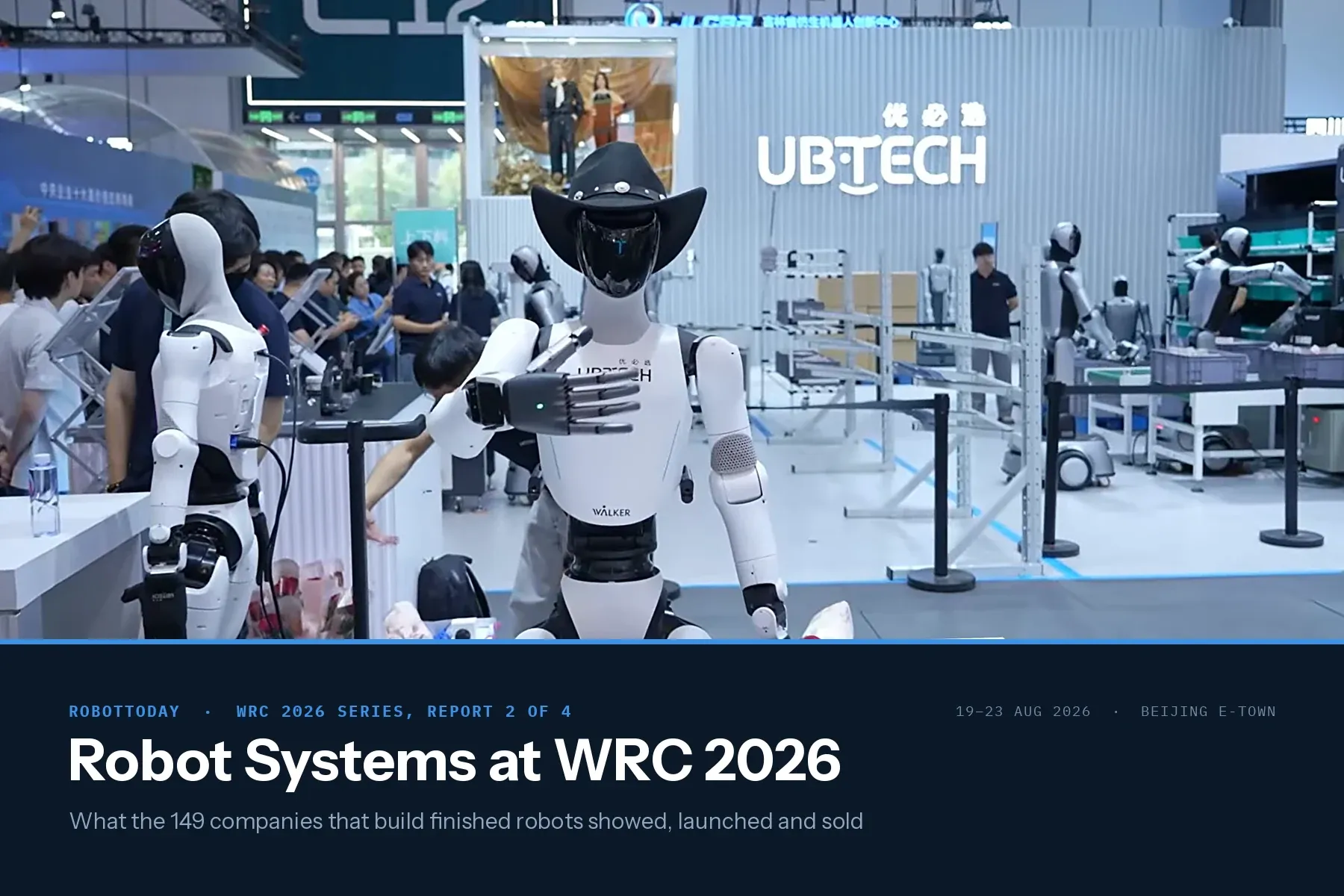
WRC 2026 Robot Systems: 149 Companies That Build Robots
149 of the 248 classified WRC 2026 exhibitors build finished robots. 93 build humanoid or legged machines. The audited humanoid sales number is one unit.
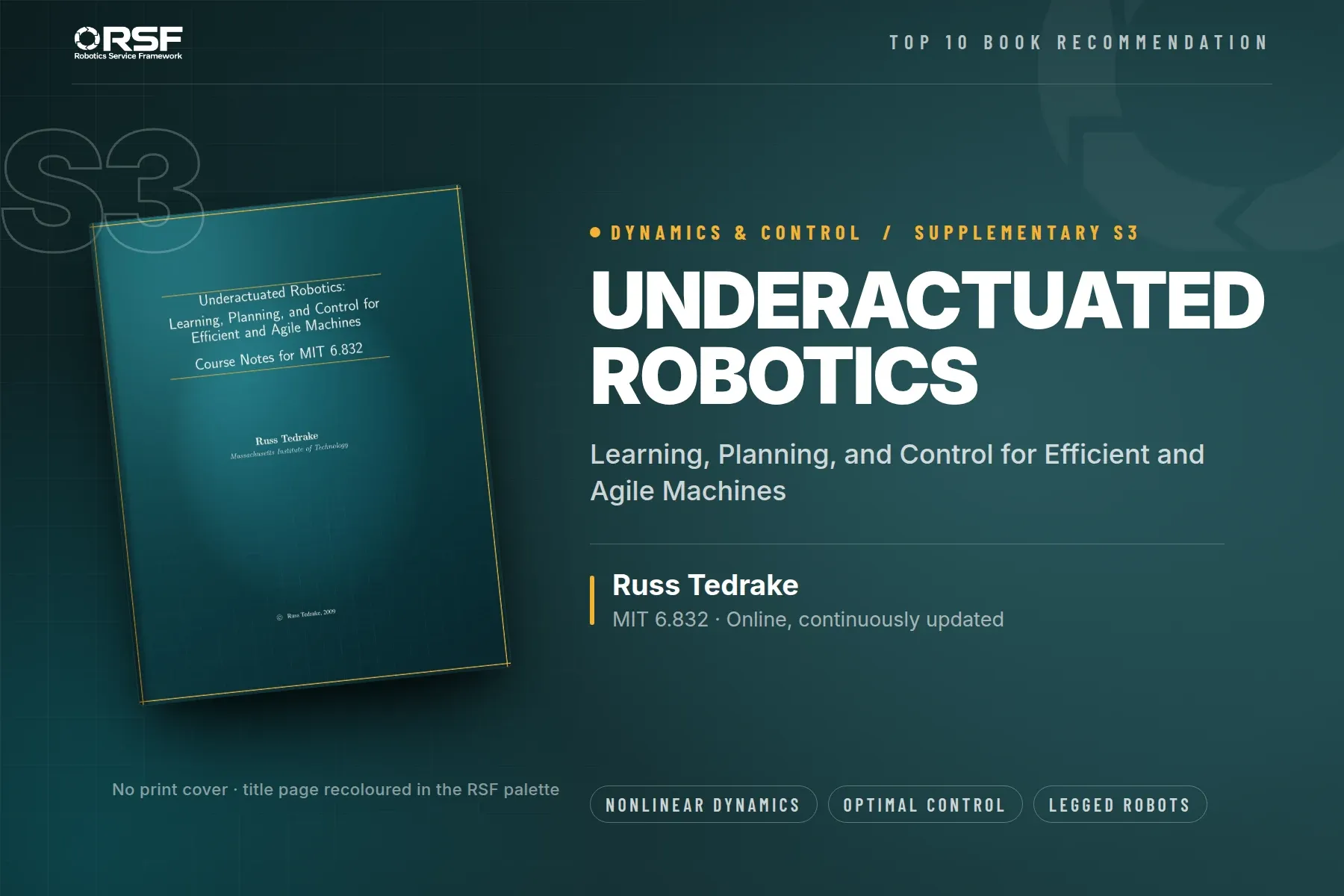
Underactuated Robotics Russ Tedrake — RSF Specialist Shelf · Book S3 of 6
Legged robots fall over for control reasons, not mechanical ones. Tedrake's free MIT 6.832 notes explain why, and what a controller must do about it.
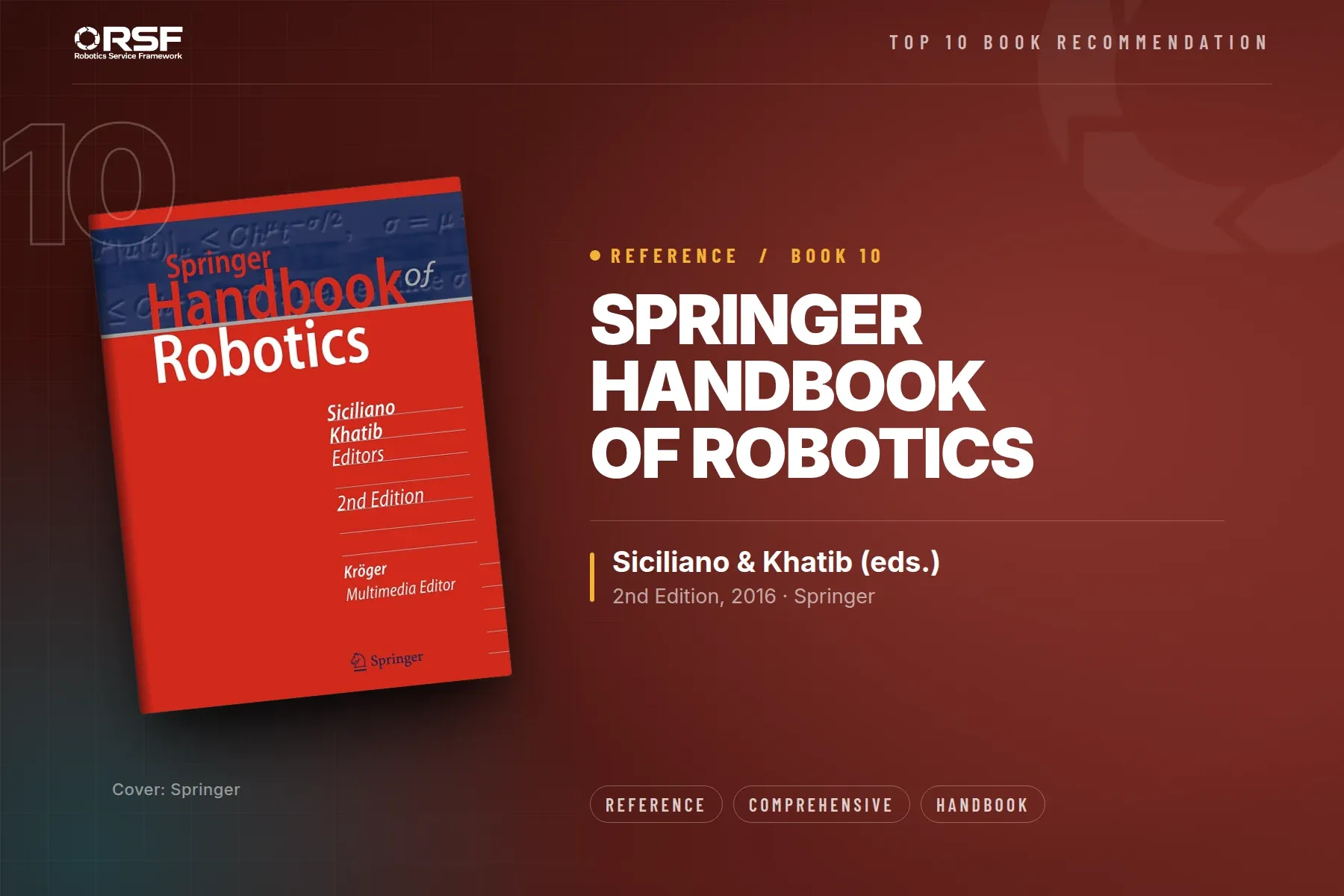
Springer Handbook of Robotics B. Siciliano & O. Khatib (eds.) — RSF Top 10 Robot Education Textbooks · No. 10
Eighty-plus chapters, 2,300 pages, nobody reads it cover to cover. It ranks for one reason: when a fault crosses domains, this is the reference of record.

Robotics, Vision and Control Peter Corke — RSF Top 10 Robot Education Textbooks · No. 5
Most books you read; Corke's you run. Every concept ships as executable Python via the open Robotics Toolbox. The code softens the maths.

Autonomous Mobile Robots Siegwart, Nourbakhsh & Scaramuzza — RSF Top 10 Robot Education Textbooks · No. 3
AMR and AGV fleets are the biggest robot service market. Siegwart decodes the vendor manual: odometry, localization, cost maps.

Watch: Bringing the Loading Dock Up to Speed
Alex Allen-Tunsil, the chief revenue officer of Slip Robotics, recently highlighted the significant challenges faced by modern warehouses, particularly focusing on loading docks. During a discussion, he emphasized that these areas have emerged as critical technological pain points, affecting overall operational efficiency. As warehouses increasingly rely on advanced technologies to streamline processes, the loading dock remains a complex hub where delays and inefficiencies can arise. Allen-Tunsil's insights shed light on the urgent need for innovative solutions to address these issues, particularly as the demand for faster and more efficient logistics continues to grow in the industry.
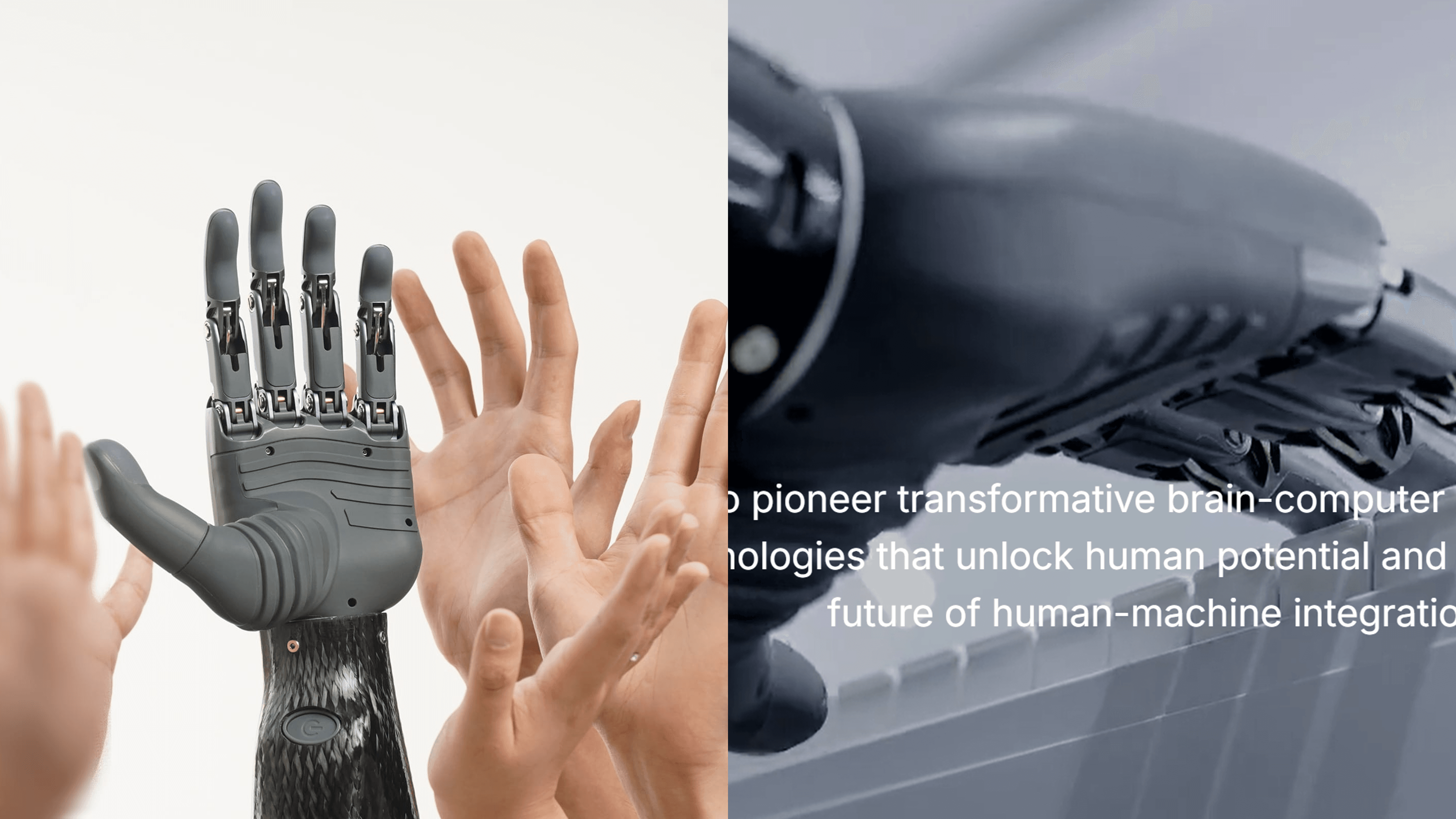
BrainCo Unveils Revo 3: A 21-DOF Dexterous Hand Built to Feel
BrainCo has launched Revo 3, a 21-DOF dexterous robot hand with full-palm tactile sensing and visuotactile fingertips. Read the full product briefing on RobotToday.

Vision-Based Tactile Sensing: The Race to Build What Tesla's Optimus Needs
Vision-based tactile sensing (VBT) is emerging as the critical missing piece for Tesla Optimus dexterous hands. This briefing covers the technology, six global milestones, a ten-company competitive landscape, and the Chinese startup ecosystem — including PaXini, Daimon Robotics, DouDong, WeiTi and QianJue.
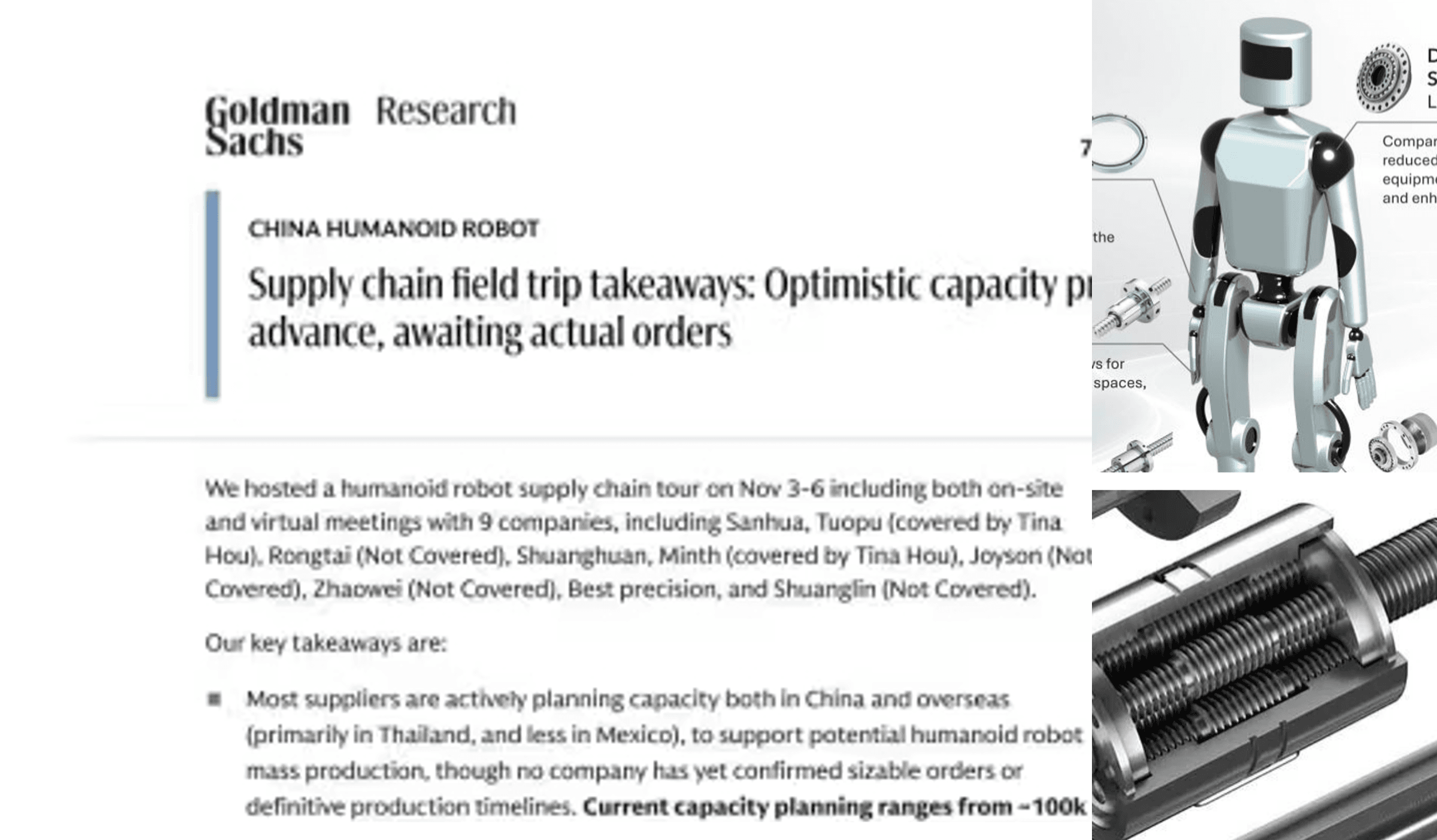
What Goldman Sachs Discovered About China‘s Humanoid Robots
Goldman Sachs’ field report reveals China’s humanoid robot supply chain building massive production capacity ahead of confirmed orders, betting on post-2026 demand.
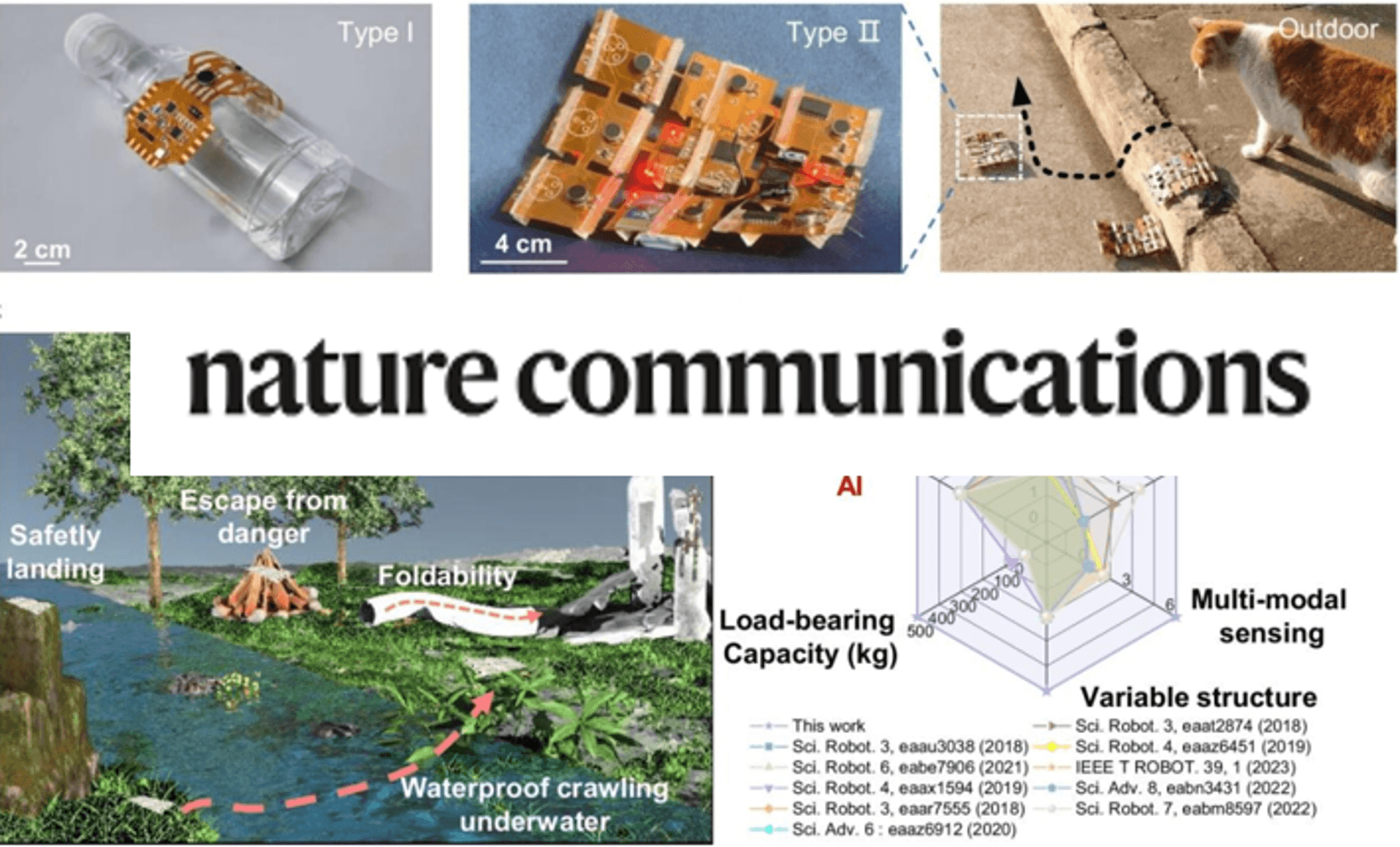
AI-Embodied Flexible Electronic Robots Break New Ground in Miniature Autonomy
Explore how AI-embodied flexible electronic robots (FEBots) fuse sensing, actuation, and self-learning into tiny, autonomous soft machines that navigate complex environments with insect-like agility, pointing to future applications in search-and-rescue, inspection, and medical micro-robotics.


