Robots Now
"Australia's Robotic Forklift & Automated MHE Experts"
Australian specialist supplier of autonomous forklifts and AGV/AMR material handling equipment.
Contact Robots Now
WEBSITE
http://www.rn.com.auPHONE
+61 3 9003 0108HEADQUARTERS
Australia

Company Facts
Founded
2021
Primary Role
System Integrator
Company Size
-
Primary Region
Oceania
Annual Sales
-
Funding Stage
-
Funding Total
-
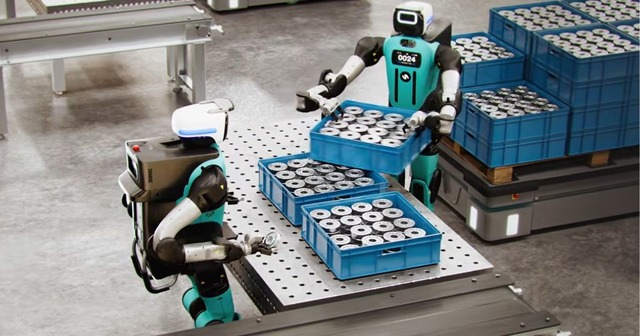
Agility Robotics Unveils New Humanoid Robot 'Digit 5' for Close Human Collaboration
On September 15, Agility Robotics announced the launch of its new humanoid robot model, 'Digit 5'. This model is designed to operate closely with humans without the need for safety barriers, aiming to expand its use in manufacturing and logistics environments. The significance of Digit 5 lies in its advanced safety features, which include multiple sensors and AI algorithms that continuously detect nearby individuals. The robot can autonomously avoid or stop when a person approaches, and it can switch to safe modes, such as sitting down. It also features visual and auditory signals to communicate its intentions and employs a dedicated safety controller to trigger immediate safety actions when unsafe distances are detected. Looking ahead, Agility Robotics has secured multi-year contracts exceeding $300 million for Digit 5, with increasing interest from the manufacturing and logistics sectors. The company plans to expand its deployment beyond North America to the European Union and the UK, with initial implementations expected in early 2027 and general availability by the end of 2027.
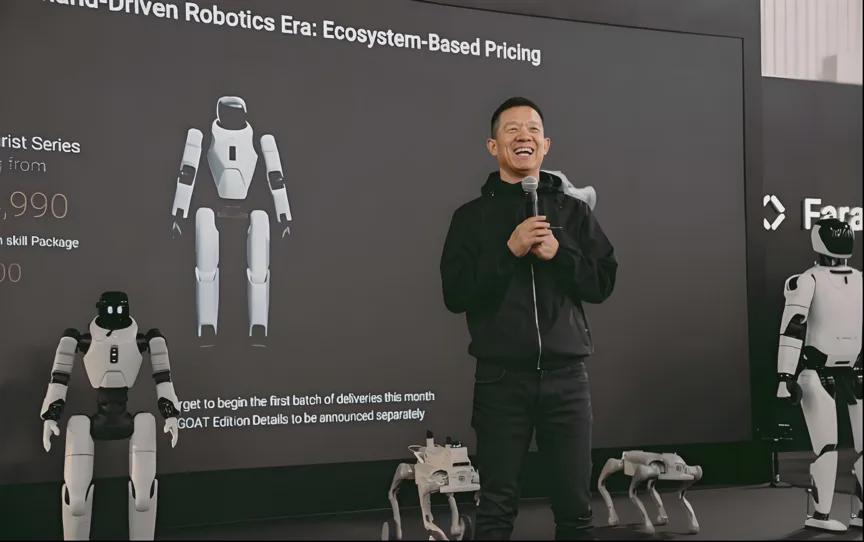
The Diverging Paths of Jia Yueting and Xu Jiayin in the Electric Vehicle Sector
Jia Yueting, the founder of Faraday Future (FF), faces significant challenges as his electric vehicle story struggles to gain traction, with fewer than twenty deliveries reported. Meanwhile, Xu Jiayin, chairman of Evergrande Group, has been sentenced to life imprisonment and fined 8.82 billion yuan for multiple crimes, marking a dramatic downfall. The implications of these events are profound for the electric vehicle industry, as Jia's ambitions hinge on securing funding and support, which have been complicated by Evergrande's legal troubles. The partnership between Jia and Xu, once filled with hope for a transformative future in electric vehicles, has devolved into a bitter dispute over control and trust, highlighting the precarious nature of business relationships in this sector. Looking ahead, the ongoing arbitration between FF and Evergrande will be crucial to watch. While FF has regained financing rights, the constraints imposed by Evergrande's asset preservation efforts may hinder Jia's ability to secure necessary funding. Both leaders continue to pursue their respective visions, but the path forward remains fraught with challenges.
Electric Vehicles Automotive Technology Entrepreneurship Business Strategy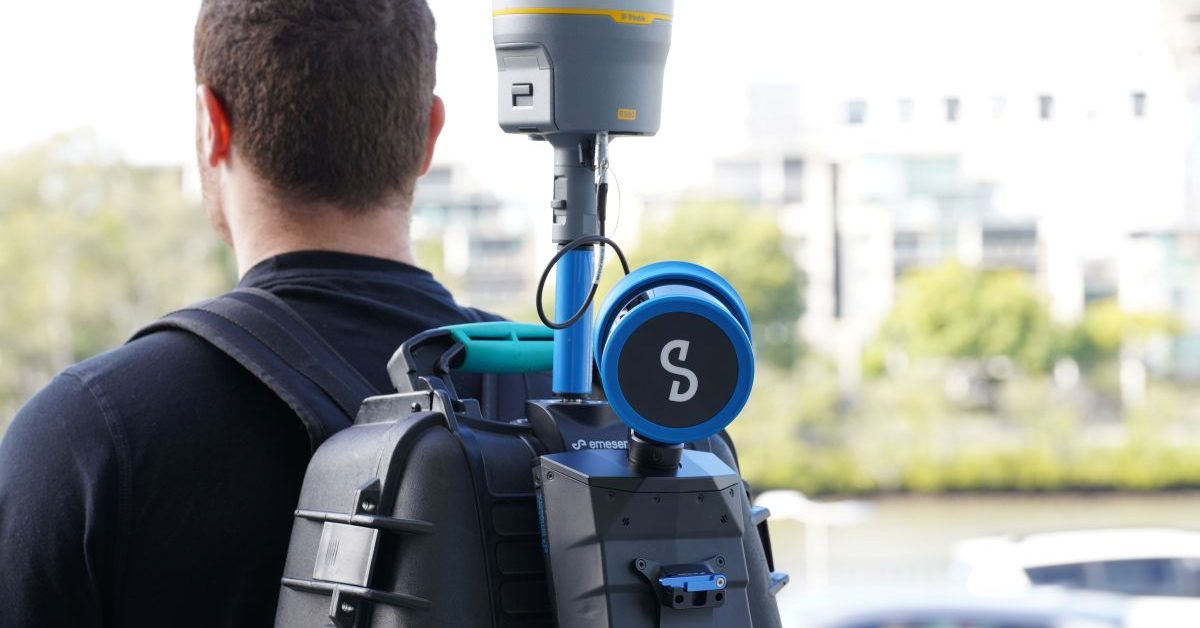
Emesent Integrates GX1 and Hovermap STX Scanners with Trimble for Streamlined Data Processing
Emesent has announced that its mobile SLAM scanners, the GX1 and Hovermap STX, can now directly send point cloud data into Trimble Connect and Trimble Business Center. This integration, revealed at Intergeo 2026 in Munich, aims to simplify the workflow from field scanning to construction deliverables. The significance of this development lies in its potential to enhance interoperability for US surveyors, engineers, and construction teams. By allowing point cloud data to transition smoothly into established project workflows, Emesent's technology can reduce the complexity typically associated with mobile LiDAR applications. Looking ahead, the integration will be showcased at Intergeo 2026 until September 17, highlighting the capabilities of the GX1 and Hovermap STX scanners. No further timeline was disclosed at the time of publication.
News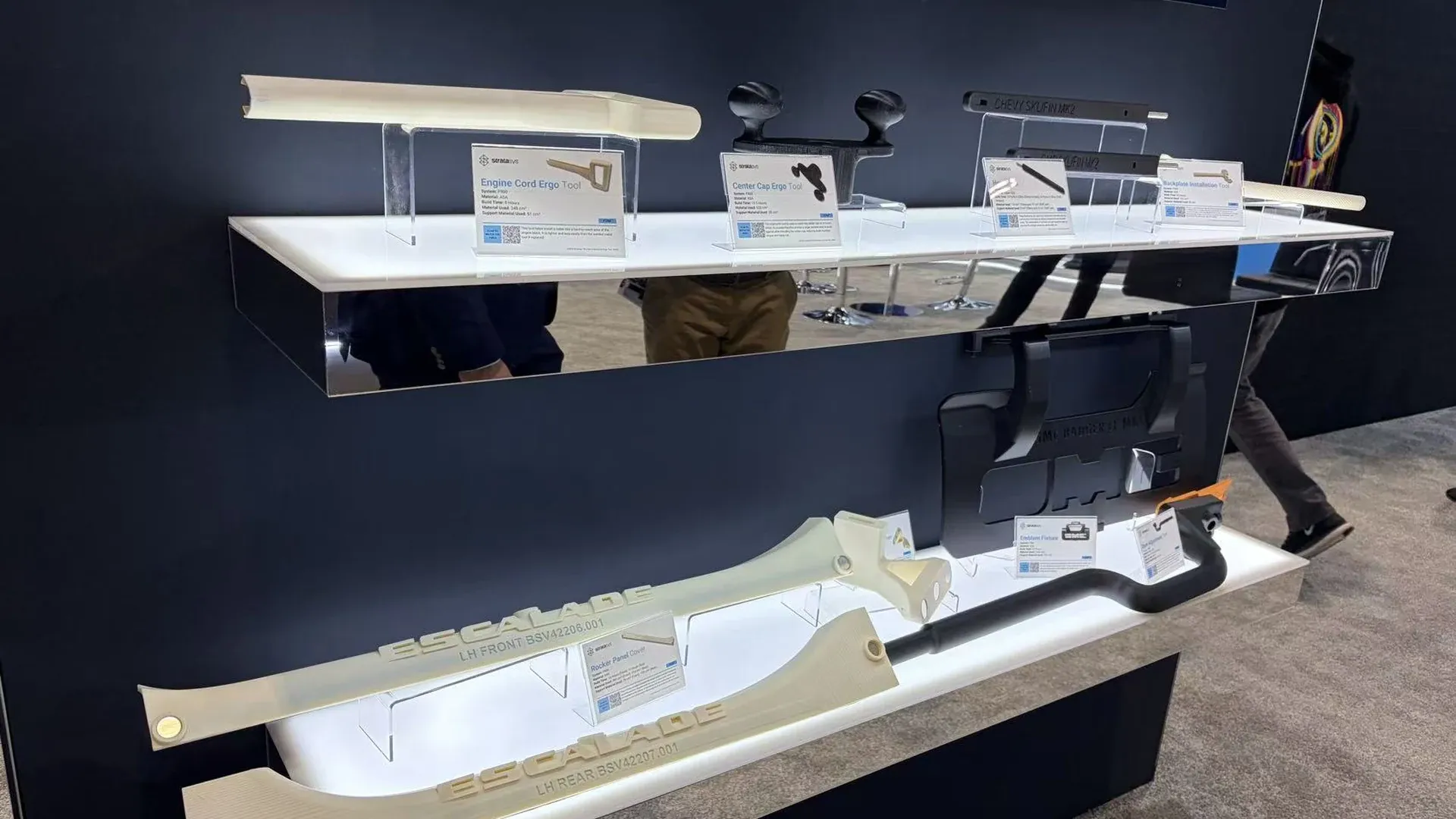
Stratasys at IMTS 2026: GM Scales Additive to 20+ Plants
Stratasys is rolling additive out across 20+ GM plants while Toyota prints robot grippers. Booth build data, the F870, and where the cost case breaks.
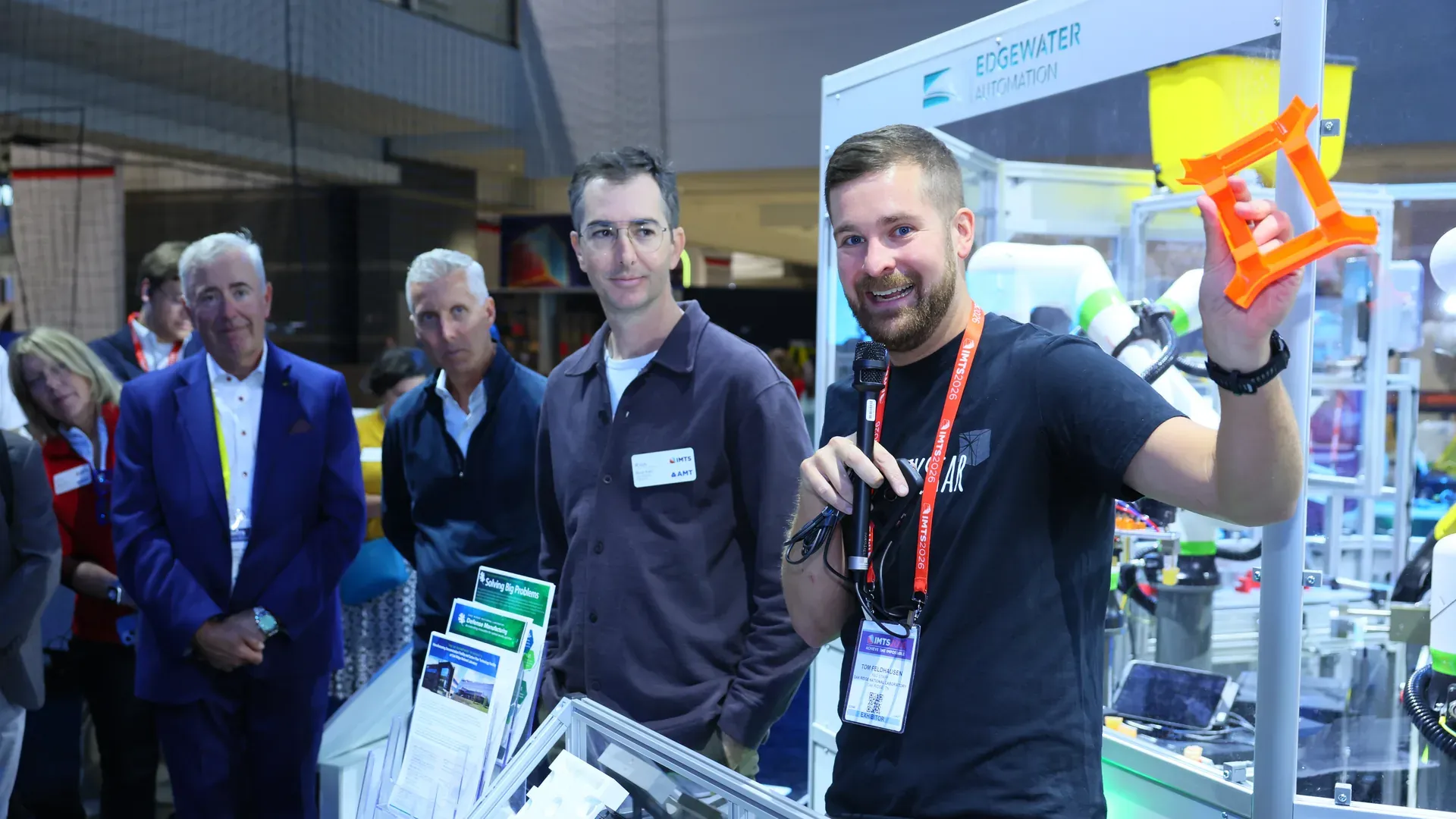
IMTS 2026 Preview: Record Orders and the Automation Story
IMTS 2026 opens in Chicago with 1,788 exhibitors and record H1 machine tool orders. What the USMTO data says about automation, and the booths to see.
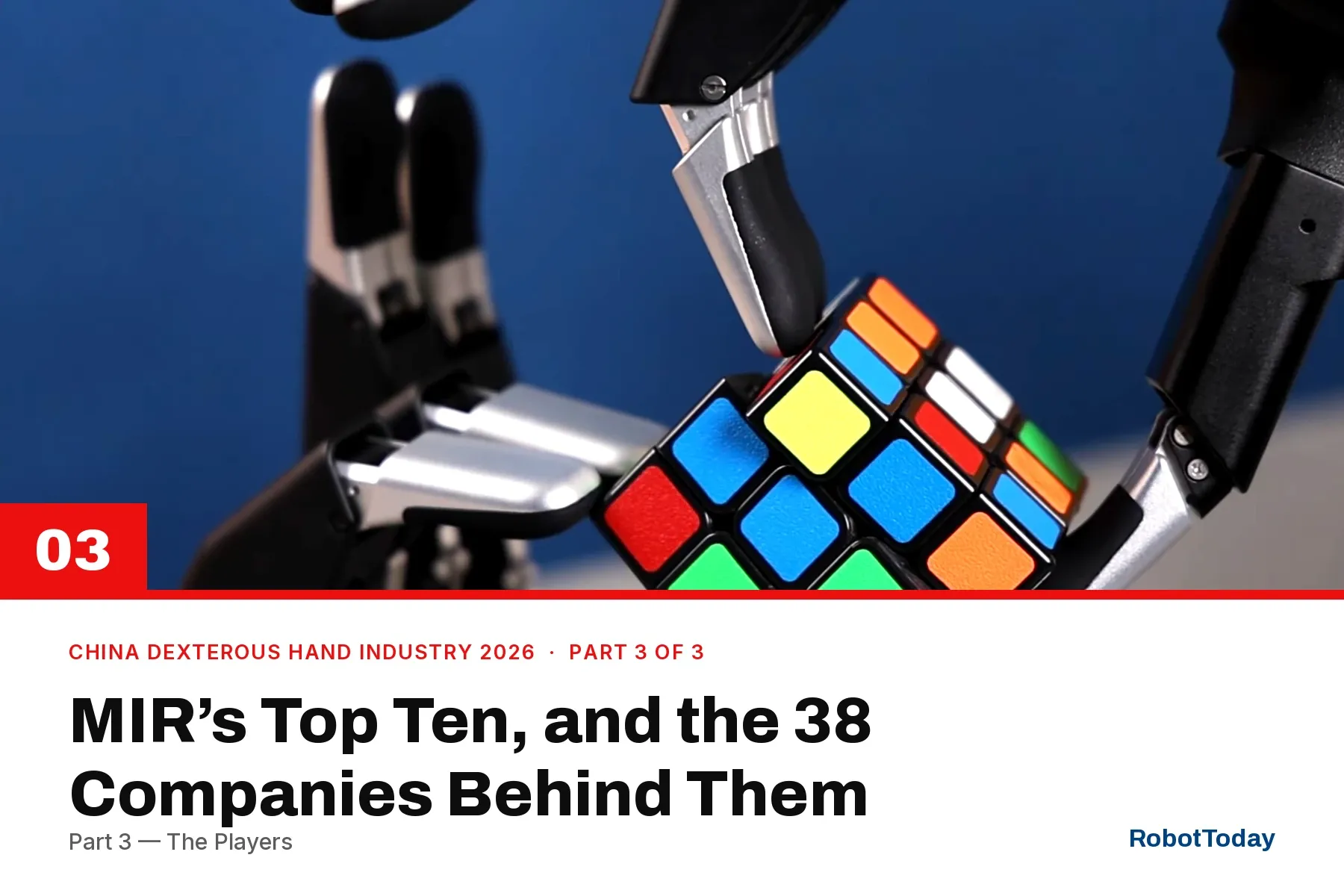
China’s Dexterous Hand Industry, 2026 Part 3 — The Players
Five vendor archetypes, MIR’s composite top ten, eight company profiles and six field deployments — every firm linked to the RobotToday supplier directory.
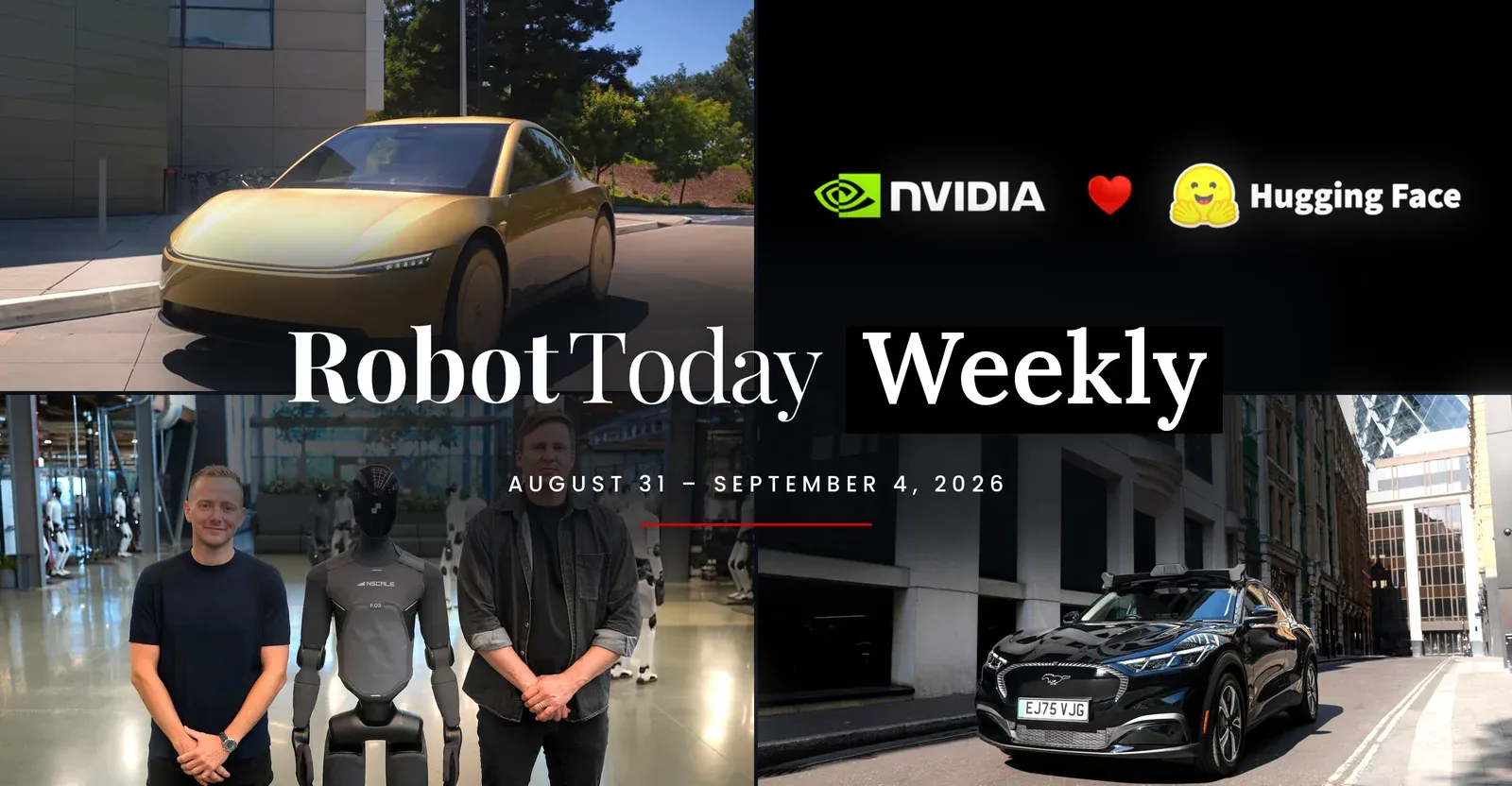
RobotToday Weekly Briefing August 31 – September 4, 2026
This week in robotics: NVIDIA agrees to buy Hugging Face for $12.93 billion, Figure signs a $3.5 billion compute deal with Nscale for up to 100,000 GPUs, Tesla launches steering-wheel-free Cybercabs in Austin under NHTSA scrutiny, and Uber and Wayve bring the UK its first autonomous rides. August 31 – September 4, 2026.
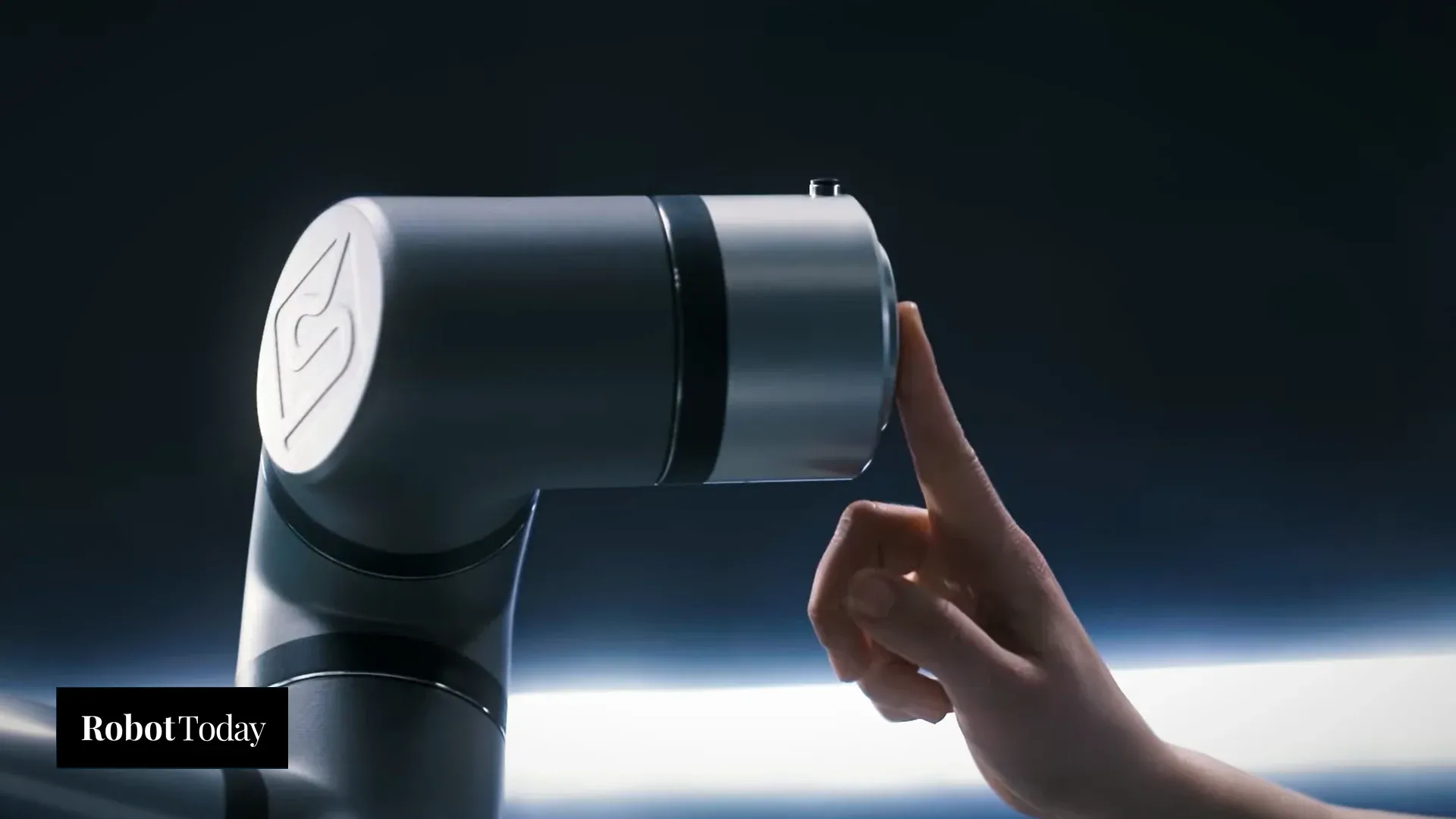
Teradyne’s IP Offensive and the Next Phase of Cobot Competition
Teradyne Robotics filed two European IP actions against Chinese cobot makers Elite Robots and JAKA within six months of 2026. This briefing maps the timeline, the differences between the cases, each side’s position, and what it signals about collaborative robot market competition.
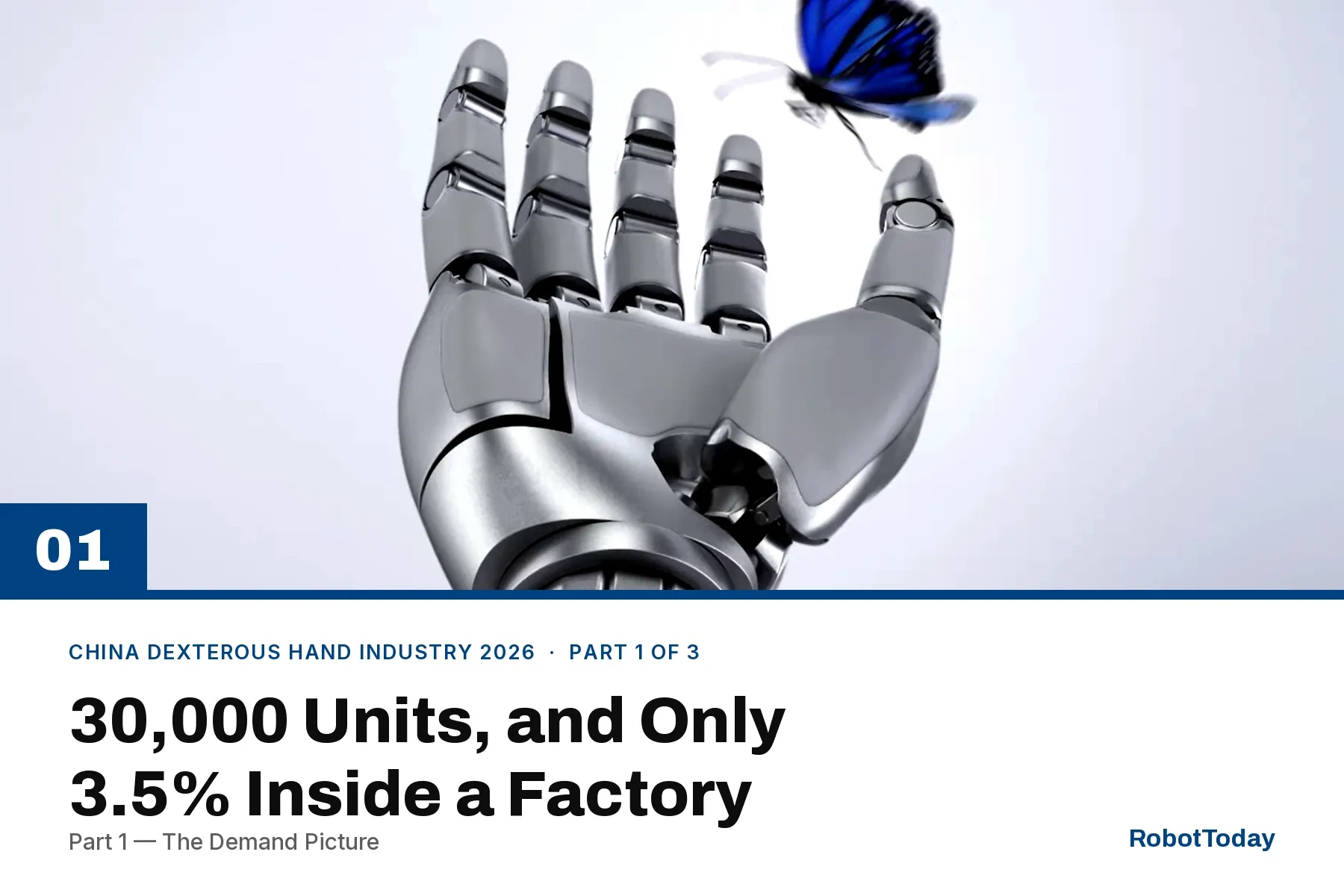
China’s Dexterous Hand Industry, 2026 Part 1 — The Demand Picture
MIR Databank puts China dexterous hand shipments above 30,000 units in 2026, yet only 3.5% of 2025 demand came from factory production. Part 1 of 3.
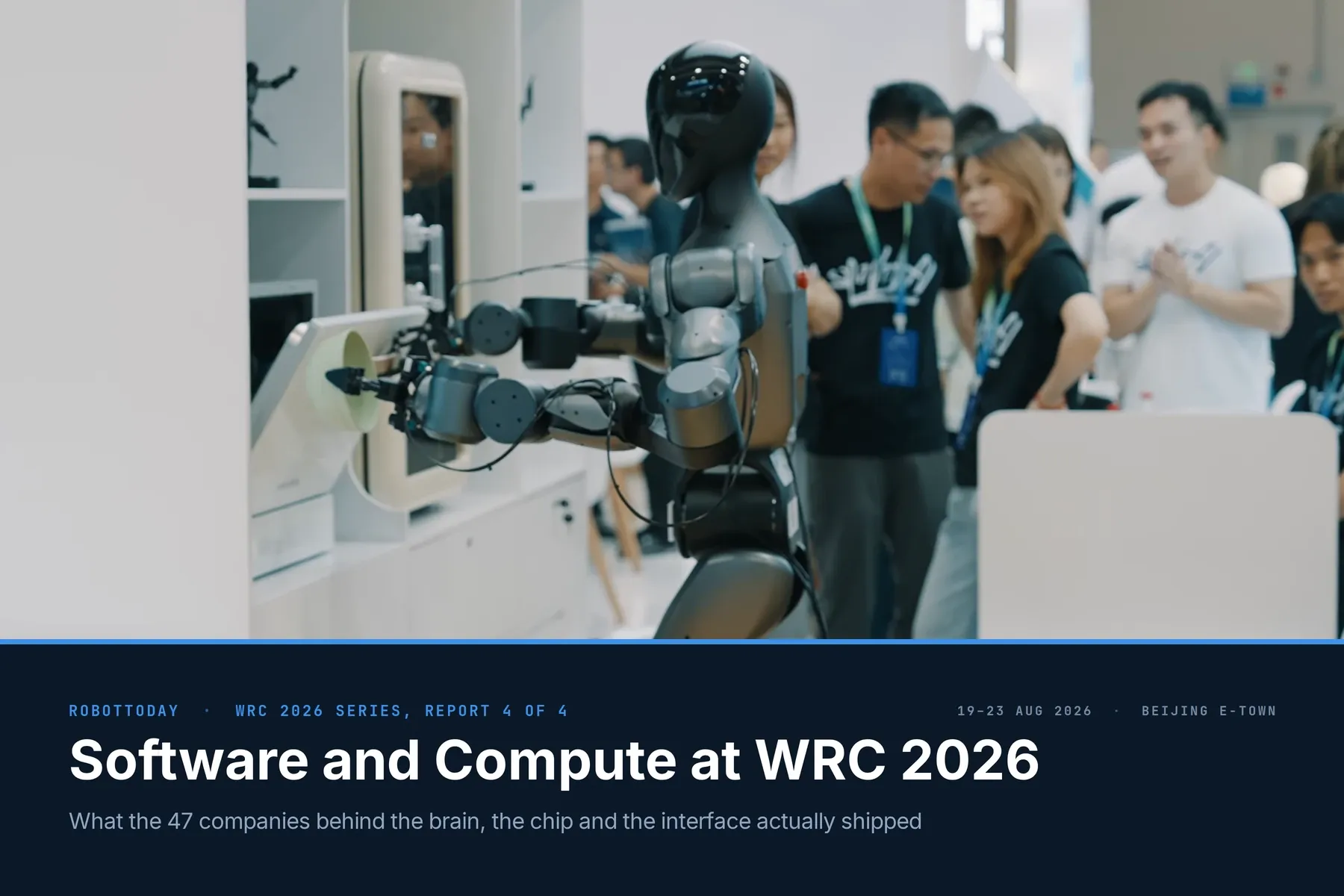
Software, Compute and Interaction at WRC 2026
47 WRC 2026 exhibitors supply robot software, compute or interaction — but only 19 call themselves software companies. Five open artefacts, licence-checked.
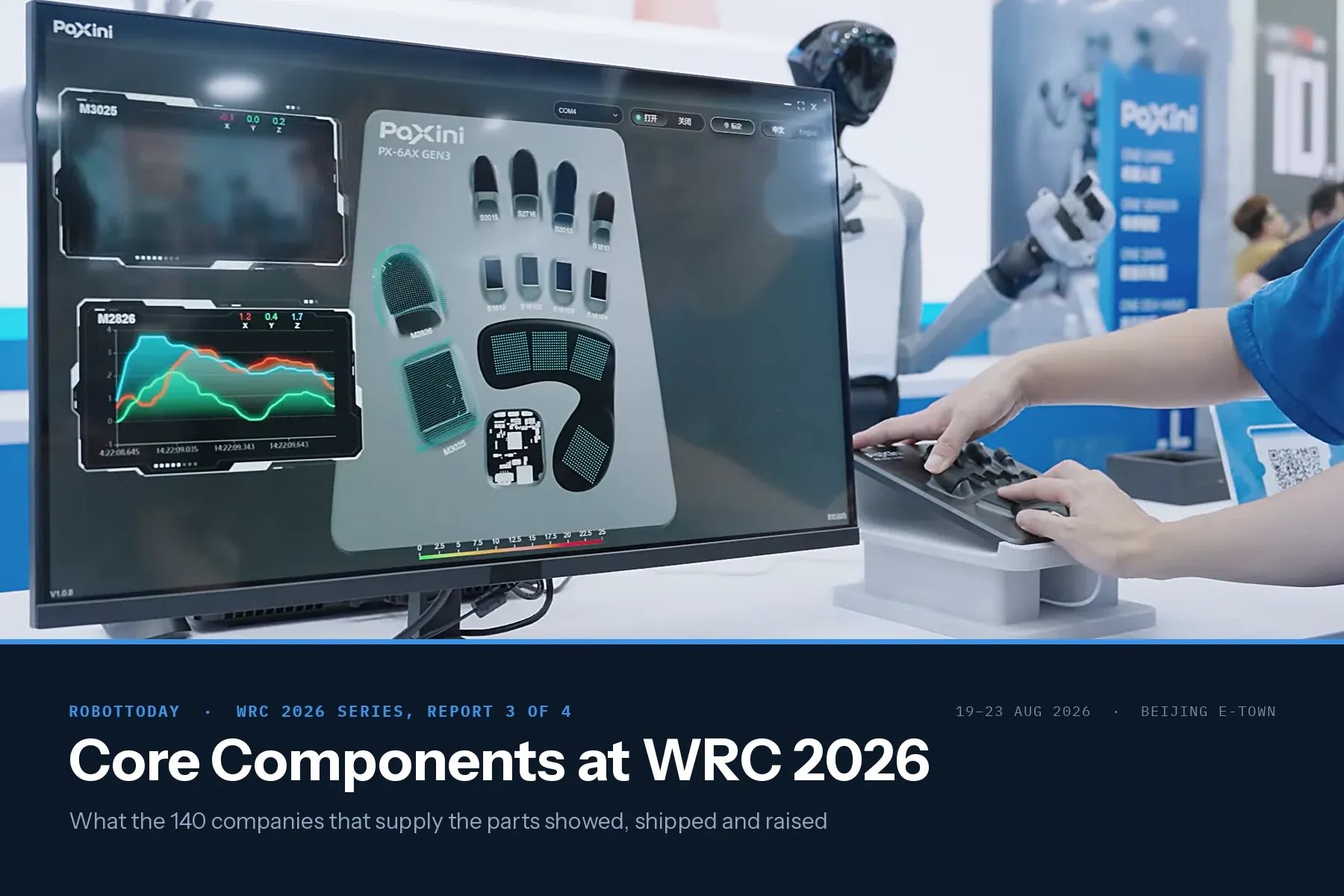
WRC 2026 Core Components: 137 Robot Parts Suppliers
The third report in the WRC 2026 series. Report 1 mapped all 248 exhibitors by category and Report 2 covered the 139 that build finished robots. This one covers the 137 that build what goes inside them.

Robots Transforming the Challenges of Automotive Glass Manufacturing
Automotive glass manufacturing has long been plagued by high breakage rates and manual handling challenges. A typical 1.5-meter laminated windshield blank, weighing around 20 kilograms, is difficult to automate due to its unpredictable flexing and fragility. However, advancements in robotics are changing the landscape, with robots now effectively replacing human labor in handling these delicate materials. The shift towards automation in automotive glass production is significant as it addresses the costly inefficiencies associated with manual processes. Historically, factory managers tolerated high breakage rates, but the introduction of articulated robots and vision-guided cobots is enhancing precision in handling glass. These robots utilize custom end-effectors with vacuum cups and real-time pressure monitoring to ensure safe transfer, minimizing the risk of shattering. As the industry continues to evolve, the integration of advanced robotics in glass manufacturing is expected to improve production efficiency and reduce costs. The current generation of robots is closing the gap in handling unsupported sheets, which could lead to further innovations in the automation of other challenging materials. No further timeline was disclosed at the time of publication.
Engineering Manufacturing Materials Robotics automotive glass automotive glass manufacturing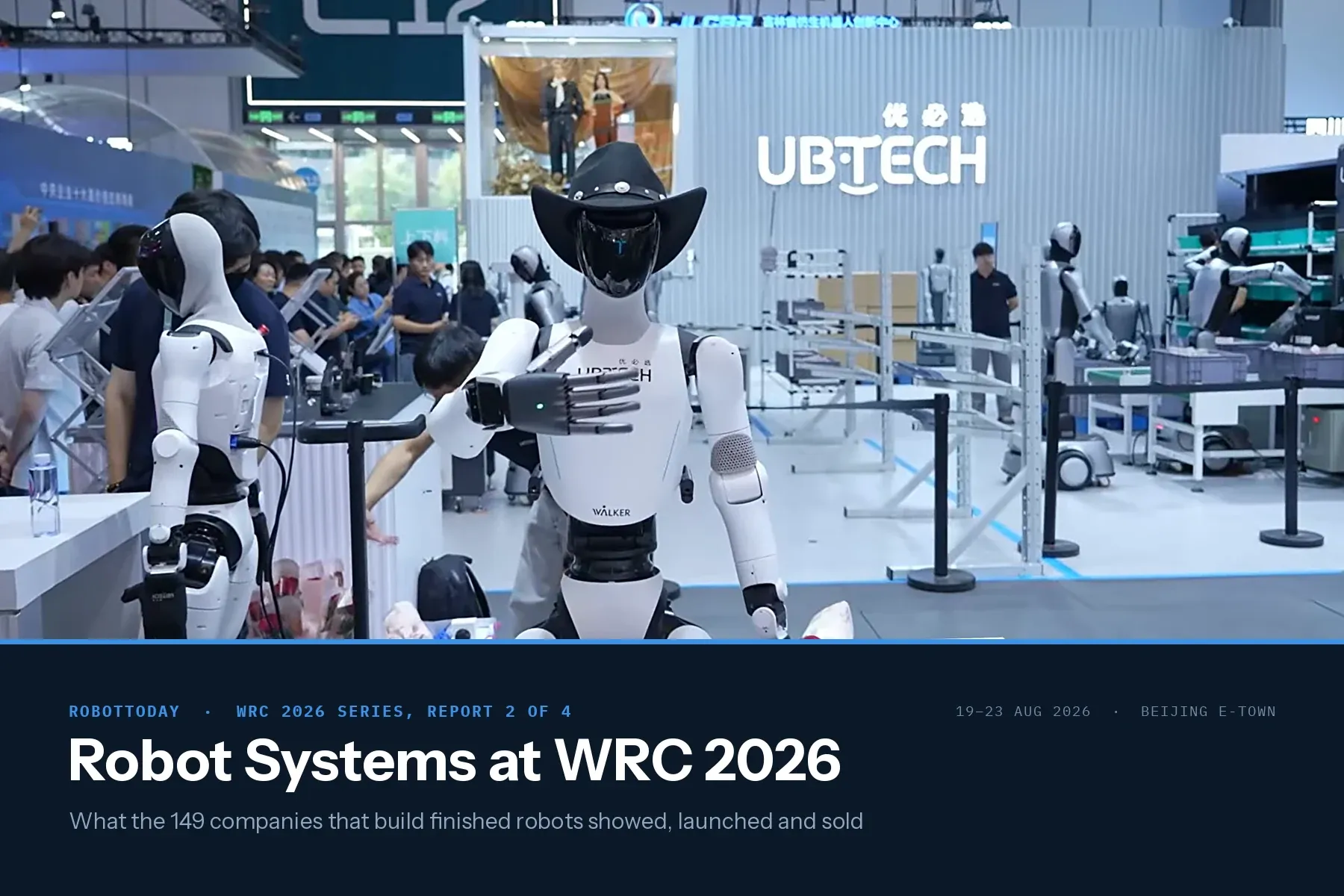
WRC 2026 Robot Systems: 149 Companies That Build Robots
149 of the 248 classified WRC 2026 exhibitors build finished robots. 93 build humanoid or legged machines. The audited humanoid sales number is one unit.

ROBOTTODAY WEEKLY August 17 – 21, 2026
This week in robotics: Unitree surges 629% in its Shanghai STAR Market debut at a $66 billion valuation, Nevada approves 7,000 robotaxis, Amazon Prime Air expands to nearly 500 US cities, and Beijing's World Robot Conference marks the industry's pivot from spectacle to scale. August 17–21, 2026.
BMW to Deploy Figure 03 Humanoid Amid Cost Challenges in Manufacturing Automation
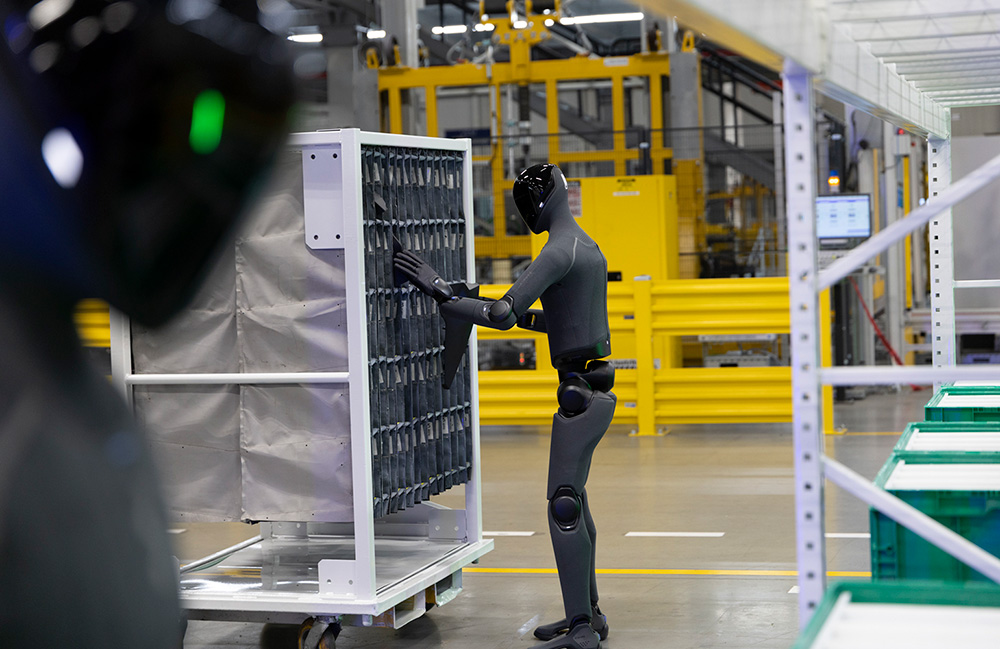
BMW announced plans to deploy the Figure 03 humanoid robot at its Spartanburg, S.C. plant following a successful pilot with Figure 02. Despite advancements in AI and robotics, the high costs associated with humanoid automation remain a significant barrier for manufacturers. Current robotic unit economics make it difficult to justify the investment, especially when specialized robots outperform humanoids in productivity. The evolution of physical AI has led to improved manipulation capabilities, with robots now able to perform tasks previously deemed challenging. However, the conversation has shifted from whether robots can perform tasks to whether their costs can be justified. Human oversight remains essential, particularly in unexpected situations, with some developers relying on teleoperation, which limits scalability. While humanoids offer flexibility for various tasks, their cost-effectiveness is questioned compared to specialized robots optimized for specific workflows. For instance, humanoids achieve around 1,000 picks per hour in parcel sorting, while specialized robots can reach up to 3,000 picks per hour. The primary challenge for humanoid robots lies in their economics, as they are currently too expensive for widespread adoption in most applications.
Humanoids News Opinion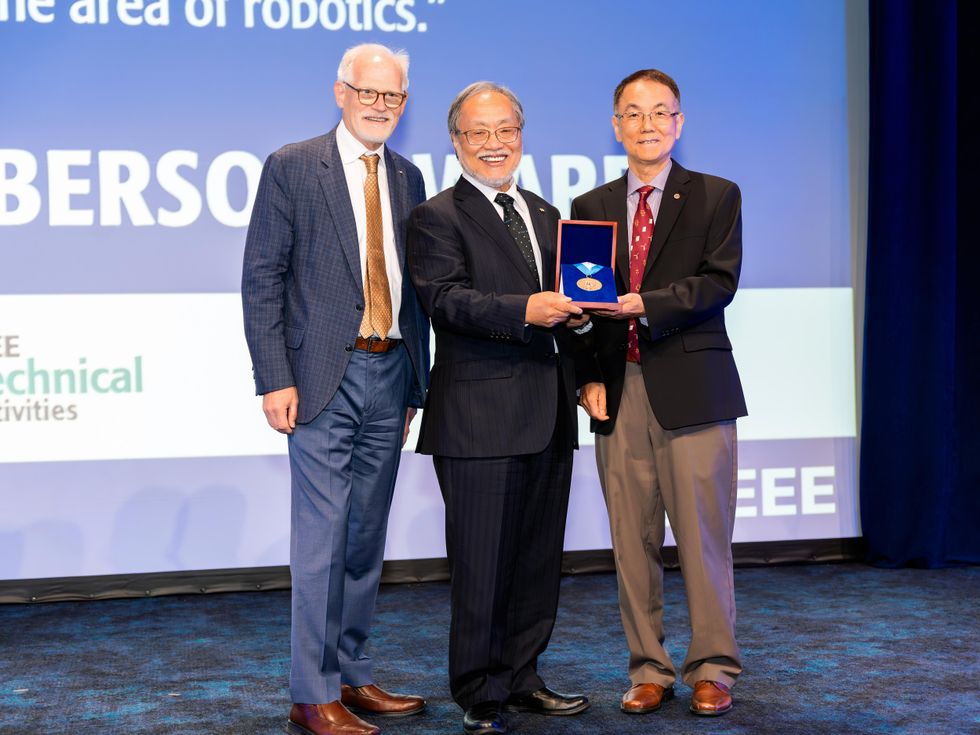
IEEE Honors Robotics Pioneer Toshio Fukuda
Toshio Fukuda has been blazing trails for most of his career. He is considered to be one of the most prolific scholars in robotics, writing more than 2,000 research papers and authoring several books on the field. He’s an influential figure thanks to his pioneering work developing biomedical robotic systems, industrial robots, micro-nano robotics, mechatronics, and AI-driven automation.Fukuda launched one of the first robotics conferences, the IEEE/RSJ International Conference on Intelligent Robots and Systems (IROS). It is still popular almost 40 years later.Toshio FukudaEmployerEgypt-Japan University of Science and Technology, in Alexandria TitleProfessor and vice president of research Member gradeLife Fellow Alma matersWaseda University, in Tokyo; University of Tokyo An IEEE Life Fellow, he is a professor emeritus in the department of micro-nano systems engineering and a visiting professor at Nagoya University, in Japan, where he taught for nearly 25 years. Currently, he is a vice president of research at the Egypt-Japan University of Science and Technology, in Alexandria, Egypt.Within IEEE, Fukuda has held top volunteer positions including the organization’s highest office: He served as IEEE president in 2020, becoming the first person of Asian descent to hold the role.He’s a former program director of Japan’s Moonshot program, which by 2050 intends to develop advanced AI robots.Born in Japan, Fukuda has been recognized by the country for his contributions to science with two of its highest awards: the Medal of Honor with a purple ribbon in 2015 and the Order of the Sacred Treasure in 2022.IEEE honored him with this year’s Richard M. Emberson Award for “distinguished service advancing the technical objectives of IEEE, especially in the area of robotics.” The IEEE Board-level award is sponsored by the IEEE Technical Activities Board. Fukuda received the award on 24 April at a ceremony in New York City.As a former IEEE president who has served as a master of ceremonies at several of the organization’s major award events, Fukuda noted that he is more accustomed to bestowing awards than receiving them.“It’s very interesting to be on the receiving end,” he says.The journey into robotics researchAs a teenager, Fukuda spent his summer breaks teaching himself how to build things including transistor radios and steam engines.“It was very nice to have a hands-on hobby and make these kinds of things myself,” he says. His experimentation led him to study engineering.He earned a bachelor’s degree in engineering in 1971 from Waseda University, in Tokyo. He says one of his professors there—Ichiro Kato, regarded as the father of Japanese robotics research—was a good mentor who made a positive impact.Fukuda’s research interests were robotics and mechatronics, a field that combines robotics, electronics, computer science, and control systems.He went on to earn a master’s degree and a doctorate in science from the University of Tokyo, in 1971 and 1977. During those years, he also attended Yale, where he conducted research on advanced control theory in 1973.He reflects fondly on his time at Yale: “It was a very nice environment and a kind of free-thinking atmosphere. It motivated me to study more.”“IEEE doesn’t care who you are, what you do, what country you are from, or whether you are male or female. IEEE accepts people who have energy and passion.”While at Yale, Fukuda served as an assistant to his advisor—which led him to consider a career in academia, he says, because he enjoyed the freedom that research work afforded him.But he realized that such freedom comes with a price. University researchers are expected to raise the money that funds their work. He compares researchers to small-business owners who have to bring in money to keep their enterprise afloat.That realization led him to select robotics as his field because he intended to develop technologies useful to industry, he says.After earning his doctorate, he returned to Japan in 1977 to work as a research scientist at the government’s Mechanical Engineering Laboratory, later renamed the National Institute of Advanced Industrial Science and Technology, in Tsukuba.“There was a lot of research going on at the lab, including practical robotics and theory,” he says.He left Japan in 1979 to become a visiting research fellow at the University of Stuttgart, in Germany. During his year there, he studied systems, software problems, and related topics.He returned to Japan and was hired as an associate professor of mechanical engineering at the Tokyo University of Science. He conducted research into practical uses for robots by visiting industrial plants. He decided to develop robots that inspect industrial equipment such as those used in assembly plants, oil refineries, and power stations—places that “can be hostile environments for humans,” he says.His work drew interest from chemical, oil, and utility companies.“I got a lot of money from them for this very practical application, which funded my research,” he says, laughing.Developing popular robotic systemsFukuda grew tired of making those robots, he says, so he switched to creating ones for scientific applications. He developed many techniques, but he probably is best known for his modular, cellular robotic systems (CEBOTs), which he introduced in 1985.He has described how CEBOTs work in numerous papers published in the IEEE Xplore Digital Library.The CEBOT system is composed of a number of autonomous robotic cells that stick together like interlocking Lego plastic bricks, he says.Each cell is a fundamental modular unit that has a function. When a simple task is given, the system can analyze it and generate the structure of the cellular manipulator. The cells connect to and detach from each other through connection mechanisms and cooperate mutually, creating complex structures and configurations.“You start developing from the component-wise to the cell-wise to a small functional unit—and then you come up with clusters that make bigger systems. We can make a society of robot beings like that,” he explained in his oral history published on the Engineering and Technology History Wiki. “It’s a distributed robotic system, a self-organized robotic system, and also an evolutionary robotic system.“It’s also a fault-tolerant robot system because if something is wrong, you just remove those things and make a new one. You keep the system working. That’s a great thing.”Today CEBOTs are used for a variety of tasks such as delivering medication in hospitals, assisting with planting crops, and transporting products in distribution centers. Check out IEEE Spectrum’s Robots Guide for news from the world of robotics.In 1989 Fukuda joined Nagoya University as a professor of mechanical engineering and micro-nano systems engineering. During his 24-year career there, he was director of the university’s Center for Micro-Nano Mechatronics. He developed a long list of technologies at the university, including many for medical applications. He also conducted groundbreaking research into intelligent robotic systems and micro- and nano-robotics.Another technology he is known for is brachiation robots, which he helped develop in 1988. He calls them monkey robots because they’re based on the pendulum-like movement of monkeys swinging from tree to tree. The gravity-based locomotion enables continuous movement.Brachiation robots now are inspecting high-voltage transmission towers and bridges, searching damaged buildings for survivors, and performing maintenance on pipelines and cables.Fukuda retired from the university in 2013 and was named professor emeritus.He didn’t stay retired for long, though. He next held a teaching appointment at Meijo University, in Nagoya, until he left in 2022 to join the Egypt-Japan University.A prominent volunteerHe joined IEEE in 1980 at the encouragement of one of his research advisors, Professor Fumio Harashima, now an IEEE Life Fellow. After attending conferences and reading the organization’s publications, Fukuda says, he looked forward to becoming more involved.“I wanted to know how to organize a conference and how to edit a paper for one of its Transactions,” he says. “I wanted to know what was going on from inside the organization, not just the outside.”In 1988 he was the founding chair and organizer of IROS, in Tokyo. The conference had 330 attendees that year, and was supported by Harashima. Today it is one of the largest and most prestigious conferences on the topic, attracting more than 9,000 people annually. Out of 120,000 conferences, it was the only conference in the Nature Index database for this year, Fukuda says.In 1996 he and other members launched IEEE Transactions on Mechatronics.He was the founding president of the IEEE Nanotechnology Council, which was established in 2002. He is considered a pioneer in nanotechnology research, particularly regarding how it relates to robotics.Over the years, he has held numerous volunteer positions on IEEE editorial boards and committees.He was the 1998–1999 president of the IEEE Robotics and Automation Society, becoming the first non-U.S. member to hold the title.He was director of IEEE Division X (2001–2002 and 2017–2018), which covers intelligent systems, biological engineering, robotics, control systems, and photonic technologies. He served as the 2013–2014 director of IEEE Region 10 (Asia-Pacific).As the 2020 IEEE president, Fukuda saw the organization through the early part of the COVID-19 pandemic. Because of travel restrictions, he realized IEEE should change how it offered its in-person services, specifically educational programs. He encouraged IEEE Educational Activities to develop an online learning platform. The IEEE Learning Network started with just three courses and now offers nearly 2,000 courses, webinars, and learning materials.An award-winning memberThe Emberson Award joins a slew of other recognitions Fukuda has received from IEEE. They include several from the IEEE Robotics and Automation Society: a 2004 Pioneer Award, a 2009 Saridis Leadership Award, and the 2011 Harashima Award for Innovative Technologies. He is also a recipient of the Board-level 2010 IEEE Robotics and Automation Technical Field Award.He says he feels strongly that IEEE should be a diverse organization that is welcoming to all. As IEEE president, he led efforts to devise a diversity, equity, and inclusion program. Several policies, procedures, and bylaws were revised to give members a safe, inclusive place for discourse.“It’s important for IEEE to make everyone feel comfortable,” he says. “DEI programs are important. All people should be equal. IEEE doesn’t care who you are, what you do, what country you are from, or whether you are male or female. IEEE accepts people who have energy and passion.“It accepted me, from the Far East. That’s why I like it.”You can learn more about Fukuda and his career from the oral history conducted by the IEEE History Center.
Robotics Robots Ieee-member-news Type-ti Ieee-awards Toshio-fukuda
Tesla Finally Built Enough Cars, but Wall Street Wants Robots Now
Tesla has achieved a significant milestone by delivering 480,126 vehicles in the second quarter of 2026, surpassing analysts' expectations of approximately 406,600 units. This marks a 25% increase compared to the same period last year and a 34% rise from a lackluster first quarter. The success was largely driven by the popularity of the Model 3 and Model Y, which accounted for 97% of the deliveries. Additionally, Tesla's energy sector reported the deployment of 13.5 GWh of batteries, exceeding projections as well. Despite these impressive figures, Tesla's stock fell by 8%, highlighting a disconnect between the company’s operational success and investor sentiment. This decline is attributed to ongoing concerns among buyers regarding CEO Elon Musk's political views and the recent expiration of the federal electric vehicle tax credit, which has affected consumer interest. As Tesla emerges from two years of declining sales, this quarter is seen as a pivotal comeback, yet Wall Street's focus has shifted towards the company's potential in robotics, indicating a desire for innovation beyond vehicle production.
Didi's Investment in Robots Now Operational in Hotels
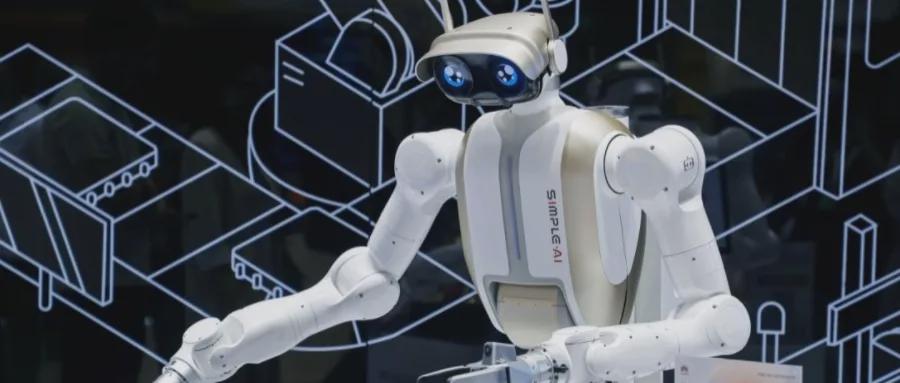
Simple AI, a company focused on developing general-purpose embodied intelligence robots, has successfully secured substantial funding with Didi as the lead investor. The company’s robot, known as Simbot, is currently operational in hotel environments, where it is effectively navigating complex real-world situations and adapting to diverse service requirements. This transition from demonstration to practical deployment highlights the growing potential for robots to enhance everyday service operations in the hospitality industry.
Embodied Intelligence Service Robots Hotel Automation AI Technology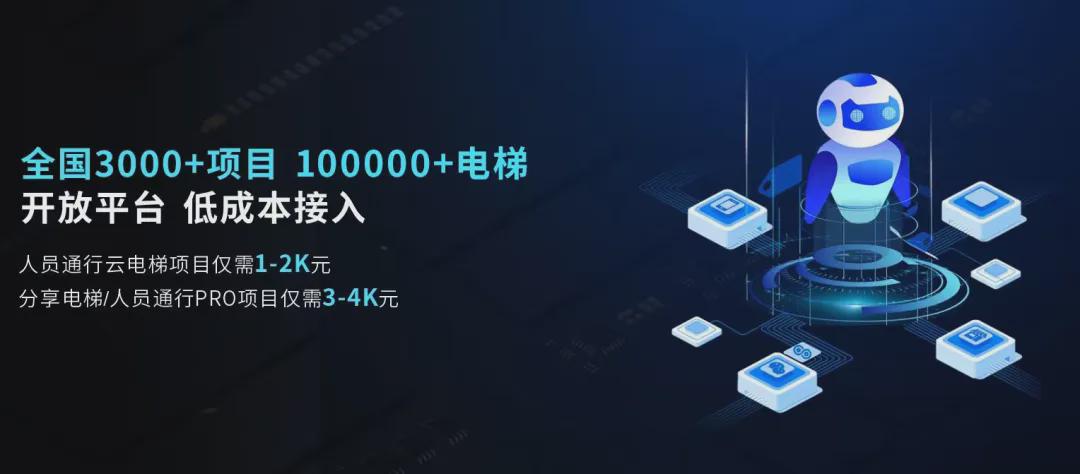
Robots Now Able to Access Elevators Directly in 'Project Supermarket'
The robotics industry is currently facing fierce price competition, leading to a notable decrease in the prices of humanoid robots. In response to this trend, Wanglong has launched 'Project Supermarket,' which features more than 3,000 existing projects that come equipped with smart elevators. This innovative initiative is designed to facilitate the rapid and cost-effective integration of robots into various sectors, eliminating the need for extensive installation or inspection processes. By streamlining robot deployment, Wanglong aims to enhance market access and operational efficiency, positioning itself advantageously in a rapidly evolving industry.
Humanoid Robots Smart Elevators Robotics Integration Automation Solutions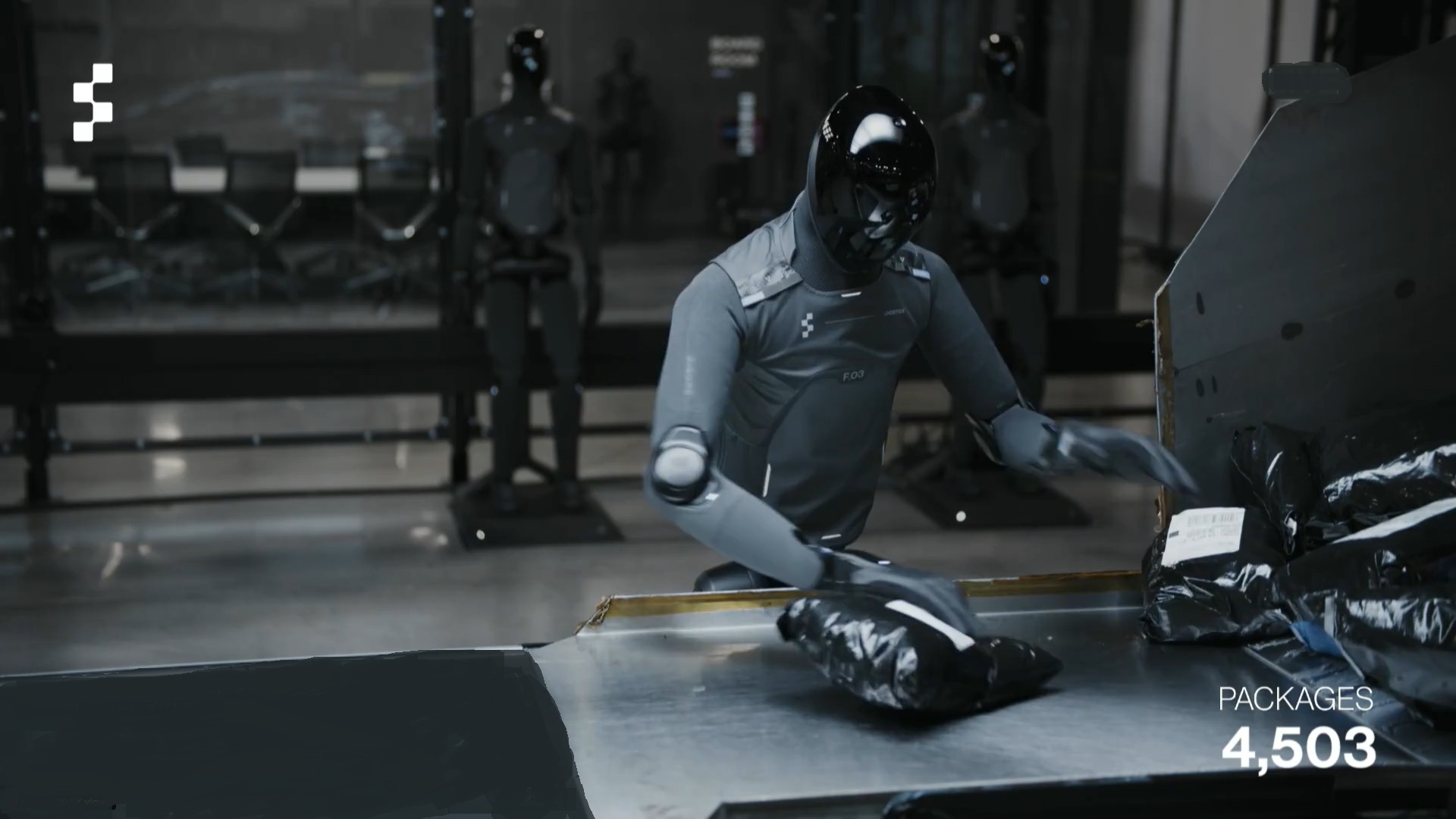
Helix-02 robots now sustain full factory-style 8-hour shifts without intervention
Figure AI has announced that its humanoid robots are now capable of operating autonomously for full eight-hour shifts. This development marks a significant advancement in robotics technology, allowing these machines to perform tasks without human intervention. The announcement was made in October 2023, highlighting the company's commitment to enhancing workforce efficiency through automation. The robots are designed to take on various roles, potentially transforming industries by addressing labor shortages and increasing productivity. Figure AI's innovation demonstrates how advancements in artificial intelligence and robotics can lead to more effective solutions in the workplace.