


Robbo
Finnish robotics and STEM education franchise operating after-school clubs for ages 5-20, teaching Scratch programming, robot assembly, and 3D printing.
Contact Robbo
WEBSITE
https://robbo.ruPHONE
+7 (812) 565-35-93HEADQUARTERS
Finland

Company Facts
Founded
-
Primary Role
Research Institute
Company Size
-
Primary Region
Europe
Annual Sales
-
Funding Stage
-
Funding Total
-

IROS 2026 Closing Briefing — Pittsburgh, Sep 27–Oct 1
IROS 2026 closes in Pittsburgh with 1,900+ papers and 186 exhibitor listings. Humanoids, dexterous hands, tactile sensing and robot data led the show.
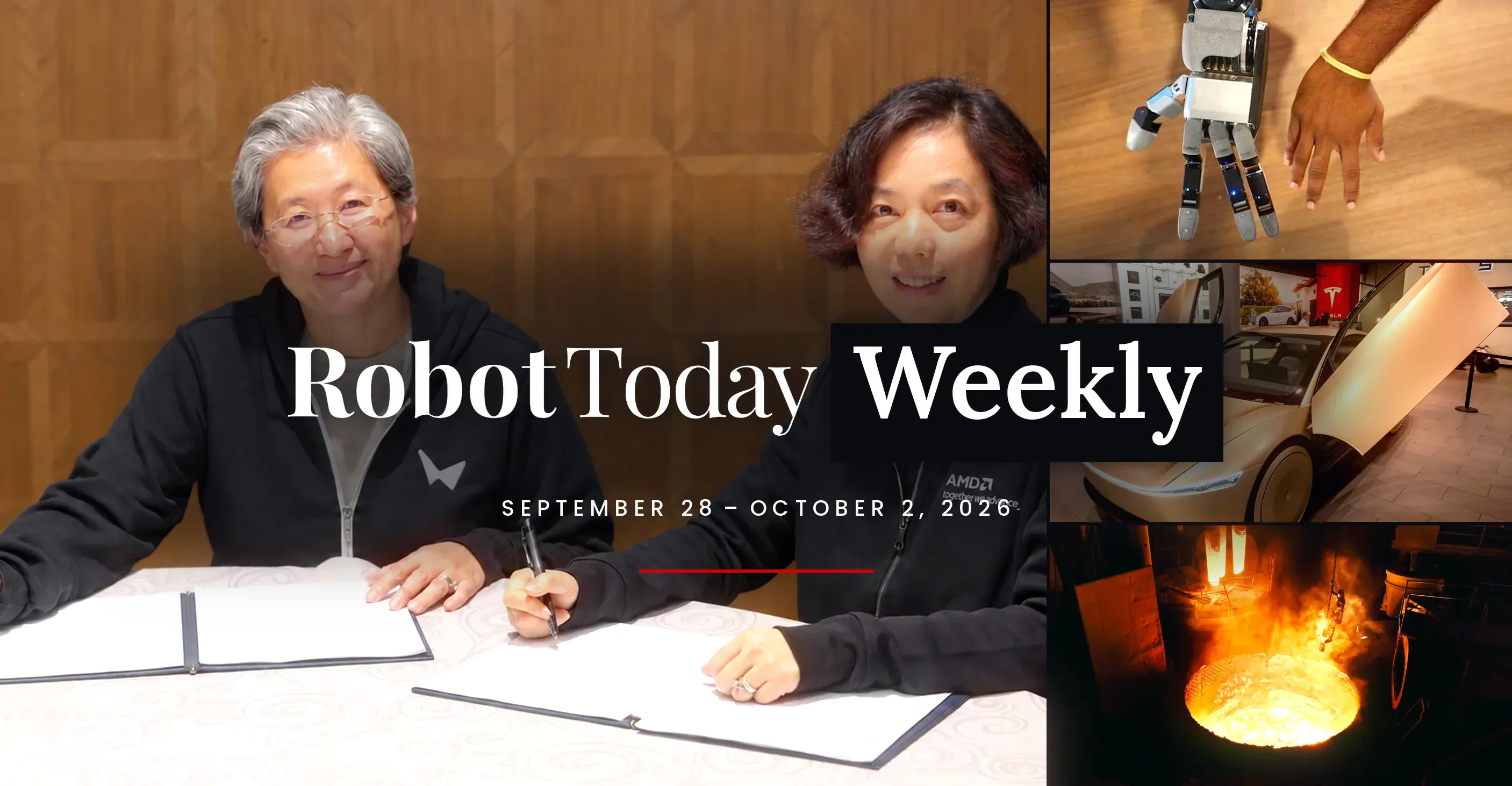
RobotToday Weekly September 28 – October 2, 2026
AMD buys World Labs for $8.2 billion, Tesla lines up $30 billion in credit, Boston Dynamics reveals a new Atlas hand, Figure melts its F.02 fleet, and IDC counts 25,000 humanoids shipped in H1.
The Patent Office Will Determine Winners in the Physical AI Race
Lightbringer's co-founders emphasize that advancements in AI, machine learning, and automation have transformed robotic capabilities. As competition escalates, success in the physical AI race is increasingly tied to ownership of the technology that governs robot behavior rather than the robots themselves. This complex intellectual property landscape requires robotics founders to strategically patent their innovations to avoid being outmaneuvered by competitors. The importance of a robust patent strategy is underscored by the experiences of startups, which often falter when they delay patenting their core technologies. The legal battle between Boston Dynamics and Ghost Robotics over core technology illustrates the critical nature of intellectual property in robotics. Startups, particularly in swarm robotics, face unique challenges in patenting behaviors that emerge from interactions among machines, raising questions about the patentability of such innovations. As the robotics industry evolves, the potential for patent disputes is expected to grow, reminiscent of the smartphone industry's past. A strong patent portfolio is essential for startups to navigate this landscape effectively, ensuring they protect their innovations before competitors can claim them. No further timeline was disclosed at the time of publication.
Artificial Intelligence Business Resources Manufacturing News Opinion Software / Simulation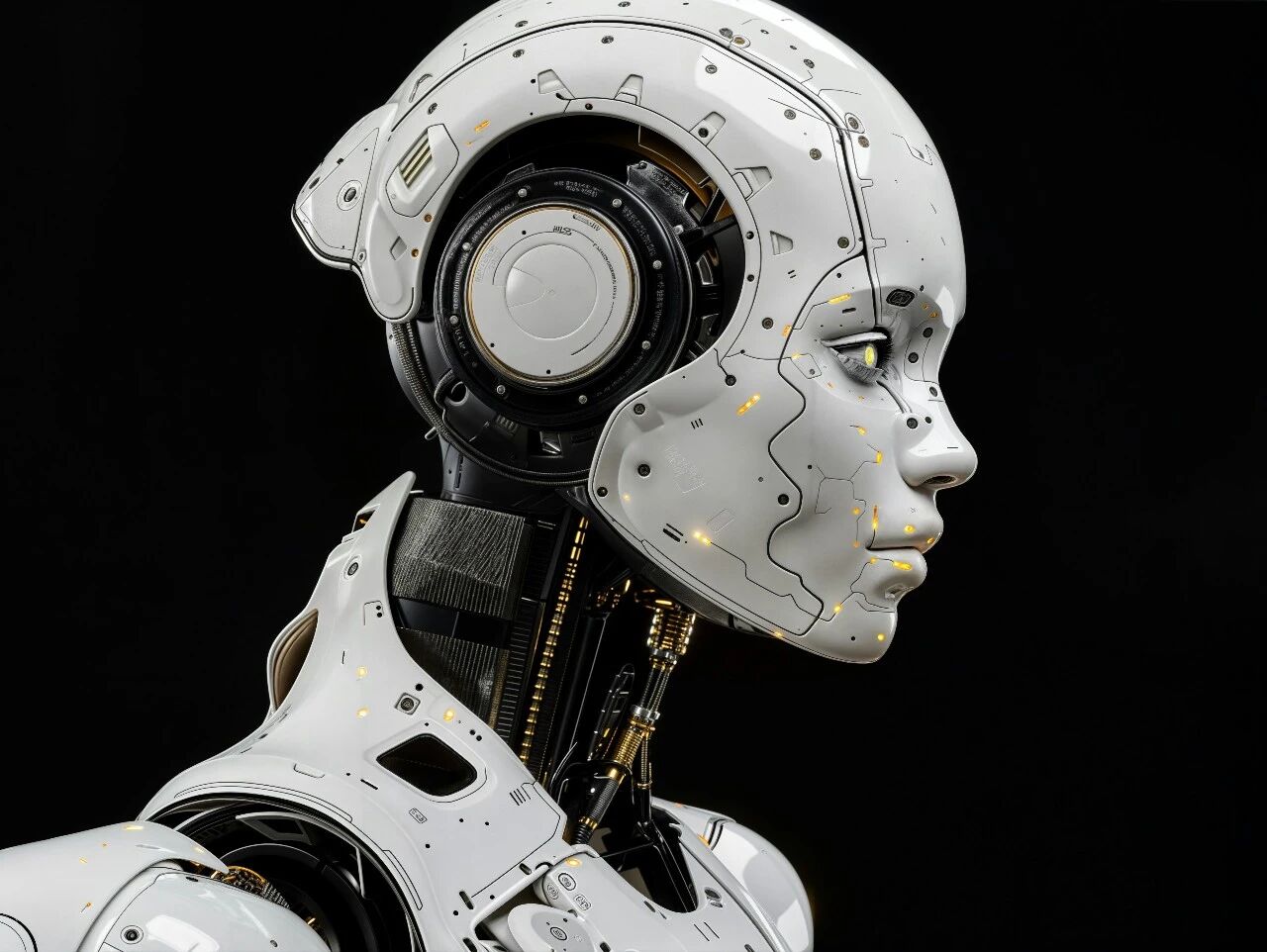
The Resolution of the Route Dispute in Embodied Intelligence: Five Models in Eight Days
The recent developments in embodied intelligence have seen a significant resolution in the route dispute, culminating in the unveiling of five models within eight days. This rapid progression highlights the advancements in robotics and artificial intelligence, showcasing the potential for enhanced human-robot collaboration. This resolution is crucial as it signifies a shift towards more integrated and efficient robotic systems, which can potentially transform various industries. The focus on embodied intelligence emphasizes the importance of creating robots that can interact seamlessly with humans, thereby improving operational efficiency and user experience. Looking ahead, stakeholders should monitor the ongoing advancements in embodied intelligence and the implications for future robotics applications. The developments in this field may lead to new opportunities for collaboration between humans and robots, enhancing productivity and innovation across sectors. No further timeline was disclosed at the time of publication.
Robotics Automation AI
Amazon and Georgia Tech Establish New Science Hub to Enhance Research Collaboration
Amazon and the Georgia Institute of Technology have launched the Georgia Tech–Amazon Science Hub, aimed at fostering academic and industry collaboration in advanced research. This initiative builds on a decade of partnership, with Amazon providing funding for joint research projects and community initiatives to enhance scientific endeavors. The collaboration is significant as it combines Georgia Tech's expertise in robotics and engineering with Amazon's advancements in on-device intelligence and AI. This partnership is expected to accelerate research in autonomous systems, logistics infrastructure, and low-Earth-orbit communications, ultimately improving human-robot interaction and mobility. Looking ahead, the Hub will explore innovative solutions to pressing challenges in technology and research. No further timeline was disclosed at the time of publication.
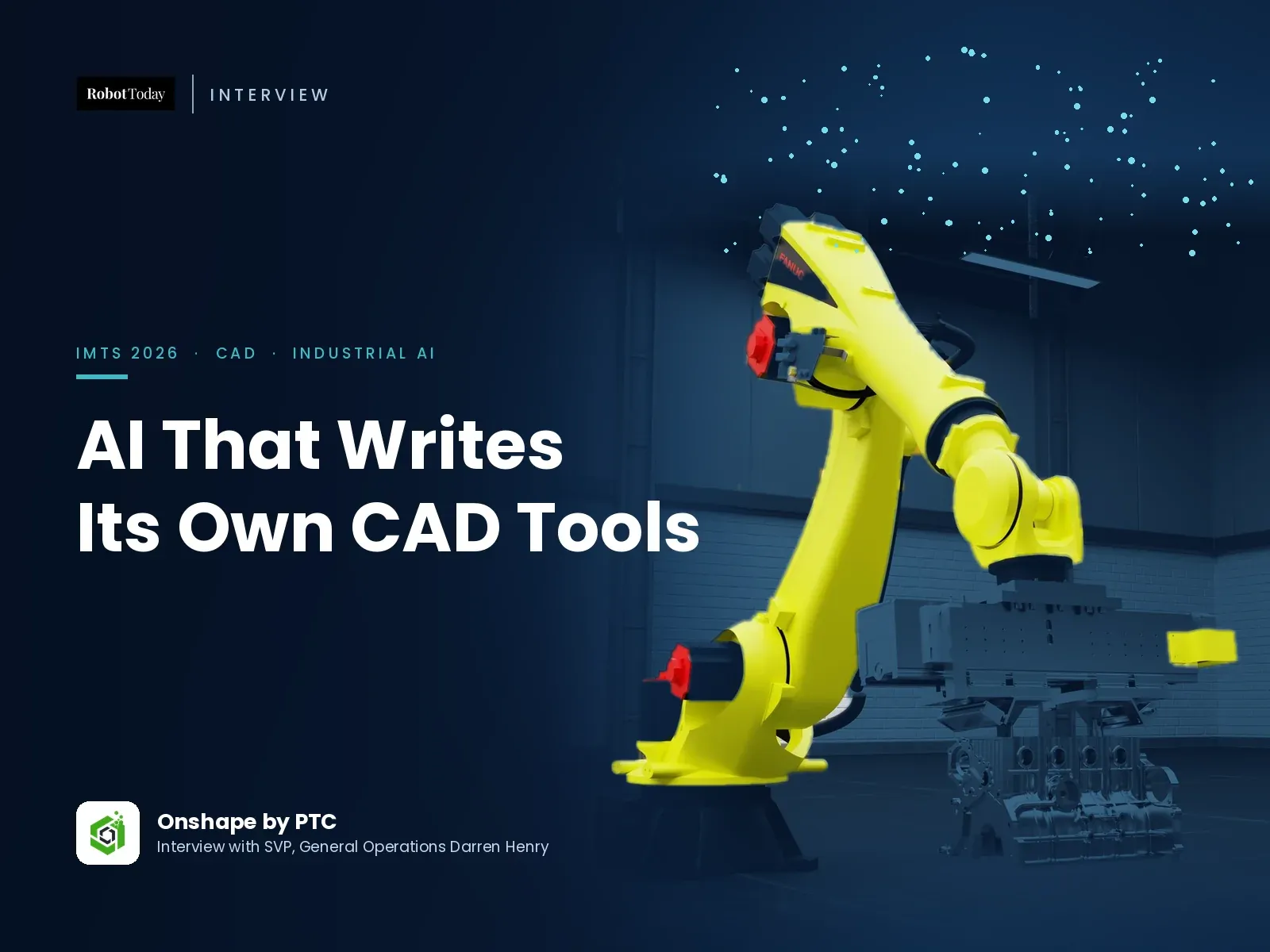
PTC Onshape at IMTS 2026: AI That Writes Its Own CAD Tools
PTC's Darren Henry shows Onshape's FeatureScript MCP Server turning a supplier PDF into a parametric CAD tool in 34 minutes, and what it means for robots.
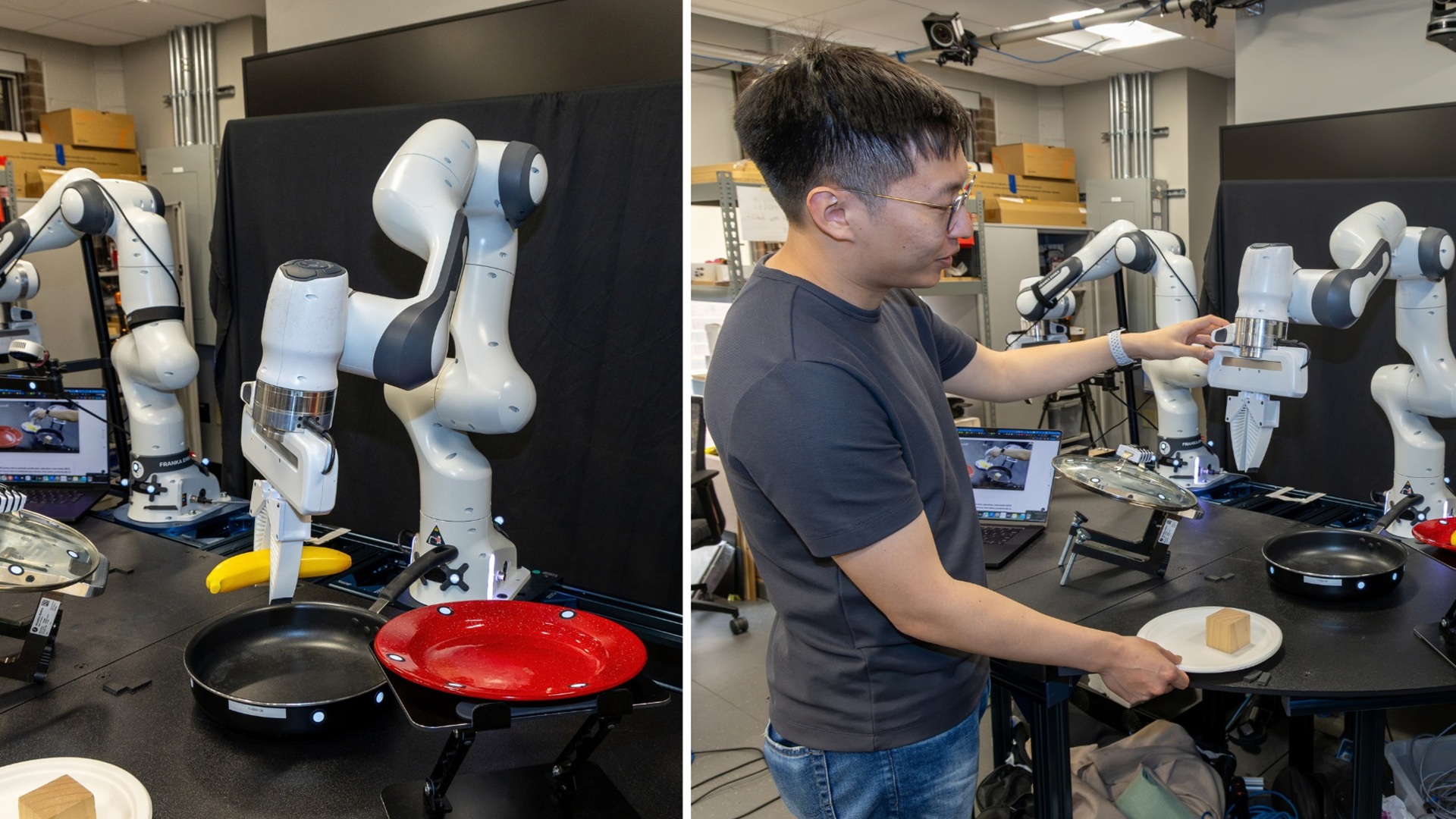
University of Pennsylvania's SymSkill Robot Learns 12-Step Tasks in Just 5 Minutes
Researchers at the University of Pennsylvania have developed a robot system named SymSkill that can learn to complete complex tasks with up to 12 steps after only five minutes of video demonstrations. This innovative approach allows the robot to adapt its actions when faced with interruptions or failures during task execution. The significance of SymSkill lies in its ability to combine symbolic planning with a physics-based method known as dynamical systems, enabling the robot to determine necessary actions and execute them effectively. This system was tested on tasks like moving a banana from a covered pan to a plate, showcasing its capability to adjust plans dynamically in response to environmental changes. Looking ahead, the ability of SymSkill to re-plan and adapt when tasks go awry is crucial for robots operating in unpredictable environments. The researchers demonstrated that the robot could perform complex tasks without needing additional demonstrations, marking a significant advancement in robotic learning and adaptability.
AI and Robotics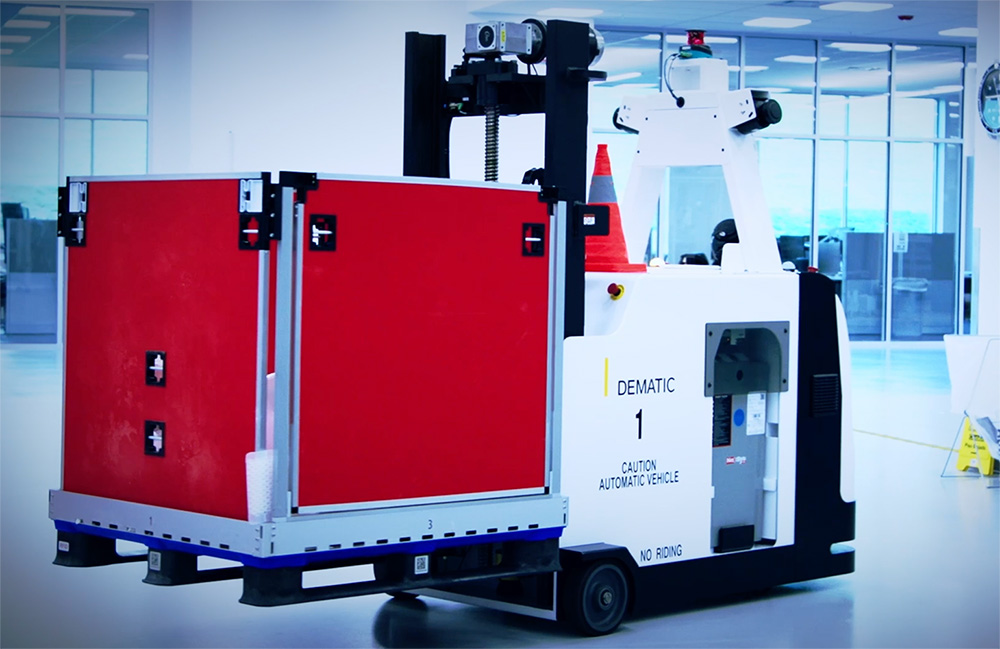
Eli Lilly and Purdue University to Present Human-Robot Interaction Insights at RoboBusiness 2026
At RoboBusiness 2026, Eli Lilly's Faraz Yousuf and Purdue University's Dr. Anastasia Kouvaras Ostrowski will discuss their findings on human-robot interaction (HRI) in manufacturing. Their presentation will focus on the challenges of conducting HRI research in live production environments and the insights gained from working with automated guided vehicles (AGVs). This collaboration is significant as it bridges the gap between academic research and practical applications in industrial settings, addressing the need for effective HRI to enhance safety and efficiency. The insights shared at the event could pave the way for more successful partnerships between academia and industry, fostering innovation in robotics. Attendees can expect to learn about the perceptions of robots on the manufacturing floor and the strategies developed to facilitate ongoing collaboration. The talk is scheduled for October 20 at 11:45 a.m. PT, highlighting the importance of HRI in the future of industrial automation. No further timeline was disclosed at the time of publication.
Artificial Intelligence Design / Development Events Human Robot Interaction / Haptics Logistics Manufacturing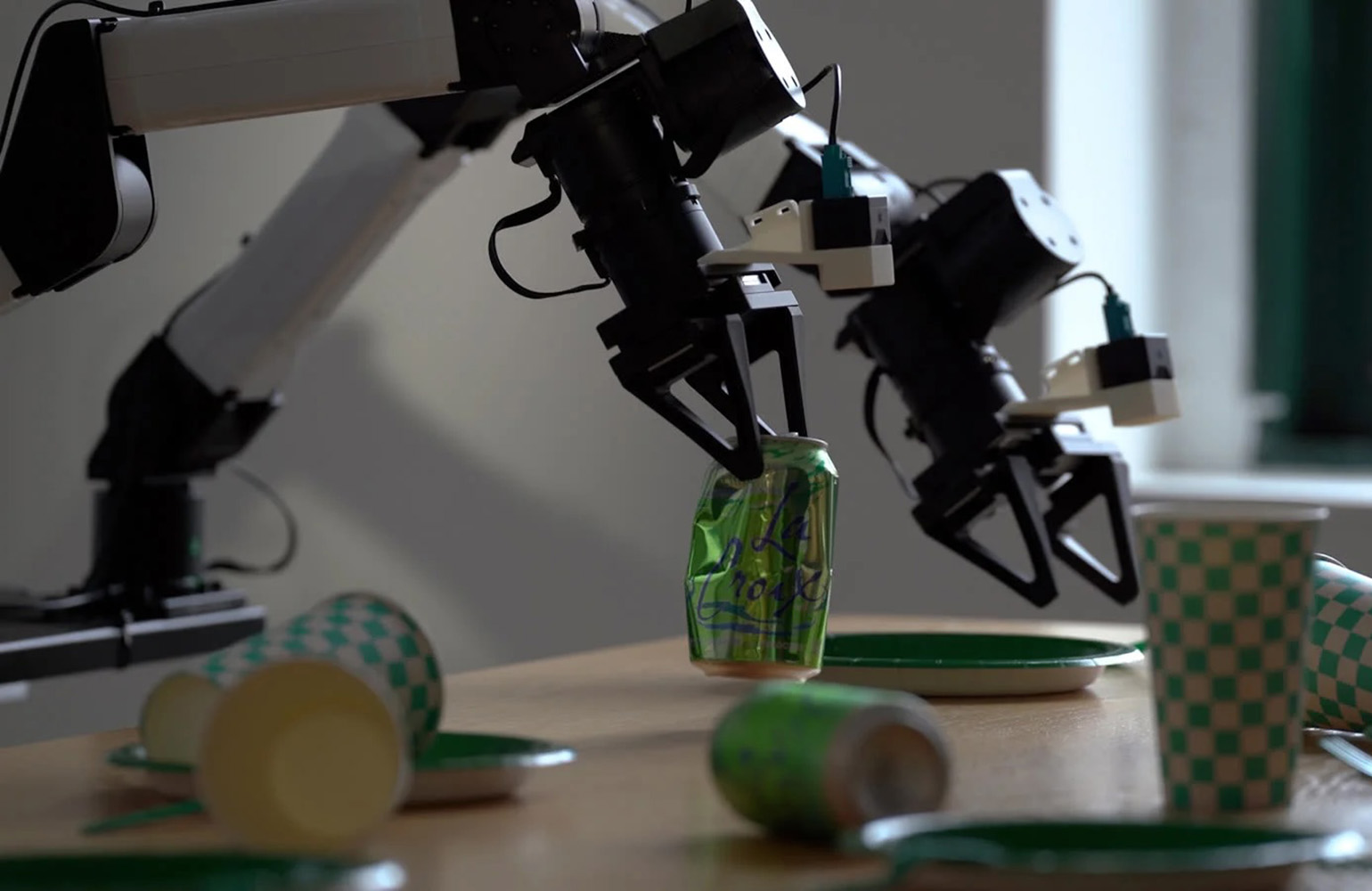
Runway Unveils Praxis-1, a Generalist Action Model for Robotics Applications
Runway AI Inc. has introduced Praxis-1, an open-weight world action model designed to enhance robotic control through video pretraining. The company is currently testing Praxis-1 across various embodiments and environments to identify and address potential gaps before its general release. The significance of Praxis-1 lies in its ability to learn primarily from third-person video, which alleviates the challenges associated with the scarcity and cost of robot data collection. According to Kamil Sindi, Runway's CTO, the model's performance improves with increased video input, allowing it to understand object behavior and task execution without relying heavily on robot demonstrations. Looking ahead, Runway plans to publicly release Praxis-1 in the coming months after thorough testing with early partners. The model aims to provide a versatile policy framework for robotics developers and researchers, capable of functioning across diverse environments and embodiments, thereby addressing the current limitations in robotics training data.
6-Axis Arms / Manipulators Artificial Intelligence Artificial Intelligence / Cognition Controllers Design / Development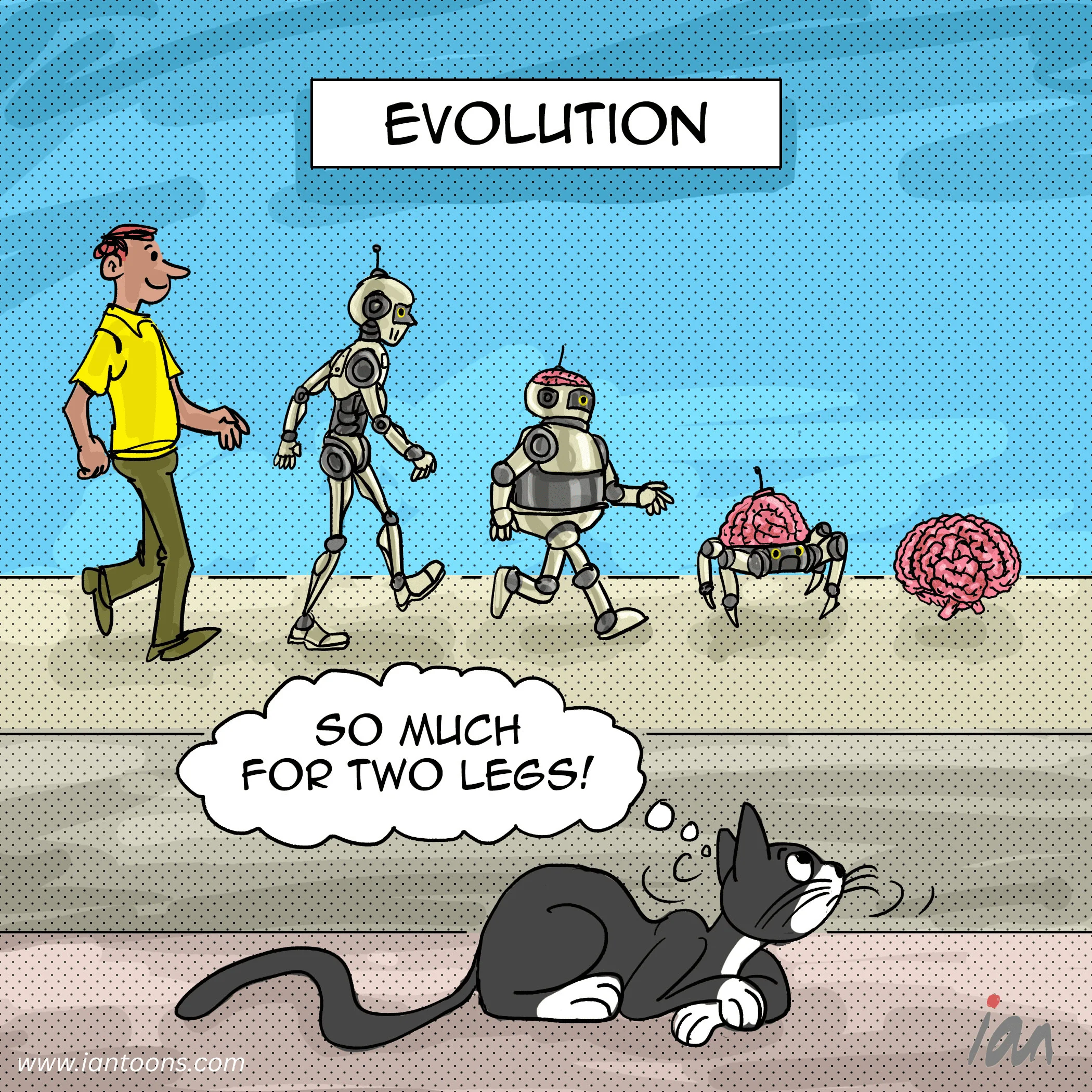
Robots Evolve: Tiangong Ultra Breaks Running Records at World Humanoid Robot Games
At the World Humanoid Robot Games in Beijing, X-Humanoid's Tiangong Ultra achieved remarkable feats, running 100 meters in 8.64 seconds and 400 meters in 38.15 seconds, surpassing human records. This evolution in robotic movement highlights the potential of first-principles learning, as Tiangong Ultra optimized its gait independently, moving away from traditional human-like motions. The significance of these advancements lies in the shift from human-centric designs to robots that can optimize their performance based on task requirements. As Tiangong Ultra demonstrated, robots can learn and adapt in ways that challenge our assumptions about their form and function. This evolution suggests a future where robots may not resemble humans but are better suited for their specific tasks. Looking ahead, the implications of Tiangong Ultra's performance could influence the design and development of future robots. The focus may shift towards creating machines that prioritize efficiency and effectiveness over human-like characteristics. No further timeline was disclosed at the time of publication.
Physical AI AI comic robots Tech Comic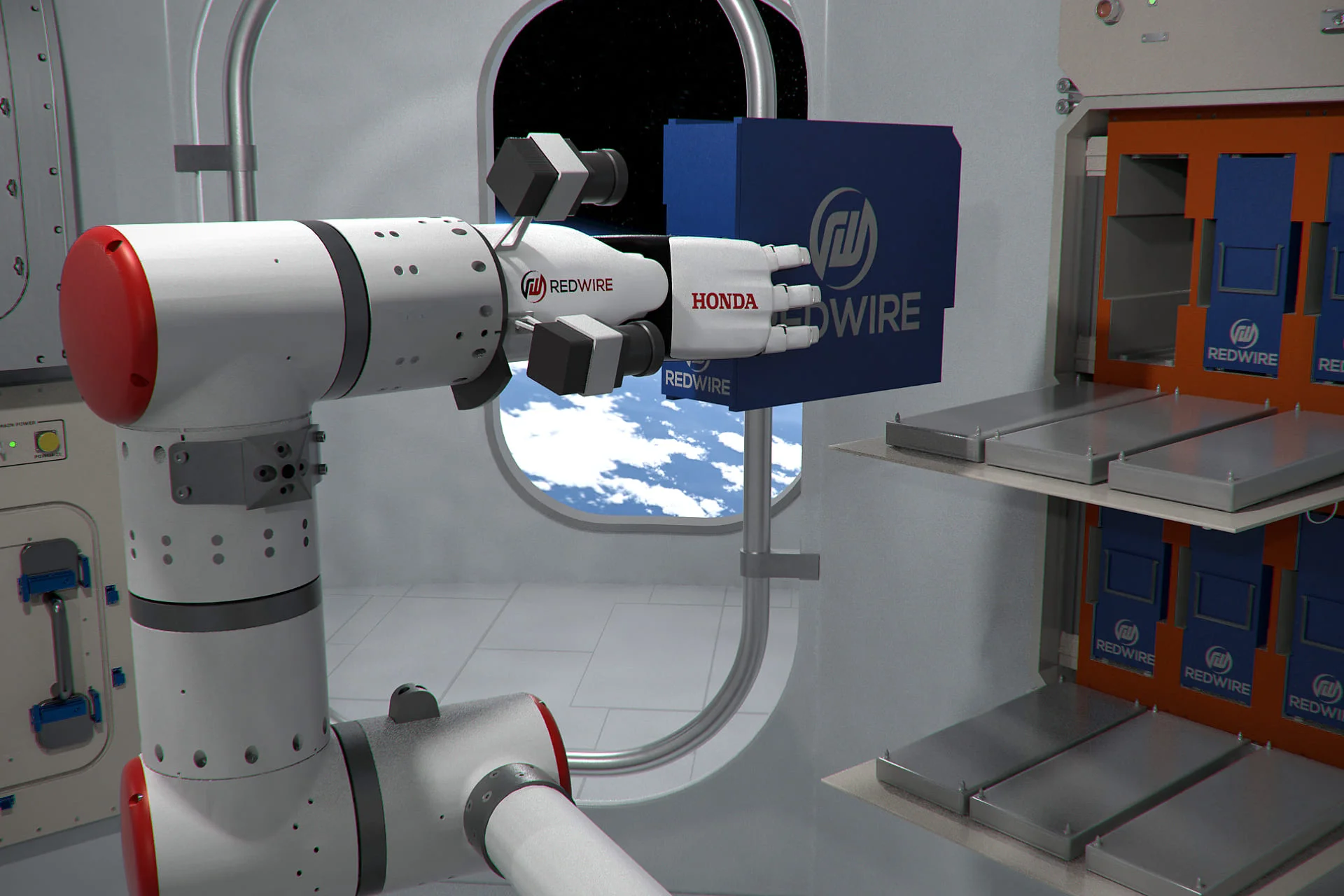
Honda and Redwire Collaborate on Robotic Lab System for Future Space Stations
Honda's U.S. space development team is collaborating with Redwire to create a robotic system designed for future commercial space stations. This system aims to automate laboratory tasks, including sample handling and equipment operation, by integrating Honda's multi-fingered robotic hand with Redwire's STAARK robotic arm. The initiative is timely as NASA transitions from the International Space Station to commercially operated stations, which may require increased automation to optimize astronaut efficiency. The collaboration is significant as it addresses the growing need for automation in low Earth orbit, particularly with the expected reduction in crew sizes and shorter astronaut stays. Honda's dexterous robotic hand, equipped with advanced sensors, is designed to perform delicate tasks, while Redwire's STAARK arm offers the necessary reach and positioning capabilities. This partnership could enhance research operations and support the evolving landscape of commercial space exploration. Looking ahead, Honda and Redwire plan to present their robotic system at the International Astronautical Congress in Antalya, Türkiye, from October 5-9. This event will provide an opportunity to engage with commercial station developers and industry partners, discussing potential applications and further advancements in space robotics.
Business & Markets Enterprise Physical AI collaboration Honda NASA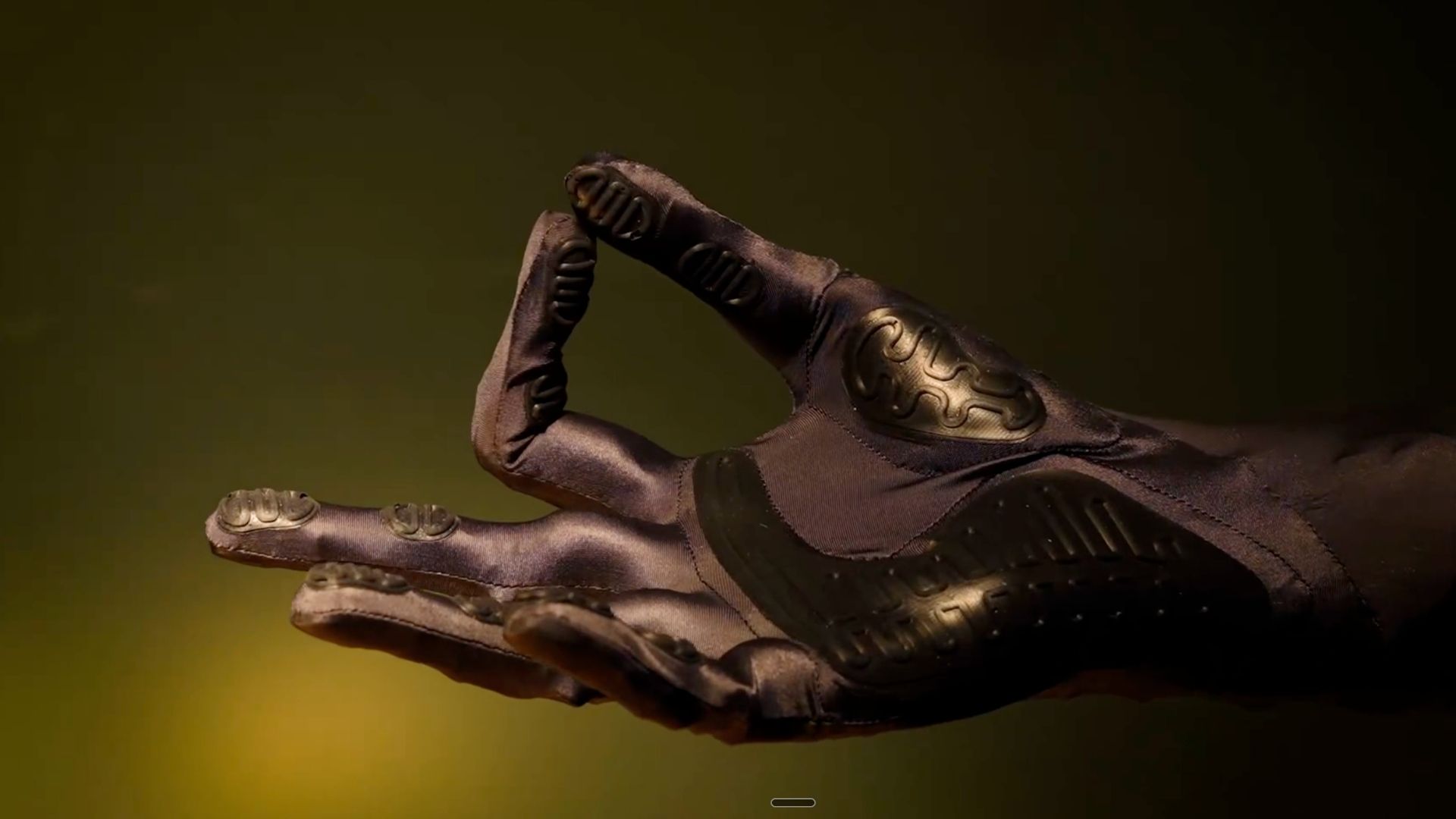
Clone Robotics Unveils Humanlike Hand Ahead of Torso 4 Launch in November
Clone Robotics showcased a human-controlled robotic hand while announcing a launch target for Torso 4 in November. The demonstration featured the hand of Torso 3, which operates through teleoperation, allowing a human to control its movements remotely. This video highlights an older design, as the company has spent six months redesigning the entire system. The significance of this demonstration lies in Clone's focus on humanlike manipulation, utilizing five fingers driven by artificial muscles and tendons. While the video does not showcase the capabilities of the upcoming Torso 4, it emphasizes the company's commitment to enhancing hardware for easier simulation and control. The redesigned platform aims to automate stationary bimanual tasks in enterprises, marking a shift from showcasing individual components to outlining practical applications. Looking ahead, Clone Robotics is set to launch Torso 4 in November, although specific tasks it can perform or the level of human assistance required remain undisclosed. The upcoming platform is expected to play a crucial role in automating workplace tasks, and industry watchers will be keen to see how it performs in real-world applications.
AI and Robotics
Boston Dynamics Introduces New Four-Finger Hand for Atlas Humanoid Robot's Industrial Tasks
Boston Dynamics, the robotics division of Hyundai Motor Group, revealed a new four-finger hand for its Atlas humanoid robot on Thursday. This advanced hand is designed to enable Atlas to perform complex and continuous tasks, enhancing its versatility in environments where human tools are used. With 13 degrees of freedom, the hand features pressure-based tactile sensors that allow it to adapt grip strength and finger movements based on the object's characteristics. The development of this robotic hand is significant as it addresses the need for humanoid robots to operate effectively in industrial settings. The design focuses on complexity, power consumption, cost efficiency, durability, and maintenance, ensuring that the hand can withstand various operational demands. In demonstrations, Atlas showcased its capabilities by performing tasks such as drilling and manipulating small objects, highlighting the practical applications of the new hand in real-world scenarios. Looking ahead, Boston Dynamics has established the Robotics Metaplant Application Center to further refine Atlas's capabilities. This facility will gather manufacturing data and enhance the robot's learning through simulations and real-world applications. No further timeline was disclosed at the time of publication.
All News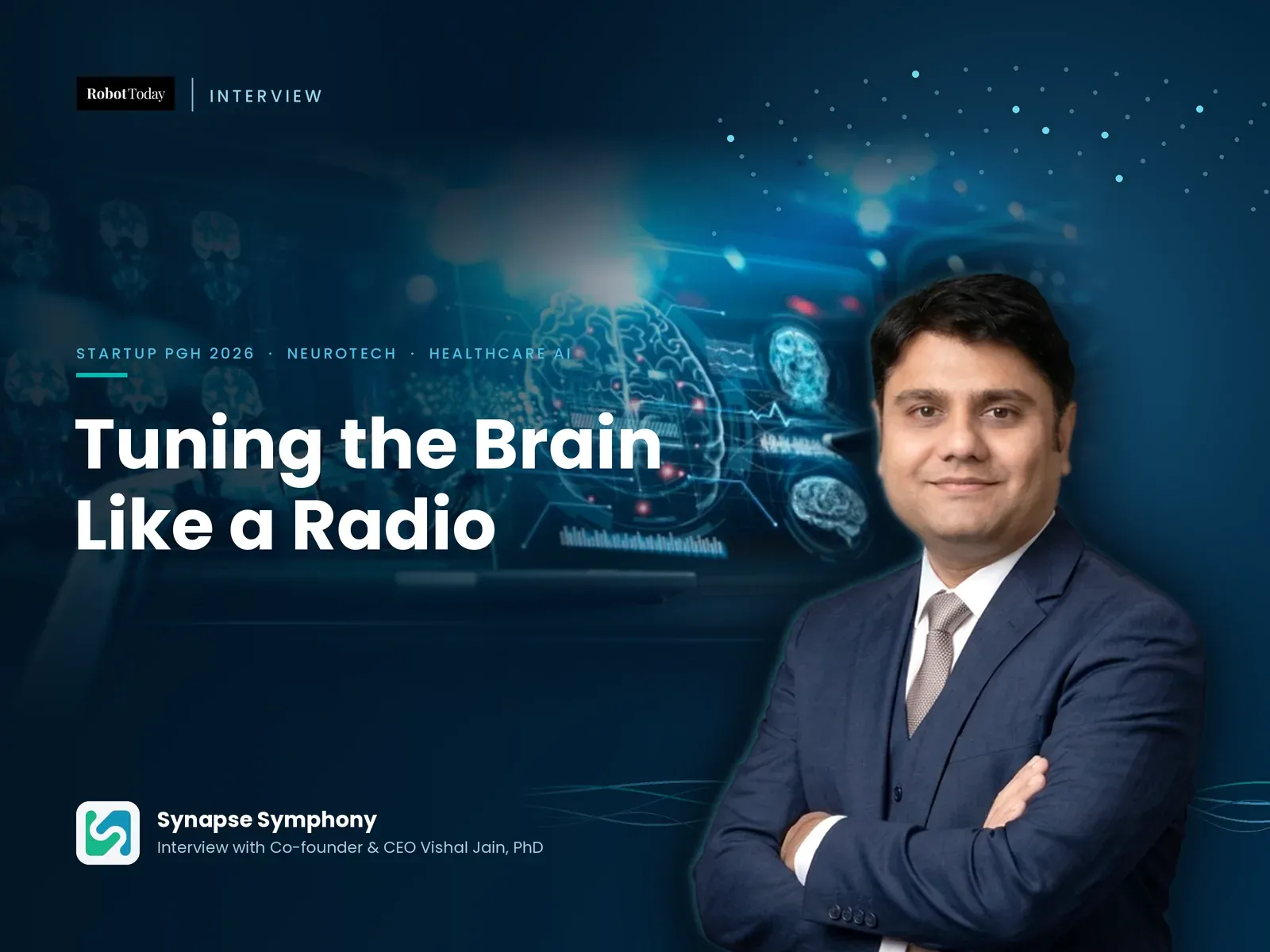
Tuning the Brain Like a Radio: Synapse Symphony’s Plan to Treat Chronic Pain at Home
CEO Vishal Jain on Synapse Symphony's DARPA-rooted wearable brain-stimulation headset for chronic pain, its FDA plans, and a second use: motor-health checks.

RobotToday Weekly September 21 – 25, 2026
Cognex buys RealSense, Qualcomm acquires PickNik, the IFR counts 5 million factory robots, AGIBOT deploys 300 robots at Chimelong, and Tekever raises $580 million.

Siemens on Robots, Agentic AI and the "Last 3%" Problem
Siemens tells RobotToday at IMTS 2026 why AI robot demos are only the tip of the iceberg, and why agentic AI depends on PLM data and business context.

RobotToday Weekly September 14 – 18, 2026
Toyota weighs 400,000 factory robots, SoftBank buys Hyundai's Robotics and AI Institute, Agility unveils Digit 5, Figure's Helix 2.5 generalises to 30 homes, and August robotics funding hits $4.87 billion.

Innovation Works Venture Expo 2026: 58 Pittsburgh Startups Pitch to Investors
58 health, deep tech and robotics startups pitched at Innovation Works Venture Expo 2026 in Pittsburgh. Full company list, program and 2025 funding data.

The Missing Price: What Non-Disclosure Reveals About the Humanoid Market
Of 131 announced robot models, 33 publish no price. US makers withhold at twice the rate of Chinese ones — and the reason is stage, not strategy.
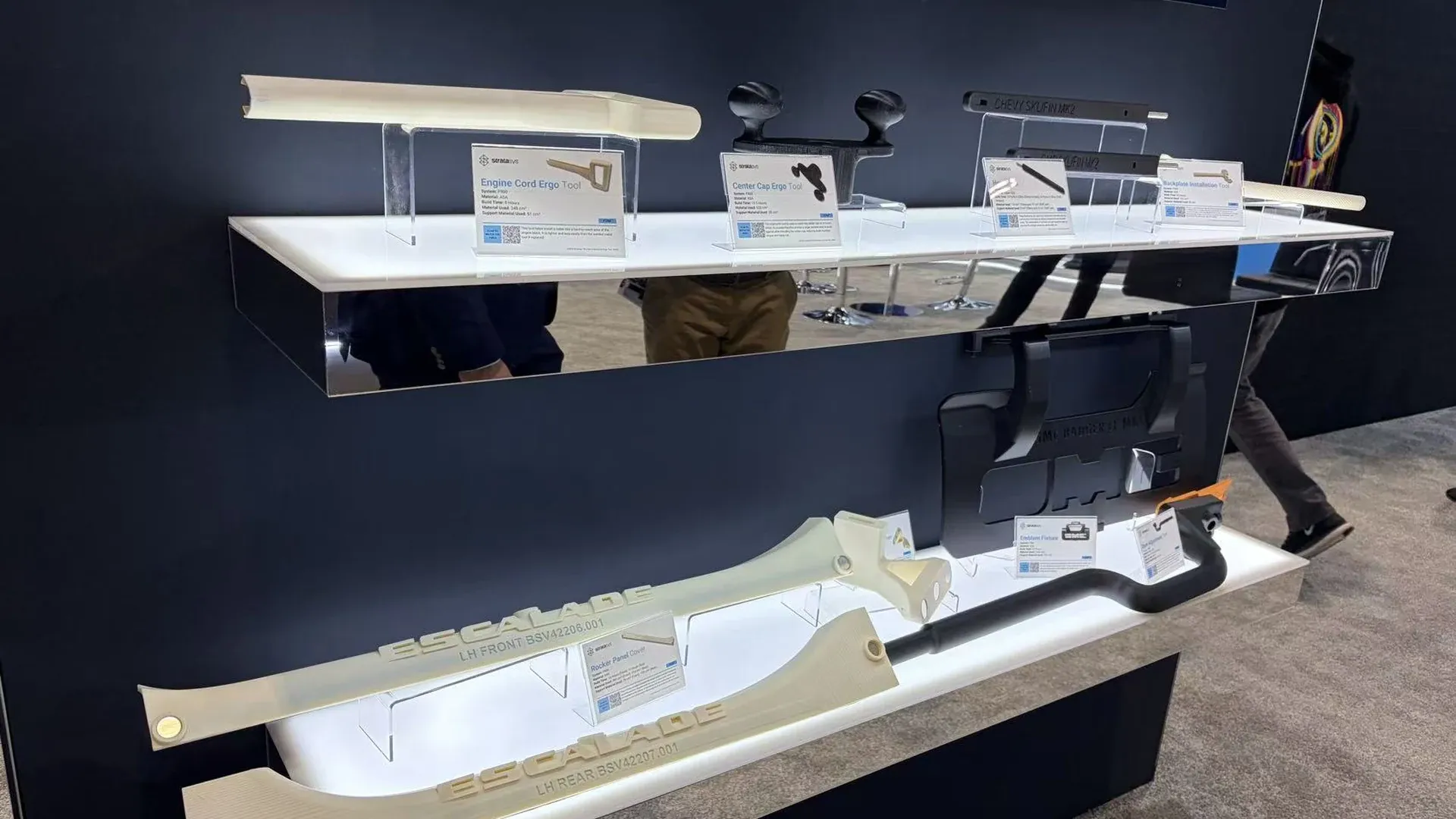
Stratasys at IMTS 2026: GM Scales Additive to 20+ Plants
Stratasys is rolling additive out across 20+ GM plants while Toyota prints robot grippers. Booth build data, the F870, and where the cost case breaks.

