


RealSense AI
RealSense AI develops depth cameras and computer vision technology for autonomous mobile robots, humanoids, biometrics, and industrial automation.
Contact RealSense AI
WEBSITE
https://www.realsenseai.comHEADQUARTERS
United States

Company Facts
Founded
2025
Primary Role
Component Supplier
Company Size
-
Primary Region
North America
Annual Sales
-
Funding Stage
-
Funding Total
-
York University Develops CBS Algorithm to Enhance Humanoid Robot Depth Perception
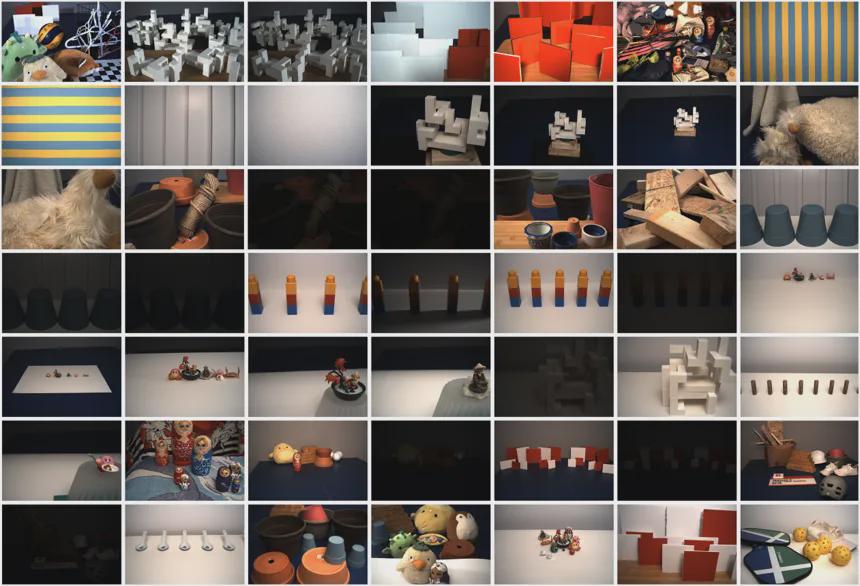
Researchers from York University have introduced the Convergent Binocular Stereo (CBS) algorithm to improve depth perception in humanoid robots. This innovative approach utilizes the movement of the robot's eyes, allowing them to converge on a target while calculating depth based on camera orientation and disparities in the images. This method significantly outperforms traditional depth learning techniques, especially in complex visual scenarios. The advancement is crucial as humanoid robots increasingly rely on sophisticated vision systems to navigate and interact with their environments. By integrating eye movement into depth calculations, the CBS algorithm addresses a long-standing challenge in robotic vision, enhancing the robots' ability to perceive three-dimensional spaces accurately. Looking ahead, the implementation of the CBS algorithm could lead to more advanced humanoid robots capable of better depth perception and spatial awareness. No further timeline was disclosed at the time of publication.
Humanoid Robots Vision Systems Depth Perception Robotics Research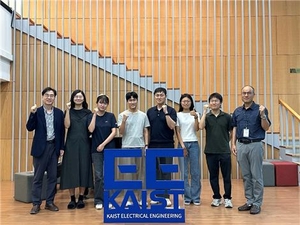
KAIST's Urban Robotics Lab Achieves Top Honors in International Navigation Challenges
KAIST's Urban Robotics Lab secured first and second place in two prestigious international robot navigation challenges. The team developed an AI system that enables robots to self-verify their decisions, ensuring they reach the correct destination. This innovative self-checking technology was instrumental in their success at the competitions held in Malmo, Sweden, and Sydney. The significance of this achievement lies in the advancement of embodied artificial intelligence, which allows robots to better understand human instructions and navigate complex environments. By addressing common navigation errors, such as misidentifying destinations, KAIST's technology enhances the reliability of robotic systems in real-world applications. The competitions were part of the European Conference on Computer Vision 2026 and Robotics: Science and Systems 2026, highlighting the importance of AI in robotics. Looking ahead, the focus will be on further refining the CoRe-VLN system, which utilizes AI to analyze visual and textual data for improved navigation accuracy. No further timeline was disclosed at the time of publication.
All News
Top Group and Yuan Sheng Technology Establish Strategic Partnership for Tactile Perception Development
Top Group and Yuan Sheng Technology have signed a strategic cooperation agreement to collaborate on embodied intelligent perception and execution capabilities. This partnership aims to enhance the core technologies of tactile perception for dexterous hands and accelerate the commercialization of embodied intelligence. Previously, in August, Top Group made a strategic investment in Yuan Sheng Technology, marking a shift from financial investment to technical collaboration. Yuan Sheng Technology focuses on tactile infrastructure for embodied intelligence, developing an integrated technology system that includes tactile sensors, data collection, and hardware-software architecture. Their multidimensional tactile technology is characterized by high density, thinness, and the ability to perceive various forces, applicable in scenarios such as dexterous hands and humanoid robots. The company has achieved reliable mass production of automotive-grade tactile sensors, which are now being delivered to well-known clients in robotics and data collection. Top Group has established a dedicated robotics actuator division to enhance its capabilities in core hardware areas such as dexterous hands and precision components. The combination of Top Group's actuators and Yuan Sheng's sensors is crucial for achieving the precise feedback required for delicate operations. The focus of their collaboration is to accelerate the commercialization of embodied intelligence, and it remains to be seen if this partnership can produce replicable delivery cases in practical applications.
Tactile Sensors Embodied Intelligence Robotics Automation Sensor Technology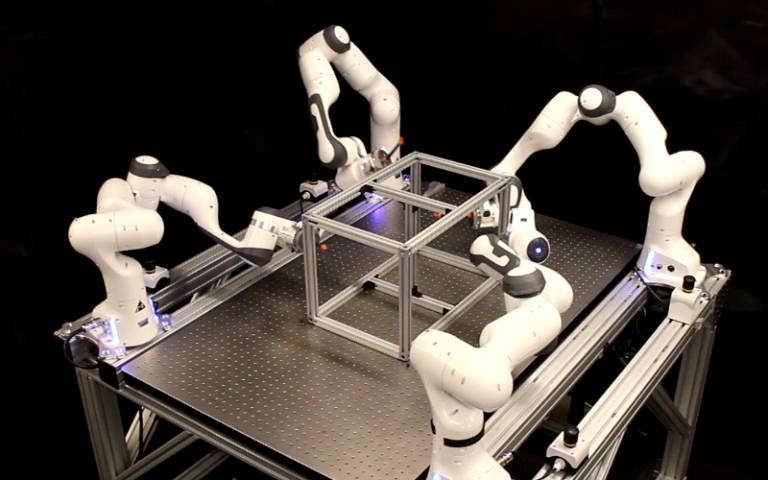
York University Enhances Humanoid Robot Depth Perception with Eye Movement Integration
York University has made significant advancements in humanoid robot vision by integrating eye movement into depth perception. Their research, published in 'Science Robotics', demonstrates that the geometric information generated by eye movements can enhance a robot's understanding of the three-dimensional world. This approach, termed Convergent Binocular Stereo (CBS), allows robots to calculate depth by using the rotation of their cameras to focus on the same target, improving accuracy in depth perception. The importance of this development lies in its potential to overcome limitations in traditional robotic vision systems, which often rely on fixed parallel camera setups. By enabling robots to utilize both horizontal and vertical disparities in visual data, CBS provides a more nuanced understanding of spatial relationships. The study shows that CBS outperforms several conventional and deep learning methods in various scenarios, particularly in cases with repetitive patterns where traditional algorithms struggle. Looking ahead, the research highlights challenges that remain before CBS can be effectively implemented in real-time robotic applications. Current processing times are too slow for immediate perception, and the system's accuracy is sensitive to motor precision and camera calibration. Future work will focus on optimizing the algorithm, enhancing motor accuracy, and addressing the issue of determining the next point of focus, which is crucial for mimicking human-like vision in robots.
Humanoid Robots Depth Perception Computer Vision Robotics Research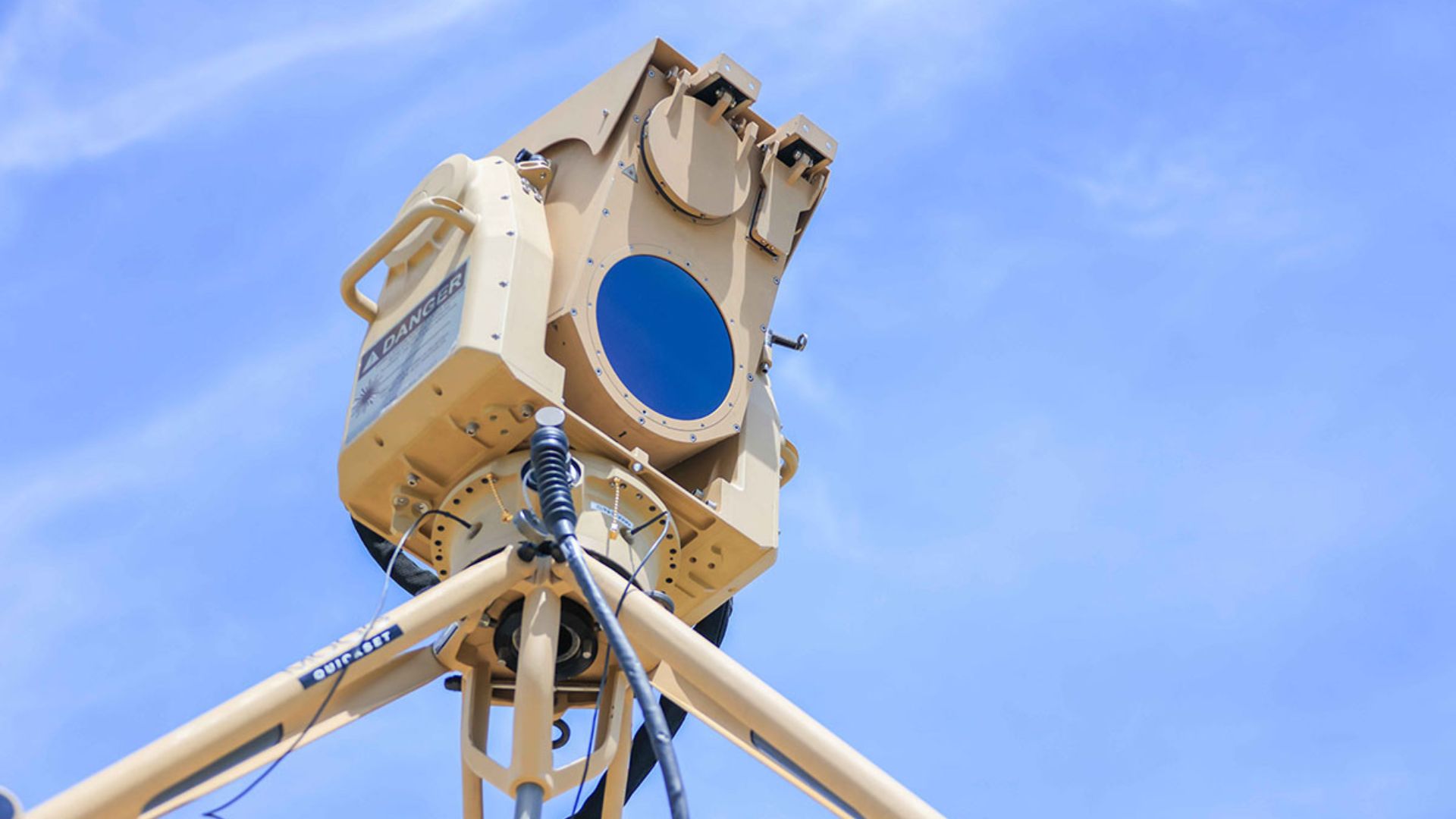
AEye and AB Swiftstrike AI Collaborate on Long-Range Lidar for Drone Detection
AEye and AB Swiftstrike AI are partnering to integrate AEye's STRATOS lidar into Swiftstrike's autonomous counter-drone systems. This collaboration aims to enhance the detection of small aerial threats that operate without conventional radio signals, extending the detection range to nearly one mile. The integration of STRATOS, which boasts more than double the resolution of AEye's Apollo lidar, is significant for identifying small drones. Higher resolution allows for better differentiation between actual aerial targets and surrounding objects, providing precise information on their position and movement. As drone technology evolves, electronic detection becomes increasingly challenging. The STRATOS sensor's ability to actively measure objects using laser pulses offers a viable solution, even when drones do not emit electronic signatures. No further timeline was disclosed at the time of publication.
Military
Durham University Develops Advanced Drone Navigation System for Safer Flight in Crowded Spaces
Researchers at Durham University have created an innovative drone navigation system that allows autonomous aircraft to navigate through cluttered environments more efficiently. This advancement enhances the speed, smoothness, and safety of drone operations in areas filled with obstacles. The significance of this development lies in its potential applications, including search and rescue missions, infrastructure inspections, and environmental monitoring. By improving drone navigation, this system opens up new opportunities for various industries that rely on aerial technology. Looking ahead, the impact of this navigation system could transform how drones are utilized in complex environments. No further timeline was disclosed at the time of publication.
Robotics
Enhancing Visual Interpretability in Exploratory Robots Using Peering Techniques
A recent study published in Science Robotics explores how robot dogs can enhance their visual interpretability through innovative peering techniques. This advancement allows these exploratory robots to better understand and navigate their environments, which is crucial for their operational effectiveness. The significance of this research lies in its potential to improve the interaction between robots and their surroundings, making them more adept at performing tasks that require visual comprehension. By employing peering methods, these robots can interpret complex visual data more effectively, which is essential for applications in various fields, including search and rescue operations. Looking ahead, the implications of this research could lead to further developments in robotic vision systems. As the technology evolves, it will be important to monitor how these advancements are integrated into real-world applications and the impact they have on the capabilities of exploratory robots. No further timeline was disclosed at the time of publication.
Research Resource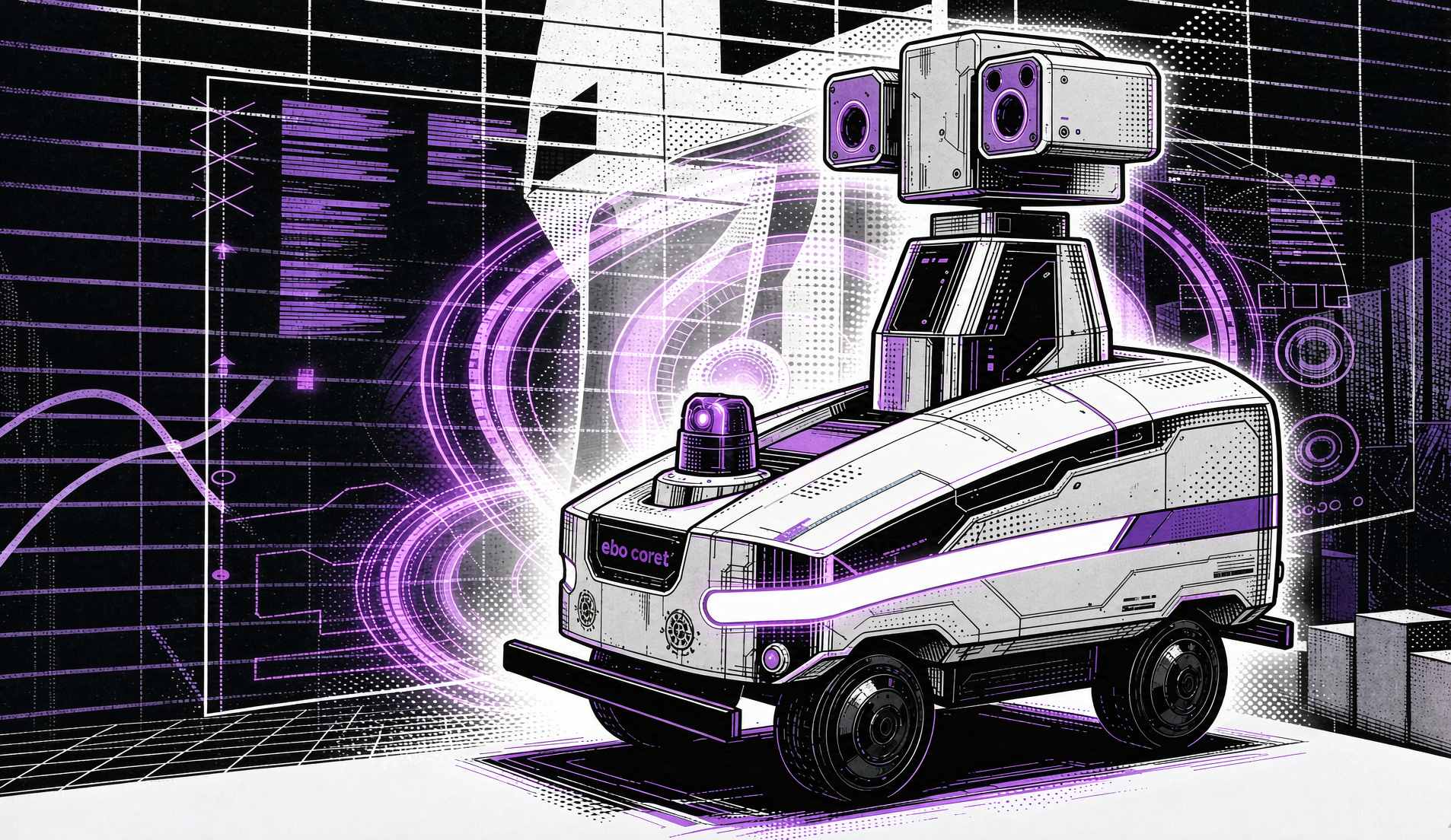
Hefei Team Develops All-Weather Forestry Inspection Robot for Enhanced Fire Detection
A team led by Cheng Ziyang has developed a forestry inspection robot designed to address the limitations of traditional fire detection methods. The robot integrates LiDAR and thermal imaging technologies, enabling it to operate effectively in low visibility conditions such as nighttime and smoke. This innovation aims to enhance the efficiency of forest fire monitoring by autonomously navigating complex terrains and detecting temperature anomalies that are often precursors to fires. The significance of this development lies in its potential to improve forest fire prevention efforts. Traditional methods, including fixed sensors and manual patrols, have proven inadequate due to high costs, low efficiency, and limited coverage. The new robot has demonstrated a 27% increase in inspection coverage and significantly improved accuracy in identifying fire sources, thereby reducing the need for human intervention in hazardous areas. Looking ahead, the team plans to further optimize the robot's performance and push for its industrialization. The challenges of cost, reliability, and mass delivery remain, but overcoming these hurdles could lead to a substantial enhancement in the intelligence of forest fire protection systems, ultimately reducing risks and improving response times in emergency situations.
Forestry Robotics Fire Detection Technology Autonomous Systems Environmental Monitoring
Boston Dynamics Introduces Industrial-Style Head for Atlas Robot Design
Boston Dynamics has redesigned its Atlas robot, incorporating an industrial-style head instead of human-like features. Mechanical engineer Taylor Frey-Baker emphasized that Atlas is intended for industrial environments, thus its appearance should reflect that purpose. The head lacks facial features and includes light rings that communicate the robot's operational status and intentions to nearby workers. This design choice is significant as it prioritizes safety and efficiency in shared workspaces. The head's lighting interface provides immediate visual cues about Atlas's actions, reducing ambiguity in industrial settings. The robot is equipped with HDR stereo cameras that enhance environmental perception, allowing operators to navigate challenging lighting conditions effectively. Looking ahead, the integration of the head as a sensor carrier and status indicator positions Atlas to work safely and predictably alongside human workers in factories and warehouses. No further timeline was disclosed at the time of publication.
Industrial Robots Robot Design Automation Technology Safety Systems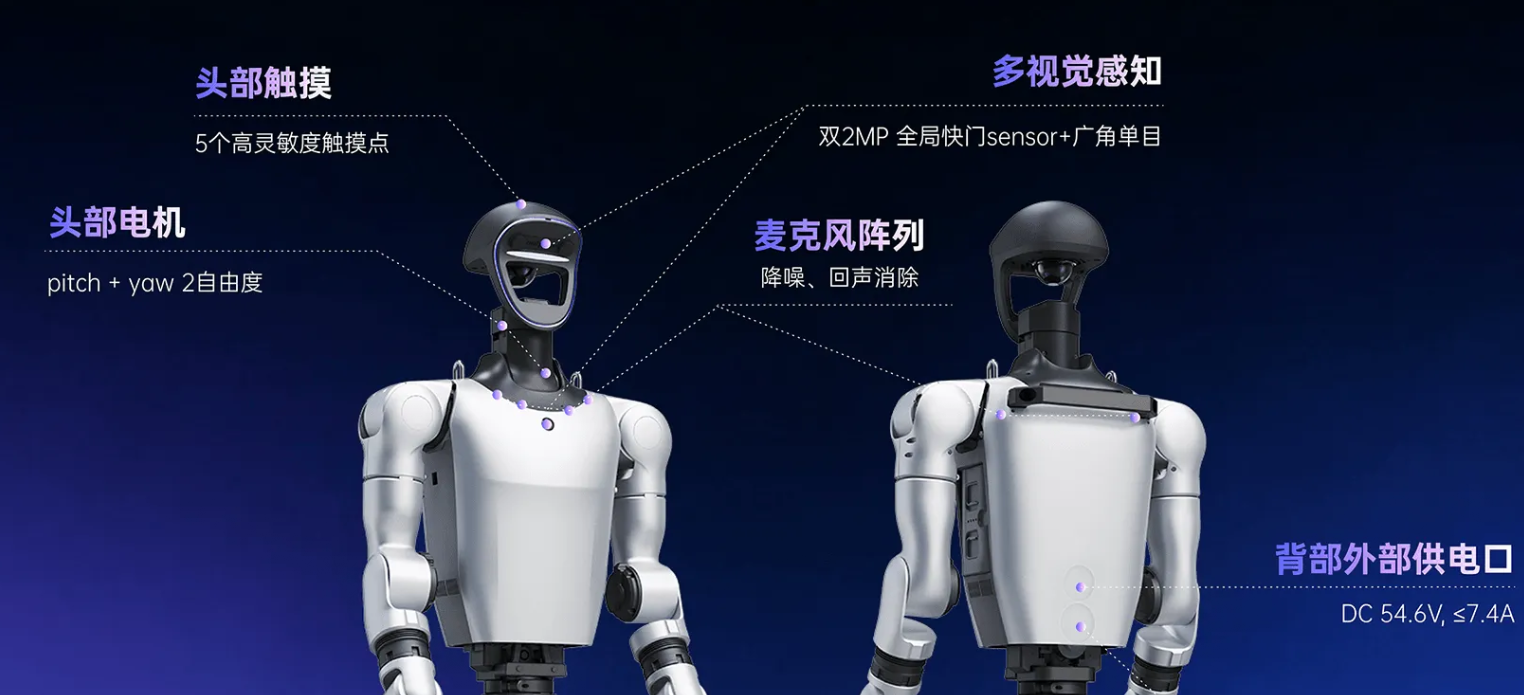
Unitree Introduces Enhanced G1+ Humanoid Robot Featuring Six Key Upgrades
Unitree has unveiled the G1+, an upgraded version of its G1 humanoid robot, featuring six significant enhancements in motion performance, perception, interaction, and endurance. The standard model is priced at RMB 95,000 in China, while the G1+ EDU version is available upon request through sales channels. The G1+ introduces two additional neck degrees of freedom, increases peak shoulder and waist motor torque by 110%, and boosts maximum arm torque by 43%, all while reducing heat generation at the same torque levels. These upgrades enhance the robot's operational capabilities, making it more versatile for various applications. Looking ahead, the G1+ is expected to attract interest in educational and research settings due to its advanced features, including a binocular-plus-wide-angle vision system, head touch sensing, external power support, a six-microphone array, and dual 10-watt speakers. No further timeline was disclosed at the time of publication.
News Feed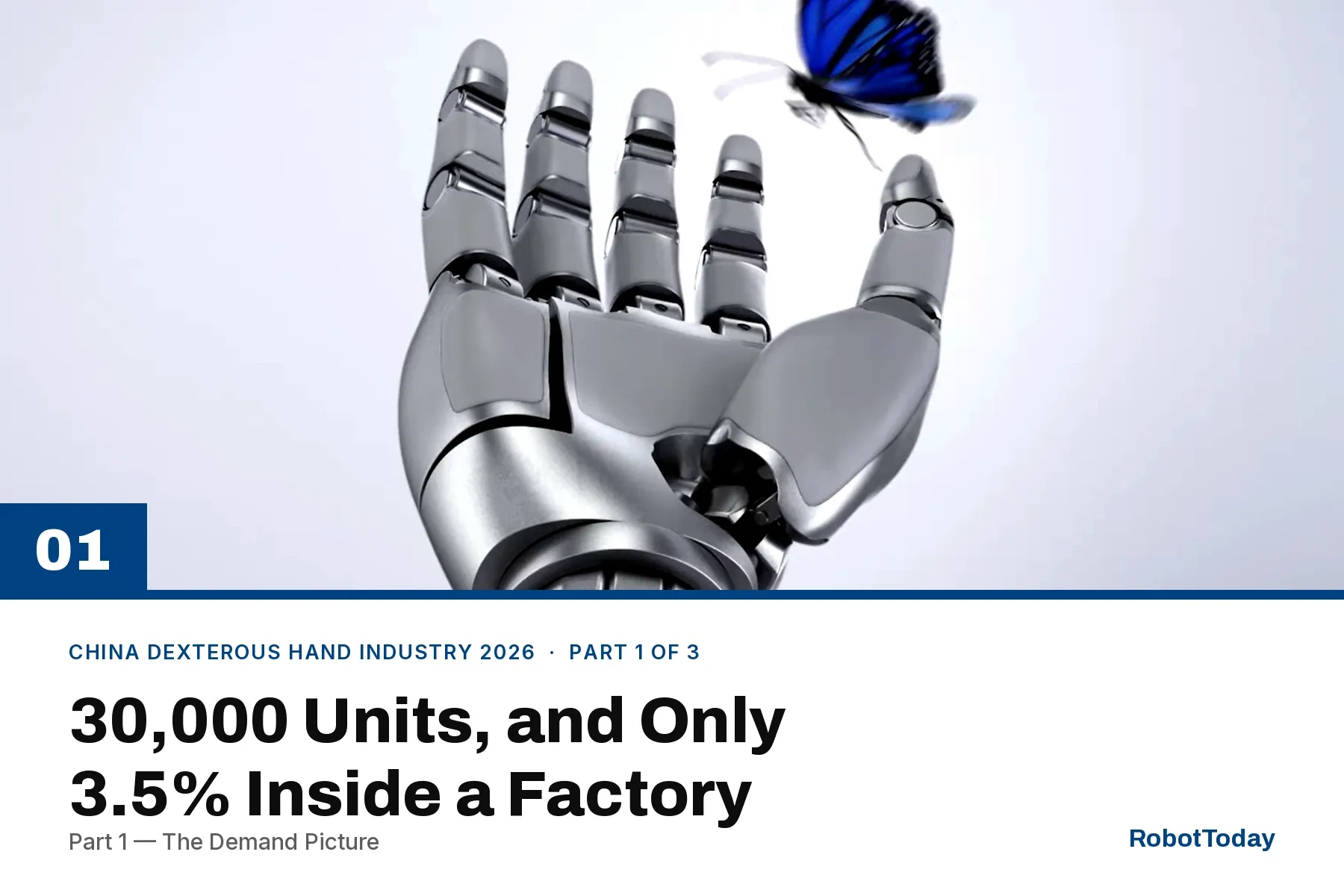
China’s Dexterous Hand Industry, 2026 Part 1 — The Demand Picture
MIR Databank puts China dexterous hand shipments above 30,000 units in 2026, yet only 3.5% of 2025 demand came from factory production. Part 1 of 3.
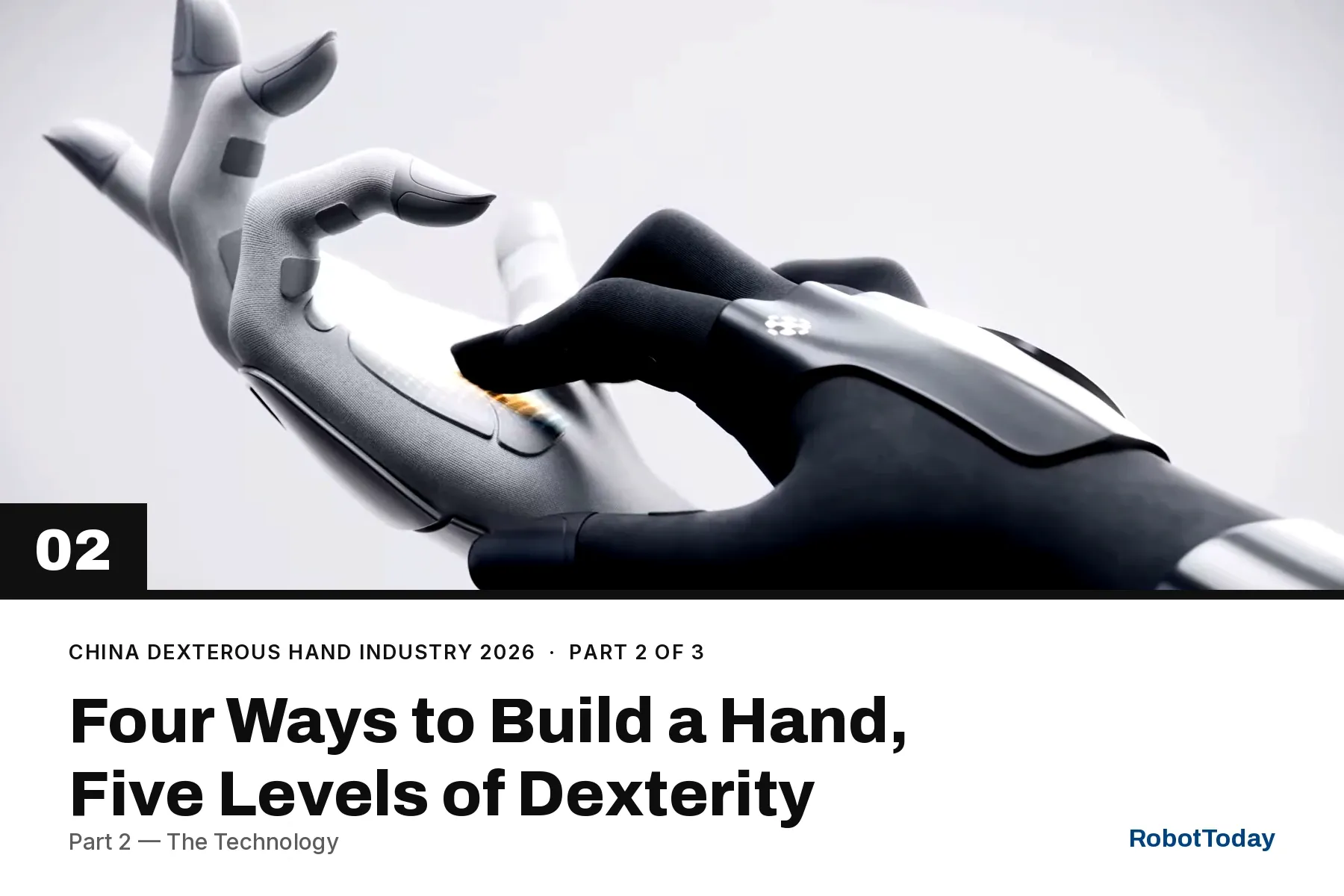
China’s Dexterous Hand Industry, 2026 Part 2 — The Technology
Linkage, tendon, direct drive or hybrid — and why hardware is converging while the DL1–DL5 manipulation scale decides who wins. Part 2 of 3.
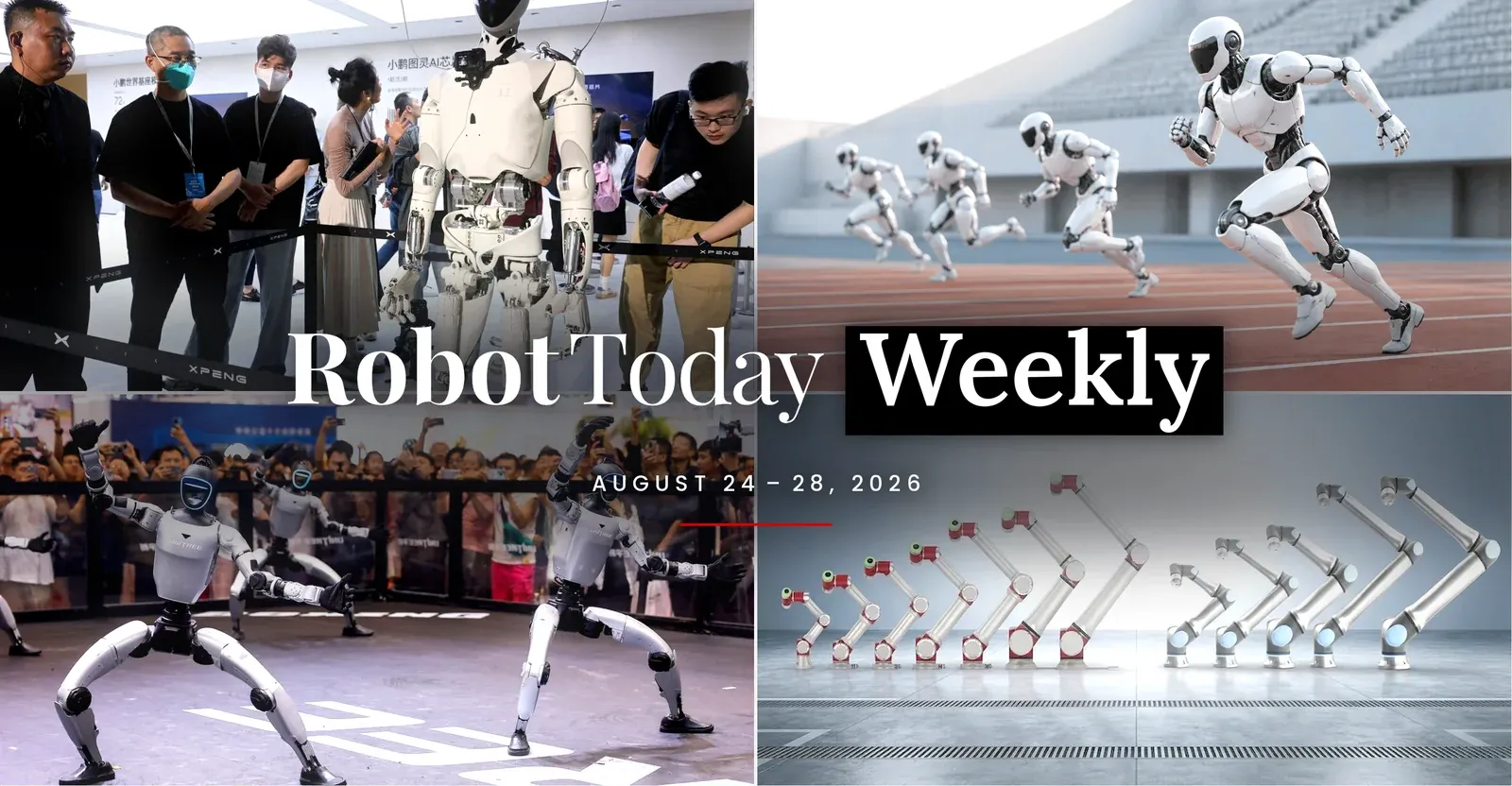
ROBOTTODAY WEEKLY BRIEFING August 24 – 28, 2026
This week in robotics: XPeng's Dogotix raises over $900 million at a $6.3 billion valuation, Unitree's post-IPO slump revives bubble talk, Beijing's World Humanoid Robot Games close with a shift to real-world tasks, and Teradyne sues JAKA at Europe's Unified Patent Court. August 24–28, 2026.
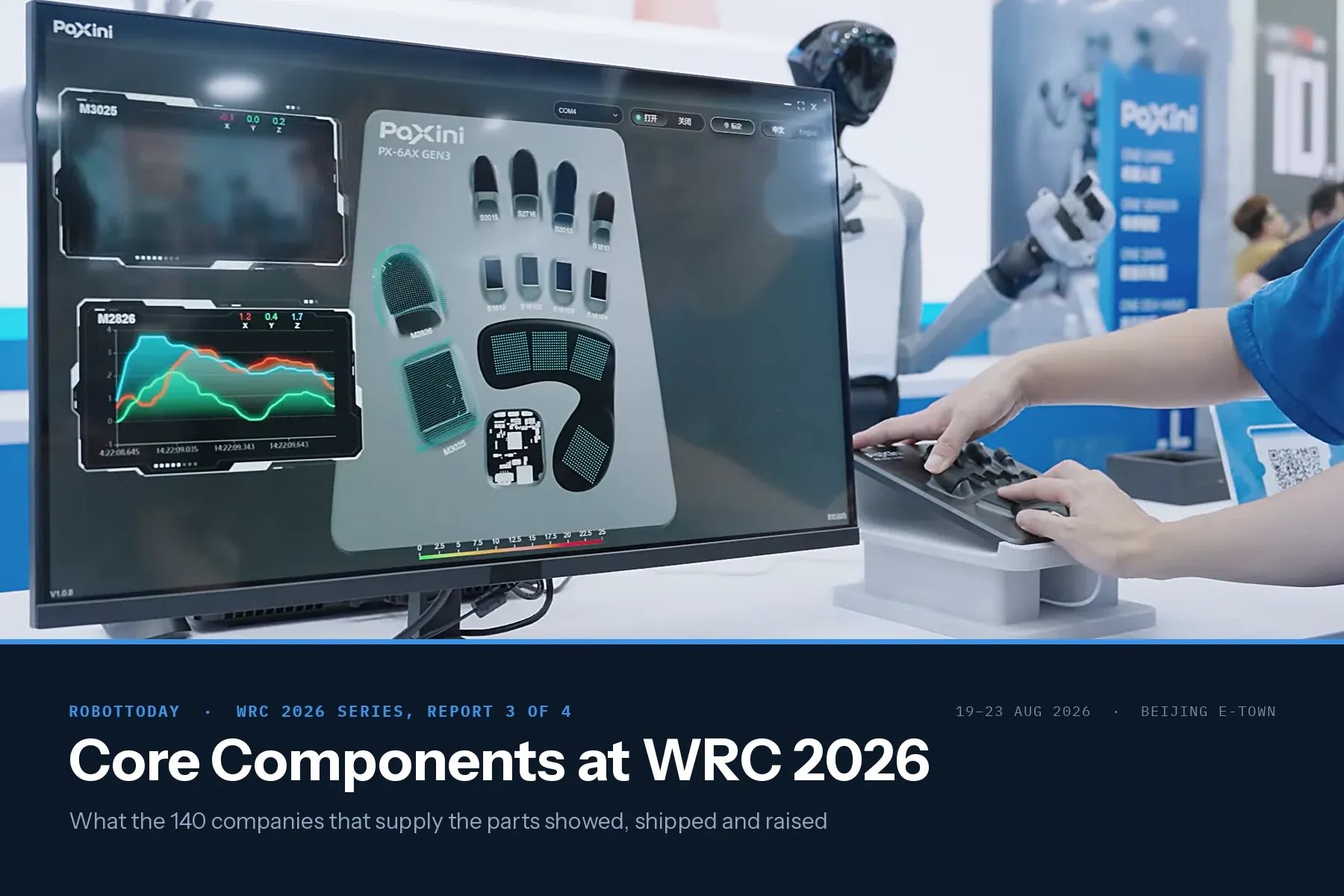
WRC 2026 Core Components: 137 Robot Parts Suppliers
The third report in the WRC 2026 series. Report 1 mapped all 248 exhibitors by category and Report 2 covered the 139 that build finished robots. This one covers the 137 that build what goes inside them.
WRC 2026 Exhibitor Map: 248 Robotics Companies Mapped
We classified 248 WRC 2026 exhibitors with the RobotToday taxonomy. Motion & Actuation leads at 75 companies, Humanoid at 72, and compute stays thin at 12. (Modified 2026-08-27)
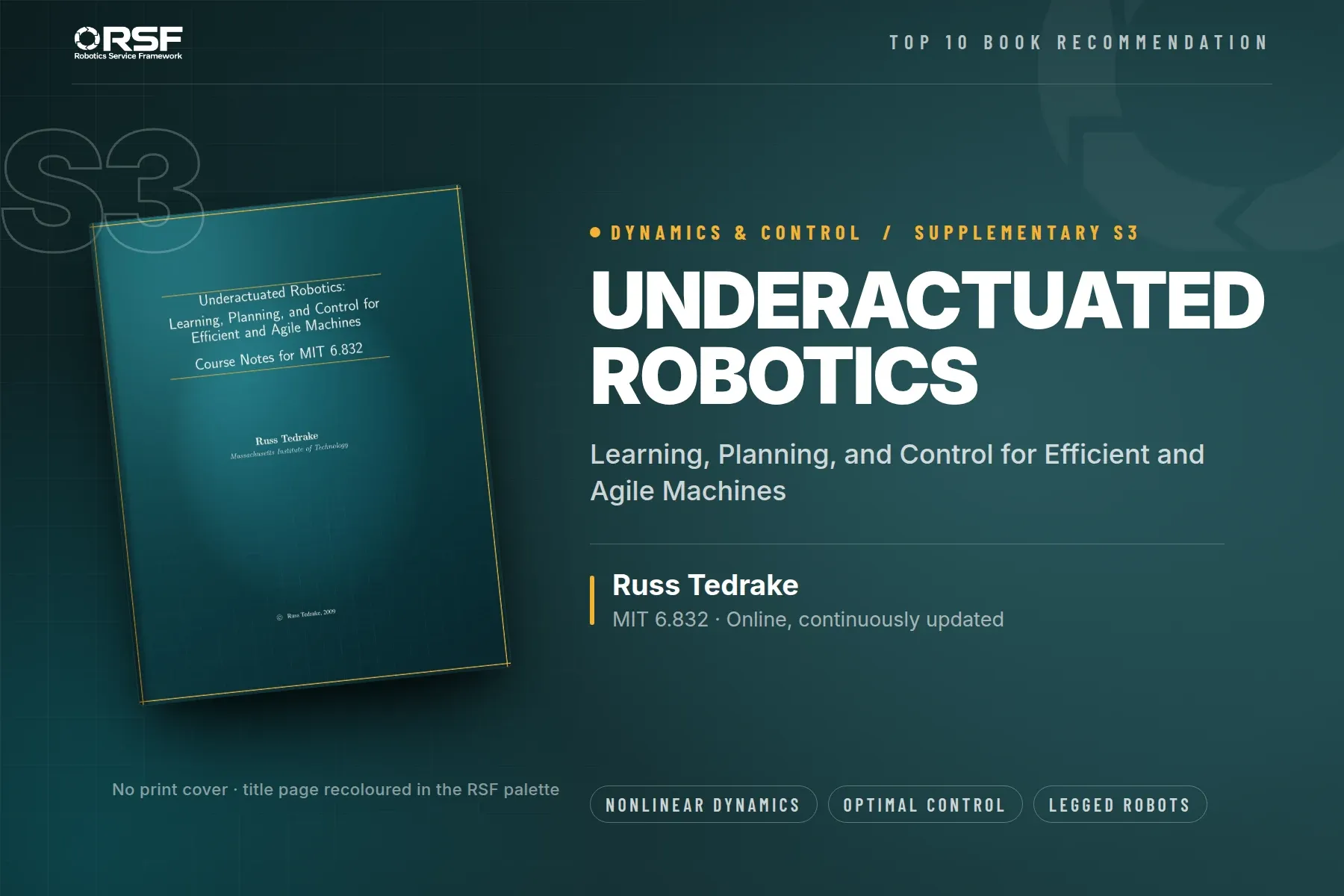
Underactuated Robotics Russ Tedrake — RSF Specialist Shelf · Book S3 of 6
Legged robots fall over for control reasons, not mechanical ones. Tedrake's free MIT 6.832 notes explain why, and what a controller must do about it.
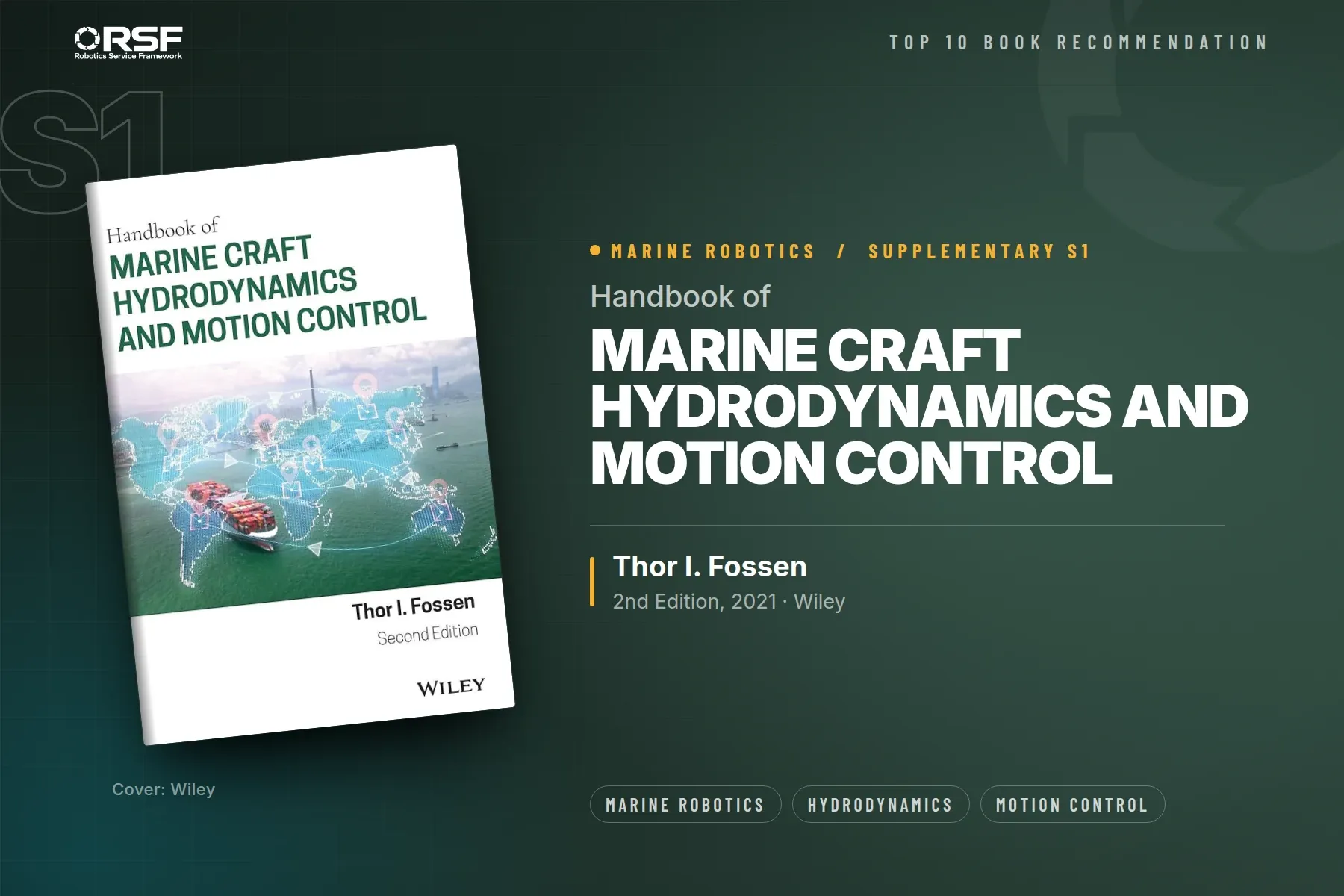
Handbook of Marine Craft Hydrodynamics and Motion Control Thor I. Fossen — RSF Specialist Shelf · Book S1 of 6
Added mass, wave loading, DVL navigation: the marine GNC reference for USV, ROV and AUV service engineers. The hardest book on the RSF list, 5/5.
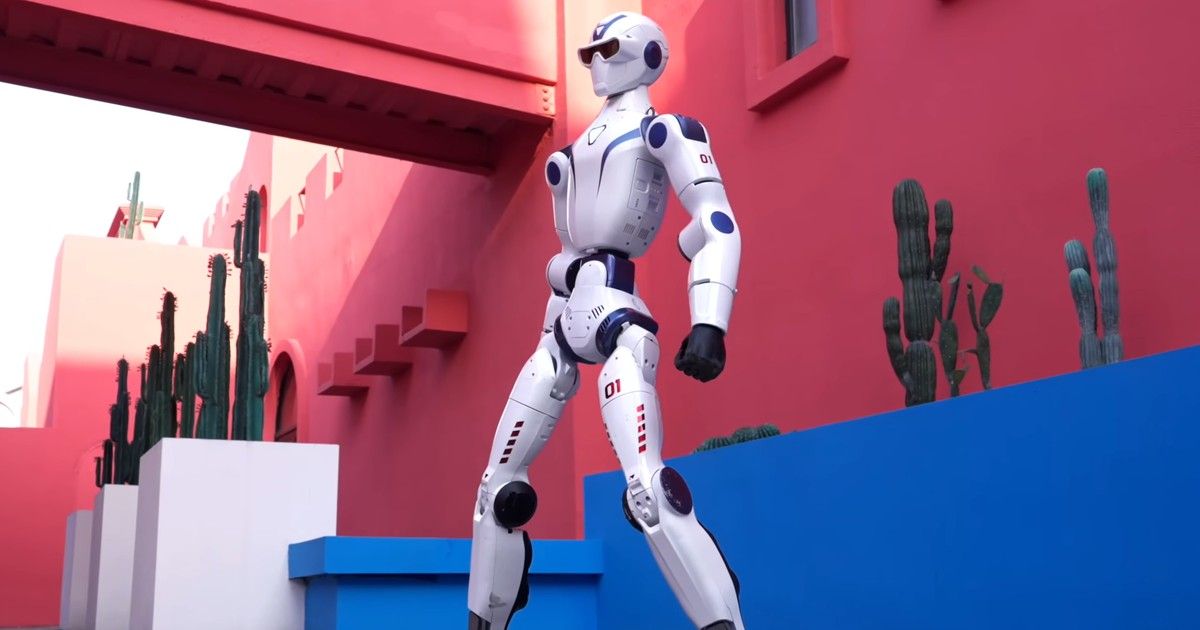
US Restrictions on Chinese Humanoid Robots: The Full Map
Every US restriction on Chinese humanoid robots — NDAA Sec. 163, GUARD Act, the 1260H list — plus the supply-chain math and a 4-tier map of decoupling.

ROBOTTODAY Weekly, June 15 – 19, 2026
This week in robotics: Japan commits $65B to physical AI, UBTECH’s U1 humanoid companion robot nears 5,000 pre-orders, XDOF raises $70M for robot foundation model infrastructure, and Waymo recalls ~3,900 robotaxis after construction-zone failures. June 15–19, 2026.
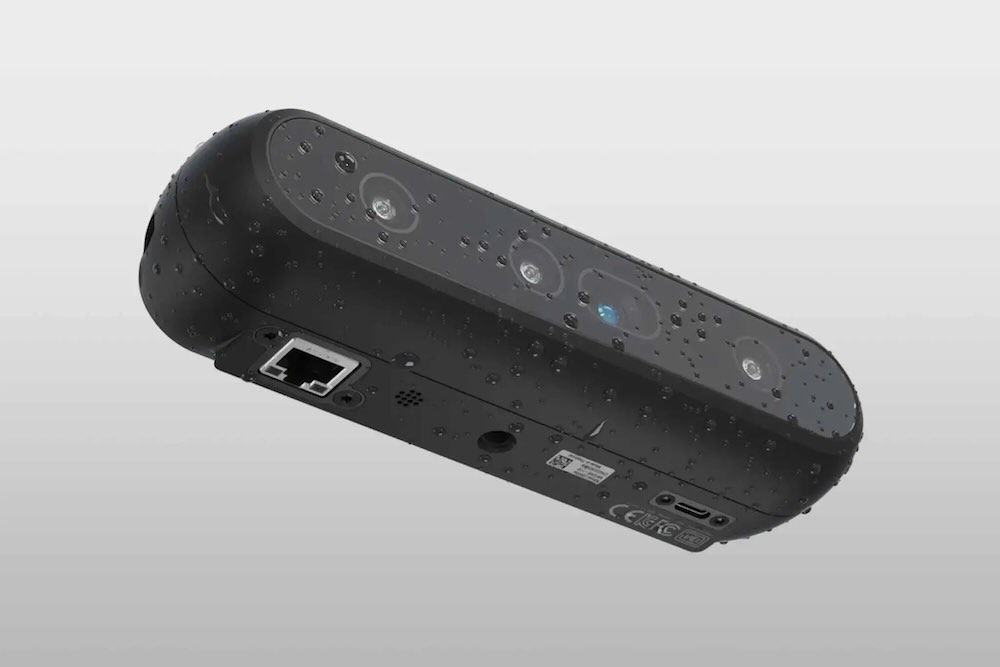
RealSense Deepens NVIDIA ties with new D555 depth camera
Intel RealSense strengthens its collaboration with NVIDIA by launching the D555 depth camera, enhancing 3D perception and sensing performance for robotics and AI systems.


