


Infranor (CH)
Infranor supplies industrial automation and motion control products including CNC numerical controls, digital servo drives and AC servomotors for multi-axis precision machining and high-performance automation architectures.
Contact Infranor (CH)
WEBSITE
https://www.infranor.comPHONE
+41 24 447 02 00HEADQUARTERS
Switzerland

Company Facts
Founded
-
Primary Role
-
Company Size
-
Primary Region
-
Annual Sales
-
Funding Stage
-
Funding Total
-

Nissan-Mitsubishi Alliance Faces Uncertain Future After Disappointing Decade
As Nissan Motor approaches the 10th anniversary of its investment in Mitsubishi Motors, the partnership has shown minimal progress, leading to speculation about potential changes. The end of the lockup period for Nissan's stake raises questions about possible divestment and the entry of new partners like Honda or Foxconn. The significant decline in Mitsubishi Motors' market capitalization, which has fallen approximately 40% since Nissan's investment in October 2016, underscores the challenges faced by both automakers. This lackluster performance highlights the need for strategic shifts to regain competitiveness in the evolving automotive landscape. Looking ahead, industry observers will be watching for any announcements regarding Nissan's stake and potential partnerships. No further timeline was disclosed at the time of publication, but the situation remains fluid as both companies seek to redefine their strategies in a rapidly changing market.
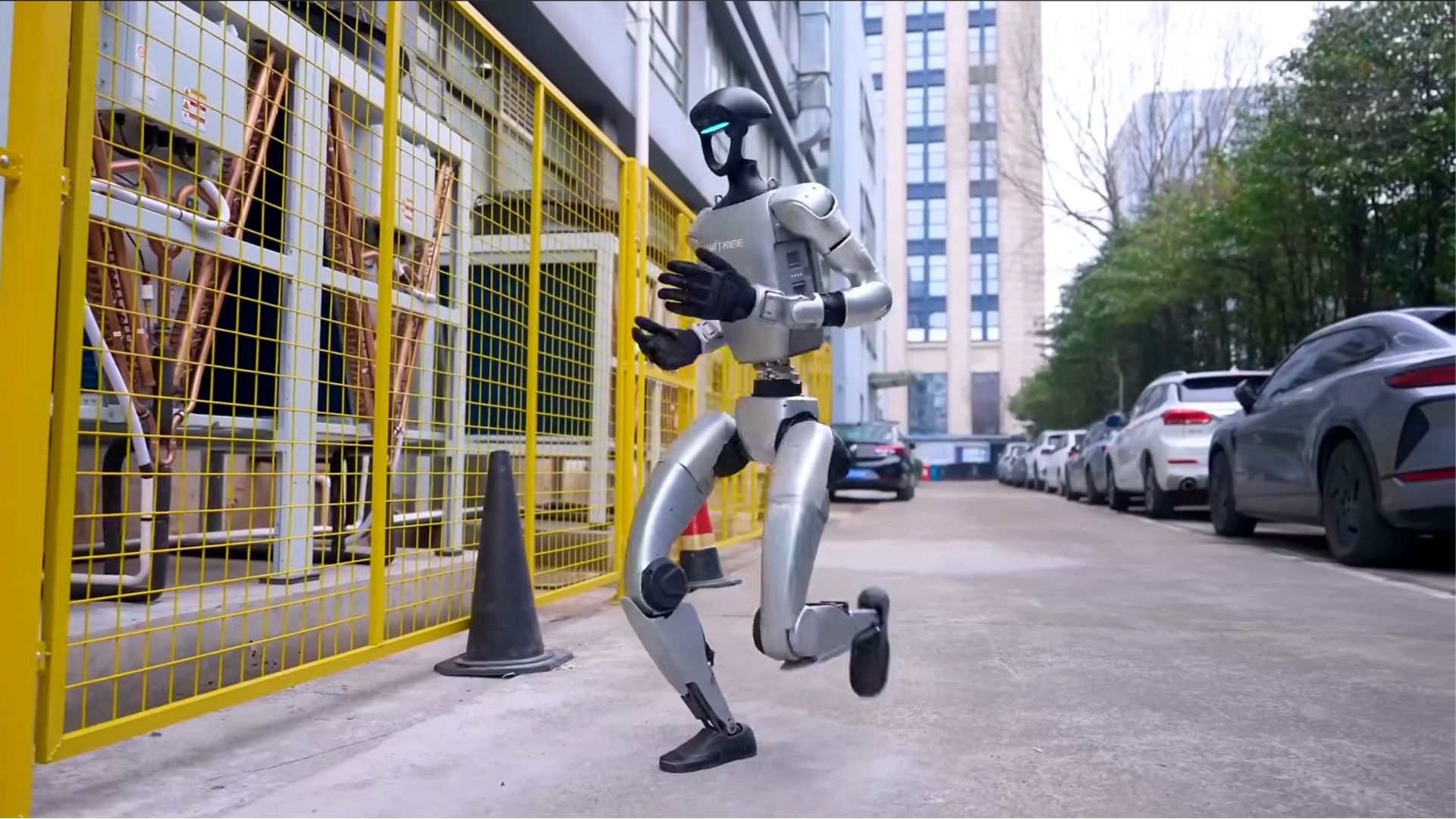
Researchers Develop BeyondMimic Framework for Humanoid Robots to Perform Agile Acrobatics
Researchers have introduced a new framework named BeyondMimic, enabling humanoid robots to execute agile, humanlike movements without the need for separate training for each skill. This system allows robots to perform complex maneuvers such as cartwheels and spin kicks by learning from human motion data, addressing the limitations of current humanoid control systems that often require extensive fine-tuning. The significance of BeyondMimic lies in its ability to teach robots a wide range of skills through a two-stage learning framework. The first stage employs reinforcement learning to track human motions, utilizing a shared reward structure to avoid the need for motion-specific tuning. The second stage introduces a latent diffusion model, allowing the robot to generate and adapt movements based on existing skills, thus overcoming challenges in natural skill transitions. Looking ahead, the BeyondMimic framework demonstrates promising capabilities, such as smoothly transitioning between walking and acrobatics. The potential for integrating waypoint tracking with obstacle avoidance suggests further applications in dynamic environments. No further timeline was disclosed at the time of publication.
AI and Robotics
The 9th China Robot Summit Set to Begin in Hangzhou This September, Welcoming Exhibitors
The 9th China Robot Summit is scheduled to take place in Hangzhou this September, inviting exhibitors to showcase their innovations. This event aims to highlight advancements in robotics and intelligent manufacturing, providing a platform for industry leaders to connect and share insights. The significance of the summit lies in its potential to drive collaboration and investment in the robotics sector. As the industry continues to evolve, the summit serves as a critical venue for discussing trends and challenges, particularly in the context of recent funding developments and market dynamics. Looking ahead, attendees can expect to see a diverse range of exhibitors and presentations that will explore the future of robotics and intelligent systems. No further timeline was disclosed at the time of publication.
Robotics Automation AI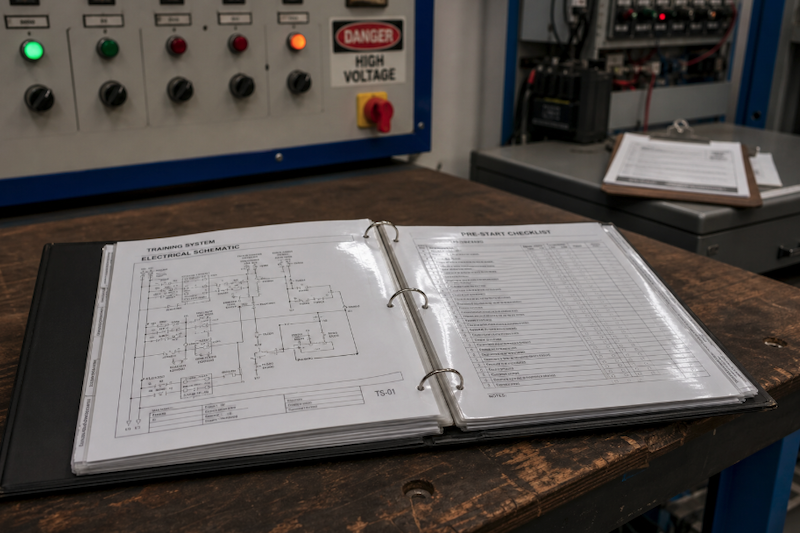
Five Essential Stages for Launching New Production Lines Effectively
The process of transitioning from a signed capital purchase order to the first saleable output often exceeds initial project timeline estimates. Delays typically arise not from the robotics or automation systems themselves, which function as intended, but from logistical challenges, power infrastructure issues, regulatory paperwork, and documentation gaps that can emerge unexpectedly. Understanding the five critical stages involved in this process is vital for teams managing capital equipment installations. Key considerations include verifying floor loading capacity against dynamic load figures and ensuring physical access metrics align with installation requirements. Addressing dimensional mismatches during site surveys can significantly reduce labor costs and avoid unplanned expenses when equipment arrives. As the equipment is positioned according to the layout, attention shifts to power delivery and compliance with electrical codes. Teams must ensure that licensed electricians handle first-fix electrical work, adhering to the latest NEC regulations. No further timeline was disclosed at the time of publication.
Design Electronics Engineering Industry Technology capital equipment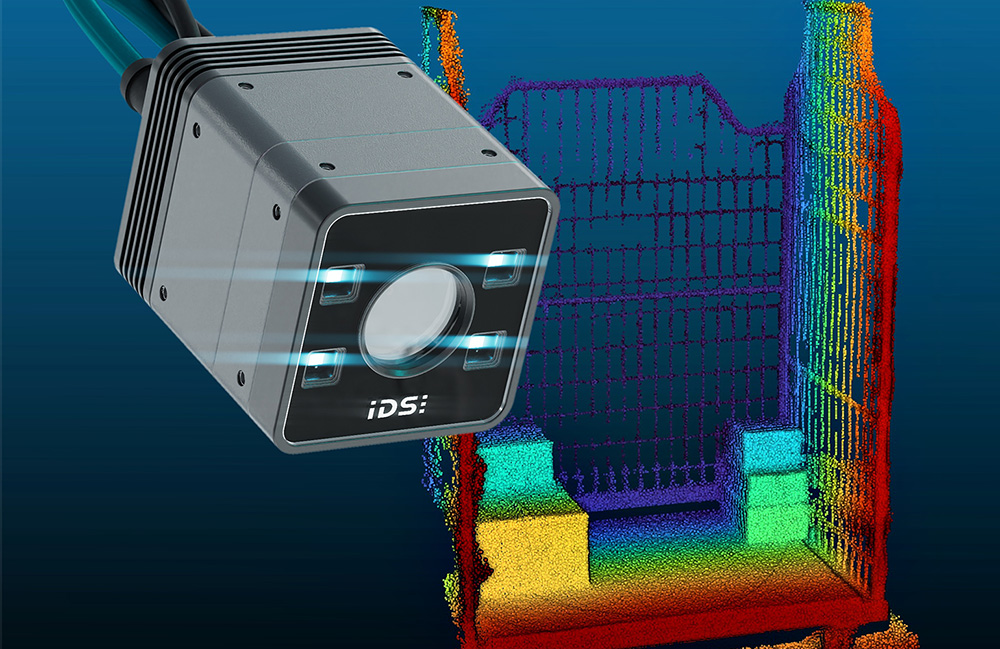
IDS Imaging Expands 3D Camera Line with Nion Time-of-Flight Sensor
IDS Imaging Development Systems GmbH has introduced the Nion, a new industrial time-of-flight (ToF) camera featuring 1.2-megapixel resolution and integrated depth processing. The Nion camera is now in series production and delivers high-resolution, stable depth information at 30 frames per second, even during rapid movements and varying lighting conditions. The introduction of the Nion is significant for industries requiring precise 3D data at real-world speeds, including logistics, automation, and robotics. Patrick Schick, product manager at IDS, emphasized that the Nion provides reliable depth data under variable lighting, which is crucial for automation processes that depend on fast and accurate 3D information. Looking ahead, the Nion's compact design and rugged IP67-rated housing make it suitable for demanding environments, while its Power over Ethernet (PoE) capability simplifies installation. No further timeline was disclosed at the time of publication.
Cameras / Imaging / Vision News Technologies IDS Imaging onsemi
Perceptron Launches Isaac 0.5 to Enhance Visual AI for Industrial Automation
Perceptron, a startup founded by former Meta scientists, has launched Isaac 0.5, a new model designed to enhance machine interaction in industrial environments. This software enables vision-guided robots to navigate complex settings like warehouses and factory floors, extracting visual intelligence from recorded videos. The significance of Isaac 0.5 lies in its general-purpose design, allowing flexibility in various tasks rather than being limited to repetitive functions. Co-founders Armen Aghajanyan and Akshat Shrivastava emphasize that their model addresses the limitations of existing AI solutions, which often require dedicated resources or are too narrow in scope. Looking ahead, Perceptron aims to revolutionize industrial automation with its innovative approach to visual AI. The model has been trained on a million hours of diverse video data, including ego and UMI video, to enhance its operational capabilities. No further timeline was disclosed at the time of publication.
AI Robotics Meta perceptron Startups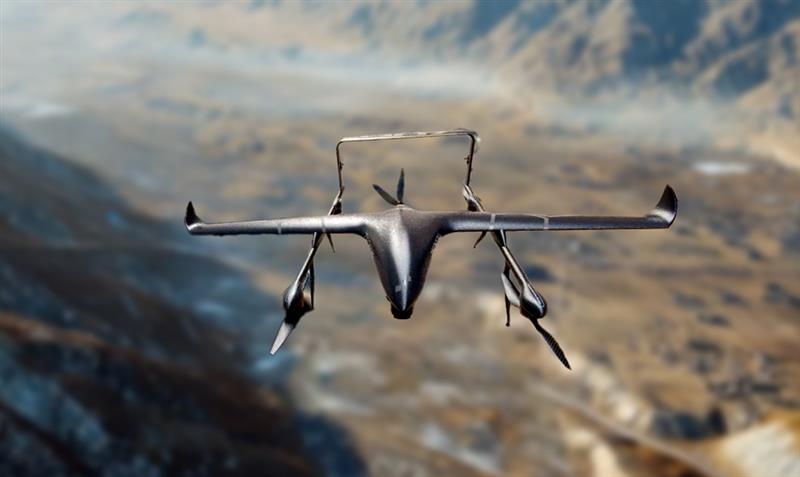
First Breach Achieves Initial Drone Flight as Nasdaq Trading Commences
First Breach Inc. has successfully completed the inaugural flight of its proprietary drone prototype, marking a significant transition from ammunition manufacturing to unmanned aircraft systems. This milestone follows the company's recent listing on the Nasdaq Capital Market under the ticker symbol FBDT, announced on August 20. The first flight occurred just five days later, with plans to scale domestic drone manufacturing. The completion of the first flight is crucial for First Breach as it seeks to expand its operations beyond ammunition and into American-made unmanned aerial systems. The company aims to finalize initial drone prototypes by the fourth quarter of 2026 and plans to ramp up production to over 2,500 drones per week by the second quarter of 2027, contingent on successful manufacturing expansion. CEO Jeffrey Low emphasized the importance of owning the technology and manufacturing domestically to meet the needs of defense and government customers. Looking ahead, First Breach is collaborating with Hellbender, Inc. on two Class 1 attritable drone platforms, designed for different operational ranges. The focus will now shift to completing prototyping iterations, scaling manufacturing infrastructure, and enhancing automated production capabilities to meet its ambitious production targets. No further timeline was disclosed at the time of publication.
Applications defense Defense Drone Manufacturing Drone News Drone News Feeds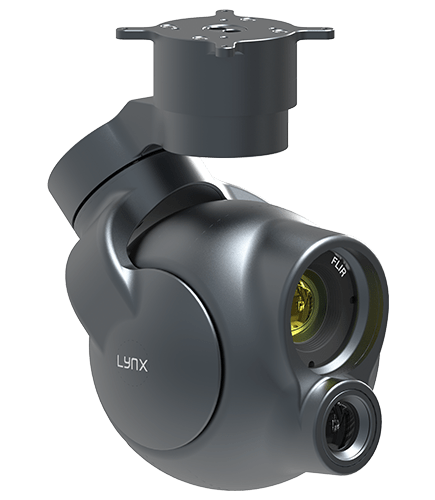
Gremsy USA Unveils Blue UAS-Cleared Payloads Amid Drone Supply Chain Changes
Gremsy USA has launched three drone payloads compliant with NDAA and Blue UAS standards for the U.S. market. This introduction responds to increasing federal pressure on drone manufacturers to establish domestic and reliable supply chains. The new products include the VIO F1, ORUS L NDAA, and LYNX NDAA, with pre-orders now being accepted. This development is significant as it aligns with the broader shift in U.S. drone policy, particularly following the Federal Communications Commission's December 2025 decision to include foreign-produced UAS and critical components on its Covered List. The White House has also emphasized the importance of domestic production, citing national security concerns regarding reliance on foreign drone components. Gremsy USA's strategy aims to meet these stringent sourcing requirements while leveraging its established international expertise. Looking ahead, Gremsy USA's U.S. operations focus on engineering and manufacturing compliant payloads domestically, integrating its gimbal technology with NDAA-compliant thermal imaging from Teledyne FLIR OEM. The VIO F1 is designed for industrial inspections and situational awareness, while the ORUS L NDAA targets long-range operations for surveillance and reconnaissance. No further timeline was disclosed at the time of publication.
defense Drone News Drone News Feeds NDAA Compliant News Products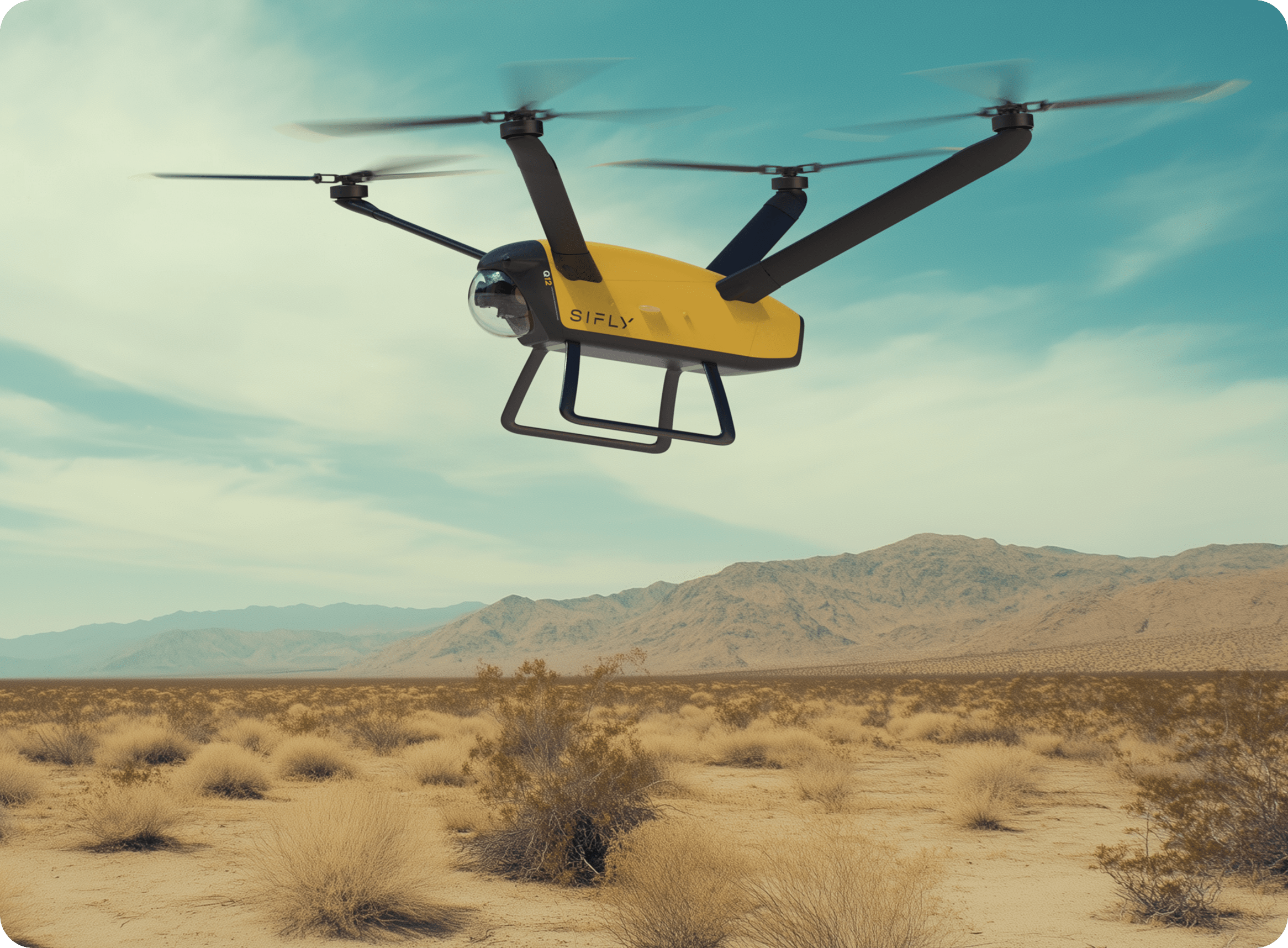
SiFly Secures $20 Million to Boost U.S. Production of Q12 Long-Endurance Drones
SiFly Aviation has successfully raised $20 million in Series A funding to enhance the U.S. production of its long-endurance Q12 electric drone. The financing round was led by Shield Capital, with contributions from Qudit, BBK Capital, Alumni Ventures, and other investors. The funds will be utilized to ramp up production and facilitate customer deliveries while continuing the development and field testing of its DronePort multi-drone infrastructure system. This funding is significant as it allows SiFly to address the limitations of traditional multirotor drones, particularly in flight endurance. The Q12 can fly four times longer and up to 10 times farther than leading enterprise drones, carrying payloads of up to 10 pounds. The aircraft has undergone extensive testing, achieving a Guinness World Record for the longest electric multirotor flight in its weight class, lasting over three hours. Looking ahead, SiFly aims to leverage the Q12's capabilities across various sectors, including public safety, utilities, infrastructure, and agriculture. The company believes that the longer endurance of the Q12 will enhance operational efficiency and response capabilities for drone operators. No further timeline was disclosed at the time of publication.
Applications DFR Drone News Drone News Feeds Featured – Safety and Security Fire and Police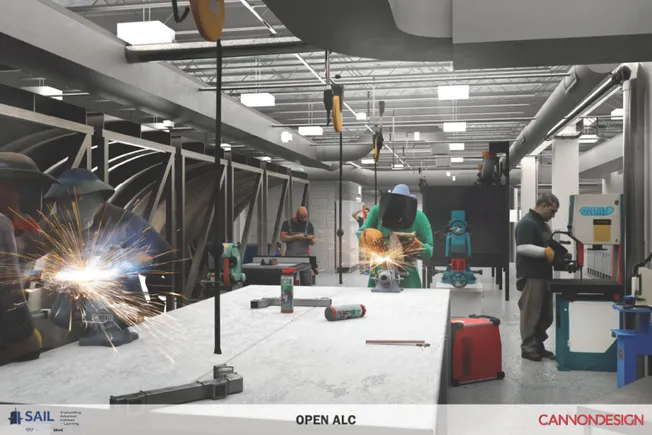
Electric Boat and NEIT to Launch Submarine Workforce Training Center in Rhode Island
Electric Boat (EB) and the New England Institute of Technology (NEIT) are collaborating to establish a submarine workforce training center in Rhode Island, supported by a $20 million investment from the U.S. Navy’s Submarine Industrial Base program. This initiative aims to enhance workforce skills in areas such as welding and machining, aligning with EB's goal to hire 8,000 employees by 2026. The training center will feature 20 classrooms designed for hands-on skill development, expanding NEIT's existing partnership with EB, which has trained over 4,500 new workers since 2013. This expansion comes as EB prepares to fulfill two significant contracts with the Navy, totaling $76.6 billion, which include the production of Columbia-class and Virginia-class submarines. Looking ahead, the establishment of the training center is crucial for meeting the increasing demand for skilled labor in submarine production. No further timeline was disclosed at the time of publication.


