FASTEMS Systems GmbH

Fastems develops flexible manufacturing systems (FMS) and pallet automation solutions for CNC batch production, integrating with over 100 machine tool brands, supporting high-mix/low-volume operations, automated pallet handling, and production planning software.

Share
FASTEMS Systems GmbH
(Tampere-based)
Tampere 33720
RobotToday Initiative

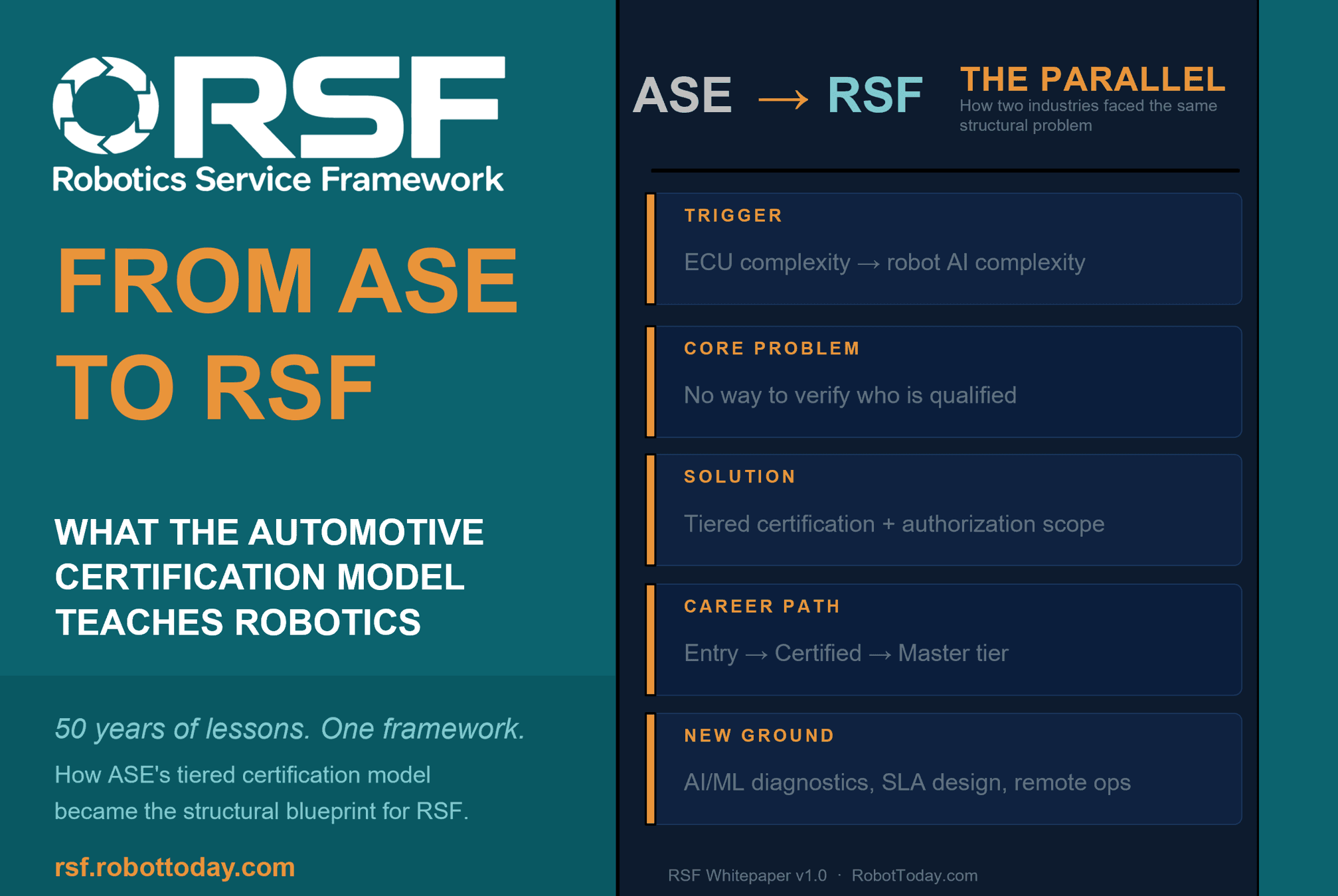
Robotics needs a service framework.

RSF defines a common language for robot service capability, lifecycle operations, certification pathways, and service-provider networks.

Share

Related Content

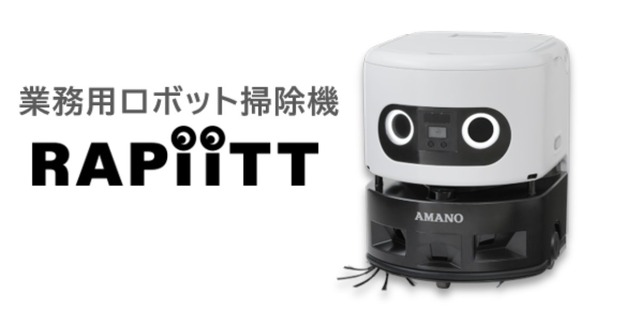
Amano Launches RAPiiTT, a New Commercial Robot Vacuum for Enhanced Cleaning Automation

Amano Launches RAPiiTT, a New Commercial Robot Vacuum for Enhanced Cleaning Automation

Amano Corporation launched the RAPiiTT commercial robot vacuum on July 16, 2026, aimed at enhancing cleaning efficiency in various facilities such as offices, commercial spaces, hospitals, and airports. This product leverages Amano's extensive experience in cleaning robot deployment since 2014, integrating advanced AI and autonomous navigation technologies developed by Preferred Robotics. The RAPiiTT is designed to automate cleaning tasks across multiple floors, reducing the need for manual labor in transporting equipment between floors. It features LiDAR for obstacle detection, ensuring safe navigation around people and objects. With a cleaning width of 500mm and a noise reduction design, it operates effectively in noise-sensitive environments, making it suitable for offices and commercial facilities. Looking ahead, the RAPiiTT's integration with the AMANO Robot Cloud allows for real-time management of multiple units, streamlining operations for facility managers. No further timeline was disclosed at the time of publication.

LG Electronics Reviews H2 Strategy Focused on AI, Robotics, and Future Growth

LG Electronics Reviews H2 Strategy Focused on AI, Robotics, and Future Growth

LG Electronics held a significant meeting with around 300 executives to discuss its strategy for the second half of the year, emphasizing growth in robotics and AI data center cooling. The meeting, chaired by CEO Lyu Jae-cheol, followed a record first half, with preliminary second-quarter revenue reaching 23.8 trillion won ($16 billion) and an operating profit of 1.58 trillion won. The focus on robotics is particularly notable as LG has established a Robotics Business Center and initiated production of its proprietary Axium robot actuator. The company aims to leverage synergies in robotics, AI data center cooling, smart factories, and AI-powered homes, which Lyu identified as key growth areas that align with the rise of artificial intelligence. Looking ahead, analysts predict that LG's cooling systems for AI data centers could start contributing to earnings within six to nine months. The collaboration with Nvidia is expected to enhance LG's robotics platform, while advancements in robotics may positively impact earnings estimates for 2027. No further timeline was disclosed at the time of publication.

All News
Hyundai Motor Group to Acquire Full Ownership of Boston Dynamics

Hyundai Motor Group to Acquire Full Ownership of Boston Dynamics

Hyundai Motor Group is poised to gain full control of Boston Dynamics after SoftBank exercised a put option on its remaining 9.65 percent stake in the robotics firm. This move comes as Hyundai accelerates its focus on physical artificial intelligence, with plans to enhance its robotics capabilities and synergies across its manufacturing operations. The acquisition is significant as it allows Hyundai to consolidate its ownership of Boston Dynamics, which it initially acquired an 80 percent stake in for $880 million in 2021. With SoftBank's stake dropping below 10 percent, Hyundai and its affiliates will fully own the company, enabling better coordination in robot development and deployment, particularly with the introduction of Atlas humanoid robots in their manufacturing plants. Looking ahead, Hyundai plans to begin testing Atlas robots at its Metaplant America and Kia's Georgia plant, with operational roles expanding by 2030. The company aims to produce 30,000 robots annually by 2028 and establish capacity for 350,000 actuators, crucial for robot functionality. No further timeline was disclosed at the time of publication.

All News
GS Caltex Completes $135 Million Overhaul at Yeosu Refinery Using Robots and AI

GS Caltex Completes $135 Million Overhaul at Yeosu Refinery Using Robots and AI

GS Caltex announced the completion of a 200 billion won ($135 million) turnaround at its Yeosu refinery, utilizing robots, artificial intelligence, and digital tools to enhance safety and operational efficiency. This large-scale maintenance operation involved halting production for intensive inspections and replacing aged components, laying the groundwork for safer and more efficient plant operations. The significance of this turnaround lies in GS Caltex's integration of digital and AI solutions, which are part of the company's broader digital transformation strategy. By digitalizing core operational systems, the refinery aims to improve workplace practices and boost overall competitiveness. The deployment of technologies like MOVision and tube-cleaning robots addresses specific operational challenges, such as locating electric motor-operated valves and enhancing thermal efficiency. Looking ahead, GS Caltex plans to continue innovating within the manufacturing sector by leveraging its DAX strategies. The company's commitment to integrating on-site expertise with advanced technologies is expected to further enhance efficiency and safety in future operations. No further timeline was disclosed at the time of publication.

All News
China's Robots Learning Human Skills Through Real-World Simulations

China's Robots Learning Human Skills Through Real-World Simulations

In a discreet industrial park in suburban Beijing, a humanoid robot is meticulously stacking bags of chips on a shelf. Nearby, workers are filming their actions of folding sheets and handling cushions, which will serve as 'textbooks' for the robots. China is undertaking a significant initiative to transition robots from laboratories to simulated environments like supermarkets, factories, and homes to learn human skills, and the scale of this 'internship' is rapidly expanding. This initiative is crucial as robots need to understand the physical world's rules, such as how to hold an egg without breaking it or catch a cup of water before it slips off a tray. Unlike the U.S., which relies on data purchasing and low-cost data collection in countries like India and Vietnam, China has established at least 64 data collection and training centers nationwide, with over 20 more under construction. At the Beijing Humanoid Robot Innovation Center, more than 120 robots are being trained across 30 scenarios in six major sectors, forming a comprehensive 'robot training network' across the country. As hardware advancements continue, Chinese robotics companies are focusing on enhancing their AI capabilities. Yushu Technology is preparing for an IPO, pledging nearly half of its $610 million fundraising to AI model development. By mid-2026, funding in China's embodied intelligence sector has already exceeded 90 billion yuan, five times that of the previous year. With plans to deploy over 1,000 humanoid robots in factories this year and more than 10,000 by 2027, China is leveraging its organizational capabilities to collect data at scale, positioning itself advantageously in the race towards general intelligence.

Humanoid Robots AI Robotics Training Data Collection Automation
AI Robots Achieve 3,500 Garment Sorts Per Hour in South Korean Warehouse

AI Robots Achieve 3,500 Garment Sorts Per Hour in South Korean Warehouse

In a warehouse located in Icheon, South Korea, a fleet of AI-guided robots is sorting garments at a remarkable rate of 3,500 items per hour, approximately four times the output of human workers. Since their deployment, the women's clothing company has reported 'zero losses'—no picking errors and no stockouts due to logistics mistakes. Despite this advancement, the sewing automation challenge remains unsolved, often referred to as the 'last mile' of textile automation. The system, developed by Baba Fashion in collaboration with South Korean automation firm Cotek Electronics, utilizes autonomous mobile robots equipped with SLAM navigation technology, eliminating the need for ground magnetic strips or embedded wires. The logistics deployment by Baba Fashion serves as a successful commercial case, while other companies, such as the leading fashion platform MUSINSA, are also investing in automated logistics solutions. The ongoing challenge of sewing automation, likened to the complexities of autonomous driving, continues to impact the future of millions of garment workers as the industry transitions into a more automated era.

AI Robotics Warehouse Automation Sewing Automation Fashion Technology
Schaeffler and Hutchinson Forge Partnerships with Robotics Firm Lajuj to Enhance Manufacturing Capabilities

Schaeffler and Hutchinson Forge Partnerships with Robotics Firm Lajuj to Enhance Manufacturing Capabilities

In recent months, French industrial giant Hutchinson has entered into a strategic partnership with Lajuj Robotics, following Schaeffler's similar collaboration. This trend among leading global manufacturers highlights a shift towards embodied intelligence in manufacturing. Despite the proliferation of humanoid prototypes, few have successfully integrated into standard factory operations, making Lajuj's partnerships significant milestones. The importance of these collaborations extends beyond mere agreements; they signify a recognition of humanoid robots as integral to future manufacturing systems. As companies like Schaeffler and Hutchinson align with Lajuj, they are not just validating its technology but also indicating a broader acceptance of humanoid robots in industrial applications. This shift reflects a re-evaluation of production capabilities, moving from traditional automation to more flexible solutions. Looking ahead, the manufacturing sector faces challenges that require adaptability rather than just automation. While traditional robots excel in stable environments, they struggle with the dynamic nature of modern production lines. The ability of humanoid robots to respond to changing conditions will be crucial as manufacturers seek to enhance flexibility and efficiency in their operations. No further timeline was disclosed at the time of publication.

Humanoid Robots Manufacturing Automation Embodied Intelligence Industrial Robotics
Japan's Leading Robot Manufacturers Collaborate with Nvidia on AI-Enabled Hardware

Japan's Leading Robot Manufacturers Collaborate with Nvidia on AI-Enabled Hardware

Nvidia Corp. has announced an expanded collaboration with four prominent Japanese industrial automation companies to enhance robot development. This partnership aims to support Jensen Huang's initiative to advance AI-enabled hardware in the robotics sector. The collaboration is significant as it underscores the growing importance of integrating AI capabilities into robotics, which can lead to more efficient and intelligent automation solutions. By leveraging Nvidia's expertise in AI, these Japanese companies are positioning themselves to remain competitive in the rapidly evolving industrial landscape. Looking ahead, it will be crucial to monitor the outcomes of this collaboration and how it influences the development of AI-driven robotic technologies. No further timeline was disclosed at the time of publication.

Auriga Space and U.S. Army Explore Electromagnetic Launchers for Countering Drone Swarms

Auriga Space and U.S. Army Explore Electromagnetic Launchers for Countering Drone Swarms

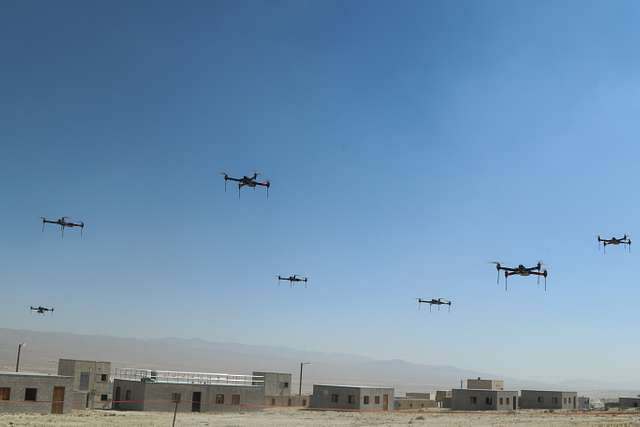
Auriga Space has entered a three-year Cooperative Research and Development Agreement (CRADA) with the U.S. Army Combat Capabilities Development Command Armaments Center (DEVCOM AC) to investigate the potential of electromagnetic launch technology in countering drone swarms. This initiative aims to find a cost-effective alternative to traditional missile interceptors, which have proven expensive in engagements against low-cost drones. The significance of this research lies in the increasing need for modern militaries to address the economic challenges posed by drone warfare. Current missile interceptors can cost hundreds of thousands to millions of dollars, creating a cost imbalance when defending against inexpensive drones. The CRADA represents a broader commitment by the Department of War to explore innovative counter-drone technologies that can maintain high engagement rates while reducing operational costs. Looking ahead, Auriga plans to conduct the first outdoor flight test of its transportable electromagnetic launch platform, Hermes, later this summer. This platform is designed for rapid reloads and repeated engagements against multiple targets, potentially offering a new solution to the growing threat of drone swarms. No further timeline was disclosed at the time of publication.

Anti-drone technology Applications C-UAS Defense Drone News Drone News Feeds
Walden Robotics Emerges with $1.1B Valuation and $300M Funding for General-Purpose Robots

Walden Robotics Emerges with $1.1B Valuation and $300M Funding for General-Purpose Robots

Walden Robotics has officially launched with a valuation of $1.1 billion, backed by $300 million in funding. The company focuses on developing general-purpose robots that continuously learn and improve while performing real-world tasks. Co-founder Dr. Russ Tedrake emphasized the importance of understanding current manufacturing practices to deliver real value to customers. The significance of Walden Robotics lies in its innovative approach to physical AI, which has attracted attention from technology leaders. The company combines large behavior models with practical operations, allowing its robots to handle complex tasks while enhancing human capabilities. This approach aims to create a scalable business model that aligns with existing manufacturing processes. Looking ahead, Walden Robotics is set to expand its deployments, having already transitioned its robots from pilot programs to production tasks at a Toyota plant in North America within two months. No further timeline was disclosed at the time of publication.

Aerospace Artificial Intelligence Artificial Intelligence / Cognition Automotive Healthcare Robotics Humanoids