-
Website: https://www.exomed.org


ExoMed Kursk
ExoMed specializes in rehabilitation exoskeletons and assistive devices, focusing on lower-limb and gait training systems with motorized joints, biofeedback sensors, and programmable therapy modes for neurological and orthopedic recovery applications.
RobotToday Initiative
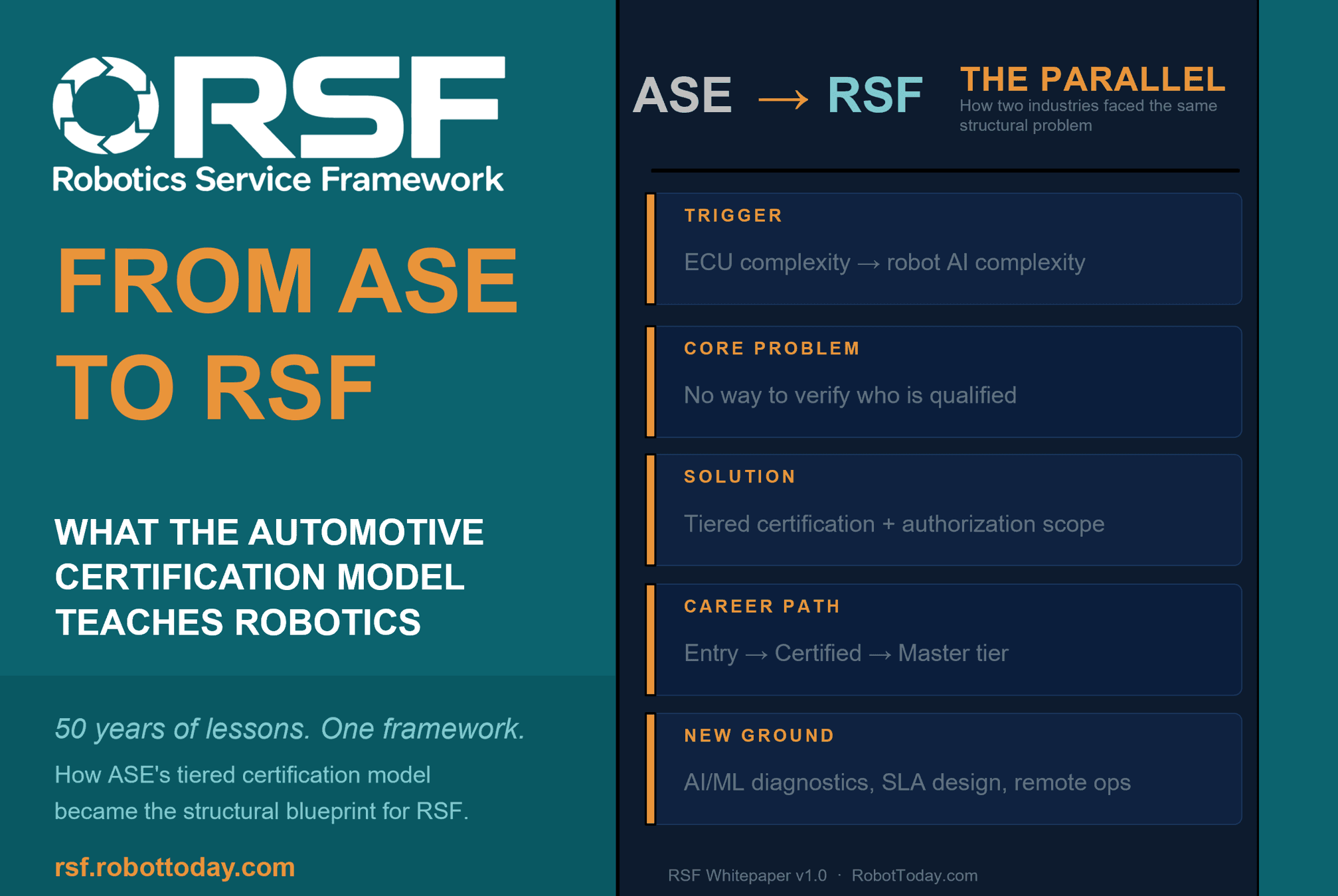
Robotics needs a service framework.
RSF defines a common language for robot service capability, lifecycle operations, certification pathways, and service-provider networks.

Microsoft Expands AI Partnership with Mistral, Secures Billion-Dollar European Infrastructure Deal
On July 21, Microsoft announced an expansion of its strategic partnership with French AI startup Mistral AI, securing a multi-billion dollar agreement focused on enhancing AI infrastructure in Europe. This collaboration aims to boost AI computing capabilities across the region. Under the agreement, Microsoft will leverage Mistral's expanded GPU infrastructure in Europe to support its cloud computing and AI services. This infrastructure will utilize thousands of NVIDIA Vera Rubin GPUs, enhancing the computational power available for AI applications. Additionally, Mistral's Medium 3.5 and OCR 4 models are now integrated into Microsoft's Foundry platform, with Medium 3.5 also joining Microsoft Copilot Studio for various applications. The partnership will extend AI deployment methods through Azure and Azure Local, catering to industries such as finance, healthcare, and manufacturing, which have stringent data compliance requirements. No further timeline was disclosed at the time of publication.

Xpeng Unveils TuringViT Efficient Visual Encoder for Advanced Applications
Xpeng has officially launched the TuringViT efficient visual encoder, aimed at systematically restructuring the architecture design, data paradigm, and training processes for the VLM/VLA era. This innovative encoder will comprehensively support three major business scenarios: intelligent driving, smart cockpits, and the IRON humanoid robot. The introduction of TuringViT is significant as it represents a strategic advancement in visual encoding technology, which is crucial for enhancing the capabilities of autonomous systems. By focusing on the VLM/VLA era, Xpeng positions itself at the forefront of technological evolution in the automotive and robotics sectors. Looking ahead, industry observers should monitor how TuringViT integrates into Xpeng's existing product lines and its impact on the competitive landscape. No further timeline was disclosed at the time of publication.
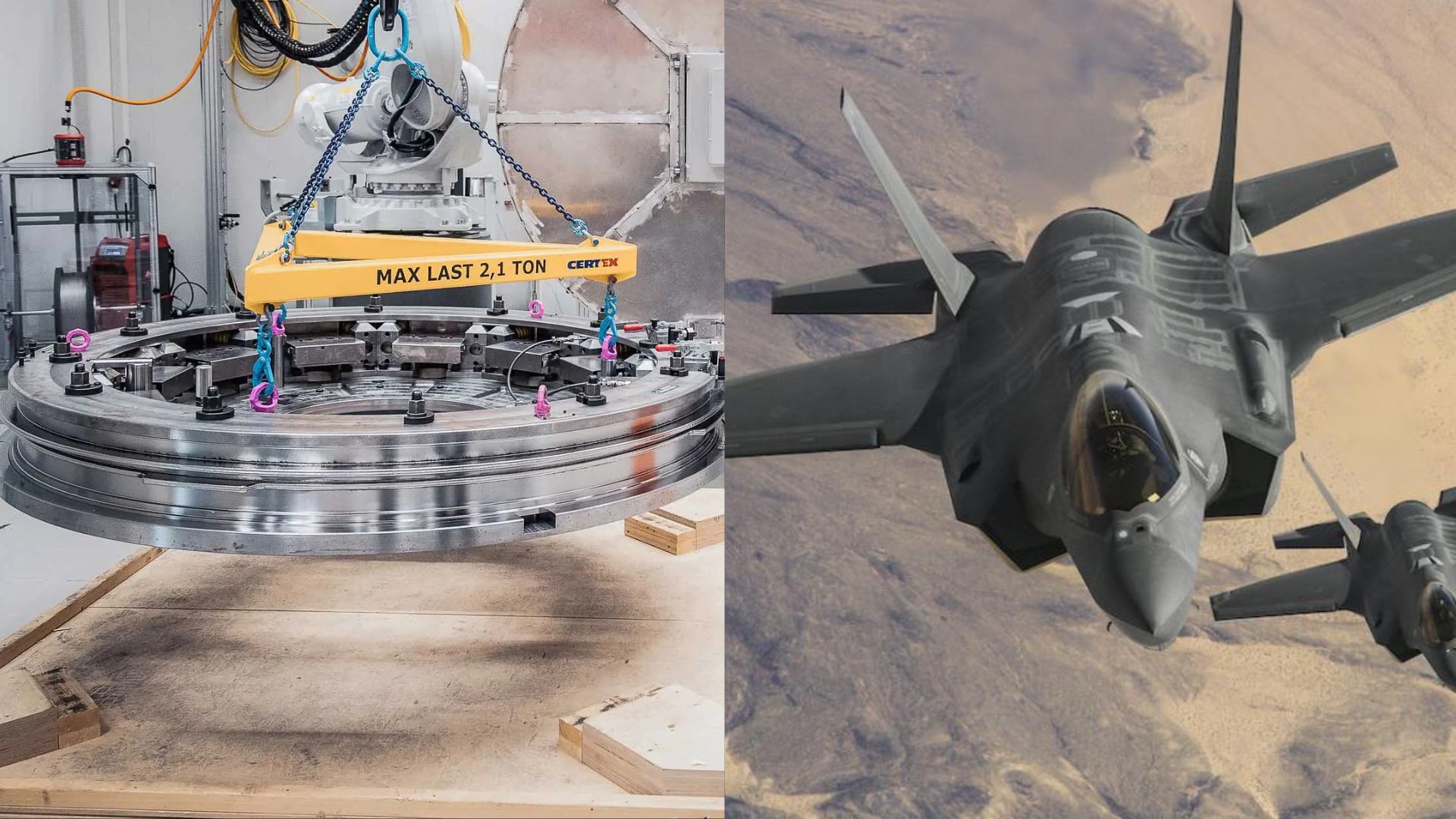
Pratt & Whitney and GKN Aerospace to Test 3D-Printed Engine Case for F-35 by 2028
RTX’s Pratt & Whitney has partnered with GKN Aerospace to develop a large additively manufactured structural component for the F135 fighter engine. The collaboration aims to certify this component by the end of 2028, following the production of a full-scale demonstrator in 2027. This initiative is significant as it represents a move towards integrating industrial-scale 3D printing into military propulsion systems. The focus is on creating a structural engine case that meets the performance standards of traditionally manufactured parts, which is crucial for the F-35 Lightning II's operational capabilities. Looking ahead, the project will provide valuable data on manufacturing quality and certification requirements, potentially transforming how larger structural components are produced in aerospace. No further timeline was disclosed at the time of publication.
Military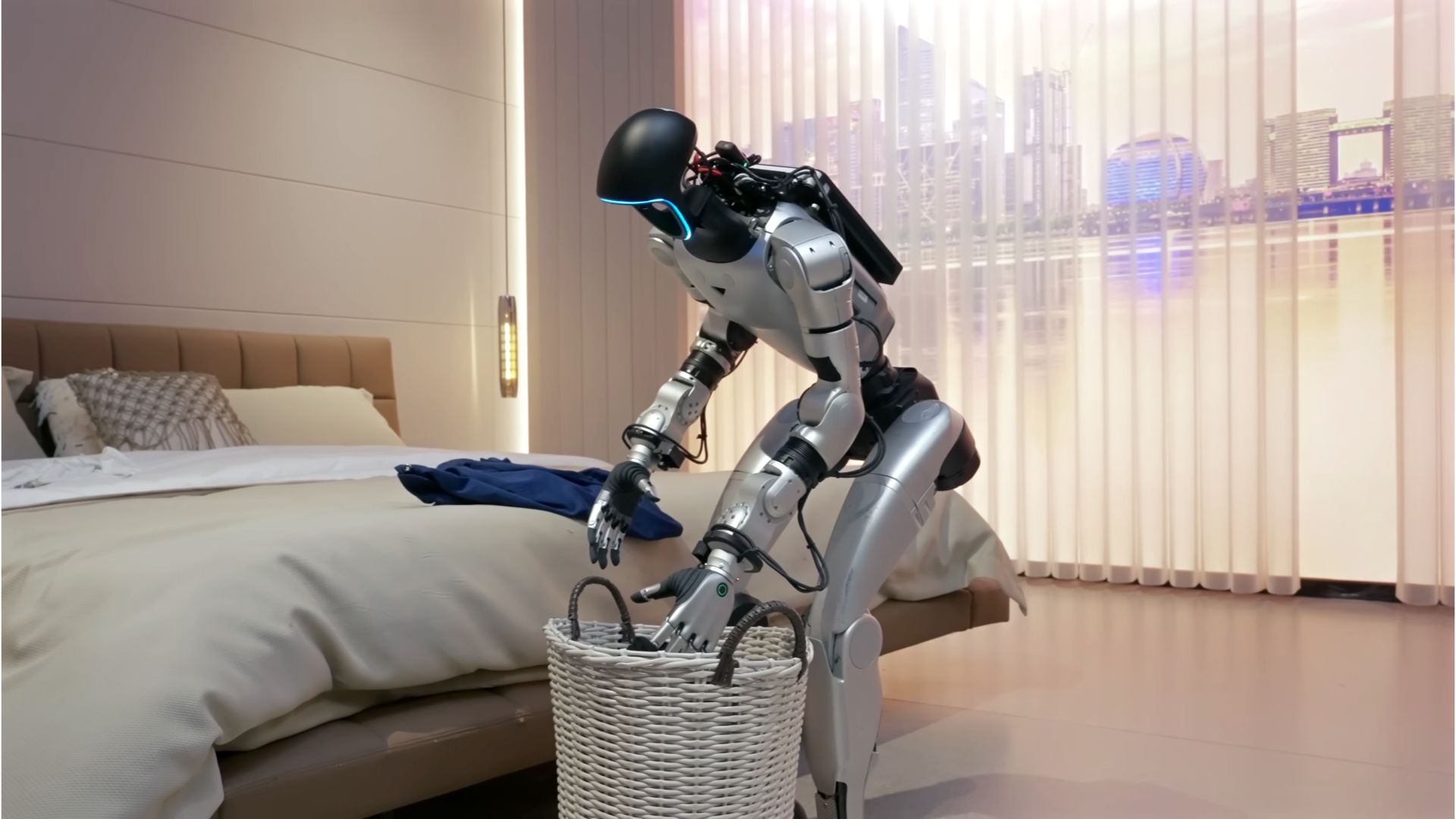
Unitree Launches UnifoLM-OminiA-0.3 for Enhanced Humanoid Robot Interaction and Assistance
Chinese robotics firm Unitree has introduced UnifoLM-OminiA-0.3, a unified AI model designed for humanoid robots. This model facilitates real-time omni-modal interaction, reasoning, dialogue, and whole-body mobile manipulation, targeting home-care and wellness applications. The robots can autonomously perform tasks such as tidying rooms and assisting patients while responding to various inputs. The significance of UnifoLM-OminiA-0.3 lies in its ability to integrate multiple capabilities into a single system, allowing robots to process information from speech, vision, and environmental cues simultaneously. This unified architecture enables seamless task execution, as demonstrated by a humanoid robot that can adjust a hospital bed and respond to user commands mid-task, showcasing continuous human-robot interaction. Looking ahead, the trend towards embodied AI is expected to grow, with developers focusing on integrating vision-language models with robot control. This approach enhances flexibility in dynamic environments like homes and healthcare facilities, where tasks and interactions can vary significantly. No further timeline was disclosed at the time of publication.
AI and Robotics
Carnegie Mellon University Researchers Utilize Snake Robots for Earthquake Rescue in Venezuela
Researchers from Carnegie Mellon University collaborated with international search and rescue teams in Venezuela to deploy snake robots. These robots were used to navigate and explore collapsed buildings after two significant earthquakes caused widespread devastation in the region. The use of snake robots in this context is crucial as they can access areas that are otherwise unreachable by traditional rescue equipment. Their flexibility and ability to maneuver through debris enhance the efficiency of search and rescue operations, potentially saving lives in critical situations. Looking ahead, the effectiveness of snake robots in disaster scenarios will be closely monitored. Their performance in Venezuela could influence future deployments in similar situations, highlighting the importance of robotics in emergency response efforts. No further timeline was disclosed at the time of publication.
Uncategorized
Seven AI Technologies Enhancing Military Drone Swarms' Intelligence and Effectiveness
Military drone swarms are becoming a pivotal advancement in autonomous warfare, enabling multiple unmanned systems to operate collectively rather than individually. This capability is heavily reliant on artificial intelligence, which aids drones in interpreting sensor data, navigating complex environments, and communicating effectively, thereby reducing the burden on human operators. The significance of these advancements lies in their ability to enhance operational resilience. Swarm intelligence allows drones to function as a coordinated unit, utilizing decentralized algorithms to manage interactions, maintain formations, and adapt to challenges, inspired by natural collective behaviors. Programs like DARPA’s OFFSET have explored these concepts, demonstrating how autonomous systems can collaborate in intricate missions, particularly in urban settings. Looking ahead, the integration of edge AI technology is crucial for military drone swarms. This innovation enables drones to process data onboard, ensuring functionality even when connectivity to command centers is compromised. As these technologies evolve, their impact on military operations and strategies will be significant, with ongoing developments to watch closely.
AI and Robotics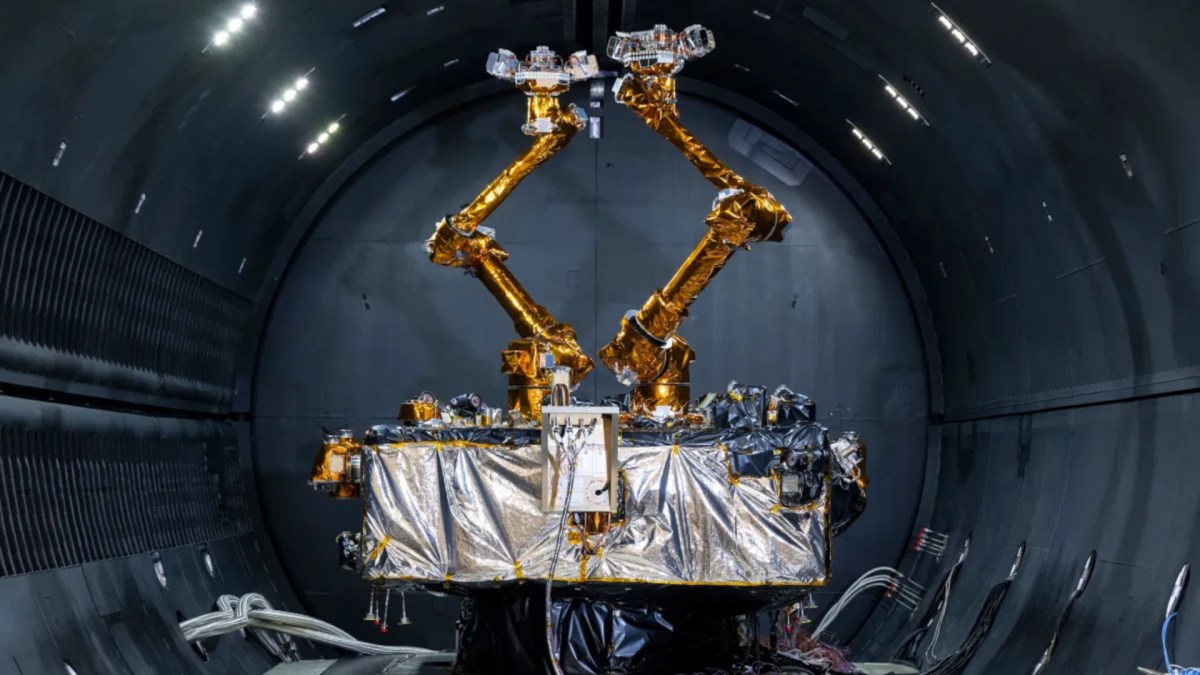
Northrop Grumman's New MRV Spacecraft Launches Today Amid Offensive Capability Questions
Northrop Grumman is set to launch its Mission Robotic Vehicle (MRV) today, equipped with two robotic arms designed for satellite servicing. While the primary purpose of the MRV is to refuel and repair satellites in geosynchronous orbit, discussions have emerged regarding its potential use in offensive operations against enemy satellites. The U.S. Space Force is exploring offensive capabilities to protect its assets, raising questions about the MRV's dual-use potential. The MRV's launch is significant as it represents a step forward in commercial satellite servicing, with the ability to install life extension jetpacks on satellites, potentially prolonging their operational life by up to eight years. Northrop Grumman's CEO, Kathy Warden, emphasized the spacecraft's capabilities during a recent earnings call, indicating that the company is prepared to offer options for technology deployment to clients, including the U.S. government. Looking ahead, the MRV is scheduled to launch aboard a SpaceX Falcon 9 rocket from Cape Canaveral, with a window starting at 5:15 PM ET. The mission will involve rendezvousing with satellites from commercial telecommunications providers Optus and SES, showcasing the MRV's versatility in on-orbit servicing and inspection. No further timeline was disclosed at the time of publication.
Space Anti-Satellite Capabilities News & Features Orbital Systems War In Space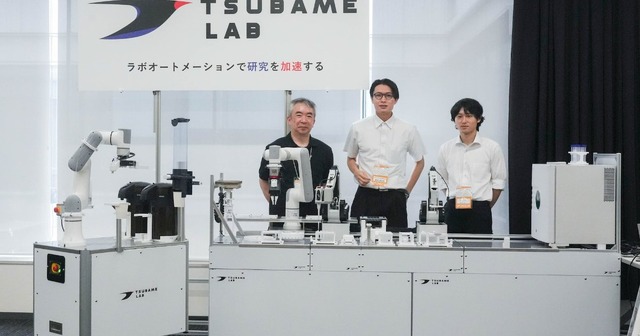
Tsubame Lab Showcases Automation Solutions at LADEC2026 with Robotic Arms and AMRs
Tsubame Lab Inc. participated in the Laboratory Automation Developers Conference 2026 (LADEC2026) held on July 2-3, 2026, at the Miraikan in Japan. The company demonstrated automation solutions for pre-processing tasks using robotic arms and introduced the concept of 'room-level automation' by integrating autonomous mobile robots (AMRs) for sample transportation. This participation is significant as it highlights Tsubame Lab's ongoing efforts to create a 'Cloud Lab' that allows researchers to execute experiments remotely via APIs and MCPs. The conference featured over 40 speakers and approximately 60 sponsoring companies, emphasizing the importance of automating repetitive tasks in research environments, which are still largely performed manually by researchers and staff. Looking ahead, Tsubame Lab plans to expand automation elements for pre-processing tasks, enhance the application range of room-level automation through AMR integration, and continue collaborating with the research automation community. No further timeline was disclosed at the time of publication.

MISUMI Americas Reports on Record U.S. Manufacturing Growth and Workforce Challenges
MISUMI Americas has released its report titled "The Rise of U.S. Manufacturing," highlighting that domestic manufacturing value reached a record $2.91 trillion in 2024. The report also indicates that the ISM Manufacturing PMI hit 54 in May 2026, marking the strongest performance since 2022. Additionally, factory-construction spending more than doubled from 2021 to 2024, while foreign investment in U.S. manufacturing reached $2.42 trillion, surpassing all other sectors. The report emphasizes a significant challenge facing this growth: a workforce shortage. MISUMI notes that there are currently 409,000 open manufacturing positions, with projections indicating that 1.9 million jobs may remain unfilled by 2033. This workforce gap is identified as the primary constraint on the growth cycle of U.S. manufacturing, despite the influx of foreign investment, particularly from Japan, which accounts for over $819 billion of the total. Looking ahead, the report discusses the relationship between automation and workforce development. As facilities become more automated, the demand for skilled workers who can operate and troubleshoot advanced systems increases. The skills required for these roles are evolving, and initiatives like H.R. 9097 aim to address the training gap by sending American workers to countries with established automation training programs. No further timeline was disclosed at the time of publication.
Business Intelligence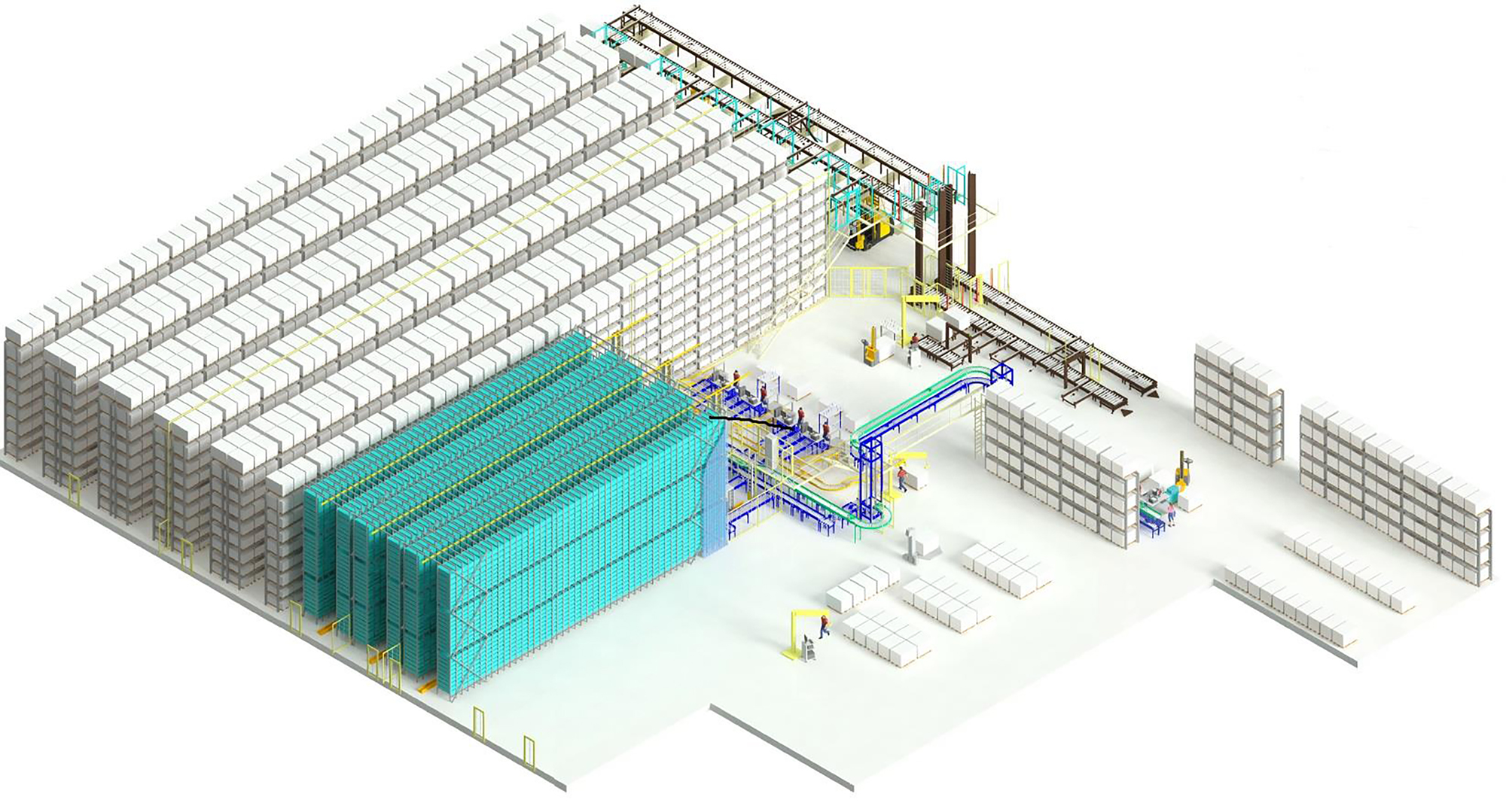
Eisenhart Laeppché GmbH Partners with Jungheinrich for Automated Distribution Centre
Eisenhart Laeppché GmbH has commissioned Jungheinrich to construct a fully automated distribution center in Wilhelmshaven, Germany, to accommodate rising order volumes. This new facility will feature an automated miniload warehouse with 14,904 container storage locations and an automated pallet warehouse with 3,870 storage locations, enhancing efficiency and ergonomics in operations. The investment in automation is crucial for Eisenhart Laeppché GmbH as it addresses the limitations of manual order picking and aims to improve working conditions for employees. The integrated solution from Jungheinrich includes advanced warehouse management software and ergonomic workstations, which are designed to support the company's growth and scalability. Looking ahead, the commissioning of the new distribution center is scheduled for the second quarter of 2027. This project reflects a long-standing partnership between Eisenhart Laeppché GmbH and Jungheinrich, emphasizing the importance of collaboration in achieving operational efficiency and meeting increasing demand in the small-parts segment.
AMR and AGV Automation Systems and Shuttles Forklifts and Warehouse Vehicles Materials Handling Storage & Racking WMS & SCM Software



Leave a comment