


Encoder Products Company
Sagle, Idaho rotary encoder manufacturer founded 1969 by Bill Watts; makes Accu-Coder incremental and absolute encoders and the Tru-Trac line.
Contact Encoder Products Company
WEBSITE
https://www.encoder.comPHONE
+1 800-366-5412HEADQUARTERS
United States

Company Facts
Founded
1969
Primary Role
Manufacturer
Company Size
-
Primary Region
North America
Annual Sales
-
Funding Stage
-
Funding Total
-
Certifications & Memberships
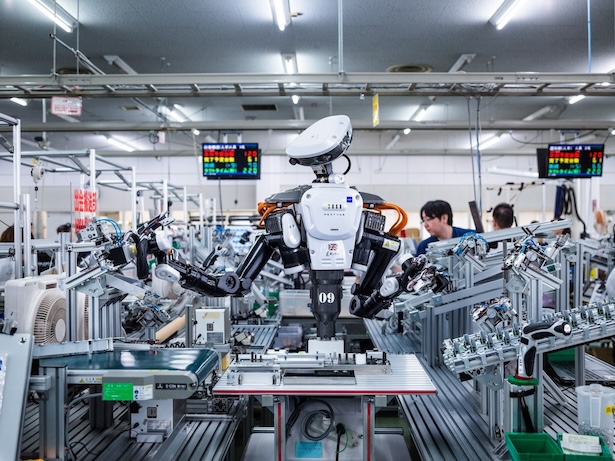
Kuka Systems and Magdeburg-Stendal University Launch Friction Stir Welding Research Cell
Kuka Systems, in collaboration with Magdeburg-Stendal University, has introduced a new research cell focused on Friction Stir Welding (FSW). This initiative aims to enhance the development and testing of innovative manufacturing processes. The establishment of this research cell is significant as it expands the capabilities of both Kuka Systems and the university in exploring advanced welding techniques. Friction Stir Welding is known for its efficiency and effectiveness in joining materials, making it a valuable area of research in manufacturing. Looking ahead, stakeholders in the manufacturing and robotics sectors should monitor the outcomes of this collaboration. The advancements in FSW technology could lead to improved production methods and applications across various industries. No further timeline was disclosed at the time of publication.
Allgemein Lösungen Metallbearbeitung & Schweißen Robotersteuerung & Digital Twin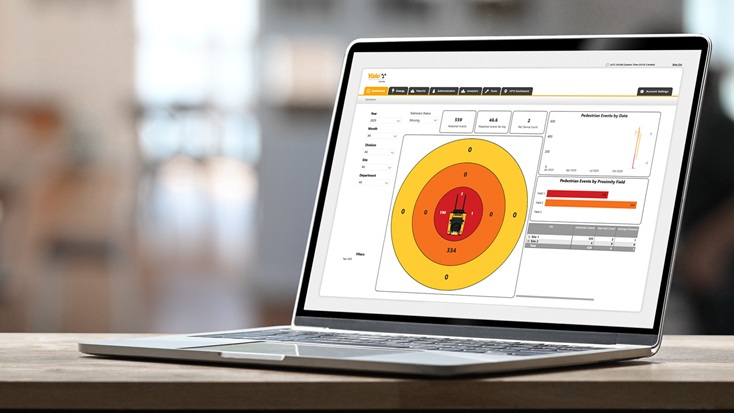
Integrated Technology Enhances Warehouse Equipment Operations and Decision-Making
Recent advancements in integrated technology are transforming warehouse operations by providing comprehensive visibility into equipment performance and workflows. As supply chains evolve and customer demands increase, warehouse leaders are prioritizing the integration of various technologies, such as the Yale Reliant™ Pedestrian Awareness Camera and the Yale Vision Pedestrian Detection Events Dashboard, to enhance operational intelligence. This shift towards connected solutions allows managers to move beyond isolated data points and gain a holistic understanding of how equipment, personnel, and processes interact throughout the day. By leveraging integrated systems, warehouses can identify patterns, streamline workflows, and make informed decisions that improve efficiency and responsiveness. Looking ahead, the trend of embracing integrated technologies is expected to continue, as organizations recognize the importance of connected ecosystems over standalone solutions. No further timeline was disclosed at the time of publication.
Materials Handling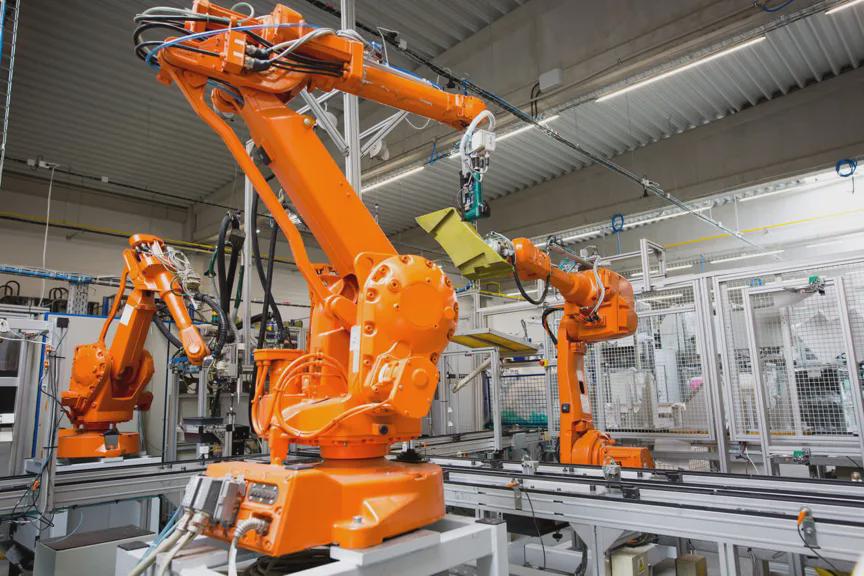
354,000 Chinese Industrial Robots Transforming the Landscape of the 'Four Great Families
A significant development in the robotics sector has emerged, with 354,000 Chinese industrial robots reportedly toppling the city walls of the 'Four Great Families'. This event highlights the rapid advancements in robotics technology and its implications for urban infrastructure. The importance of this transformation lies in the potential for industrial robots to reshape traditional industries and urban environments. As these robots become more integrated into various sectors, they may lead to increased efficiency and innovation, challenging established norms and practices. Looking ahead, the ongoing evolution of robotics technology will be crucial to watch. The integration of such a large number of robots signifies a shift in how industries operate, and it will be interesting to see how this impacts future urban planning and industrial strategies. No further timeline was disclosed at the time of publication.
Robotics Automation AI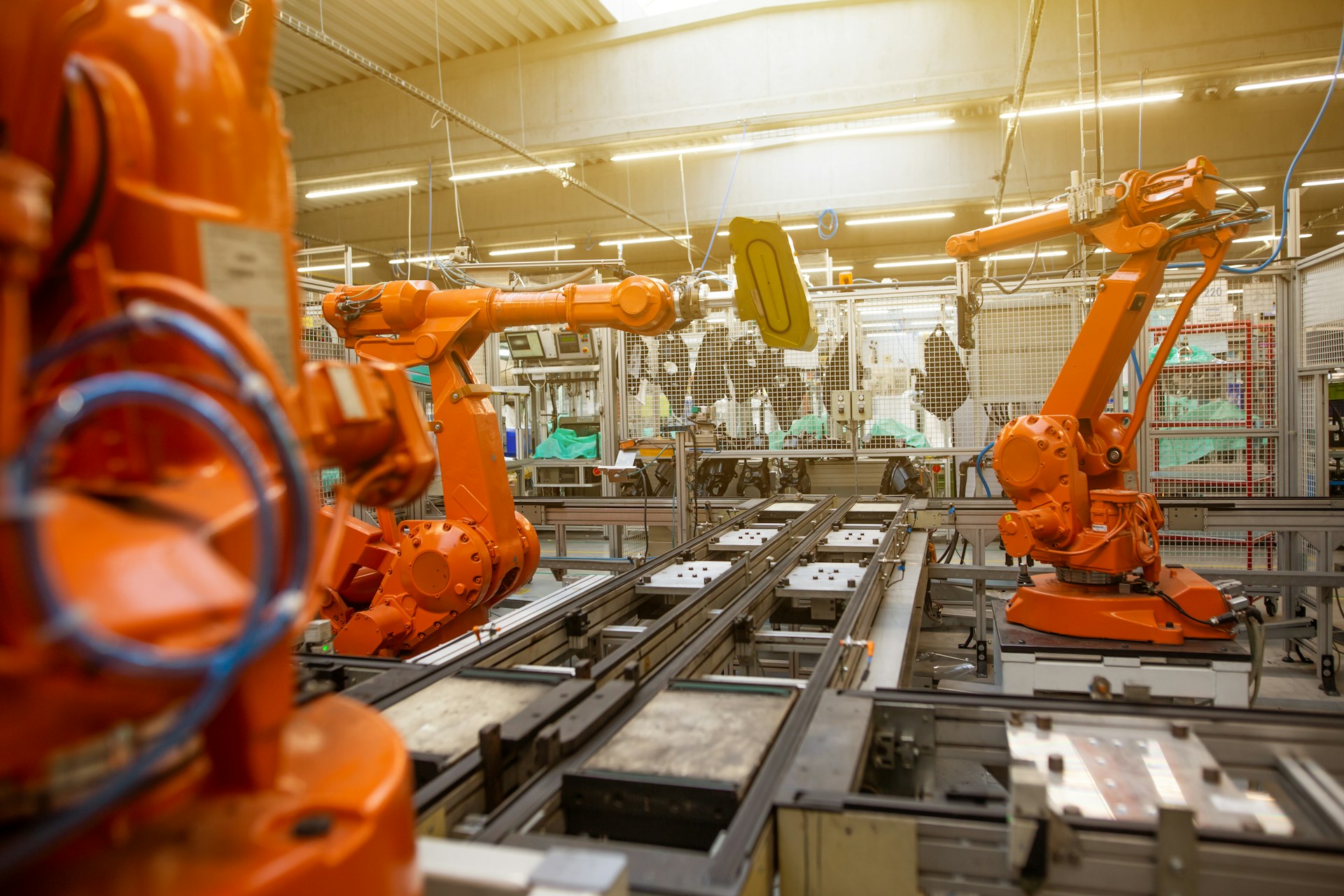
China's Industrial Robot Installations Reached 354,000 in 2025, Dominating Global Market
In 2025, China installed 354,000 industrial robots, marking a 20% increase from the previous year and representing 59% of global installations, as reported by the International Federation of Robotics. This achievement solidifies China's position as the largest industrial-robot market for the second consecutive year. The global operational stock of industrial robots reached 5 million units in 2025, reflecting a 9% growth. Additionally, annual installations surpassed 600,000 units, indicating a robust demand for automation technologies across various industries. The United States has now surpassed Japan, becoming the second-largest market for industrial robots. Looking ahead, the continued growth in China's industrial robot installations suggests a strong commitment to automation and advanced manufacturing. No further timeline was disclosed at the time of publication.
News Feed
Autonomous Robots Navigate Predefined and Situationally Calculated Paths
Autonomous robots are designed to follow paths that are either predefined or calculated situationally. The conditions imposed on such paths are well-known from subtractive and additive manufacturing, yet their implementation remains complex. Spiral paths can offer several advantageous properties in this context. The ability of autonomous robots to navigate complex paths is significant for various applications in manufacturing and logistics. Understanding the intricacies of path conditions is crucial for optimizing robot performance and ensuring efficiency in operations. The exploration of spiral paths may enhance the capabilities of these robots, making them more effective in navigating challenging environments. Looking ahead, the development and refinement of path-following algorithms will be essential for improving the functionality of autonomous robots. As industries increasingly adopt these technologies, attention will be focused on how spiral paths can be integrated into existing systems. No further timeline was disclosed at the time of publication.
Allgemein Anwendungen & Lösungen Lösungen
Otto Hofstetter Installs Robotic Cell for Efficient Component Handling in Automation
Otto Hofstetter, a manufacturer of injection molds and pressing tools, has implemented a robotic cell for the automatic loading and unloading of its turning-milling center as part of modernization efforts. This installation highlights the importance of flexibility in modern automation, enabling the company to efficiently manage a diverse range of components. The core of this efficient handling technology is the new CPB tool changer, featuring a robust locking mechanism that Schunk has utilized in stationary clamping technology for years. This advancement brings the tool changer from the machine table to the robot, enhancing the company's end-of-arm portfolio for robotic applications with a future-proof module for flexible automation. As the industry continues to evolve, the integration of such technologies will be crucial for manufacturers looking to optimize their processes. No further timeline was disclosed at the time of publication.
Allgemein Anwendungen & Lösungen Greifer & Werkzeuge Kunststoff & Gummi Robotik
Interview with José António Bernardo on Physical AI and Robotics Challenges
José António Bernardo, R&D project manager at ABMI Groupe, discusses the transition from laboratory to real-world applications in robotics, AI, and embedded systems. He emphasizes that a robot's performance is not defined by demonstration quality but by its reliability, repeatability, and safety in real-world conditions. Bernardo highlights the significance of Physical AI and adaptive robots, noting that the convergence of AI, embedded systems, and robotics is crucial for success. He shares a specific example where a positioning function showed a 24 mm error, which was corrected to 1.8 mm through their own inverse kinematics, illustrating the importance of accurate measurement and validation. Looking ahead, Bernardo points out that the main challenges lie in data and validation methods. He stresses that without a way to prove a system's functionality outside its training domain, the industry risks producing mere demonstrations rather than viable products. The conversation underscores the need for robust validation processes to ensure industrial robots can operate effectively in dynamic environments.
À la une Industrie Interview Robotique
Ophthalmic Surgical Robot Achieves Micron-Level Precision in Three Minutes
An innovative ophthalmic surgical robot has demonstrated the ability to restore vision in nearly blind patients within just three minutes, achieving precision at the micron level. This advancement in robotic surgery signifies a major leap forward in ophthalmology, potentially transforming treatment options for patients with severe vision impairment. The significance of this technology lies in its ability to perform complex surgical procedures with unprecedented accuracy, which could lead to improved outcomes for patients suffering from various eye conditions. The robot's rapid operation time and high precision could also reduce the overall burden on healthcare systems by streamlining surgical processes. Looking ahead, the continued development and deployment of this ophthalmic surgical robot will be crucial. Stakeholders in the healthcare and robotics sectors should monitor advancements in this technology, as it may pave the way for further innovations in minimally invasive surgical techniques. No further timeline was disclosed at the time of publication.
Robotics Automation AI
World's First Intelligent Robot with Domestic Electronics Launches in Yichang
The world's first embodied intelligent robot, featuring fully domestically produced electronic architecture, made its debut in Yichang. This milestone represents a significant advancement in robotics technology, showcasing the capabilities of local manufacturing and innovation. The introduction of this robot is crucial as it highlights the growing trend of self-sufficiency in technology, particularly in the robotics sector. By utilizing domestically produced components, the robot aims to reduce reliance on foreign technology and enhance local expertise in robotics development. Looking ahead, the implications of this launch could influence future robotics projects and investments in China. As the industry evolves, stakeholders will be keen to observe how this robot performs in real-world applications and its potential impact on the global robotics market. No further timeline was disclosed at the time of publication.
Robotics Automation AI
Chinese Startup Fangqi Technology Secures Angel Round Funding for Robotic Brain Development
Fangqi Technology, a startup founded by a Tsinghua University PhD, has successfully completed an angel round of funding worth millions. The company aims to transform skills into marketable products by developing a robotic brain that utilizes semantic world models to bridge the gap between physical and semantic knowledge. This innovative approach is significant as it addresses a critical challenge in robotics and AI, potentially enhancing the capabilities of intelligent systems. The importance of Fangqi Technology's work lies in its potential to revolutionize how robots understand and interact with the world. By focusing on embodied intelligence, the startup is positioning itself to meet the growing demand for advanced robotic solutions across various industries. This funding round reflects investor confidence in the company's vision and the broader trend of integrating semantic understanding into robotic applications. Looking ahead, Fangqi Technology's progress in developing its robotic brain will be closely monitored, especially as it seeks to commercialize its technology. The success of this venture could pave the way for new advancements in robotics and AI, making it a key player in the evolving landscape of intelligent manufacturing and automation. No further timeline was disclosed at the time of publication.
Robotics Automation AI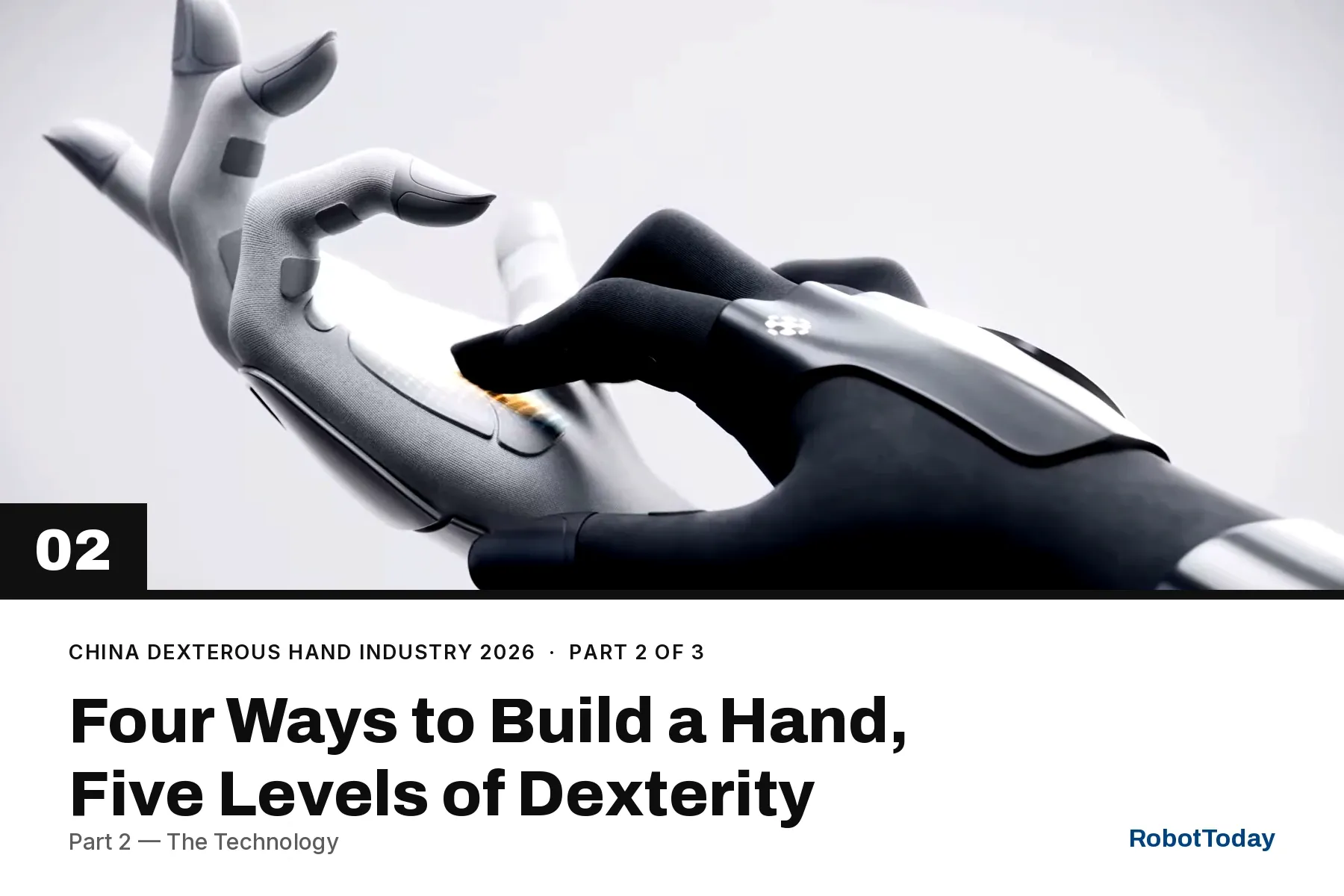
China’s Dexterous Hand Industry, 2026 Part 2 — The Technology
Linkage, tendon, direct drive or hybrid — and why hardware is converging while the DL1–DL5 manipulation scale decides who wins. Part 2 of 3.
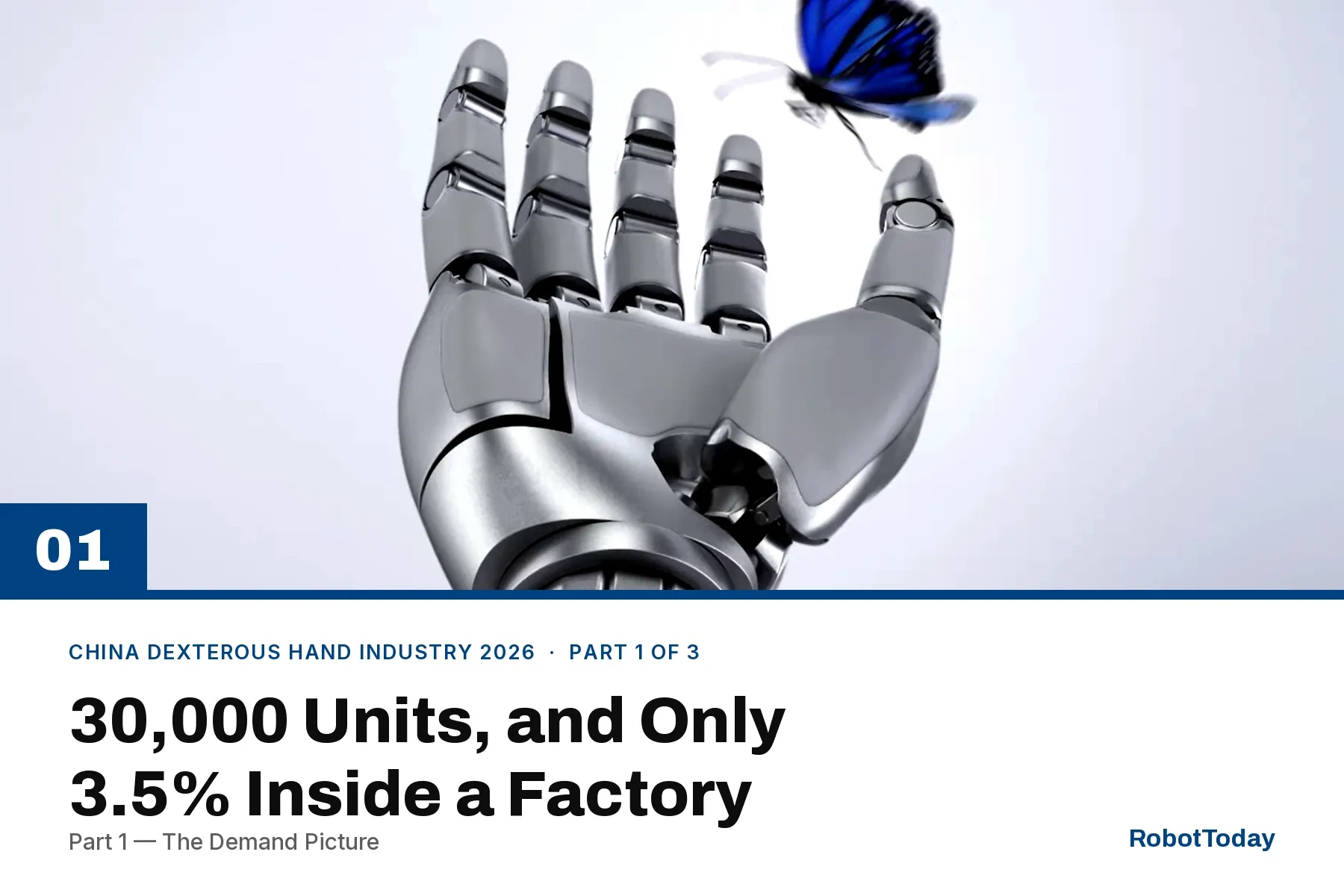
China’s Dexterous Hand Industry, 2026 Part 1 — The Demand Picture
MIR Databank puts China dexterous hand shipments above 30,000 units in 2026, yet only 3.5% of 2025 demand came from factory production. Part 1 of 3.
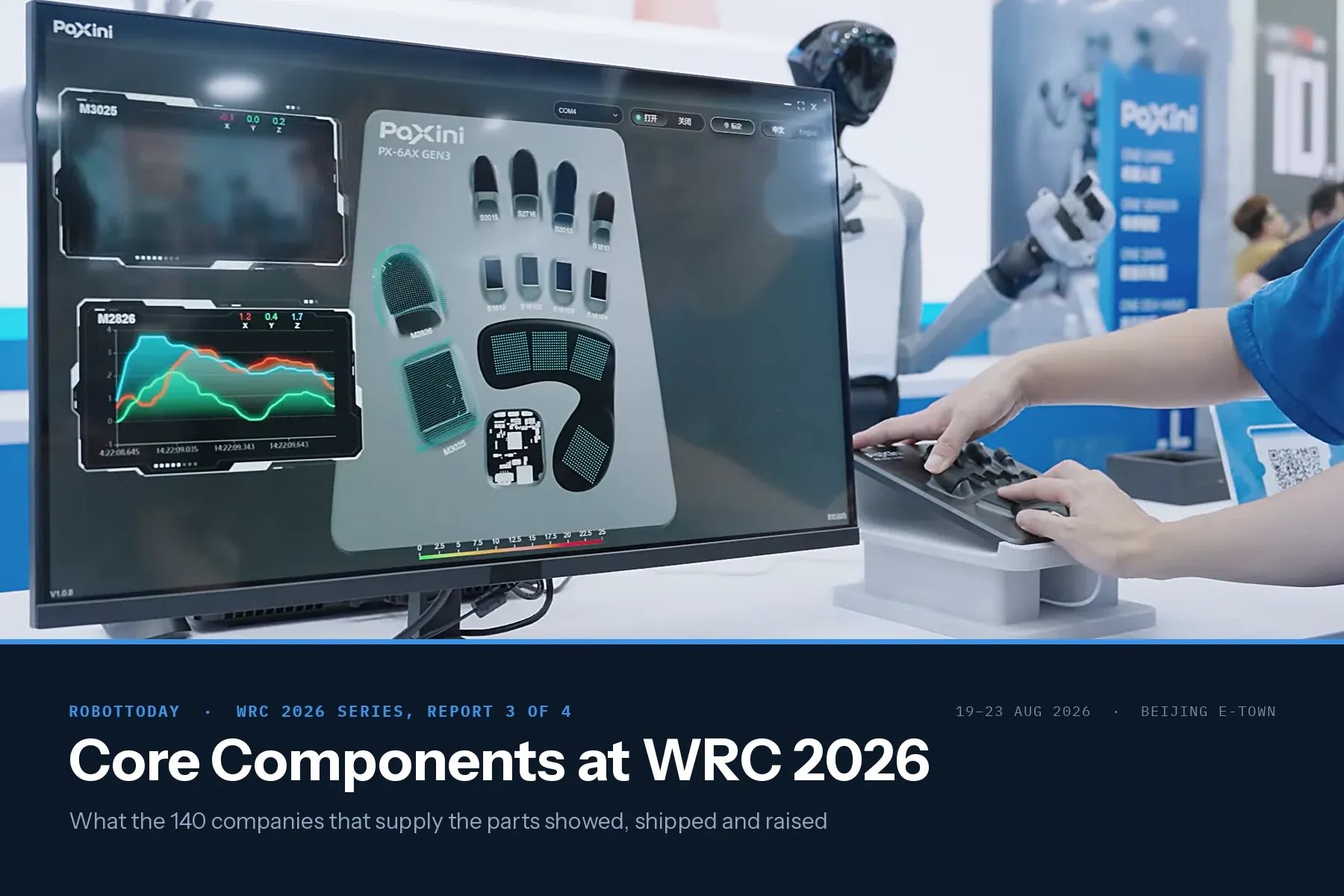
WRC 2026 Core Components: 137 Robot Parts Suppliers
The third report in the WRC 2026 series. Report 1 mapped all 248 exhibitors by category and Report 2 covered the 139 that build finished robots. This one covers the 137 that build what goes inside them.
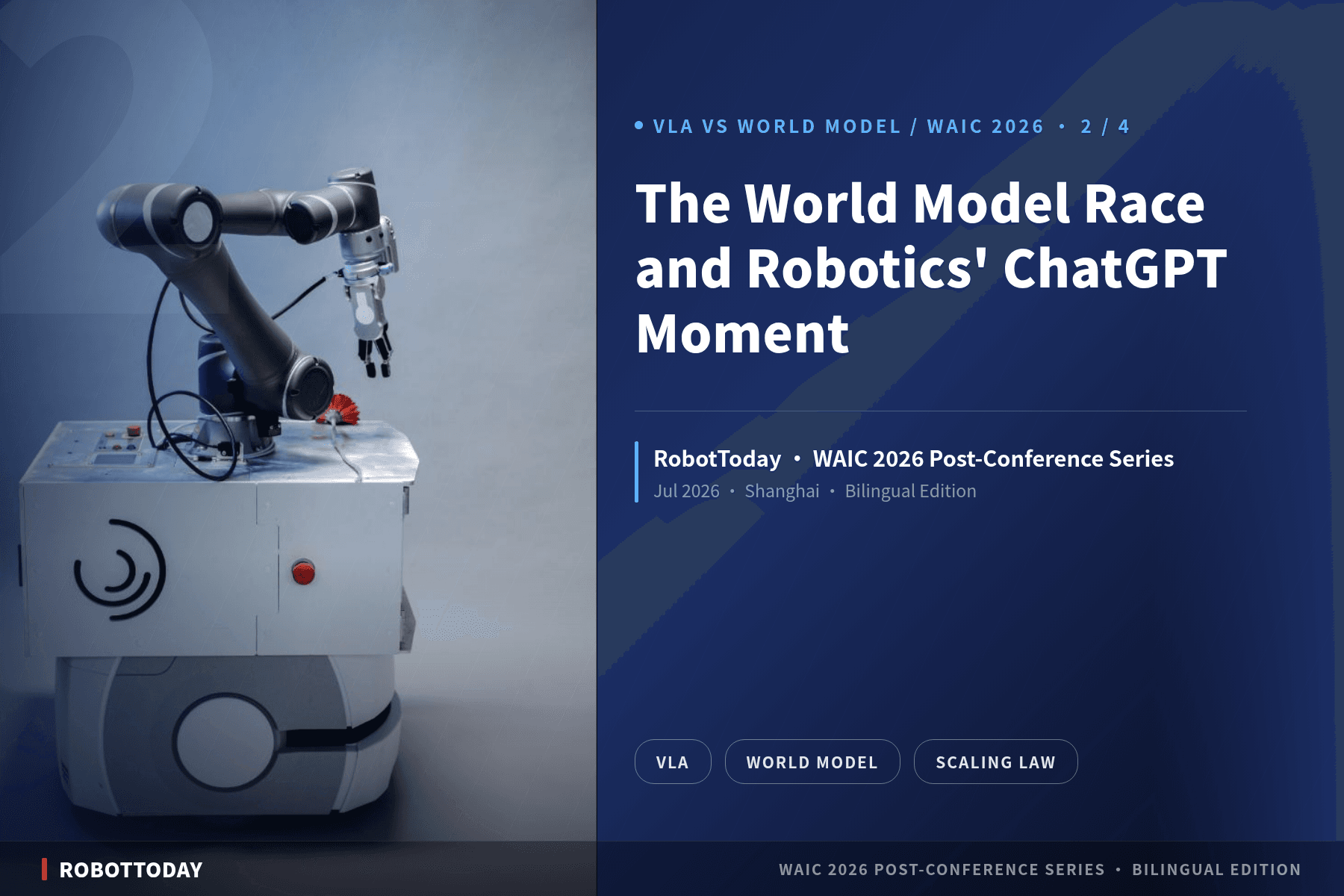
WAIC Review 2/4: World Models vs. VLA: Robotics' Next 'ChatGPT Moment'
At WAIC 2026, world-model and VLA camps staked rival paths to generalist robots; Zhiyuan, SenseTime and NVIDIA predict a robot 'ChatGPT moment' in 2-5 years.
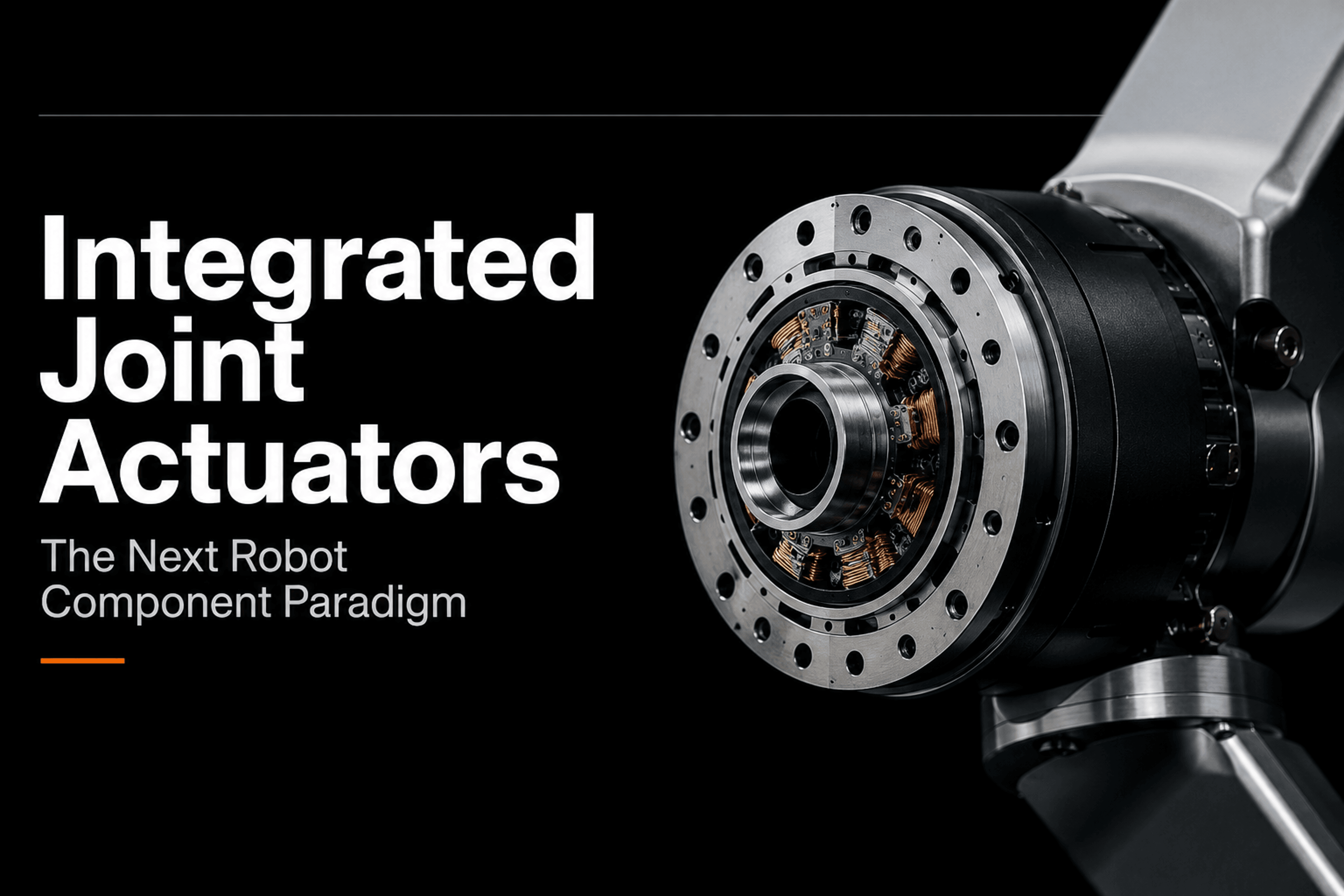
Integrated Joint Actuators 2026: Technology, Global Suppliers & China's Leap Forward
From rotary joints hitting 530 N·m+ to linear joints with planetary roller screws, integrated actuators are replacing the three-part drivetrain. Full supplier map: Tihu, PhyArc, RobStride, Schaeffler, maxon — and China's path from 1,000-RMB modules to global standard-setter.
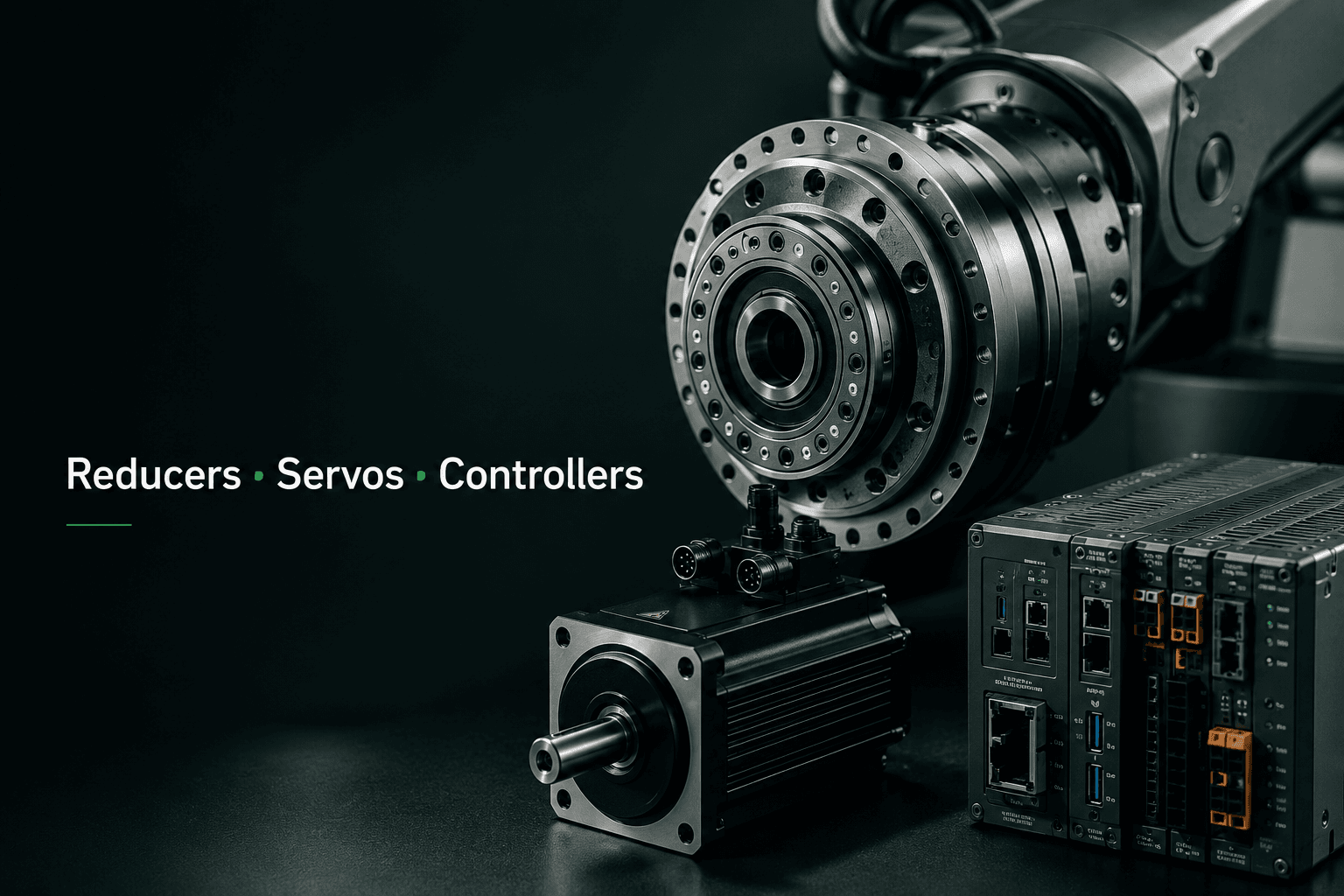
The Core Components Battle of Indutrial Robot, Reducers, Servo Systems & Controllers
A technology-first analysis of the three pillars driving industrial robot capability: precision reducers, servo systems, and motion controllers. Maps the full global supplier ecosystem — Japan, Europe, and China — from component specs to product generations and integration architectures.
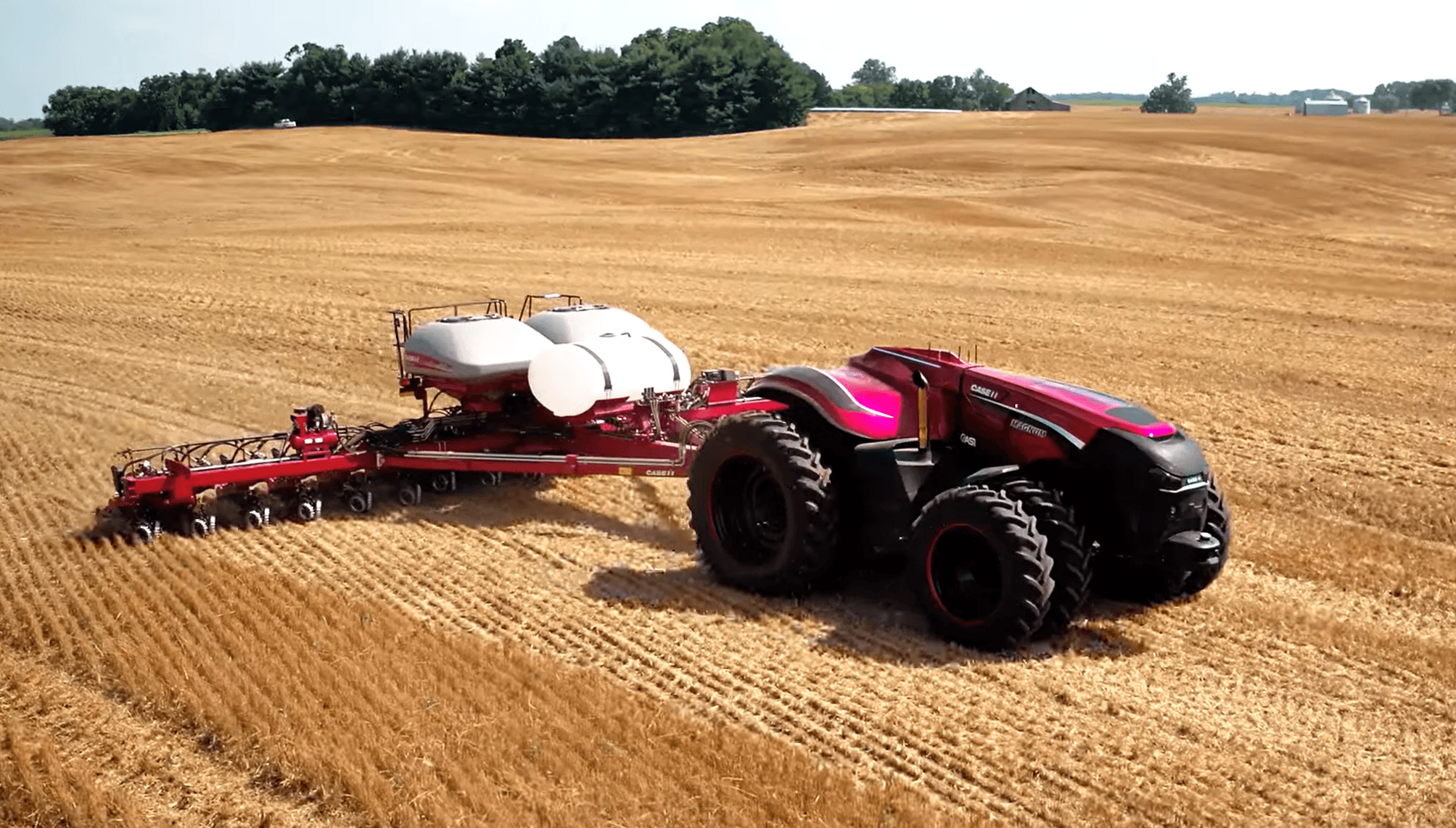
Agricultural Robotics | Autonomous Tractors: The $13B Platform Battle in Plain Sight
Autonomous tractors target a $2.7B market growing at 22% CAGR to 2032. Deep-dive on John Deere 8R, AGCO Fendt, CNH Industrial, Kubota AgriRobo, and Monarch MK-V — and why the platform war matters more than the hardware.

Vision-Based Tactile Sensing: The Race to Build What Tesla's Optimus Needs
Vision-based tactile sensing (VBT) is emerging as the critical missing piece for Tesla Optimus dexterous hands. This briefing covers the technology, six global milestones, a ten-company competitive landscape, and the Chinese startup ecosystem — including PaXini, Daimon Robotics, DouDong, WeiTi and QianJue.
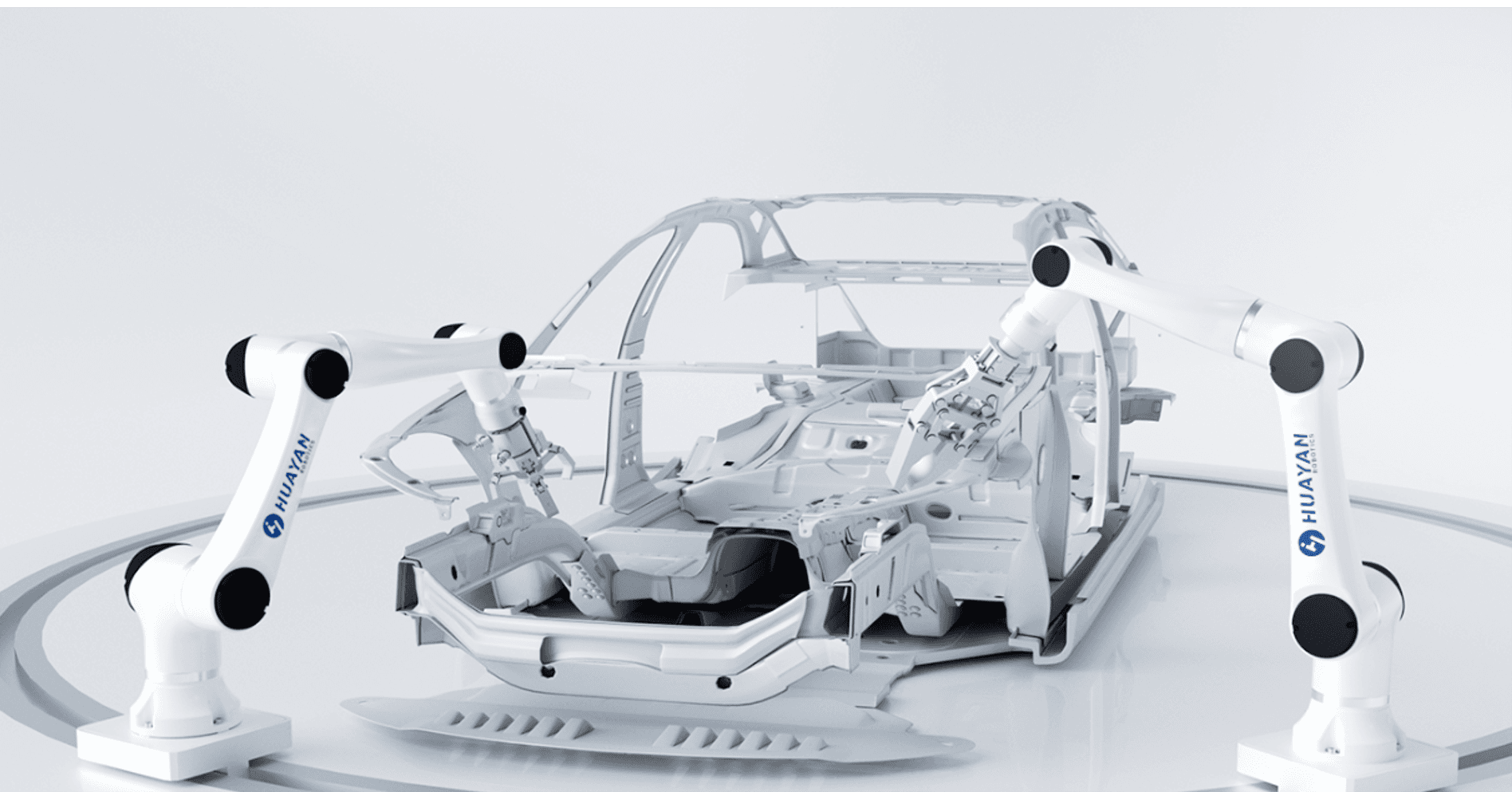
Guangdong Huayan Robotics Files for Hong Kong Mainboard IPO
Guangdong Huayan Robotics (formerly Han’s Robot) files for Hong Kong Mainboard IPO seeking HK$1.37 billion at HK$17.00 per share. China’s leading full-stack cobot manufacturer reported RMB 310.4 million revenue in 2024 (+77% YoY) and carries strong cornerstone backing. Analysis of financial highlights, technology stack, market position, and related-party risk.
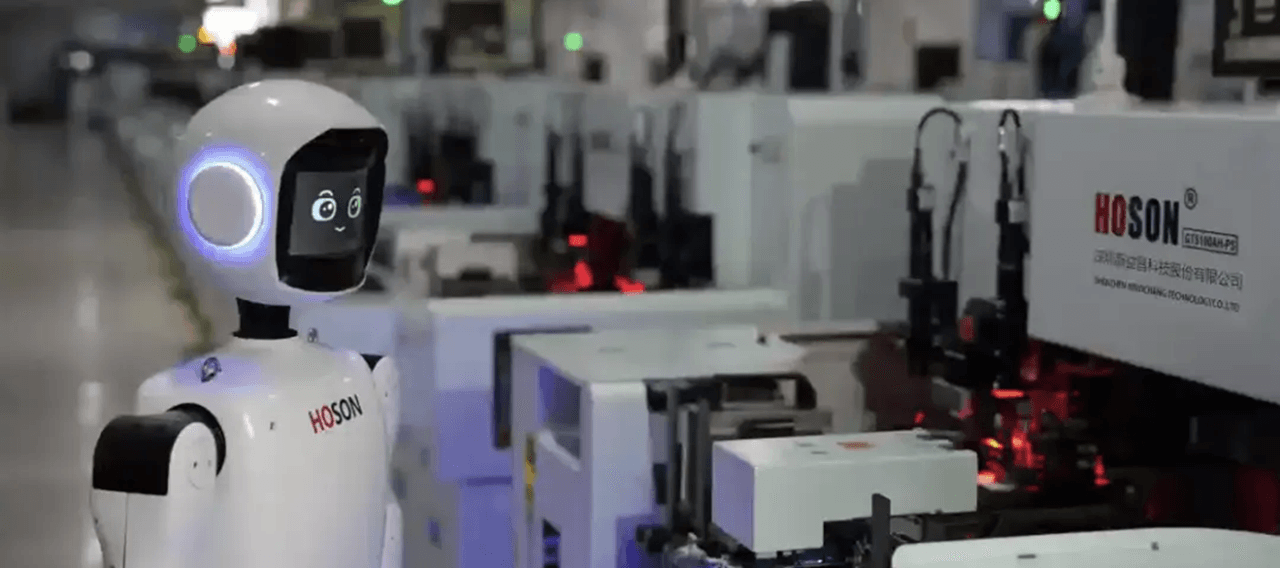
Hoson Tech Enters Humanoid Robotics with Hoson Robot
Hoson Tech expands into humanoid robotics with the Hoson Robot, bringing semiconductor-grade precision and embodied intelligence to real-world automation.


