

BETA Technologies
BETA Technologies, based in South Burlington, Vermont, builds the ALIA electric VTOL and CTOL aircraft and completed a $1B+ NYSE IPO in 2025.
Contact BETA Technologies
WEBSITE
https://www.beta.team/HEADQUARTERS
United States


Company Facts
Founded
2017
Primary Role
Manufacturer
Company Size
employees 500-1000
Primary Region
North America
Annual Sales
-
Funding Stage
Public
Funding Total
-
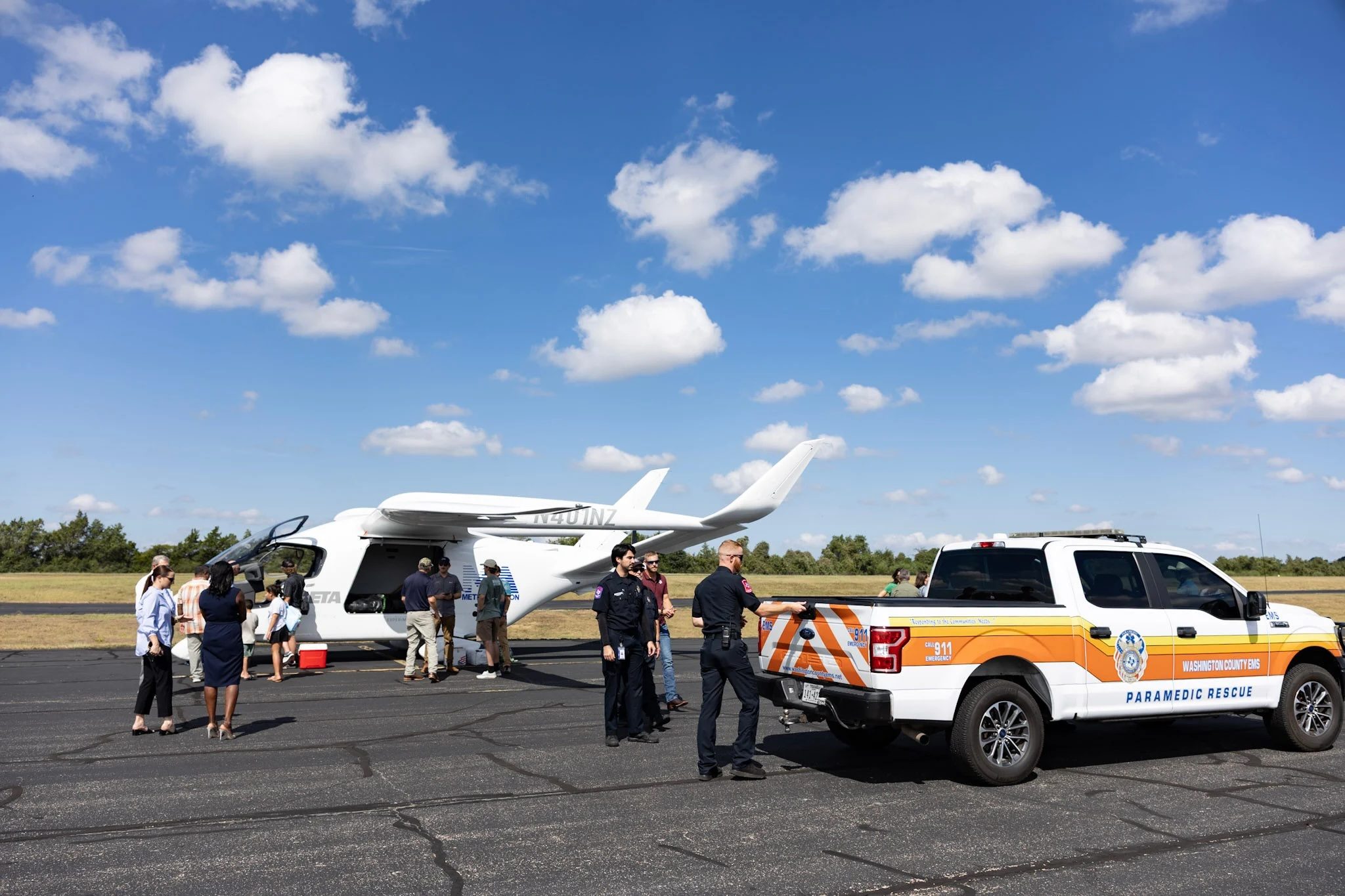
BETA Technologies and Metro Aviation Demonstrate Electric Aircraft for Rural EMS in Texas
BETA Technologies and Metro Aviation successfully conducted an electric aircraft demonstration with Washington County Emergency Medical Services in Brenham, Texas. This flight aimed to explore the potential of electric aviation in enhancing emergency response capabilities in rural areas, specifically by transporting disaster-response equipment alongside existing resources. The significance of this demonstration lies in its potential to integrate electric aircraft into emergency medical systems, which currently respond to over 7,000 calls annually across a 700-square-mile area. Washington County EMS Director Taylor Leonard expressed gratitude for the partnership, highlighting the importance of exploring innovative transportation options to improve emergency services. Looking ahead, Metro Aviation has shown interest in expanding its collaboration with BETA Technologies, having placed a deposit-backed order for up to 20 ALIA VTOL aircraft for future operations. The Texas demonstration is part of a broader initiative to assess the role of electric aircraft in medical aviation, with further evaluations planned along routes connecting key Texas locations.
Advanced Air Mobility Applications Drone News Drone News Feeds eVTOL Healthcare
Elroy Air Raises $175 Million to Advance Chaparral Drone Production
Elroy Air has secured $175 million in expanded private investment commitments to scale production of its Chaparral autonomous cargo drone. This funding, which includes contributions from Lockheed Martin Ventures and Inflection Point, will support the transition from testing to large-scale manufacturing for military and commercial applications. The significance of this funding lies in Elroy Air's goal to enhance the Chaparral's capabilities, allowing it to carry over 500 pounds of cargo up to 450 miles without traditional infrastructure. The investment will accelerate production and enable the delivery of Chaparral drones to commercial and defense partners, particularly following a recent $46 million contract with the US Army. Looking ahead, Elroy Air aims to produce its first aircraft by late 2026, with manufacturing handled by Kratos Defense & Security Solutions in Sacramento, California. The company is focused on transforming successful demonstrations into large-scale production, leveraging its new financial resources to meet growing demand in logistics and defense sectors.
News
Kratos and GE Aerospace Successfully Ignite GEK800 Turbofan Engine for Missiles
Kratos Defense & Security Solutions and GE Aerospace have achieved a major milestone with the first successful ignition of the GEK800 turbofan engine. This engine is designed for next-generation US cruise missiles, marking a significant advancement in missile technology. The successful ignition of the GEK800 engine is crucial as it represents progress in developing advanced propulsion systems for military applications. This milestone underscores the collaboration between Kratos and GE Aerospace in enhancing the capabilities of US defense systems. Looking ahead, the focus will be on further testing and development of the GEK800 engine to ensure its reliability and performance in operational environments. No further timeline was disclosed at the time of publication.
News
GE Aerospace Achieves Ignition Milestone for GEK800 Turbofan Engine in Cruise Missile Program
GE Aerospace has successfully ignited the GEK800 turbofan engine, marking a significant milestone in the development of a propulsion system for long-range cruise missiles. This ignition event took place at Kratos’ X-58 test facility and initiates a new testing campaign aimed at demonstrating the engine's performance and durability. The GEK800, jointly developed by GE Aerospace and Kratos Defense & Security Solutions, is designed to meet the requirements for advanced cruise missile systems. The companies emphasize that the engine combines high performance with cost-effective manufacturing approaches, which is crucial for procurement programs focused on lower acquisition and lifecycle costs. Looking ahead, the ignition milestone signifies the beginning of extensive ground testing as the companies work towards production and integration with cruise missile systems. No further timeline was disclosed at the time of publication.
Military
IMTS 2026 Preview: Record Orders and the Automation Story
IMTS 2026 opens in Chicago with 1,788 exhibitors and record H1 machine tool orders. What the USMTO data says about automation, and the booths to see.

WRC 2026 Robot Systems: 149 Companies That Build Robots
149 of the 248 classified WRC 2026 exhibitors build finished robots. 93 build humanoid or legged machines. The audited humanoid sales number is one unit.

WRC 2026 Exhibitor Map: 248 Robotics Companies Mapped
We classified 248 WRC 2026 exhibitors with the RobotToday taxonomy. Motion & Actuation leads at 75 companies, Humanoid at 72, and compute stays thin at 12. (Modified 2026-08-27)

BETA Technologies Unveils Militarized MV250 Aircraft with GE and Sikorsky Collaboration
BETA Technologies has introduced a militarized, unmanned version of its A250 aircraft, now designated as the MV250, featuring a hybrid-electric powertrain. This new variant, developed in collaboration with GE Aerospace and Sikorsky, aims to fulfill the rigorous demands of defense missions. BETA anticipates the MV250 will be ready for military exercises by next year and could enter production by 2028. The MV250 is designed for various military applications, including logistics, reconnaissance, and strike missions, boasting a range of 1,300 nautical miles and a payload capacity of up to 2,000 pounds. BETA's CEO, Kyle Clark, emphasized the aircraft's efficiency and performance, which are critical for military operations. The hybrid-electric powertrain, based on GE's CT7 turbine engine, is expected to provide significant range improvements over all-electric models. As BETA targets the Pentagon and international buyers, the MV250's development reflects a broader trend in the advanced air mobility sector, where companies are increasingly focusing on military applications. No further timeline was disclosed at the time of publication.
Air Warfare Networks & Digital Warfare Air Force Anduril Beta Technologies cyber security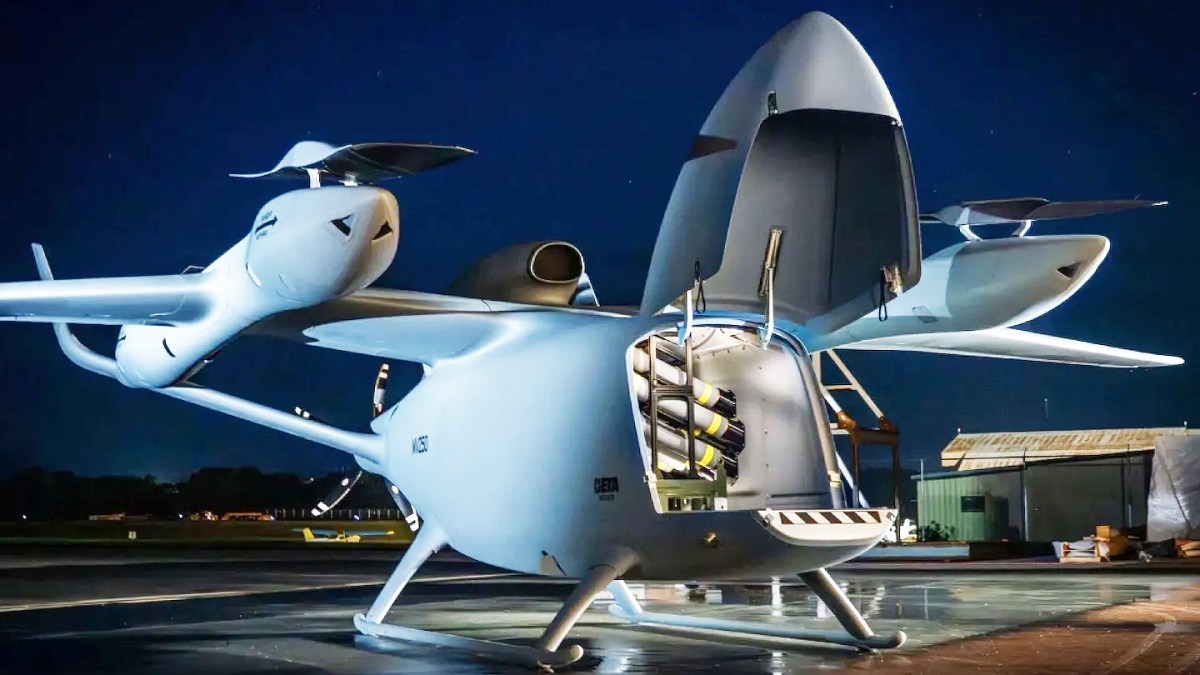
BETA Technologies Unveils MV250 Hybrid-Electric VTOL Cargo Drone at Farnborough 2026
BETA Technologies has introduced the MV250, a hybrid-electric heavy-lift cargo drone, at the Farnborough International Airshow 2026 in England. Although the drone has not yet flown, it is designed using all-flyable components and is based on the Alia 250 eVTOL aircraft, capable of carrying five passengers or an equivalent cargo load. The MV250 aims to enhance military logistics by moving critical cargo more efficiently and cost-effectively. BETA Technologies claims that the drone offers longer range, higher speed, and lower operational costs compared to traditional tiltrotor platforms, although some performance claims have been challenged. The drone is intended for various roles, including cargo transport, casualty evacuation, and intelligence operations. Looking ahead, the MV250 features a cargo capacity of 2,000 pounds and an operational radius exceeding 250 nautical miles. It can also serve as a tactical power source for ground troops. No further timeline was disclosed at the time of publication.
Air Drones Helicopters News & Features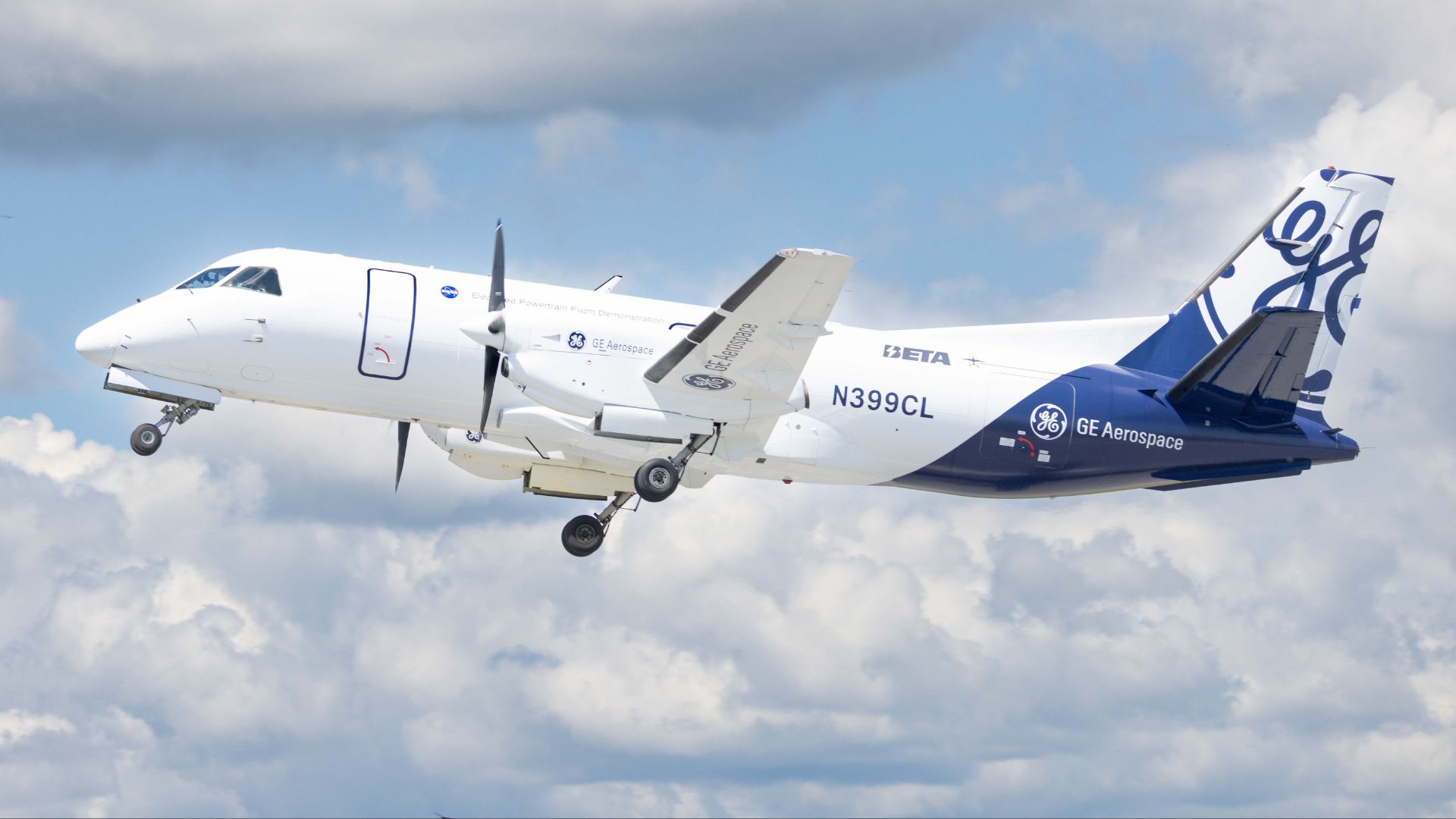
GE Aerospace Achieves Historic Hybrid-Electric Flight Above 30,000 Feet
GE Aerospace has successfully completed the first flight of a hybrid-electric aircraft above 30,000 feet, marking a significant advancement in hybrid-electric aviation. This milestone was achieved in collaboration with NASA, BETA Technologies, and Boeing, demonstrating the potential of electrified propulsion for commercial aviation. The flight involved a modified Saab 340B, which operated its hybrid-electric propulsion system for over two hours at cruising altitudes typical for commercial passenger aircraft. This achievement is part of NASA's Electrified Powertrain Flight Demonstration program, showcasing the efficiency and performance benefits of combining a gas turbine with an electric powertrain. Looking ahead, GE Aerospace's successful flight tests pave the way for future hybrid aircraft development. The company has plans for further milestones under the CFM International RISE program, which aims to reduce fuel burn by over 20%. No further timeline was disclosed at the time of publication.
Transportation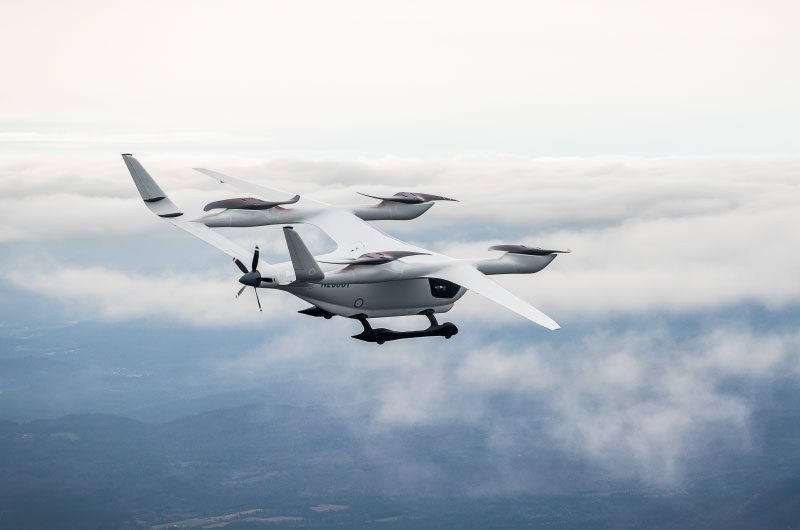
BETA Technologies Advocates for Practical Applications of Advanced Air Mobility
BETA Technologies is advocating for a broader approach to advanced air mobility, emphasizing practical transportation solutions over futuristic passenger services. At the Korea Drone and UAM Expo, Patrick Buckles, Regional Head of Aircraft Sales, highlighted the company's strategy that integrates electric aircraft, charging infrastructure, and pilot training for various missions. Founded in 2017, BETA has developed its operations around electric aircraft, multimodal charging systems, and enabling technologies such as electric propulsion and battery technology. The company has successfully flown over 300,000 kilometers and is targeting applications in cargo, defense, medical transport, and passenger services with its two aircraft platforms: the ALIA CTOL and ALIA VTOL, which share design commonality for enhanced safety and simplicity. Looking ahead, BETA's focus on operational advantages, such as lower energy and maintenance costs, positions electric aviation as a viable alternative to conventional aircraft. The potential for zero emissions and reduced noise levels could facilitate community acceptance and support critical missions like medical transport in remote areas. No further timeline was disclosed at the time of publication.
Advanced Air Mobility DL Exclusive Drone News Drone News Feeds eVTOL News
AI for Science 2026: The Global Race for Scientific Discovery
2026 AI for Science landscape report: WAIC 2026 exhibitor breakdown, MIT Boltz-2 and CMU Coscientist case studies, US/China/EU policy comparison, Anthropic Claude Science, and US academic cautionary views.

ROBOTTODAY Weekly July 13 – 17, 2026
This week in robotics: Hyundai takes full ownership of Boston Dynamics, Xpeng targets 1,000 Iron humanoids a month, LimX Dynamics raises $200M pre-IPO, and Agility opens a Silicon Valley physical-AI hub. July 13–17, 2026.
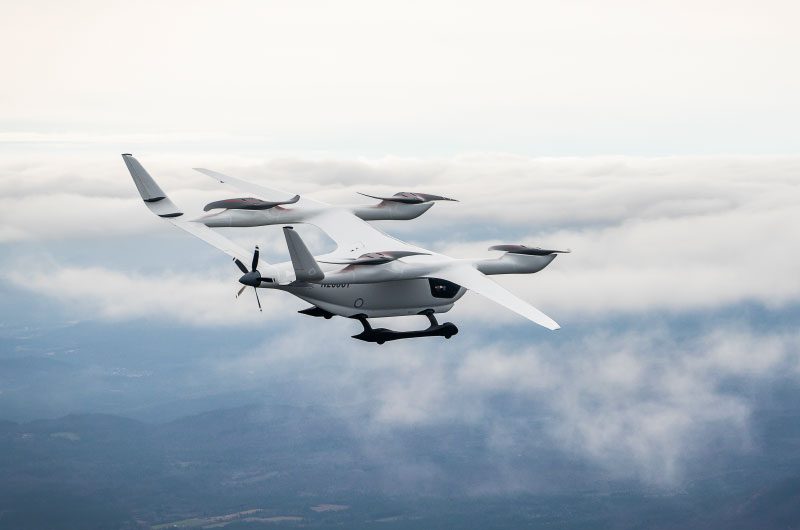
FAA Announces Successful Interstate eVTOL Organ Transport Test with BETA Technologies and United Therapeutics
The Federal Aviation Administration (FAA) has reported a significant achievement in Advanced Air Mobility (AAM) with BETA Technologies and United Therapeutics Corporation completing an interstate flight test. This test involved the transportation of a donor organ using an electric aircraft as part of the FAA’s eVTOL Integration Pilot Program (eIPP). This milestone is crucial as it demonstrates the potential of electric vertical takeoff and landing (eVTOL) technologies to enhance time-sensitive medical logistics. The flight, which transported an animal organ from Virginia to Maryland, involved multiple aircraft and airports, aiming to assess the reliability of electric aircraft for critical organ delivery missions. Looking ahead, the FAA and its partners plan to conduct further flight tests throughout the year to gather more operational data. This initiative is part of a broader effort to integrate Advanced Air Mobility aircraft into the National Airspace System, ultimately aiming to support new transportation services and establish operational standards for future commercial operations.
Applications Delivery Drone News Drone News Feeds FAA Featured - FAA and Regulations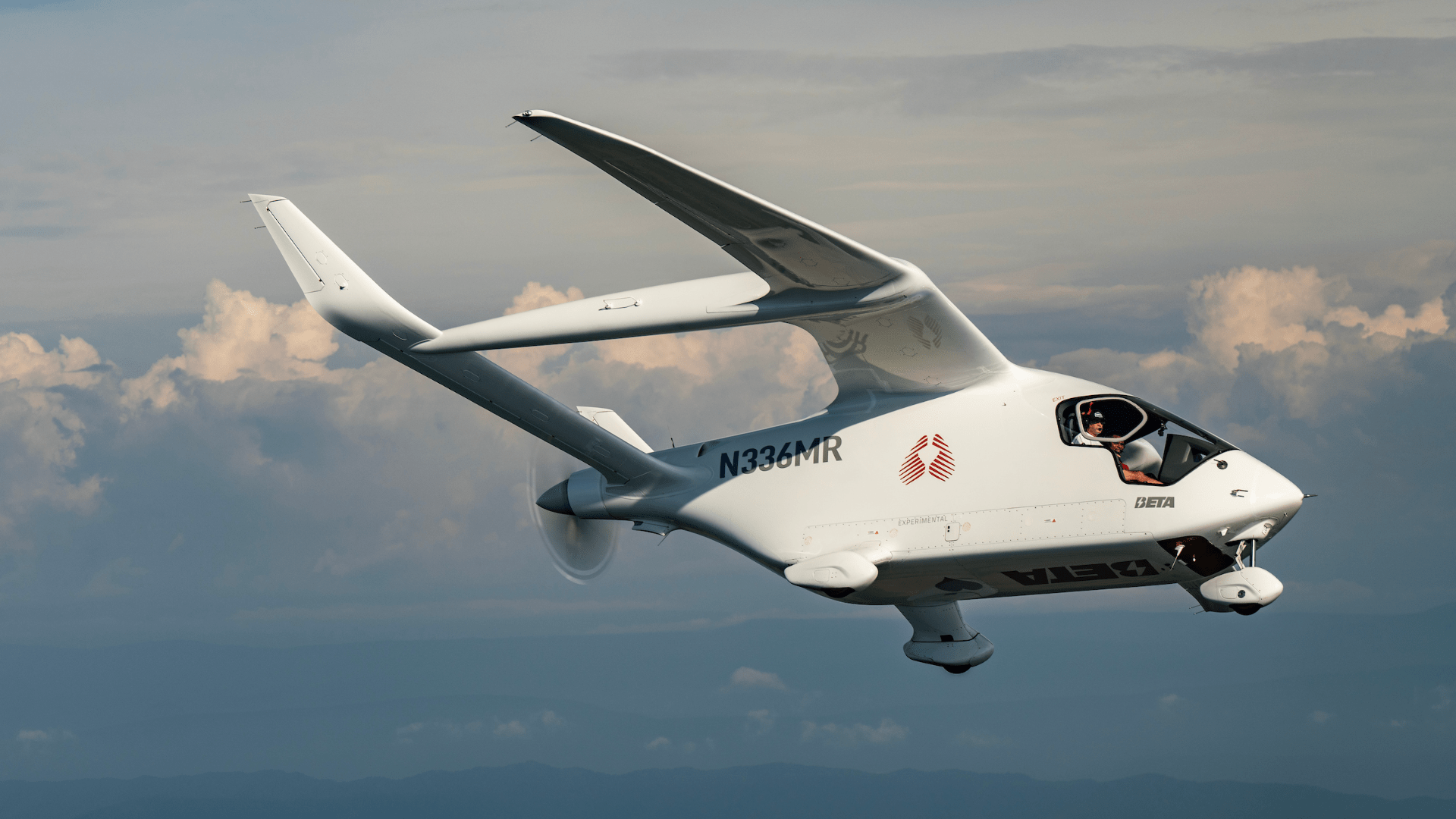
BETA Technologies Completes Multistate Electric Aircraft Flights for Medical Logistics
BETA Technologies has successfully conducted a series of electric aircraft flights spanning Virginia and Maryland, as part of the FAA’s eVTOL Integration Pilot Program. The flights covered approximately 275 nautical miles, connecting airports in Blacksburg and Charlottesville, Virginia, to Frederick and Baltimore County, Maryland. This achievement marks a significant milestone in evaluating advanced air mobility within existing airspace systems. The significance of these flights lies in their potential to enhance medical logistics, particularly in organ delivery operations. BETA Technologies is collaborating with United Therapeutics to develop electric aircraft systems that aim to make organ transportation more affordable and sustainable. The partnership has already led to advancements in aircraft design, autonomous flight technologies, and charging infrastructure, with over 160,000 nautical miles of flight testing completed to date. Looking ahead, the eVTOL Integration Pilot Program will continue to provide valuable data to inform future certification rules and operational standards for advanced air mobility. The Pennsylvania Department of Transportation, leading the Multistate Collaborative eIPP National Integration Complex, is working with multiple states and industry stakeholders to further develop and test these innovative aviation technologies. No further timeline was disclosed at the time of publication.
Transportation
Automate 2026 | Amprius SiCore SA88 Competes for Innovation Award in Robotics Battery Category
At Automate 2026 in Chicago, Amprius Technologies exhibited its SiCore SA88 silicon-anode pouch cell — 358 Wh/kg, 750 Wh/L — as a finalist in the Components, Hardware & Enabling Technologies category. Analysis of implications for AMR, UAV, and aerial mobility platforms.

From ASE to RSF: What the Automotive Certification Model Teaches Robotics
ASE solved automotive service in 1972. Fifty years later, RSF does the same for robotics. Learn how the certification blueprint was adapted — and what had to be built from scratch.

CONSTRUCTION ROBOTICS | MODULAR, PREFAB & 3D PRINTING
Modular, prefab, and 3D printing are moving construction off-site. ICON's Phoenix printer targets multi-story builds. PERI-COBOD's DREIHAUS delivered 30% faster and 10% cheaper in Germany. WinSun re-enters the US as Gaudi Tech. The paradigm shift is accelerating.

CONSTRUCTION ROBOTICS | INSPECTION, SCANNING & DIGITAL TWIN
Inspection, scanning, and digital twin robots are construction's widest adoption curve. BCA-mandated drone façade inspections in Singapore, DroneDeploy's 3M+ sites, Boston Dynamics Spot Cam 2, and Exodigo's $214M funding define the segment. Key stat: Inspection/scanning commands 30% of construction robot applications (FactMR, 2025; unverified).

What Are The Six Most Noteworthy Humanoid Robot Innovations In The First Half Of 2025 Could You Please Export Full Article
Explore the six most significant humanoid robot innovations of H1 2025, from Tesla Optimus Grok-3 reasoning to fleet intelligence and low-cost stability breakthroughs.


