

Apex.AI
Palo Alto software firm founded 2017 by Jan Becker and Dejan Pangercic; Apex.OS runs on ROS 2 and has raised over 75 million dollars from ZF and Continental.
Contact Apex.AI
WEBSITE
https://www.apex.ai/HEADQUARTERS
United States

Company Facts
Founded
2017
Primary Role
Software/Algorithm
Company Size
-
Primary Region
North America
Annual Sales
-
Funding Stage
-
Funding Total
-
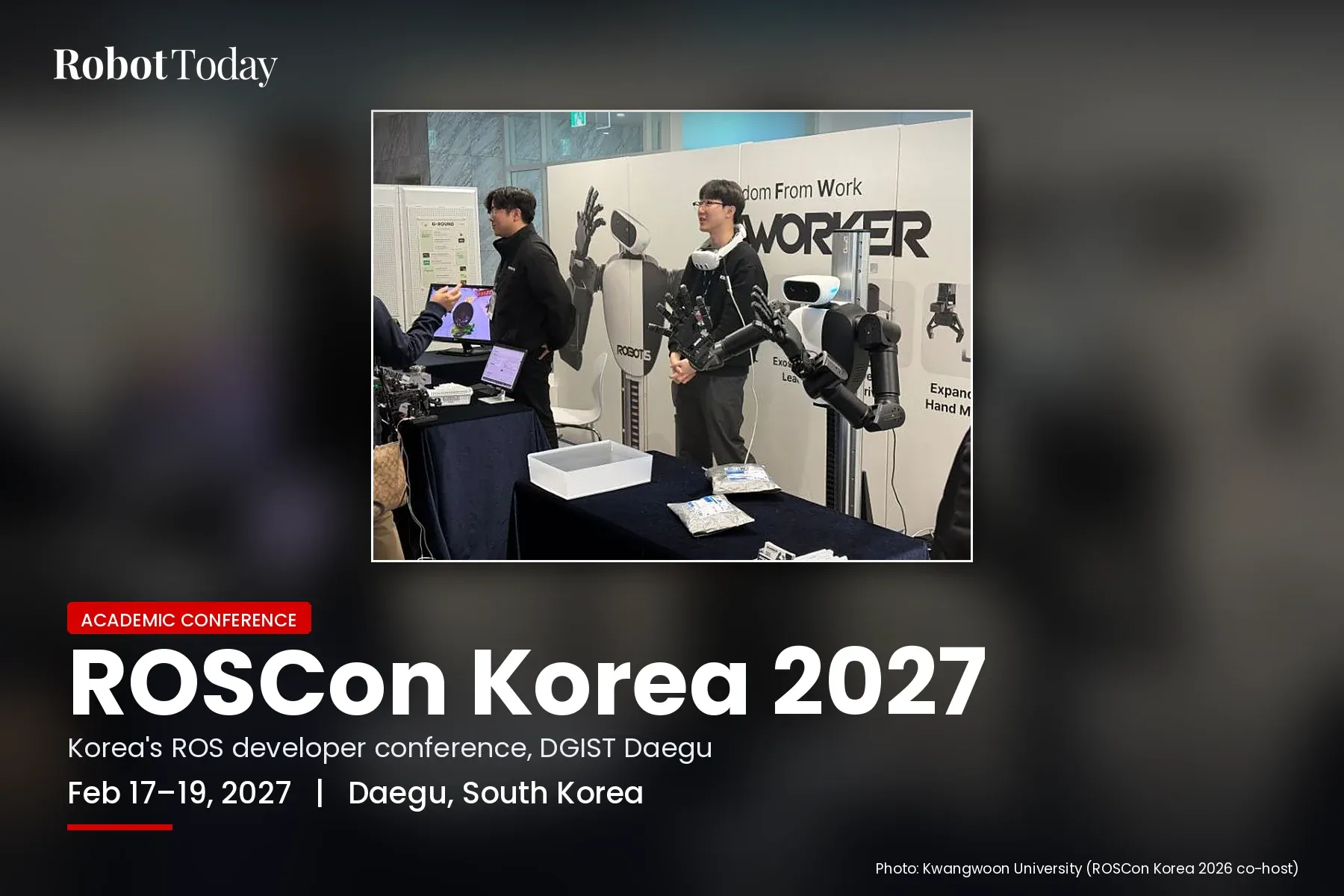
ROSCon Korea 2027: Feb 17–19 at DGIST, Daegu
ROSCon Korea 2027, Korea's official ROS developer conference, runs Feb 17–19, 2027 at DGIST in Daegu, after a sold-out 2026 debut.

AI Streamlines Large-Scale Control System Migration Processes
Large-scale control system migrations often involve extensive repetitive engineering tasks, such as processing thousands of control loops and legacy files. A recent project demonstrated the effectiveness of artificial intelligence in automating these processes, significantly reducing the time needed to develop scripts for data transfer from days to minutes. By utilizing AI, engineers could efficiently manage large-scale revisions and improve standardization across migration efforts. The integration of AI into control system migrations is crucial as it addresses the challenges posed by outdated or incomplete documentation. AI models can convert scanned pages into searchable formats, enabling engineers to quickly locate specific terms or hardware references. However, while AI enhances efficiency, it is not infallible and requires careful oversight, particularly when interpreting legacy information or generating operator graphics. Looking ahead, teams should approach AI implementation with caution, starting with small, measurable tasks to ensure effectiveness. Cleaning and standardizing source data is essential to maximize AI's potential. As AI technology continues to evolve, its role in control system migrations will likely expand, but human expertise will remain vital for ensuring accuracy and usability.
Factory / Analytics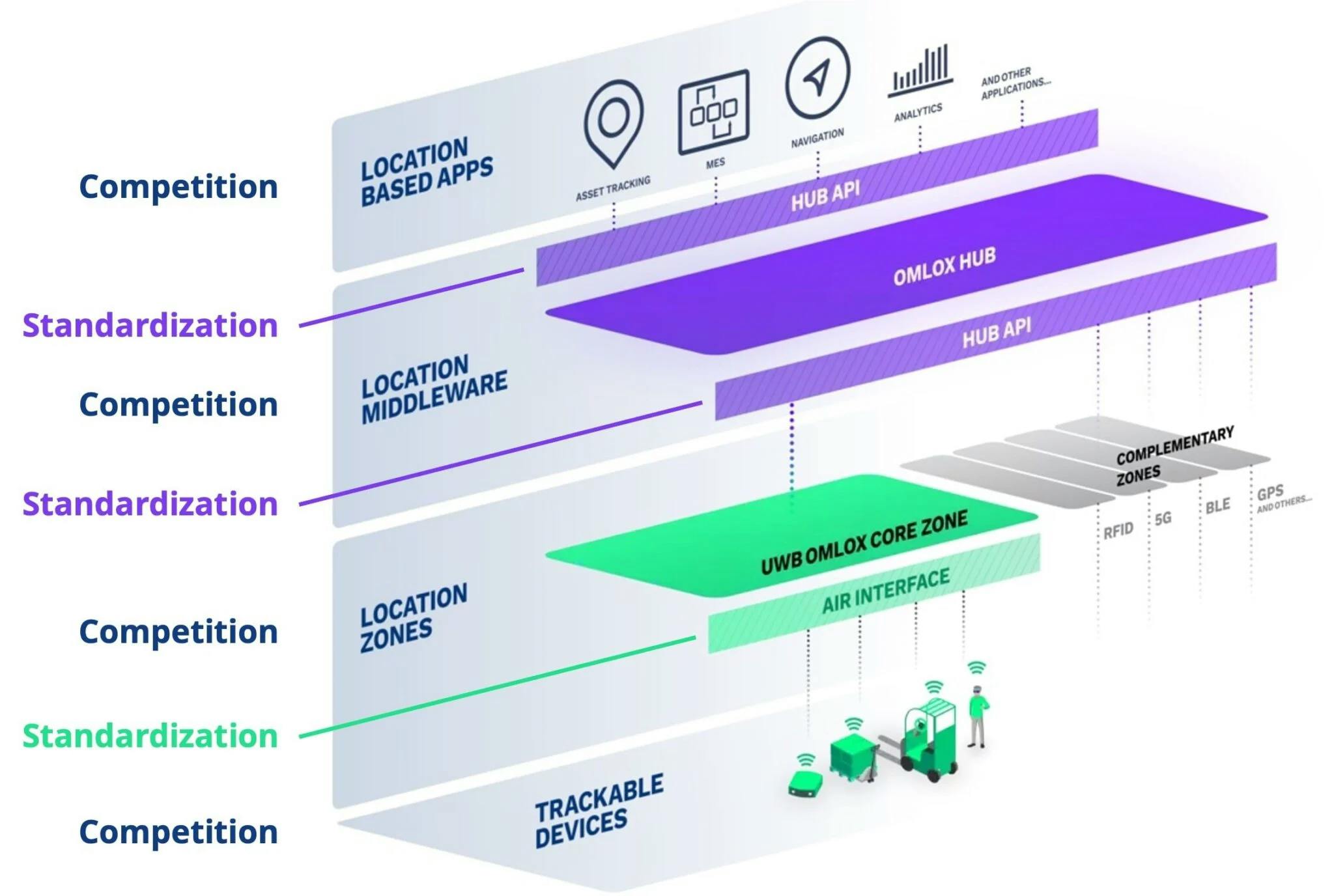
PI North America Supports FCC Proposal to Update Ultra-Wideband Spectrum Regulations
PI North America has expressed its endorsement for the Federal Communications Commission's Notice of Proposed Rulemaking aimed at modernizing Ultra-Wideband (UWB) spectrum regulations. This initiative is expected to create new opportunities for UWB deployment in industrial environments, where the technology is crucial for tracking equipment, vehicles, robots, and personnel with precision. The significance of this proposal lies in its potential to adapt outdated UWB rules that have remained unchanged for over twenty years, failing to align with the current extensive use of UWB in industrial applications. As mobile robots and other automated systems increasingly operate in dynamic environments alongside human workers and machinery, a reliable understanding of spatial awareness is essential for safety and efficiency. Looking ahead, the modernization of UWB regulations could facilitate the integration of various locating technologies, enhancing operational capabilities in logistics and industrial automation. No further timeline was disclosed at the time of publication.
Factory / Communication
Camtastic GigE Cameras Deliver Reliability and Precision in Sugar-Cube Format
Camtastic has announced its GigE cameras, which provide exceptional image processing capabilities through a GigE-Vision platform. This platform ensures seamless integration and rapid deployment within a comprehensive GigE ecosystem. The introduction of these cameras is significant as they enhance the reliability and precision of image processing tasks, catering to various industrial applications. The GigE-Vision platform allows for efficient connectivity and interoperability, which is crucial for modern automation and imaging systems. Looking ahead, industry professionals should monitor the adoption of Camtastic's GigE cameras in various sectors that require high-performance imaging solutions. No further timeline was disclosed at the time of publication.
Allgemein
XTEND AI Robotics, Inc. Receives U.S. Patent for Real-Time Smart Payload Navigation System
XTEND AI Robotics, Inc. has been granted U.S. Utility Patent No. 12,743,960 for a system that allows a smart payload to provide real-time navigation instructions to its platform. This innovative technology enables the platform to actively direct missions while keeping the operator in control of decision-making. The significance of this patent lies in its potential to enhance operational efficiency in various applications, allowing for more dynamic and responsive mission execution. By integrating smart payloads that can communicate real-time instructions, XTEND AI Robotics is poised to advance the capabilities of its platforms in the field. Looking ahead, industry stakeholders should monitor how this patented technology will be implemented in XTEND's products and the impact it may have on mission-critical operations. No further timeline was disclosed at the time of publication.
Manufacturers Face Challenges in Implementing AI on the Shop Floor
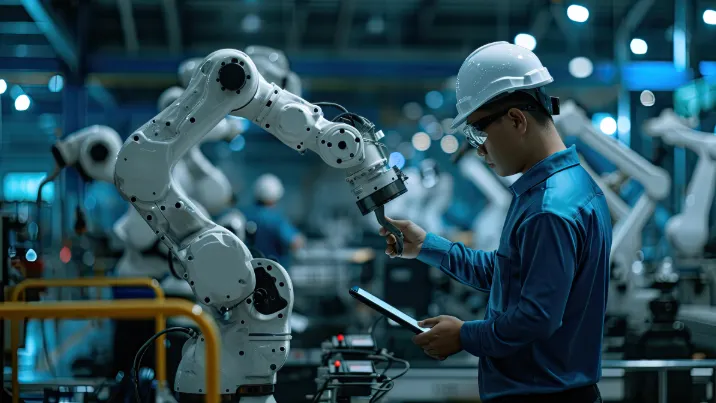
A recent report highlights that while 75% of manufacturers have integrated AI into their enterprise strategies, only 20% of these initiatives achieve their business goals. This gap underscores the need for better integration of AI with operational systems and human decision-making processes. The Infosys Manufacturing Tech Index: AI Pulse indicates that the success of AI in manufacturing is closely tied to the convergence of information technology (IT) and operational technology (OT). Effective AI applications require a cohesive operating view that combines data from various sources, including production telemetry, enterprise systems, and maintenance records. Looking ahead, manufacturers must focus on bridging the IT/OT divide to enhance AI's impact on production decisions. The integration of predictive maintenance, digital twins, and computer vision systems will be crucial for enabling real-time responses and improving operational efficiency. No further timeline was disclosed at the time of publication.

SafeWorld Secures $12.2 Million to Advance Robot Safety Simulation Technology
SafeWorld has emerged from stealth mode with $12.2 million in seed funding, co-led by Shine Capital and a16z Speedrun, to develop robot safety simulation technologies. This funding will support the creation of a platform that provides safety testing and simulation software, enabling enterprises to evaluate and deploy robots safely and responsibly. The significance of SafeWorld's technology lies in its ability to address the complexities of AI-powered robots, which require extensive safety testing beyond traditional methods. As billions of AI-driven robots are expected to operate alongside humans in the coming decades, the need for scalable safety validation becomes critical. Current testing methods are slow and expensive, often limiting robot productivity and collaboration due to safety constraints. Looking ahead, SafeWorld's platform aims to transform how enterprises test robots in various scenarios, ensuring safety in real-world deployments. Continuous testing capabilities will allow teams to adapt to new risks introduced by software updates and environmental changes. No further timeline was disclosed at the time of publication.
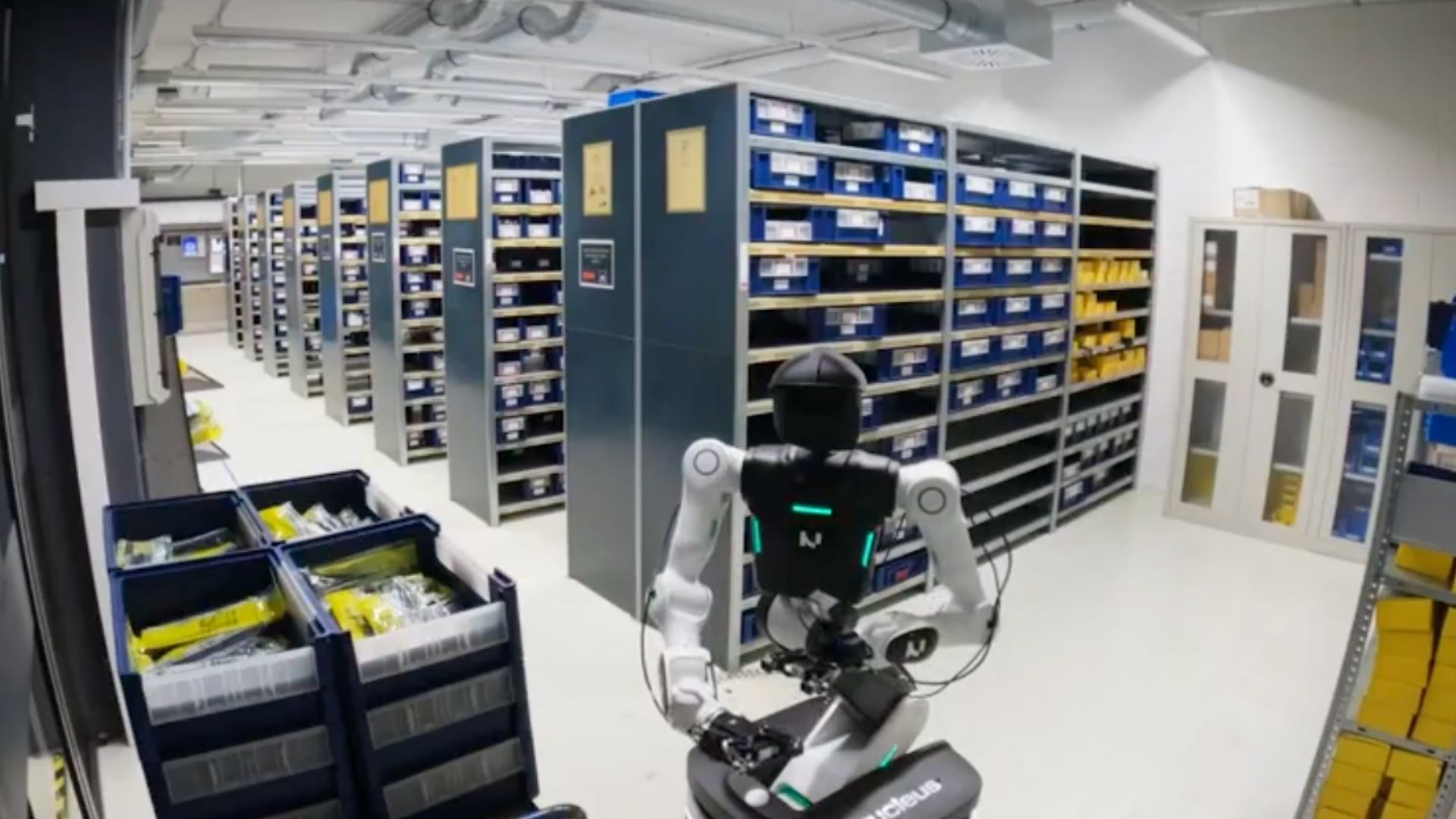
Nucleus Demonstrates Humanoid Robot Performing Factory Tasks with 60% Autonomy
Nucleus has released nearly two hours of uncut footage showcasing its humanoid robot performing factory tasks, revealing a reliance on human assistance. The demonstration, shared by CEO Melvin Schwarz on October 1, indicated that the robot operated approximately 60% autonomously and 40% through teleoperation, although the method for calculating these percentages was not disclosed. This demonstration is significant as it highlights the ongoing challenge of maintaining useful robotic work over extended periods. Nucleus aims to prove that its robots can effectively integrate into industrial workflows, running shifts of four to six hours while completing tasks from start to finish, albeit with necessary human intervention. Looking ahead, Nucleus is focused on refining its AI systems through real-world applications, capturing data from both successful operations and instances requiring human guidance. This feedback loop is essential for improving the robot's capabilities, particularly in adapting to varying factory conditions and ensuring consistent performance across different tasks.
AI and Robotics
Podcast Discusses Smarter Predictive Asset Management and Its Operational Benefits
In a recent episode of Automation World Gets Your Questions Answered, Chris McNamara interviews Steve Kaminski from Banner Engineering. Kaminski discusses how condition monitoring transforms machine data into actionable insights, enabling manufacturers to maintain efficiency and prevent failures. He emphasizes starting with critical equipment like compressors and pumps for optimal results. This conversation is significant as it underscores the importance of condition monitoring in enhancing operational efficiency. By utilizing Banner’s Snap Signal ecosystem, manufacturers can integrate various sensors into a cohesive data network, which aids in early detection of mechanical issues and optimizes maintenance schedules. This proactive approach can lead to reduced downtime and lower operational costs. Looking forward, Kaminski anticipates advancements in user-friendly systems that will facilitate both basic monitoring and automated maintenance workflows. No further timeline was disclosed at the time of publication.
Sponsored
FMC³ Robotics, Vector Informatik, and PEM Motion Form Joint Venture for Embodied AI Development
At the Humanoid Robots Summit 2026 in Stuttgart, FMC³ Robotics, Vector Informatik, and PEM Motion signed a memorandum of understanding to develop a standardized data infrastructure for industrial embodied AI. This collaboration aims to enhance the collection, processing, training, validation, deployment, and continuous improvement of AI-powered robotic systems in manufacturing environments. The partnership is significant as it combines the strengths of the three companies in production engineering, standardized industrial data technologies, and embodied AI. As robots transition from pilot projects to real production, the need for high-quality data and a robust infrastructure becomes critical for reliable performance in manufacturing settings. Looking ahead, the focus will be on creating a unified data infrastructure based on standardized protocols to support multimodal data collection and processing. No further timeline was disclosed at the time of publication.

Understanding the Concept of 'Open' in Industrial Automation
The term 'Open' has become ubiquitous in industrial automation, but its meaning is often vague. It encompasses various measures, and suppliers may be open in some aspects while closed in others. Buyers should ask specific questions to discern the true openness of a platform or system. Historically, Open Automation 1.0 focused on interoperability, allowing different systems to communicate without custom drivers. With standards like OPC UA and MQTT, this challenge has largely been addressed. Open Automation 2.0 shifts the focus to application freedom, enabling users to run third-party software on devices, which enhances flexibility and reduces costs. As suppliers navigate the balance between openness and security, buyers must recognize that openness involves trade-offs. While opening systems can increase vulnerability, established standards like ISA/IEC 62443 provide frameworks for maintaining security. Understanding these dynamics is crucial for making informed decisions in industrial automation.

Tuning the Brain Like a Radio: Synapse Symphony’s Plan to Treat Chronic Pain at Home
CEO Vishal Jain on Synapse Symphony's DARPA-rooted wearable brain-stimulation headset for chronic pain, its FDA plans, and a second use: motor-health checks.

RobotToday Weekly September 21 – 25, 2026
Cognex buys RealSense, Qualcomm acquires PickNik, the IFR counts 5 million factory robots, AGIBOT deploys 300 robots at Chimelong, and Tekever raises $580 million.

Glacian: Physics Model Vets AI Data Center Cooling
Glacian Technologies pairs AI with a physics-based digital twin that rejects unsafe commands. CEO Jie Zhao on cutting data center cooling energy 15-30%.

Siemens on Robots, Agentic AI and the "Last 3%" Problem
Siemens tells RobotToday at IMTS 2026 why AI robot demos are only the tip of the iceberg, and why agentic AI depends on PLM data and business context.

Innovation Works Venture Expo 2026: 58 Pittsburgh Startups Pitch to Investors
58 health, deep tech and robotics startups pitched at Innovation Works Venture Expo 2026 in Pittsburgh. Full company list, program and 2025 funding data.

SimScale Engineering AI Moves Physics Simulation to the Exact Moment a Design Decision Gets Made, Inside Onshape
SimScale’s Engineering AI Agent runs CFD, thermal, EMag and FEA from one prompt inside PTC’s Onshape, starting from CAD that isn’t simulation-ready.

China’s Dexterous Hand Industry, 2026 Part 3 — The Players
Five vendor archetypes, MIR’s composite top ten, eight company profiles and six field deployments — every firm linked to the RobotToday supplier directory.
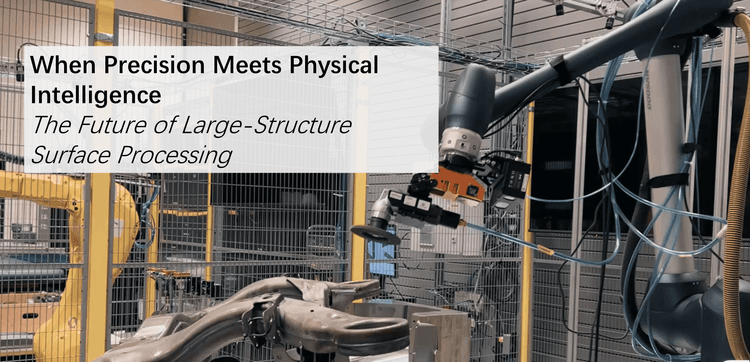
Flexible Machining of Large Structures (Part III)
A New Physical AI Paradigm: When Robots Begin to “Understand Physics,” What Changes in Complex Surface Processing?
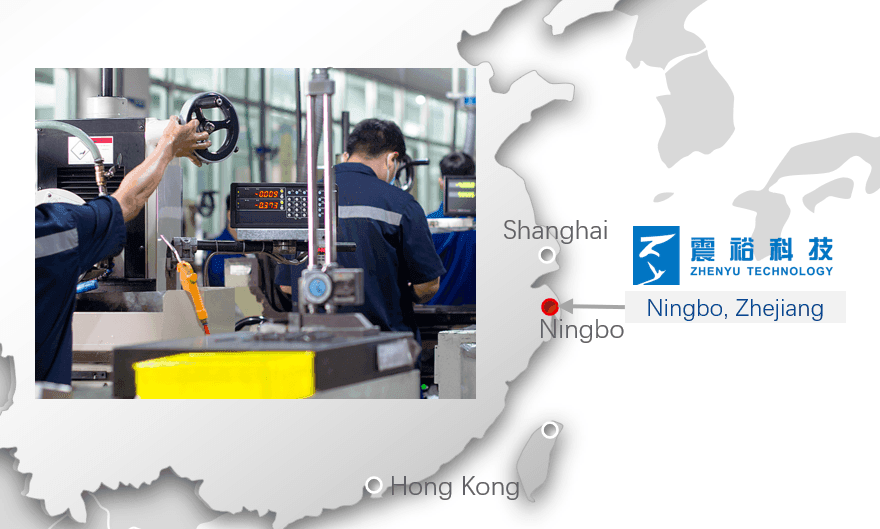
How Zhenyu Technology Is Becoming a Key Linear Actuator Supplier Candidate for Tesla’s Optimus Humanoid Robot
Explore how Zhenyu Technology is emerging as a key candidate to supply linear actuators for Tesla’s Optimus humanoid robots, enhancing precision motion control

