Voyager Technologies
Denver-based US defense and space company operating the ISS Bishop Airlock and developing the Starlab space station; formerly Voyager Space Holdings.
Contact Voyager Technologies
WEBSITE
https://voyagertechnologies.comPHONE
+1 (303) 500-6985HEADQUARTERS
United States

Company Facts
Founded
2019
Primary Role
Manufacturer
Company Size
-
Primary Region
North America
Annual Sales
-
Funding Stage
-
Funding Total
-
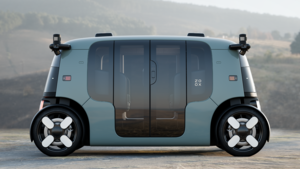
LG Innotek Expands Partnership with Zoox to Supply High-Resolution Camera Modules
LG Innotek is enhancing its collaboration with Zoox, Amazon's autonomous driving subsidiary, by providing high-resolution automotive camera modules for its robotaxis. This partnership has been in place since the early development stages of the robotaxi, and the latest agreement will see LG Innotek supply these advanced cameras over the coming years. The high-resolution cameras are integral to Zoox's sensor suite, offering 360-degree coverage through overlapping fields of view. LG Innotek's modules leverage precision optical design technology honed from years of experience in mobile device camera production. Designed to endure harsh weather conditions, these waterproof modules ensure stable performance in various environments. As Zoox ramps up its manufacturing capabilities with the opening of its first robotaxi production facility in California, LG Innotek's camera modules are being integrated into the vehicles. This collaboration marks a significant milestone in their ongoing partnership, positioning LG Innotek as a crucial supplier in the rapidly evolving autonomous vehicle sector. No further timeline was disclosed at the time of publication.
All News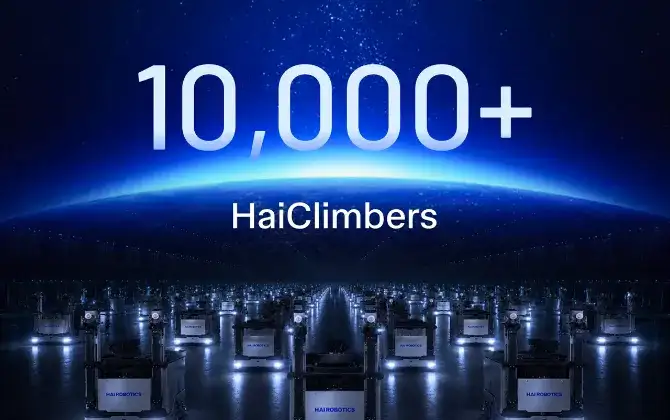
Hai Robotics Achieves 10,000 HaiPick Climb Robots Deployed Globally
Hai Robotics has announced that over 10,000 HaiPick Climb robots have been contracted for customer projects worldwide, marking a significant milestone in the solution's commercial growth. Since its global launch in 2025, HaiPick Climb has been adopted in 12 countries across various continents, including Asia, Europe, North America, South America, and Australia. The importance of this achievement lies in the growing customer base, which includes notable companies such as ANTA, Panasonic, and METTLER TOLEDO, spanning multiple industries like apparel, e-commerce, and healthcare. The reliability of HaiPick Climb has been a key focus for Hai Robotics, ensuring that the robots undergo rigorous testing and validation to support long-term stability and operational performance. Looking ahead, Hai Robotics plans to leverage insights gained from live customer projects to enhance the reliability and delivery standards of HaiPick Climb. As the solution continues to adapt to evolving warehouse environments and operational needs, it is positioned to support customers in achieving flexible and efficient automation solutions.
Warehouse Automation Robotics Logistics E-commerce Supply Chain Management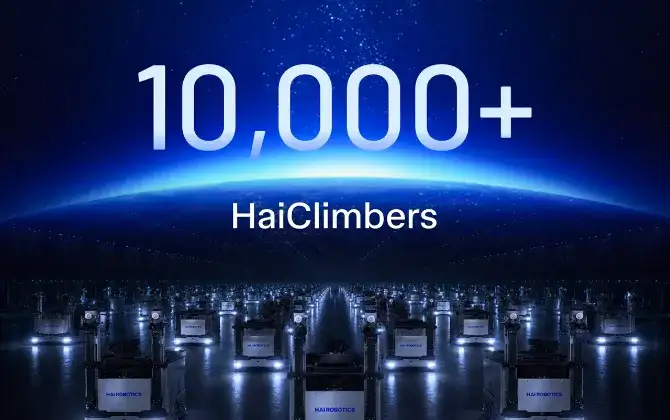
Hai Robotics Achieves 10,000 HaiClimber Robots Deployed Globally
Hai Robotics has announced that over 10,000 HaiClimber robots have been contracted for customer projects worldwide, marking a significant milestone in the solution's commercial growth. Since its global launch in 2025, HaiPick Climb has been implemented in 12 countries across various continents, including Asia, Europe, North America, South America, and Australia. This achievement highlights the growing adoption of HaiPick Climb among notable customers such as ANTA, Panasonic, and METTLER TOLEDO, spanning diverse industries like apparel, e-commerce, and healthcare. The company's commitment to reliability in warehouse automation has been evident since its inception, and the development of HaiPick Climb reflects years of engineering validation and refinement, ensuring long-term stability and performance. Looking ahead, Hai Robotics aims to leverage real-world project experiences to enhance the reliability and delivery standards of HaiPick Climb. As the solution continues to adapt to evolving workflows and operational requirements, it is expected to support stable fulfillment performance and facilitate future system expansions for customers worldwide. No further timeline was disclosed at the time of publication.
Warehouse Automation Robotics Logistics E-commerce Supply Chain Management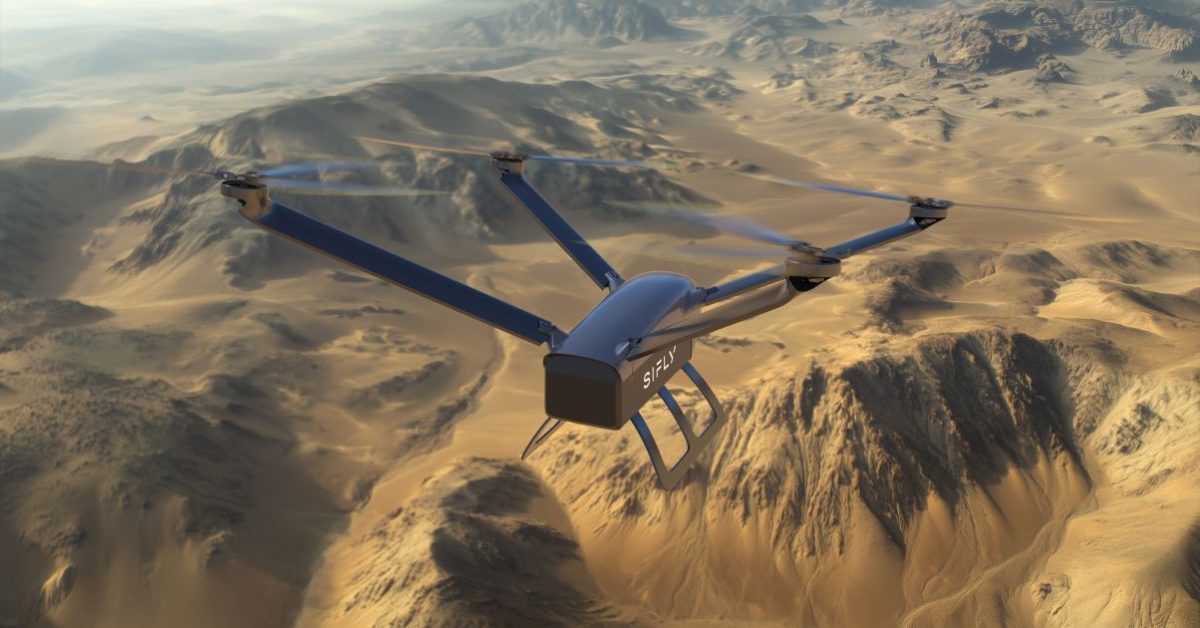
SiFly Aviation Secures $20 Million to Enhance Q12 Drone Production in the US
SiFly Aviation, based in California, has successfully raised $20 million in Series A funding to boost production of its Q12 electric drone and advance its DronePort infrastructure. This funding round was led by Shield Capital, with contributions from various investors including Qudit and BBK Capital. The significance of this funding lies in SiFly's claims regarding the Q12's capabilities, which reportedly include flying four to five times longer and up to 10 times farther than leading multirotor drones, while carrying payloads of up to 10 pounds. With thousands of test flights completed, including a Guinness World Record for the longest flight in its class, the Q12 is positioned to meet the needs of industries requiring longer flight times. Looking ahead, SiFly aims to leverage this funding to expand its manufacturing capabilities in the US and fulfill its order backlog. The company targets sectors such as public safety, utility inspection, and agriculture, where the Q12's extended range can significantly enhance operational efficiency. No further timeline was disclosed at the time of publication.
News
Nvidia Shares Surge 7% Following Strong Earnings and AI Demand Forecast
Nvidia's shares rose by 7.2% in premarket trading after the company reported earnings that exceeded expectations. CEO Jensen Huang stated that AI has reached an 'inflection point,' with a significant increase in the number of companies requiring large GPU clusters. Despite supply chain challenges and competition from custom semiconductors, Nvidia's revenue guidance for fiscal 2028 indicates a robust demand for AI technologies. The company's projected revenue growth of 70% for fiscal 2028, which spans from February 2027 to January 2028, has reassured investors about the sustainability of AI demand. Nvidia's AI Clouds, industrial and enterprise customers contributed $40.3 billion in sales for the quarter, marking a 138% increase year-over-year. Analysts noted that Nvidia's strong earnings could signal a positive outlook for the broader chip market, which has faced volatility in recent months. Looking ahead, Nvidia's ability to navigate supply chain constraints and competition will be crucial. Huang emphasized the expanding ecosystem of AI labs and startups, suggesting that the demand for Nvidia's products will continue to grow. No further timeline was disclosed at the time of publication.

Retailers Enhance Checkout Experience for International Shoppers with Automated Kiosks
Retailers in tourist-heavy areas are increasingly deploying automated kiosks to streamline the checkout process for international shoppers. These multilingual, card-accepting kiosks allow travelers to scan items, verify passports, and claim tax refunds without clerical assistance, significantly reducing transaction times and enhancing customer satisfaction. The integration of passport and ID optical character recognition (OCR) technology, along with multilingual interfaces, ensures that international customers can navigate the checkout process smoothly. By embedding automated tax-free refund processes directly into kiosks, retailers can eliminate confusion and delays, making the shopping experience more appealing to foreign visitors. As the global tourist population continues to grow, with 1.4 billion international arrivals reported in 2024, retailers must address potential technical integration issues to maintain efficient operations. Investing in automated checkout systems will be crucial for capturing this expanding market and providing a competitive edge in the retail landscape.
Business Retail Technology automated checkout checkout kiosks international shoppers
STILL UK Launches Automation Business Unit to Enhance Intralogistics Solutions
STILL UK has established its Automation Business Unit (ABU) to consolidate its expertise in intralogistics automation solutions. This initiative aims to shift perceptions that STILL solely manufactures manual trucks, showcasing its comprehensive automation portfolio, including automated storage and retrieval systems. The ABU will unify storage solutions, VNA trucks, and order pickers to provide a holistic approach to customer needs. The formation of the ABU is significant as it reflects STILL's commitment to evolving with customer demands and enhancing its consultative partnerships. By integrating various components of warehousing automation, STILL aims to offer tailored solutions that address specific customer objectives, moving beyond traditional product sales to solution-based selling. Looking ahead, STILL UK plans to emphasize its collaborative approach with clients, ensuring that all aspects of automation, including infrastructure considerations, are addressed. No further timeline was disclosed at the time of publication.
AMR and AGV Forklifts and Warehouse Vehicles Magazine Features Materials Handling forklifts KION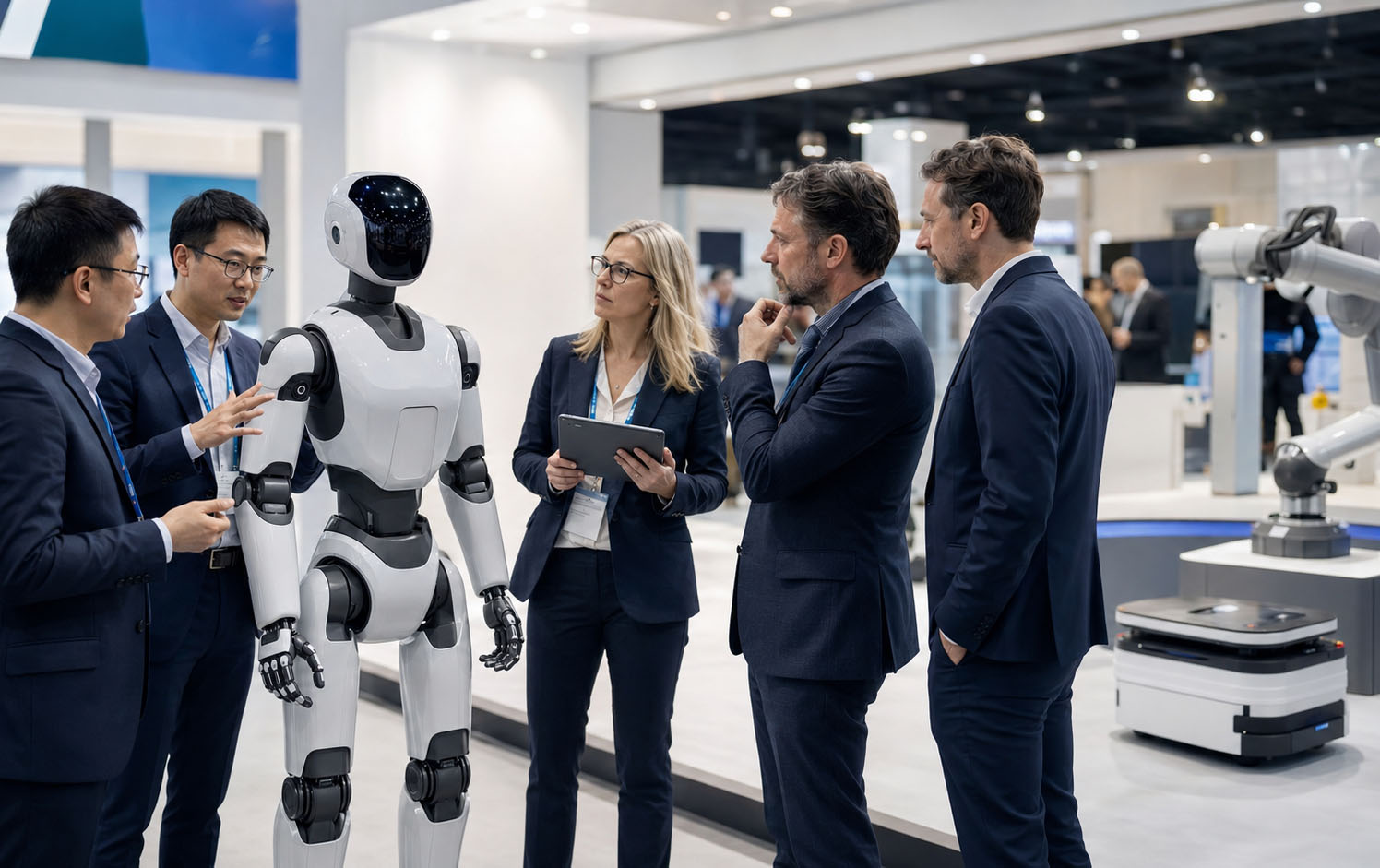
Chinese Robotics Manufacturers Seek Distributors and Integrators in Europe
Chinese robotics has evolved significantly, with many manufacturers now targeting the European market after establishing a strong domestic presence. Various types of robots, including humanoids, quadrupeds, AMRs, cobots, and cleaning robots, are being introduced internationally. However, selling these robots in Europe involves more than just shipping them from China; it requires customer presentations, integration into existing environments, maintenance, user training, and sometimes market-specific adaptations. The challenge now lies in identifying suitable distributors and integrators in Europe. Companies like Unitree Robotics, UBTECH, AgiBot, DEEP Robotics, LimX Dynamics, and Fourier Intelligence are developing robots that are beginning to find applications beyond China. This trend is particularly evident in humanoid robotics, which has transitioned from research projects to the early stages of industrial and commercial deployments. As a result, manufacturers are compelled to consider their international presence, with Europe being a strategically important market. No further timeline was disclosed at the time of publication.
À la une Humanoide IA Robotique AMR cobots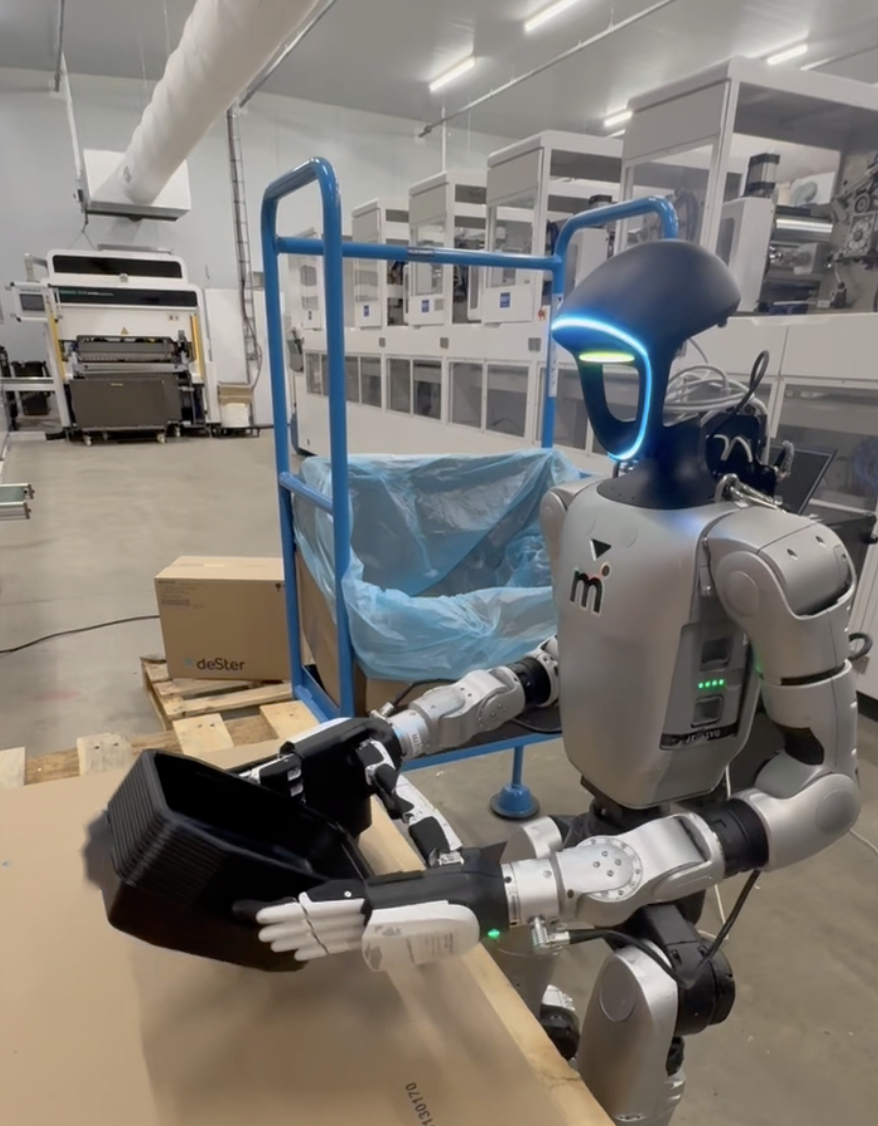
Motion Secures $2 Million to Launch Humanoids-as-a-Service in European Factories
Motion, a pioneer in Humanoids-as-a-Service (HaaS) in Europe, has successfully raised $2 million in a pre-seed funding round led by Extantia Capital. This investment will enable Motion to transition its five pilot projects with Belgian industrial and logistics companies into full-scale production, expand its workforce, and enhance its fleet of humanoid robots, starting in the Benelux region. The significance of this funding is underscored by the pressing labor shortages in European factories, where 72 percent of manufacturers reported challenges in filling roles, particularly for machine and plant operators, according to a ManpowerGroup survey. The deployment of humanoid robots is crucial for addressing these workforce gaps and supporting Europe’s industrial ambitions, especially as competition from countries like China intensifies. Looking ahead, Motion aims to simplify the adoption of humanoid robots by offering a comprehensive service model that includes financing, compliance, and maintenance under a single monthly fee. No further timeline was disclosed at the time of publication.
Humanoids News european manufacturing extantia capital factory automation humanoid robots
CropX Acquires SCIO to Integrate Agronomy with Crop Quality Insights
CropX Technologies has acquired SCIO, a company specializing in portable near-infrared spectroscopy technology. This acquisition aims to enhance CropX's ability to connect agronomic recommendations with actual crop quality and composition data at harvest. SCIO's technology will allow for rapid, non-destructive measurements of various crops, including grains and oilseeds. The integration of SCIO's systems is expected to create a feedback loop between field management practices and harvest outcomes. By linking crop quality data with information from soil sensors, weather conditions, and satellite imagery, CropX intends to refine its agronomic recommendations. This strategic move marks CropX's eighth acquisition since 2020 and highlights its commitment to advancing digital agronomy. No financial details were disclosed regarding the acquisition. CropX has raised a total of $64 million since its inception and operates its digital agronomy platform in over 70 countries. As the company continues to expand its technology portfolio, industry stakeholders should monitor how this acquisition influences CropX's offerings and its impact on agricultural practices.
Industry updates Smart farming industry updates
China vs. The World: A Space Robotics Competitive Analysis
A domain-by-domain competitive benchmark of China versus the international space robotics field — covering on-orbit servicing, lunar ISRU, space station