


Adaptek Systems
US custom automation integrator specializing in robotic assembly, dispensing, welding, and vision inspection systems since 1989, based in Fort Wayne, Indiana.
Contact Adaptek Systems
WEBSITE
https://www.adapteksystems.comPHONE
-9556HEADQUARTERS
United States

Company Facts
Founded
1989
Primary Role
System Integrator
Company Size
-
Primary Region
North America
Annual Sales
-
Funding Stage
-
Funding Total
-

RobotToday Weekly September 28 – October 2, 2026
AMD buys World Labs for $8.2 billion, Tesla lines up $30 billion in credit, Boston Dynamics reveals a new Atlas hand, Figure melts its F.02 fleet, and IDC counts 25,000 humanoids shipped in H1.

Recent Developments in South Korea's Physical AI Sector Highlight Key Innovations
This week, South Korea's physical AI sector saw significant advancements, including a collaboration between Semifive and Mobilint on outdoor robotics AI chips. Aidin Robotics joined a Doosan-led cobot initiative, while Hanwha Ocean and Korea Expressway Corp. signed agreements for shipbuilding robots and highway automation. These developments are crucial as they reflect South Korea's commitment to enhancing automation in various industries. The $7.2 million multi-agent autonomous-manufacturing project led by SKPack and the successful KOSDAQ IPO of Brills, which raised approximately $17 million, further underscore the growing investment in physical AI technologies. Looking ahead, stakeholders should monitor the progress of these projects, particularly the ongoing work on AI chips and the integration of robotics in manufacturing and infrastructure. No further timeline was disclosed at the time of publication.
AI Funding & Investment Humanoids Physical AI AI Aidin Robotics Brills
Exploring OMRON's Advanced LD Mobile Robots and Their Impact on Automation
In Episode 264 of The Robot Report Podcast, Miguel Garcés Moreno, the product marketing manager for OMRON Industrial Automation Europe, discusses the company's next-generation LD mobile robots. He emphasizes the importance of autonomous mobile robots (AMRs) in transforming modern factory floors with flexible and fully automated intralogistics systems. Garces Moreno's expertise in industrial automation, AI vision, and motion control highlights the significance of integrating advanced technologies to enhance operational efficiency. The collaboration with WiBotic for wireless charging solutions further underscores OMRON's commitment to increasing the uptime and safety of robotic fleets, which is crucial for manufacturers aiming to optimize their production processes. Listeners should keep an eye on OMRON's developments in AMRs and their partnerships, particularly with WiBotic, as these innovations could redefine intralogistics and factory automation. No further timeline was disclosed at the time of publication.
Artificial Intelligence Autonomous Mobile Robots (AMRs) Industrial Robots Markets / Industries News Opinion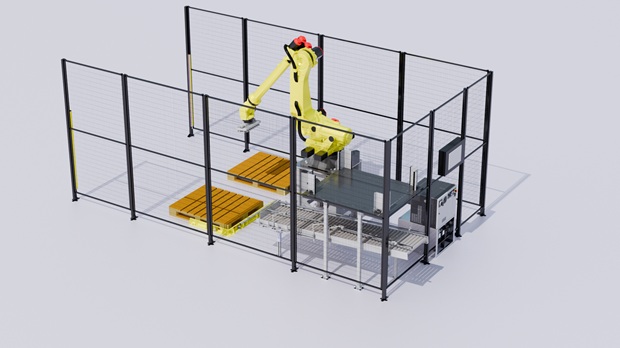
CSi Palletising Introduces Affordable s-Pal Robotic Palletiser for Medium-Sized Businesses
CSi Palletising has launched the s-Pal robotic palletiser, an entry-level solution priced at €95,000. This system features a FANUC industrial robot and is designed for medium-sized businesses in the FMCG and CPG sectors. Pre-orders began on October 1st, with initial deliveries expected in early 2027. The s-Pal offers three variations with options for left-hand, right-hand, or dual infeed, making it a flexible choice for users. Its lean design focuses on essential features for efficient palletising while maintaining high quality and reliability, backed by a standard 3-year warranty. The system is user-friendly, allowing a single operator to manage it effectively. Looking ahead, CSi plans to offer the s-Pal for lease starting mid-2027. As a predefined solution, it promises quick processing of quotations and orders, with guided installation instructions for self-installation. Customers can also opt for professional installation by CSi’s team, ensuring support throughout the process. No further timeline was disclosed at the time of publication.
Industry News
Hitachi and Fanuc Collaborate to Launch Physical AI Solutions for Manufacturing
Hitachi and Fanuc have established a strategic partnership aimed at developing and commercializing physical AI systems tailored for manufacturing. Initial testing will occur at Hitachi's factories in Japan's Ibaraki region, with broader deployment anticipated to commence in fiscal 2027. The collaboration seeks to automate tasks that currently rely on skilled labor, enhancing productivity and addressing labor shortages. This partnership is significant as it combines Hitachi's expertise in physical AI and operational technology with Fanuc's advanced industrial robots and AI capabilities. The goal is to create systems that can adapt to varying production conditions and tasks requiring human judgment. The initial applications will focus on parts picking and production changeovers, with plans to expand across multiple industries, including semiconductors and automotive. Looking ahead, Hitachi and Fanuc will leverage their global customer bases to implement these technologies across diverse sectors starting in fiscal 2027. The companies aim to continuously improve their systems by learning from real production data, which could lead to more efficient and adaptable manufacturing processes. No further timeline was disclosed at the time of publication.
Business & Markets Physical AI Fanuc Hitachi Industrial Robots Japan
Industrial Companies Embrace Smart Systems for Bee Conservation Efforts
An increasing number of industrial companies are engaging in bee conservation, driven by ecological responsibility and sustainability strategies. These companies do not need to be high-tech firms to contribute; the technological range includes industrial robotic systems and affordable open-source solutions for workplace training. The involvement of various industries in bee protection highlights a growing awareness of environmental issues and the importance of biodiversity. By integrating smart systems, companies can enhance their sustainability efforts while also potentially benefiting from improved workplace environments. Looking ahead, it will be interesting to see how these initiatives evolve and whether more companies will adopt similar strategies. No further timeline was disclosed at the time of publication.
Allgemein Anwendungen & Lösungen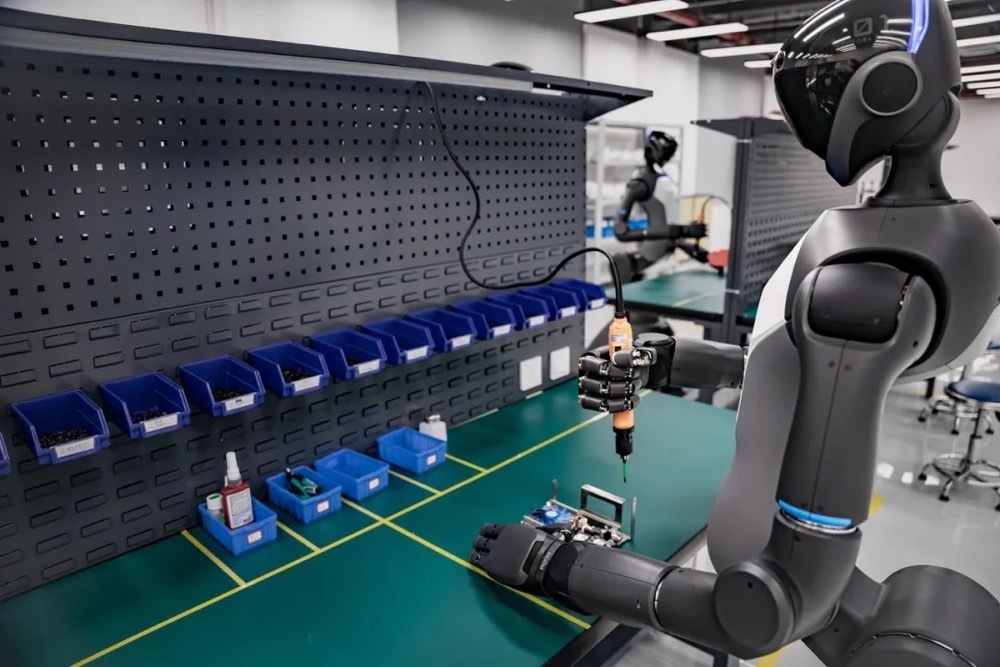
Industrial Companies Embrace Smart Systems for Bee Conservation Efforts
An increasing number of industrial companies are engaging in bee conservation, driven by ecological responsibility and sustainability strategies. These efforts are not limited to high-tech firms; a range of technological solutions is available, from industrial robotic systems to affordable open-source options for workplace training. The significance of this trend lies in the growing recognition of the role bees play in ecosystems and agriculture. By integrating bee conservation into their operations, companies can enhance their sustainability profiles while contributing positively to environmental health. Looking ahead, it will be important to monitor how these initiatives evolve and whether more companies adopt similar practices. No further timeline was disclosed at the time of publication.
Allgemein Anwendungen & Lösungen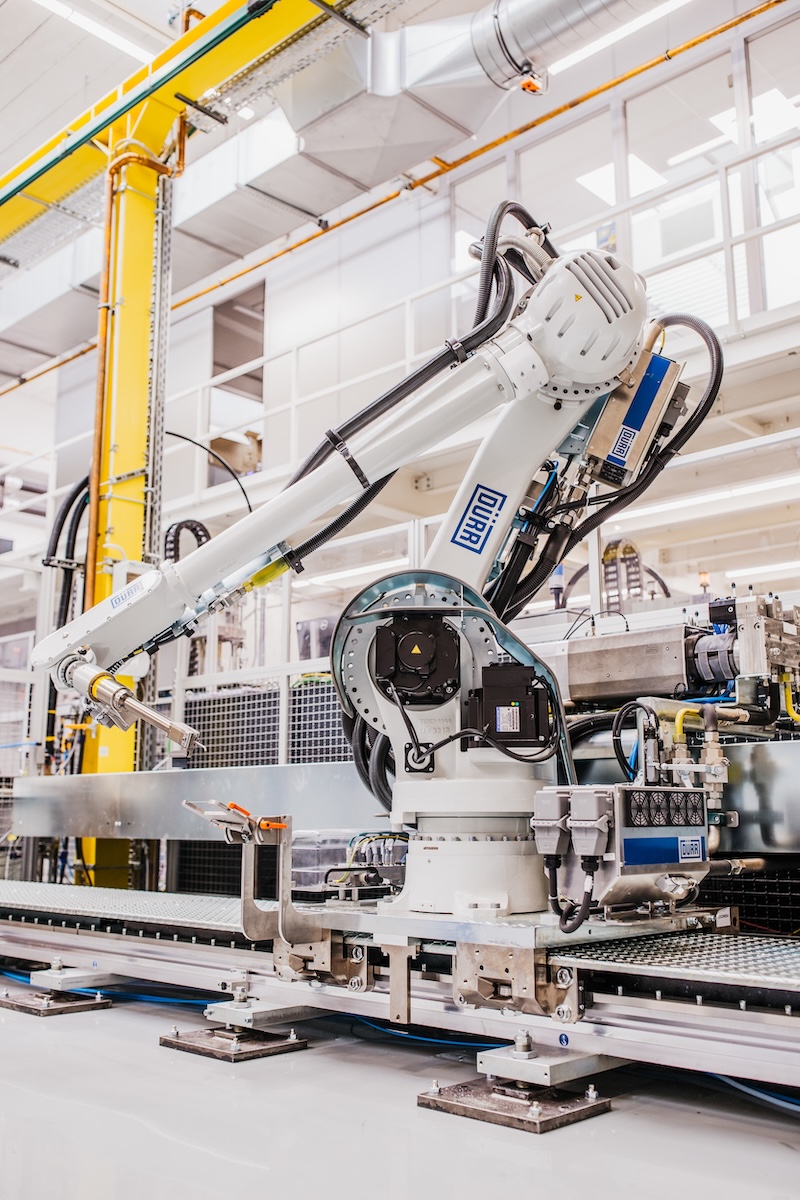
Dürr Introduces Four New EcoRS Generation 2 Robots for Automotive Paint Shops
Dürr has unveiled four new industrial robots tailored for automotive paint shops, with payload capacities ranging from 20 kg to 150 kg. The EcoRS Generation 2 series is designed for various applications, including sealing, cleaning, and material handling, and features a reach of up to 3,100 mm. This standardized platform aims to streamline paint-shop automation planning and maintenance. The introduction of the EcoRS Generation 2 robots is significant as it establishes a standardized solution for sealing applications, enhancing process quality and availability while reducing complexity throughout the equipment's lifecycle. Martin Wurst, product manager at Dürr, emphasized the benefits of this new platform for customers, particularly in achieving consistent seams across vehicle bodies. Looking ahead, Dürr's focus on integrating robot mechanics, control systems, and application technology is expected to improve path accuracy and operational flexibility. The redesigned EcoRS platform, with its internal component relocation, not only minimizes interference but also simplifies cleaning and reduces space requirements. No further timeline was disclosed at the time of publication.
Inbolt Secures $12.5M Funding to Enhance AI Vision for Industrial Robotics
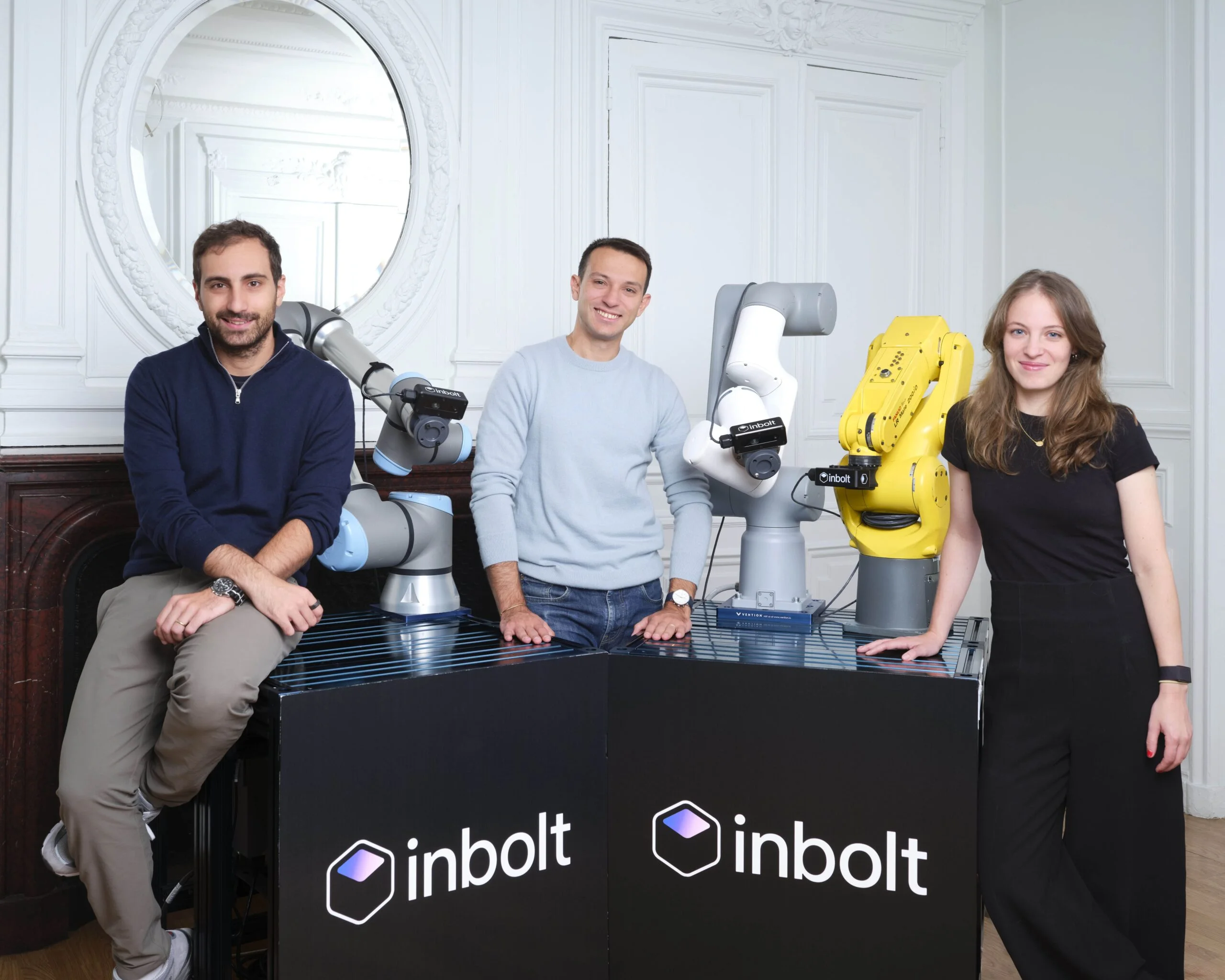
Inbolt has successfully raised $12.5 million to advance its AI-driven 3D vision software tailored for industrial robots. This funding will support the company's expansion into the U.S. and Asia-Pacific markets, as well as its entry into data centers and electronics manufacturing. The significance of this funding round, led by Shift4Good with contributions from Bridges Climate Transition Partners, BNP Paribas Développement, and Ora Global, brings Inbolt's total funding to $34 million. The company aims to enhance its operations in the U.S. following the establishment of a Detroit office in 2026, targeting sectors such as automotive and electronics manufacturing. Inbolt's software enables robots to adapt in real-time to changes in their environment, addressing issues like part misalignment and tooling wear. As the demand for more intelligent robotic solutions grows, Inbolt's hardware-agnostic approach positions it well for future developments in industrial automation. No further timeline was disclosed at the time of publication.
AI AI Funding & Investment Physical AI 3D vision BNP Paribas Développement Bridges Climate Transition Partners
Inbolt Secures $12.5M Funding to Enhance Industrial Robots' Vision and Intelligence
Inbolt has announced a successful funding round of $12.5 million, aimed at enhancing the capabilities of industrial robots. This funding will support the company's expansion into the US and APAC markets, as well as its entry into data centers and electronics manufacturing. The significance of this funding lies in Inbolt's innovative technology that enables industrial robots to see, think, and adapt in real time. This advancement allows robots to master various processes, parts, or stations, thereby increasing efficiency and versatility in manufacturing environments. Looking ahead, Inbolt's total funding has now reached $34 million, with participation from notable investors including Shift4Good, Bridges Climate Transition Partners, BNP Paribas Développement, and Ora Global. No further timeline was disclosed at the time of publication.
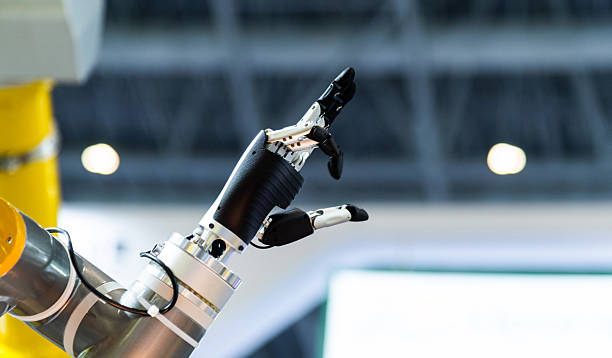
Inbolt Secures $12.5 Million to Enhance Industrial Robots with Vision and Intelligence
Inbolt has successfully raised $12.5 million in funding to enhance industrial robots with real-time vision and intelligence capabilities. The funding round was led by Shift4Good, with participation from Bridges Climate Transition Partners, BNP Paribas Développement, and Ora Global, bringing Inbolt's total funding to $34 million. This funding is crucial as it will support Inbolt's expansion into the US, particularly following the opening of its Detroit office in 2026, and its entry into new sectors such as data centers and electronics manufacturing. Inbolt's technology addresses the limitations of traditional industrial robots, which often struggle with part misalignment and tooling wear, leading to costly downtime. Looking ahead, Inbolt's innovative combination of 3D vision and AI software positions it to significantly improve automation across various industries, including automotive and electronics. The company is already deployed in over 100 factories worldwide, and its recognition as a rapidly growing startup highlights its potential impact on the future of industrial automation. No further timeline was disclosed at the time of publication.
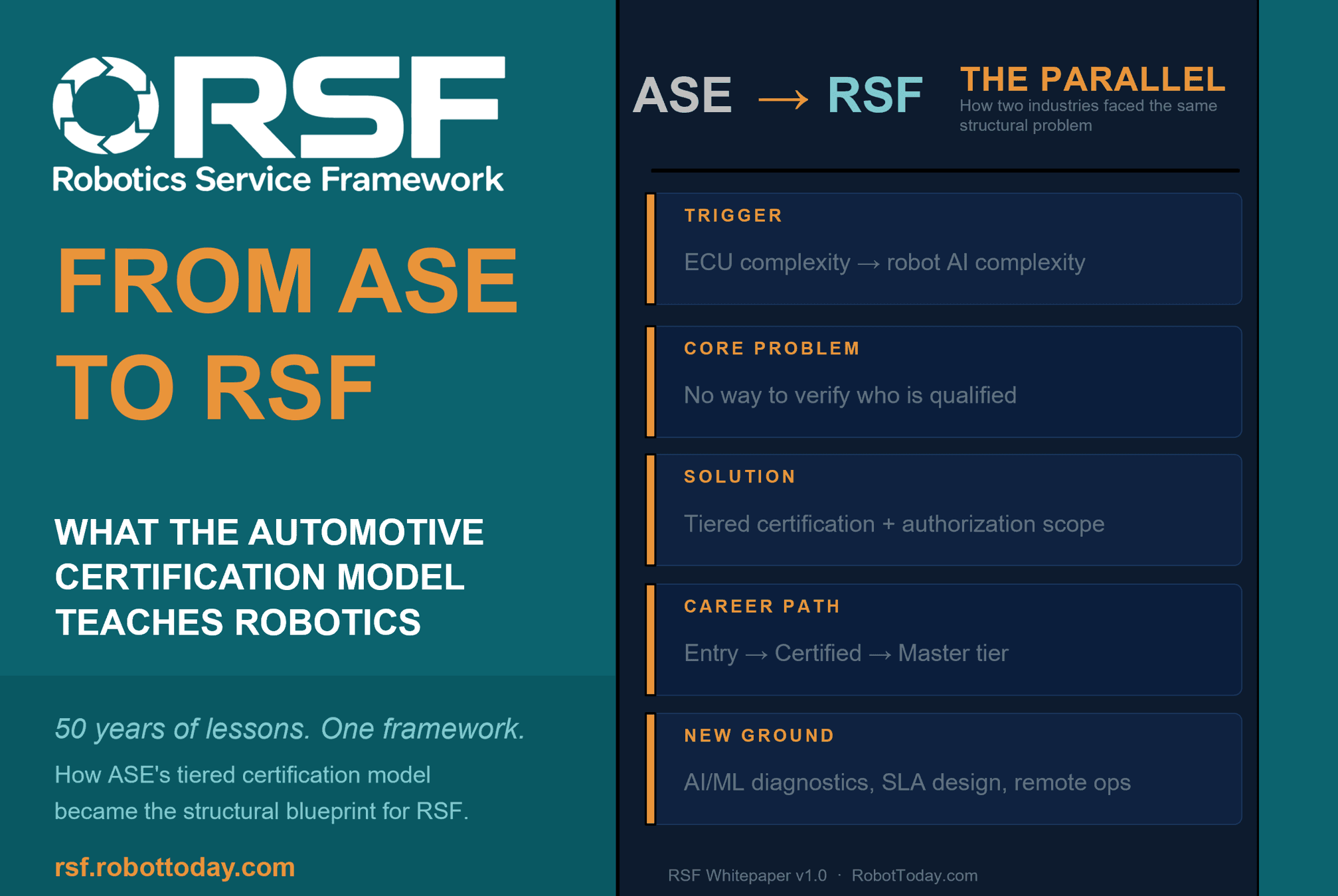
From ASE to RSF: What the Automotive Certification Model Teaches Robotics
ASE solved automotive service in 1972. Fifty years later, RSF does the same for robotics. Learn how the certification blueprint was adapted — and what had to be built from scratch.
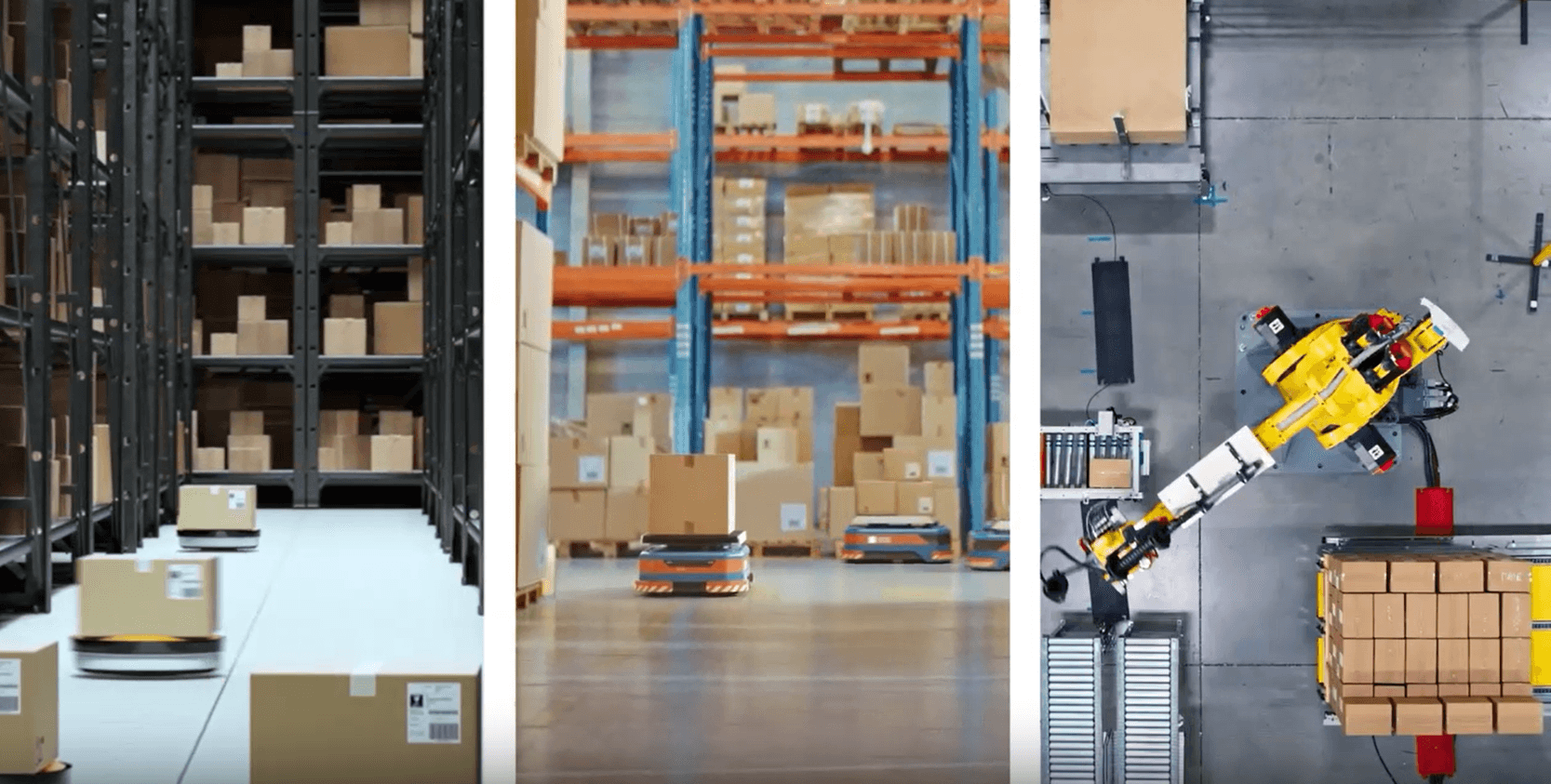
The Robot Interoperability Imperative: How Warehouse Robotics Platforms Enable Multi-Vendor Automation
As warehouses deploy robots from multiple vendors, interoperability becomes critical. Learn how robotics orchestration platforms like Roboteon enable seamless multi-vendor AMR integration, fleet management, and plug-and-play automation for distribution centers.
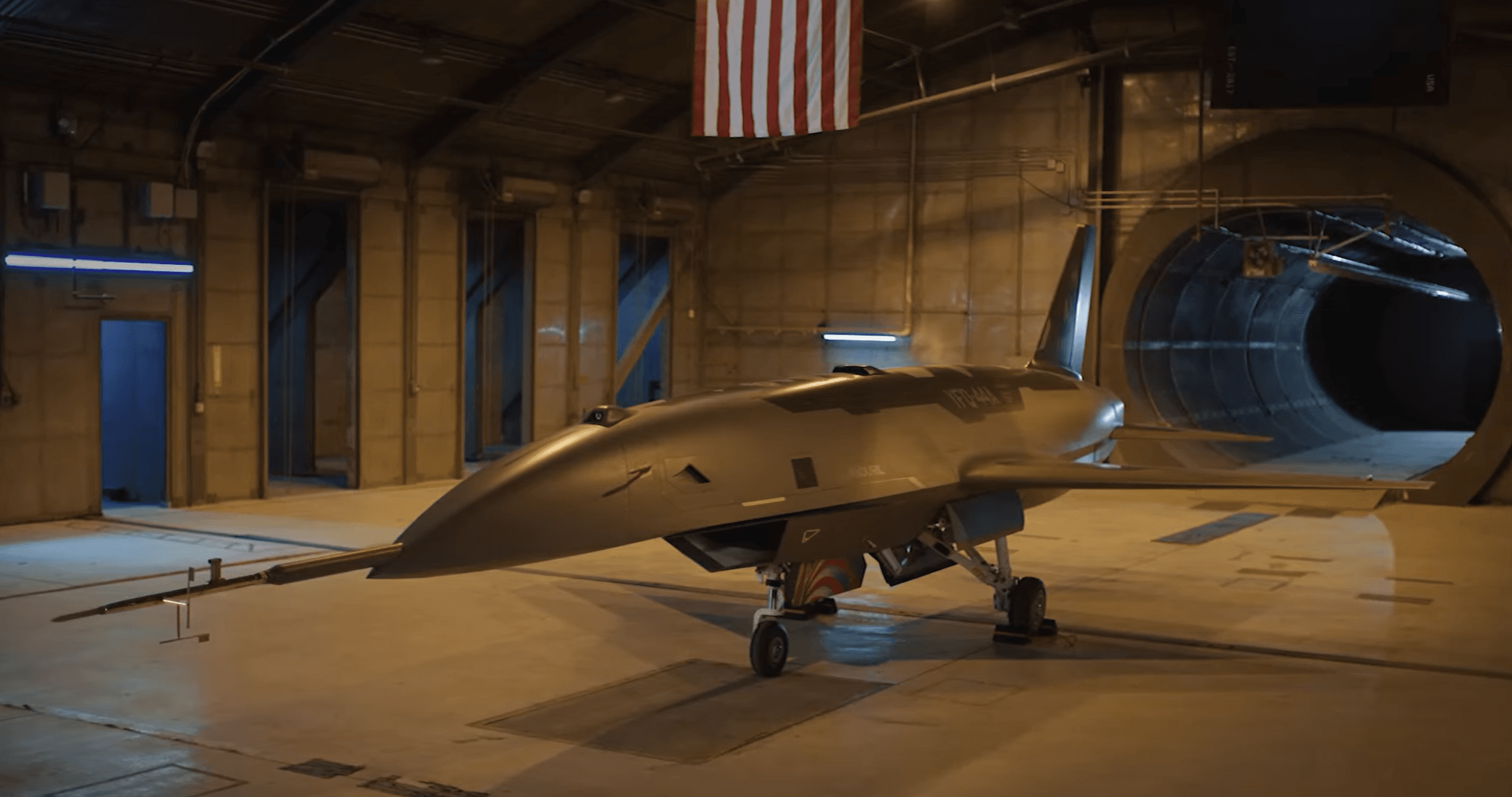
FUTURE WARFARE | Air - Collaborative Combat Aircraft, Drone Motherships & the Autonomy Race Above the Battlefield
Anduril’s YFQ-44A Fury flew its first semi-autonomous mission on 31 October 2025 — 556 days from contract to flight. By February 2026 it was carrying live missiles and swapping autonomy software mid-flight. China’s Jiutian drone mothership flew on 11 December 2025, capable of releasing over 100 loitering munitions from its internal bay at 15,000 metres. And the U.S. Air Force is standing up its second experimental one-way attack drone unit for mid-2026. This article maps the most consequential aerial autonomous systems competition in history: the CCA programme that will determine U.S. air dominance in the 2030s, the Valkyrie’s surprising rebirth, the A-GRA open-architecture breakthrough, and the Chinese drone mothership that has no Western equivalent.
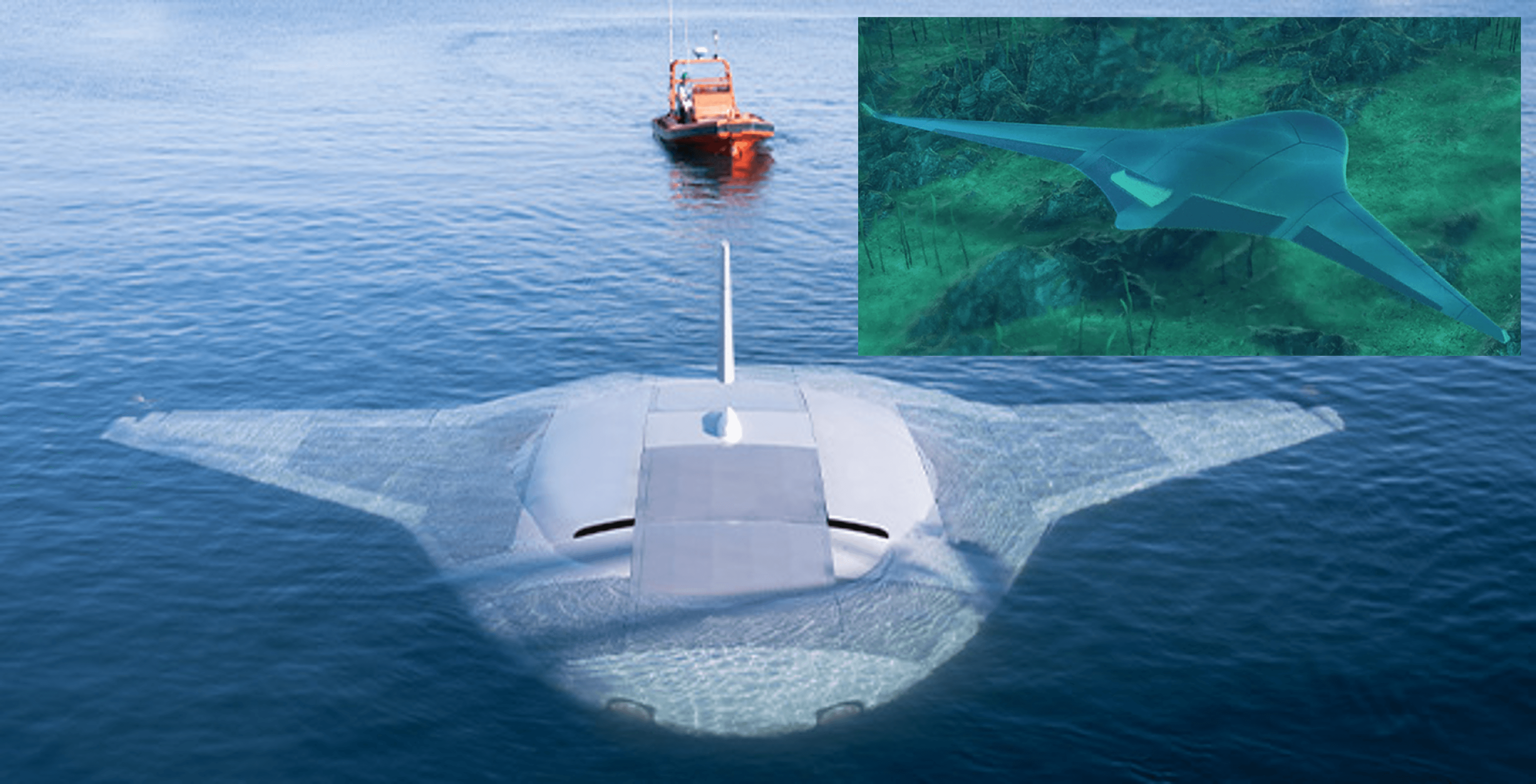
FUTURE WARFARE | Sea - Autonomous Surface Vessels & Unmanned Underwater Vehicles — The Hybrid Fleet Takes Shape
Ukraine’s ‘Sub Sea Baby’ autonomous torpedo struck a Russian Kilo-class submarine inside Novorossiysk harbour in December 2025 — the first confirmed underwater drone attack on a submarine in history. The U.S. Navy is requesting $5.3 billion for unmanned maritime systems in FY2026, a 70 percent year-on-year increase. Saronic Technologies went from prototype to $392 million production contract in under 12 months. And DARPA’s Manta Ray XL-UUV completed full-scale sea trials. This article maps the maritime autonomous systems revolution — from Ukraine’s improvised Black Sea fleet to the Pentagon’s hybrid manned–unmanned force of the 2030s, and from Saronic’s Franklin, Louisiana shipyard to Boeing’s 85-tonne robot submarine.

Agricultural Robotics | Post-Harvest Automation: The $7.5B System Shaping the Food Supply
Post-harvest robotics automate sorting, grading, packing, and cold storage across the $7.5B equipment market. Deep-dive on TOMRA, Unitec, MAF Roda, Greefa, JBT, Bühler, and the AI-driven platforms replacing 450,000+ packhouse workers by 2030.
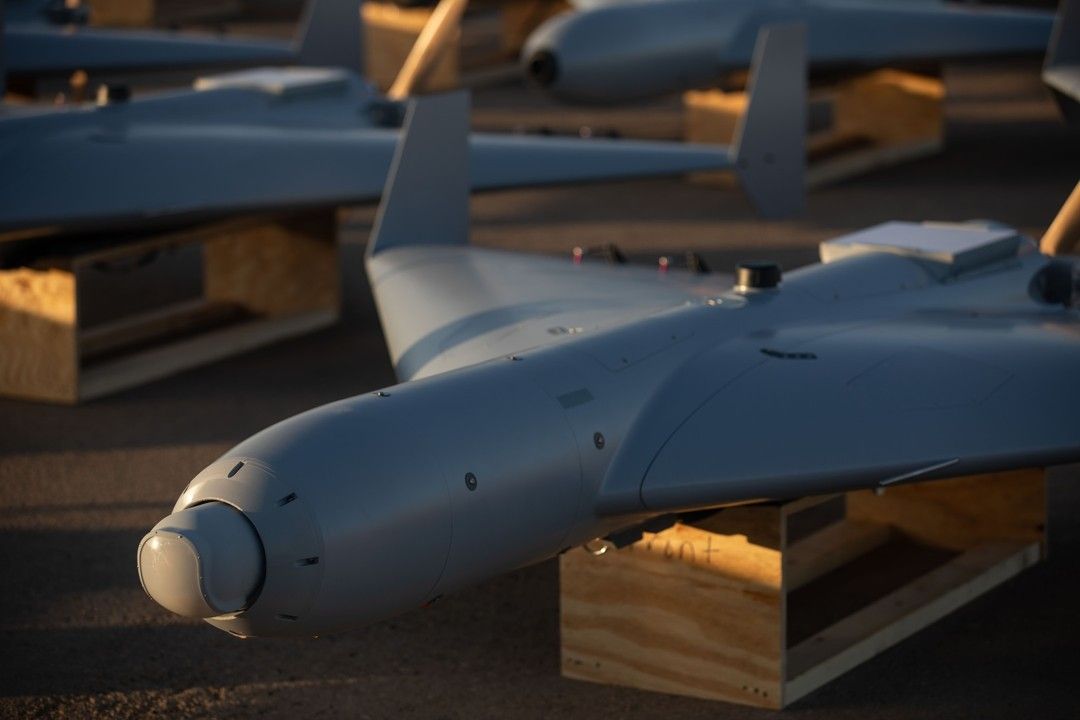
LUCAS: America's First Combat Loitering Munition
The LUCAS drone debuted in Operation Epic Fury (Feb 28, 2026). Analysis covers confirmed specs, operational role, swarm integration, and implications for autonomous strike systems.
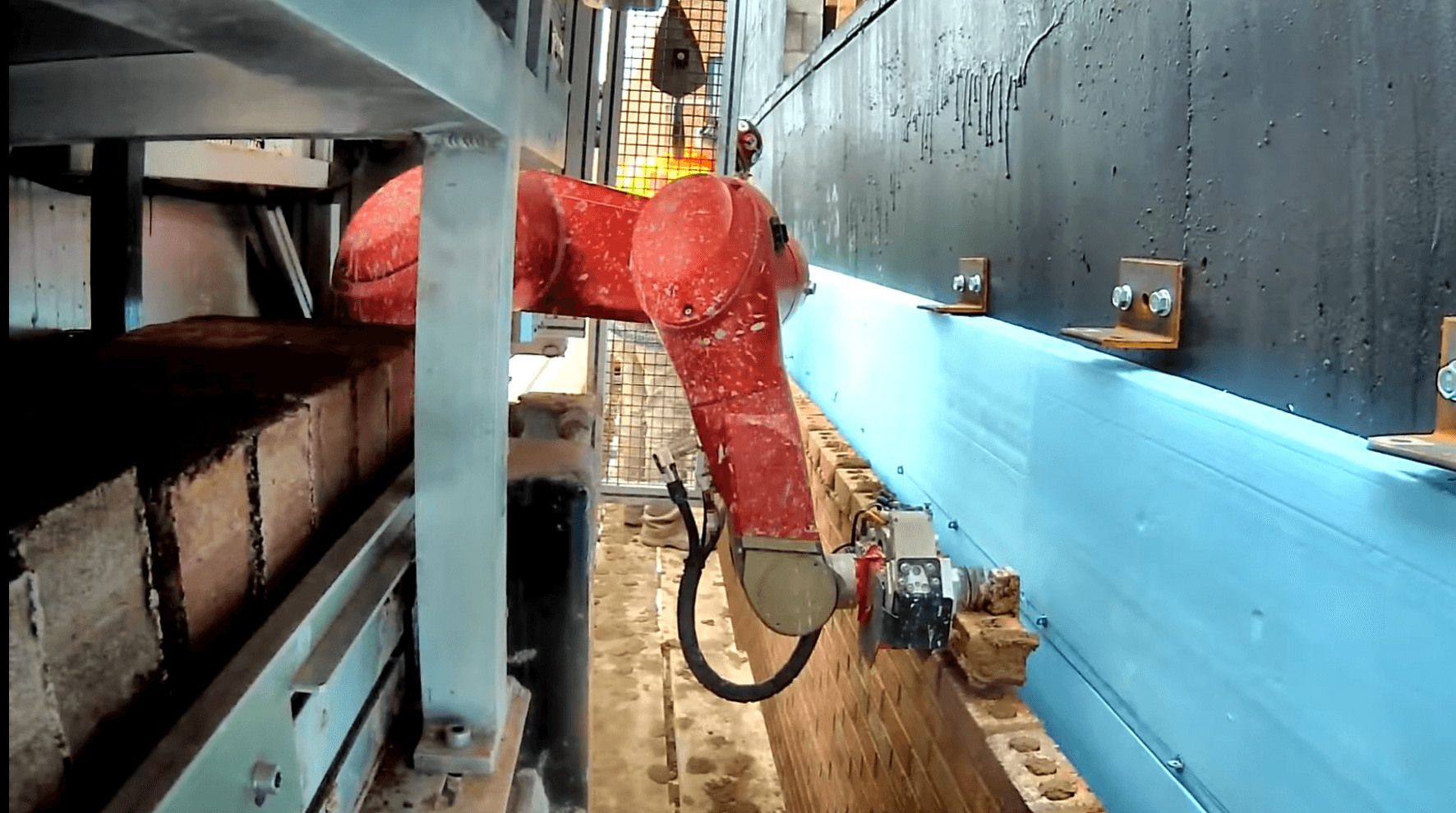
Construction Robots vs. Unions: A $500K Battle
Construction robots can lay 6× more bricks than humans—but unions, labor law, and political calculus are keeping them off U.S. sites. How Japan, Singapore, and Europe are winning the race instead.
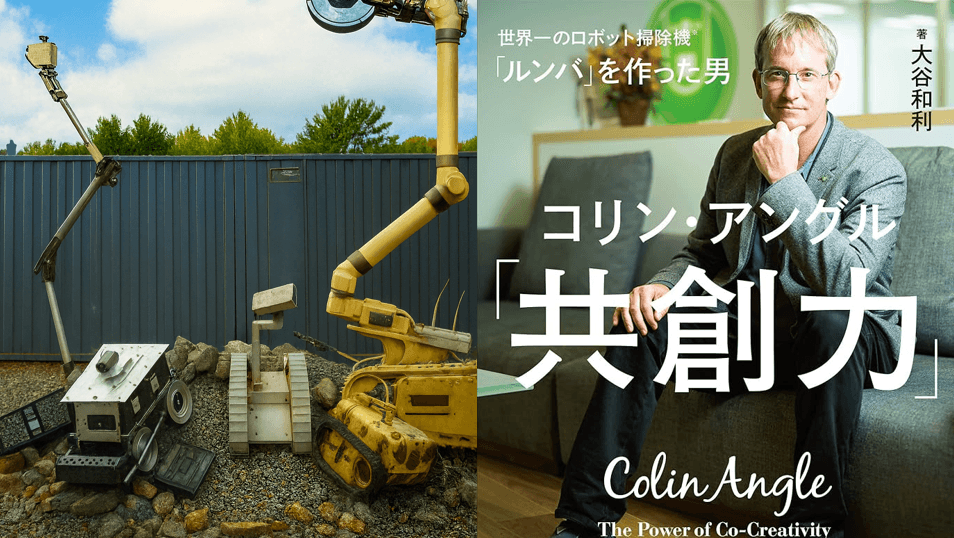
From Co-Creation to Collapse: The Rise and Fall of iRobot, the Original Home Robotics Pioneer
From MIT roots to Roomba dominance and financial crisis, this deep dive traces iRobot’s rise, missteps, and lessons for today’s home robotics industry.
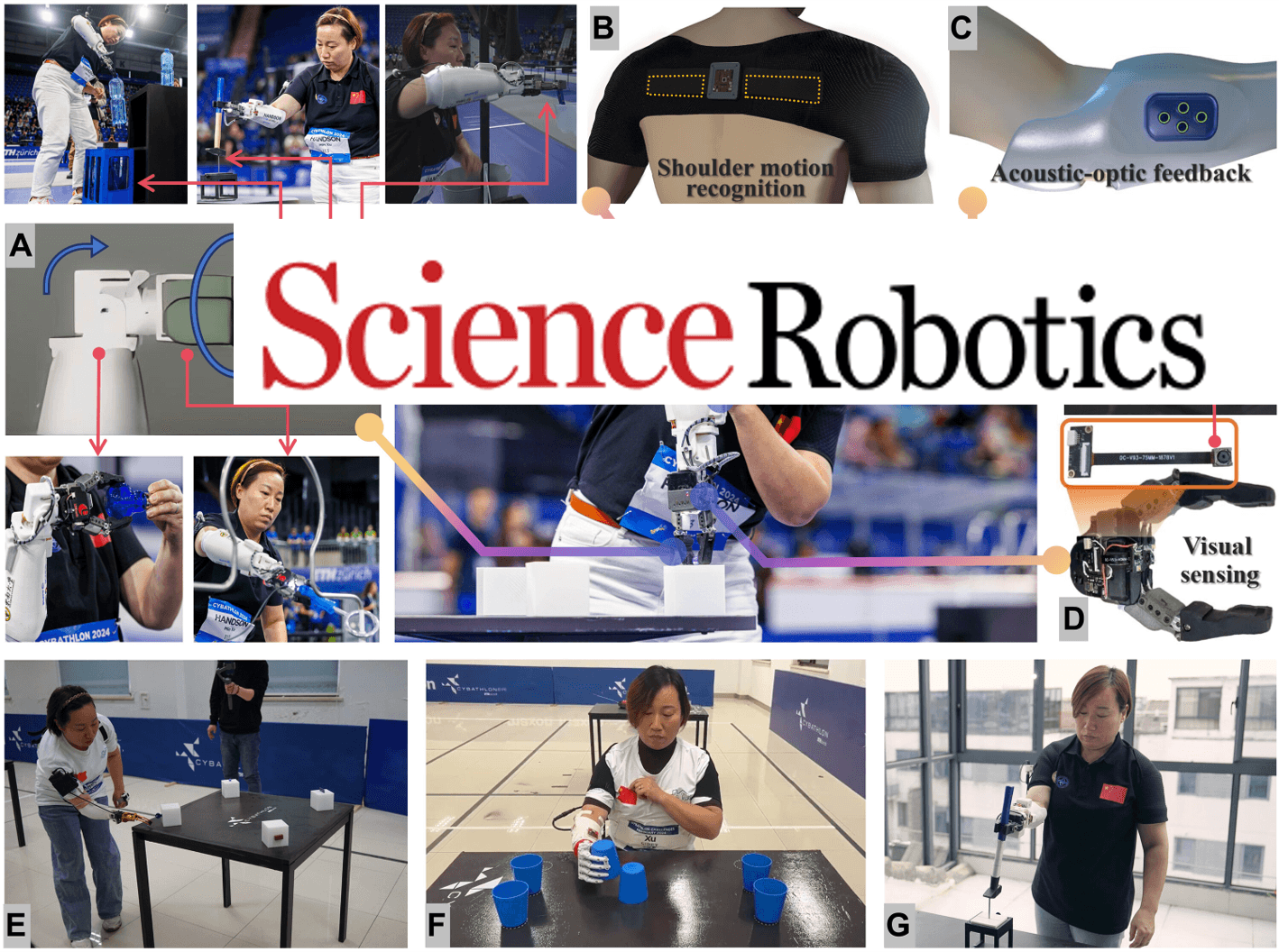
Arm Prosthesis With Dexterous Control And Sensory Feedback Delivers Winning Performance At Cybathlon
An arm prosthesis with dexterous control and sensory feedback delivers winning performance at Cybathlon, showcasing advances in assistive robotics and human-machine integration.


