

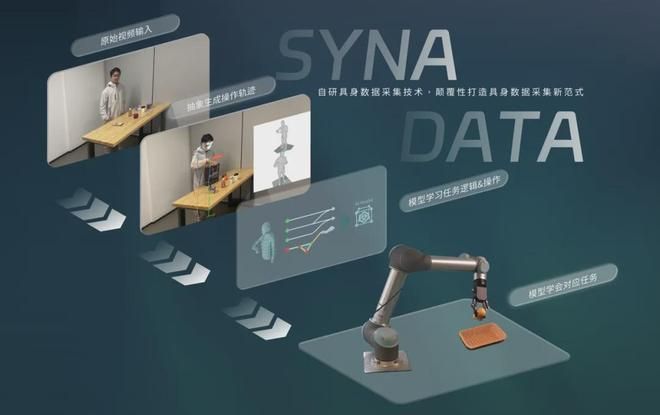
Synapath AI has officially announced the completion of a multi-million-yuan angel funding round. The round was jointly led by Orienta Fortune Capital and Jiangu Capital, marking a significant step in the company’s rapid growth trajectory. Notably, this is not Synapath AI’s first success with investors. In 2024, the company secured several million yuan in seed funding from MiraclePlus — an early supporter of promising AI and robotics startups in China.
Recent data indicates that the future of intelligent robotics hinges on the effective utilization of data. However, challenges persist, including high costs, limited scalability, and varied application environments. Current industry trends suggest a focus on leveraging human-generated data to enhance training quality and effectiveness, especially as major data collection hubs emerge in regions like Shanghai and Beijing.
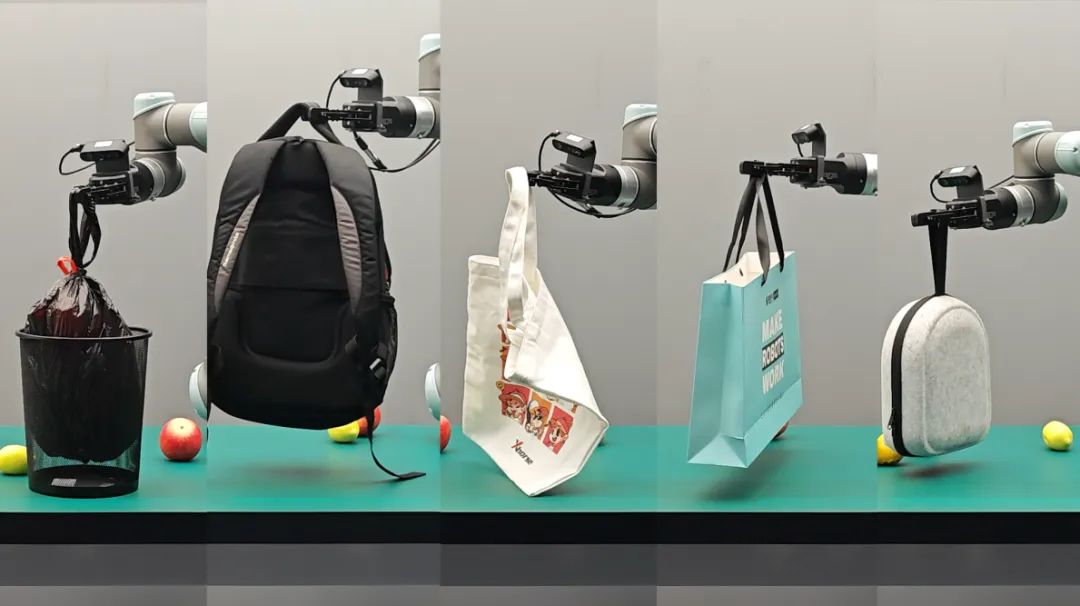
In East China, robotics companies are increasingly focusing on developing standardized machine learning algorithms, with nearly 100 advanced robotics being deployed for training purposes. Meanwhile, the integration of AI capabilities is projected to significantly enhance operational efficiencies across various sectors.
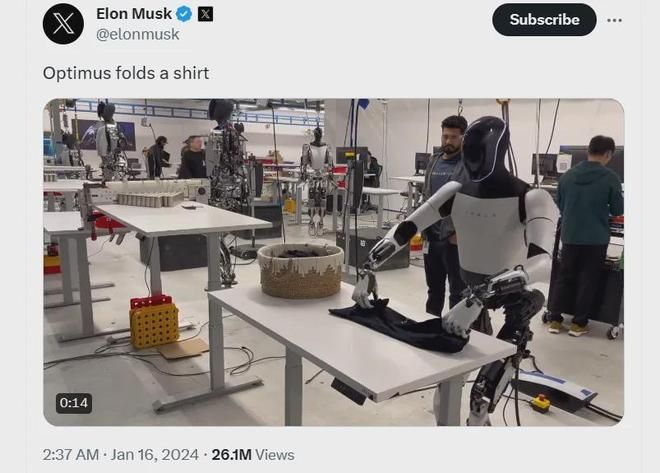
Despite a current supply of only several thousand robotics units, the industry faces challenges related to cost-effective data collection methods. The ratio of human labor to automated processes remains at 1:1, indicating that further advancements are needed to meet growing industry demands.
The pressing question remains: who can address the challenges of reducing costs, increasing utilization, and accommodating diverse applications in robotics? The answer may lie in the ability to harness intelligent data capabilities, positioning companies to become frontrunners in this competitive landscape.
Tesla's Optimus robot is set to redefine operational training methods by employing video data for AI learning. In May 2023, Tesla's chief engineer Milan Kovac announced that Optimus would leverage direct human interaction for training, aiming to enhance the robot's adaptability in various scenarios.
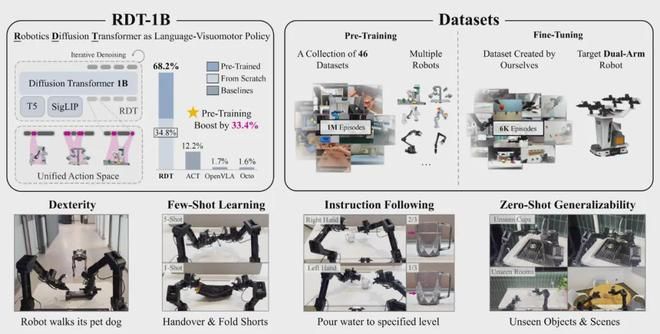
Milan Kovac emphasized that the goal is to have Optimus learn directly from human interactions, primarily through video data. This approach is expected to include third-party video angles captured during training sessions.
Notably, Tesla is not the only player in the field. Internationally, Skild AI has proposed methods for utilizing video data to enhance robotics capabilities, while domestic firms are also focusing on training methods that leverage video data to improve machine intelligence.
SynaData's recent advancements in video technology highlight the potential for increased operational efficiency across industries. The company’s system can process various forms of video data, enabling it to optimize machine learning algorithms for diverse robotic applications.
As SynaData continues to refine its video processing capabilities, the implications for data-driven decision-making and operational improvements are substantial. The emergence of these technologies indicates a shift towards more sophisticated robotics solutions that can adapt to complex environments.






Leave a comment