

The International Conference on Intelligent Robots and Systems (IROS) 2025 is taking place in Hangzhou, spotlighting MATRiX as a leading platform for AI-driven robotics. This year's conference emphasizes the importance of realistic simulation technology in advancing robotic capabilities, focusing on the interplay between algorithm optimization and practical training scenarios.
MATRiX stands out in the robotics landscape as it integrates high-precision simulation environments with real-world testing capabilities. Through its sophisticated algorithms, it enables robots to learn from simulated experiences, significantly reducing error rates during physical trials and enhancing overall performance in varied operational conditions.
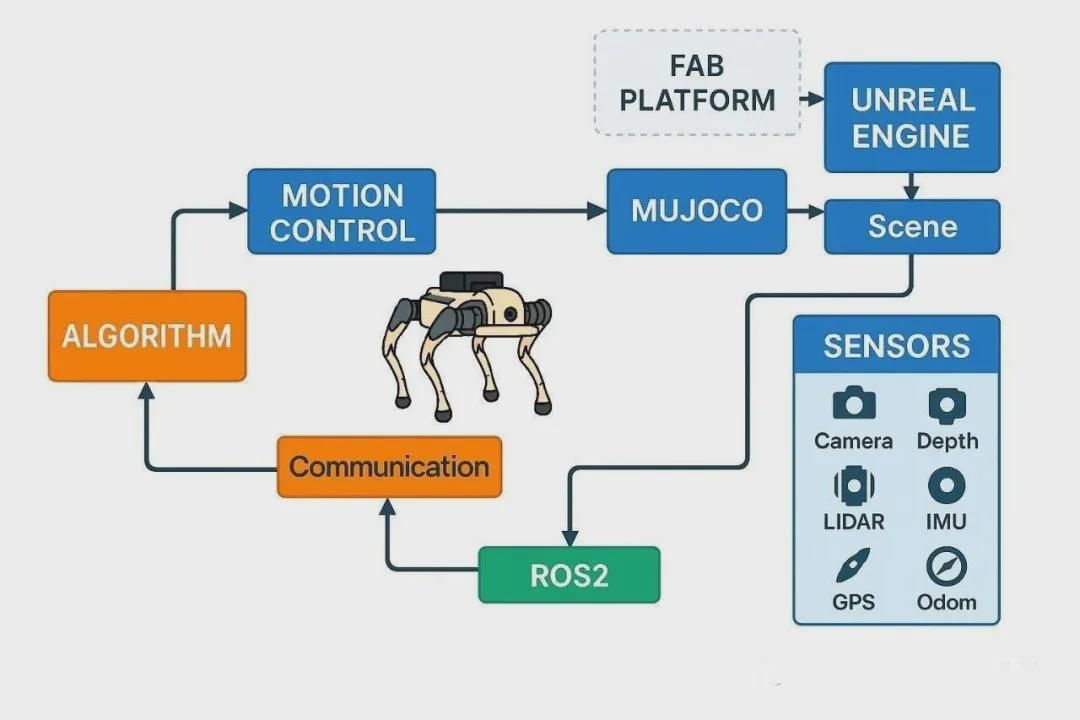
Recently, GENISOM AI officially launched MATRiX, marking it as the world's first comprehensive platform that combines MuJoCo's high-fidelity physics simulation with Unreal Engine 5's advanced visualization capabilities for seamless robotic training.
MuJoCo provides precise motion dynamics and force feedback, while UE5 enhances the realism of virtual environments, facilitating an immersive training experience. This combination allows researchers to accelerate the development of robotic algorithms and conduct experiments in a controlled yet realistic setting, bridging the gap between simulation and real-world performance.
The MATRiX platform supports various sensory inputs, including RGB cameras, depth sensors, and LiDAR, and is compatible with ROS2, enabling effortless integration of robotic systems without extensive setup. This reduces the time and effort typically required for robotic deployments significantly.
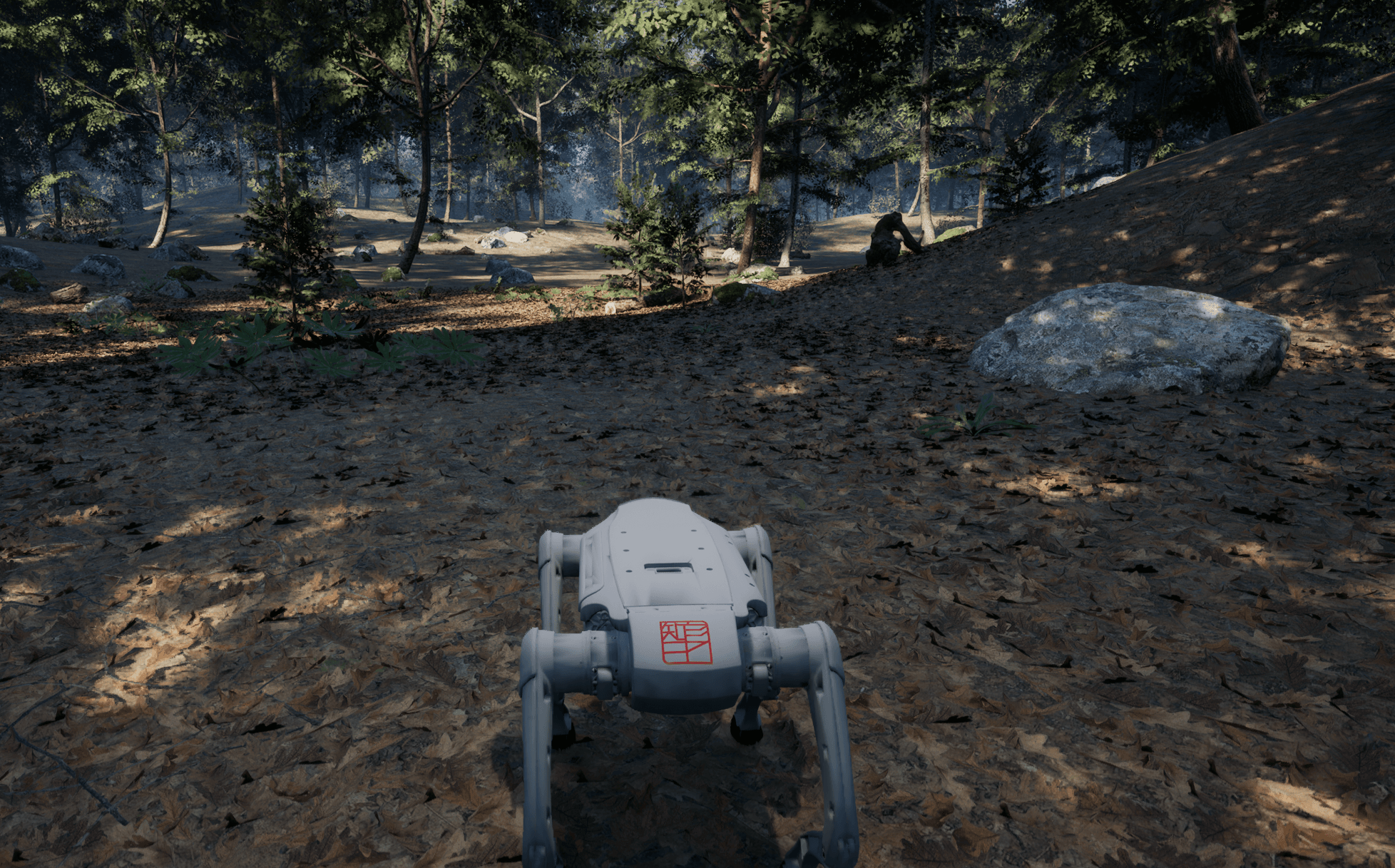
The platform's internal IMU and pathfinding modules are highly accurate, allowing for real-time adjustments during robotic operations. Whether in controlled environments or during external validation tests, MATRiX is designed to closely mimic the operational dynamics of real-world robotics.
MATRiX also offers dual deployment modes: for rapid testing, users can utilize pre-configured packages, while for tailored simulations, they can directly modify source code, enabling flexibility for various robotic applications.
Moreover, MATRiX's robust architecture supports high-demand scenarios, such as those encountered in public safety, defense, and emergency response operations, providing a versatile solution for developers across various industries.
The platform is set to revolutionize the landscape of robotic training, aiding developers in refining their algorithms and optimizing performance for a broad spectrum of applications. The enhanced capabilities of MATRiX are expected to lead to significant advancements in the field of robotics and AI.
As the MATRiX platform continues to evolve, it will introduce more features, fostering an ecosystem for collaboration among developers and researchers to push the envelope of what is possible in robotics.
For those interested in exploring MATRiX further, detailed resources and updates can be found on its GitHub page, inviting contributions and collaborative efforts in advancing robotics technology.






Leave a comment