

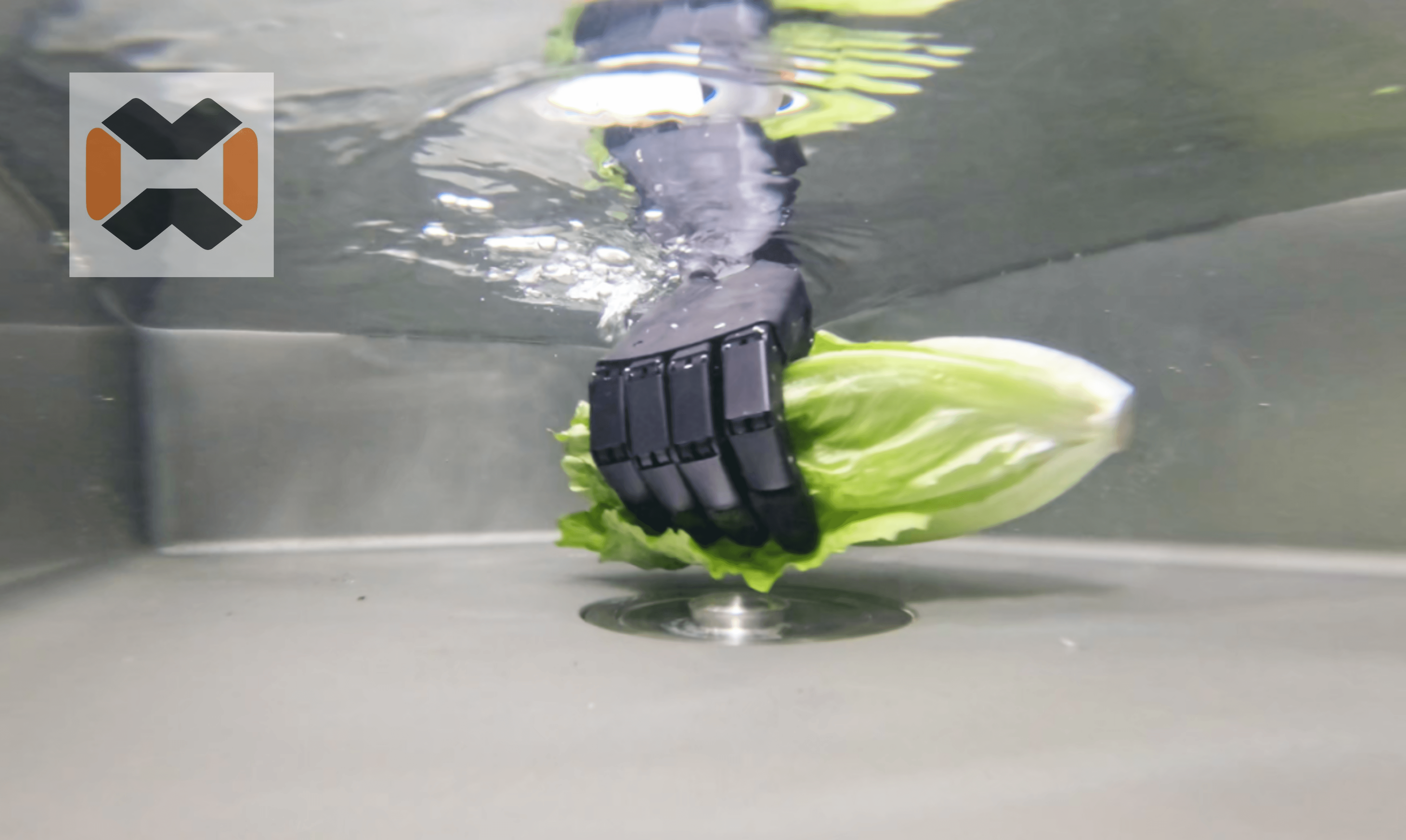
Heyman Robotics, a Chinese startup, launched the WA Series waterproof dexterous robotic hand in October 2025 to address the global market gap in aquatic manipulation. The product operates in both household and deep-sea environments up to 10,000m depth, utilizing integrated sealing technology and high-performance actuation systems.
Technical Specifications and Capabilities
The WA Series comprises two variants:
Standard Version (IP68)
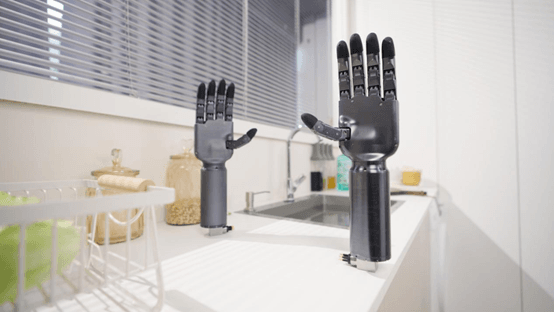
- Application domains: Household tasks including dishwashing, food preparation, laundry, and beverage preparation
- Protection rating: IP68 (dust-tight and submersion-resistant)
Deep-Sea Engineering Version
- Depth ratings: 300m, 1,000m, 3,000m, and 10,000m variants available
- Maximum operational depth: 10,000m (Mariana Trench capability)
- Pressure tolerance: Up to 100 MPa at maximum depth
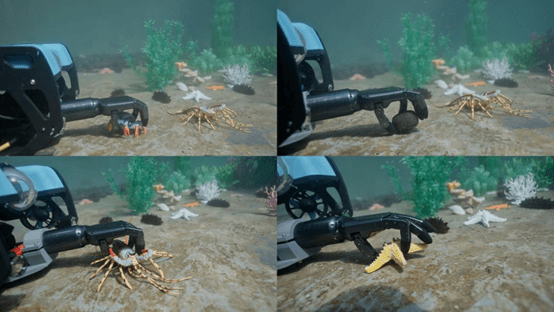
- Application domains: Marine aquaculture, oceanographic research, underwater engineering, archaeological operations, and rescue missions
Core Technical Challenges Addressed
- Sealing Technology: Maintaining seal integrity across complex transmission mechanisms while preserving low no-load power consumption and smooth operation. Different sealing approaches required for shallow vs. deep-water applications.
- Adaptive Grasping Control: Real-time force and position control for varied object geometries
- Environmental Resistance: Corrosion protection and electromagnetic interference mitigation
- Key Technologies Implemented:
- Integrated high-performance actuation system
- High-precision magnetic encoders
- Advanced gear manufacturing processes
- High-velocity axial dynamic sealing (from underwater robotics expertise)
- High-reliability radial static sealing
Performance Metrics
Testing in pressure chambers simulating 10,000m depth demonstrated:
- 80% improvement in underwater task success rate vs. conventional grippers
- 5x improvement in operation generalization capability compared to two-finger grippers
Development Background
The development team combines expertise from two domains:
- Robotics Industry: ~10 years average experience, alumni from Zhejiang University, Jilin University, USTC, and leading Chinese robotics companies
- Marine Engineering: Prior involvement in Jiaolong submersible sampler development, 8,000m-class deep-sea landers, kilometer-class ROVs, and underwater gliders; participation in oceanographic expeditions to Pacific, Southwest Indian Ocean, and South China Sea
Development methodology incorporated modified IPD (Integrated Product Development) project management with TRL (Technology Readiness Level) assessment, and maintained testing/QC personnel ratios equivalent to R&D staff across all product stages (prototype, functional model, process model, production model).
Market Applications
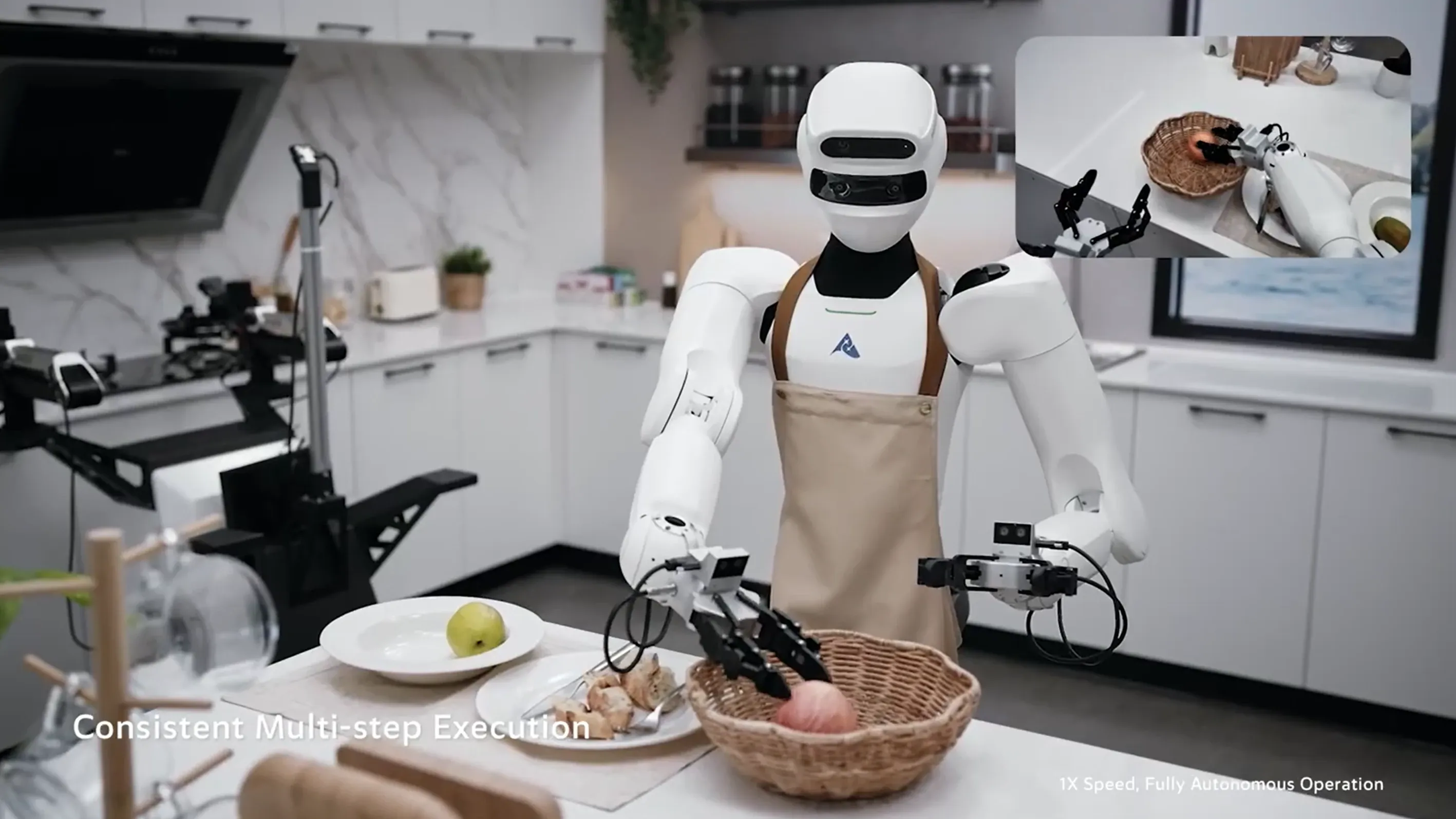
Humanoid and Service Robots: The IP68 standard version targets the household service sector, particularly kitchen operations—a high-frequency environment where traditional dexterous hands fail. Market projections estimate global humanoid robot market exceeding $100B by 2030, with service robots reaching $40B in 2025.
Vertical Marine Applications:
- Deep-sea sampling (manganese nodules, biological specimens)
- Marine aquaculture harvesting (sea cucumbers, sea urchins) - addressing limited diver availability (typically <4 hours/day operational time)
- Underwater archaeology at depths beyond human reach (100+ meters), particularly for fragile artifacts requiring precise force control
Current Status
- Strategic incubation by Shenhao Technology (listed robotics company, stock code 300853) and Mars Accelerator
- Seed funding completed
- Production optimization and line establishment underway
- Existing partnerships with Zhejiang University, Jilin University, Hangzhou Dianzi University, Hangzhou Aohai, and Shenhao Technology
- Initial orders secured from oceanographic research institutions
Product Differentiation
While competitors focus on terrestrial performance optimization, the WA Series addresses the fundamental waterproofing gap, enabling embodied AI manipulation in aquatic environments—previously an operational exclusion zone for dexterous robotic systems.




Leave a comment