


Vogelsang & Benning Prozeßdatentechnik GmbH
"Prüf- und Testsysteme vom Spezialisten"
German test & inspection system specialist in Bochum; 800+ systems deployed worldwide for drive technology, pump, and automotive industries since 1983.
Contact Vogelsang & Benning Prozeßdatentechnik GmbH
WEBSITE
https://www.vogelsangbenning.de/en/PHONE
+49 2327 547-0HEADQUARTERS
Germany

Company Facts
Founded
1983
Primary Role
System Integrator
Company Size
-
Primary Region
Europe
Annual Sales
-
Funding Stage
-
Funding Total
-

Polyplan Develops Robotic Inline Measurement System for Automotive Manufacturing Quality
Automotive manufacturers face challenges in maintaining uniform gap dimensions and precise alignment of body components, which are critical indicators of production quality. These factors significantly impact vehicle sealing, wind noise reduction, and the proper functioning of doors and hoods. To address these challenges, Polyplan has developed a robotic inline measurement system that has already been delivered to initial production facilities. The ability to ensure consistent gap and flush measurements is essential for manufacturers and their suppliers, as it directly correlates with vehicle quality and customer satisfaction. The introduction of Polyplan's system aims to enhance manufacturing processes by providing accurate measurements in real-time, thus improving overall production efficiency and product quality. Looking ahead, the automotive industry will continue to prioritize precision in manufacturing to meet consumer expectations. Polyplan's innovative solution may set a new standard for inline measurement systems, and further developments or deployments could be anticipated as the technology gains traction in the market. No further timeline was disclosed at the time of publication.
Allgemein Anwendungen & Lösungen Automobilbau & Zulieferer Lösungen Robot Vision & Inspection
Innovation Works Venture Expo 2026: 58 Pittsburgh Startups Pitch to Investors
58 health, deep tech and robotics startups pitched at Innovation Works Venture Expo 2026 in Pittsburgh. Full company list, program and 2025 funding data.

SimScale Engineering AI Moves Physics Simulation to the Exact Moment a Design Decision Gets Made, Inside Onshape
SimScale’s Engineering AI Agent runs CFD, thermal, EMag and FEA from one prompt inside PTC’s Onshape, starting from CAD that isn’t simulation-ready.

Closed-Loop Automation Enhances Decision-Making in Manufacturing Operations
Manufacturers are increasingly leveraging data from automated equipment to enhance operational performance. However, the mere accumulation of data does not guarantee improved decision-making. Organizations must ensure that insights from recurring issues are communicated across teams to prevent repeated failures and to track the effectiveness of process changes. The significance of effective data feedback loops is highlighted by NIST's definition of smart manufacturing decision systems, which emphasizes the importance of context provided by knowledgeable personnel. Schneider Electric's smart factory in Lexington, Kentucky, exemplifies this approach by integrating equipment data and operator insights through its EcoStruxure platform, resulting in a 20% reduction in mean time to repair critical equipment. Looking ahead, the focus will be on how manufacturers can further utilize technology to bridge the gap between data collection and actionable insights. For instance, Sachsenmilch's implementation of Siemens Senseye Predictive Maintenance software demonstrates the potential of predictive analytics in preemptively addressing equipment failures, thus optimizing maintenance schedules and minimizing production disruptions. No further timeline was disclosed at the time of publication.
Process / Design
Botfellows Introduces Dynamic Safety System for Flexible Production Environments
Botfellows, a startup, has developed a modular safety system called Dynamic Safety, designed for flexible and dynamic production environments. This system enables 3D real-time detection, tracking, and classification of objects within changing safety zones, addressing the high demands of automation technology for functional safety. The significance of this innovation lies in its ability to enhance safety in production settings that require adaptability and responsiveness. By utilizing a generic approach, the Dynamic Safety system can be integrated into various applications, ensuring that safety measures keep pace with the dynamic nature of modern manufacturing. Looking ahead, the integration of Botfellows' Dynamic Safety system with the PLCnext Control safety controller from Phoenix Contact presents a promising development in automation technology. No further timeline was disclosed at the time of publication.
Allgemein Anwendungen & Lösungen Robotersteuerung & Digital Twin Robotik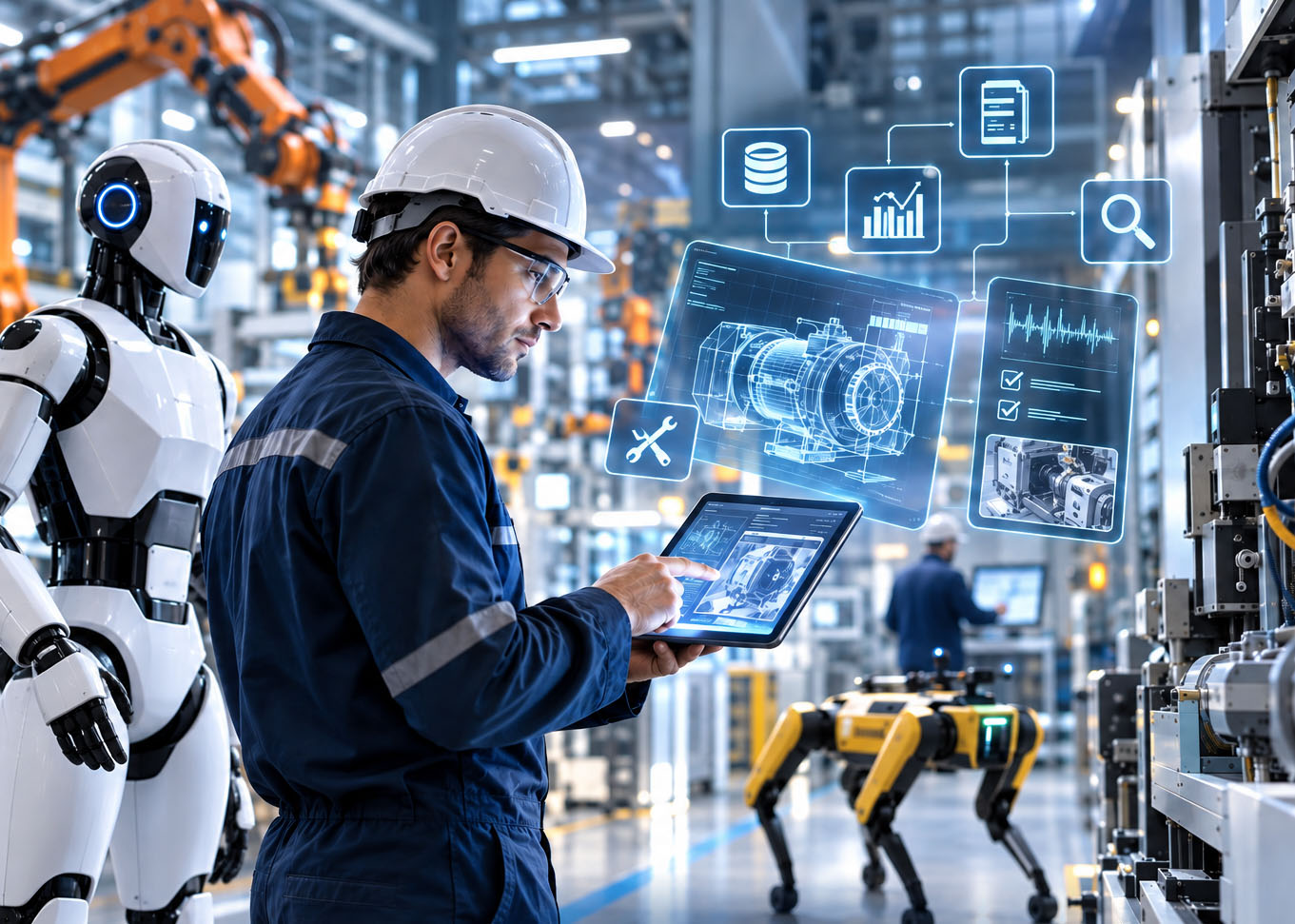
How AI is Transforming the Maintenance Technician Role by 2030
The role of maintenance technicians is rapidly evolving due to advancements in predictive maintenance, intelligent assistants, and augmented reality. The focus has shifted from merely automating machines to enhancing the capabilities of the personnel who operate and maintain them. Initial industrial deployments have already shown measurable gains. By 2030, maintenance technicians will still require skills in mechanics, electricity, automation, and electrotechnics, but their work environment may be significantly different. In the event of a malfunction, technicians will have immediate access to equipment history, similar incident reports, manufacturer documentation, sensor data analysis, and tailored diagnostic procedures. This evolution builds on a transformation initiated years ago with industrial IoT, CMMS, predictive maintenance, and augmented reality. The introduction of generative AI and agent-based AI marks a new phase in this transformation, where systems not only present information but also assist in diagnostics and take on some intervention tasks. This shift addresses a pressing issue: as industrial equipment becomes more sophisticated, finding the necessary maintenance skills is increasingly challenging. According to Deloitte's Smart Manufacturing and Operations 2025 study, 35% of industrial leaders view employee adaptation to the 'Factory of the Future' as a major concern.
À la une Humanoide IA Robotique agents IA Assistant IA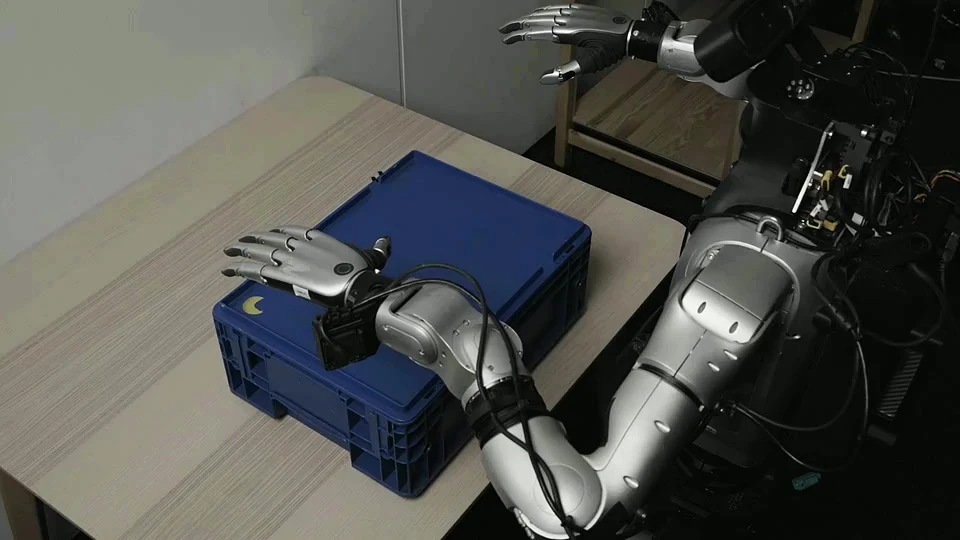
Odyssey Introduces Odyssey-3, Collaborates with Flexion for Humanoid Control Advancements
Odyssey has launched Odyssey-3, a foundational world model designed to enhance robot control and interactive simulated environments. This development is part of a research collaboration with Swiss autonomy firm Flexion, which has utilized extensive humanoid teleoperation data to create control policies based on Odyssey's model. The partnership aims to integrate Odyssey's visual pretraining with Flexion's expertise in robot learning and whole-body control. The significance of this announcement lies in its potential to advance humanoid robotics. Odyssey-3 is capable of performing real-time tasks, even under varying lighting conditions that typically challenge existing vision-language-action systems. The collaboration with Flexion is pivotal, as it combines their efforts in developing a world action model for practical applications, showcasing humanoids executing tasks such as opening containers and arranging tableware. Looking ahead, the collaboration between Odyssey and Flexion represents a significant step in the evolution of humanoid robotics. The development of control policies using extensive teleoperation data indicates a promising direction for future advancements. No further timeline was disclosed at the time of publication.
Europe Flexion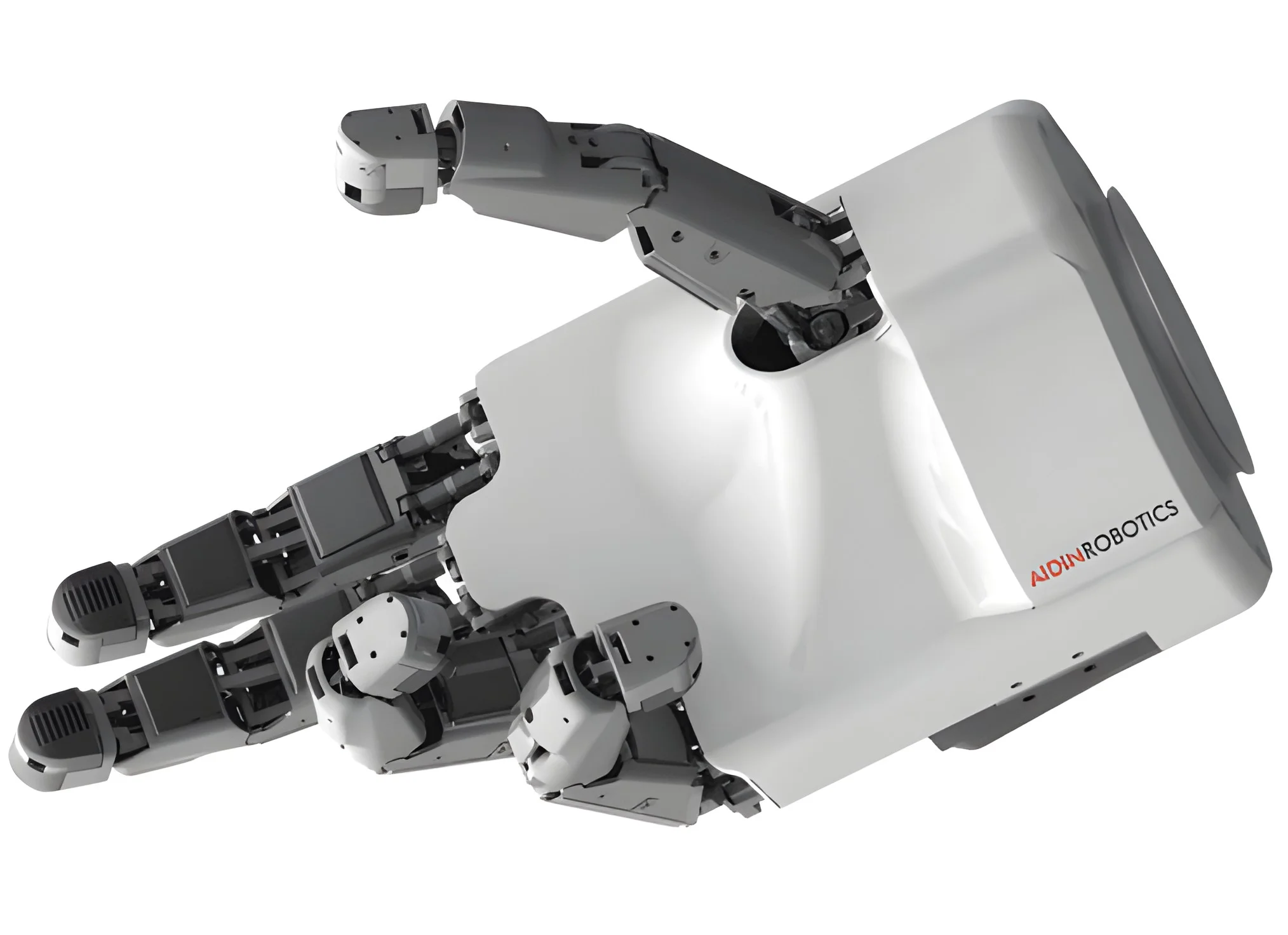
HD Hyundai Robotics Allocates $9.5 Million to Aidin Robotics for Humanoid Development
HD Hyundai Robotics has invested approximately $9.5 million in Aidin Robotics, acquiring an equity stake in the South Korean startup. This investment aims to enhance the development of humanoid components and industrial automation systems, starting with a five-finger robotic hand tailored for shipbuilding and heavy industry. The collaboration is significant as it combines Aidin's advanced force, torque, and tactile sensing technologies with HD Hyundai Robotics' platforms. This integration is expected to facilitate the creation of robotic systems capable of performing complex tasks in shipyards and other industrial environments, ultimately improving efficiency in manufacturing processes. Looking ahead, the partnership plans to conduct field demonstrations before commercializing their innovations. Initial deployments will focus on the shipbuilding sector, with future expansions anticipated into other manufacturing industries and international markets, including U.S. shipyards. No further timeline was disclosed at the time of publication.
AI AI Funding & Investment Robotics Aidin Robotics automation HD Hyundai Robotics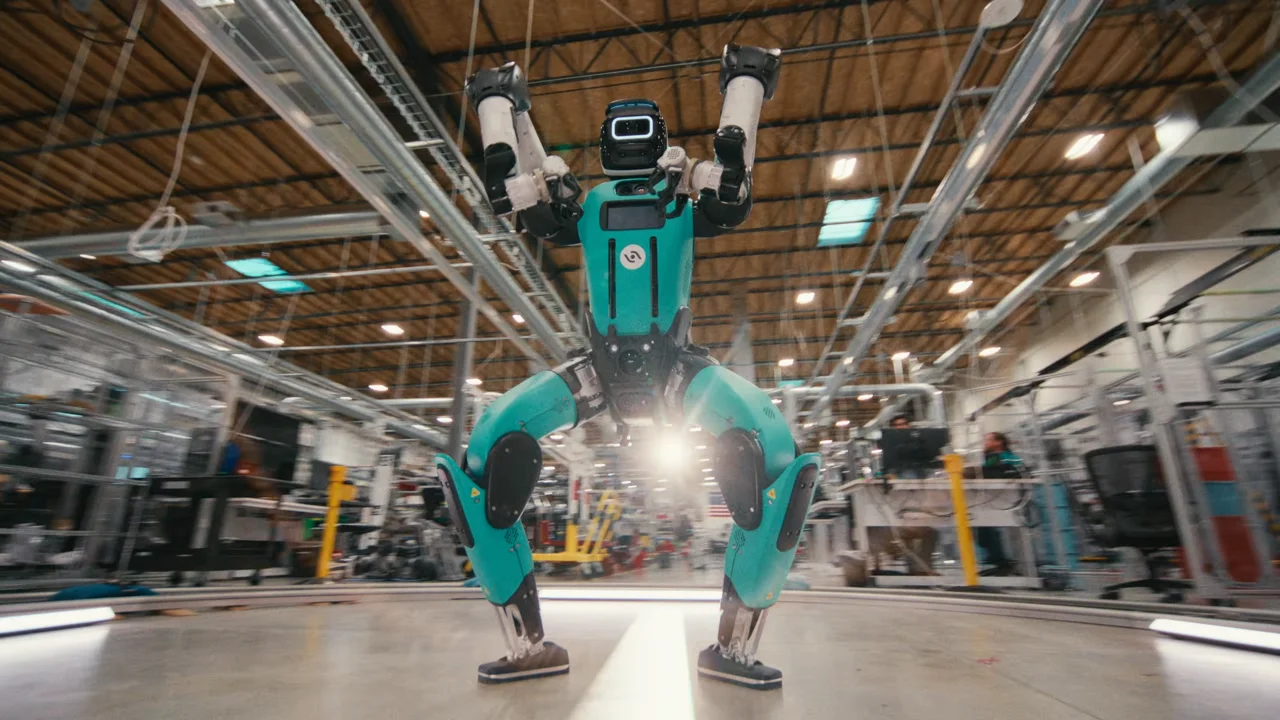
Agility Robotics Reveals Digit 5 Architecture and AI Stack for Enhanced Safety in Factories
Agility Robotics executives, including CEO Peggy Johnson and co-founder Jonathan Hurst, detailed the operational and algorithmic advancements of Digit 5. This humanoid robot aims to eliminate traditional safety barriers in factories, allowing for safer interactions with human workers. Digit 5's design includes 360-degree vision and a controlled descent mechanism to ensure safety when humans enter its operational space. The significance of Digit 5 lies in its potential to transform factory workflows by removing the need for physical barriers that isolate robots from human coworkers. Johnson highlighted that the robot autonomously lowers itself when a human approaches, ensuring a seamless operational flow. This capability is supported by low-latency edge inference technology, which allows for immediate responses to human movements. Looking ahead, Agility's focus on cooperative safety marks a shift in how humanoid robots are integrated into industrial environments. The company is also working on establishing safety standards for mobile robots, as outlined by Kevin Ree, emphasizing the importance of scalable operational safety. No further timeline was disclosed at the time of publication.
US Digit Agility Robotics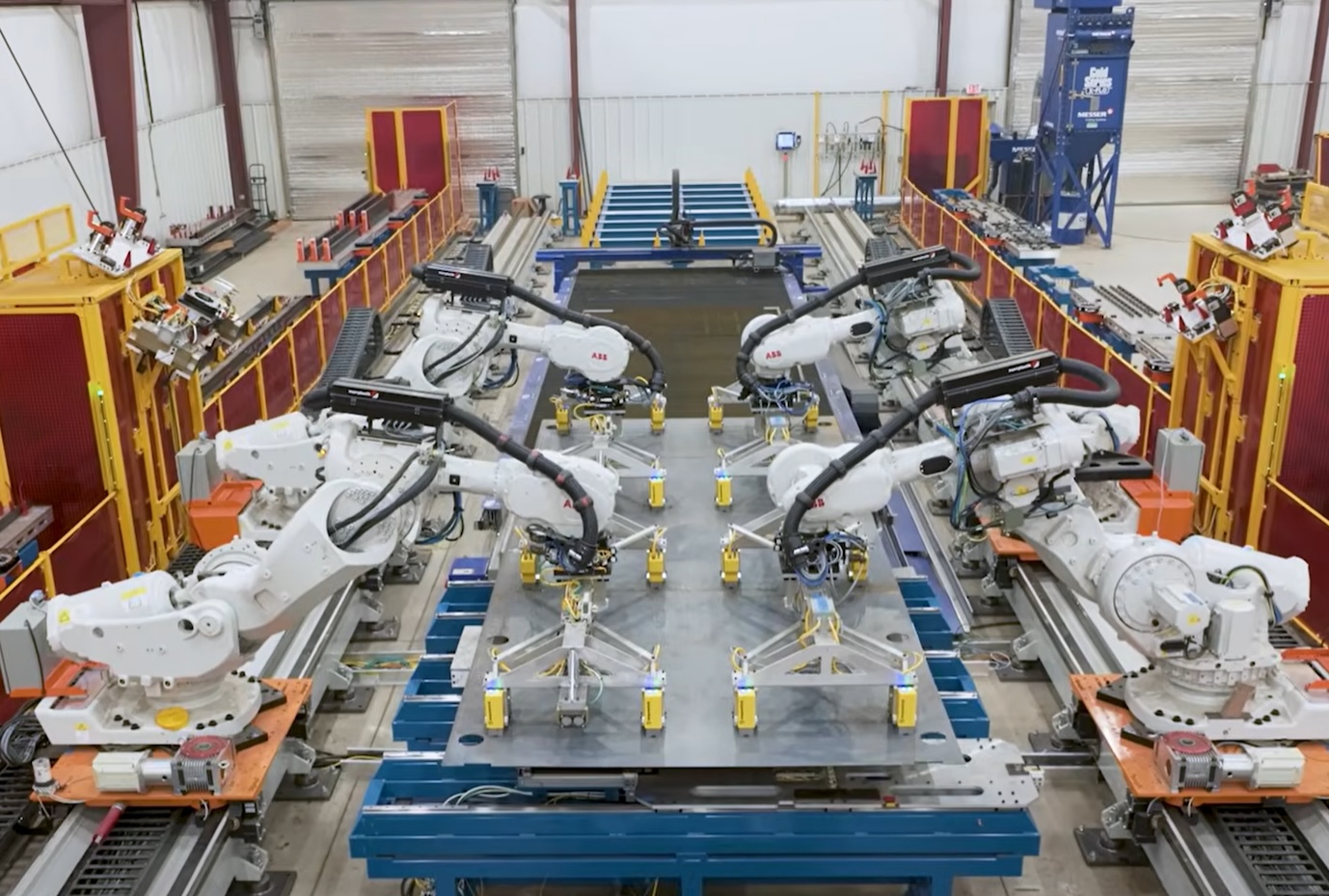
Exploring the Importance of Laser Marking in Automated Manufacturing Processes
Manufacturing is increasingly embracing automation and connectivity, necessitating efficient processes that align with automated production lines. A significant advancement in this area is the shift towards laser marking for product identification. Unlike traditional labeling or engraving, laser marking provides a permanent solution for marking components, enhancing durability and traceability. The transition to laser marking is crucial as it meets the demands of modern manufacturing, where speed and precision are paramount. This technology not only improves the efficiency of production lines but also ensures that products are easily identifiable throughout their lifecycle. As manufacturers seek to optimize their operations, laser marking stands out as a reliable method for maintaining quality and compliance. Looking ahead, the adoption of laser marking technology is expected to grow as more manufacturers recognize its benefits. Companies will likely continue to invest in this technology to enhance their production capabilities. No further timeline was disclosed at the time of publication.
Design Engineering Manufacturing automated manufacturing digital manufacturing factory automation
The Impact of Surface Finish on Robot Reliability in Industrial Automation
In the realm of industrial automation, robot failures typically do not stem from sudden, catastrophic events. Instead, issues often originate at contact points such as terminals, busbars, connectors, or components that have endured years of operation in challenging conditions, including humidity, load, and temperature fluctuations. Understanding the significance of surface finish is crucial, as it plays a vital role in the longevity and reliability of robotic systems. A metal surface, despite being a minor part of the overall assembly, can greatly influence performance and durability, particularly in environments where wear and corrosion are prevalent. Looking ahead, it is essential for manufacturers and engineers to prioritize surface finish quality to enhance robot reliability. As automation continues to evolve, the focus on maintaining optimal surface conditions will be critical in preventing failures and ensuring the smooth operation of robotic systems. No further timeline was disclosed at the time of publication.
Design Engineering aluminium automation systems busbars corrosion resistance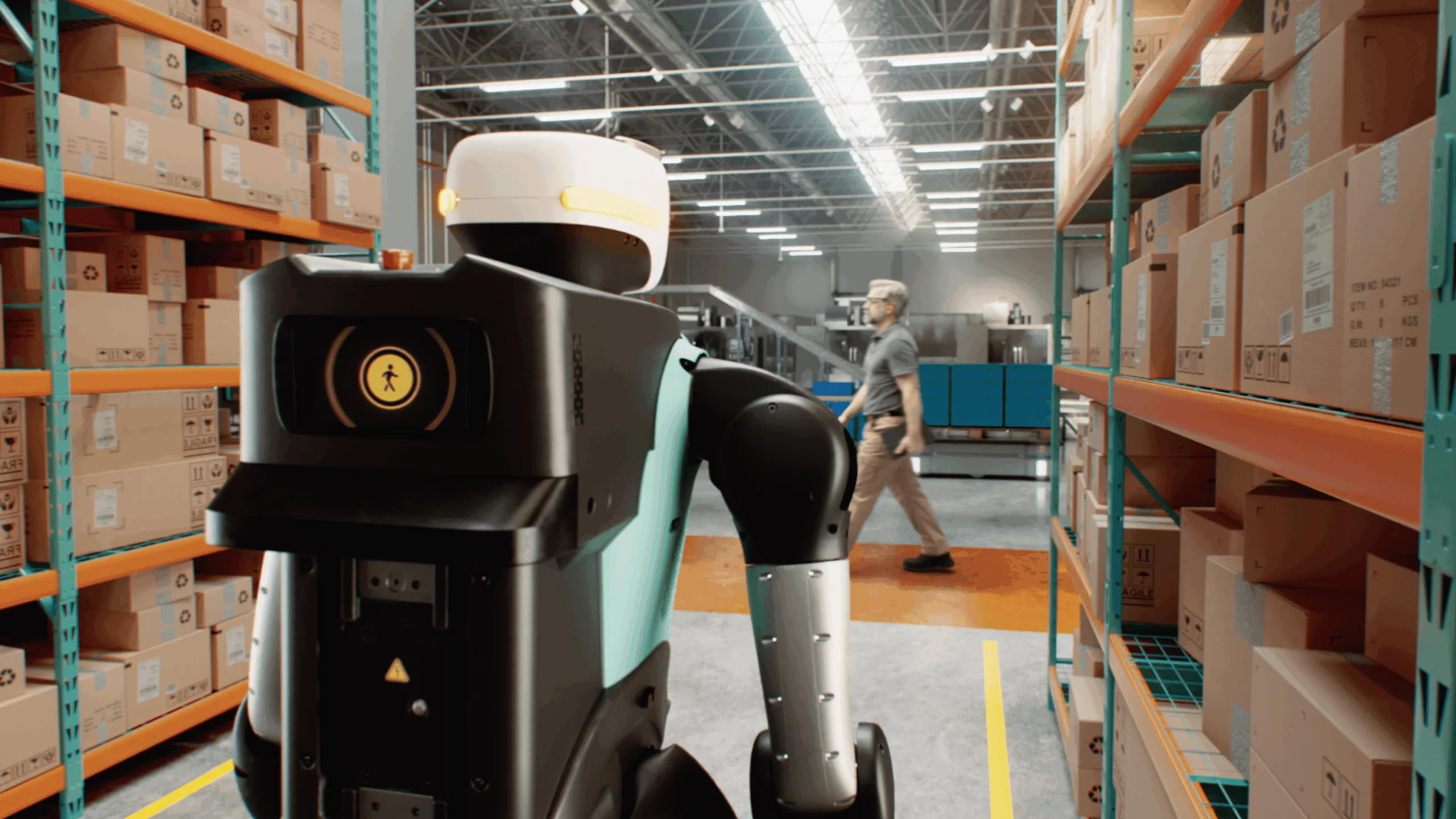
Agility Robotics Launches Digit 5 Featuring Enhanced Payload, Rapid Charging, and Advanced Safety Systems
Agility Robotics has introduced Digit 5, a humanoid robot capable of lifting up to 50 pounds and recharging in just nine minutes. This new model includes advanced safety features that allow it to operate closer to humans in industrial settings, reducing the need for physical barriers. The company plans to make Digit 5 commercially available in the EU and UK starting in 2027, marking its first expansion outside North America. The significance of Digit 5 lies in its enhanced capabilities and safety architecture, which were developed based on customer feedback from the previous model, Digit 4. With features such as human detection, safety cues, and independent motion control, Digit 5 is designed to improve collaboration between robots and human workers in factories and warehouses. Agility's CEO, Peggy Johnson, emphasized that this model addresses key barriers to the adoption of humanoid robots in industrial environments. Looking ahead, Agility Robotics anticipates early access to Digit 5 in the first half of 2027, followed by broader availability by the end of that year. The company is also collaborating with Nvidia to integrate advanced safety systems, which could further enhance the robot's functionality in various industrial applications. No further timeline was disclosed at the time of publication.
AI AI Funding & Investment AI Use Cases Robotics Agility Robotics Amazon
China’s Dexterous Hand Industry, 2026 Part 3 — The Players
Five vendor archetypes, MIR’s composite top ten, eight company profiles and six field deployments — every firm linked to the RobotToday supplier directory.
China’s Dexterous Hand Industry, 2026 Part 2 — The Technology
Linkage, tendon, direct drive or hybrid — and why hardware is converging while the DL1–DL5 manipulation scale decides who wins. Part 2 of 3.
China’s Dexterous Hand Industry, 2026 Part 1 — The Demand Picture
MIR Databank puts China dexterous hand shipments above 30,000 units in 2026, yet only 3.5% of 2025 demand came from factory production. Part 1 of 3.
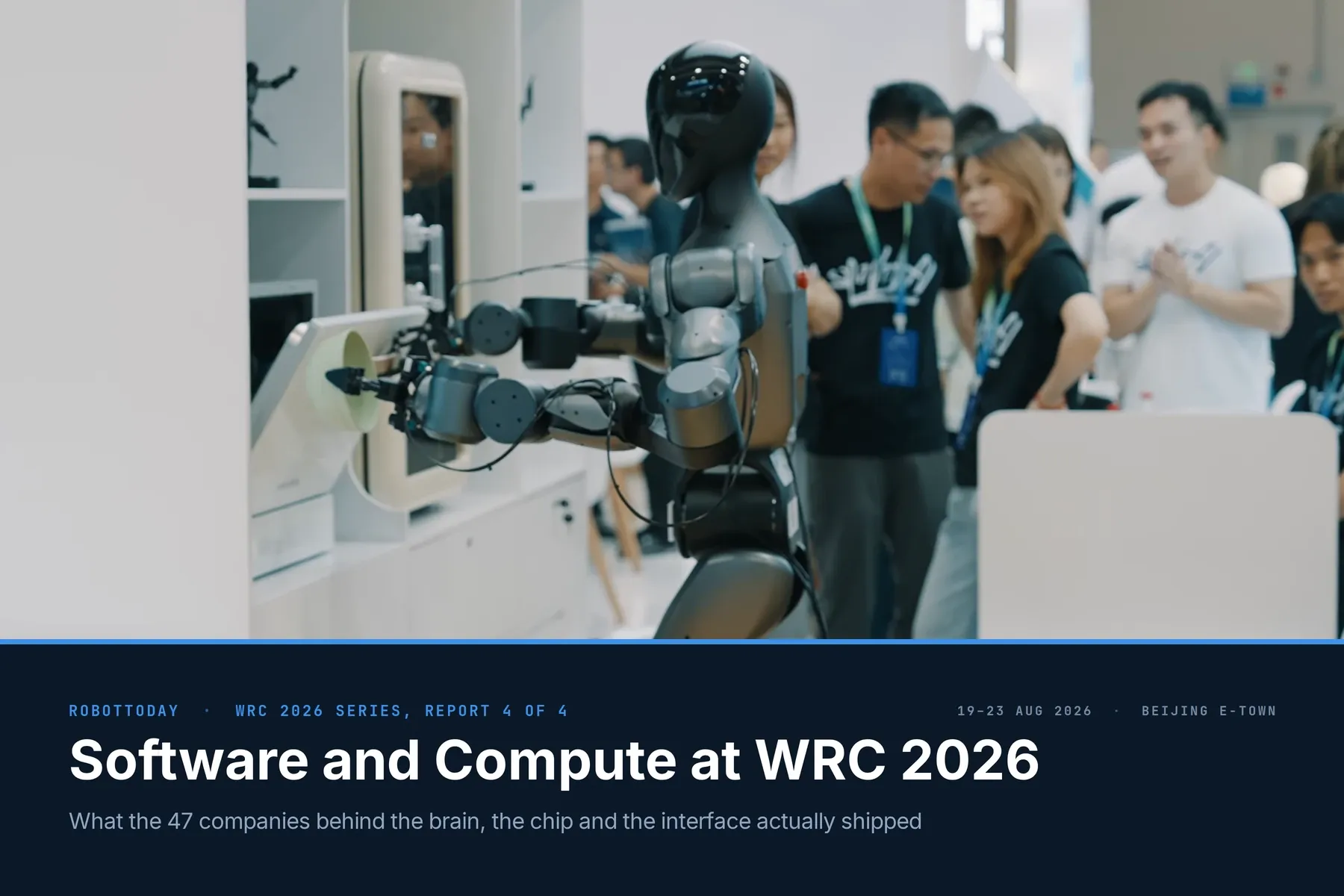
Software, Compute and Interaction at WRC 2026
47 WRC 2026 exhibitors supply robot software, compute or interaction — but only 19 call themselves software companies. Five open artefacts, licence-checked.
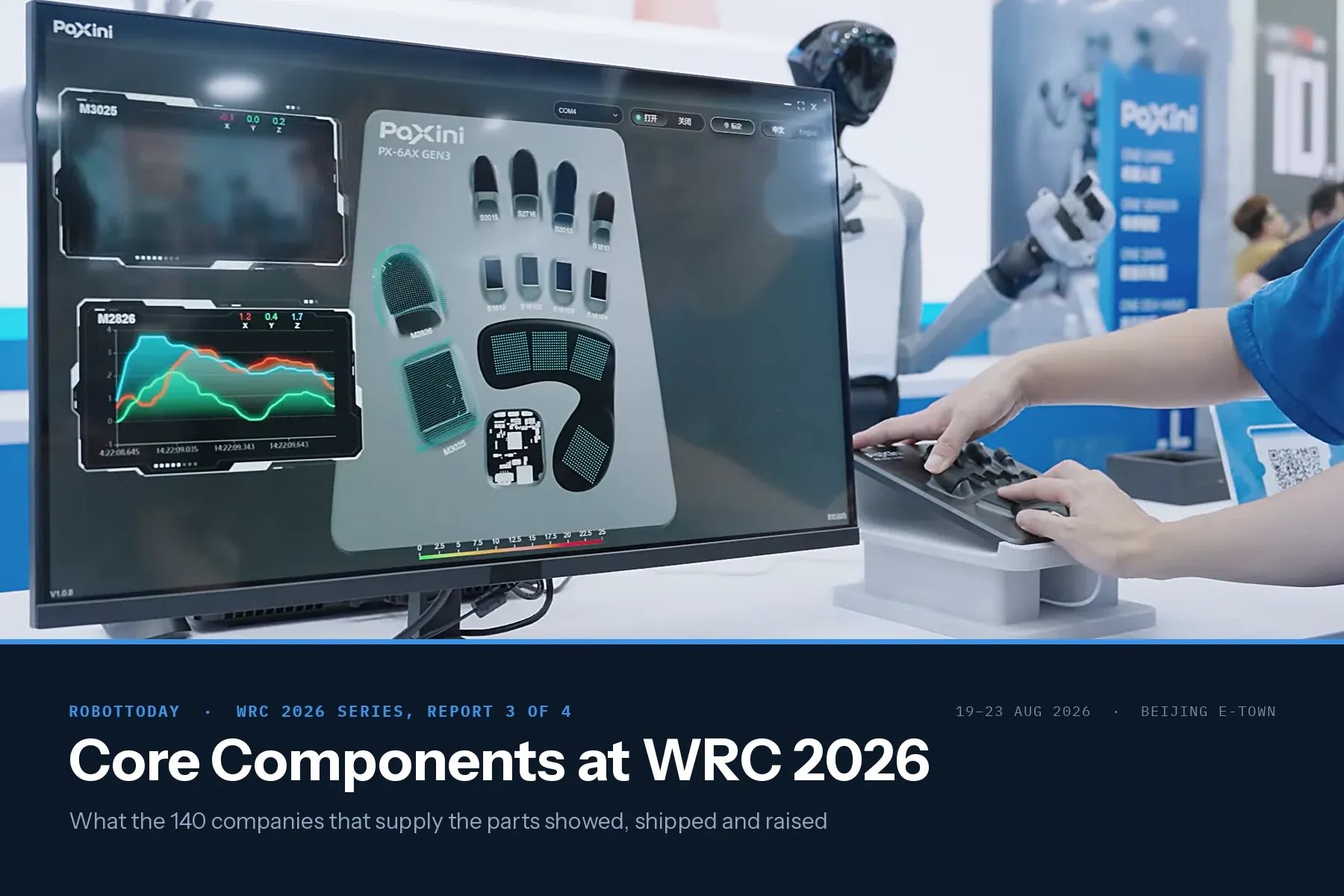
WRC 2026 Core Components: 137 Robot Parts Suppliers
The third report in the WRC 2026 series. Report 1 mapped all 248 exhibitors by category and Report 2 covered the 139 that build finished robots. This one covers the 137 that build what goes inside them.
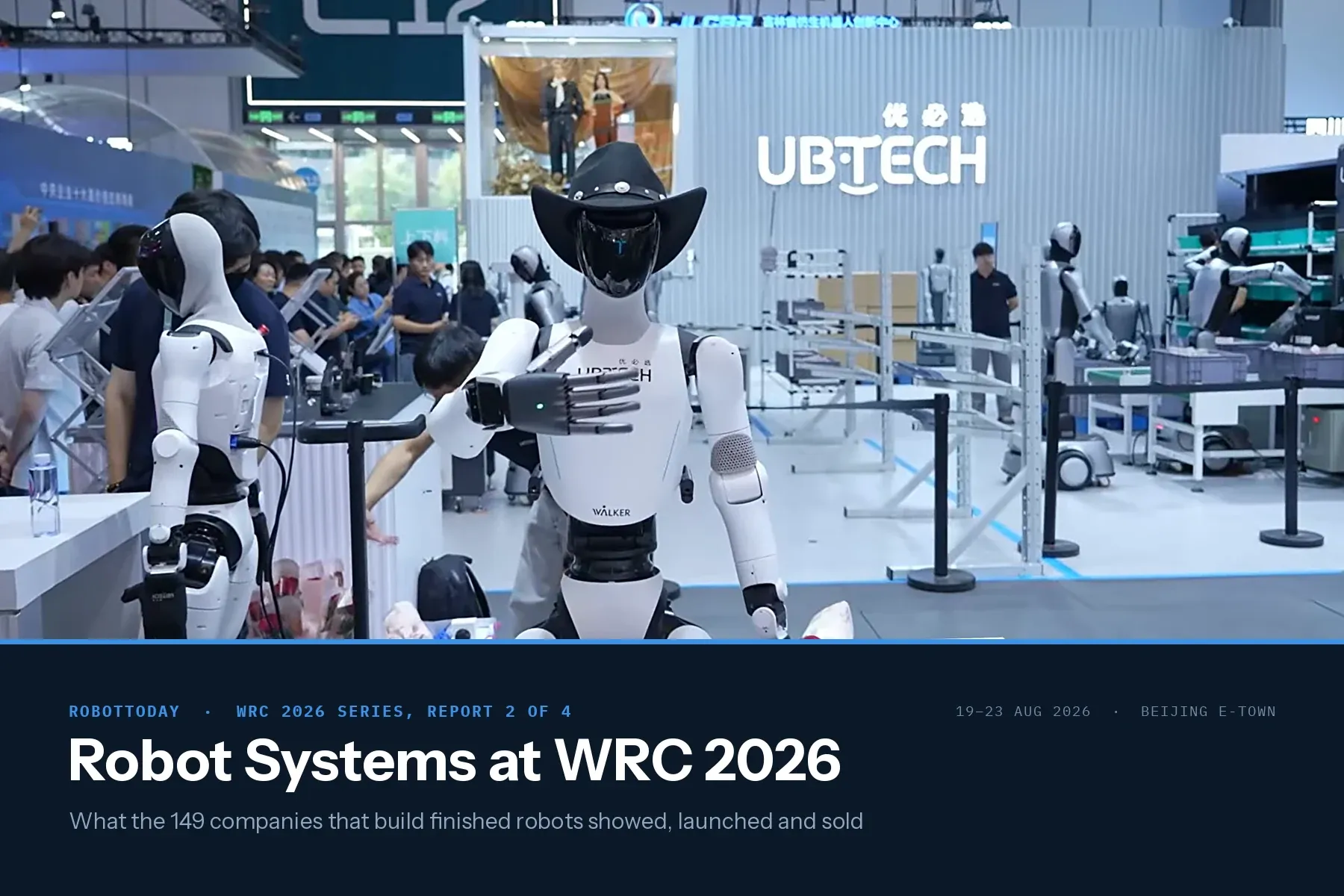
WRC 2026 Robot Systems: 149 Companies That Build Robots
149 of the 248 classified WRC 2026 exhibitors build finished robots. 93 build humanoid or legged machines. The audited humanoid sales number is one unit.

ROBOTTODAY Weekly August 10 – 14, 2026
Your weekly robotics briefing: Unitree's IPO is swamped by retail demand, the US puts 100% tariffs on imported drones, LG and Nvidia commit to a 2027 humanoid, and Uber and Pony.ai bring 2,000 robotaxis to Europe.

Inside Saga Robotics: UVC Light vs. Crop Disease
Saga Robotics CPO Damian Flynn on the Thorvald platform's UVC treatment system, its jump from UK strawberries to California wine grapes, and why he's “incredibly bullish” on applying automation and robotics into industries “most chaotic environment.”

