

SPG Industrial
"All About Motors and Gearheads"
US office of South Korea's SPG Co. (est. 1973), distributing AC/DC gearmotors, brushless motors, and precision gearheads from Schaumburg, IL.
Contact SPG Industrial
WEBSITE
https://www.spgmotor.net/PHONE
+1 847-439-4949HEADQUARTERS
United States

Company Facts
Founded
1973
Primary Role
Component Supplier
Company Size
-
Primary Region
North America
Annual Sales
-
Funding Stage
-
Funding Total
-
Martina Gartner Joins Schmalz Executive Management Team Effective October 1
Martina Gartner has officially joined the executive management team at Schmalz as of October 1. This appointment marks a significant addition to the leadership structure of the company, which specializes in vacuum technology and automation solutions. The inclusion of Gartner in the management team is important as it reflects Schmalz's commitment to enhancing its operational capabilities and strategic direction. Her experience is expected to contribute positively to the company's growth and innovation in the automation sector. Looking ahead, it will be interesting to observe how Gartner's leadership influences Schmalz's initiatives and market positioning. No further timeline was disclosed at the time of publication.
Allgemein Menschen & Meinungen
Camtastic GigE Cameras Deliver Reliability and Precision in Sugar-Cube Format
Camtastic has announced its GigE cameras, which provide exceptional image processing capabilities through a GigE-Vision platform. This platform ensures seamless integration and rapid deployment within a comprehensive GigE ecosystem. The introduction of these cameras is significant as they enhance the reliability and precision of image processing tasks, catering to various industrial applications. The GigE-Vision platform allows for efficient connectivity and interoperability, which is crucial for modern automation and imaging systems. Looking ahead, industry professionals should monitor the adoption of Camtastic's GigE cameras in various sectors that require high-performance imaging solutions. No further timeline was disclosed at the time of publication.
Allgemein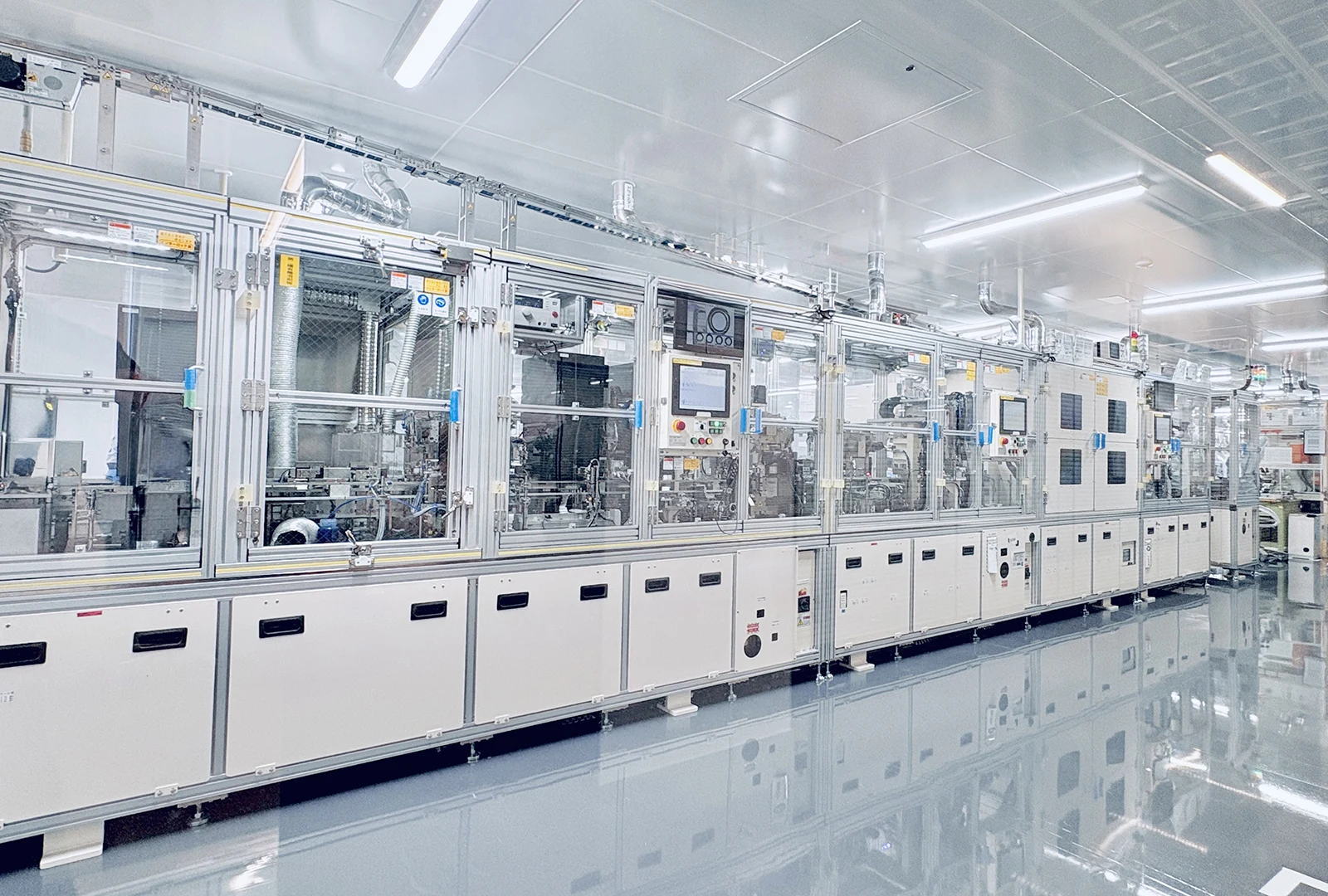
Panasonic Aims for Humanoid Robot Production by 2029, Emphasizing Battery Safety
Panasonic Holdings has announced its intention to develop humanoid robots, with production slated to begin by 2029, as stated by Chief AI Officer Akira Sakakibara. The company plans to target factory production lines and warehouses, although the project is still in its early stages. Research and development on necessary AI models and technologies has commenced, but specific achievements remain undisclosed. The significance of this initiative lies in Panasonic's focus on battery safety, which Sakakibara believes is crucial for overcoming barriers to the adoption of humanoid robots. He noted that Panasonic Energy's batteries have not been linked to serious fire incidents, positioning the company to potentially lead in safer humanoid robotics. Panasonic's existing components for humanoid robotics, such as power-management devices and sensors, provide a solid foundation for this new venture. Looking ahead, the next milestone to observe will be the unveiling of a robot design or a working demonstration that showcases the capabilities of the planned humanoids. No further timeline was disclosed at the time of publication.
Panasonic Japan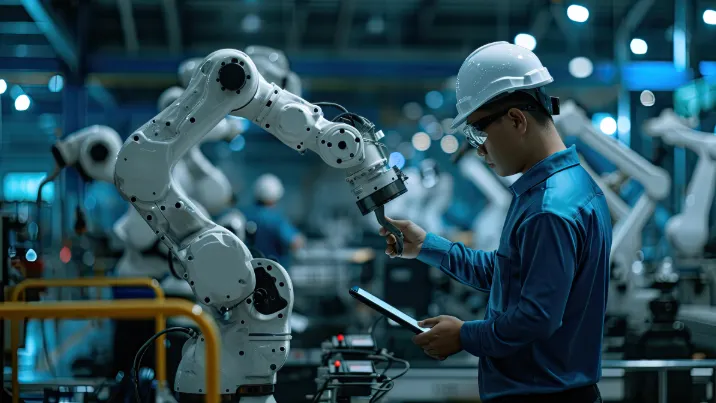
Manufacturers Face Challenges in Implementing AI on the Shop Floor
A recent report highlights that while 75% of manufacturers have integrated AI into their enterprise strategies, only 20% of these initiatives achieve their business goals. This gap underscores the need for better integration of AI with operational systems and human decision-making processes. The Infosys Manufacturing Tech Index: AI Pulse indicates that the success of AI in manufacturing is closely tied to the convergence of information technology (IT) and operational technology (OT). Effective AI applications require a cohesive operating view that combines data from various sources, including production telemetry, enterprise systems, and maintenance records. Looking ahead, manufacturers must focus on bridging the IT/OT divide to enhance AI's impact on production decisions. The integration of predictive maintenance, digital twins, and computer vision systems will be crucial for enabling real-time responses and improving operational efficiency. No further timeline was disclosed at the time of publication.

Hitachi Collaborates with Agile Robots to Advance Physical AI for Manufacturing Automation
Hitachi has entered into a partnership with Agile Robots to develop physical AI systems aimed at automating complex factory tasks that require human adaptability. This collaboration merges Hitachi's expertise in AI, manufacturing, and edge computing with Agile Robots' advanced robotics platform, including their humanoid robot and AI-driven software. The significance of this partnership lies in its potential to enhance manufacturing processes by enabling robots to recognize changing conditions and make autonomous decisions. This aligns with Hitachi's broader initiative to create an HMAX Industry ecosystem, which aims to promote more autonomous manufacturing solutions globally. Looking ahead, the partnership is expected to expand Agile Robots' applications in various sectors, including automotive manufacturing and healthcare. No further timeline was disclosed at the time of publication.
Business & Markets Humanoids Physical AI AI Germany humanoid robotics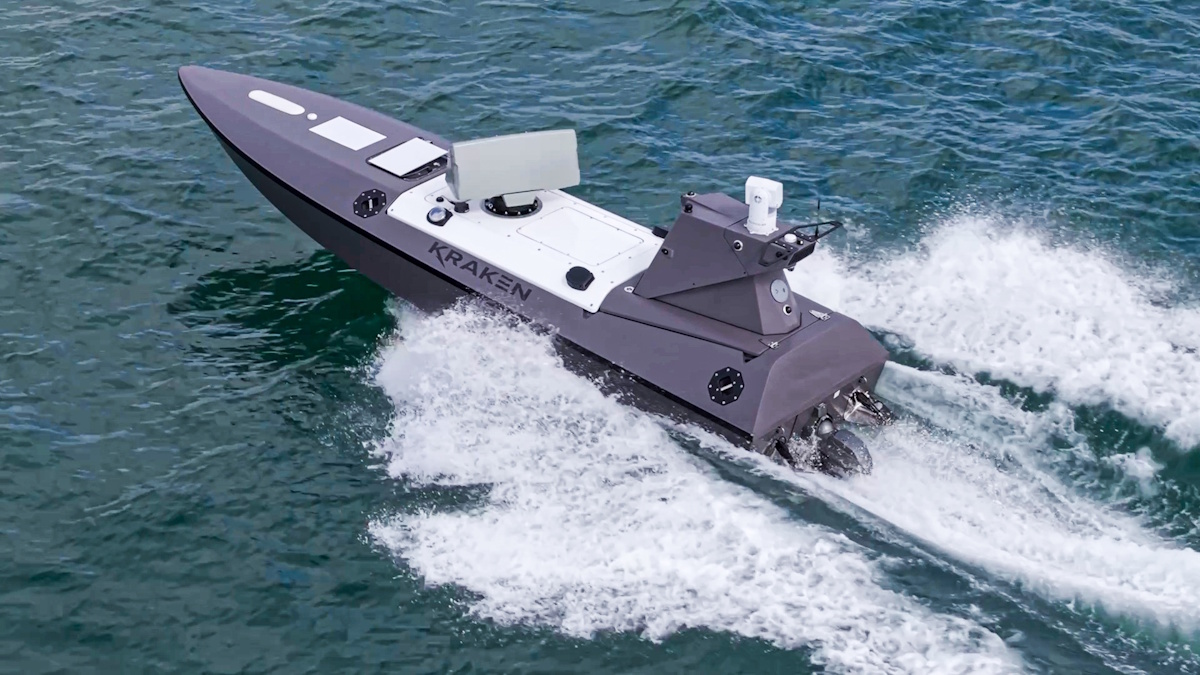
Saab UK and Kraken Develop Experimental Autonomous 'Drone Seeker' Vessel
Saab UK and Kraken have announced the development of an experimental autonomous 'drone seeker' vessel aimed at enhancing maritime security against aerial threats. This prototype integrates Saab's Giraffe 1X radar with Kraken's K3 Scout platform, creating a counter-UAS system that can operate independently or alongside traditional vessels. The collaboration is significant as it aligns with the UK Government's Defence Investment Plan, promoting a hybrid navy concept where autonomous vessels work in tandem with conventional assets. The Giraffe 1X radar is designed to detect and track airborne threats, providing early warnings of drone incursions, which is crucial for protecting shipping and critical infrastructure. Currently in the experimental phase, the prototype has undergone sea trials to assess its radar performance. The rapid development, completed in under seven months, showcases the capabilities of both companies to address evolving maritime security needs. No further timeline was disclosed at the time of publication.
saab uk kraken collaboration autonomous ‘drone seeker’ vessel
Panasonic Plans to Develop Humanoid Robots, Targeting Production by 2029
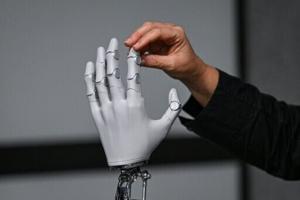
Panasonic Holdings has announced its intention to develop humanoid robots, as confirmed by Akira Sakakibara, the company's chief AI officer, in a recent interview. The Japanese technology firm aims to commence production of these robots by the year 2029, focusing on their application in plants and warehouses. This initiative is significant as it highlights Panasonic's strategic move to leverage its existing battery business in the robotics sector. The development of humanoid robots could enhance operational efficiency in various industrial settings, aligning with the growing trend of automation and AI integration in manufacturing processes. Looking ahead, industry observers will be keen to see how Panasonic's plans unfold and whether they can successfully integrate their battery technology into the design and functionality of these humanoid robots. No further timeline was disclosed at the time of publication.
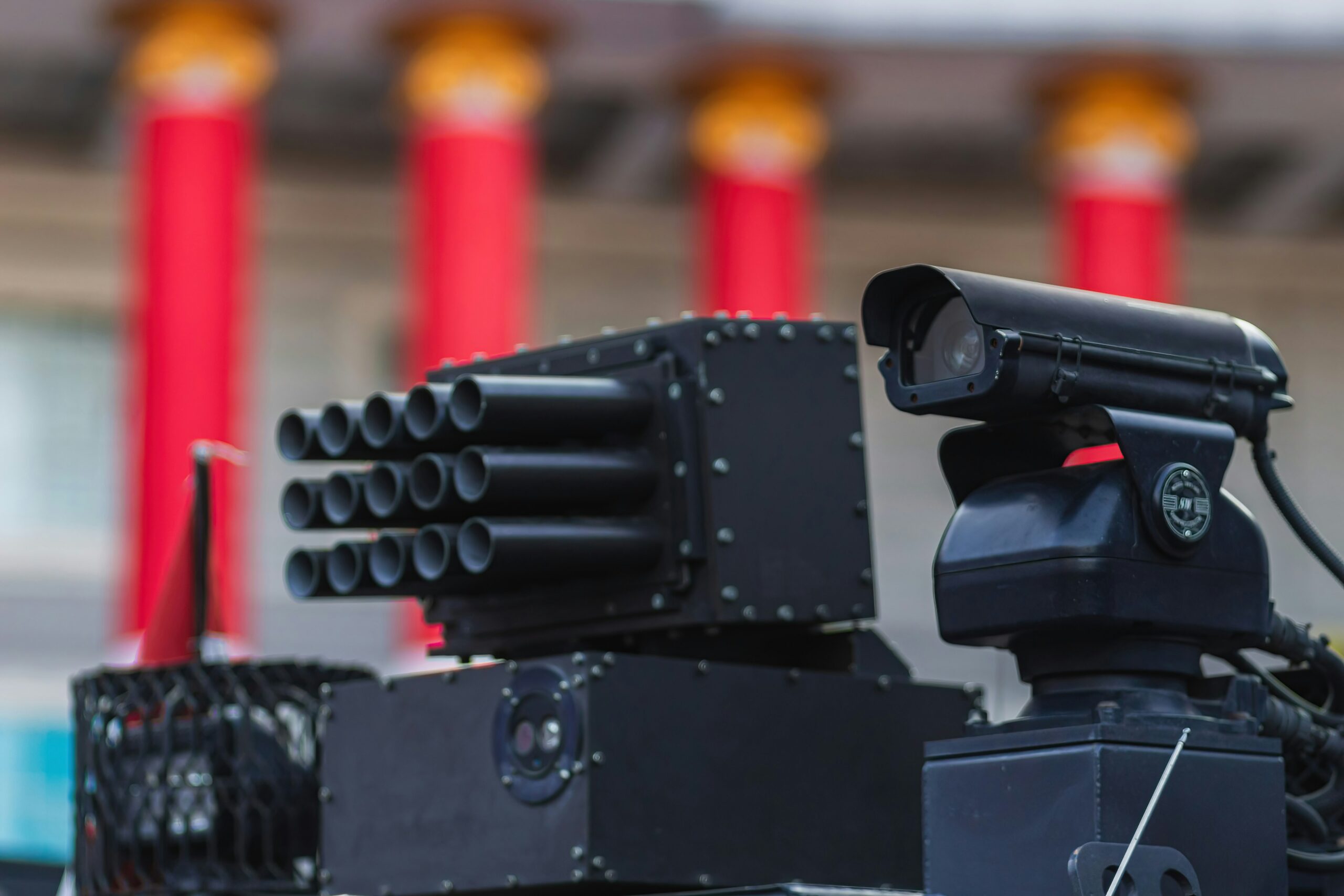
Robotics and Physical AI Addressing Key Physical Security Challenges in 2026
In 2026, over $23 billion has been invested in enhancing the integration of robotics and artificial intelligence for physical security. This investment aims to address the increasing complexity of threats against critical infrastructure, such as data centers and manufacturing plants. The adaptive capabilities of these technologies are essential for organizations to protect their assets effectively. The intersection of cybersecurity and physical protection presents new challenges, as demonstrated by the Jaguar Land Rover incident, where cyber breaches led to significant operational disruptions. Organizations must adapt to a rapidly changing security landscape, where legacy systems can exacerbate vulnerabilities. The need for proactive security measures is more pressing than ever, particularly in critical industries. At GTC Taipei 2025, companies like Foxlink showcased innovations such as the “robot dog,” designed to enhance physical security through adaptive functions and smart sensors. This technology represents a shift towards a more proactive security environment, enabling organizations to respond to complex threats effectively. No further timeline was disclosed at the time of publication.
Artificial Intelligence Artificial Intelligence / Cognition Automotive Autonomous Mobile Robots (AMRs) Cameras / Imaging / Vision Manufacturing
UC3M and UPNA Develop Advanced Soft Robotic Gripper for Object Manipulation
Professors at Universidad Carlos III de Madrid (UC3M) and Universidad Pública de Navarra (UPNA) have created a soft robotic gripper that can pick up, hold, and manipulate objects. This innovative gripper is designed to reposition items securely between its fingers without losing grip. The development of this soft robotic gripper is significant as it enhances the dexterity and functionality of robotic systems, making them more versatile in handling various objects. This advancement could lead to improved applications in fields such as logistics, manufacturing, and healthcare, where precise manipulation is essential. Looking ahead, the implications of this technology could reshape how robots interact with their environment. No further timeline was disclosed at the time of publication.
Robotics
IROS 2026 Closing Briefing — Pittsburgh, Sep 27–Oct 1
IROS 2026 closes in Pittsburgh with 1,900+ papers and 186 exhibitor listings. Humanoids, dexterous hands, tactile sensing and robot data led the show.

The Patent Office Will Determine Winners in the Physical AI Race
Lightbringer's co-founders emphasize that advancements in AI, machine learning, and automation have transformed robotic capabilities. As competition escalates, success in the physical AI race is increasingly tied to ownership of the technology that governs robot behavior rather than the robots themselves. This complex intellectual property landscape requires robotics founders to strategically patent their innovations to avoid being outmaneuvered by competitors. The importance of a robust patent strategy is underscored by the experiences of startups, which often falter when they delay patenting their core technologies. The legal battle between Boston Dynamics and Ghost Robotics over core technology illustrates the critical nature of intellectual property in robotics. Startups, particularly in swarm robotics, face unique challenges in patenting behaviors that emerge from interactions among machines, raising questions about the patentability of such innovations. As the robotics industry evolves, the potential for patent disputes is expected to grow, reminiscent of the smartphone industry's past. A strong patent portfolio is essential for startups to navigate this landscape effectively, ensuring they protect their innovations before competitors can claim them. No further timeline was disclosed at the time of publication.
Artificial Intelligence Business Resources Manufacturing News Opinion Software / Simulation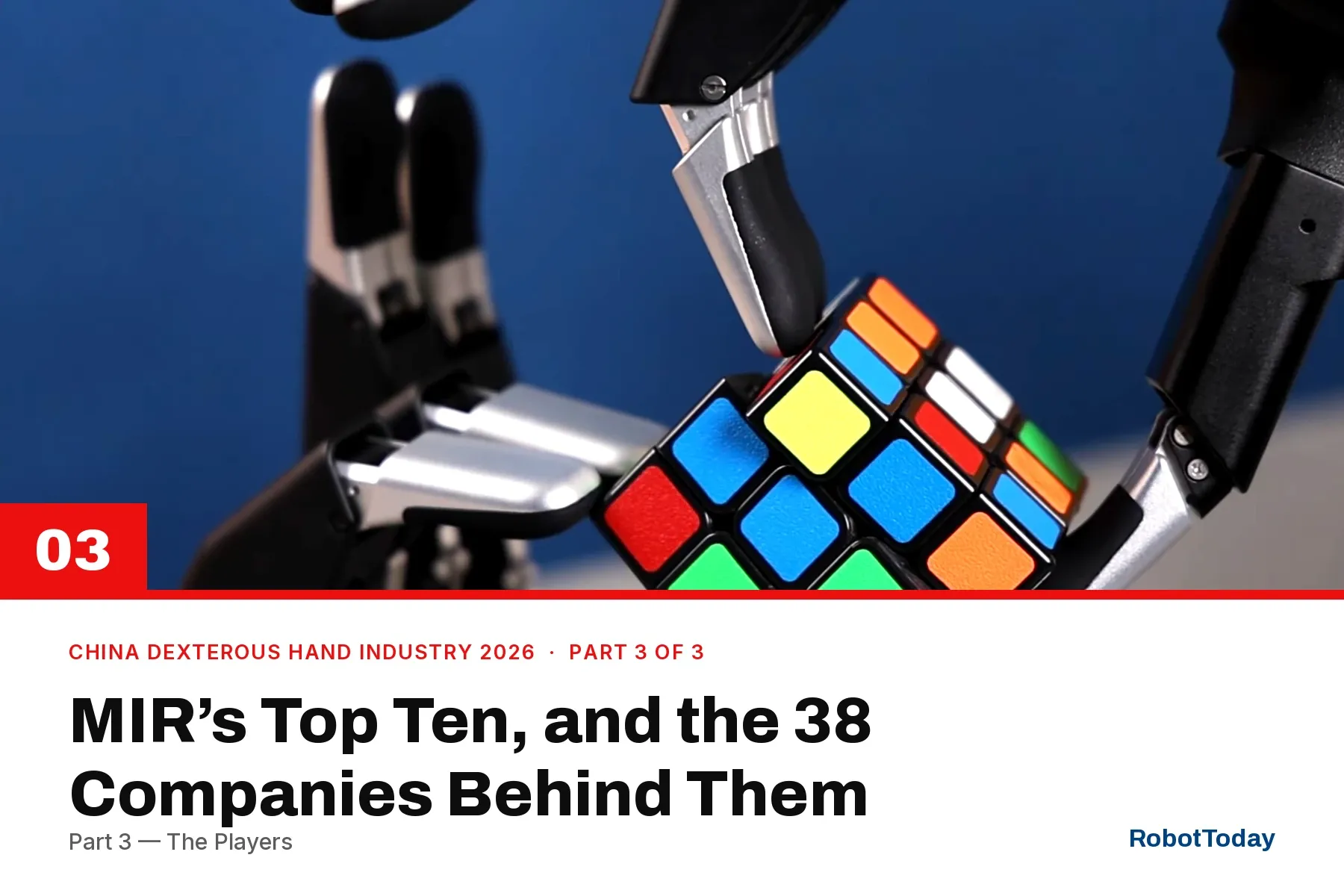
China’s Dexterous Hand Industry, 2026 Part 3 — The Players
Five vendor archetypes, MIR’s composite top ten, eight company profiles and six field deployments — every firm linked to the RobotToday supplier directory.
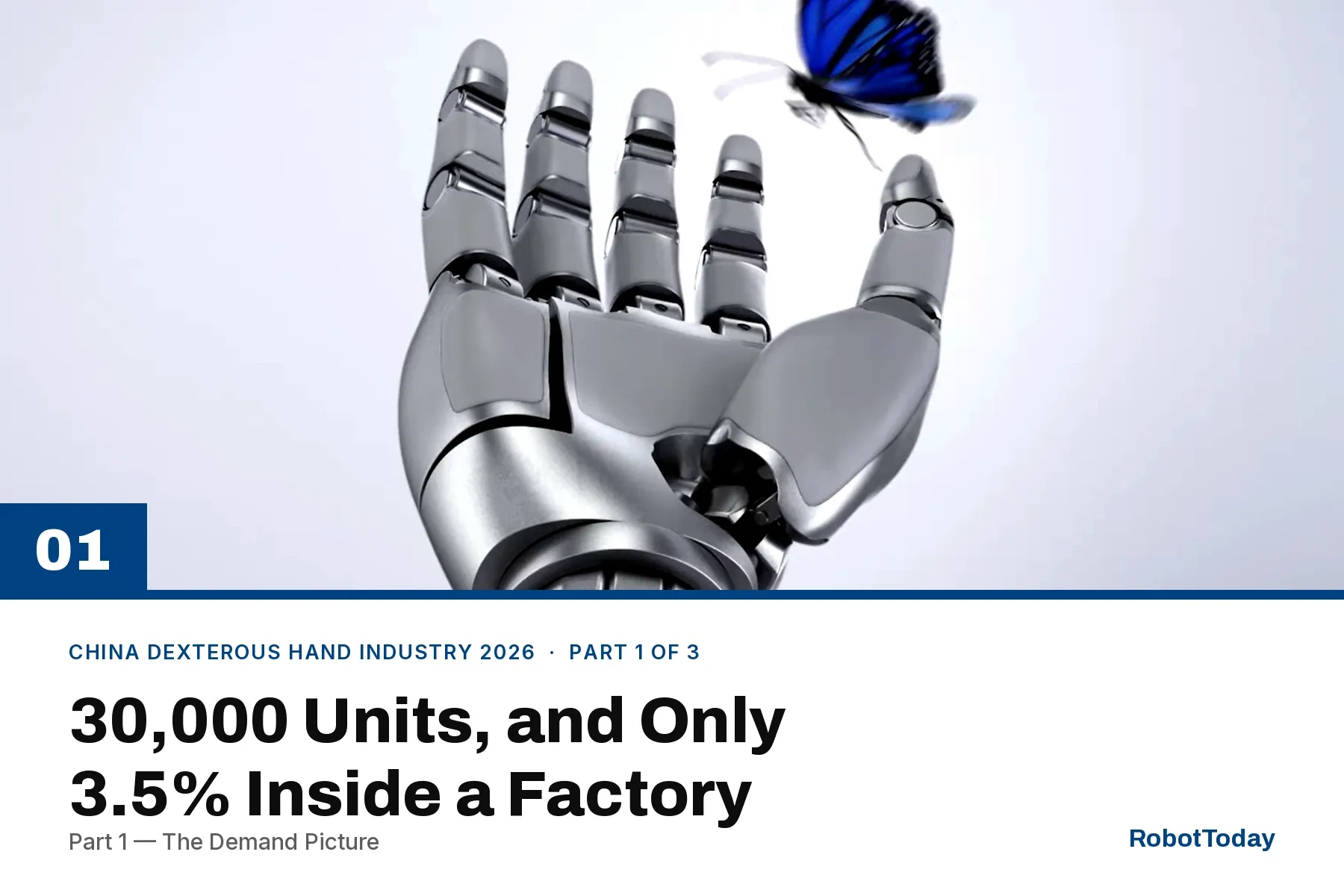
China’s Dexterous Hand Industry, 2026 Part 1 — The Demand Picture
MIR Databank puts China dexterous hand shipments above 30,000 units in 2026, yet only 3.5% of 2025 demand came from factory production. Part 1 of 3.
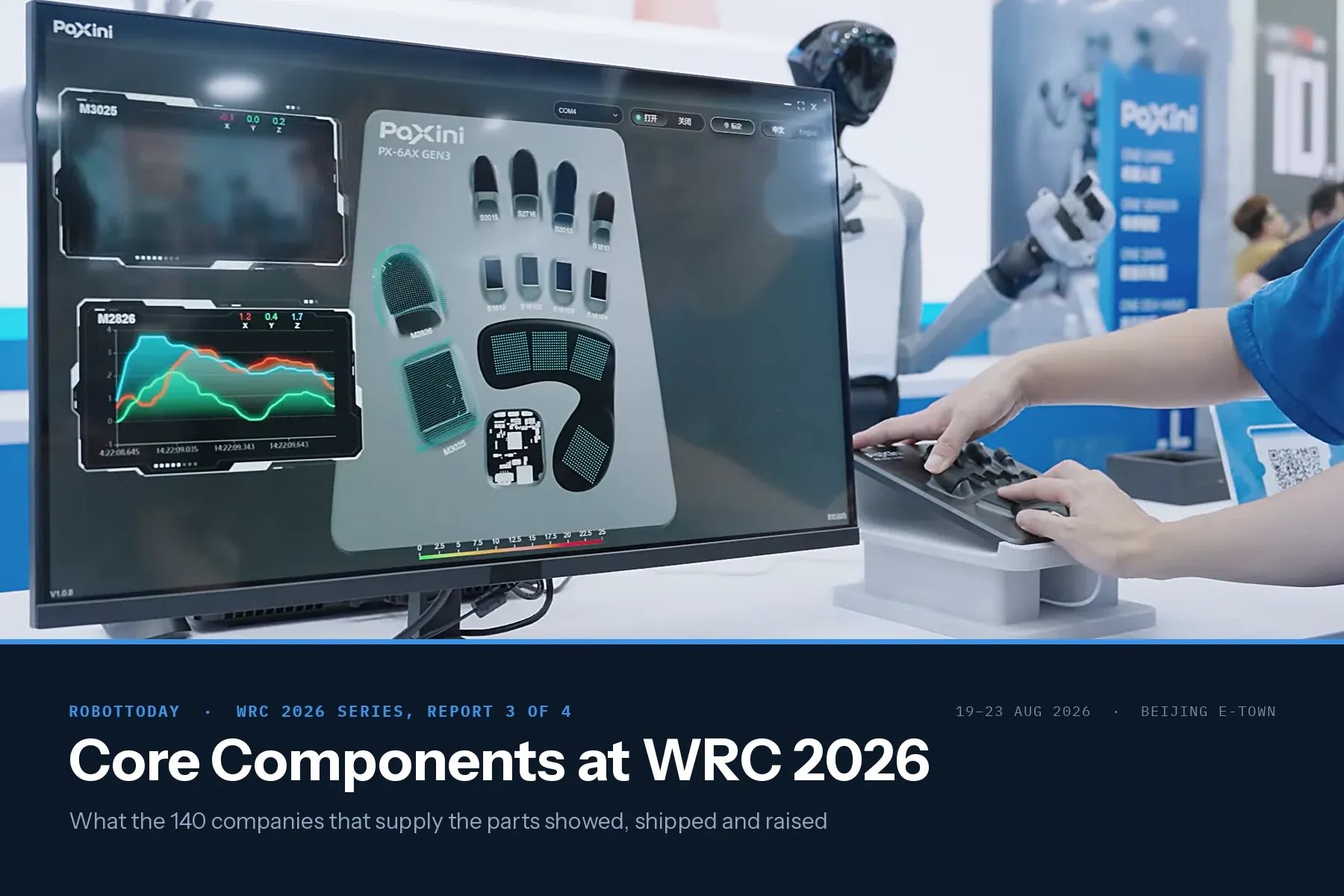
WRC 2026 Core Components: 137 Robot Parts Suppliers
The third report in the WRC 2026 series. Report 1 mapped all 248 exhibitors by category and Report 2 covered the 139 that build finished robots. This one covers the 137 that build what goes inside them.

WRC 2026 Exhibitor Map: 248 Robotics Companies Mapped
We classified 248 WRC 2026 exhibitors with the RobotToday taxonomy. Motion & Actuation leads at 75 companies, Humanoid at 72, and compute stays thin at 12. (Modified 2026-08-27)

Introduction to Robotics J. J. Craig — RSF Top 10 Robot Education Textbooks · No. 6
Six of ten benchmark universities teach kinematics from Craig. Frames, transforms and D-H parameters: the language vendor manuals already speak.

Mechatronics W. Bolton — RSF Top 10 Robot Education Textbooks · No. 1
Bolton's Mechatronics ranks No.1 for robot service engineers: encoders, drives, sensors and the Layer 2 faults most textbooks skip. Difficulty 2/5.

Pittsburgh Regional Alliance Convenes Nine CMU-Rooted Robotics Firms at Automate 2026
At Automate 2026, the Pittsburgh Regional Alliance convened nine robotics firms — most spun out of Carnegie Mellon — spanning materials, perception and AMRs.

CONSTRUCTION ROBOTICS | BUSINESS MODELS & INVESTMENT LANDSCAPE
Construction robotics attracted $4.4 billion in built environment tech funding through Q3 2025. SoftBank acquired ABB Robotics for $5.375 billion. RaaS is displacing capex models. AI-native platforms command 39x revenue multiples. This is where money meets machines.
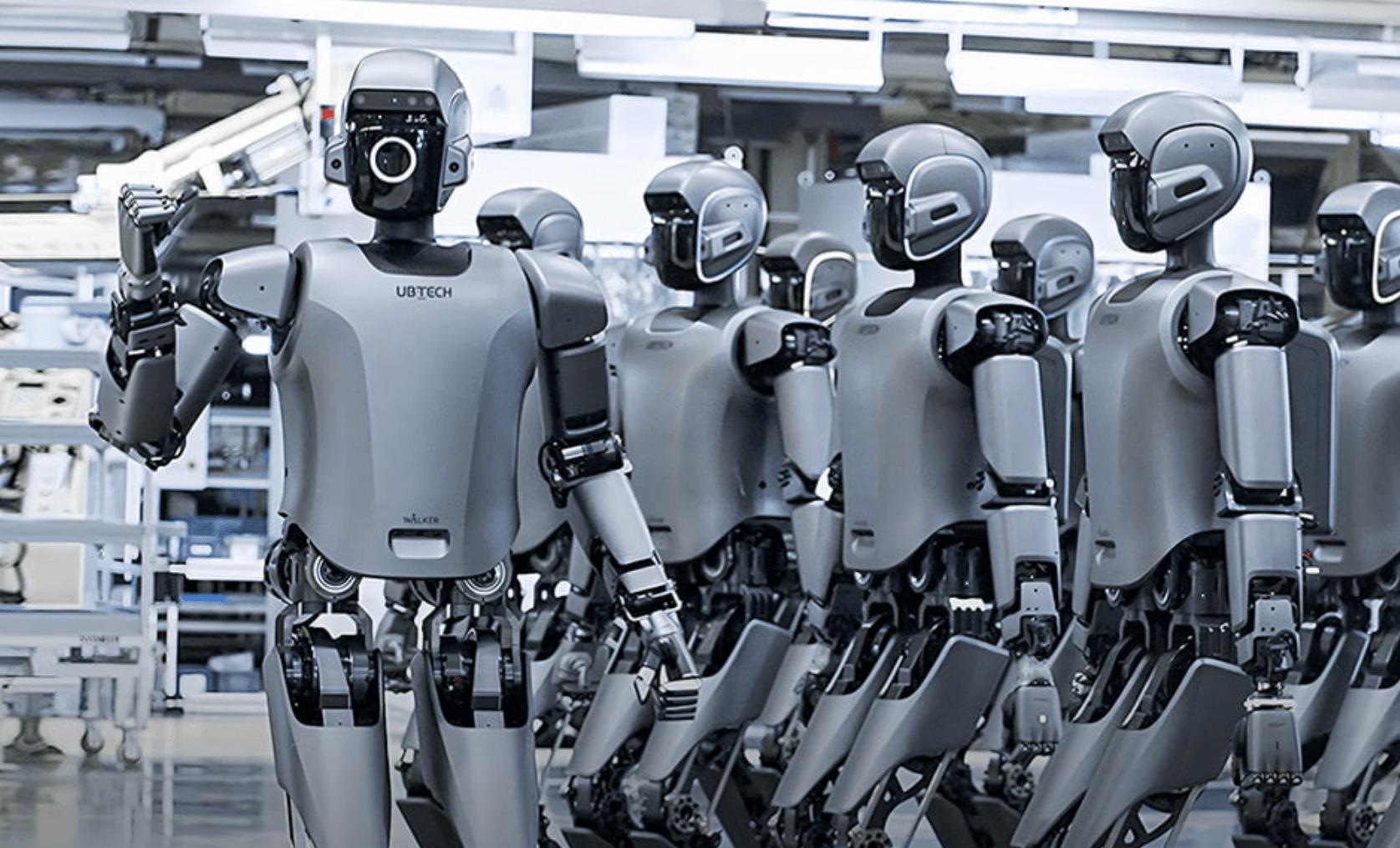
U.S. Moves to Ban Chinese Robots: Supply Chain Shock or Strategic Decoupling?
A bipartisan U.S. bill targets Chinese humanoid and autonomous robots in federal procurement. We analyse the supply chain, investor, and geopolitical implications for both China and U.S. robotics markets.


