


Soma GmbH (DE)
German special-purpose machine builder with 50+ years of experience in automated test systems, production inspection, and industrial plant engineering. Serves automotive e-mobility (800V drive controller testing) and building technology sectors.
Contact Soma GmbH (DE)
WEBSITE
https://www.soma-prueftechnik-automation.dePHONE
+49 7422 5100-0HEADQUARTERS
Company Facts
Founded
-
Primary Role
-
Company Size
-
Primary Region
-
Annual Sales
-
Funding Stage
-
Funding Total
-
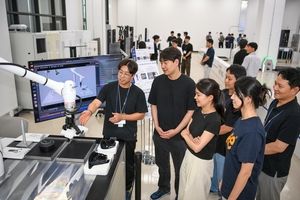
Hyundai Mobis Unveils 40 Advanced Smart Manufacturing Technologies at M-Sphere 2026
Hyundai Mobis showcased approximately 40 smart manufacturing technologies at the M-Sphere 2026 exhibition, highlighting the integration of artificial intelligence, robotics, and digital twins in automotive parts production. The event, held at the Quantum Center in Uiwang, Gyeonggi Province, attracted around 1,000 industry officials, including partners, under the theme 'Beyond Challenge, Into Reality.' The significance of this exhibition lies in Hyundai Mobis's commitment to enhancing manufacturing efficiency and safety through innovative technologies. Among the featured technologies was an autonomous transport robot currently being tested at the Ulsan chassis module plant, capable of independently locating and transporting components weighing up to 20 kilograms. This advancement aims to improve parts delivery accuracy while minimizing safety risks for workers. Looking ahead, Hyundai Mobis plans to further implement AI and digital twin technologies in production environments to bolster its manufacturing competitiveness. No further timeline was disclosed at the time of publication.
All News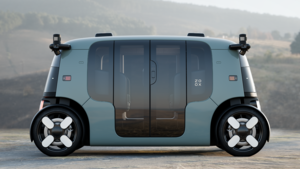
LG Innotek Expands Partnership with Zoox to Supply High-Resolution Camera Modules
LG Innotek is enhancing its collaboration with Zoox, Amazon's autonomous driving subsidiary, by providing high-resolution automotive camera modules for its robotaxis. This partnership has been in place since the early development stages of the robotaxi, and the latest agreement will see LG Innotek supply these advanced cameras over the coming years. The high-resolution cameras are integral to Zoox's sensor suite, offering 360-degree coverage through overlapping fields of view. LG Innotek's modules leverage precision optical design technology honed from years of experience in mobile device camera production. Designed to endure harsh weather conditions, these waterproof modules ensure stable performance in various environments. As Zoox ramps up its manufacturing capabilities with the opening of its first robotaxi production facility in California, LG Innotek's camera modules are being integrated into the vehicles. This collaboration marks a significant milestone in their ongoing partnership, positioning LG Innotek as a crucial supplier in the rapidly evolving autonomous vehicle sector. No further timeline was disclosed at the time of publication.
All News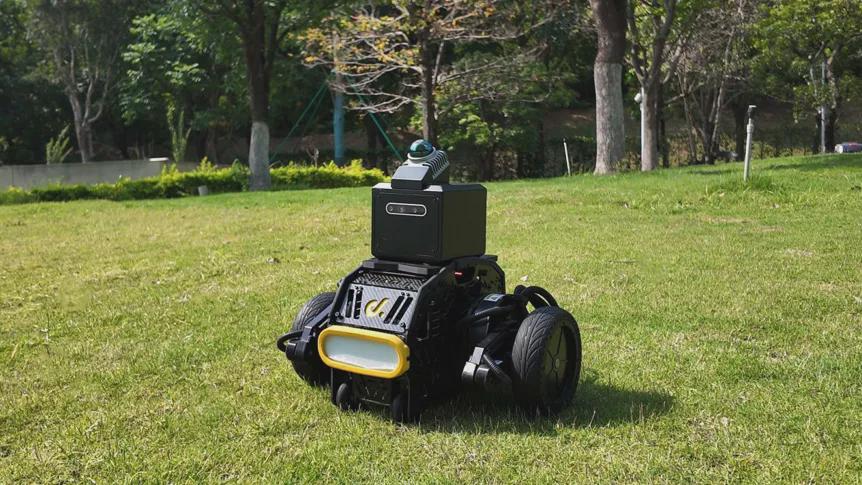
Is the Major Challenge in Embodied Intelligence Beyond Just the Brain?
The surge in embodied intelligence has led to a focus on large models, seen as the 'brain' of robots, expected to understand and plan tasks. However, many projects shortcut by combining purchased chassis with self-developed models, resulting in impressive demos that struggle in real-world scenarios. This highlights a critical gap: the disconnect between cognitive understanding and physical execution, as robots often fail to translate commands into actions. The industry has developed a tendency to prioritize the cognitive aspects of robotics while underestimating the importance of the physical components. This 'heavy brain, light body' approach allows for rapid demo completion but creates significant limitations. Real-world environments present challenges that simulations do not, and even minor obstacles can render advanced cognitive systems ineffective. The disparity between the cognitive and physical capabilities of robots raises questions about the future of embodied intelligence. While large models enhance cognitive limits, motion control and hardware define the operational baseline. The essence of embodied intelligence lies in the integration of cognition, motion control, and physical embodiment, emphasizing that neglecting physical capabilities can lead to a disconnect between thought and action.
Embodied Intelligence Robotics AI Models Motion Control Modular Robotics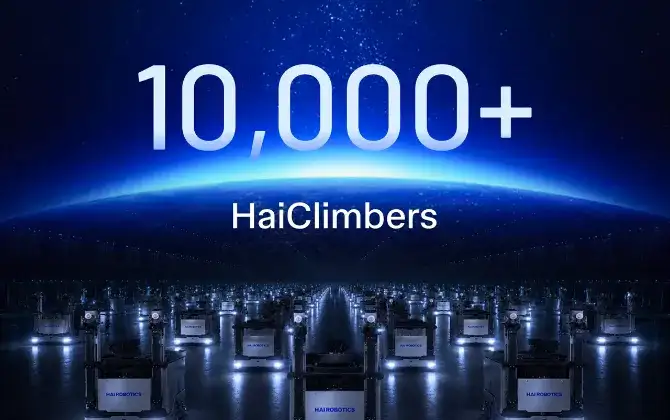
Hai Robotics Achieves 10,000 HaiPick Climb Robots Deployed Globally
Hai Robotics has announced that over 10,000 HaiPick Climb robots have been contracted for customer projects worldwide, marking a significant milestone in the solution's commercial growth. Since its global launch in 2025, HaiPick Climb has been adopted in 12 countries across various continents, including Asia, Europe, North America, South America, and Australia. The importance of this achievement lies in the growing customer base, which includes notable companies such as ANTA, Panasonic, and METTLER TOLEDO, spanning multiple industries like apparel, e-commerce, and healthcare. The reliability of HaiPick Climb has been a key focus for Hai Robotics, ensuring that the robots undergo rigorous testing and validation to support long-term stability and operational performance. Looking ahead, Hai Robotics plans to leverage insights gained from live customer projects to enhance the reliability and delivery standards of HaiPick Climb. As the solution continues to adapt to evolving warehouse environments and operational needs, it is positioned to support customers in achieving flexible and efficient automation solutions.
Warehouse Automation Robotics Logistics E-commerce Supply Chain Management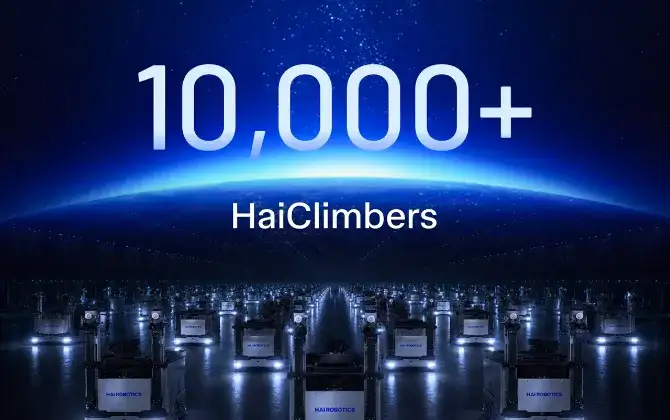
Hai Robotics Achieves 10,000 HaiClimber Robots Deployed Globally
Hai Robotics has announced that over 10,000 HaiClimber robots have been contracted for customer projects worldwide, marking a significant milestone in the solution's commercial growth. Since its global launch in 2025, HaiPick Climb has been implemented in 12 countries across various continents, including Asia, Europe, North America, South America, and Australia. This achievement highlights the growing adoption of HaiPick Climb among notable customers such as ANTA, Panasonic, and METTLER TOLEDO, spanning diverse industries like apparel, e-commerce, and healthcare. The company's commitment to reliability in warehouse automation has been evident since its inception, and the development of HaiPick Climb reflects years of engineering validation and refinement, ensuring long-term stability and performance. Looking ahead, Hai Robotics aims to leverage real-world project experiences to enhance the reliability and delivery standards of HaiPick Climb. As the solution continues to adapt to evolving workflows and operational requirements, it is expected to support stable fulfillment performance and facilitate future system expansions for customers worldwide. No further timeline was disclosed at the time of publication.
Warehouse Automation Robotics Logistics E-commerce Supply Chain Management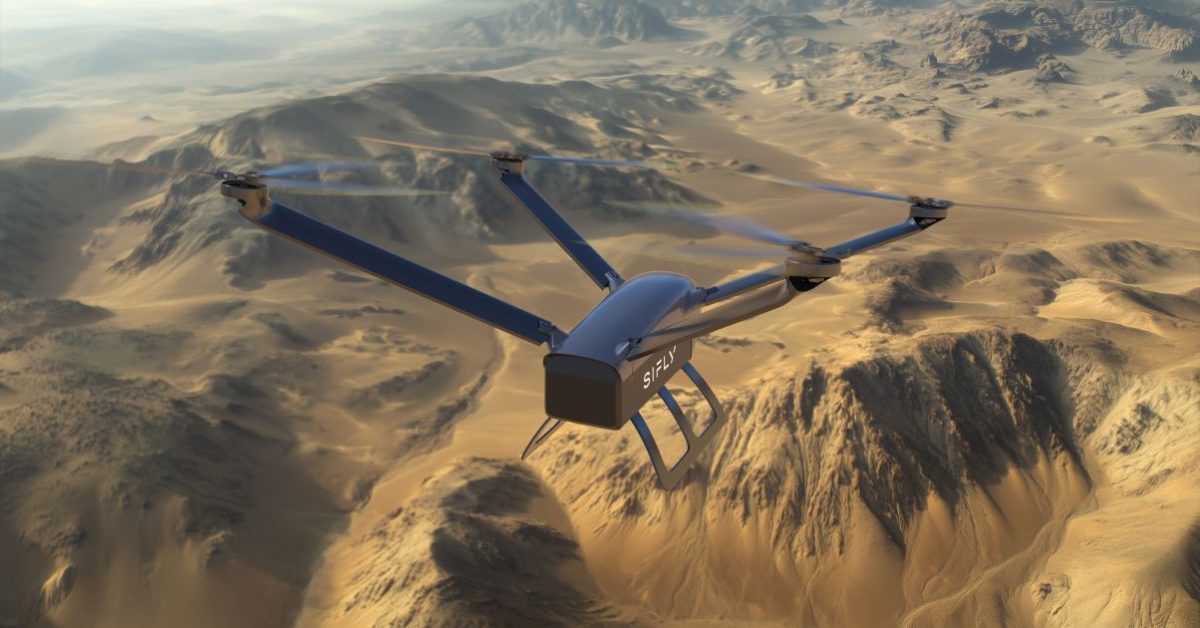
SiFly Aviation Secures $20 Million to Enhance Q12 Drone Production in the US
SiFly Aviation, based in California, has successfully raised $20 million in Series A funding to boost production of its Q12 electric drone and advance its DronePort infrastructure. This funding round was led by Shield Capital, with contributions from various investors including Qudit and BBK Capital. The significance of this funding lies in SiFly's claims regarding the Q12's capabilities, which reportedly include flying four to five times longer and up to 10 times farther than leading multirotor drones, while carrying payloads of up to 10 pounds. With thousands of test flights completed, including a Guinness World Record for the longest flight in its class, the Q12 is positioned to meet the needs of industries requiring longer flight times. Looking ahead, SiFly aims to leverage this funding to expand its manufacturing capabilities in the US and fulfill its order backlog. The company targets sectors such as public safety, utility inspection, and agriculture, where the Q12's extended range can significantly enhance operational efficiency. No further timeline was disclosed at the time of publication.
News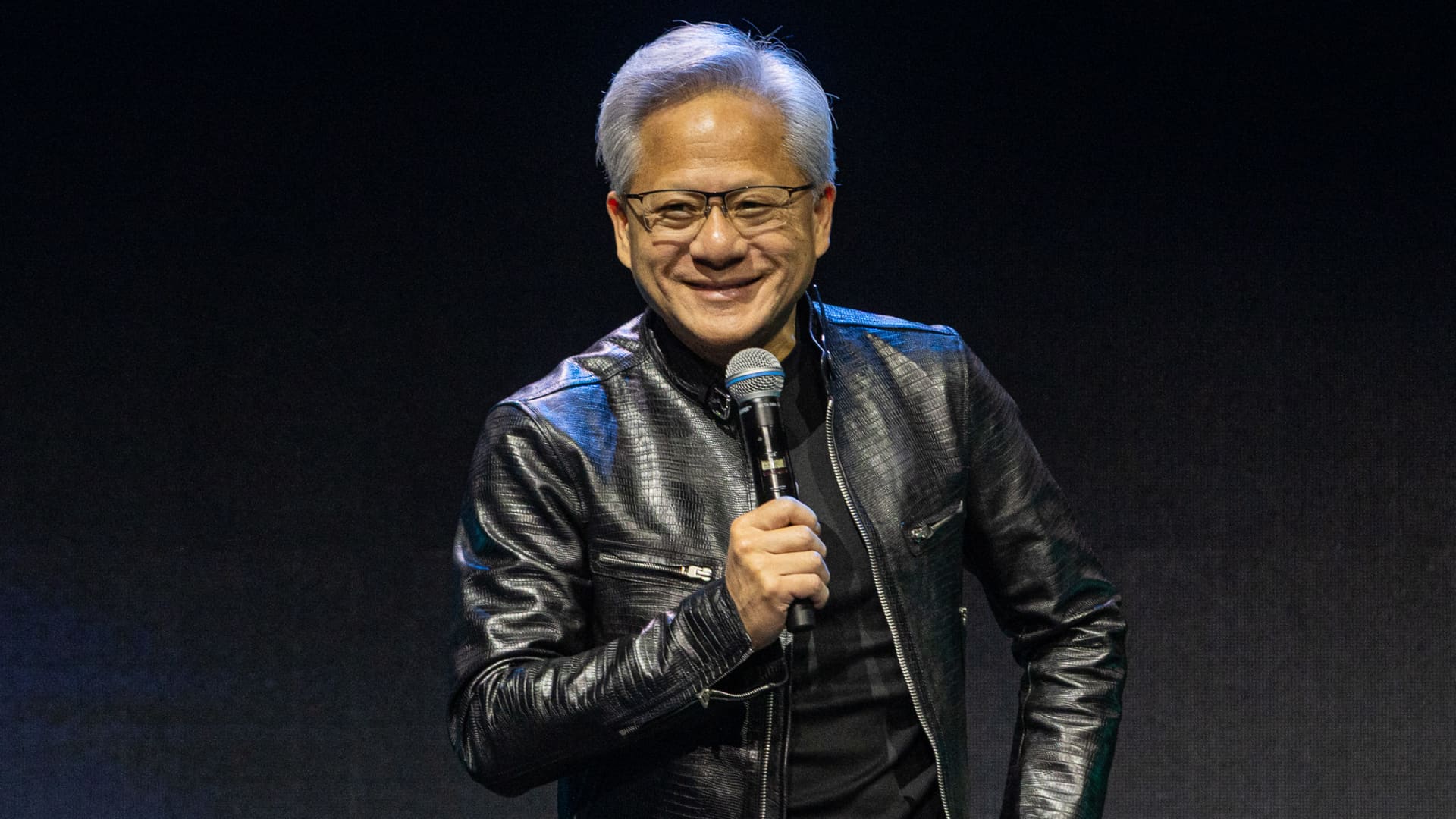
Nvidia Shares Surge 7% Following Strong Earnings and AI Demand Forecast
Nvidia's shares rose by 7.2% in premarket trading after the company reported earnings that exceeded expectations. CEO Jensen Huang stated that AI has reached an 'inflection point,' with a significant increase in the number of companies requiring large GPU clusters. Despite supply chain challenges and competition from custom semiconductors, Nvidia's revenue guidance for fiscal 2028 indicates a robust demand for AI technologies. The company's projected revenue growth of 70% for fiscal 2028, which spans from February 2027 to January 2028, has reassured investors about the sustainability of AI demand. Nvidia's AI Clouds, industrial and enterprise customers contributed $40.3 billion in sales for the quarter, marking a 138% increase year-over-year. Analysts noted that Nvidia's strong earnings could signal a positive outlook for the broader chip market, which has faced volatility in recent months. Looking ahead, Nvidia's ability to navigate supply chain constraints and competition will be crucial. Huang emphasized the expanding ecosystem of AI labs and startups, suggesting that the demand for Nvidia's products will continue to grow. No further timeline was disclosed at the time of publication.
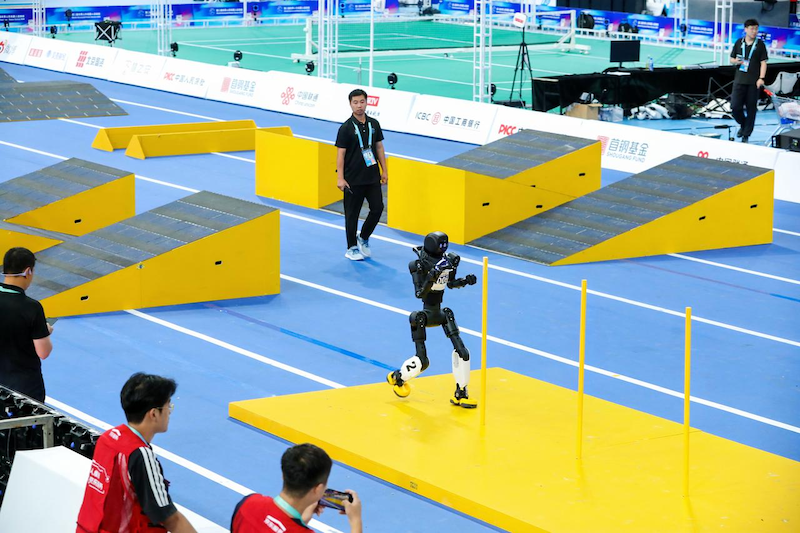
Agibot Dominates World Humanoid Robot Games with 46 Medals in Debut
Agibot made a remarkable debut at the 2nd World Humanoid Robot Games, winning a total of 46 medals, which included 18 gold, 16 silver, and 12 bronze. This achievement placed Agibot at the top of both the gold medal and overall medal tables, showcasing its capabilities across various events. The significance of Agibot's performance lies in its demonstration of advanced humanoid robotics in real-world applications. Competing in diverse categories such as athletics, martial arts, and scenario-based tasks, Agibot's robots, including OmniHand and X2, proved their effectiveness in dexterous manipulation and motion-control events, highlighting their readiness for deployment in practical settings. Looking ahead, the continued development of Agibot's technologies, particularly the AGILE framework, will be crucial for enhancing the performance of its robots in future competitions and real-world applications. No further timeline was disclosed at the time of publication.
Humanoids News agibot AGIBOT A3 Agibot G2 agibot x2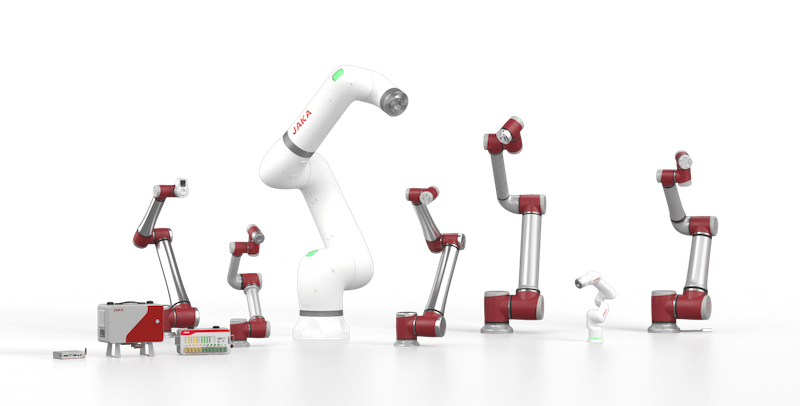
Teradyne Robotics Files Patent Infringement Case Against JAKA in Copenhagen
Teradyne Robotics A/S has filed a patent infringement lawsuit at the Unified Patent Court in Copenhagen against a German subsidiary of Chinese company JAKA. The case involves allegations of infringement concerning both software and hardware patents related to Teradyne's Universal Robots A/S, a leader in collaborative industrial robots. This legal action is significant as it underscores Teradyne Robotics' commitment to protecting its intellectual property rights against what it deems illegal copying and infringement. Jean-Pierre Hathout, president of the Teradyne Robotics Group, emphasized the importance of safeguarding their technologies to ensure customers receive innovative automation solutions that comply with safety standards. Looking ahead, the outcome of this case could have implications across Europe, affecting 17 of the 18 EU Member States involved in the Unified Patent Court. Additionally, the case may extend its reach to countries outside the UPC Agreement, such as the United Kingdom and Spain. No further timeline was disclosed at the time of publication.
Business Law and Regulation News cobots collaborative robots industrial robotics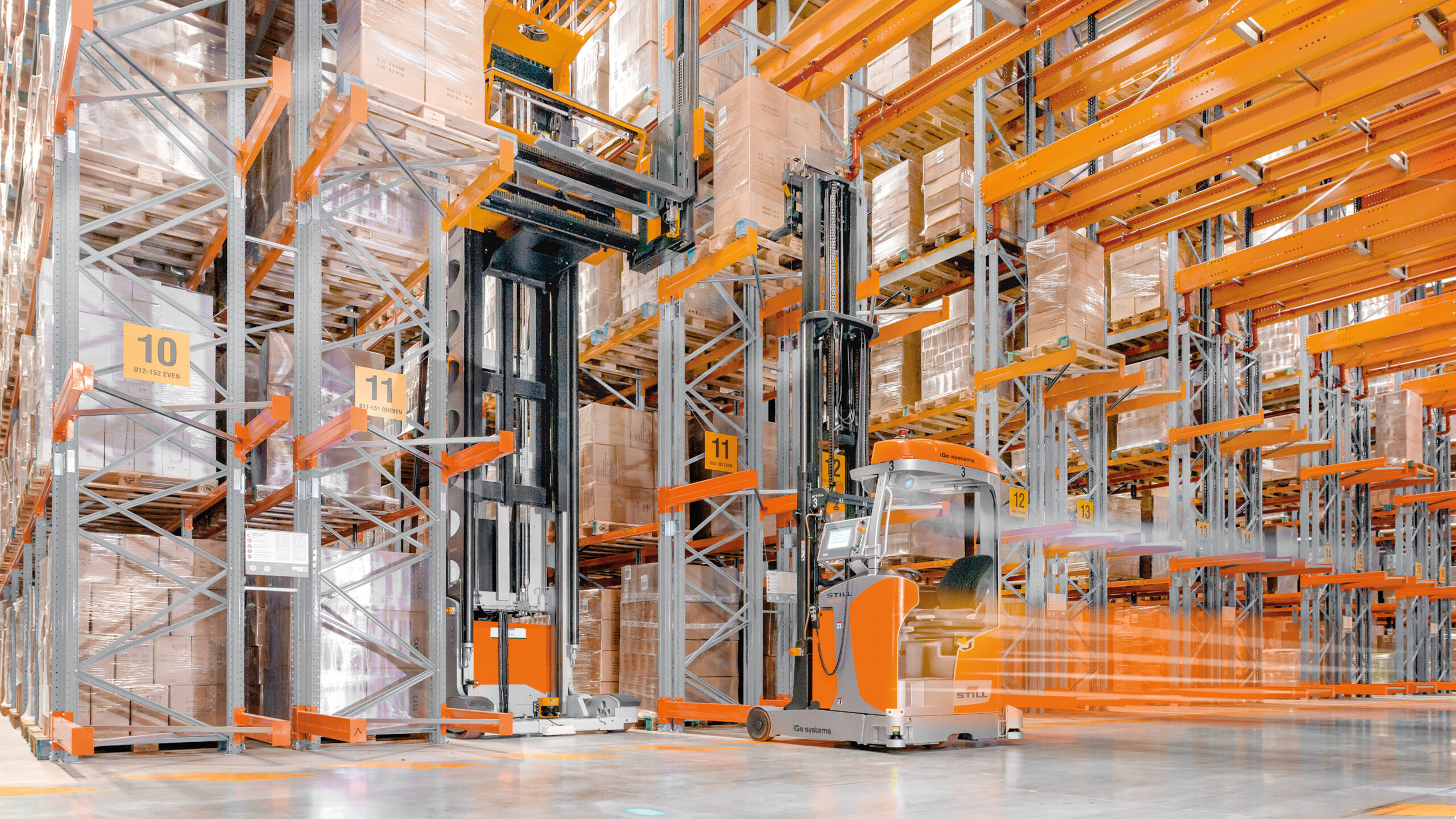
STILL UK Launches Automation Business Unit to Enhance Intralogistics Solutions
STILL UK has established its Automation Business Unit (ABU) to consolidate its expertise in intralogistics automation solutions. This initiative aims to shift perceptions that STILL solely manufactures manual trucks, showcasing its comprehensive automation portfolio, including automated storage and retrieval systems. The ABU will unify storage solutions, VNA trucks, and order pickers to provide a holistic approach to customer needs. The formation of the ABU is significant as it reflects STILL's commitment to evolving with customer demands and enhancing its consultative partnerships. By integrating various components of warehousing automation, STILL aims to offer tailored solutions that address specific customer objectives, moving beyond traditional product sales to solution-based selling. Looking ahead, STILL UK plans to emphasize its collaborative approach with clients, ensuring that all aspects of automation, including infrastructure considerations, are addressed. No further timeline was disclosed at the time of publication.
AMR and AGV Forklifts and Warehouse Vehicles Magazine Features Materials Handling forklifts KION

