

Safran Aircraft Engines
Safran subsidiary designing and producing civil and military aircraft engines, co-maker of the CFM LEAP, using additive manufacturing and automated production.
Contact Safran Aircraft Engines
WEBSITE
https://www.safran-aircraft-engines.com/PHONE
+33 1 69 87 09 00HEADQUARTERS
France

Company Facts
Founded
2005
Primary Role
Manufacturer
Company Size
-
Primary Region
Europe
Annual Sales
-
Funding Stage
Subsidiary / Acquired
Funding Total
-
Certifications & Memberships

Company Explores Robot Socialization Through Interactive Scenarios Like Autism
A company is focusing on developing robot socialization by creating strong interactive scenarios, particularly for individuals with autism. This initiative aims to enhance the engagement and interaction capabilities of robots in social contexts, which is crucial for their acceptance and utility in everyday life. The importance of this development lies in its potential to bridge the gap between robotic technology and human emotional understanding. By targeting specific scenarios such as autism, the company is addressing a significant need for social robots that can effectively communicate and interact with users, thereby improving their quality of life. Looking ahead, the company is expected to continue its research and development in this area, although no specific timeline for future milestones was disclosed at the time of publication.
Robotics Automation AI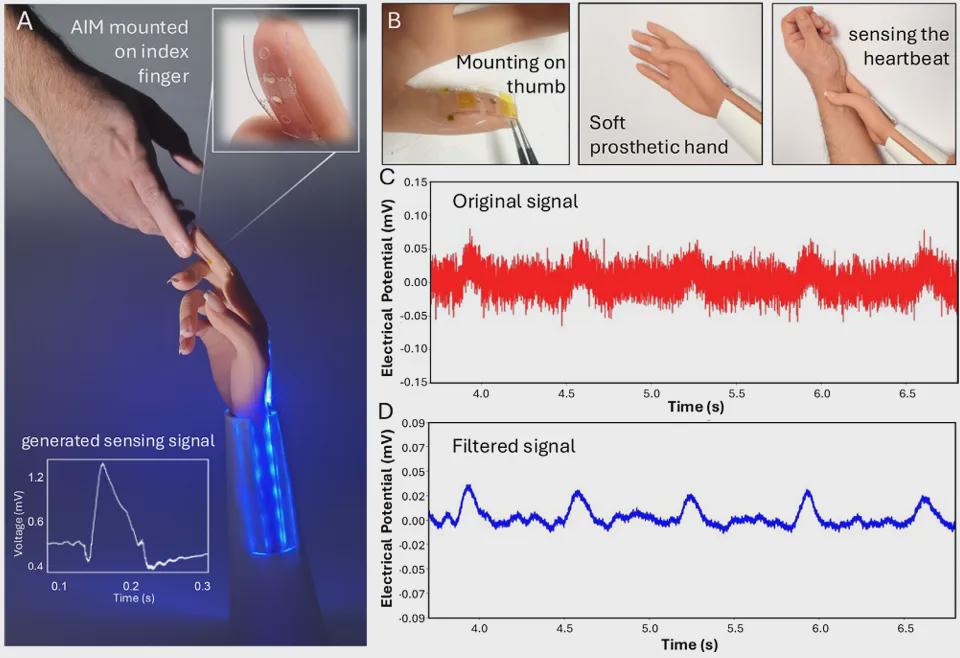
Danish Team Develops Tactile Sensor That Generates Electricity Through Pressure Without Signals
A Danish research team has developed a novel tactile sensor that generates electricity when pressed, eliminating the need for electronic signal transmission. This innovation could significantly enhance the functionality of robots and other devices that rely on touch sensitivity. The importance of this development lies in its potential applications across various sectors, including robotics and automation. By creating a sensor that operates without traditional electronic signals, the team is paving the way for more efficient and responsive robotic systems. Looking ahead, the industry will be keen to observe how this technology is integrated into existing robotic platforms and whether it can lead to advancements in human-robot interaction. No further timeline was disclosed at the time of publication.
Robotics Automation AI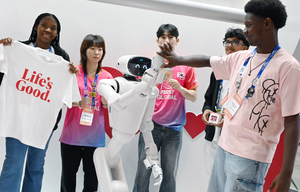
LG Electronics Showcases Robotics at 2026 First Global Challenge in Incheon
LG Electronics is actively participating in the 2026 First Global Challenge, an international youth robotics competition taking place at Songdo Convensia in Incheon. The event, which runs from Wednesday to Saturday, gathers youth teams from 185 countries to design and build robots aimed at addressing global challenges, particularly focusing on wildfire prevention and recovery due to climate change. This year's competition, themed “Igniting Innovation,” emphasizes the importance of robotics in tackling pressing issues like wildfires. LG's involvement includes sponsoring the event and showcasing its latest robotics technologies at an exhibition booth. The company also features its humanoid robot, LG CLOiD, allowing visitors to engage with the technology and learn about the innovative solutions being developed by young participants. As LG increases its investment in robotics as a key growth area, it aims to integrate physical AI into its strategy. The company recently launched LG Data Factory to enhance data management for robotics training. No further timeline was disclosed at the time of publication.
All News
North Carolina State University Develops Feather Star-Inspired Underwater Robot with Two Actuators
Researchers at North Carolina State University have created a soft underwater robot inspired by feather stars, capable of three-dimensional movement using only two actuators. This innovative design significantly reduces mechanical complexity, as traditional systems typically require six actuators for similar maneuverability. The robot employs a principle known as 'mechanical intelligence,' allowing its structure and water interactions to minimize control input from operators. With four elastic wings arranged around a central disk, the robot can achieve various motions, including upward movement, hovering, and rotation, all while maintaining a streamlined design. Future developments to watch include the robot's application in underwater exploration and object manipulation, as demonstrated by its ability to lift items and navigate environments using a camera. No further timeline was disclosed at the time of publication.
AI and Robotics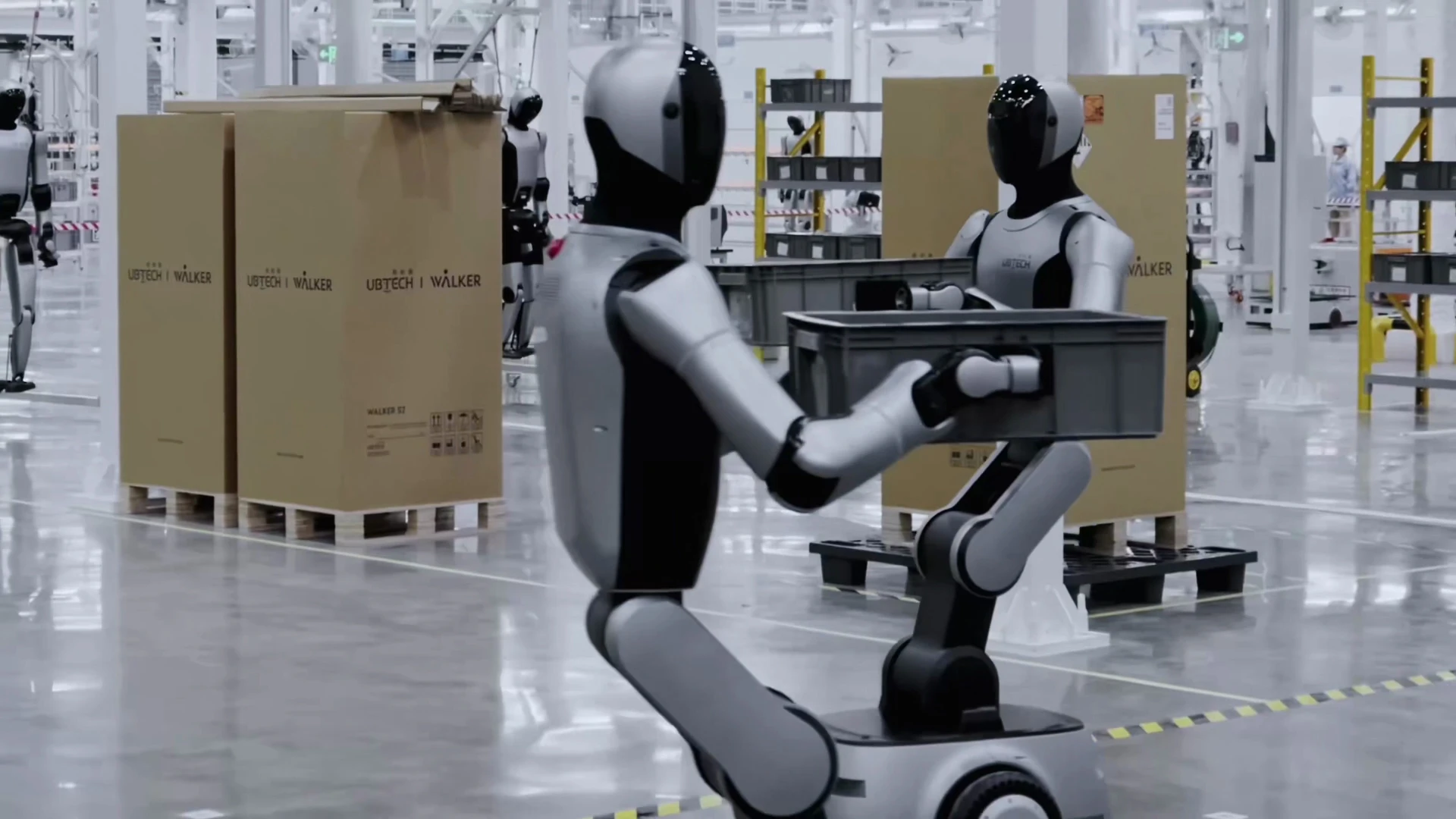
UBTECH and FAW-Volkswagen Enhance Partnership to Develop Humanoid Robots for Logistics
UBTECH and FAW-Volkswagen have announced a partnership to develop and test humanoid robot applications for logistics, building on their existing collaboration in manufacturing. This strategic cooperation, revealed on October 8, aims to create demonstration applications that promote humanoid solutions for smart manufacturing, addressing the increasing demand for personalized vehicles. The significance of this partnership lies in its potential to enhance flexibility in manufacturing processes. As automakers like FAW-Volkswagen adapt to changing consumer preferences, the integration of humanoid robots could streamline logistics operations, thereby improving efficiency and productivity on the factory floor. UBTECH's previous work with FAW-Volkswagen at the Qingdao plant, where the Walker S Lite was used for quality inspections, showcases the practical applications of their technology. Looking ahead, the partnership raises questions about the specific logistics tasks that humanoid robots will be able to perform reliably. While the agreement focuses on joint development and testing, it does not disclose details about the robot models or the facilities involved. No further timeline was disclosed at the time of publication.
China UBTECH Robotics
Zhiyuan's Data Business Struggles to Support Robotics at $20 Per Hour
Zhiyuan's data business is facing challenges as it operates at a rate of $20 per hour, which is insufficient to sustain the robotics industry. The company is exploring new avenues to enhance its offerings and address the growing demand for data in robotics. This situation highlights the broader issue within the robotics sector, where the cost of data collection and processing is becoming a critical factor. As companies seek to innovate and improve their robotic systems, the financial viability of data services like those offered by Zhiyuan is under scrutiny. Looking ahead, industry stakeholders should monitor how Zhiyuan adapts its business model to better serve the robotics market. No further timeline was disclosed at the time of publication.
Robotics Automation AI
First Coordinated Drilling Robot Achieves 10x Speed and 99% Accuracy
A groundbreaking drilling robot has been developed, showcasing the ability to perform coordinated operations with a speed ten times greater than traditional methods and an accuracy rate exceeding 99%. This innovation marks a significant advancement in drilling technology, potentially transforming various industrial applications. The introduction of this robot is crucial as it addresses the limitations of conventional drilling techniques, which often suffer from slower speeds and lower precision. By enhancing operational efficiency, this technology could lead to cost savings and improved outcomes in sectors that rely on drilling processes. Looking ahead, industry stakeholders should monitor the deployment and performance of this drilling robot in real-world scenarios. No further timeline was disclosed at the time of publication.
Robotics Automation AI
MIT Develops Paper-Thin Robot Powered by Live Muscle Cells and Light Control
MIT has successfully created a paper-thin robot that utilizes live muscle cells for swimming and is controlled by light. This innovative design showcases the potential of biohybrid robotics, merging biological materials with robotic systems to enhance functionality. The significance of this development lies in its implications for future robotics applications, particularly in environments where traditional motors may not be suitable. By employing live muscle cells, the robot can achieve more natural movements and adaptability, which could lead to advancements in soft robotics and bioengineering. Looking ahead, the ongoing research at MIT may pave the way for further innovations in biohybrid robots. As the technology matures, it will be interesting to observe how these robots can be integrated into various fields, including medicine and environmental monitoring. No further timeline was disclosed at the time of publication.
Robotics Automation AI
Israeli Company Develops Flexible Picking Robots Targeting 95% Fruit Coverage on Trees
An Israeli company has developed innovative flexible picking robots designed to harvest up to 95% of the fruit from trees. This advancement in agricultural robotics aims to enhance efficiency in fruit picking, addressing labor shortages and increasing productivity in the sector. The significance of this technology lies in its potential to transform the fruit harvesting process, making it more efficient and less reliant on human labor. As the agricultural industry faces challenges such as labor shortages, these robots could provide a viable solution, ensuring that fruit is harvested at optimal times and reducing waste. Looking ahead, the adoption of these flexible picking robots could reshape agricultural practices, particularly in fruit production. Stakeholders in the agriculture sector should monitor developments in this technology and its implementation in various regions. No further timeline was disclosed at the time of publication.
Robotics Automation AI
Siemens on Robots, Agentic AI and the "Last 3%" Problem
Siemens tells RobotToday at IMTS 2026 why AI robot demos are only the tip of the iceberg, and why agentic AI depends on PLM data and business context.
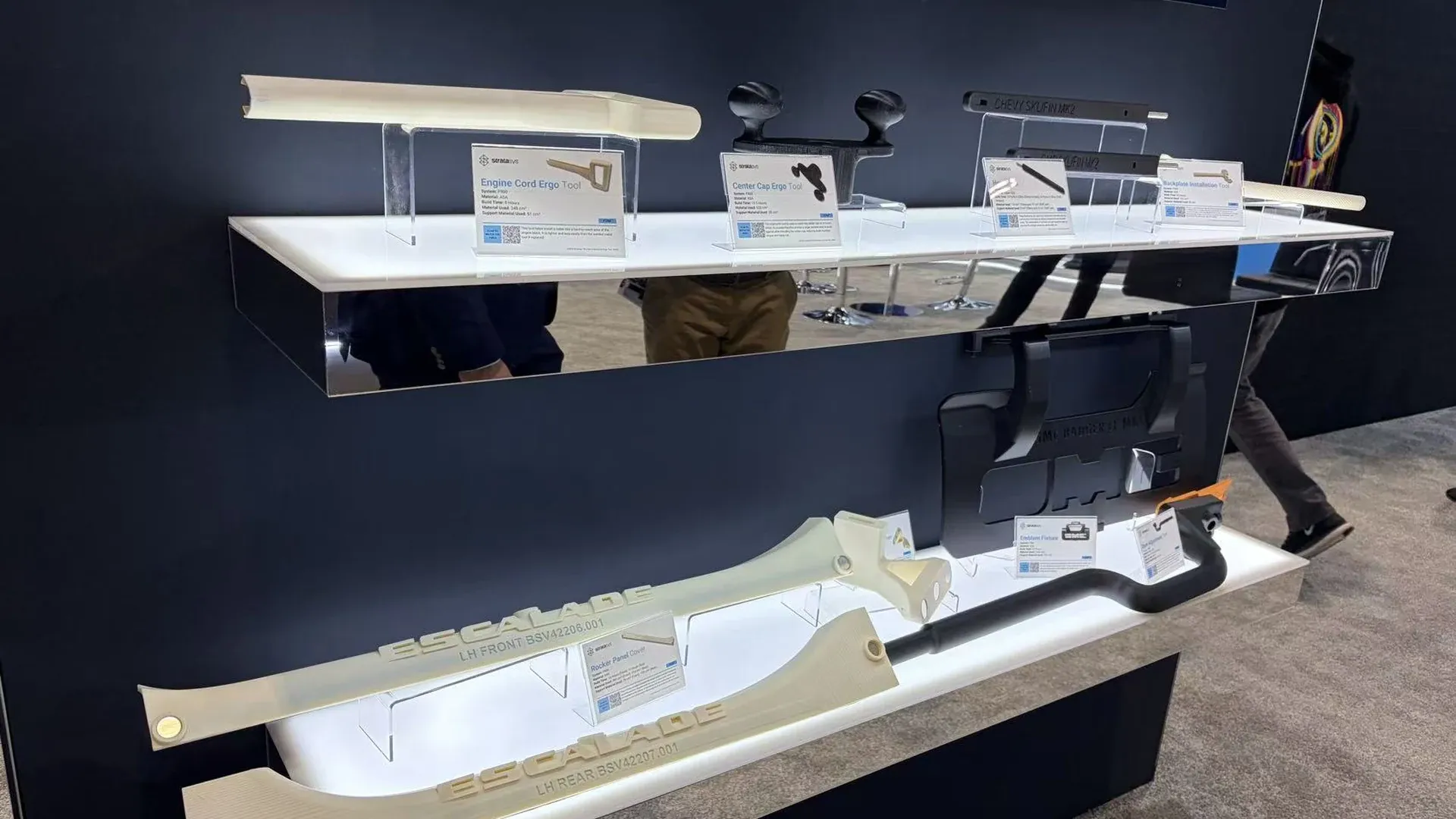
Stratasys at IMTS 2026: GM Scales Additive to 20+ Plants
Stratasys is rolling additive out across 20+ GM plants while Toyota prints robot grippers. Booth build data, the F870, and where the cost case breaks.

IMTS 2026 Preview: Record Orders and the Automation Story
IMTS 2026 opens in Chicago with 1,788 exhibitors and record H1 machine tool orders. What the USMTO data says about automation, and the booths to see.
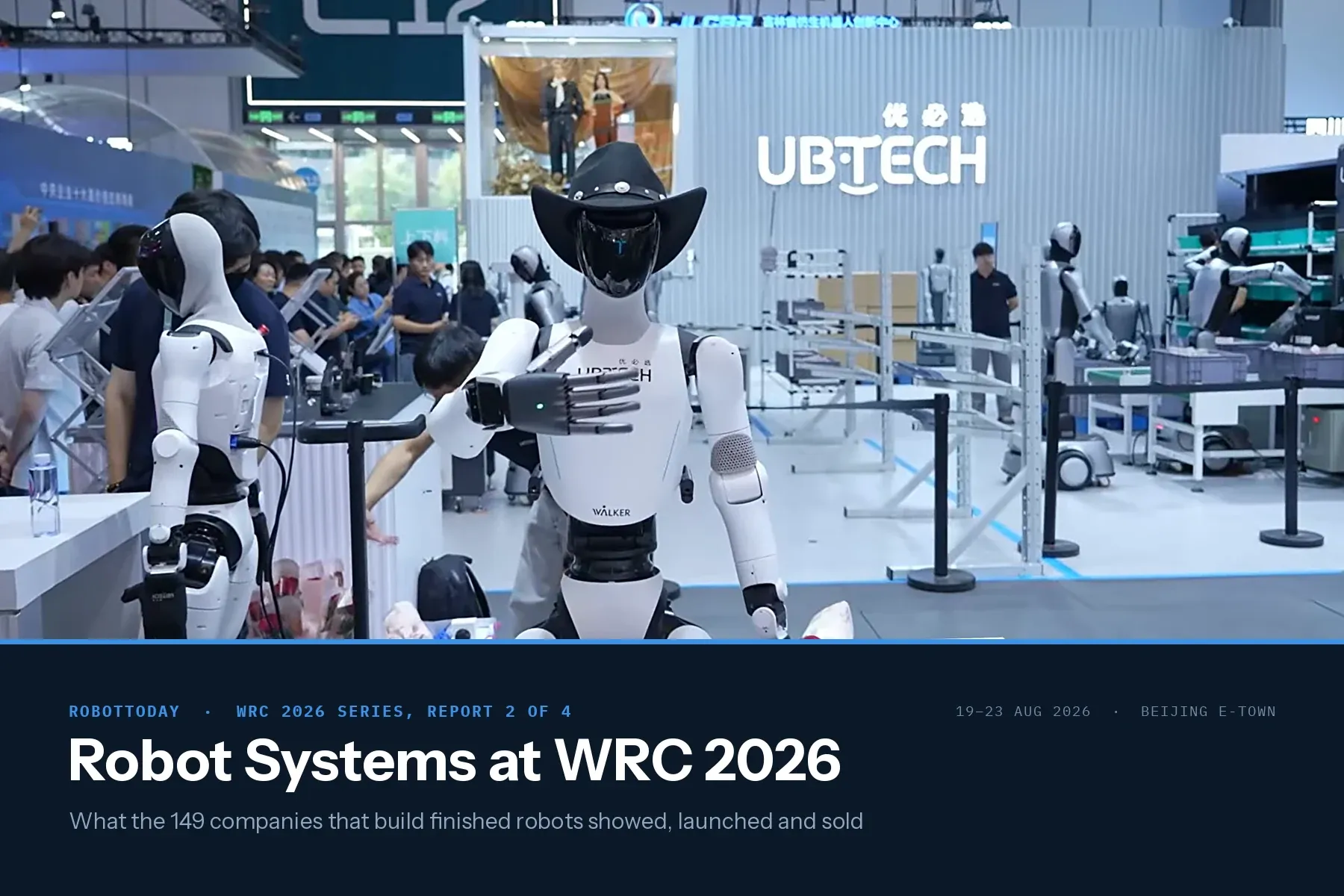
WRC 2026 Robot Systems: 149 Companies That Build Robots
149 of the 248 classified WRC 2026 exhibitors build finished robots. 93 build humanoid or legged machines. The audited humanoid sales number is one unit.

WRC 2026 Exhibitor Map: 248 Robotics Companies Mapped
We classified 248 WRC 2026 exhibitors with the RobotToday taxonomy. Motion & Actuation leads at 75 companies, Humanoid at 72, and compute stays thin at 12. (Modified 2026-08-27)

Pittsburgh Regional Alliance Convenes Nine CMU-Rooted Robotics Firms at Automate 2026
At Automate 2026, the Pittsburgh Regional Alliance convened nine robotics firms — most spun out of Carnegie Mellon — spanning materials, perception and AMRs.
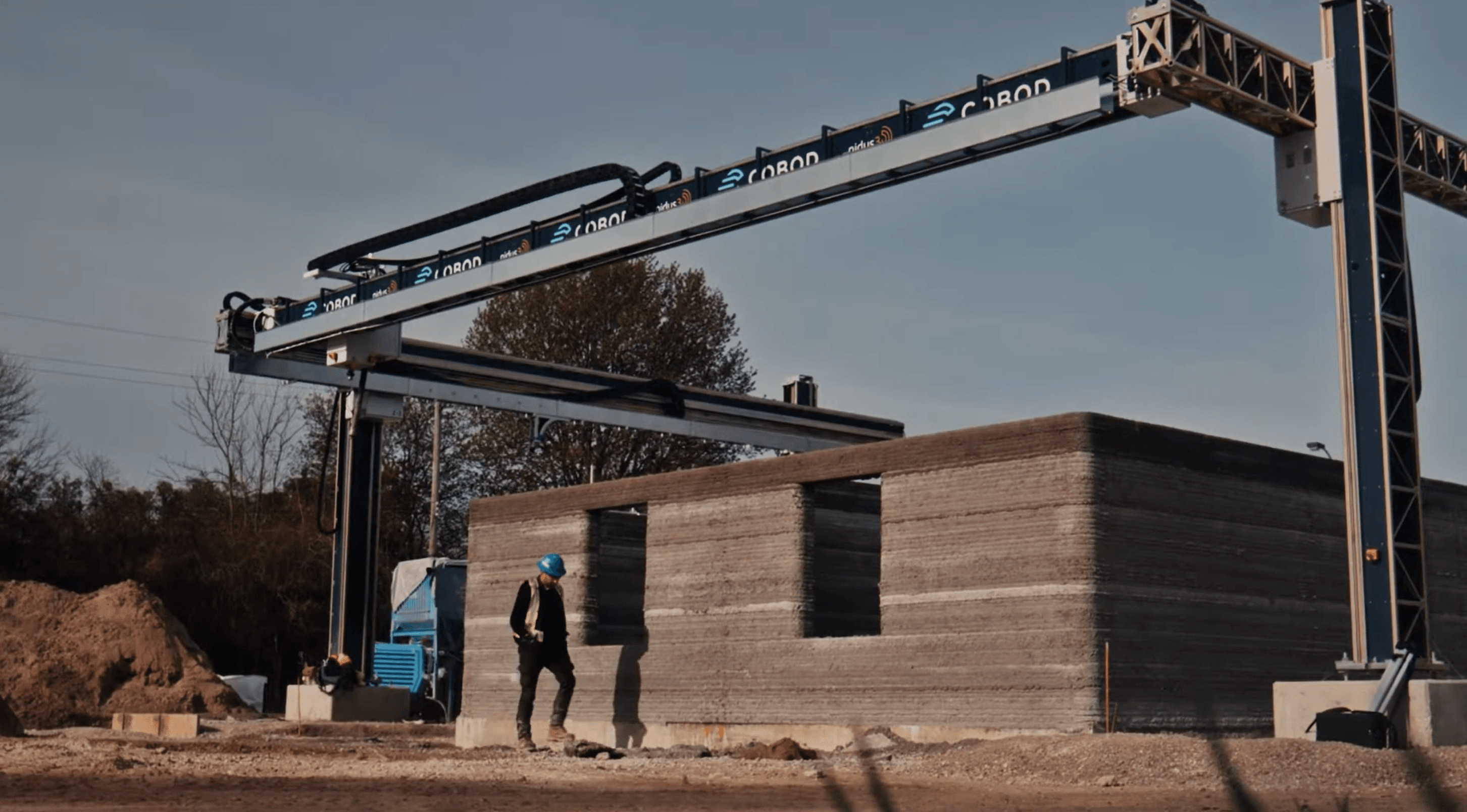
CONSTRUCTION ROBOTICS | MODULAR, PREFAB & 3D PRINTING
Modular, prefab, and 3D printing are moving construction off-site. ICON's Phoenix printer targets multi-story builds. PERI-COBOD's DREIHAUS delivered 30% faster and 10% cheaper in Germany. WinSun re-enters the US as Gaudi Tech. The paradigm shift is accelerating.

Safran’s new open-fan aircraft engine moves closer to real flight testing by 2029
Franco-American aerospace company CFM, a collaboration between Safran Aircraft Engines and GE Aerospace, has announced a significant expansion of its production capabilities. This development, which is set to take place in early 2024, will occur at its facility in the United States. The expansion aims to meet the increasing global demand for fuel-efficient engines, particularly in the wake of a recovering aviation industry post-pandemic. CFM plans to enhance its manufacturing processes by incorporating advanced technologies and automation, ensuring higher efficiency and output. This strategic move underscores CFM's commitment to innovation and its role in supporting the aerospace sector's growth as air travel continues to rebound.
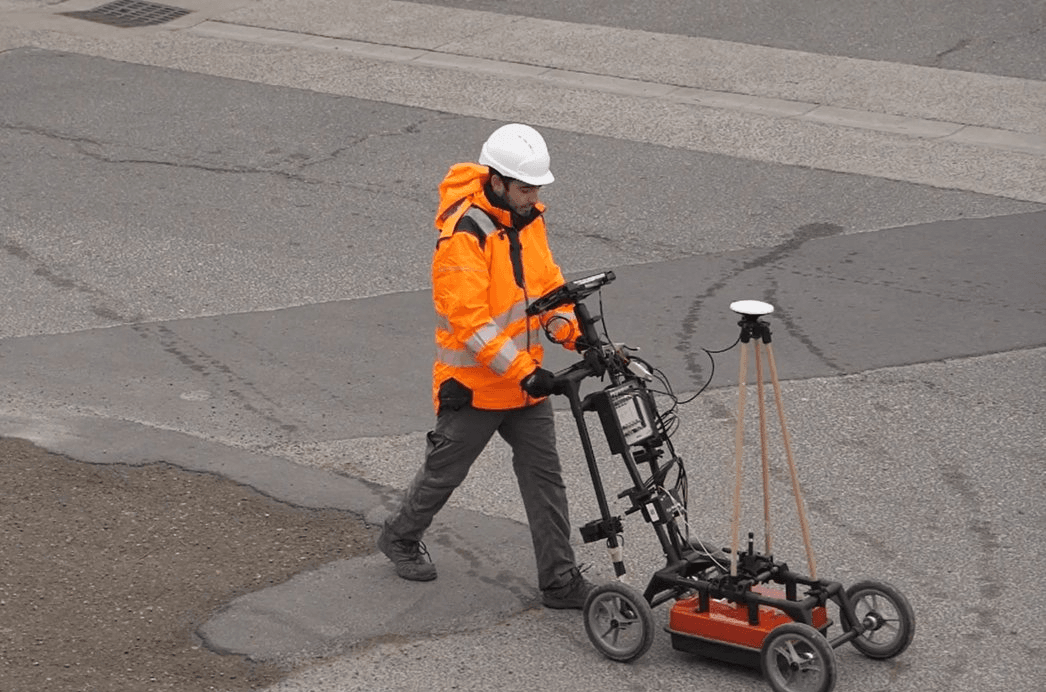
CONSTRUCTION ROBOTICS | INSPECTION, SCANNING & DIGITAL TWIN
Inspection, scanning, and digital twin robots are construction's widest adoption curve. BCA-mandated drone façade inspections in Singapore, DroneDeploy's 3M+ sites, Boston Dynamics Spot Cam 2, and Exodigo's $214M funding define the segment. Key stat: Inspection/scanning commands 30% of construction robot applications (FactMR, 2025; unverified).
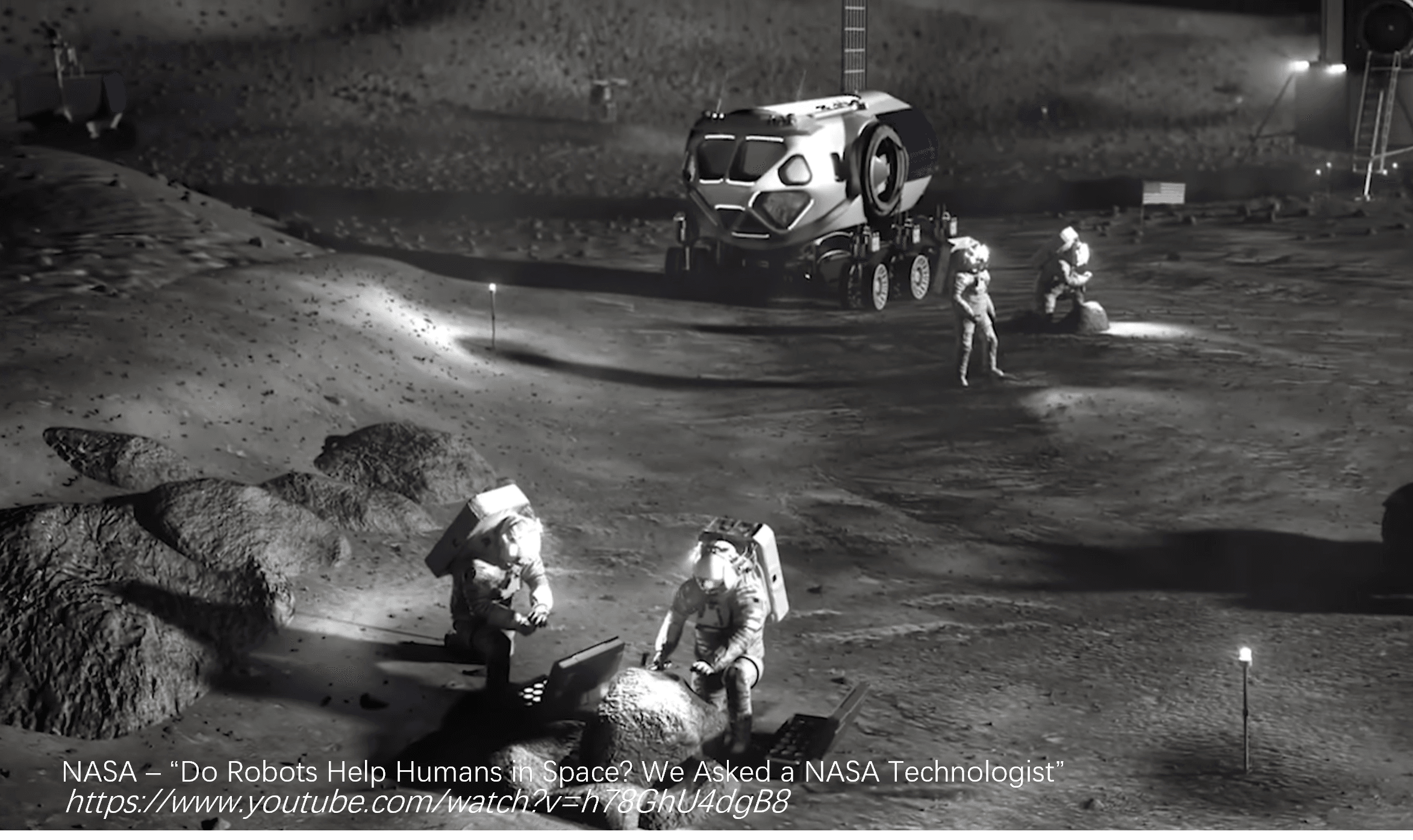
Space Robot- Building Skyscrapers in Space: ISMA's Industrial Revolution
ISAM technology breaks rocket fairing limits through robotic space manufacturing. Market grows from $3.5B to $14.5B by 2032. See how 3D printing, autonomous assembly, and orbital fabrication are creating off-Earth factories.
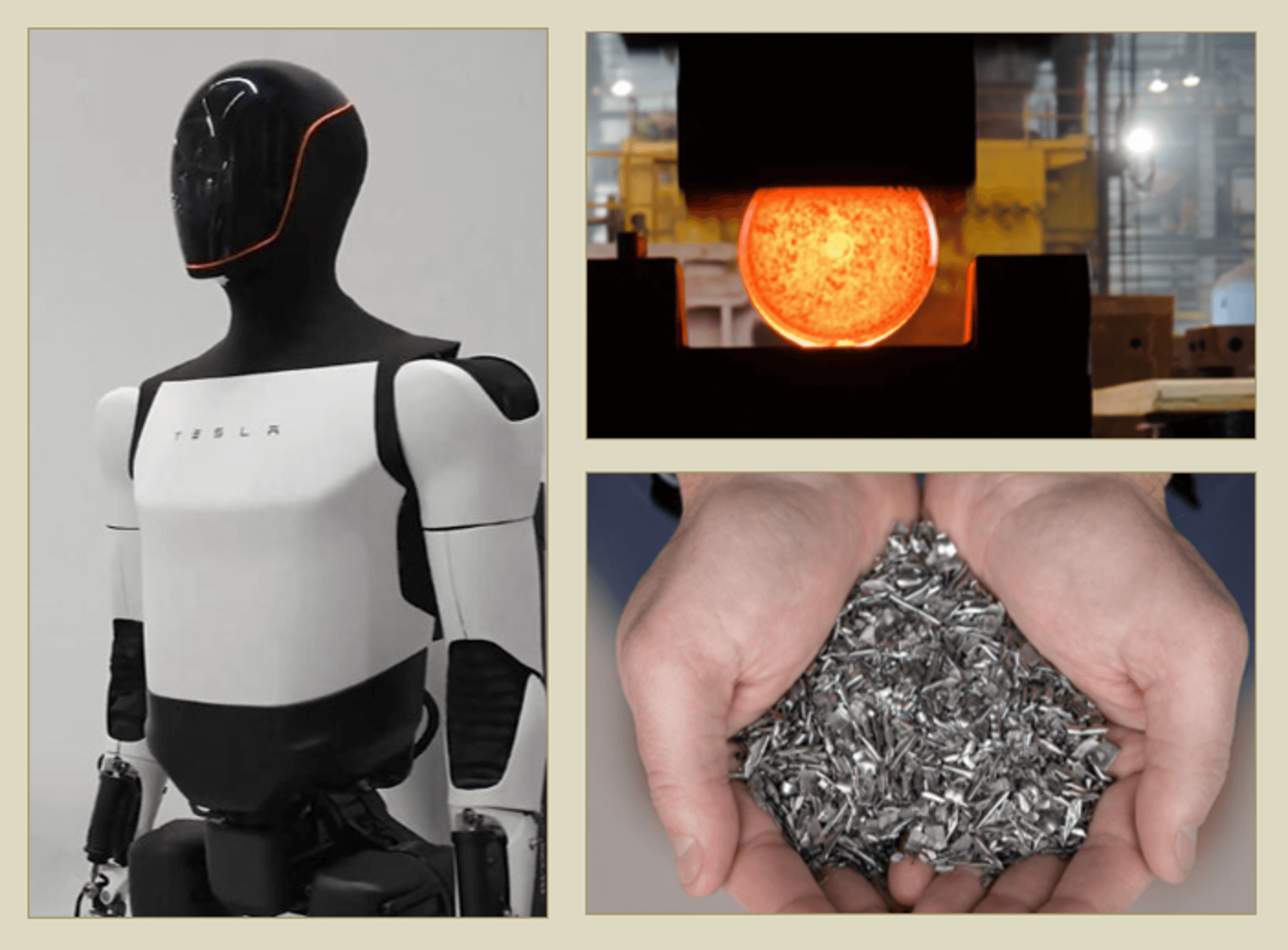
How Titanium Is Quietly Rewiring the Future of Robotics
Titanium’s strength-to-weight and corrosion resistance are reshaping robotics hardware, from lighter limbs to durable joints that unlock next-gen performance.


