

Palit Microsystems
"Beyond the Ordinary"
Taipei-based Palit has manufactured NVIDIA-based graphics cards since 1988 and now also builds Jetson Orin edge-AI compute modules for robotics.
Contact Palit Microsystems
WEBSITE
https://www.palit.comHEADQUARTERS
Taiwan


Company Facts
Founded
1988
Primary Role
Manufacturer
Company Size
employees 2000-5000
Primary Region
Asia-Pacific
Annual Sales
-
Funding Stage
-
Funding Total
-
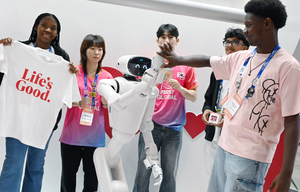
LG Electronics Showcases Robotics at 2026 First Global Challenge in Incheon
LG Electronics is actively participating in the 2026 First Global Challenge, an international youth robotics competition taking place at Songdo Convensia in Incheon. The event, which runs from Wednesday to Saturday, gathers youth teams from 185 countries to design and build robots aimed at addressing global challenges, particularly focusing on wildfire prevention and recovery due to climate change. This year's competition, themed “Igniting Innovation,” emphasizes the importance of robotics in tackling pressing issues like wildfires. LG's involvement includes sponsoring the event and showcasing its latest robotics technologies at an exhibition booth. The company also features its humanoid robot, LG CLOiD, allowing visitors to engage with the technology and learn about the innovative solutions being developed by young participants. As LG increases its investment in robotics as a key growth area, it aims to integrate physical AI into its strategy. The company recently launched LG Data Factory to enhance data management for robotics training. No further timeline was disclosed at the time of publication.
All News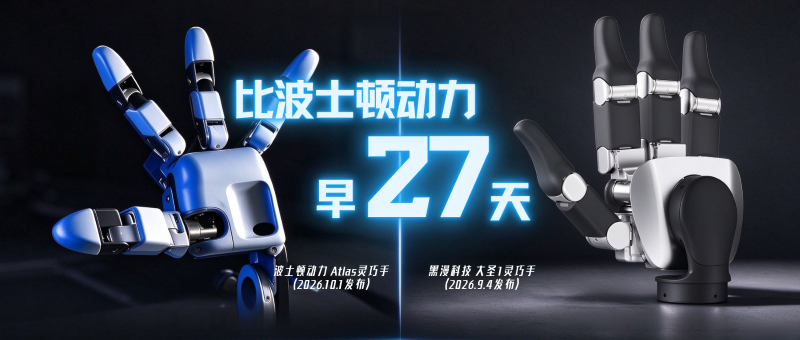
Da Sheng 1 Launches Four-Fingered Dexterous Hand, Outpacing Boston Dynamics by 27 Days
Da Sheng 1 has introduced a four-fingered dexterous hand, achieving this milestone 27 days ahead of Boston Dynamics. This innovation marks a significant advancement in robotic manipulation capabilities, showcasing China's growing expertise in robotics technology. The development of the Da Sheng 1's dexterous hand is crucial as it highlights the competitive landscape in robotics, particularly in dexterous manipulation. This technology could enhance various applications, from industrial automation to service robots, reflecting a shift in focus towards more sophisticated robotic functionalities. Looking ahead, industry observers should monitor further advancements from Da Sheng and other competitors in the robotics field. The rapid pace of innovation suggests that more breakthroughs in dexterous manipulation and related technologies may emerge soon. No further timeline was disclosed at the time of publication.
Robotics Automation AI
Aishida Faces Over $1 Billion in Losses While Investing in Humanoid Robots
Aishida has reported non-recurring losses exceeding $1 billion over the past six years as it shifts its focus towards humanoid robotics. This strategic pivot highlights the company's commitment to innovation in a competitive market, aiming to leverage advancements in robotics technology. The significance of Aishida's investment in humanoid robots lies in its potential to transform the landscape of robotics applications. By prioritizing humanoid technology, Aishida seeks to address the growing demand for robots that can interact more naturally with humans, which is crucial for sectors like healthcare and customer service. Looking ahead, industry watchers will be keen to see how Aishida's investments will impact its financial recovery and market position. The company's ability to navigate its substantial losses while developing humanoid robots will be critical in determining its future success. No further timeline was disclosed at the time of publication.
Robotics Automation AI
Shanghai's AI Industry Surpasses 330 Billion, Pudong Leads in Humanoid Robots
In the first half of the year, Shanghai's AI industry reached a scale exceeding 330 billion yuan, showcasing significant growth in the sector. Pudong has emerged as a leader in the development of humanoid robots, indicating a strong focus on advanced robotics in the region. This development highlights the increasing importance of AI and robotics in Shanghai's economic landscape. The rapid expansion of Shanghai's AI industry is crucial as it positions the city as a key player in the global technology arena. The leadership of Pudong in humanoid robotics reflects a strategic investment in innovation and technology, which is essential for maintaining competitive advantages in the evolving market. This trend underscores the potential for further advancements and applications in AI and robotics. Looking ahead, stakeholders should monitor the ongoing developments in Shanghai's AI sector, particularly in humanoid robotics. The city's commitment to fostering innovation may lead to new partnerships and technological breakthroughs. No further timeline was disclosed at the time of publication.
Robotics Automation AI
Jiangxi's First Independent Humanoid Robot Brand 'Luyou' Emerges from OEM Roots
The first independent humanoid robot brand, 'Luyou,' has been established in Jiangxi, marking a significant shift from OEM production to brand creation. This development highlights the growing trend of companies in the robotics sector moving towards creating their own identities and products. The emergence of 'Luyou' is significant as it reflects the evolving landscape of the robotics industry in China, where companies are increasingly focusing on brand development rather than solely relying on original equipment manufacturing. This shift could lead to more innovation and competition in the humanoid robot market. Looking ahead, it will be important to monitor how 'Luyou' positions itself in the market and the potential impact it may have on other companies in the robotics sector. No further timeline was disclosed at the time of publication.
Robotics Automation AI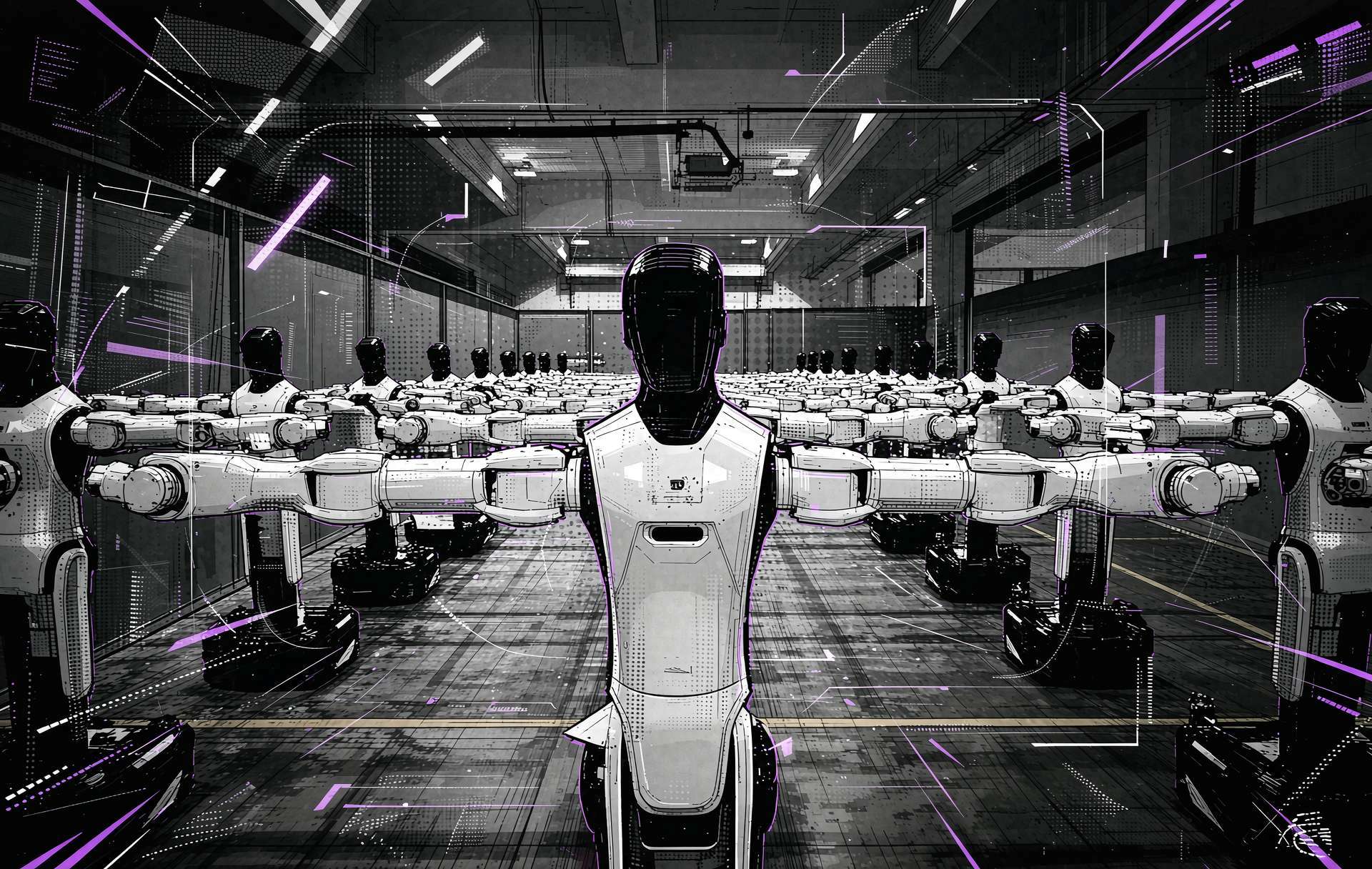
Chinese Academy of Sciences' Automation Institute Cuts Humanoid Robot Development Time to Two Weeks
The Institute of Automation of the Chinese Academy of Sciences has established a new facility designed to significantly shorten the development cycle of humanoid robots. This innovative 'big factory' has successfully reduced the time required to develop these robots from six months to just two weeks. This advancement is crucial as it enhances the efficiency of humanoid robot production, allowing for faster iterations and improvements in design and functionality. The ability to develop robots in a fraction of the time could lead to increased competitiveness in the robotics market and accelerate the adoption of humanoid robots across various sectors. Looking ahead, the impact of this facility on the robotics industry will be significant, particularly in how quickly companies can bring new humanoid robots to market. No further timeline was disclosed at the time of publication.
Robotics Automation AI
UBTECH Partners with FAW-Volkswagen to Enhance Humanoid Robots for Factory Logistics
UBTECH has announced a collaboration with FAW-Volkswagen to develop humanoid robots aimed at improving factory logistics. This partnership signifies a shift from traditional quality inspection roles to more dynamic applications within manufacturing environments. The collaboration is significant as it highlights the growing trend of integrating advanced robotics into factory operations, enhancing efficiency and productivity. By focusing on logistics, UBTECH and FAW-Volkswagen are addressing the evolving needs of the manufacturing sector, which increasingly relies on automation to streamline processes. Looking ahead, industry watchers should monitor the outcomes of this partnership, particularly how these humanoid robots will be integrated into existing workflows. No further timeline was disclosed at the time of publication.
Robotics Automation AI
Automotive Supply Chain and Robotics Share 60-70% Overlap, Yet Key Components Remain Fixed
Recent insights reveal that the automotive supply chain and robotics sectors overlap by 60-70%. This significant intersection highlights the potential for innovation and efficiency in both fields. However, it is noted that the most expensive components within these sectors cannot be easily relocated, posing challenges for integration. The overlap between automotive and robotics is crucial as it suggests opportunities for collaboration and technological advancements. Understanding this relationship can lead to improved supply chain strategies and enhanced robotic applications in automotive manufacturing. The inability to move costly components, however, raises concerns about flexibility and adaptability in these industries. Looking ahead, stakeholders should monitor developments in both sectors to identify potential synergies and innovations. No further timeline was disclosed at the time of publication, but ongoing research and advancements may provide insights into overcoming the challenges posed by immovable components in the automotive supply chain and robotics integration.
Robotics Automation AI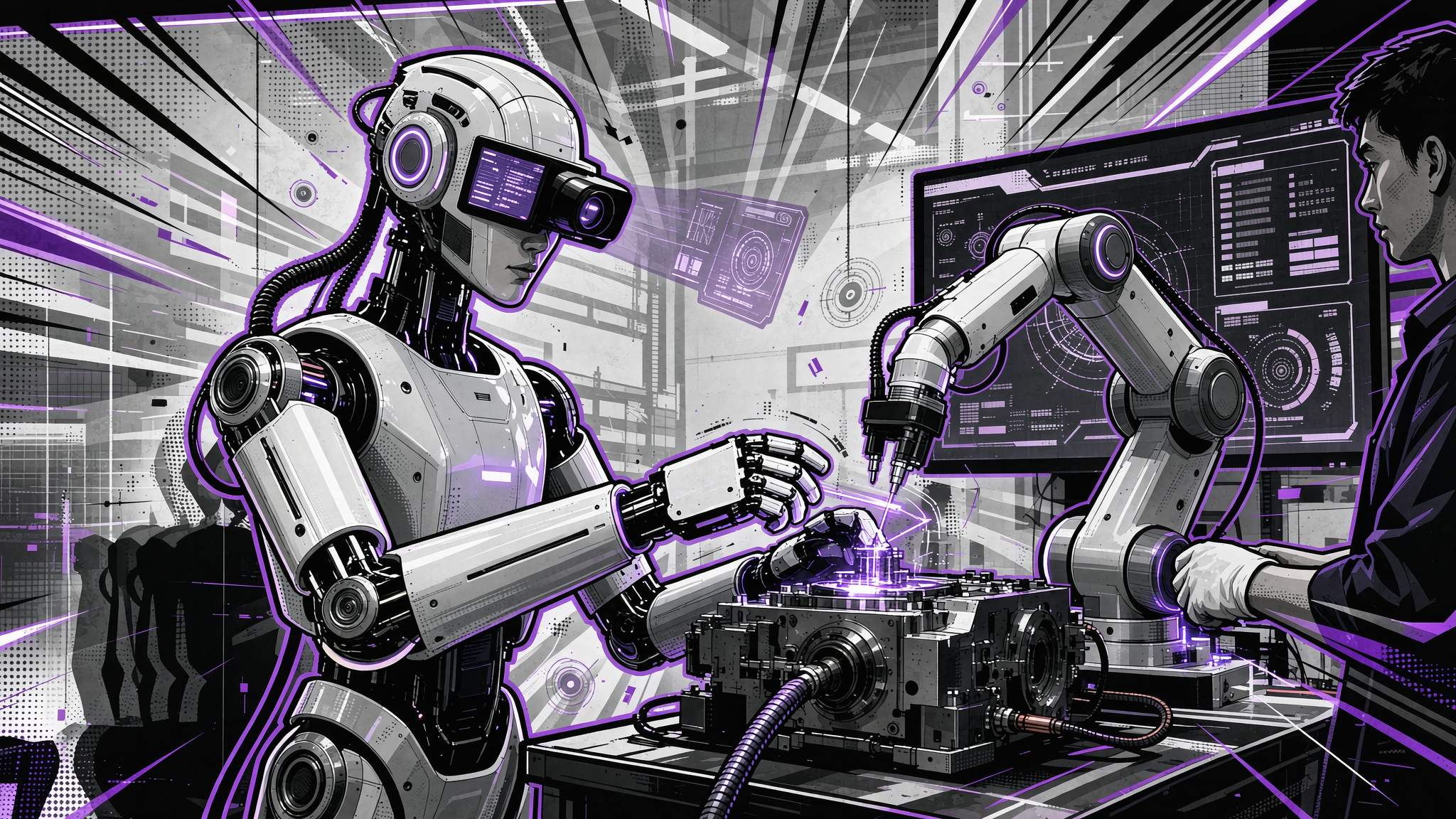
Nanjing to Host Robot Conference Focusing on Welding Training and Craftsman Think Tank
Nanjing is set to host a robot conference that will not focus on performances but will instead emphasize the importance of welding training and the craftsman think tank. This shift in focus aims to enhance practical skills and knowledge in the robotics sector. The decision to prioritize welding training and the craftsman think tank is significant as it reflects a growing recognition of the need for skilled labor in the robotics industry. By fostering a deeper understanding of these areas, the conference aims to contribute to the development of a more competent workforce. As the conference approaches, stakeholders will be watching for insights and strategies that emerge from discussions around welding and craftsmanship. No further timeline was disclosed at the time of publication.
Robotics Automation AI
IROS 2026 Best Paper Finalists: South Korea Leads
Ten papers made the IROS 2026 Best Paper and Best Student Paper shortlist, four from South Korea. What each one does and what it means for industry.
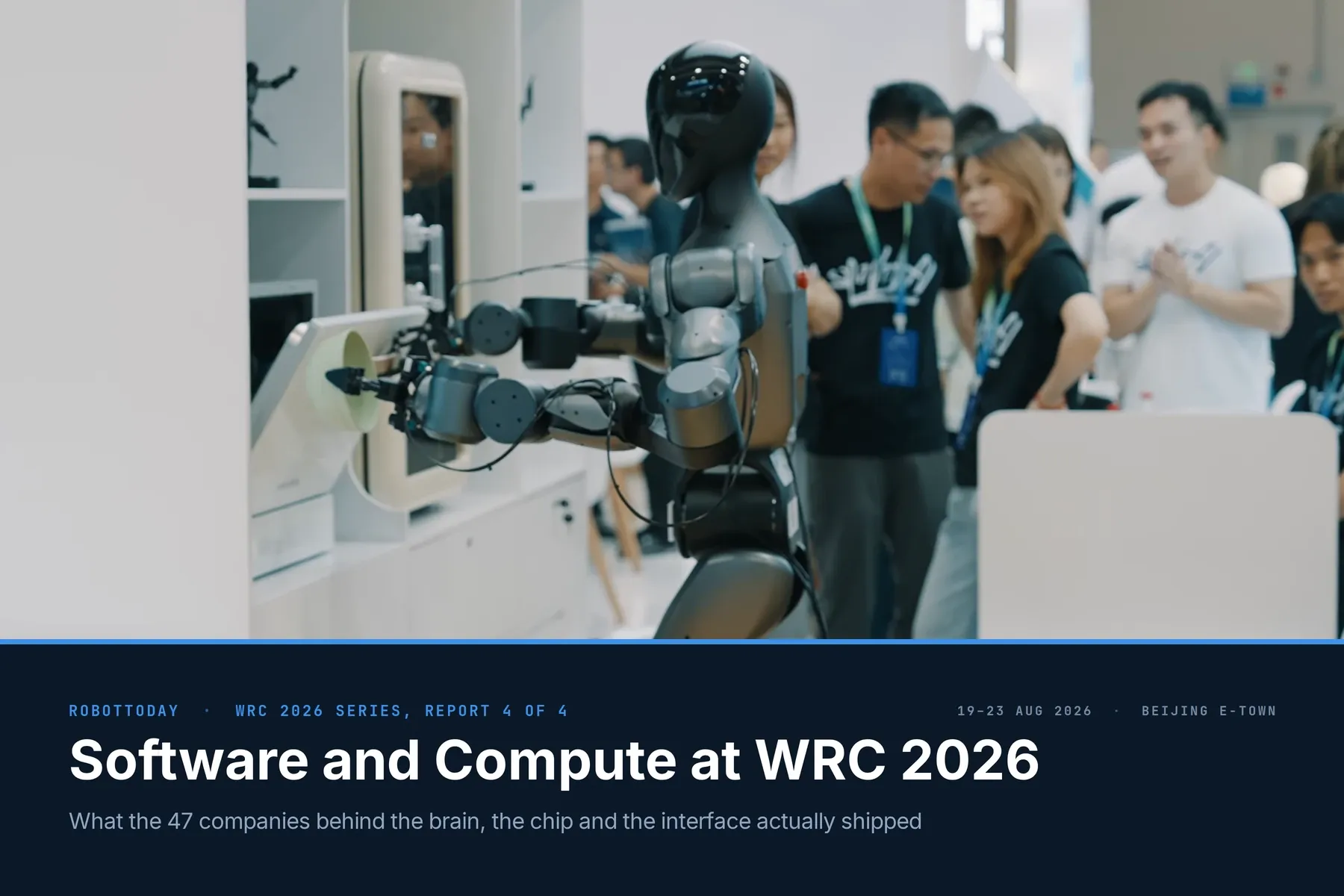
Software, Compute and Interaction at WRC 2026
47 WRC 2026 exhibitors supply robot software, compute or interaction — but only 19 call themselves software companies. Five open artefacts, licence-checked.
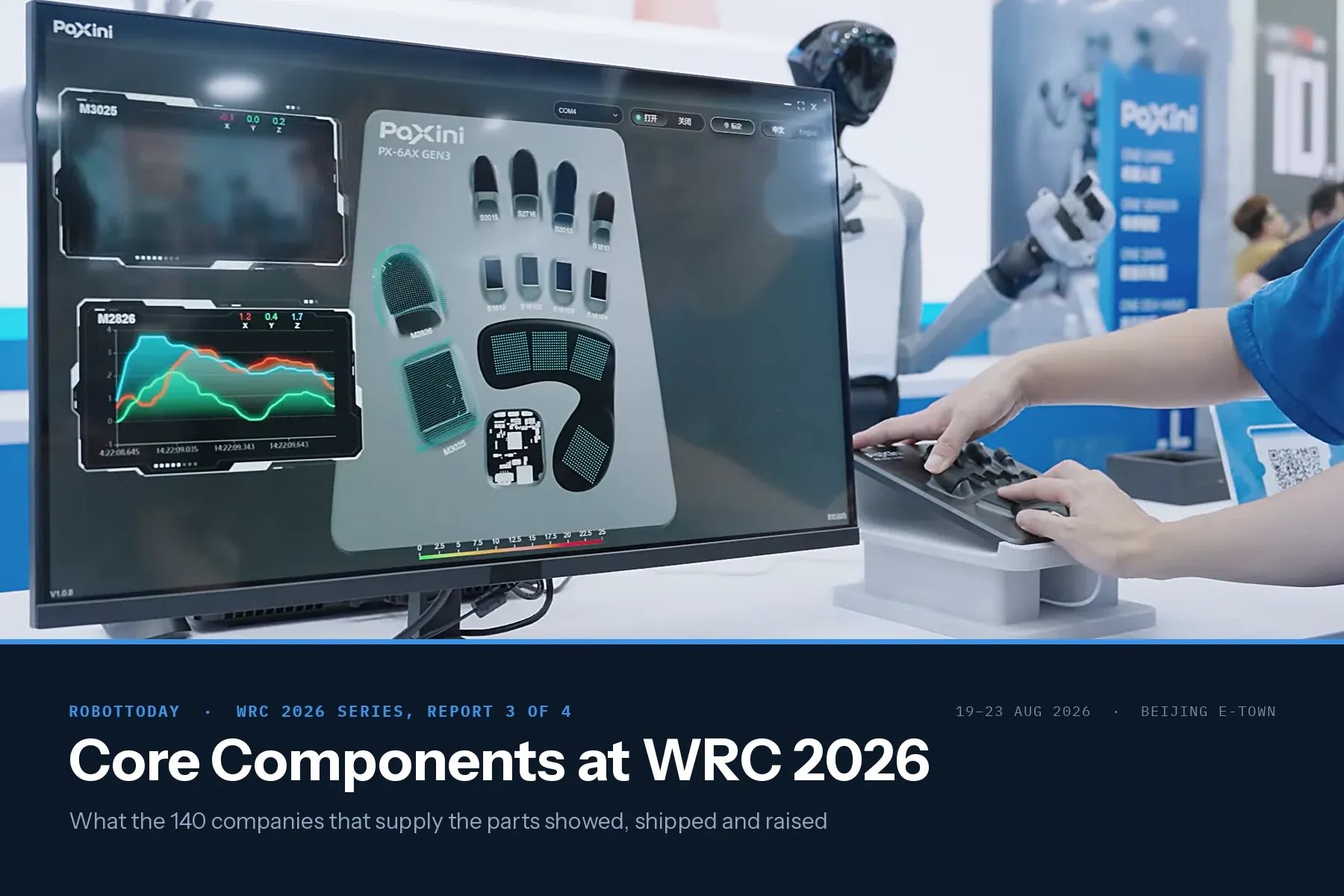
WRC 2026 Core Components: 137 Robot Parts Suppliers
The third report in the WRC 2026 series. Report 1 mapped all 248 exhibitors by category and Report 2 covered the 139 that build finished robots. This one covers the 137 that build what goes inside them.
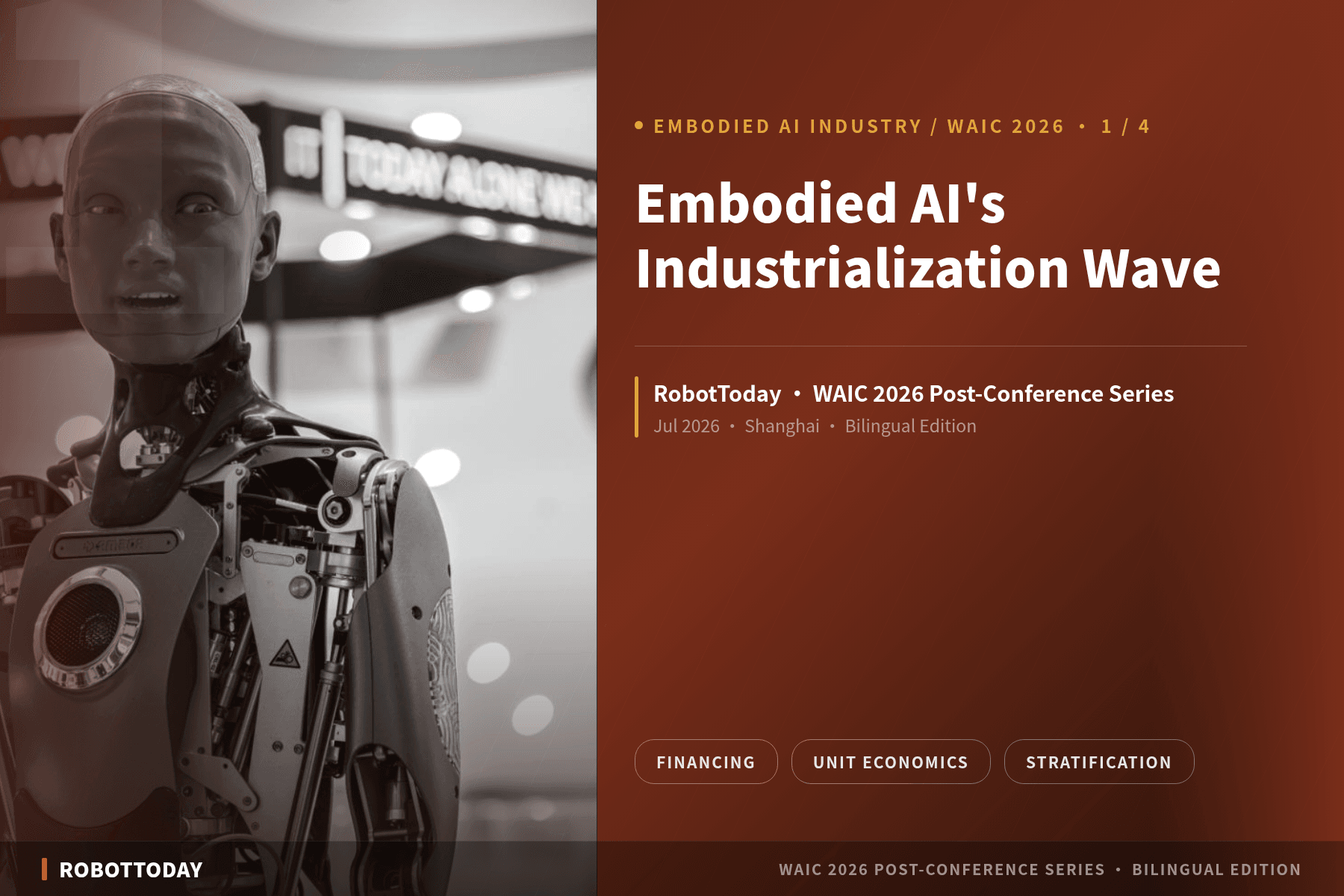
WAIC Review 1/4: Embodied AI's Industrialization Wave: Financing Data, Unit Economics, and a Widening Split
China's embodied AI sector raised $12.5B in H1 2026, but WAIC 2026 speakers detailed ROI demands, power bottlenecks, and the mass-production-to-sales gap.

WAIC Review 4/4: From Port AGVs to Hospital Night Shifts: What WAIC 2026 Reveals About Real Robot Deployments
From 530+ AGVs at a Singapore port to robots on Apple's line, WAIC 2026 speakers shared concrete data on where embodied AI robots are actually working today.

US Restrictions on Chinese Humanoid Robots: The Full Map
Every US restriction on Chinese humanoid robots — NDAA Sec. 163, GUARD Act, the 1260H list — plus the supply-chain math and a 4-tier map of decoupling.

WAIC 2026: Embodied Intelligence Enters Industrial Deployment Era
WAIC 2026 in Shanghai (July 17–20) saw 200+ embodied intelligence companies, 300+ live robots, and first confirmed humanoid deployments in logistics and pharmacy. RobotToday engineering analysis.
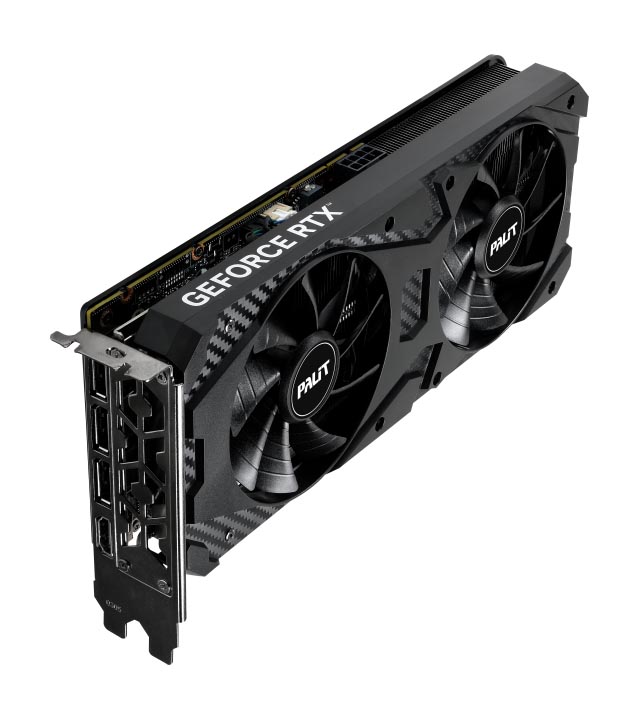
Palit Launches GeForce RTX 3060 Infinity 2 OC Graphics Card Featuring 12GB GDDR6 Memory
Palit Microsystems has announced the release of the GeForce RTX 3060 Infinity 2 OC graphics card, designed for 1080p gaming. This model is equipped with the GeForce RTX 3060 GPU and includes 12GB of GDDR6 memory. It features a dual-fan cooling system and a silent mode that stops the fans during low workloads. The GeForce RTX 3060 Infinity 2 OC operates at a core frequency of 1792MHz (boost) and has a memory speed of 15Gbps. It requires a single 8-pin auxiliary power connector and offers multiple video outputs, including HDMI 2.1 and three DisplayPort connections. This launch is significant as it caters to gamers looking for efficient performance at 1080p resolution. Looking ahead, the graphics card market continues to evolve with new releases and competitive pricing. No further timeline was disclosed at the time of publication, but the introduction of the GeForce RTX 3060 Infinity 2 OC is expected to impact consumer choices in the gaming hardware sector.
When a Materials Giant Meets Robotics: Covestro at Automate 2026
At Automate 2026, Covestro brought Makrolon, Bayblend, Baysafe BEF and Vulkollan to robotics — tackling weight, heat, sensing and sustainability for humanoids and AGV/AMRs.

The EV Déjà Vu: Why China's Humanoid Robot Blitz May Be Winning the Battle — but Losing the War
China controls 80% of humanoid robot shipments and crushes hardware costs. But is winning the body enough? A deep analysis of the US-China robot war beyond the EV analogy.

ROBOTTODAY Weekly June 23 – 27, 2026
This week in robotics: Agility Robotics $2.5B SPAC deal for first humanoid IPO, BMW Figure 03 logistics deployment, Morgan Stanley doubles China humanoid forecast, ON Semiconductor acquires Synaptics for $7B, Sony halts aibo in Japan. June 23–27, 2026.


