HAICT 하이씨티
South Korean EdTech company offering EasyMaker digital science experiment platforms and EasyOn block-coding software for STEAM education in schools.
Contact HAICT
WEBSITE
https://www.haict.kr/PHONE
061-820-8300HEADQUARTERS
Korea, Republic of (South)

Company Facts
Founded
-
Primary Role
Software/Algorithm
Company Size
-
Primary Region
Asia-Pacific
Annual Sales
-
Funding Stage
-
Funding Total
-

WaiV Robotics Achieves First Autonomous Nighttime Landing on Moving Vessel
WaiV Robotics has successfully conducted a series of open-sea demonstrations showcasing its autonomous drone launch and recovery system. Notably, the company achieved the first-ever autonomous maritime takeoff and landing at night, marking a significant milestone in maritime technology. This achievement is crucial as it demonstrates the capabilities of WaiV's patented catch-lock-release mechanism and AI-powered predictive algorithms. These technologies enable drones to land on moving vessels, enhancing operational efficiency and safety in maritime operations. Looking ahead, the advancements made by WaiV Robotics could pave the way for further innovations in autonomous maritime systems. No further timeline was disclosed at the time of publication.
Drones News autonomous drones autonomous landing autonomous systems drone landing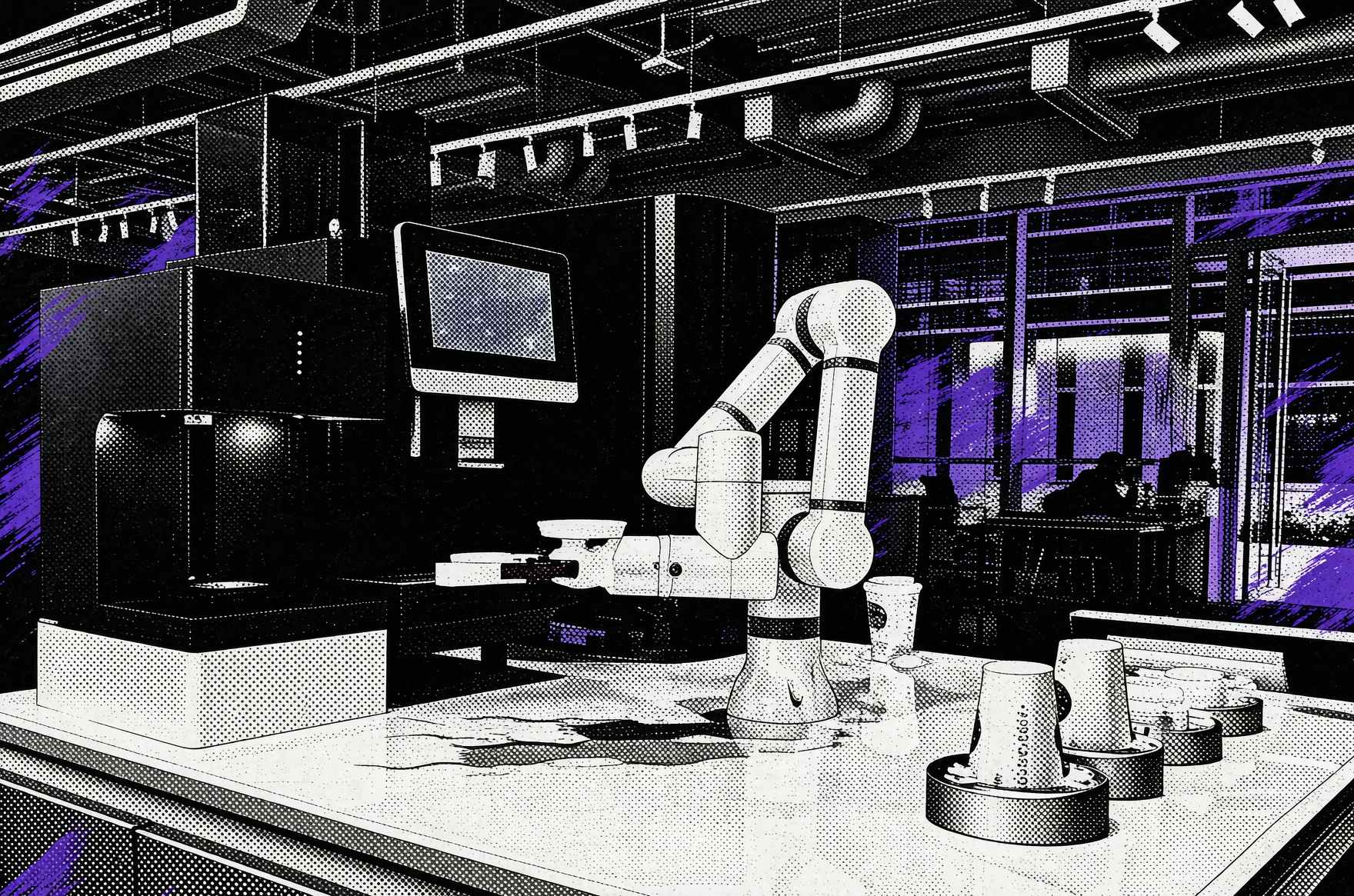
Chinese Coffee Robot Expands to 70 Countries, Serving 6 Million Customized Cups
A two-meter tall coffee robot, developed by Heituan, has expanded its reach to 70 countries, serving over 6 million cups of coffee. The robot performs the entire coffee-making process, from ordering to serving, in under a minute, showcasing its efficiency and customization capabilities. This expansion is significant as it addresses the high operational costs of traditional coffee shops, which can account for 60% to 70% of total expenses. Heituan's coffee robot reduces investment costs to about 70% of a traditional coffee shop while maintaining quality and customization, making it an attractive option in the growing coffee market. Looking ahead, Heituan plans to continue its international expansion while adapting to local market conditions, including varying climates and consumer preferences. No further timeline was disclosed at the time of publication.
Coffee Robotics Automation Technology AI Food Service International Expansion
Boston Dynamics Introduces Industrial-Style Head for Atlas Robot Design
Boston Dynamics has redesigned its Atlas robot, incorporating an industrial-style head instead of human-like features. Mechanical engineer Taylor Frey-Baker emphasized that Atlas is intended for industrial environments, thus its appearance should reflect that purpose. The head lacks facial features and includes light rings that communicate the robot's operational status and intentions to nearby workers. This design choice is significant as it prioritizes safety and efficiency in shared workspaces. The head's lighting interface provides immediate visual cues about Atlas's actions, reducing ambiguity in industrial settings. The robot is equipped with HDR stereo cameras that enhance environmental perception, allowing operators to navigate challenging lighting conditions effectively. Looking ahead, the integration of the head as a sensor carrier and status indicator positions Atlas to work safely and predictably alongside human workers in factories and warehouses. No further timeline was disclosed at the time of publication.
Industrial Robots Robot Design Automation Technology Safety Systems
Paradromics Enables Communication for Woman with Severe Speech Impairment Using Brain-Computer Interface
Paradromics has announced a breakthrough in brain-computer interface technology, allowing a woman with severe speech impairment to communicate freely. The participant, a woman in her 60s from Michigan suffering from progressive motor neuron disease, had the Connexus system implanted, which features over 400 electrodes to capture neural activity at a single-neuron level. This advancement is significant as it enables the user to express her thoughts and engage in real-time conversations, rather than merely completing predefined tasks. The first sentence she communicated was 'Okay, I have a lot to say,' demonstrating the system's ability to decode spontaneous speech accurately without prior preparation. Looking ahead, Paradromics plans to recruit 10 patients with speech and motor paralysis due to conditions like stroke and ALS for further studies. The results from the initial participant are promising, but the broader applicability of the system remains to be validated with additional participants in future trials.
Brain-Computer Interfaces Neural Communication Assistive Technology Speech Decoding
Companion Robots Achieve Nearly 300,000 Sales, Highlighting New Market for Embodied Intelligence
Robopoet's Fuzozo, priced at 399 yuan, has sold nearly 300,000 units in China since its launch in July 2025. This surge in sales contrasts sharply with traditional humanoid robots, which have struggled to gain traction in the market. The emotional companionship and personalized interaction offered by such robots have proven to meet a validated demand, as evidenced by users engaging in over 40 minutes of daily conversation. The growing sales figures for companion robots like Fuzozo and Haivivi's BubblePal, which surpassed 300,000 units in the U.S., indicate a shift in consumer interest towards emotional engagement rather than purely functional capabilities. This trend is underscored by WHO data revealing that one in six people globally experience loneliness, particularly among younger demographics. The success of these robots suggests that emotional needs can drive substantial market growth. Looking ahead, the challenge will be whether these products can maintain user engagement as novelty fades. The integration of large language models has transformed companion robots, allowing them to remember past interactions and respond dynamically, which could enhance user retention. No further timeline was disclosed at the time of publication.
Companion Robots Emotional AI Consumer Robotics Human-Robot Interaction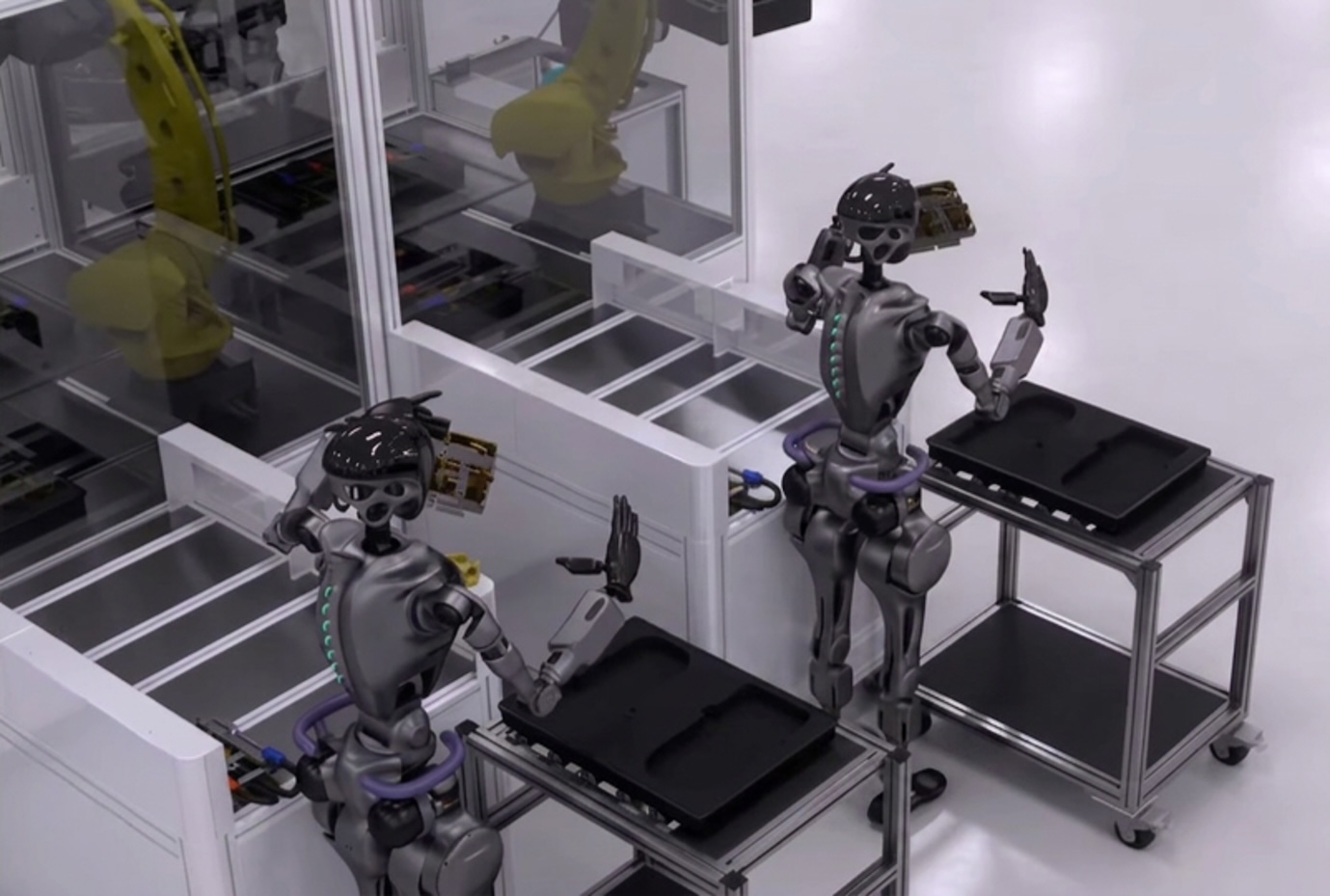
Bosch Ventures Makes Strategic Investment in Asylon Robotics for AI-Enabled Systems
Bosch Ventures has made a significant investment in Asylon Robotics aimed at enhancing the development and deployment of autonomous, AI-driven robotic systems. These systems are designed for security, inspection, and other essential physical operations, addressing the increasing need for effective monitoring and safeguarding of critical infrastructure. The investment is particularly important as operators of critical infrastructure are under mounting pressure to ensure the security and monitoring of complex physical assets continuously. Asylon Robotics specializes in autonomous aerial and ground systems that can meet these demands, thereby contributing to the resilience of critical infrastructure. Looking ahead, stakeholders should monitor how this investment influences the advancement of Asylon's technologies and the broader implications for the security and inspection sectors. No further timeline was disclosed at the time of publication.
Financials & Investments News Robotics asylon asylon robotics autonomous drones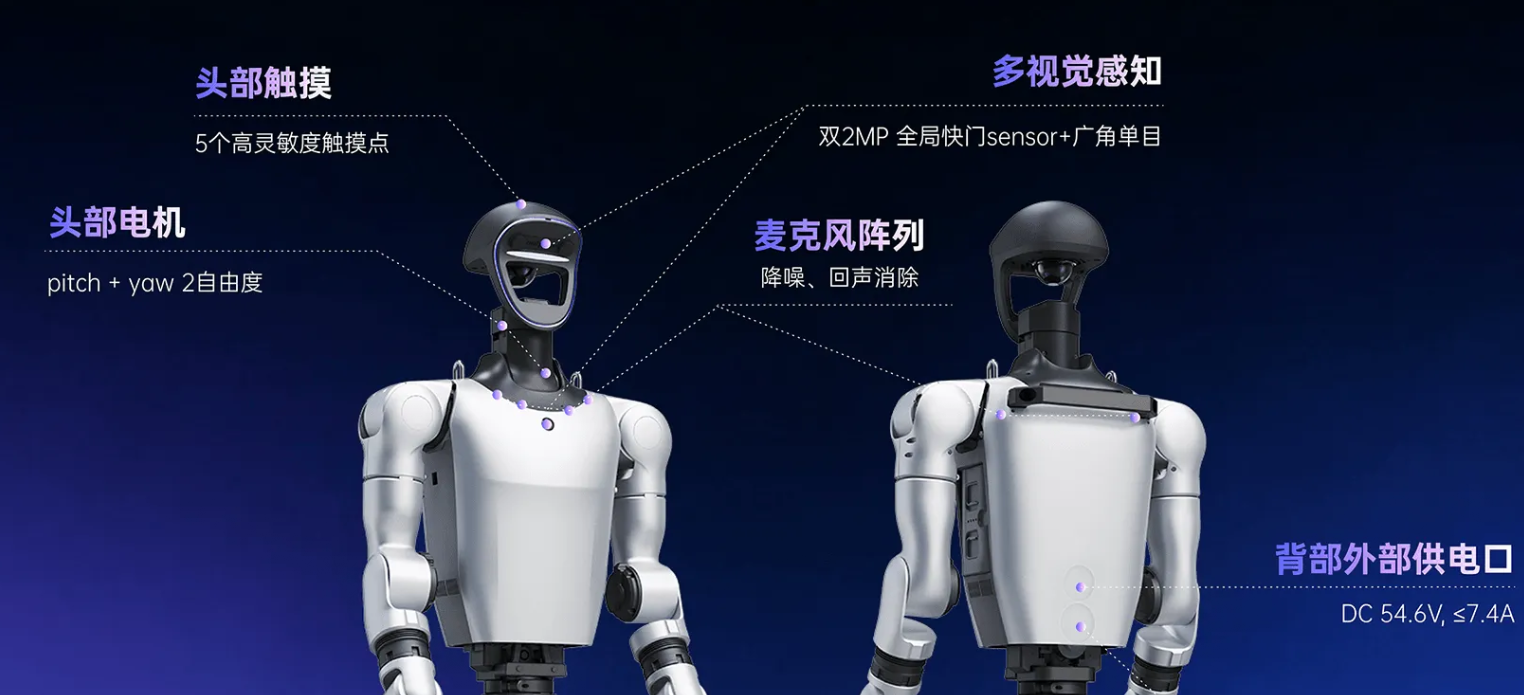
Unitree Introduces Enhanced G1+ Humanoid Robot Featuring Six Key Upgrades
Unitree has unveiled the G1+, an upgraded version of its G1 humanoid robot, featuring six significant enhancements in motion performance, perception, interaction, and endurance. The standard model is priced at RMB 95,000 in China, while the G1+ EDU version is available upon request through sales channels. The G1+ introduces two additional neck degrees of freedom, increases peak shoulder and waist motor torque by 110%, and boosts maximum arm torque by 43%, all while reducing heat generation at the same torque levels. These upgrades enhance the robot's operational capabilities, making it more versatile for various applications. Looking ahead, the G1+ is expected to attract interest in educational and research settings due to its advanced features, including a binocular-plus-wide-angle vision system, head touch sensing, external power support, a six-microphone array, and dual 10-watt speakers. No further timeline was disclosed at the time of publication.
News Feed
University of Southern Denmark Develops Touch-Based Robot Inspired by Star-Nosed Moles
The University of Southern Denmark's robotics team has proposed a concept robot that relies on touch rather than vision, inspired by the star-nosed mole. This mammal is known for its exceptional tactile sensitivity, using its unique nose structure to detect food with remarkable precision. The team's design mimics the functionality of the mole's Eimer organs, which are sensitive structures that allow the mole to perceive its environment through touch. This innovative approach is significant as it addresses the limitations of visual-based robotics, which struggle with transparent, obscured, or hidden objects. By utilizing a flexible liquid-filled tube equipped with pressure sensors, the robot can generate tactile signals in response to external pressure, offering a different sensory pathway compared to traditional visual systems. This could be particularly valuable for robots operating in dark or confined spaces where vision is inadequate. Currently, the prototype remains in the conceptual stage and has not been officially released. However, it signifies a shift towards multimodal perception in robotics, complementing visual information with tactile feedback. As robots are expected to navigate various unstructured environments, the integration of touch could enhance their operational capabilities, similar to the evolutionary adaptations seen in star-nosed moles.
Robotics Tactile Sensors Artificial Intelligence Sensor Technology
Panasonic's Unique Robot Nicobo Achieves Sales of Over 10,000 Units
Panasonic has launched a distinctive home robot named Nicobo, weighing 1.5 kg and priced at 65,000 yen, with over 10,000 units sold since its release in 2023. The robot features a knitted exterior and interacts with users through basic Japanese, responding based on its mood, unlike typical obedient home robots. The significance of Nicobo lies in its design philosophy, which aims to bring joy and emotional richness to users rather than merely serving practical functions. The project was initiated in response to societal issues related to digital stress and violence on social media, with the goal of creating a robot that fosters positive interactions and emotional connections. Looking ahead, Panasonic plans to enhance Nicobo's capabilities by integrating a large language model into its cloud services, although it will maintain its child-like communication style. This approach reflects Japan's unique perspective on robotics, focusing on emotional companionship rather than convenience, positioning the country as a leader in the development of 'weak robots' that prioritize user engagement.
Home Robots Emotional AI Social Robotics Consumer Electronics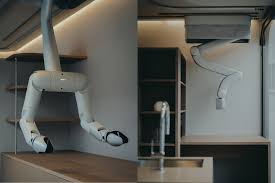
Tokyo's MW Develops Ceiling-Mounted Robotic Arms for Home Automation Instead of Humanoids
Tokyo-based MW is innovating in home automation by integrating robotic arms into residential ceilings, diverging from the trend of humanoid robots. The company aims to debut its MW bot by 2028 and produce 10,000 robotic homes annually by 2035, potentially capturing 5% of Japan's new housing market. This approach addresses the challenges of compact Japanese homes, where traditional bipedal robots struggle with space and safety. MW's ceiling-mounted robotic arms are designed to handle everyday tasks like sorting groceries and folding laundry, as demonstrated in a recent showcase in Tokyo's Toyosu waterfront area. MW's business model is unique, controlling the entire process from land acquisition to AI development. With 3 billion yen in seed funding and plans for international expansion by 2029, the company is focused on high-end real estate, with the success of its technology dependent on reducing costs for broader market adoption. No further timeline was disclosed at the time of publication.
Home Automation Robotic Arms Smart Homes AI Technology
China’s Dexterous Hand Industry, 2026 Part 3 — The Players
Five vendor archetypes, MIR’s composite top ten, eight company profiles and six field deployments — every firm linked to the RobotToday supplier directory.
China’s Dexterous Hand Industry, 2026 Part 2 — The Technology
Linkage, tendon, direct drive or hybrid — and why hardware is converging while the DL1–DL5 manipulation scale decides who wins. Part 2 of 3.
China’s Dexterous Hand Industry, 2026 Part 1 — The Demand Picture
MIR Databank puts China dexterous hand shipments above 30,000 units in 2026, yet only 3.5% of 2025 demand came from factory production. Part 1 of 3.
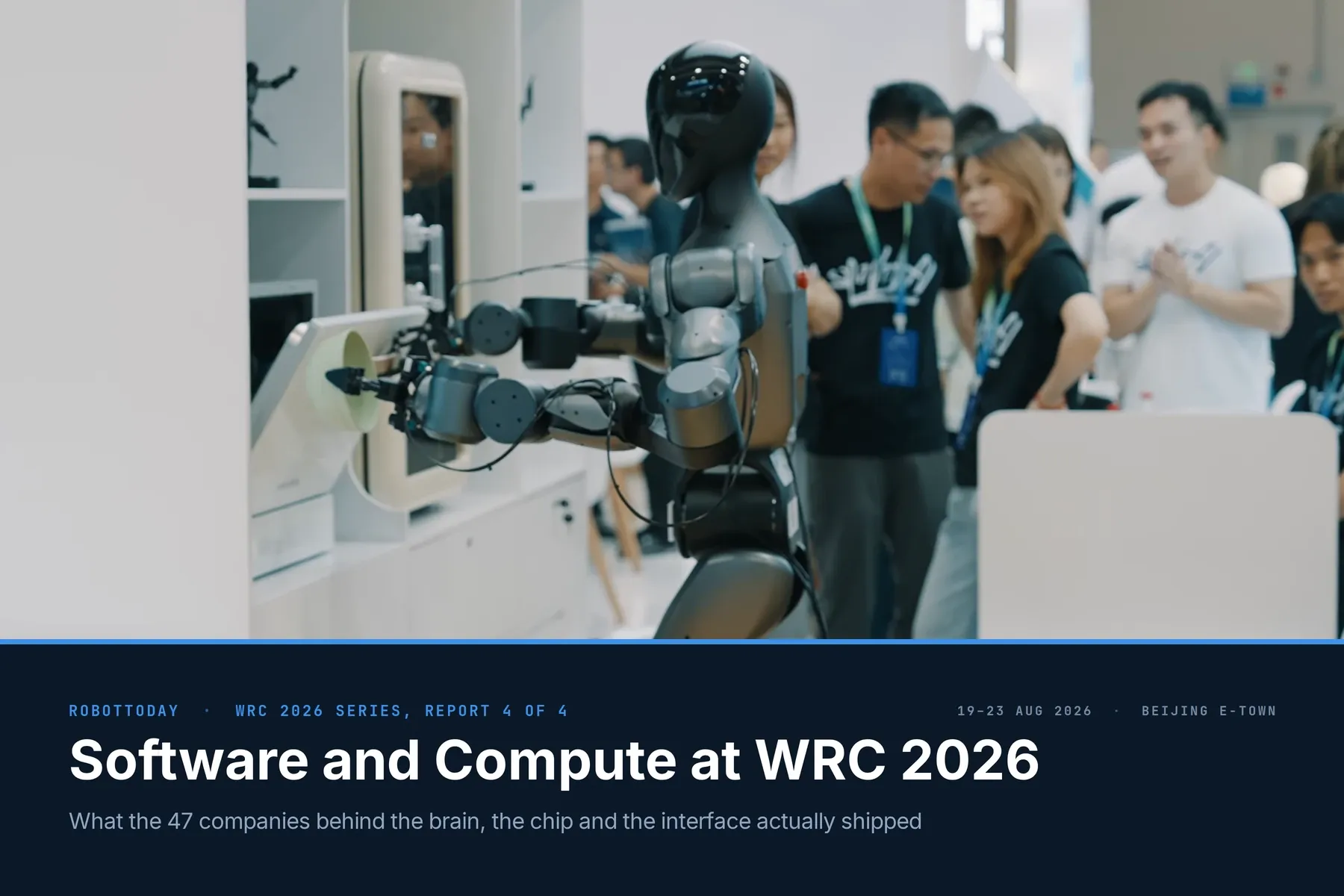
Software, Compute and Interaction at WRC 2026
47 WRC 2026 exhibitors supply robot software, compute or interaction — but only 19 call themselves software companies. Five open artefacts, licence-checked.
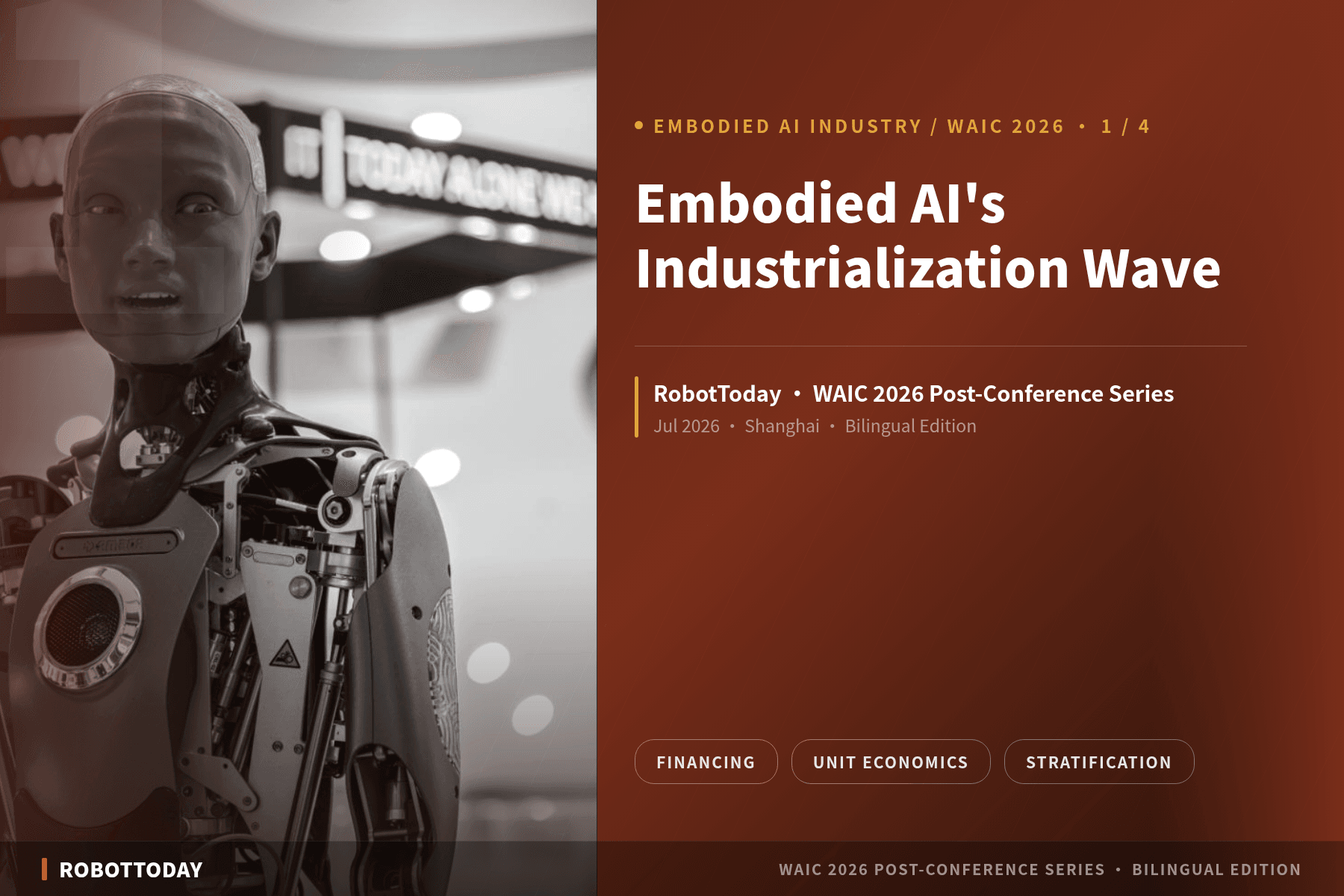
WAIC Review 1/4: Embodied AI's Industrialization Wave: Financing Data, Unit Economics, and a Widening Split
China's embodied AI sector raised $12.5B in H1 2026, but WAIC 2026 speakers detailed ROI demands, power bottlenecks, and the mass-production-to-sales gap.
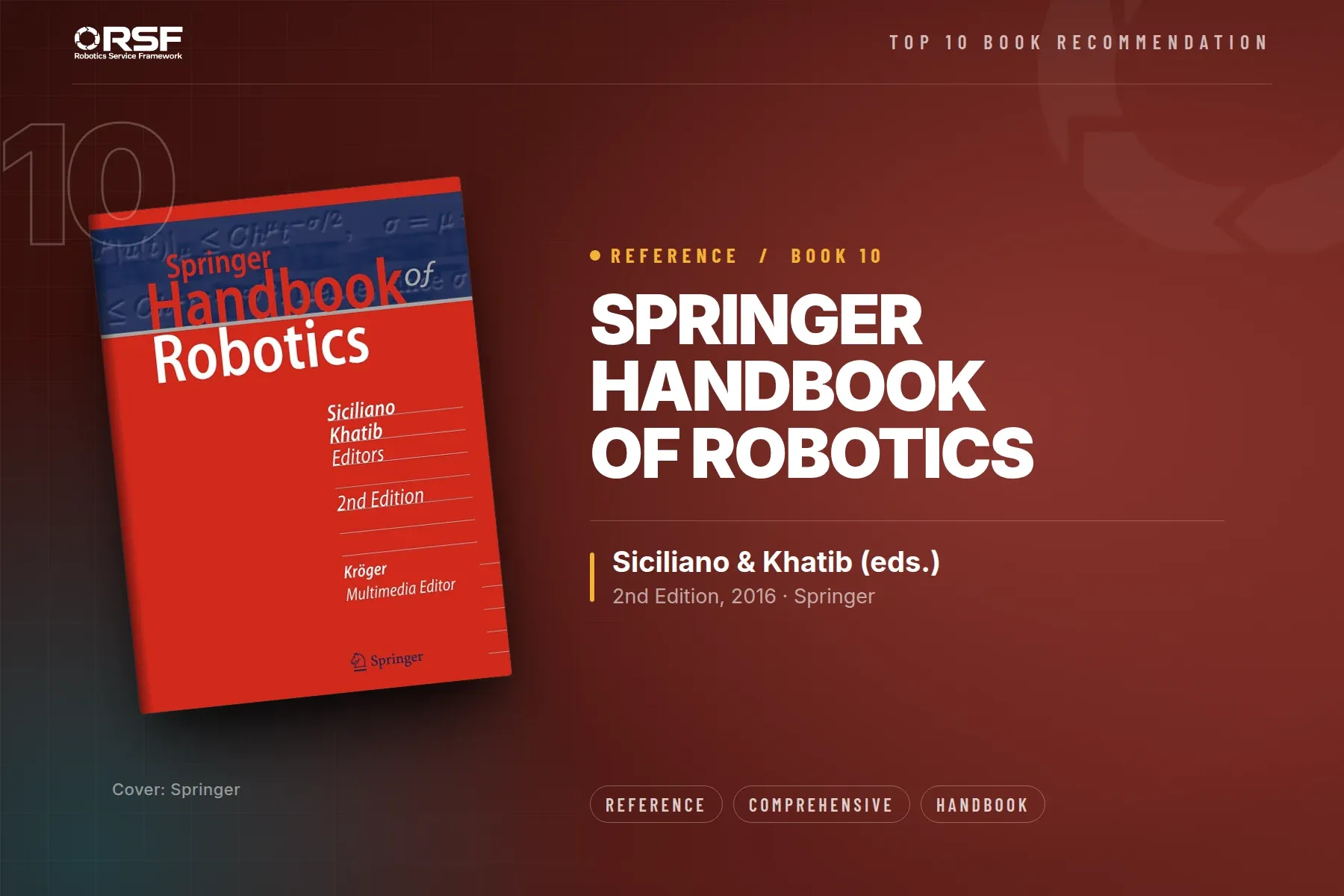
Springer Handbook of Robotics B. Siciliano & O. Khatib (eds.) — RSF Top 10 Robot Education Textbooks · No. 10
Eighty-plus chapters, 2,300 pages, nobody reads it cover to cover. It ranks for one reason: when a fault crosses domains, this is the reference of record.
The Most Important AI at WAIC Wasn't a Robot
At WAIC 2026, AI-native platforms quietly replaced interpreter hardware — what invisible AI infrastructure means for robotics and embodied AI.

Physical AI Landscape: From Digital Intelligence to the Embodied Physical World
A comprehensive industry analysis of Physical AI — covering Embodied AI, Field AI, Factory AI, VLM, World Model, VLA, and the VLA vs WAM architecture debate. Includes 20+ companies, 28 references, and the RobotToday Physical AI Landscape diagram. July 2026.
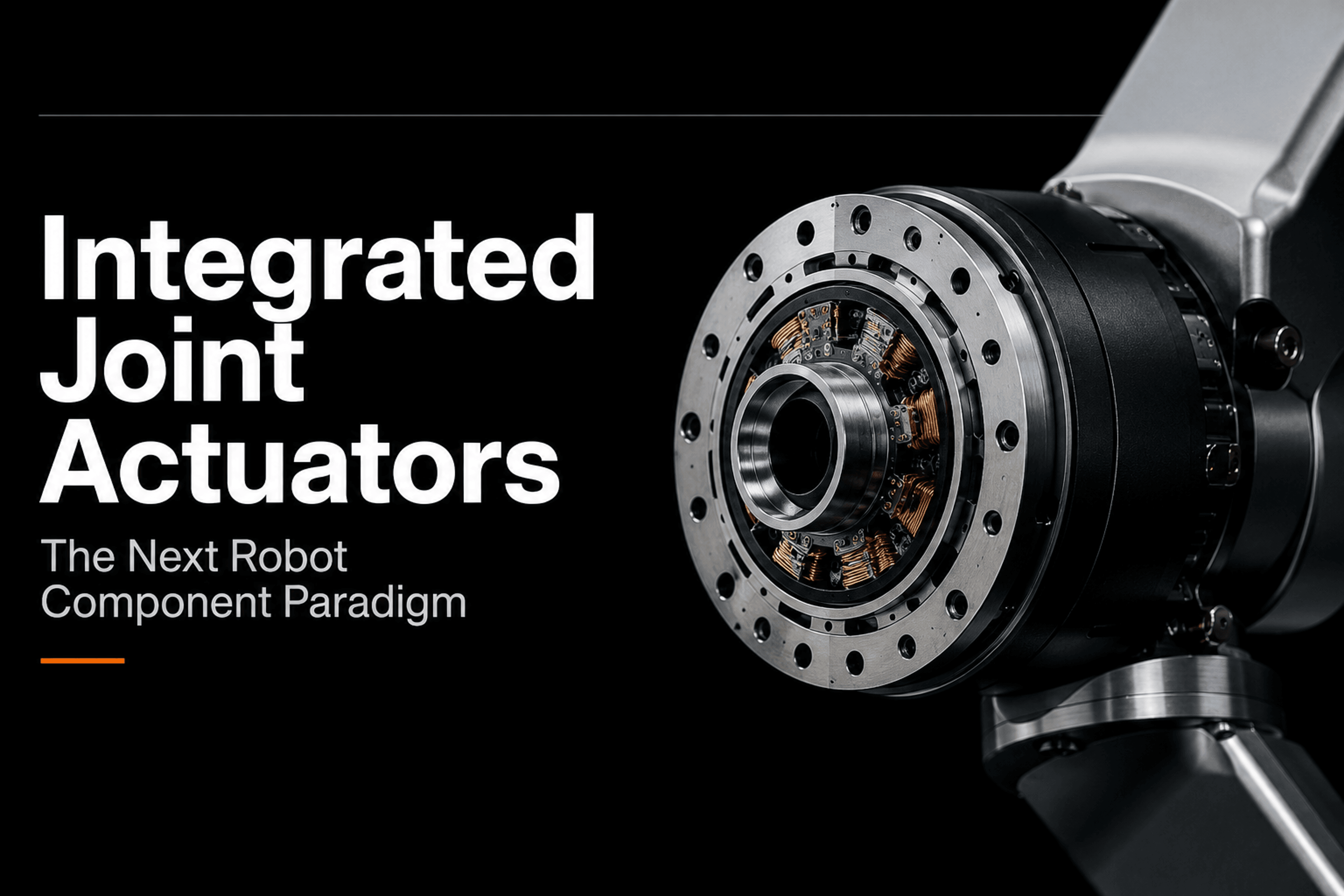
Integrated Joint Actuators 2026: Technology, Global Suppliers & China's Leap Forward
From rotary joints hitting 530 N·m+ to linear joints with planetary roller screws, integrated actuators are replacing the three-part drivetrain. Full supplier map: Tihu, PhyArc, RobStride, Schaeffler, maxon — and China's path from 1,000-RMB modules to global standard-setter.

CONSTRUCTION ROBOTICS | EXOSKELETONS & HUMAN AUGMENTATION
Construction musculoskeletal injuries cost US employers over $2 billion annually. Exoskeletons are moving from pilots to standard practice. Ottobock, German Bionic, Hyundai, and Innophys launched major products in 2024–2025. Korea and Japan lead adoption. AI is turning passive suits into connected safety platforms.