

GrayMatter Robotics
"Let Robots Empower Your Workforce"
US AI robotics startup delivering physics-informed robotic cells for surface finishing — sanding, grinding, polishing — in high-mix manufacturing.
Contact GrayMatter Robotics
WEBSITE
https://graymatter-robotics.com/PHONE
1-310-283-2335HEADQUARTERS
United States

Company Facts
Founded
2020
Primary Role
Manufacturer
Company Size
-
Primary Region
North America
Annual Sales
-
Funding Stage
-
Funding Total
-

Germany Accounts for 41% of All Industrial Robots Installed in the EU
Germany's economy is at the forefront of robotics automation in Europe, having installed 24,800 new industrial robots in the manufacturing sector. This significant contribution highlights Germany's leadership role in the adoption of advanced automation technologies. The installation of these robots represents 41% of all industrial robots deployed across the European Union, underscoring the importance of Germany in the regional robotics landscape. This trend reflects a growing commitment to enhancing productivity and efficiency within the manufacturing industry. Looking ahead, it will be crucial to monitor how Germany continues to leverage robotics technology to maintain its competitive edge in the EU market. No further timeline was disclosed at the time of publication.
Allgemein Newsarchiv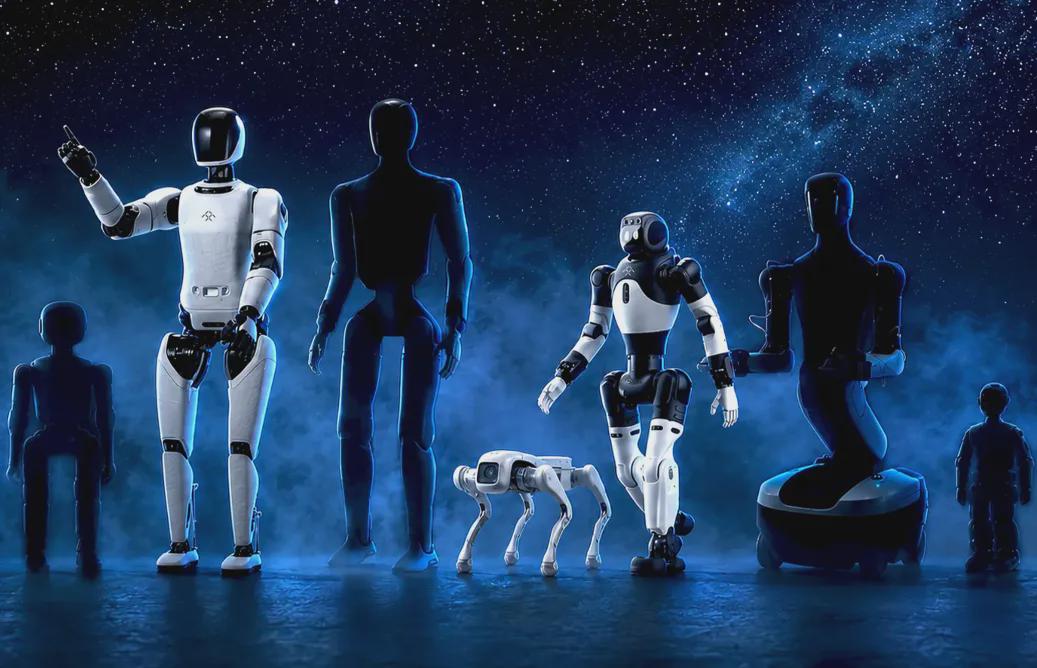
Humanoid Robot Industry Growth: Profitability and Market Dynamics Explored
The humanoid robot industry is projected to experience significant growth, with global shipments reaching approximately 19,000 units in the first half of 2026, a nearly threefold increase year-on-year. Goldman Sachs has raised its 2035 market forecast from $38 billion to $138 billion, predicting sales of 6.48 million units, a 4.7-fold increase from previous estimates. However, a closer look at the financial reports reveals that the profits of leading companies in the sector are primarily derived from traditional industrial robotics and automotive components, with humanoid robot business contributions often below 5%. Despite the promising growth figures, the financial health of several leading firms in the humanoid robotics sector raises concerns. In the first half of 2026, these companies reported a combined net profit of approximately 900 million yuan, while their market capitalization stood at around 140 billion yuan, resulting in a median static price-to-earnings ratio of 90 times. The losses reported by these companies are not solely attributed to research and development but also include significant financial expenses, highlighting the challenges faced by firms heavily invested in the humanoid robotics space. As the industry approaches 2027, the risk of cash flow disruptions looms large, particularly for companies relying on high-leverage balance sheets. While China accounted for 97% of global humanoid robot shipments in August, translating to only 20,000 to 30,000 units annually, the actual profitability remains elusive. The current focus on showcasing capabilities rather than delivering cost-saving solutions for factories indicates a disconnect between market share and financial viability, emphasizing the need for a shift towards sustainable revenue generation in the humanoid robotics sector.
Humanoid Robots Industrial Automation Market Analysis Robotics Industry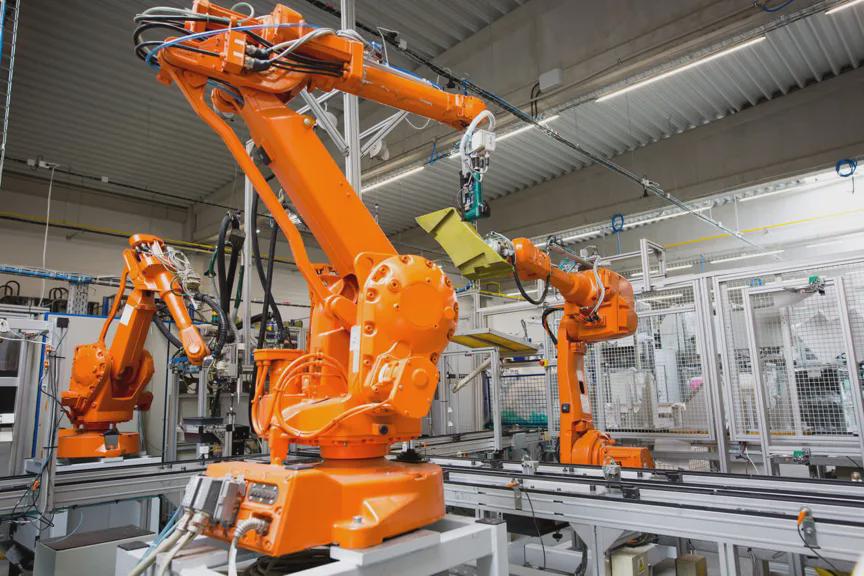
354,000 Chinese Industrial Robots Transforming the Landscape of the 'Four Great Families
A significant development in the robotics sector has emerged, with 354,000 Chinese industrial robots reportedly toppling the city walls of the 'Four Great Families'. This event highlights the rapid advancements in robotics technology and its implications for urban infrastructure. The importance of this transformation lies in the potential for industrial robots to reshape traditional industries and urban environments. As these robots become more integrated into various sectors, they may lead to increased efficiency and innovation, challenging established norms and practices. Looking ahead, the ongoing evolution of robotics technology will be crucial to watch. The integration of such a large number of robots signifies a shift in how industries operate, and it will be interesting to see how this impacts future urban planning and industrial strategies. No further timeline was disclosed at the time of publication.
Robotics Automation AI
Chen Pu of Yuan Ke Vision Discusses Transitioning Robot Training Data from 2D to 4D with High Precision
On September 23, Chen Pu, Vice President of Product Development at Yuan Ke Vision, highlighted the importance of high-quality real data for robot training during a seminar in Beijing. He emphasized the need to elevate data from 2D to 4D and improve precision from centimeter to sub-millimeter levels to build a robust 4D data foundation for robotics. This transition is crucial as the industry faces challenges such as weak model generalization and inadequate scene adaptability. Chen noted that current training methods often rely on limited 2D video data, which fails to capture the complexities of three-dimensional space and temporal changes, hindering robots' ability to understand and interact with their environments effectively. Looking ahead, Yuan Ke Vision aims to address these challenges by developing new data collection and training paradigms that enhance dimensionality, enrich modalities, and improve precision. Chen pointed out that while video data serves as a foundation, it is often too simplistic, and the lack of tactile data remains a significant gap in the industry. No further timeline was disclosed at the time of publication.
Robot Training Data 4D Data Collection Industrial Robotics Embodied Intelligence Precision Robotics
RobotToday Weekly September 21 – 25, 2026
Cognex buys RealSense, Qualcomm acquires PickNik, the IFR counts 5 million factory robots, AGIBOT deploys 300 robots at Chimelong, and Tekever raises $580 million.

Siemens on Robots, Agentic AI and the "Last 3%" Problem
Siemens tells RobotToday at IMTS 2026 why AI robot demos are only the tip of the iceberg, and why agentic AI depends on PLM data and business context.

Glacian: Physics Model Vets AI Data Center Cooling
Glacian Technologies pairs AI with a physics-based digital twin that rejects unsafe commands. CEO Jie Zhao on cutting data center cooling energy 15-30%.

RobotToday Weekly September 14 – 18, 2026
Toyota weighs 400,000 factory robots, SoftBank buys Hyundai's Robotics and AI Institute, Agility unveils Digit 5, Figure's Helix 2.5 generalises to 30 homes, and August robotics funding hits $4.87 billion.

Innovation Works Venture Expo 2026: 58 Pittsburgh Startups Pitch to Investors
58 health, deep tech and robotics startups pitched at Innovation Works Venture Expo 2026 in Pittsburgh. Full company list, program and 2025 funding data.
Stratasys at IMTS 2026: GM Scales Additive to 20+ Plants
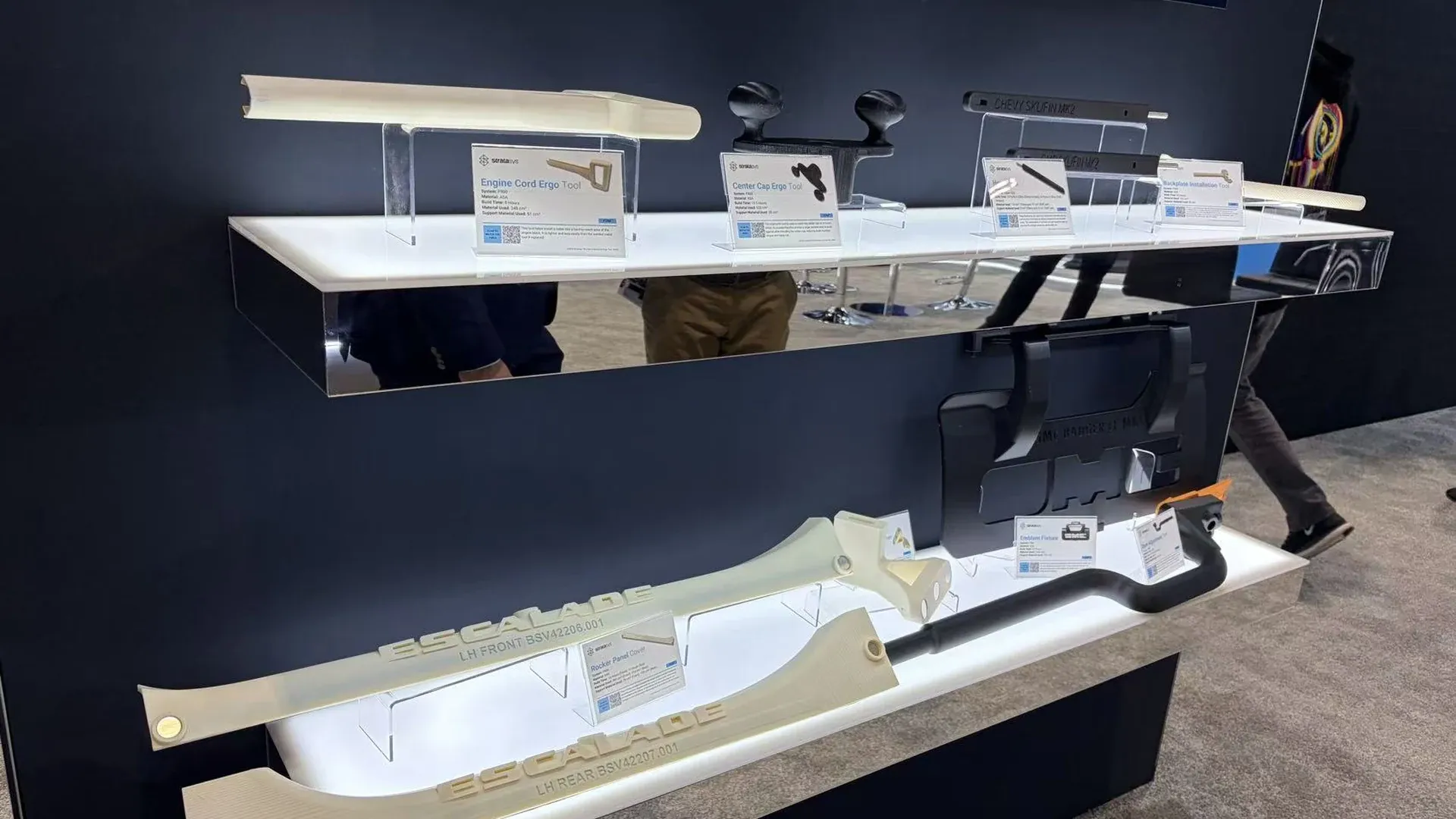
Stratasys is rolling additive out across 20+ GM plants while Toyota prints robot grippers. Booth build data, the F870, and where the cost case breaks.

The Missing Price: What Non-Disclosure Reveals About the Humanoid Market
Of 131 announced robot models, 33 publish no price. US makers withhold at twice the rate of Chinese ones — and the reason is stage, not strategy.
Top 10 Robotics Developments and Funding Highlights from August 2026
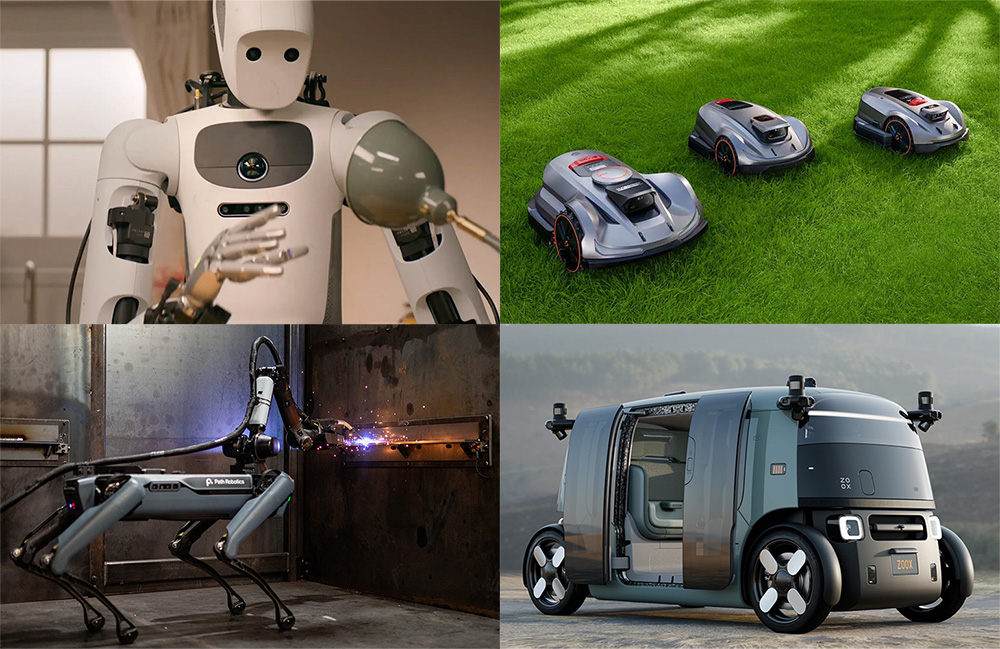
In August 2026, significant funding rounds and advancements in humanoid robotics captured attention across the industry. XPeng Motors' Dogotix unit raised over $900 million, achieving a post-transaction valuation exceeding $6.3 billion, marking a notable entry into humanoid robotics for the electric vehicle manufacturer. The construction sector is witnessing increased demand for automation, with SoftBank investing in Gravis Robotics' Series A round, which is touted as the largest in construction robotics history. Meanwhile, Reimagine Robotics is developing AI technology that allows robots to learn on the job, showcasing the potential for broader applications in various industries. Looking ahead, Unitree Robotics made a significant market debut, raising approximately $905 million in its IPO, while Zoox revealed its final design for a driverless robotaxi, signaling advancements in autonomous vehicle technology. No further timeline was disclosed at the time of publication.
Artificial Intelligence Artificial Intelligence / Cognition Automation Autonomous Mobile Robots (AMRs) Collaborative Robots Construction
ROBOTTODAY Weekly August 3 – 7, 2026
This week in robotics: Unitree prices its Shanghai STAR Market IPO with DeepSeek taking a strategic stake, the FCC expands its foreign-robot ban as China threatens retaliation, BMW commits to Figure 03 humanoids, and Zoox goes paid in Las Vegas. August 3–7, 2026.

HII Enters $900M Agreements with Path Robotics and GrayMatter Robotics for Shipbuilding Automation
Huntington Ingalls Industries (HII) has announced long-term performance-based production agreements with Path Robotics and GrayMatter Robotics, potentially worth up to $900 million over seven years. These agreements aim to enhance shipbuilding capabilities through advanced robotic technologies, including welding and sanding systems. The significance of these agreements lies in HII's commitment to invest in automation that can adapt to complex manufacturing environments. Eric Chewning, HII's executive vice president, emphasized the importance of these partnerships in redefining robotics in shipbuilding, particularly under the High-Yield Production Robotics (HYPR) program launched in April. Looking ahead, HII plans to accelerate the development and deployment of physical AI technologies across various U.S. Navy shipbuilding programs. The agreements include a two-stage approach focusing on Navy-grade development and delivery, with the goal of integrating high-precision production techniques into autonomous production lines. No further timeline was disclosed at the time of publication.
Artificial Intelligence Artificial Intelligence / Cognition Construction Defense / Security Design / Development Earnings
HII Establishes Long-term Production Agreements with Path Robotics and GrayMatter Robotics
HII has signed long-term performance-based production agreements with GrayMatter Robotics and Path Robotics to enhance advanced physical AI automation in U.S. Navy shipbuilding programs. These agreements aim to improve the efficiency and capacity of shipbuilding operations, including aircraft carriers and submarines. The collaboration is significant as it represents a strategic investment in the future of American shipbuilding, focusing on resilience and efficiency in the industrial base. HII plans to allocate up to $900 million in shipbuilding work to both companies over seven years, contingent on meeting specific performance milestones. Looking ahead, the partnerships are expected to drive substantial advancements in robotics and autonomous systems, enabling the delivery of Navy-grade production at scale. No further timeline was disclosed at the time of publication.
hii production agreement path robotics graymatter robotics
Defense manufacturing readiness hinges on autonomous finishing, says GrayMatter Robotics
A recent review of the Navy's industrial base has revealed a significant demand for 174,000 new workers to support defense manufacturing. In response to this workforce challenge, GrayMatter Robotics has proposed that robotics technology could effectively address the labor shortage. The company emphasizes that the integration of autonomous finishing processes in manufacturing could enhance efficiency and productivity, thereby meeting the urgent needs of the defense sector. As the military seeks to bolster its operational capabilities, the adoption of advanced robotics may play a crucial role in ensuring readiness and sustainability within the industry.
Collaborative Robots Defense / Security Manufacturing Maritime Markets / Industries News
ROBOTTODAY Weekly April 20 – 24, 2026
This week in robotics: Chinese humanoid wins Beijing half-marathon, Tesla begins Cybercab production, bipartisan American Security Robotics Act targets Chinese-made robots, and Figure hints at exponential manufacturing ramp-up. April 20–24, 2026.
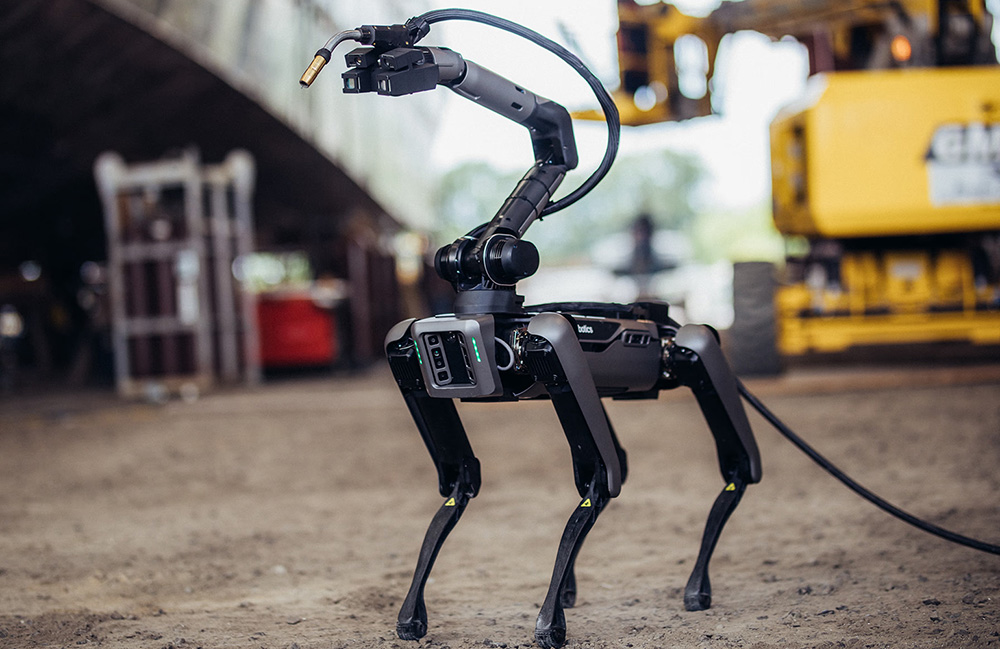
HII partners with Path Robotics, GrayMatter Robotics to accelerate shipbuilding
GrayMatter Robotics and Path Robotics are enhancing their collaboration with HII, a prominent shipbuilding company in the United States. This partnership aims to accelerate the shipbuilding process by integrating advanced robotics technology into HII's operations. The initiative is part of a broader effort to innovate and streamline production methods within the shipbuilding industry. By leveraging the expertise of both robotics firms, HII seeks to improve efficiency and reduce costs in its manufacturing processes. This strategic alliance marks a significant step forward in modernizing shipbuilding practices, reflecting the growing trend of automation in traditional industries.
Artificial Intelligence Artificial Intelligence / Cognition Defense / Security Design / Development Manufacturing Maritime
ROBOTTODAY Weekly April 5 – 11, 2026
This week in robotics: UniX AI’s Panther becomes the first household humanoid in real deployment, Hyundai reveals a mass-production factory robot, ShengShu raises $293M for physical AI, and Spirit AI closes $420M in 30 days. April 5–11, 2026.

HII Teams with GrayMatter Robotics to Integrate Physical AI into Manned and Unmanned Shipbuilding
HII and GrayMatter Robotics (GMR) have entered into a memorandum of understanding to explore the integration of GMR’s Physical AI technology into shipbuilding operations. The agreement, signed at GMR's headquarters, aims to enhance production efficiency, bolster the maritime industrial base, and support the shipbuilding workforce. Key technologies under consideration include autonomous surface preparation, coating, and inspection processes. The signing ceremony featured Eric Chewning, HII’s executive vice president of maritime systems and corporate strategy, alongside Ariyan Kabir, CEO and co-founder of GrayMatter Robotics. This collaboration seeks to innovate and modernize shipbuilding practices, ultimately improving throughput and operational effectiveness in the industry.
hii graymatter robotics physical ai unmanned shipbuilding
