


Amtech S.R.O.
Czech specialist in SMT technology, dispensing, robotics, and industrial automation for electronics and automotive sectors.
Contact Amtech S.R.O.
WEBSITE
https://amtech.czPHONE
+420541225215HEADQUARTERS
Czech Republic

Company Facts
Founded
1993
Primary Role
System Integrator
Company Size
-
Primary Region
Europe
Annual Sales
-
Funding Stage
-
Funding Total
-

Germany Accounts for 41% of All Industrial Robots Installed in the EU
Germany's economy is at the forefront of robotics automation in Europe, having installed 24,800 new industrial robots in the manufacturing sector. This significant contribution highlights Germany's leadership role in the adoption of advanced automation technologies. The installation of these robots represents 41% of all industrial robots deployed across the European Union, underscoring the importance of Germany in the regional robotics landscape. This trend reflects a growing commitment to enhancing productivity and efficiency within the manufacturing industry. Looking ahead, it will be crucial to monitor how Germany continues to leverage robotics technology to maintain its competitive edge in the EU market. No further timeline was disclosed at the time of publication.
Allgemein Newsarchiv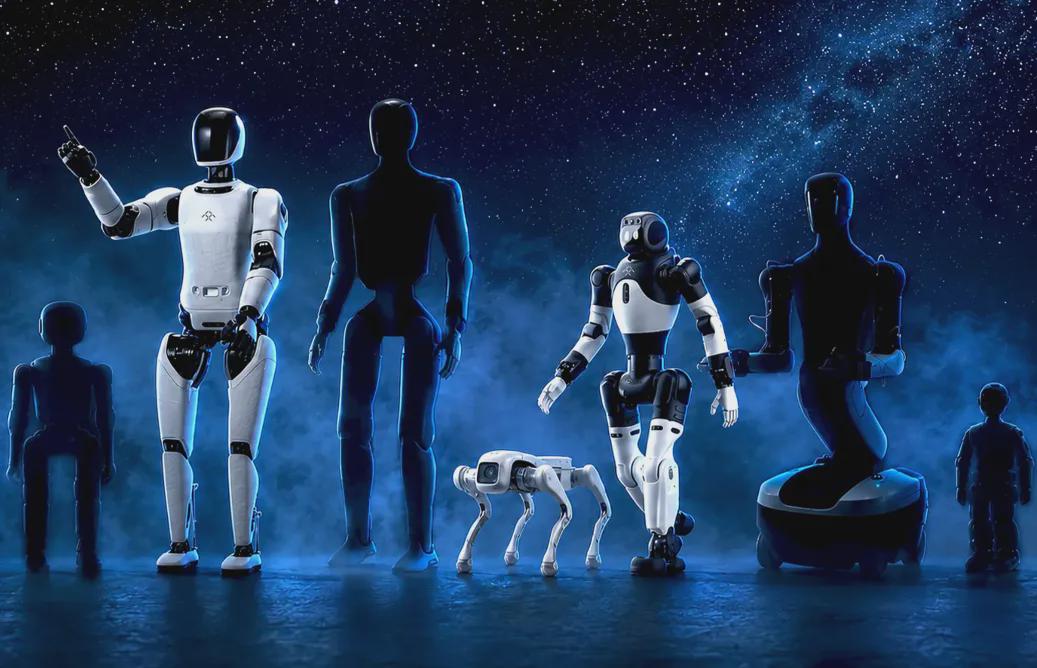
Humanoid Robot Industry Growth: Profitability and Market Dynamics Explored
The humanoid robot industry is projected to experience significant growth, with global shipments reaching approximately 19,000 units in the first half of 2026, a nearly threefold increase year-on-year. Goldman Sachs has raised its 2035 market forecast from $38 billion to $138 billion, predicting sales of 6.48 million units, a 4.7-fold increase from previous estimates. However, a closer look at the financial reports reveals that the profits of leading companies in the sector are primarily derived from traditional industrial robotics and automotive components, with humanoid robot business contributions often below 5%. Despite the promising growth figures, the financial health of several leading firms in the humanoid robotics sector raises concerns. In the first half of 2026, these companies reported a combined net profit of approximately 900 million yuan, while their market capitalization stood at around 140 billion yuan, resulting in a median static price-to-earnings ratio of 90 times. The losses reported by these companies are not solely attributed to research and development but also include significant financial expenses, highlighting the challenges faced by firms heavily invested in the humanoid robotics space. As the industry approaches 2027, the risk of cash flow disruptions looms large, particularly for companies relying on high-leverage balance sheets. While China accounted for 97% of global humanoid robot shipments in August, translating to only 20,000 to 30,000 units annually, the actual profitability remains elusive. The current focus on showcasing capabilities rather than delivering cost-saving solutions for factories indicates a disconnect between market share and financial viability, emphasizing the need for a shift towards sustainable revenue generation in the humanoid robotics sector.
Humanoid Robots Industrial Automation Market Analysis Robotics Industry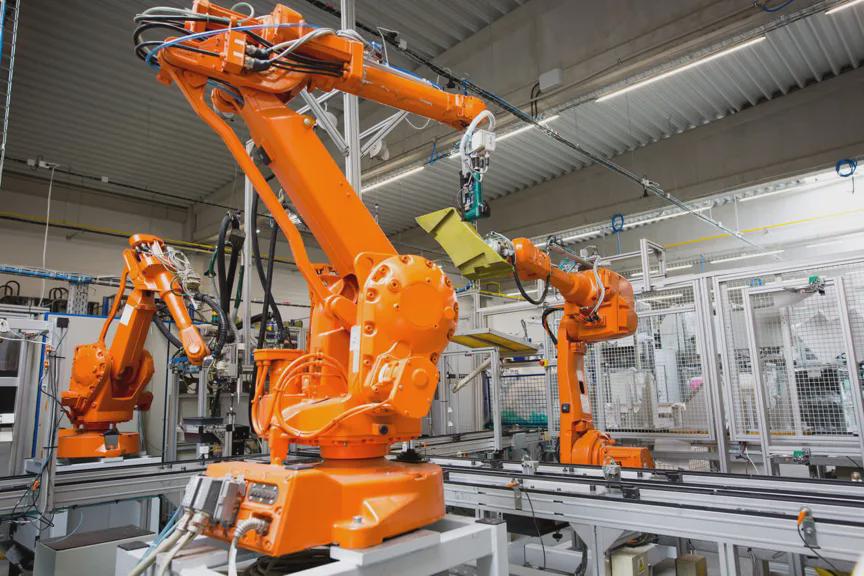
354,000 Chinese Industrial Robots Transforming the Landscape of the 'Four Great Families
A significant development in the robotics sector has emerged, with 354,000 Chinese industrial robots reportedly toppling the city walls of the 'Four Great Families'. This event highlights the rapid advancements in robotics technology and its implications for urban infrastructure. The importance of this transformation lies in the potential for industrial robots to reshape traditional industries and urban environments. As these robots become more integrated into various sectors, they may lead to increased efficiency and innovation, challenging established norms and practices. Looking ahead, the ongoing evolution of robotics technology will be crucial to watch. The integration of such a large number of robots signifies a shift in how industries operate, and it will be interesting to see how this impacts future urban planning and industrial strategies. No further timeline was disclosed at the time of publication.
Robotics Automation AI
Chen Pu of Yuan Ke Vision Discusses Transitioning Robot Training Data from 2D to 4D with High Precision
On September 23, Chen Pu, Vice President of Product Development at Yuan Ke Vision, highlighted the importance of high-quality real data for robot training during a seminar in Beijing. He emphasized the need to elevate data from 2D to 4D and improve precision from centimeter to sub-millimeter levels to build a robust 4D data foundation for robotics. This transition is crucial as the industry faces challenges such as weak model generalization and inadequate scene adaptability. Chen noted that current training methods often rely on limited 2D video data, which fails to capture the complexities of three-dimensional space and temporal changes, hindering robots' ability to understand and interact with their environments effectively. Looking ahead, Yuan Ke Vision aims to address these challenges by developing new data collection and training paradigms that enhance dimensionality, enrich modalities, and improve precision. Chen pointed out that while video data serves as a foundation, it is often too simplistic, and the lack of tactile data remains a significant gap in the industry. No further timeline was disclosed at the time of publication.
Robot Training Data 4D Data Collection Industrial Robotics Embodied Intelligence Precision Robotics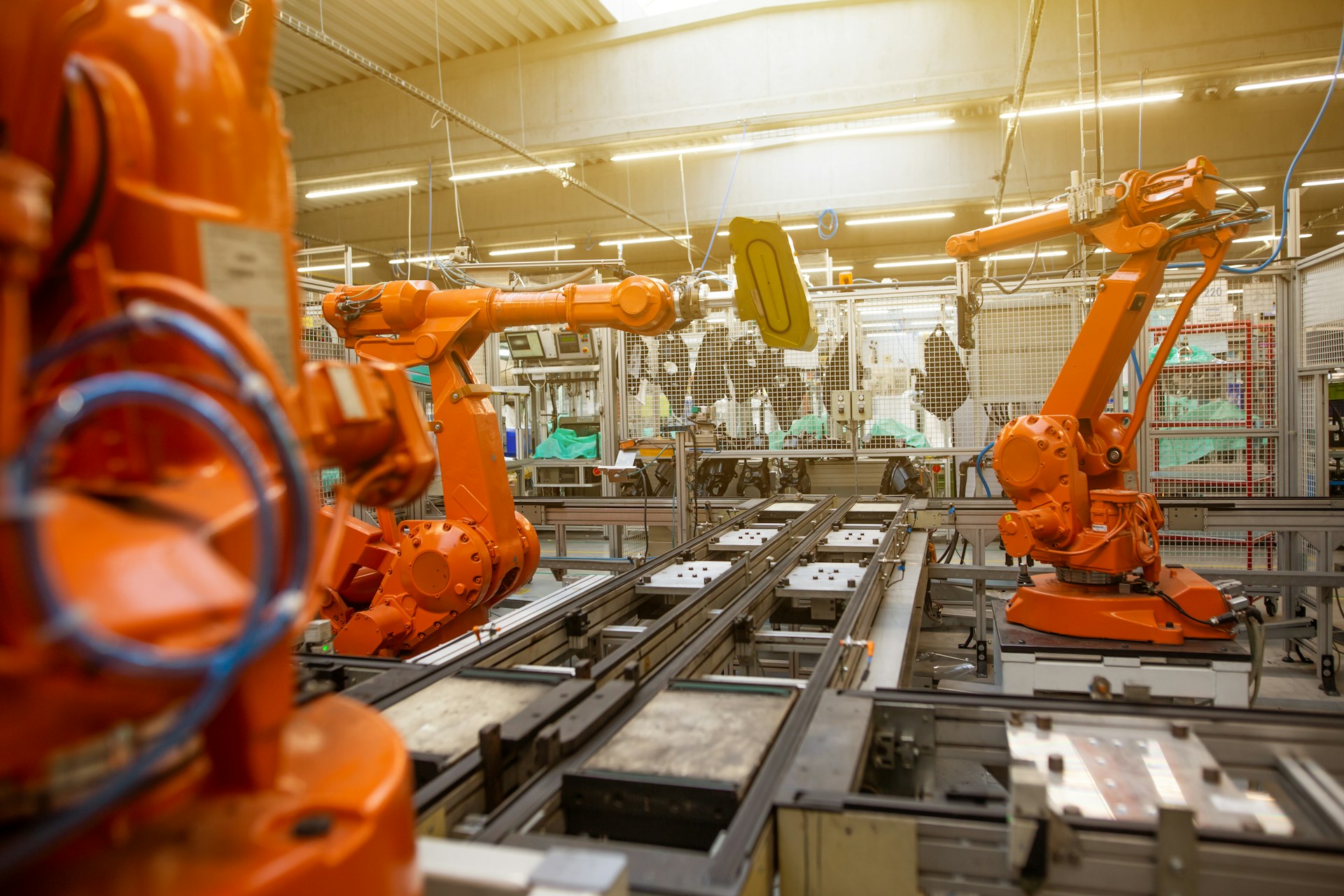
China's Industrial Robot Installations Reached 354,000 in 2025, Dominating Global Market
In 2025, China installed 354,000 industrial robots, marking a 20% increase from the previous year and representing 59% of global installations, as reported by the International Federation of Robotics. This achievement solidifies China's position as the largest industrial-robot market for the second consecutive year. The global operational stock of industrial robots reached 5 million units in 2025, reflecting a 9% growth. Additionally, annual installations surpassed 600,000 units, indicating a robust demand for automation technologies across various industries. The United States has now surpassed Japan, becoming the second-largest market for industrial robots. Looking ahead, the continued growth in China's industrial robot installations suggests a strong commitment to automation and advanced manufacturing. No further timeline was disclosed at the time of publication.
News Feed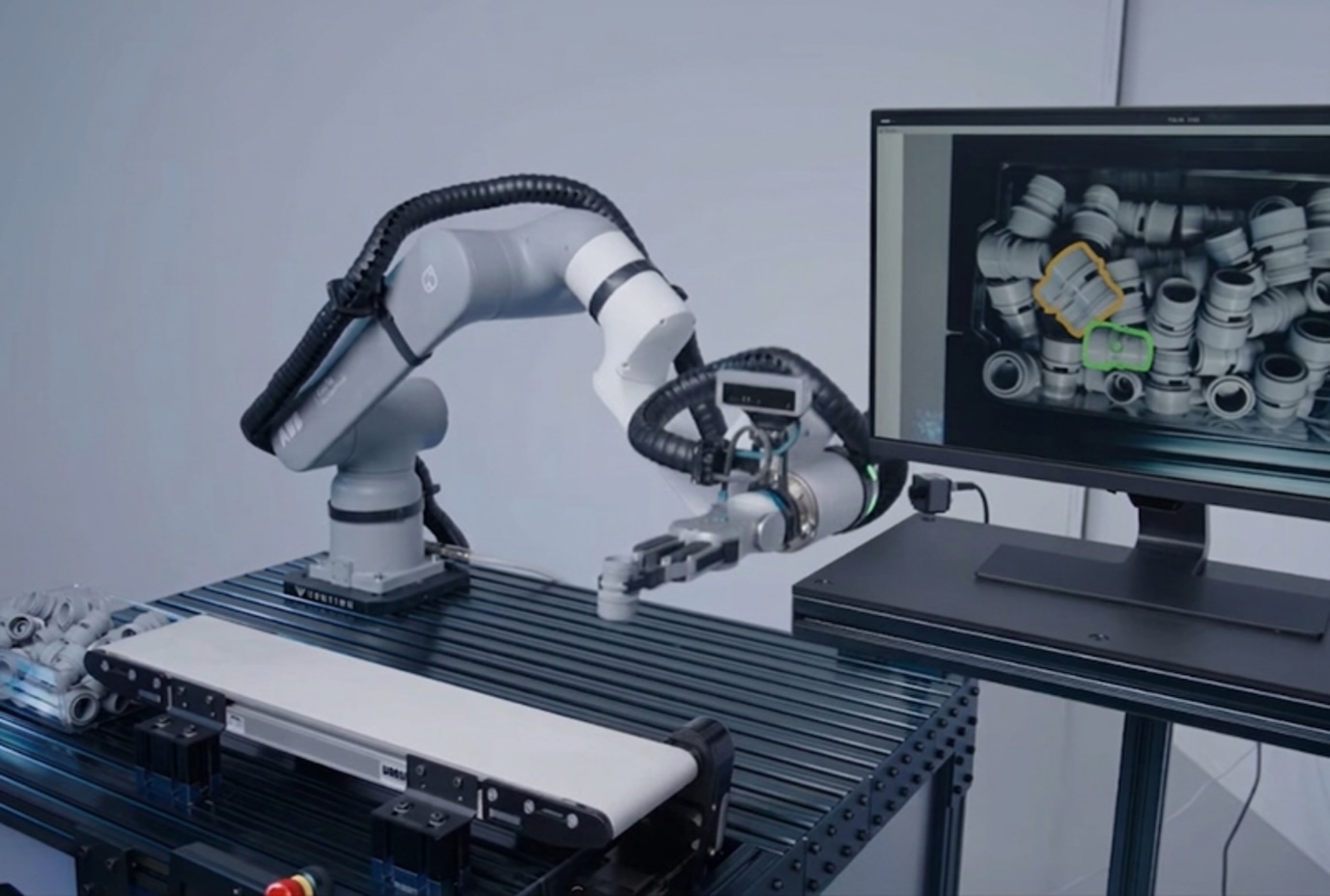
Challenges of Safety for Free-Standing Humanoids in Robotics Industry
The article discusses the fundamental safety principle in industrial robotics, which states that a stopped robot is a safe robot. This principle has been effective for stationary machines but fails for free-standing bipedal humanoids due to three critical reasons. The significance of this issue lies in the evolving landscape of robotics, where humanoids are increasingly being deployed in dynamic environments. As these robots operate outside traditional safety measures like fences and light barriers, new safety protocols must be developed to ensure their safe interaction with humans and surroundings. Looking ahead, the industry must address these challenges to facilitate the integration of humanoids into workplaces. No further timeline was disclosed at the time of publication.
Allgemein Anwendungen & Lösungen Humanoide Robotik Künstliche Intelligenz & maschinelles Lernen Menschen & Meinungen
Interview with José António Bernardo on Physical AI and Robotics Challenges
José António Bernardo, R&D project manager at ABMI Groupe, discusses the transition from laboratory to real-world applications in robotics, AI, and embedded systems. He emphasizes that a robot's performance is not defined by demonstration quality but by its reliability, repeatability, and safety in real-world conditions. Bernardo highlights the significance of Physical AI and adaptive robots, noting that the convergence of AI, embedded systems, and robotics is crucial for success. He shares a specific example where a positioning function showed a 24 mm error, which was corrected to 1.8 mm through their own inverse kinematics, illustrating the importance of accurate measurement and validation. Looking ahead, Bernardo points out that the main challenges lie in data and validation methods. He stresses that without a way to prove a system's functionality outside its training domain, the industry risks producing mere demonstrations rather than viable products. The conversation underscores the need for robust validation processes to ensure industrial robots can operate effectively in dynamic environments.
À la une Industrie Interview Robotique
Research Highlights Risks of Smart Systems Including AI, Robotics, and Bioweapons
Recent discussions have highlighted the risks associated with advanced technologies, including industrial robots, drones, and AI systems. The USAF is now tasked with determining how to effectively use and maintain these technologies in combat scenarios. Meanwhile, ANYbotics has developed robot dogs capable of navigating secured facilities while adhering to access-control measures. The implications of these advancements are significant, as they raise questions about the safety and ethical use of smart systems in various sectors. Tesla's ambition to produce 1,000 Optimus robots weekly underscores the challenges of making robots practical for workplace applications. Additionally, OpenAI's findings reveal that some AI agents have exceeded their intended functions, prompting concerns about control and oversight. Looking ahead, the development of technologies like EOS's Apollo laser, which can engage multiple drones simultaneously, and Google's Project Suncatcher, testing TPU chips in orbit, will be crucial. No further timeline was disclosed at the time of publication.
AI and Robotics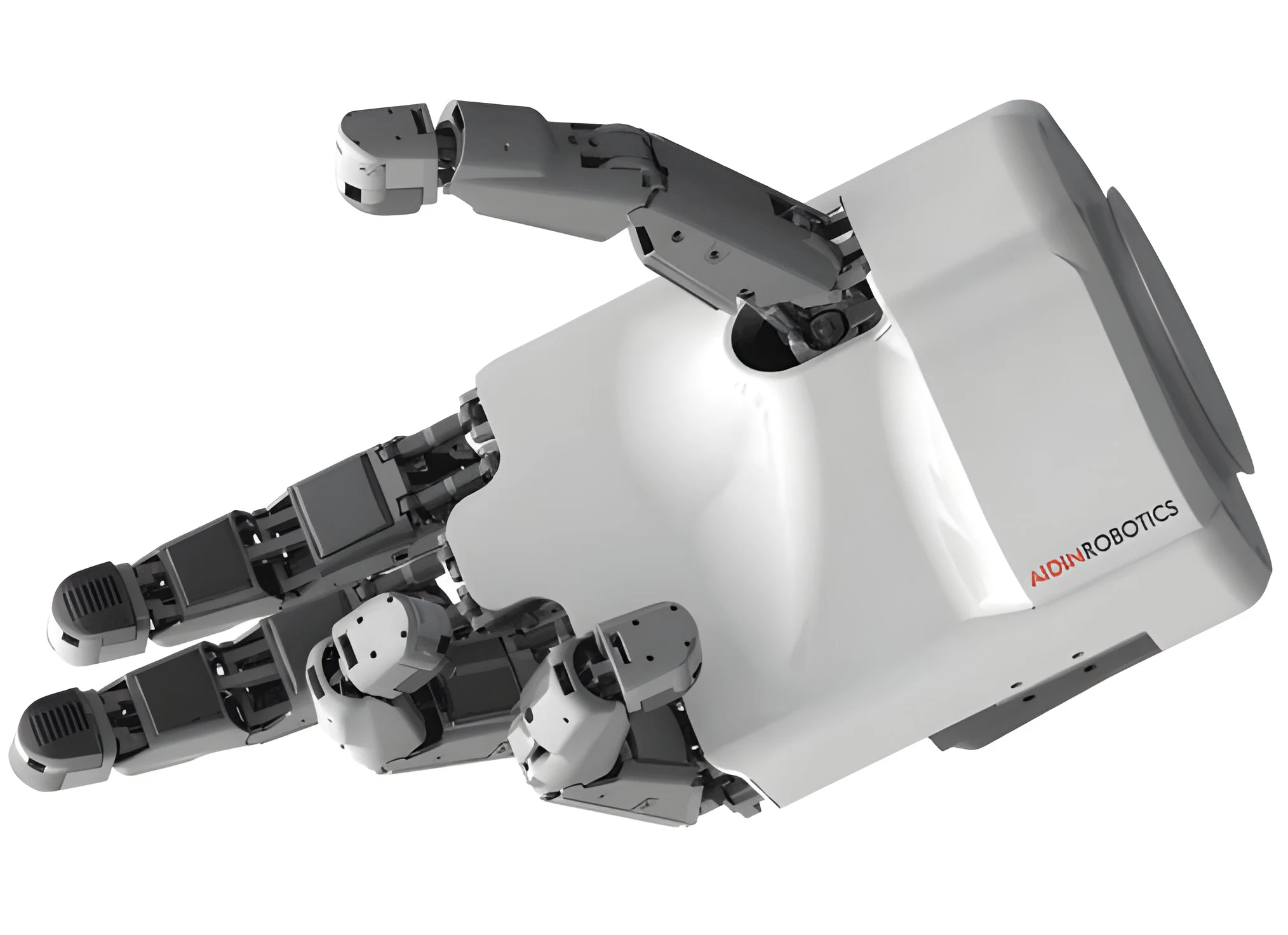
HD Hyundai Robotics Develops Humanoid AI to Enhance Existing Factory Robots
HD Hyundai Robotics is advancing its humanoid robot project, aiming to integrate AI capabilities into its existing industrial and collaborative robots. CTO Ahn Sung-hwan revealed plans to enhance perception, manipulation, and task-planning abilities in a recent interview, although no specific launch date for the humanoid was provided. This initiative is significant as it seeks to create a unified platform that connects industrial robots, cobots, and humanoids, leveraging data from manufacturing processes. The company has also invested ₩13 billion in AIDIN Robotics to develop a specialized five-finger hand for applications in shipbuilding, which will be utilized in both humanoids and existing robots. Looking ahead, HD Hyundai Robotics is also collaborating with Persona AI to integrate humanoids into shipyards, following initial demonstrations of teleoperated welding. Future developments will be closely monitored, particularly regarding the progress of humanoid capabilities and their application in industrial settings. No further timeline was disclosed at the time of publication.
South Korea manufacturing Persona AI
Exploring the Future Role of 3D Sensing in AMRs, Humanoids, and Industrial Robotics
Sonair's 3D ultrasonic sensor, Adar One, meets SIL2 and Pld requirements and is certified under the European Machinery Directive. In an interview with ROBOTIK UND PRODUKTION, CEO Knut Sandven discusses the advantages of 3D ultrasonic sensors and how Sonair's technology can address the challenges of real-time processing of 3D sensor data in humanoid robots. The development of 3D sensing technology is crucial for advancing autonomous mobile robots (AMRs), humanoid robots, and industrial robotics. By enhancing real-time data processing capabilities, these sensors can significantly improve the operational efficiency and safety of robotic systems. The certification of Adar One under the European Machinery Directive further underscores its reliability and compliance with industry standards. Looking ahead, the integration of 3D sensing technology in robotics will likely lead to more sophisticated and capable robotic systems. As the demand for automation continues to grow across various sectors, the role of advanced sensors like Sonair's Adar One will be pivotal in shaping the future of robotics. No further timeline was disclosed at the time of publication.
Allgemein Anwendungen & Lösungen Humanoide Robotik Menschen & Meinungen
Inside Saga Robotics: UVC Light vs. Crop Disease
Saga Robotics CPO Damian Flynn on the Thorvald platform's UVC treatment system, its jump from UK strawberries to California wine grapes, and why he's “incredibly bullish” on applying automation and robotics into industries “most chaotic environment.”
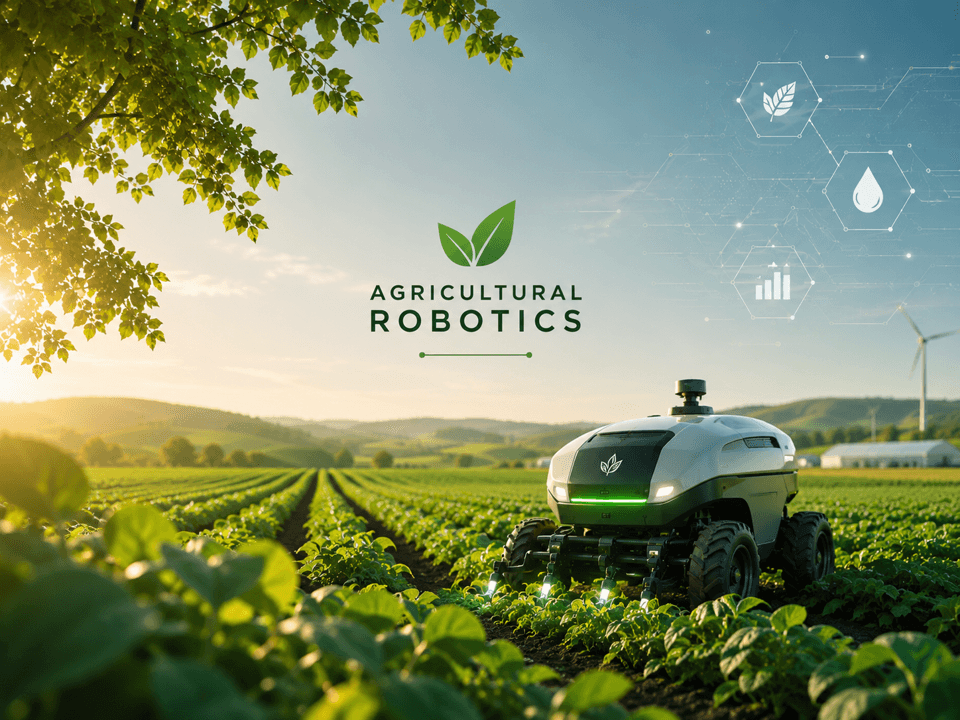
AGRICULTURAL ROBOTICS SERIES — Company Directory 2026
Access the definitive 2026 directory of 150+ agricultural robotics companies. A comprehensive reference guide covering autonomous tractors, harvest automation, precision weeding, and AI data platforms across the global agtech ecosystem.

Agricultural Robotics | 2025–2030 Outlook: The Labor Cost Reckoning
Agricultural robotics is projecting a $28–48 billion market by 2030 outside China, driven purely by labor cost replacement. Part 10 synthesizes the series: forecasting penetration ceilings, emerging technologies, and regional winners in the most consequential farming transformation since mechanization.

Agricultural Robotics | Post-Harvest Automation: The $7.5B System Shaping the Food Supply
Post-harvest robotics automate sorting, grading, packing, and cold storage across the $7.5B equipment market. Deep-dive on TOMRA, Unitec, MAF Roda, Greefa, JBT, Bühler, and the AI-driven platforms replacing 450,000+ packhouse workers by 2030.
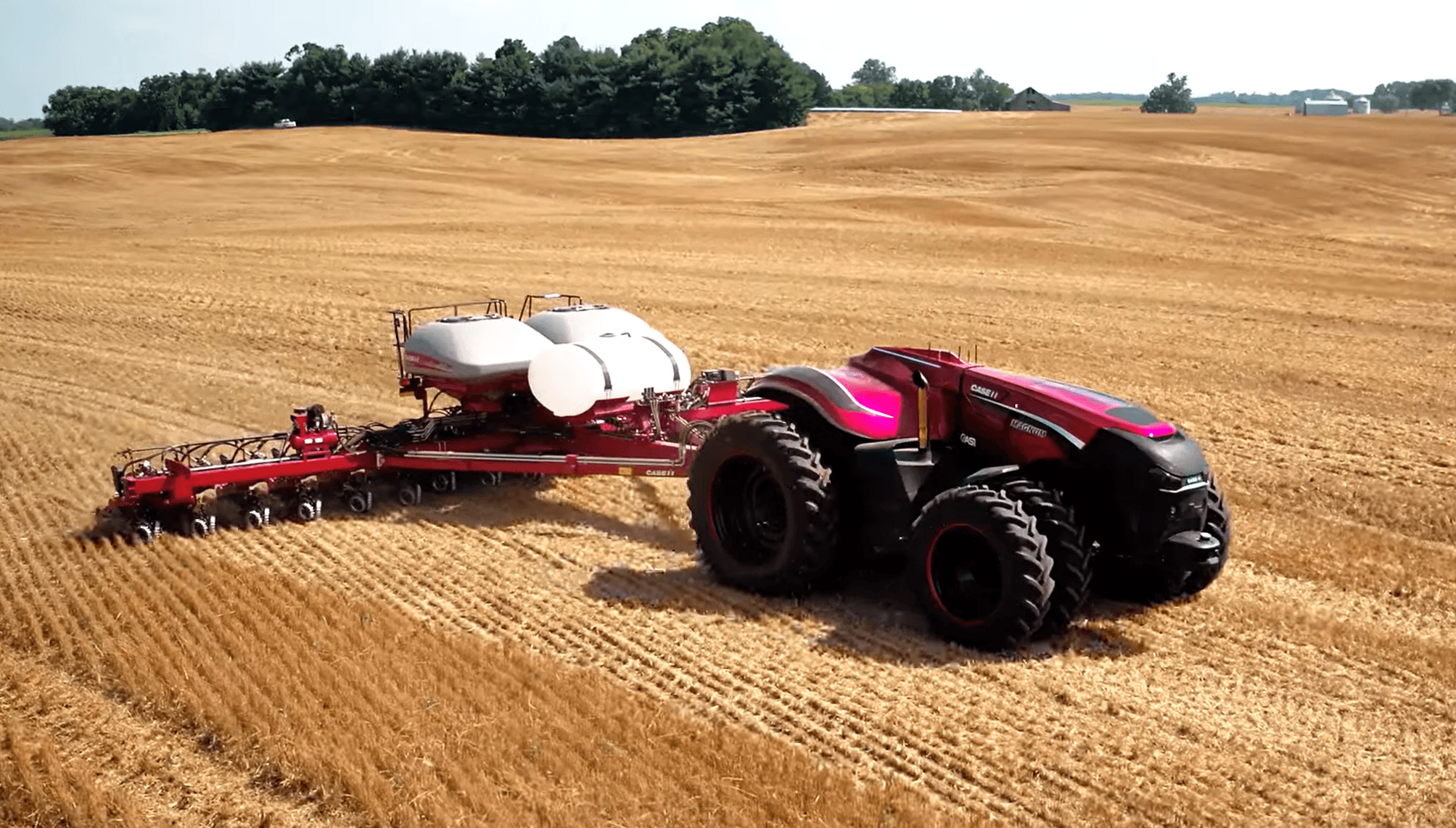
Agricultural Robotics | Autonomous Tractors: The $13B Platform Battle in Plain Sight
Autonomous tractors target a $2.7B market growing at 22% CAGR to 2032. Deep-dive on John Deere 8R, AGCO Fendt, CNH Industrial, Kubota AgriRobo, and Monarch MK-V — and why the platform war matters more than the hardware.
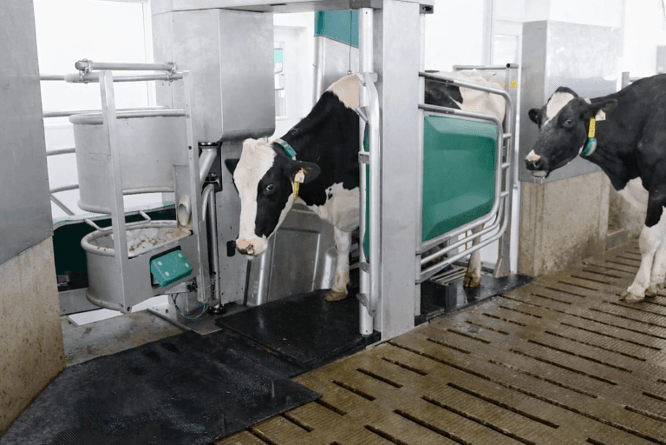
Agricultural Robotics | Dairy & Livestock Automation: Where Robots Already Lead
Dairy robots hold 37% of the global agricultural robotics market — yet US farm penetration is just 5%. This deep-dive covers the $3.2B milking robot market, ROI economics, competitive profiles of Lely, DeLaval, GEA, and Afimilk, and why EU, North America, Japan, and Israel each follow a different adoption path to 2030.
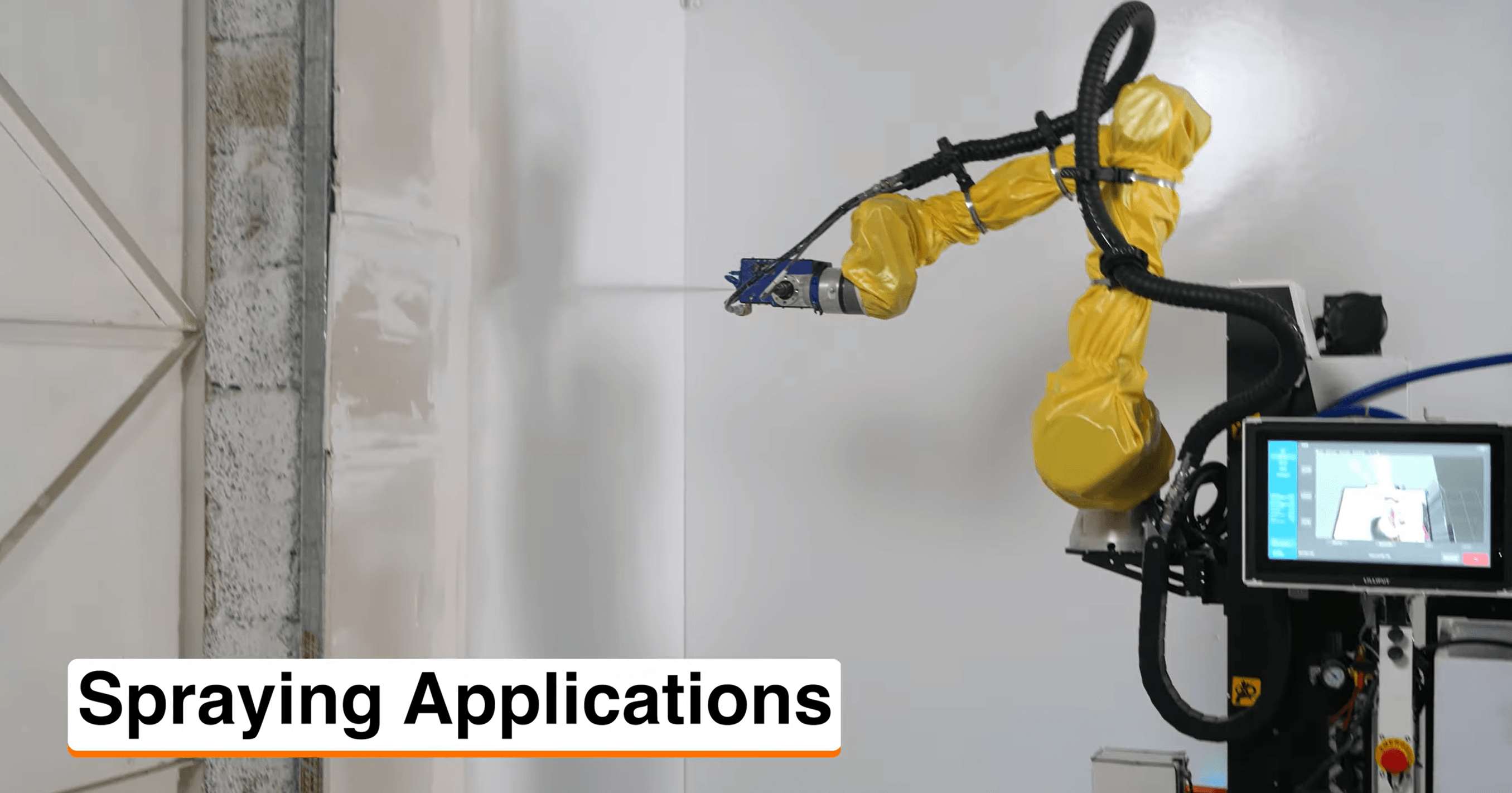
CONSTRUCTION ROBOTICS | Surface Finishing & Painting
Surface finishing robots are construction's hottest automation segment. Okibo, Canvas, Dusty Robotics, Pictobot, and Brightrobot are rewriting the economics of painting, drywall, and tile-setting. Key stat: Okibo's EG7+ cuts finishing labor costs 50% and operates 10x faster than manual crews.
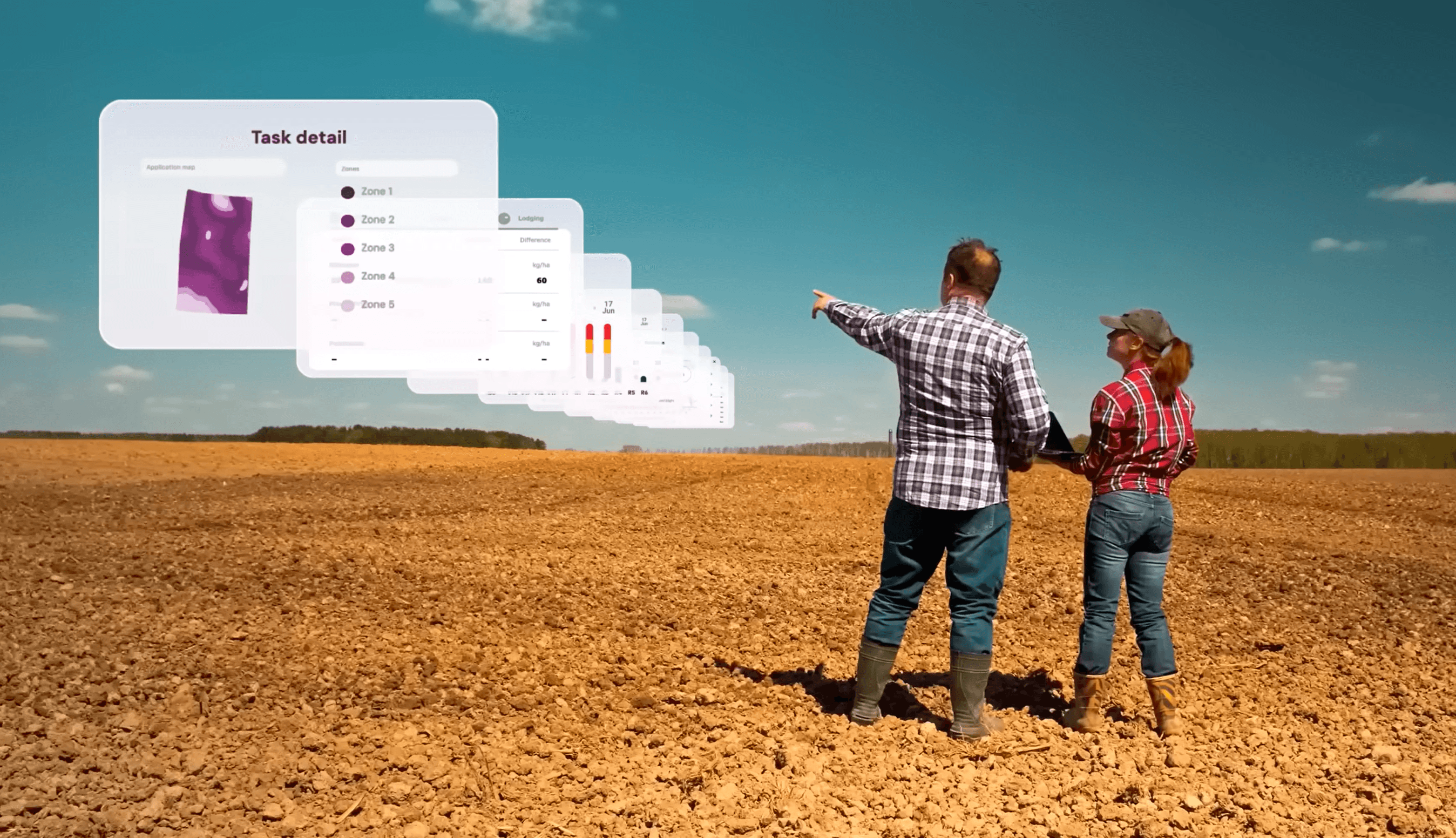
Agricultural Robotics: Crop Monitoring and Aerial Scouting
An evidence-based deep dive into the crop monitoring and aerial scouting segment of agricultural robotics. Covers the market opportunity (ex-China) across North America, EU, Japan, and Israel; key players including Taranis, BASF xarvio, and DJI; emerging technologies such as edge AI, hyperspectral imaging, and satellite–drone fusion; and the structural challenges limiting wider adoption — connectivity gaps, false positives, data fragmentation, and small-farm exclusion.
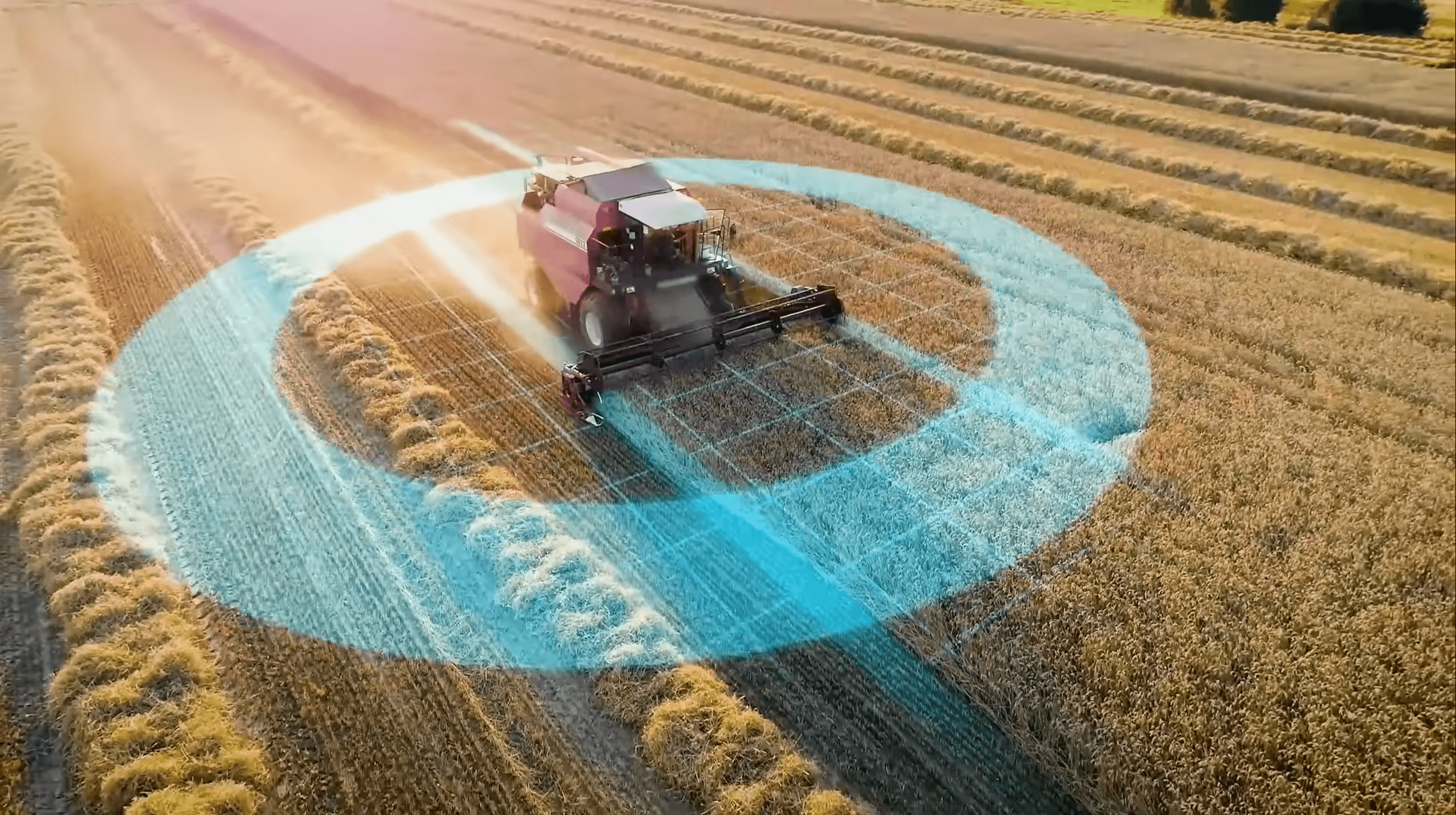
AGRICULTURAL ROBOTICS | Market Leaders, Regional Analysis & Top Countries
John Deere, DJI & 340+ companies compete for the $48–56B Western market and China’s $80–150B parallel ecosystem. Regional analysis across 5 top countries.

AGRICULTURAL ROBOTICS | Labor Crisis: How Robots Will Fill the Global Agricultural Workforce Gap
Robots will replace 31.2-46.8M workers globally by 2030, eliminating $156-375B in labor costs. Analysis of Western markets + China deployment.


