


Aerosonde
Pioneer Australian UAS manufacturer, creator of the Aerosonde small unmanned aircraft; acquired by AAI Corp in 2006, then Textron in 2007; now Textron.
Contact Aerosonde
WEBSITE
https://www.textronsystems.com/textron-systems-australiaPHONE
+1 978-657-5111HEADQUARTERS
Australia

Company Facts
Founded
1995
Primary Role
Manufacturer
Company Size
employees 100-500
Primary Region
Oceania
Annual Sales
-
Funding Stage
-
Funding Total
-
Keywords
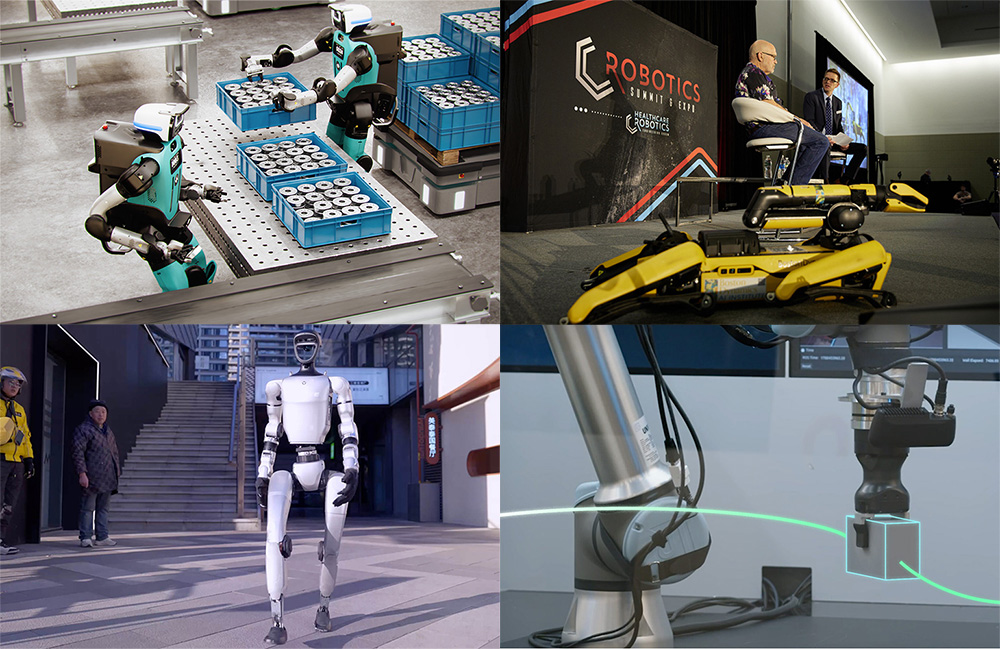
September 2026 Highlights: Major Robotics Developments and Company News
September 2026 was a significant month for the robotics sector, featuring key events like IMTS, ROSCon, and iROS, which showcased numerous advancements in automation and AI. Among the highlights, Arduino, a Qualcomm subsidiary, opened pre-orders for the VENTUNO Q, an edge AI platform designed for developers, emphasizing user-friendliness and compatibility with various software and accessories. Boston Dynamics made strides in general-purpose automation by launching the Robotics Metaplant Application Center at Hyundai Motor Group Metaplant America, aimed at integrating humanoid robots into automotive manufacturing. Meanwhile, the company also ventured into entertainment with the formation of Dynamic Creatures, focusing on robotic characters. Additionally, Flourish announced the Flourish One, a wheeled humanoid capable of learning household tasks quickly. In corporate news, Qualcomm's acquisition of PickNik Inc. aims to enhance the integration of robotics software with its Dragonwing platforms. Unitree Robotics faced a significant drop in share value, while Agility Robotics introduced Digit 5 and reported deployments at nine customer sites as it prepares for a SPAC merger. No further timeline was disclosed at the time of publication.
Artificial Intelligence Artificial Intelligence / Cognition Design / Development Development Tools / SDKs / Libraries Financial Humanoids
Understanding the Concept of 'Open' in Industrial Automation
The term 'Open' has become ubiquitous in industrial automation, but its meaning is often vague. It encompasses various measures, and suppliers may be open in some aspects while closed in others. Buyers should ask specific questions to discern the true openness of a platform or system. Historically, Open Automation 1.0 focused on interoperability, allowing different systems to communicate without custom drivers. With standards like OPC UA and MQTT, this challenge has largely been addressed. Open Automation 2.0 shifts the focus to application freedom, enabling users to run third-party software on devices, which enhances flexibility and reduces costs. As suppliers navigate the balance between openness and security, buyers must recognize that openness involves trade-offs. While opening systems can increase vulnerability, established standards like ISA/IEC 62443 provide frameworks for maintaining security. Understanding these dynamics is crucial for making informed decisions in industrial automation.
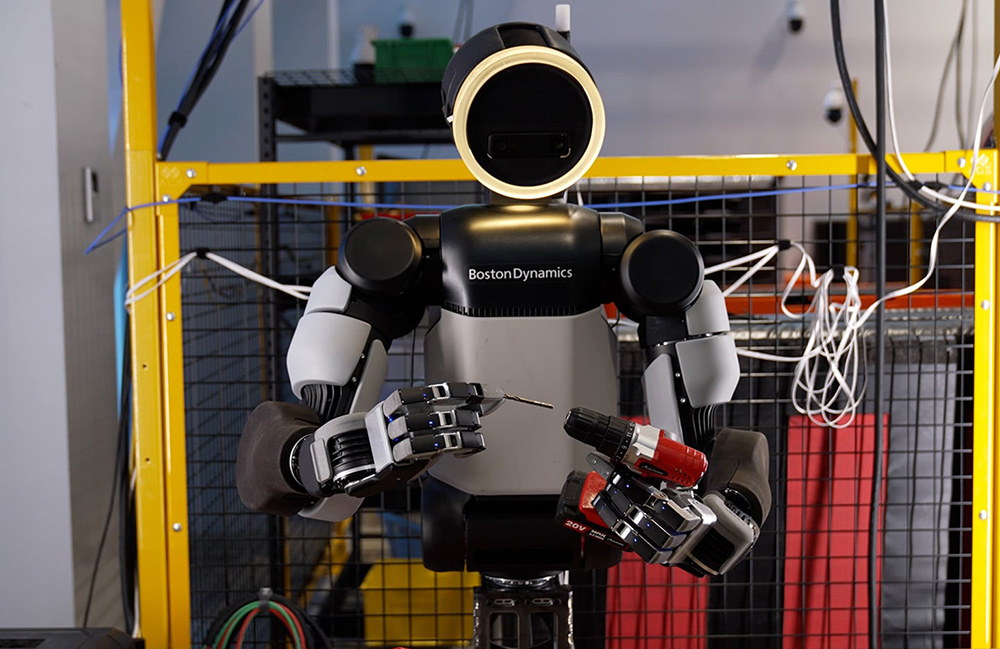
Boston Dynamics Unveils New Four-Fingered Hand for Atlas Humanoid Robot
Boston Dynamics has introduced a new four-fingered hand for its Atlas humanoid robot, featuring 13 degrees of freedom and designed for tool manipulation. The hand, which lacks a pinky, emphasizes reliability and mass manufacturing over complexity, allowing for high fidelity simulation and sim-to-real reinforcement learning. This development is significant as it marks a shift in focus from merely grasping objects to manipulating them effectively. The design process involved extensive experimentation, leading the team to conclude that the absence of a pinky finger would not hinder the robot's capabilities, balancing dexterity with complexity and power consumption. Looking ahead, Boston Dynamics is integrating Atlas into Hyundai's automotive manufacturing operations through its new Robotics Metaplant Application Center in Georgia. The company aims to enhance the functionality of its robots in real-world applications, with no further timeline disclosed at the time of publication.
Arms / Manipulators End of Arm Tooling Grippers Humanoids News Robots / Platforms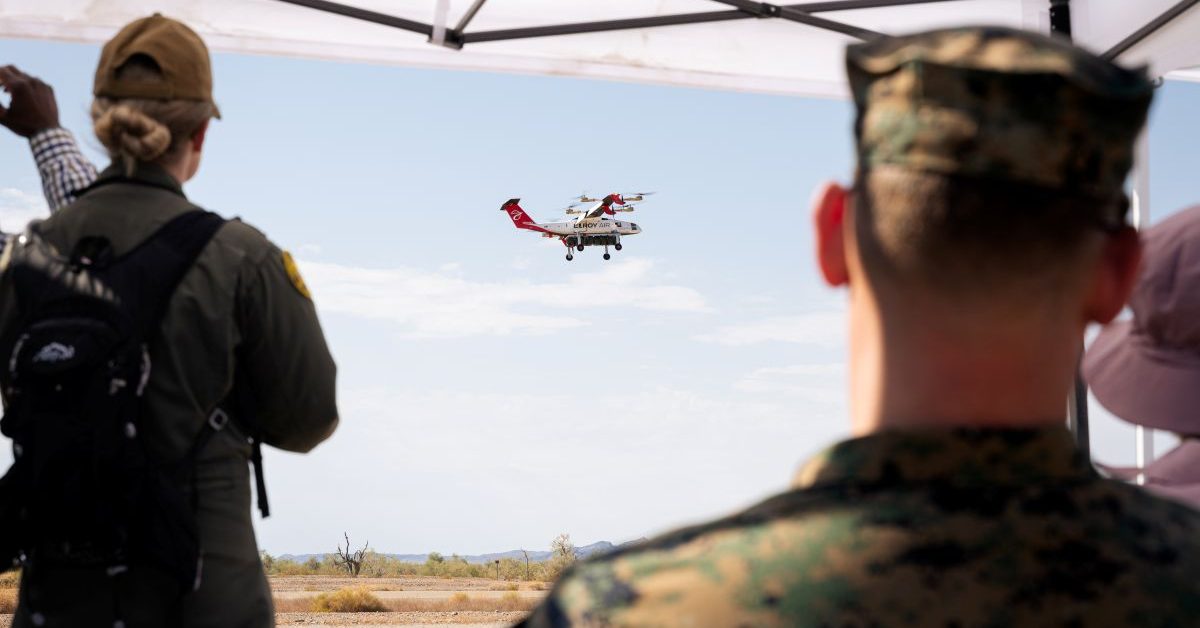
Elroy Air Raises $175 Million to Advance Chaparral Drone Production
Elroy Air has secured $175 million in expanded private investment commitments to scale production of its Chaparral autonomous cargo drone. This funding, which includes contributions from Lockheed Martin Ventures and Inflection Point, will support the transition from testing to large-scale manufacturing for military and commercial applications. The significance of this funding lies in Elroy Air's goal to enhance the Chaparral's capabilities, allowing it to carry over 500 pounds of cargo up to 450 miles without traditional infrastructure. The investment will accelerate production and enable the delivery of Chaparral drones to commercial and defense partners, particularly following a recent $46 million contract with the US Army. Looking ahead, Elroy Air aims to produce its first aircraft by late 2026, with manufacturing handled by Kratos Defense & Security Solutions in Sacramento, California. The company is focused on transforming successful demonstrations into large-scale production, leveraging its new financial resources to meet growing demand in logistics and defense sectors.
News
Kratos and GE Aerospace Successfully Ignite GEK800 Turbofan Engine for Missiles
Kratos Defense & Security Solutions and GE Aerospace have achieved a major milestone with the first successful ignition of the GEK800 turbofan engine. This engine is designed for next-generation US cruise missiles, marking a significant advancement in missile technology. The successful ignition of the GEK800 engine is crucial as it represents progress in developing advanced propulsion systems for military applications. This milestone underscores the collaboration between Kratos and GE Aerospace in enhancing the capabilities of US defense systems. Looking ahead, the focus will be on further testing and development of the GEK800 engine to ensure its reliability and performance in operational environments. No further timeline was disclosed at the time of publication.
News
GE Aerospace Achieves Ignition Milestone for GEK800 Turbofan Engine in Cruise Missile Program
GE Aerospace has successfully ignited the GEK800 turbofan engine, marking a significant milestone in the development of a propulsion system for long-range cruise missiles. This ignition event took place at Kratos’ X-58 test facility and initiates a new testing campaign aimed at demonstrating the engine's performance and durability. The GEK800, jointly developed by GE Aerospace and Kratos Defense & Security Solutions, is designed to meet the requirements for advanced cruise missile systems. The companies emphasize that the engine combines high performance with cost-effective manufacturing approaches, which is crucial for procurement programs focused on lower acquisition and lifecycle costs. Looking ahead, the ignition milestone signifies the beginning of extensive ground testing as the companies work towards production and integration with cruise missile systems. No further timeline was disclosed at the time of publication.
Military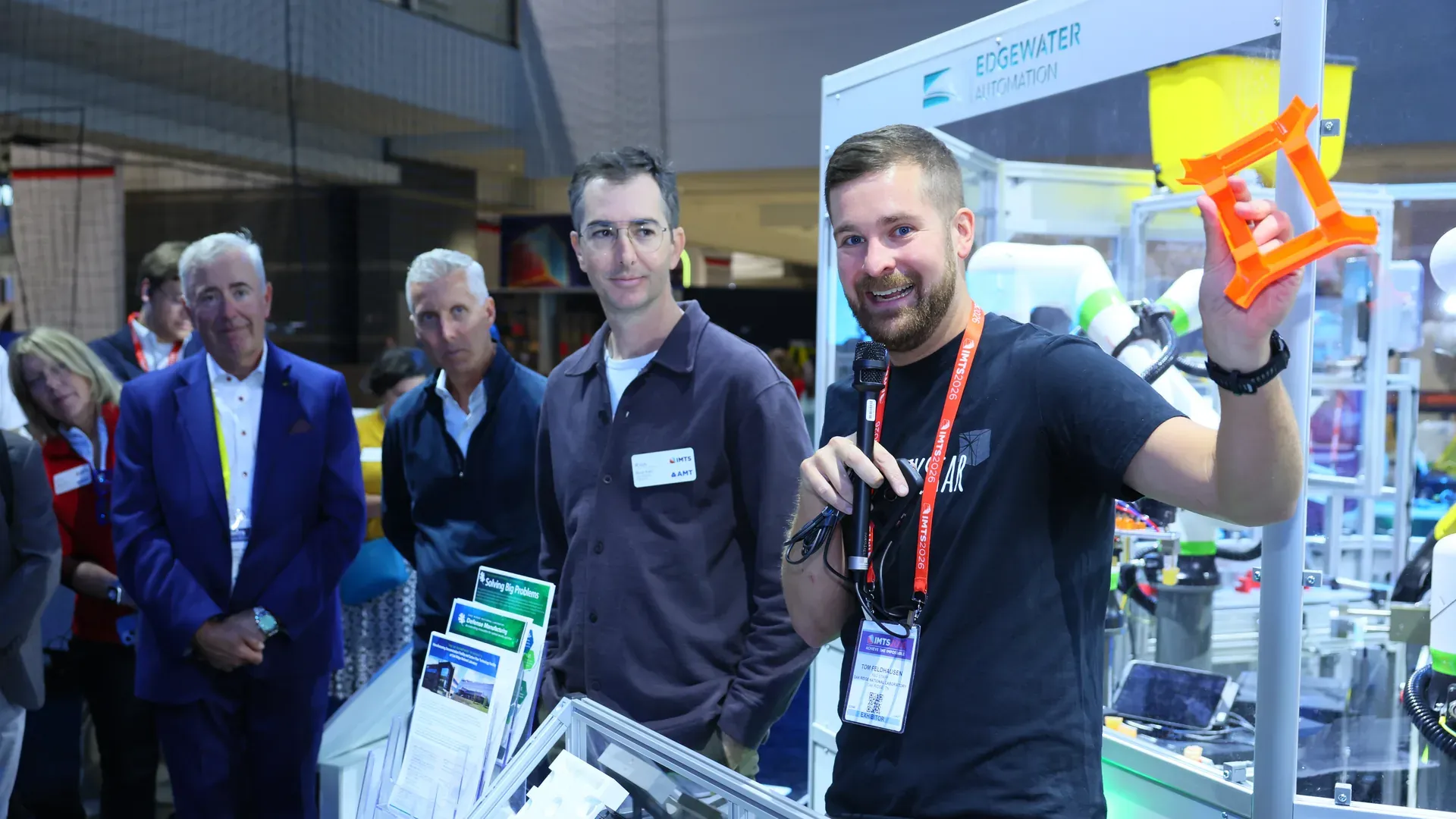
IMTS 2026 Preview: Record Orders and the Automation Story
IMTS 2026 opens in Chicago with 1,788 exhibitors and record H1 machine tool orders. What the USMTO data says about automation, and the booths to see.
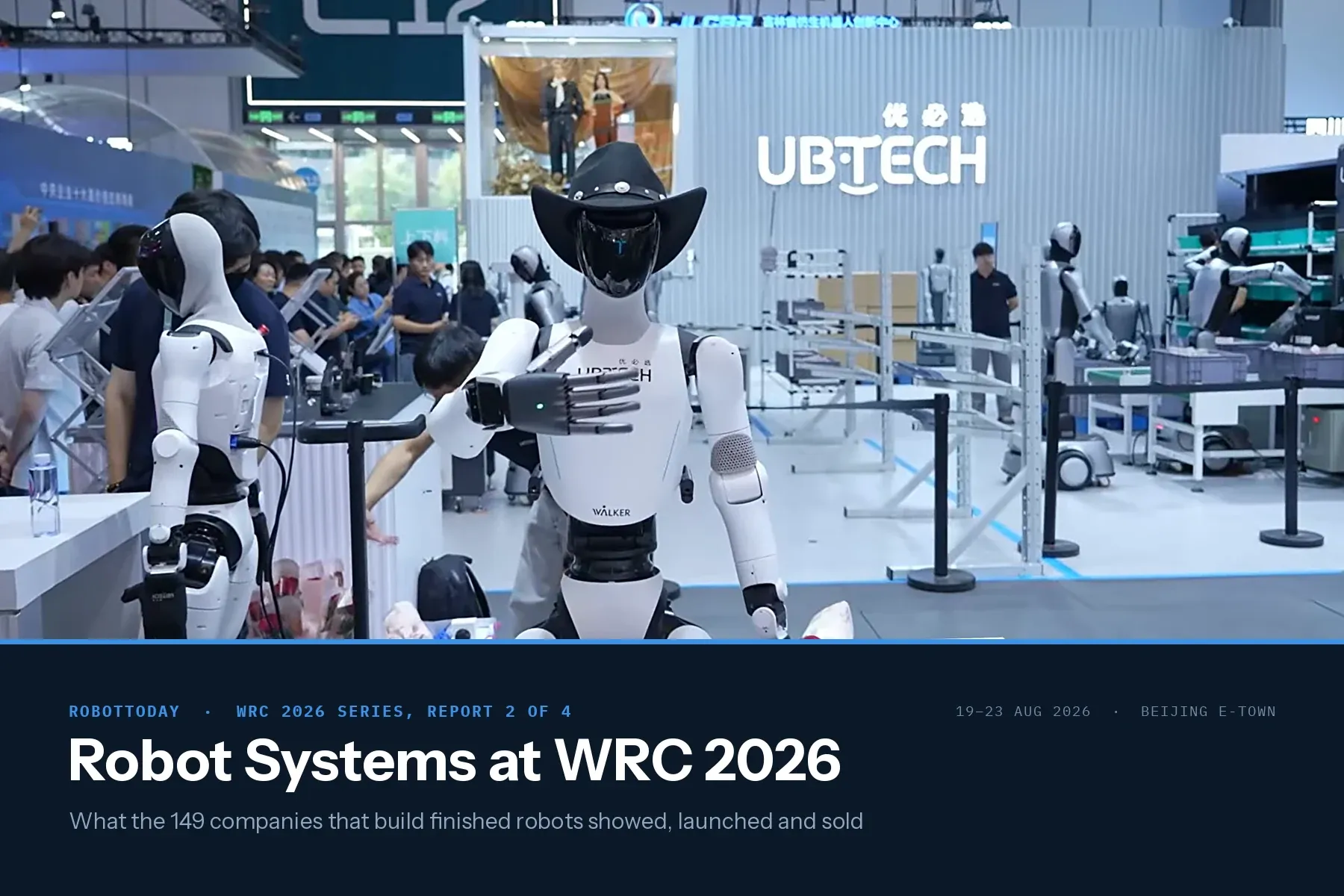
WRC 2026 Robot Systems: 149 Companies That Build Robots
149 of the 248 classified WRC 2026 exhibitors build finished robots. 93 build humanoid or legged machines. The audited humanoid sales number is one unit.

WRC 2026 Exhibitor Map: 248 Robotics Companies Mapped
We classified 248 WRC 2026 exhibitors with the RobotToday taxonomy. Motion & Actuation leads at 75 companies, Humanoid at 72, and compute stays thin at 12. (Modified 2026-08-27)
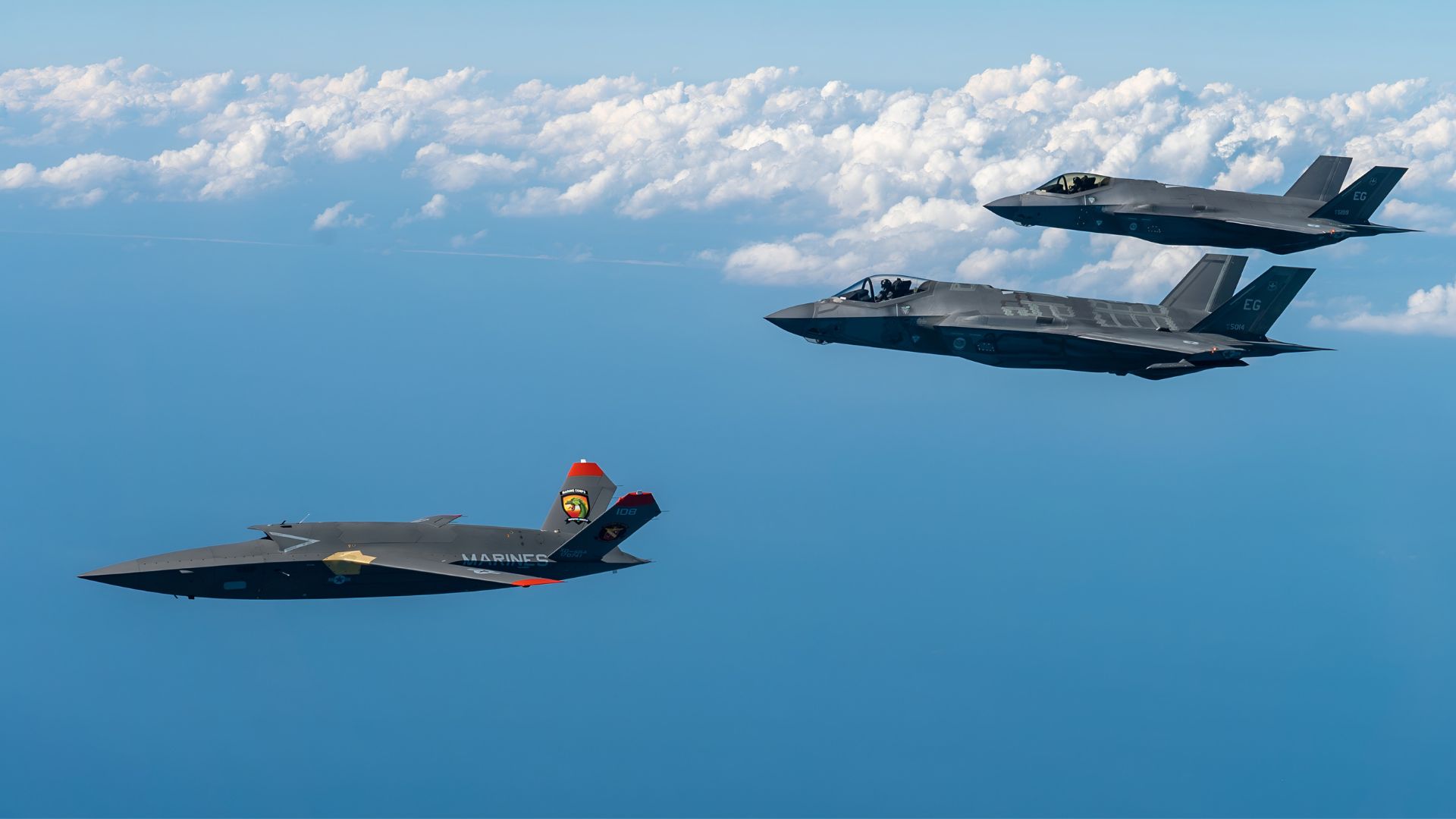
Kratos Defense's Valkyrie Drone Completes Successful Flight with F-35 Fighters
The US military is advancing towards integrating uncrewed aircraft with advanced fighter jets, specifically the F-35 and F/A-18. Kratos Defense & Security Solutions has showcased its XQ-58A Valkyrie drone's capabilities during a recent flight test in Southern California, where it successfully operated alongside Marine Corps fighters. This demonstration is significant as it highlights the potential for autonomous aircraft to enhance mission capabilities in contested airspaces. The Valkyrie's successful launch from a zero-length system and its ability to transition control between different systems underscore the importance of interoperability in military operations. Looking ahead, Kratos plans to scale production of the Valkyrie, aiming for over 150 unmanned aircraft systems by 2026. The ongoing collaboration with Northrop Grumman for the MUX TACAIR program will further adapt the Valkyrie for advanced missions, emphasizing the need for open-architecture systems in modern military aviation.
Military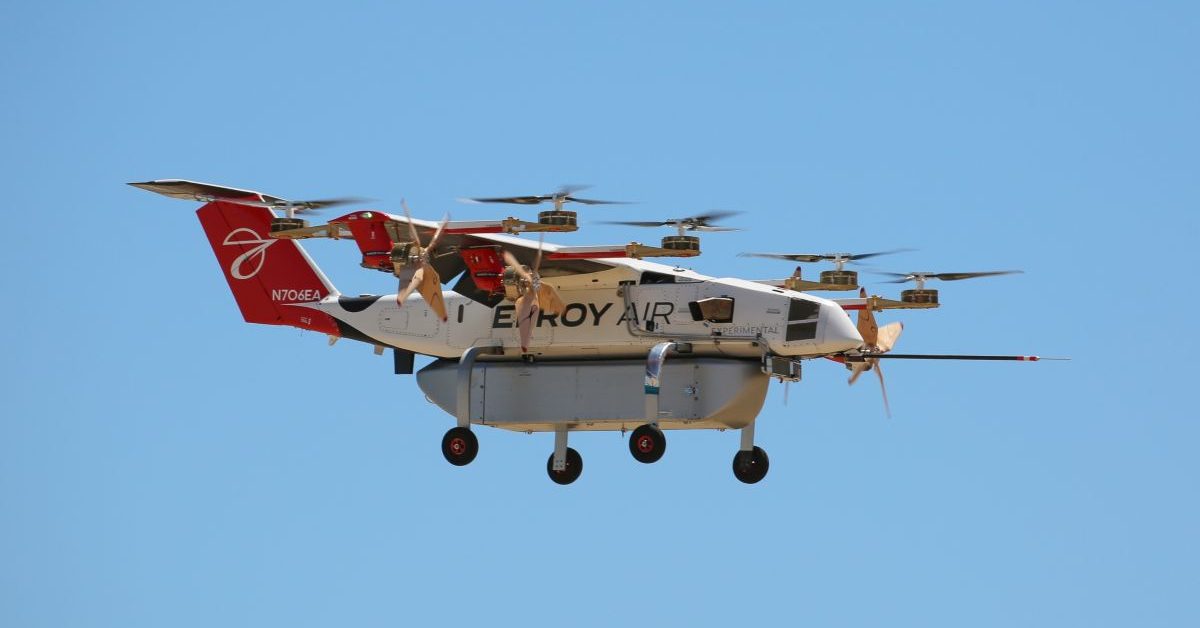
Elroy Air Receives $46 Million from US Army for Advanced Heavy-Lift Drone Development
Elroy Air has secured a $46 million multi-year contract from the US Army to enhance its autonomous hybrid-electric VTOL cargo drone, the Chaparral. This contract aims to improve the drone's capabilities in challenging military environments, focusing on modular cargo delivery and operational efficiency alongside troops. The significance of this contract lies in its alignment with the Army's emphasis on 'contested logistics,' ensuring supply continuity amid disruptions. Elroy Air's Chaparral drone, capable of carrying over 500 pounds, is designed for operations without fixed infrastructure, making it ideal for remote or damaged locations. Looking ahead, Elroy Air plans to start manufacturing the Chaparral in the US later this year, partnering with Kratos Defense & Security Solutions. While the current focus is military, the company also aims to expand the drone's applications in commercial logistics and disaster response, indicating a broader market potential for autonomous cargo delivery.
News
ROBOTTODAY Weekly July 13 – 17, 2026
This week in robotics: Hyundai takes full ownership of Boston Dynamics, Xpeng targets 1,000 Iron humanoids a month, LimX Dynamics raises $200M pre-IPO, and Agility opens a Silicon Valley physical-AI hub. July 13–17, 2026.

Physical AI Landscape: From Digital Intelligence to the Embodied Physical World
A comprehensive industry analysis of Physical AI — covering Embodied AI, Field AI, Factory AI, VLM, World Model, VLA, and the VLA vs WAM architecture debate. Includes 20+ companies, 28 references, and the RobotToday Physical AI Landscape diagram. July 2026.

Kratos announces Oklahoma plant expansion to boost jet drone production
Kratos Defense & Security Solutions has expanded its manufacturing campus in Oklahoma City with the addition of more than 100,000ft2 of production and assembly space.
News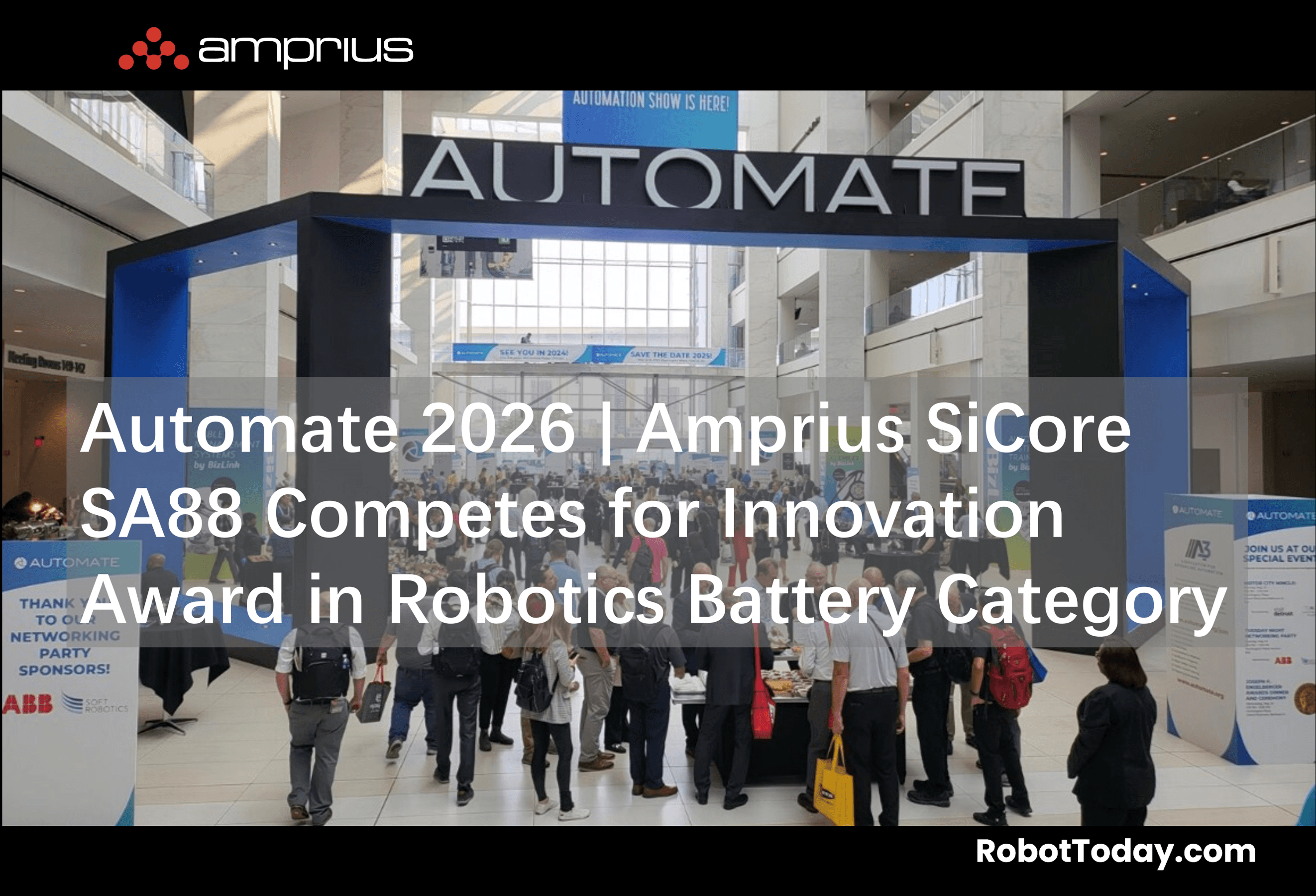
Automate 2026 | Amprius SiCore SA88 Competes for Innovation Award in Robotics Battery Category
At Automate 2026 in Chicago, Amprius Technologies exhibited its SiCore SA88 silicon-anode pouch cell — 358 Wh/kg, 750 Wh/L — as a finalist in the Components, Hardware & Enabling Technologies category. Analysis of implications for AMR, UAV, and aerial mobility platforms.
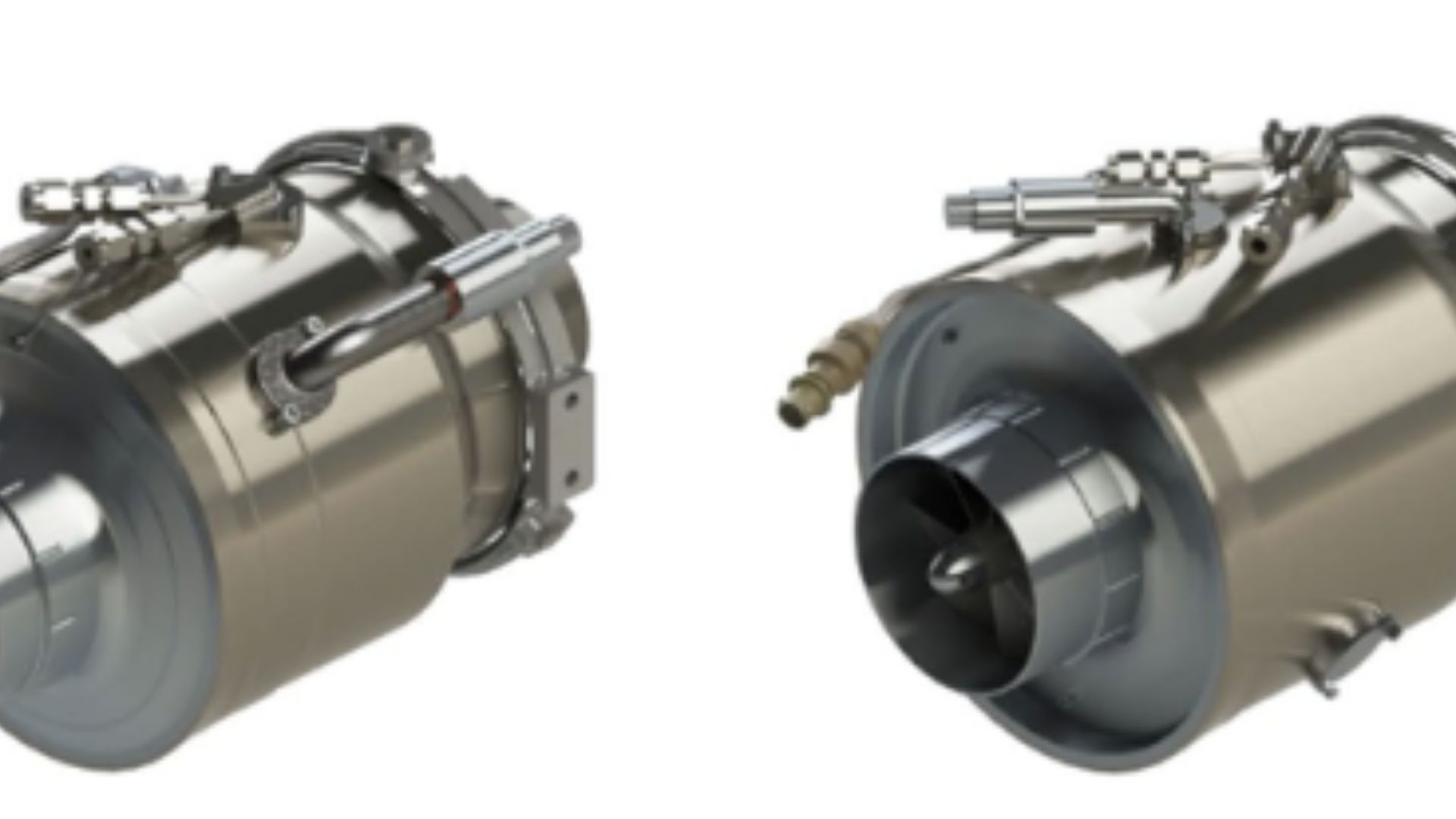
Kratos to upscale engine production to 3000 units for powering one way attack drones
Kratos Defense & Security Solutions is significantly increasing its manufacturing capacity for the Spartan family of unmanned aerial vehicles (UAVs) to meet growing demand. This strategic move comes as the company aims to enhance its production capabilities in response to heightened interest from both military and commercial sectors. The expansion is set to take place at Kratos' facilities in California, with plans to streamline operations and implement advanced technologies to boost efficiency. The decision to ramp up production is driven by the rising need for advanced drone systems, which are increasingly being utilized for surveillance, reconnaissance, and various defense applications. By enhancing its manufacturing capabilities, Kratos seeks to solidify its position as a leader in the UAV market and ensure timely delivery of its products to clients.
News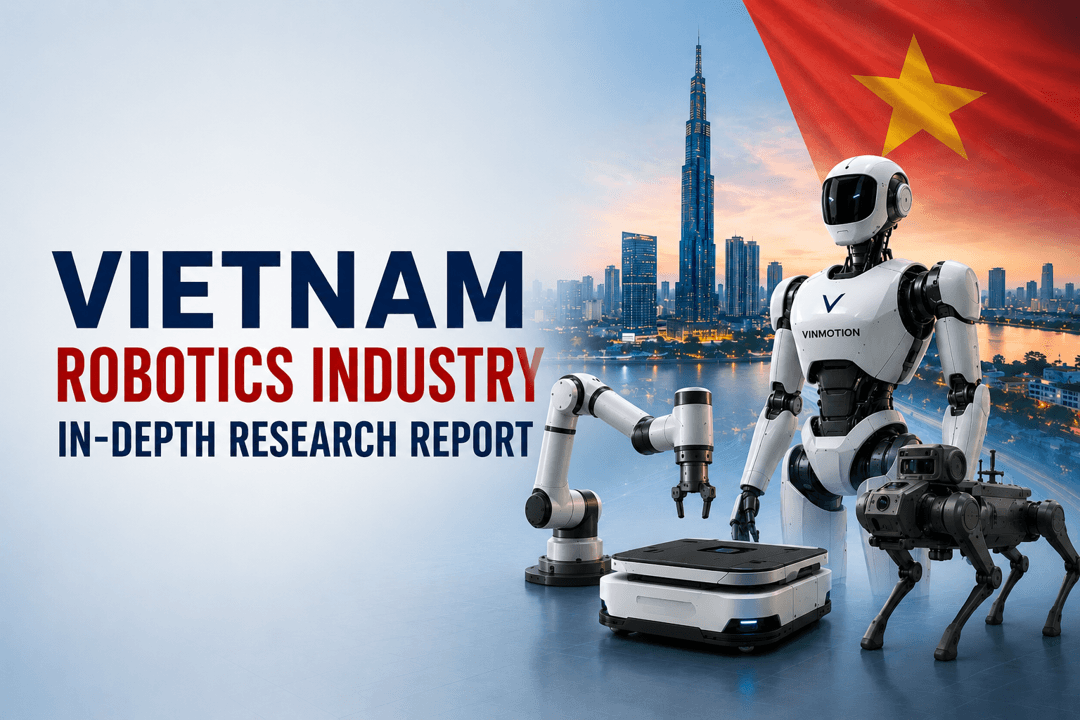
Vietnam Robotics Industry Report 2026
Comprehensive analysis of Vietnam's robotics industry: market size, industrial policy, key companies (Vingroup, Apicoo, Phenikaa-X), geopolitical dynamics, and 2030 growth opportunities.

FUTURE WARFARE | Cross-Domain Integration - Integration How Land, Sea, Air and Software Are Converging Into a Single Kill Chain
Cross-domain robotics is reshaping modern warfare as drones, UGVs, AI targeting systems, and autonomous logistics converge into a single networked kill chain across land, sea, air, and software.

RobotToday Weekly Industry Briefing: Feb 2 – 6, 2026
Robotics shifted from demos to deployment post-CES 2026, led by China’s humanoid scale, AI robot brains, and accelerating industrial adoption.
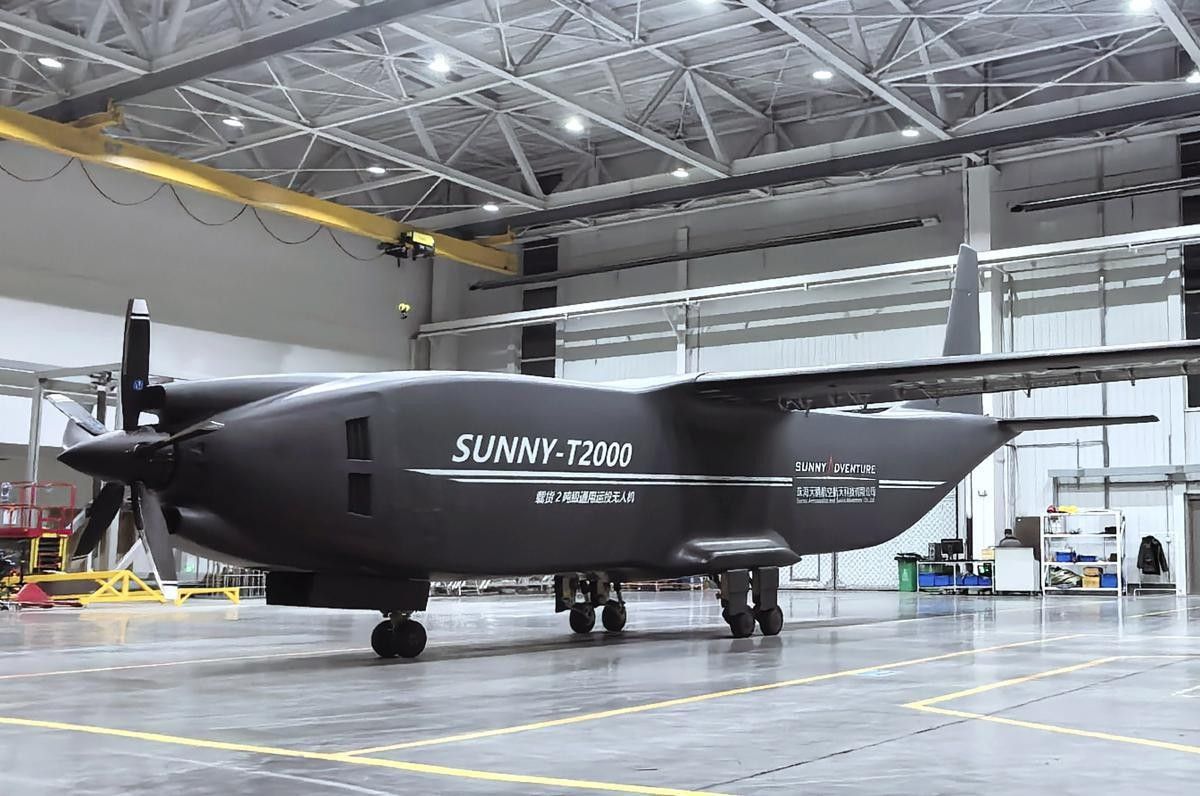
Sunny t2000 china s first 2 ton turboprop cargo uav signals a new era for heavy unmanned logistics
The SUNNY-T2000 signals a shift in heavy cargo UAVs, showing how two-ton unmanned aircraft are reshaping regional and industrial air logistics.


