
AAE North America
"Pushing Technical Boundaries"
US arm of Dutch AAE Group (est. 1976); custom factory automation, robotics integration, and machine vision from Morrisville, NC.
Contact AAE North America
WEBSITE
https://www.aae-na.tech/PHONE
+1 919-277-0659HEADQUARTERS
United States

Company Facts
Founded
2025
Primary Role
System Integrator
Company Size
-
Primary Region
North America
Annual Sales
-
Funding Stage
-
Funding Total
-
Certifications & Memberships
Keywords
- AAE North America
- Custom Automation
- Robotics Integration
- Contract Manufacturing
- A3 Member
- Industrial Manufacturing
- Robot Manufacturer
- System Integrator
- Manufacturer
- Contract Manufacturer
- Industrial Robot
- Collaborative Robot
- Perception & Vision
- Control & Software
- Manufacturing
- Healthcare & Senior Care
- Automotive

Hitachi and Fanuc Collaborate to Launch Physical AI Solutions for Manufacturing
Hitachi and Fanuc have established a strategic partnership aimed at developing and commercializing physical AI systems tailored for manufacturing. Initial testing will occur at Hitachi's factories in Japan's Ibaraki region, with broader deployment anticipated to commence in fiscal 2027. The collaboration seeks to automate tasks that currently rely on skilled labor, enhancing productivity and addressing labor shortages. This partnership is significant as it combines Hitachi's expertise in physical AI and operational technology with Fanuc's advanced industrial robots and AI capabilities. The goal is to create systems that can adapt to varying production conditions and tasks requiring human judgment. The initial applications will focus on parts picking and production changeovers, with plans to expand across multiple industries, including semiconductors and automotive. Looking ahead, Hitachi and Fanuc will leverage their global customer bases to implement these technologies across diverse sectors starting in fiscal 2027. The companies aim to continuously improve their systems by learning from real production data, which could lead to more efficient and adaptable manufacturing processes. No further timeline was disclosed at the time of publication.
Business & Markets Physical AI Fanuc Hitachi Industrial Robots Japan
Industrial Companies Embrace Smart Systems for Bee Conservation Efforts
An increasing number of industrial companies are engaging in bee conservation, driven by ecological responsibility and sustainability strategies. These companies do not need to be high-tech firms to contribute; the technological range includes industrial robotic systems and affordable open-source solutions for workplace training. The involvement of various industries in bee protection highlights a growing awareness of environmental issues and the importance of biodiversity. By integrating smart systems, companies can enhance their sustainability efforts while also potentially benefiting from improved workplace environments. Looking ahead, it will be interesting to see how these initiatives evolve and whether more companies will adopt similar strategies. No further timeline was disclosed at the time of publication.
Allgemein Anwendungen & Lösungen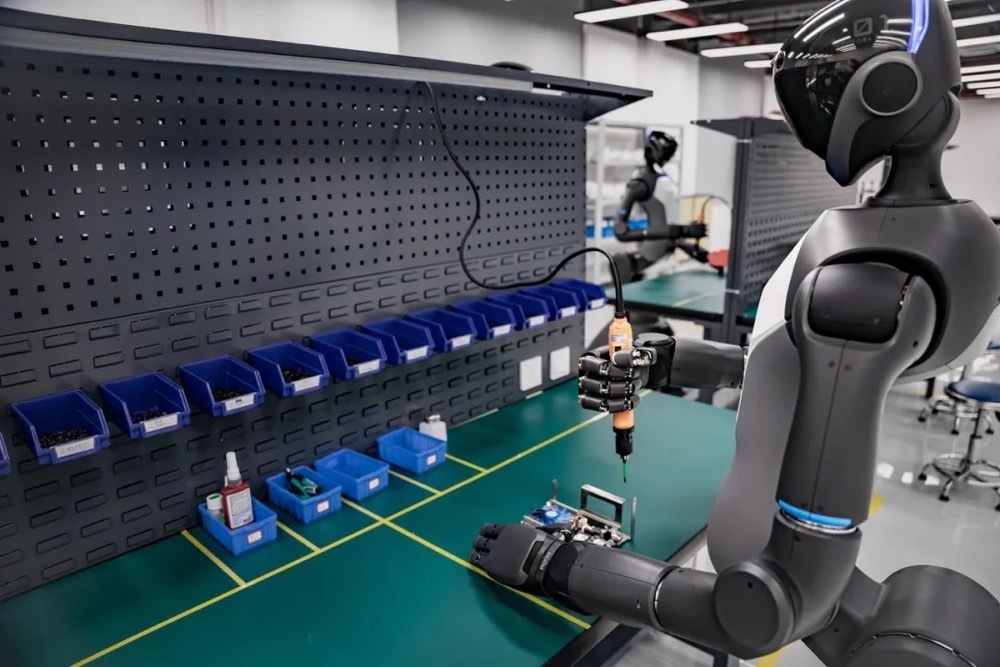
Industrial Companies Embrace Smart Systems for Bee Conservation Efforts
An increasing number of industrial companies are engaging in bee conservation, driven by ecological responsibility and sustainability strategies. These efforts are not limited to high-tech firms; a range of technological solutions is available, from industrial robotic systems to affordable open-source options for workplace training. The significance of this trend lies in the growing recognition of the role bees play in ecosystems and agriculture. By integrating bee conservation into their operations, companies can enhance their sustainability profiles while contributing positively to environmental health. Looking ahead, it will be important to monitor how these initiatives evolve and whether more companies adopt similar practices. No further timeline was disclosed at the time of publication.
Allgemein Anwendungen & Lösungen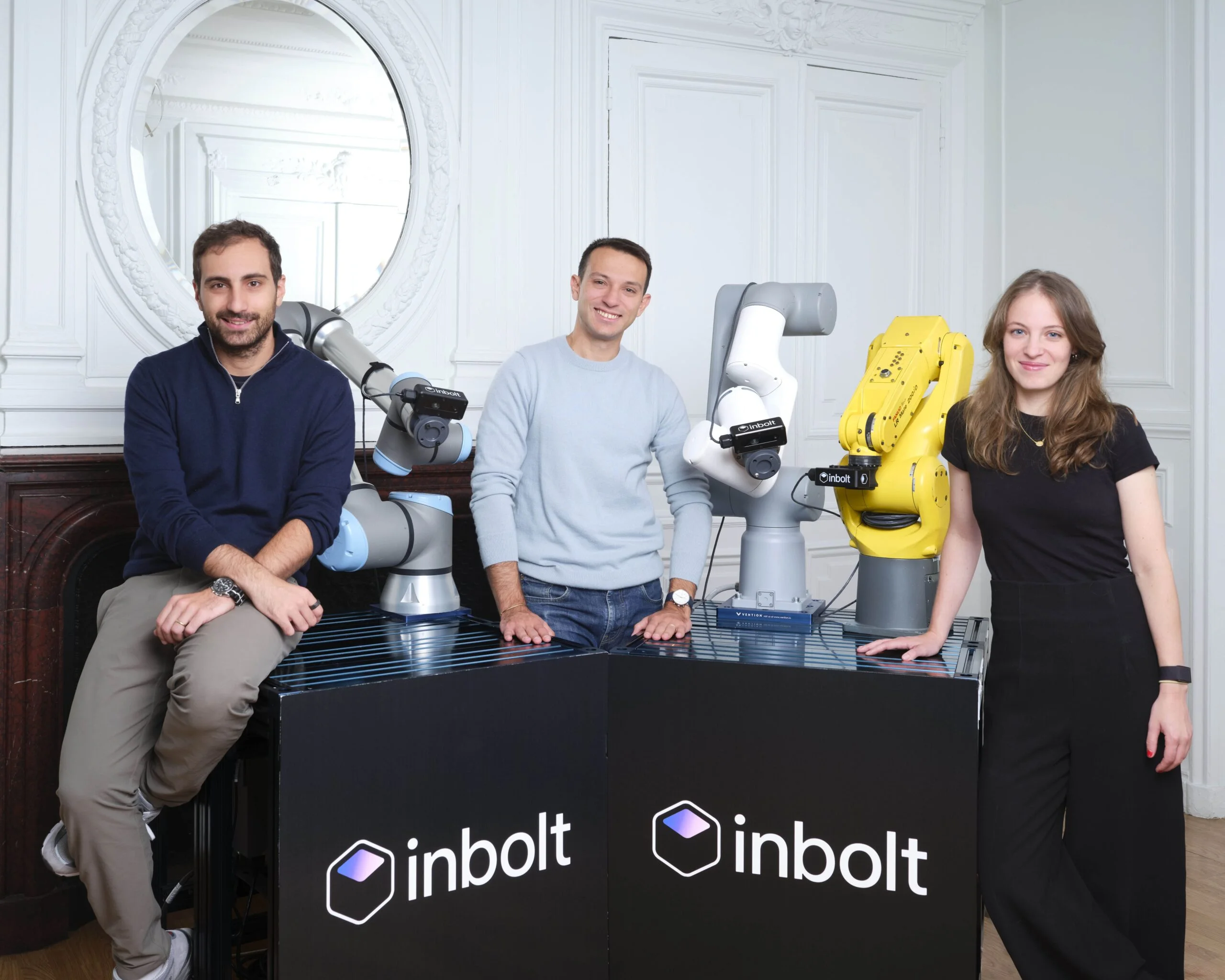
Inbolt Secures $12.5M Funding to Enhance AI Vision for Industrial Robotics
Inbolt has successfully raised $12.5 million to advance its AI-driven 3D vision software tailored for industrial robots. This funding will support the company's expansion into the U.S. and Asia-Pacific markets, as well as its entry into data centers and electronics manufacturing. The significance of this funding round, led by Shift4Good with contributions from Bridges Climate Transition Partners, BNP Paribas Développement, and Ora Global, brings Inbolt's total funding to $34 million. The company aims to enhance its operations in the U.S. following the establishment of a Detroit office in 2026, targeting sectors such as automotive and electronics manufacturing. Inbolt's software enables robots to adapt in real-time to changes in their environment, addressing issues like part misalignment and tooling wear. As the demand for more intelligent robotic solutions grows, Inbolt's hardware-agnostic approach positions it well for future developments in industrial automation. No further timeline was disclosed at the time of publication.
AI AI Funding & Investment Physical AI 3D vision BNP Paribas Développement Bridges Climate Transition Partners
Inbolt Secures $12.5M Funding to Enhance Industrial Robots' Vision and Intelligence
Inbolt has announced a successful funding round of $12.5 million, aimed at enhancing the capabilities of industrial robots. This funding will support the company's expansion into the US and APAC markets, as well as its entry into data centers and electronics manufacturing. The significance of this funding lies in Inbolt's innovative technology that enables industrial robots to see, think, and adapt in real time. This advancement allows robots to master various processes, parts, or stations, thereby increasing efficiency and versatility in manufacturing environments. Looking ahead, Inbolt's total funding has now reached $34 million, with participation from notable investors including Shift4Good, Bridges Climate Transition Partners, BNP Paribas Développement, and Ora Global. No further timeline was disclosed at the time of publication.
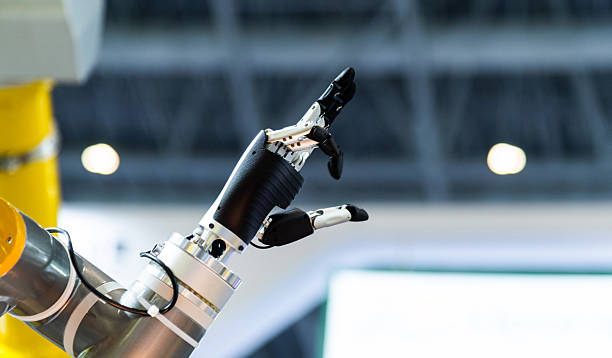
Inbolt Secures $12.5 Million to Enhance Industrial Robots with Vision and Intelligence
Inbolt has successfully raised $12.5 million in funding to enhance industrial robots with real-time vision and intelligence capabilities. The funding round was led by Shift4Good, with participation from Bridges Climate Transition Partners, BNP Paribas Développement, and Ora Global, bringing Inbolt's total funding to $34 million. This funding is crucial as it will support Inbolt's expansion into the US, particularly following the opening of its Detroit office in 2026, and its entry into new sectors such as data centers and electronics manufacturing. Inbolt's technology addresses the limitations of traditional industrial robots, which often struggle with part misalignment and tooling wear, leading to costly downtime. Looking ahead, Inbolt's innovative combination of 3D vision and AI software positions it to significantly improve automation across various industries, including automotive and electronics. The company is already deployed in over 100 factories worldwide, and its recognition as a rapidly growing startup highlights its potential impact on the future of industrial automation. No further timeline was disclosed at the time of publication.

Focus on Task Efficiency Over Human-Like Design in Industrial Robotics
The industrial sector is witnessing a growing interest in humanoid robots, primarily due to their ability to navigate human-designed environments and perform various tasks. However, experts argue that the focus should shift from replicating human forms to optimizing for specific tasks, such as moving heavy cases or sorting goods, where specialized robots can excel. This perspective emphasizes the importance of safety, reliability, and scalability in automation systems. Advances in artificial intelligence should enhance the capabilities of machines without necessitating a one-size-fits-all approach. Instead, the goal should be to develop generalizable intelligence that allows machines to perceive their surroundings and adapt to changing conditions, thereby improving overall system performance. Looking ahead, the future of automation lies in creating tailored machines for distinct tasks, supported by intelligent software that coordinates their operations. As noted by James Kuffner, CTO of Symbotic, the evolution of industrial robotics will prioritize task-specific designs over human-like silhouettes, leading to faster and safer operational systems.
Factory / Robotics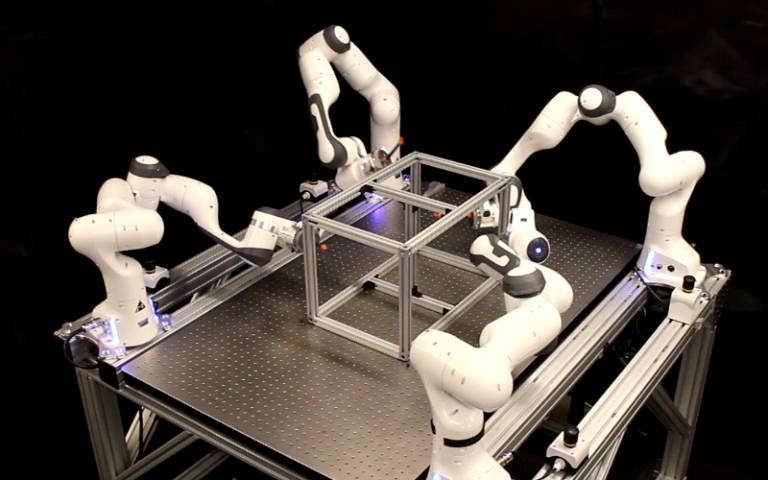
Robotics Day Set to Launch on October 14, Showcasing Future of Industrial Robotics
The Robotics Day is scheduled to commence on October 14 at 9 AM, highlighting advancements in industrial robotics. This event aims to bring together industry leaders and innovators to discuss the future trajectory of robotics technology. The significance of Robotics Day lies in its potential to shape the future of industrial automation. By showcasing cutting-edge developments and fostering discussions among experts, the event is expected to drive innovation and collaboration within the sector. As the date approaches, attendees should prepare for insightful presentations and networking opportunities that could influence the direction of industrial robotics. No further timeline was disclosed at the time of publication.
Allgemein Newsarchiv Veranstaltungs-Highlights
Advancements in Robotics Transforming Manufacturing Landscape
Recent reports highlight significant advancements in robotics for manufacturing, moving beyond traditional robot arms to more versatile models. The evolution of industrial automation is driven by improved perception, autonomy, and actuation, alongside a growing demand for robots due to skilled labor shortages across various sectors, including electronics and pharmaceuticals. The International Federation of Robotics indicates that industrial robot installations have doubled in the decade ending in 2024, with countries like South Korea, Singapore, Germany, and Japan leading in robot density. The emergence of collaborative robots and autonomous mobile robots is enabling factories to automate a wider range of tasks, enhancing operational flexibility and efficiency. Looking ahead, the Association for Advancing Automation reported a 6.6% increase in robot order value year over year in the first half of 2026, driven by rising orders in non-automotive sectors. As the industry continues to explore new applications and integration strategies, the challenge remains to ensure a solid return on investment while adapting to the evolving landscape of robotics in manufacturing.
eBooks Industrial Robots Manufacturing News
DIC Corp. Invests in Mantis Robotics to Advance Physical AI Technologies
DIC Corp. has made a strategic investment in Mantis Robotics, marking the inaugural deal from its $62 million DIC D2S Ventures fund. This investment aims to enhance Mantis' development of fenceless industrial robots, particularly the MR-1, which has recently achieved safety certification. The collaboration will focus on integrating DIC's materials and sensing technologies with Mantis' robotics capabilities. This partnership is significant as it highlights DIC's commitment to expanding into the physical AI sector, which is seen as a key growth area. Mantis Robotics, founded in 2020, is poised for commercial expansion across logistics, electronics, and automotive manufacturing, leveraging its innovative robotic solutions. The safety certification of the MR-1 is expected to drive further momentum in the industrial automation market. Looking ahead, both companies plan to explore advanced tactile and sensing systems, robotic fingers, and lightweight components. No further timeline was disclosed at the time of publication, but the collaboration is anticipated to yield significant advancements in human-robot collaboration and productivity in industrial settings.
Business & Markets Enterprise automation DIC Corp. investment Japan
RobotToday Weekly September 21 – 25, 2026
Cognex buys RealSense, Qualcomm acquires PickNik, the IFR counts 5 million factory robots, AGIBOT deploys 300 robots at Chimelong, and Tekever raises $580 million.

Siemens on Robots, Agentic AI and the "Last 3%" Problem
Siemens tells RobotToday at IMTS 2026 why AI robot demos are only the tip of the iceberg, and why agentic AI depends on PLM data and business context.

Glacian: Physics Model Vets AI Data Center Cooling
Glacian Technologies pairs AI with a physics-based digital twin that rejects unsafe commands. CEO Jie Zhao on cutting data center cooling energy 15-30%.

RobotToday Weekly September 14 – 18, 2026
Toyota weighs 400,000 factory robots, SoftBank buys Hyundai's Robotics and AI Institute, Agility unveils Digit 5, Figure's Helix 2.5 generalises to 30 homes, and August robotics funding hits $4.87 billion.

Innovation Works Venture Expo 2026: 58 Pittsburgh Startups Pitch to Investors
58 health, deep tech and robotics startups pitched at Innovation Works Venture Expo 2026 in Pittsburgh. Full company list, program and 2025 funding data.
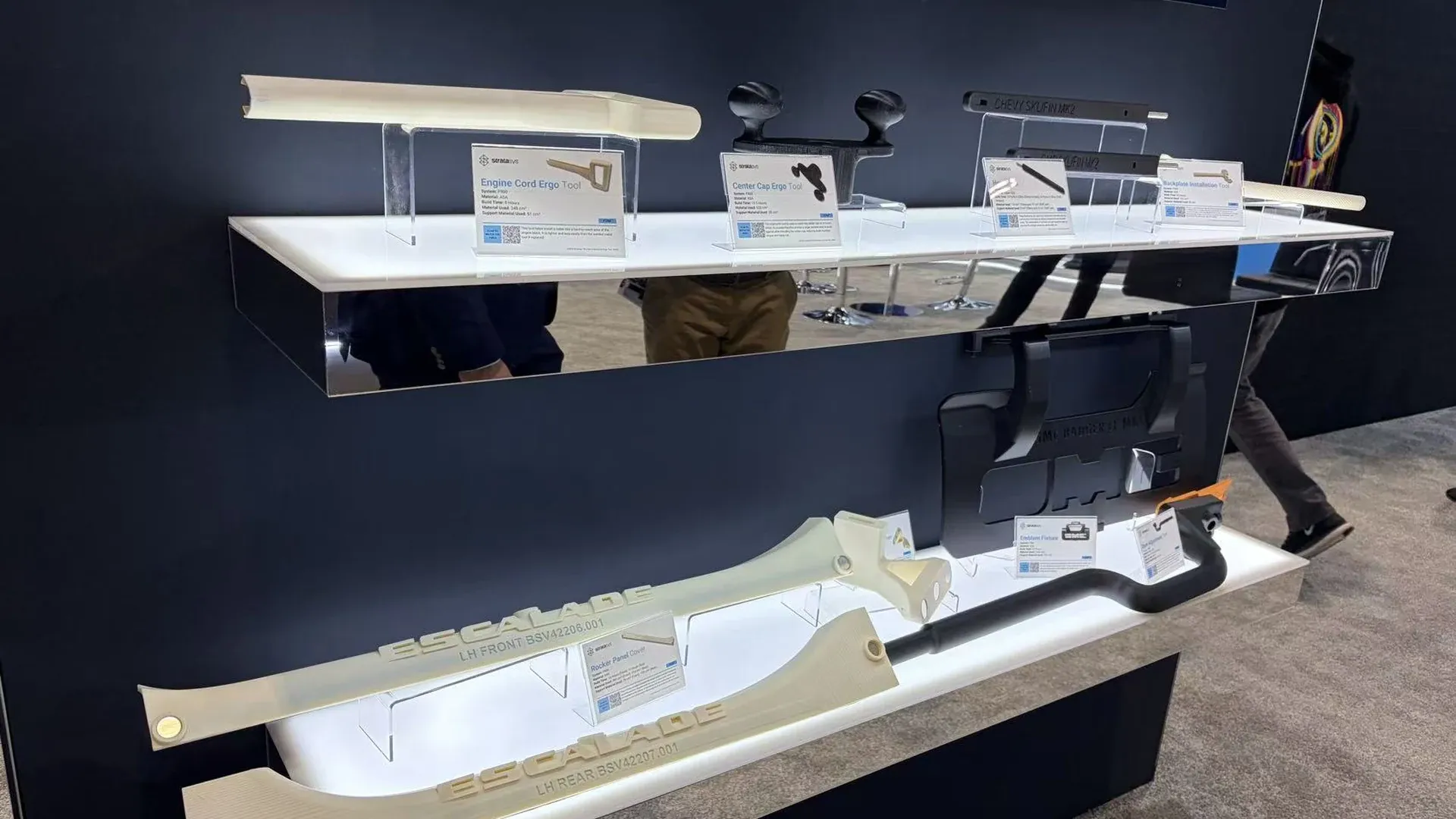
Stratasys at IMTS 2026: GM Scales Additive to 20+ Plants
Stratasys is rolling additive out across 20+ GM plants while Toyota prints robot grippers. Booth build data, the F870, and where the cost case breaks.

The Missing Price: What Non-Disclosure Reveals About the Humanoid Market
Of 131 announced robot models, 33 publish no price. US makers withhold at twice the rate of Chinese ones — and the reason is stage, not strategy.

IMTS 2026 Preview: Record Orders and the Automation Story
IMTS 2026 opens in Chicago with 1,788 exhibitors and record H1 machine tool orders. What the USMTO data says about automation, and the booths to see.

ROBOTTODAY WEEKLY September 7 – 11, 2026
This week in robotics: JD.com plans to deploy three million robots across its logistics network, XPeng commissions its IRON humanoid production line, FANUC and Google launch an AI arc-welding agent, and Unitree shares fall 53% from their post-IPO high. September 7–11, 2026.
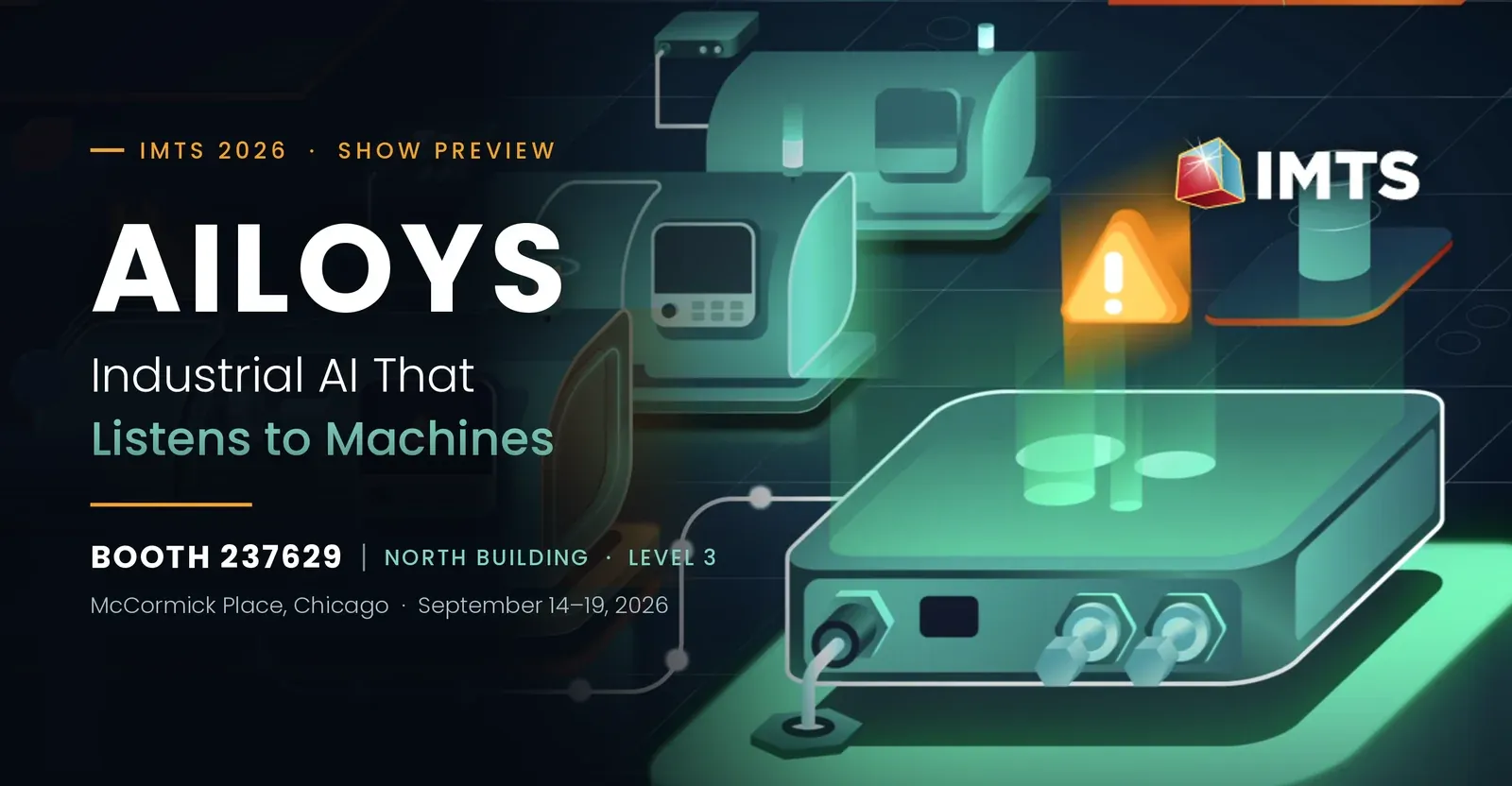
Ailoys Brings Acoustic Industrial AI to IMTS 2026
Berlin's Ailoys brings acoustic industrial AI to IMTS 2026, Booth 237629. Edge sensors catch process drift on existing machines before scrap appears.